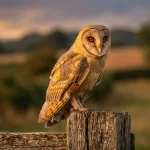
Did you know that owls are some of the most intriguing creatures in the avian world? Among them, one species stands out as the largest-a true titan of the sky that captures the imagination of bird enthusiasts and casual observers alike. In this article, we’ll uncover the identity of the largest owl in the world, exploring its impressive size, fascinating behaviors, and the conservation challenges it faces. Understanding these magnificent birds not only deepens our appreciation of nature but also highlights our responsibility to protect their habitats amid environmental changes. Whether you are a seasoned birder or just curious about wildlife, this exploration will inspire you to look up and appreciate the wonders soaring above us. Join us as we reveal the size champion of owls and uncover what makes it the reigning monarch of the night sky.
What Defines the Largest Owl Species?
The definition of the largest owl species isn’t just about size; it encompasses several factors including wingspan, weight, and unique characteristics that set these avian giants apart. Among the contenders, Blakiston’s Fish Owl reigns supreme. This magnificent bird can boast a wingspan of up to 6.6 feet (about 2 meters) and can weigh as much as 10 pounds (approximately 4.6 kilograms) [1, 2, 3]. Such dimensions allow it to not only thrive in its natural habitat but also command attention and admiration among those fortunate enough to encounter it.
Owls, particularly larger species, are often defined by their physical traits and adaptations which facilitate their hunting prowess and survival. For instance, the facial disc of owls is specially designed to funnel sound, enhancing their ability to locate prey in darkness. In the case of the Blakiston’s Fish Owl, its powerful talons and large size make it adept at hunting fish in fast-moving rivers and streams, highlighting the importance of specialized adaptations in defining what it means to be the largest.
It’s essential to understand that size alone doesn’t encapsulate the entirety of what an owl species represents. Behavior, habitat preferences, and vocalizations also play critical roles. Different species, like the Great Gray Owl or the Eurasian Eagle Owl, display impressive size and unique ecological niches, making the study of large owls a captivating venture into the avian world. For birders and enthusiasts, recognizing these characteristics is fundamental in identifying and appreciating these awe-inspiring creatures.
Uncovering the Great Gray Owl’s Size
The Great Gray Owl, often described as an “avian phantom,” captures the imagination not just with its striking appearance but also with its impressive size. This owl stands as one of the largest in the world, characterized by its striking features, which include a prominent facial disc, striking yellow eyes, and a long, cat-like body that can reach impressive dimensions. Its wingspan stretches between 4.5 to 5.5 feet (approximately 1.4 to 1.7 meters), which sets it apart as a formidable presence in the bird world.
In terms of weight, adult Great Gray Owls typically weigh between 2 to 4.6 pounds (about 0.9 to 2.1 kilograms). This range allows them to retain agility despite their size, enabling agile hunting and navigating through dense forests. Notably, these owls exhibit sexual dimorphism, with females being slightly larger than males, a common trait among many owl species that adds to the intrigue of their physical makeup. Their sheer bulk, combined with their unique adaptations, makes them adept at hunting in snowy environments and contributes to their status as potent predators.
Despite their size, Great Gray Owls are known for their stealth. Their feathers are specially structured to minimize noise when flying, an adaptation that allows them to approach prey silently-usually small mammals like voles and mice. This hunting prowess increases their survival rate, illustrating how size and stealth can work together effectively. As large as they are, their hunting strategy relies not solely on sheer power but on a blend of size, skill, and specialized hunting techniques.
For birdwatchers hoping to spot a Great Gray Owl in the wild, pay attention to their habitat preferences. These majestic owls are often found in mixed coniferous or boreal forests, where they can blend effortlessly into their surroundings. When spotting one, look for their distinctive coloration-gray plumage that may appear mottled with darker and lighter shades, providing vital camouflage against the backdrop of trees and snow. Locating a Great Gray Owl is not just about size; it’s about understanding their ecological niche and the elements that contribute to their majestic presence in the natural world.
Comparing the Largest Owls: Weight vs. Wingspan
When discussing the largest owls, comparing weight and wingspan offers a fascinating perspective on their physical capabilities and ecological adaptations. The Great Gray Owl is remarkable not only for its impressive wingspan, which can range from 4.5 to 5.5 feet (approximately 1.4 to 1.7 meters), but also for its relatively lightweight body, averaging between 2 to 4.6 pounds (about 0.9 to 2.1 kilograms). This combination allows it to soar gracefully through the forests it inhabits, showcasing a unique blend of size and agility that is critical for its hunting strategies.
Weight Considerations
An owl’s weight is a crucial factor in its predatory efficiency. Heavier owls, such as the Great Gray, benefit from their bulk when capturing prey, especially in snowy environments where they must exert force to penetrate soft snow. This weight facilitates a powerful, sweeping flight to cover large distances while hunting. However, it’s essential to note that while larger size may suggest increased power, agility is also paramount. A lighter owl can maneuver more nimbly, darting accurately to snatch small mammals such as voles and mice, which comprise the majority of their diet.
Wingspan Importance
On the other hand, wingspan is a significant indicator of an owl’s range and ability to glide silently through its habitat. For instance, the Great Gray Owl’s expansive wings allow it to create lift efficiently and reach extensive areas in search of food. This wingspan not only aids in mobility but also amplifies their presence in the ecosystem, as they can cover large territories without excessive energy expenditure. A broader wingspan enhances the ability to soar silently, a critical advantage when hunting, as it promotes stealth and reduces detection by prey.
Comparison of Weight and Wingspan Across Species
To further illustrate these dynamics, consider the following comparisons with other large owls:
| Species | Wingspan (feet) | Weight (pounds) |
|---|---|---|
| Great Gray Owl | 4.5 – 5.5 | 2 – 4.6 |
| Great Horned Owl | 4.8 – 5.5 | 4.5 – 5.5 |
| Blakiston’s Fish Owl | 5.9 – 6.6 | 4.4 – 8.6 |
This table allows us to glean insights into how various sizes and shapes accommodate different ecological roles and hunting habits. Understanding the relationship between weight and wingspan among owl species can deepen our appreciation of their adaptations and the unique niches they occupy in the avian world. Whether for enthusiasts, conservationists, or casual observers, recognizing these aspects of the largest owls enhances our knowledge and appreciation of these incredible creatures.
Fascinating Facts About the Largest Owls
When exploring the fascinating world of owls, the largest species command special attention due to their impressive physical attributes and prowess in the wild. One of the most notable characteristics that define the largest owls, like the Blakiston’s Fish Owl, is their extraordinary size that manifests not only in weight but also in wingspan. For instance, the Blakiston’s Fish Owl boasts a wingspan that can reach up to 6.6 feet (approximately 2 meters), making it one of the best gliders in its domain. Their keen ability to traverse large distances quietly enhances their hunting efficiency, allowing them to stealthily stalk their prey.
In addition to their impressive wingspan, the Great Horned Owl, often considered the quintessential large owl, features a combination of strength and agility. With a weight range of 4.5 to 5.5 pounds and a wingspan measuring up to 5.5 feet, this owl is adept at navigating diverse environments, from dense forests to open fields. What’s particularly fascinating about these owls is their adaptability to various habitats. They can thrive in different climates, from snowy tundras to urban settings, highlighting their resilience and ecological versatility.
Owls are not just captivating because of their size; they also play an essential role in maintaining ecological balance. As apex predators, large owls regulate populations of small mammals and other prey, helping ensure that ecosystems remain healthy and sustainable. Their nocturnal hunting habits mean they are primarily active at night, using their extraordinary night vision and hearing capabilities to detect subtle movements in the dark.
Additionally, these giant owls carry significant cultural weight, symbolizing wisdom and mystery in various cultures around the world. From ancient mythology to modern literature, owls have inspired numerous stories and legends. Many bird watchers and enthusiasts report experiencing a sense of awe when observing these majestic birds in their natural habitats, making them a subject of interest for both casual observers and seasoned ornithologists alike.
By understanding the remarkable traits and ecological importance of the largest owls, we can appreciate these incredible birds not just for their size but also for their vital role in our natural world. Whether you’re a beginner hoping to glimpse one in the wild or an experienced birder expanding your knowledge, there’s always something new to discover about these fascinating creatures.
Habitat and Distribution of Giant Owls
The habitats of the world’s largest owls, such as the Blakiston’s Fish Owl and the Great Horned Owl, are as diverse as their impressive sizes. These magnificent birds are not only remarkable for their physical attributes but also for their ability to adapt to a range of environments, showcasing their ecological versatility. The Blakiston’s Fish Owl, for instance, thrives in riparian forests along rivers and streams, indicating a strong dependency on water sources for hunting its primary prey-fish. This owl’s presence is predominantly noted in Eastern Russia, Japan, and parts of China, where old-growth forests provide ample cover and nesting opportunities.
In contrast, the Great Horned Owl is one of the most widely distributed owls in the Americas, found in habitats ranging from dense woodlands to urban settings and deserts. Their adaptability allows them to nest in a variety of structures, including trees, cliffs, and even human-made environments. With its distinctive tufts and powerful build, this species demonstrates a remarkable ability to thrive in both the wild and urban landscapes, making it a familiar sight for many bird watchers.
Key Habitats for the Largest Owls
- Forest Ecosystems: Many large owls, like the Blakiston’s Fish Owl, prefer mature forests that provide both hunting grounds and nesting sites.
- Wetlands and Riparian Areas: Essential for species that rely on aquatic prey, these habitats support diverse ecosystems where owls can hunt effectively.
- Urban Areas: The Great Horned Owl is particularly adept at adapting to urbanized environments, showcasing their resilience in various climates.
- Mountainous Regions: Some larger owls, like the Eurasian Eagle Owl, are found in rocky terrains, utilizing cliffs and ledges to nest.
The geographic distribution of these giant owls reflects both the availability of suitable habitats and their ecological requirements. Understanding where these majestic birds thrive is crucial for conservation efforts, as habitat destruction poses a significant threat to their survival. Preserving essential ecosystems such as forests and wetlands is vital to protect these apex predators and maintain the balance of nature they help sustain. Whether you’re venturing into the wild to observe them or contributing to conservation initiatives, recognizing their habitat needs ensures we can appreciate and protect these remarkable creatures for generations to come.
Diet and Hunting Techniques of Large Owls
Large owls exhibit remarkable hunting techniques and diverse diets tailored to their size and habitat. One of the most striking features of these majestic predators is their ability to adapt their hunting methods based on the types of prey available in their environments. For instance, the Blakiston’s Fish Owl, renowned as the largest owl in the world, primarily preys on fish. It meticulously hunts in riparian forests, using its exceptional hearing and keen eyesight to locate fish in dark, flowing waters. This owl can even dive into the water with impressive agility, demonstrating a hunting style that is as powerful as it is nuanced.
In contrast, the Great Horned Owl showcases a more generalist approach to feeding. This adaptable predator will hunt anything from small mammals like rabbits and rodents to birds, amphibians, and even some reptiles. Their formidable size allows them to take down relatively large prey, which they may capture using a combination of stealth, strength, and surprise. Utilizing their powerful talons, these owls can quickly immobilize prey, making them effective nocturnal hunters in a range of habitats, from urban areas to forested regions.
Hunting Techniques
The hunting techniques of large owls can vary widely among species, yet they all share common strategies:
- Stealth and Silence: Owls possess specialized feathers that break up turbulence during flight, allowing them to approach prey silently.
- Acute Senses: A powerful sense of hearing and exceptional night vision are crucial for spotting and capturing prey in low-light environments.
- Ambush Strategy: Many large owls prefer to wait patiently on a perch or in a tree before pouncing on unsuspecting prey below.
Hunting is not merely about capturing prey but also about the ecological balance these predators help maintain. By keeping populations of small mammals and birds in check, owls play a vital role in their ecosystems, demonstrating the interconnectedness of nature. Observing these magnificent creatures in action, whether in the wild or through wildlife documentaries, allows us to appreciate the complex dynamics of predation and survival in the avian world.
Behavioral Traits of the Largest Owl Species
The largest owl species in the world, such as the Blakiston’s Fish Owl and the Great Grey Owl, exhibit a range of fascinating behavioral traits that set them apart from their smaller relatives. One of the most compelling aspects of these giants is their adaptability. In diverse habitats, from dense forests to riverbanks, they have honed their hunting and survival strategies to thrive within their ecological niches. For instance, the Blakiston’s Fish Owl, recognized for its impressive size, has developed specialized hunting behaviors that include fishing in fast-moving water, showcasing not only agility but also a unique skill set caused by its environmental interactions.
Among their hunting tactics, large owls display remarkable patience and stealth. They typically rely on a practice known as “sit-and-wait” hunting, where they perch quietly for extended periods, waiting for their prey to come within striking distance. This behavior is facilitated by their extraordinary nocturnal vision and keen hearing, allowing them to detect movement in low light. For those interested in observing behavior in the wild, consider early dawn or twilight hours when these owls are most active.
Our understanding of these majestic birds extends beyond their hunting prowess. Social interactions among the largest owls reveal complex communication patterns. Calls vary from deep hoots to sharp whistles, serving as territorial markers or mating calls. Engaging with these sounds can enhance the experience of birdwatching, offering insights into the social dynamics of owl populations.
Furthermore, behavioral traits such as parental involvement are significant. Large owls typically exhibit strong maternal instincts, with females often taking the lead in incubating eggs and rearing chicks. This nurturing behavior solidifies the reproductive success of these birds, contributing to their survival in the wild. For aspiring bird enthusiasts, witnessing the bond between parent and offspring can be a profound experience, emphasizing the emotional and social depth of these remarkable creatures. Observing them in their natural habitats fosters a greater appreciation for their role in maintaining biodiversity and ecosystem balance.
Conservation Status: Protecting Big Owls
In recent years, the conservation of large owls has become paramount, not only because of their impressive size but also due to their vulnerable status in the wild. For instance, the Blakiston’s Fish Owl, recognized as one of the largest owl species in the world, is critically endangered, primarily due to habitat loss and degradation from industrial activities, deforestation, and pollution. Protecting these magnificent creatures requires a multifaceted approach that combines habitat conservation, public awareness, and scientific research to ensure their survival for future generations.
To effectively protect these apex predators, we must first understand their habitats. Large owls typically inhabit old-growth forests and riparian zones rich in biodiversity, which enable them to find ample prey. Conservation efforts often focus on preserving these critical habitats through the establishment of protected areas and wildlife reserves. Local communities play a vital role in these endeavors; by engaging and educating residents about the importance of preserving owl habitats, we can foster stewardship and support for conservation initiatives.
Another key aspect of protecting big owls involves research and monitoring. Biologists and conservationists track their populations to assess health and trends. For example, satellite tracking and banding help gather essential data on their movement patterns and reproductive success, enabling targeted conservation strategies. Citizens can also contribute to these efforts-the citizen science movement has gained momentum, allowing enthusiasts to document sightings and report data that can help scientists paint a clearer picture of owl demographics and threats they face.
Additionally, raising awareness of the ecological importance of owls is crucial. As apex predators, they play an integral role in regulating rodent populations and maintaining the balance within their ecosystems. Educational programs in schools and community centers can highlight their role in biodiversity while fostering a sense of connection between people and wildlife. Engaging narratives about local owl species, their behaviors, and their needs can inspire action and support for conservation efforts.
Ultimately, the future of these majestic birds hinges on our collective ability to protect their habitats, educate communities, and conduct thorough research. By prioritizing conservation strategies that involve all stakeholders, we can ensure that these incredible owls continue to soar through our skies, enriching our natural world.
How to Identify the Largest Owls in the Wild
Identifying the largest owls in the wild can be an exhilarating experience, especially when you know what to look for. One captivating aspect of these magnificent birds is their impressive size, which can surpass many other avian species. Let’s take a deeper look at how to distinguish these giants, focusing primarily on the Great Gray Owl and the Blakiston’s Fish Owl, two of the largest species known for their grandeur.
To start with, size and silhouette are key factors in identifying these formidable birds. The Great Gray Owl, for instance, boasts a wingspan that can measure up to 60 inches, giving it a broad, imposing presence. In the field, look for its distinctively round face, with a large, bright yellow eye that stands out against its grayish-brown feathers. The Blakiston’s Fish Owl can also reach a wingspan of about 60 inches, but it is generally heavier, with a robust body and long ear tufts. Spotting these owls might require patience and an eye for detail, especially if they are perched in dense forest settings.
Another practical tip is to pay attention to vocalizations. Large owls tend to have unique calls that are often deep and resonant. The Great Gray Owl is known for its soft, melancholy hoots, whereas the Blakiston’s Fish Owl emits a distinctive, booming call, often heard echoing through its habitat. Listening for these sounds can significantly enhance your chances of locating them in the wild.
Behavior is also a critical identifier; observing their hunting techniques can provide insights into their species. The Great Gray Owl is known for its incredible ability to hunt small mammals like voles from a perch, while the Blakiston’s Fish Owl predominantly preys on fish, demonstrating its prowess in water bodies. This hunting behavior often leaves clues, such as feathers or remains, marking areas where they frequently feed.
If you’re venturing out to observe these magnificent creatures, consider keeping a field guide or a smartphone app handy with images and sounds of different owl species. Recording your sightings and behaviors you observe can also be beneficial for contributing to citizen science initiatives. Engaging in this way not only enhances your own birdwatching experience but also aids in the broader understanding of owl populations and behaviors. With these tips in mind, you’re well on your way to becoming adept at recognizing and appreciating the largest owls thriving in the wild.
Captivating Cultural Significance of Owls
Owls have long captured the human imagination, often embodying mystery and wisdom in various cultures around the world. Their nocturnal habits and distinctive calls can lead to a deeper exploration of their significance in folklore and mythology. For example, in many Indigenous cultures across North America, owls are revered as protectors and symbols of insight. Their ability to see in the dark is often interpreted as a link to the spiritual world, making them powerful figures in storytelling and rituals.
In ancient Greece, the owl was associated with Athena, the goddess of wisdom and warfare. The presence of the Great Horned Owl became a symbol of knowledge, and its image was used to represent various philosophical works. Similarly, in Roman times, owls were often seen as omens, with their hoots interpreted as messages from the divine. In more recent times, the popularity of owls in literature and media, such as the beloved character Hedwig from the “Harry Potter” series, has further entrenched their cultural significance, linking them to themes of loyalty and companionship.
Owls in Art and Symbolism
Owls have inspired countless artists and creators, leading to their portrayal in paintings, sculptures, and literature. Their striking features and enigmatic presence make them a favorite subject in art, symbolizing various concepts such as wisdom, intuition, and mystery. In Japanese culture, the owl is considered a protective spirit, embodying good fortune and safe travel. Artists often emphasize the owl’s large eyes and unique feather patterns, showcasing their beauty and charm.
Through these cultural lenses, owls not only represent awe and reverence but also provoke curiosity about their behaviors and habitats. Understanding owls in the context of culture enriches our appreciation for them and highlights the importance of habitat conservation, ensuring that these magnificent creatures continue to inspire future generations. Whether through storytelling or art, the captivating allure of owls endures, reminding us of their unique place in nature and culture.
Owls in Captivity: Care for Larger Species
Caring for larger owl species like the Blakiston’s fish owl or the great grey owl presents unique challenges and requires a thoughtful approach to both their physical and psychological needs. Owls are not only magnificent creatures due to their size but also due to their complex behaviors and specific habitat requirements. Understanding these aspects is crucial for anyone considering the responsibility of keeping an owl in captivity.
A spacious and well-structured habitat is essential for larger owls. These birds need ample space to move, perch, and exercise their wings. Ideally, an outdoor aviary should be at least 15 to 20 feet long, with a height that allows the bird to fly freely. Inside the aviary, introduce various perches at different heights, as owls are naturally adept at climbing and prefer to choose their vantage points. Include natural elements such as branches, leaves, and even logs to simulate their wild environment, promoting natural behaviors.
Feeding larger owls accurately is just as vital as their habitat. These species often require a diet high in protein, primarily consisting of whole prey such as rodents, rabbits, and fish. It’s important to provide food that mimics their natural diet; for instance, Blakiston’s fish owls thrive on fish, while great grey owls prefer small mammals. Ensure to source high-quality, fresh food and consider adding supplements to their diet for nutritional balance.
Behavioral Needs and Enrichment
Large owls are intelligent and need mental stimulation to prevent boredom, which can lead to stress or undesirable behaviors. Provide various types of enrichment, such as puzzles that require them to work for food, toys that stimulate their hunting instincts, and even safe, interactive experiences with their caregivers. Regular handling, when done properly, can help these owls become accustomed to human presence and reduce stress, fostering a more trusting relationship.
Finally, it’s essential to understand the legal and ethical considerations of keeping owls. Depending on your location, there may be specific regulations regarding the possession of raptors. Always consider adopting from a reputable rescue or sanctuary that prioritizes the owl’s wellbeing. By providing suitable care, you not only foster a safe and loving environment for these remarkable birds but also contribute to the larger conversation about wildlife conservation and responsible stewardship in captivity.
Engaging Stories from Owl Enthusiasts
When you delve into the world of owls, especially the largest species, you not only encounter impressive size and striking looks but also a community of passionate enthusiasts who share fascinating stories that highlight the majesty of these birds. One owl enthusiast, Claire, recounts her first encounter with a Blakiston’s fish owl-renowned as the largest owl in the world. While volunteering at a wildlife sanctuary in Russia, Claire was captivated by the owl’s sheer presence as it majestically swooped down to catch fish from a nearby stream. “It felt like watching a living legend,” she recalled, emphasizing how the experience solidified her commitment to conservation efforts for this endangered species.
Another vivid story comes from Jake, whose backyard is a hub for various birdlife, including a family of great horned owls. He set up a small camera to monitor their behavior. Jake was overjoyed to capture footage of the owlets learning to hunt under the careful eyes of their parents. “It was mesmerizing to see them, with their fuzzy heads bobbing around, trying to mimic their parents’ movements. I realized how critical our role is in ensuring these creatures thrive, even in suburban areas,” he shared. His experience exemplifies how practicing responsible wildlife observation can deepen our appreciation for these majestic birds while contributing to their conservation.
These stories highlight not just the delight of witnessing these magnificent creatures but also the importance of sharing knowledge and experiences within the owl community. Many enthusiasts participate in local birdwatching groups that promote education through workshops and guided outings. Sharing tips on identifying owls by their unique calls or feather patterns helps foster a strong sense of community and responsibility. Whether through storytelling, conservation efforts, or simply observing owls in their natural habitats, the collective passion for these incredible birds continues to grow, inspiring new enthusiasts to engage with and protect them.
As you explore your interest in owls, consider joining local conservation initiatives or birdwatching groups. Not only can these experiences deepen your connection with these creatures, but they also provide valuable insights that can aid in their protection. Engaging with fellow enthusiasts can turn your newfound passion into a lifelong commitment, all while witnessing the charm of the world’s largest owls up close.
FAQ
Q: What are the distinguishing features of the world’s largest owl?
A: The world’s largest owl, the Great Gray Owl, is known for its impressive size, reaching up to 32 inches in height. It features distinctive facial disc markings, a long tail, and large, expressive eyes that aid in hunting in low-light conditions. For more on its unique traits, see the section on “What Defines the Largest Owl Species.”
Q: Where can I find the largest owl species in the wild?
A: The Great Gray Owl primarily inhabits boreal forests across North America and parts of Europe. Its preferred habitats are dense coniferous forests where it can find ample prey. For details on habitat preferences, refer to “Habitat and Distribution of Giant Owls.”
Q: How does the Great Gray Owl hunt its prey?
A: The Great Gray Owl employs a unique hunting technique, using its excellent hearing to detect small mammals beneath the snow. It can swoop silently from above, utilizing its large wings to facilitate quiet landings. For more on their hunting methods, explore the section on “Diet and Hunting Techniques of Large Owls.”
Q: What is the conservation status of the largest owl?
A: The Great Gray Owl is currently classified as Near Threatened due to habitat loss and changes in land use. Conservation efforts are in place to protect its habitat and ensure its survival. Learn more about these efforts in “Conservation Status: Protecting Big Owls.”
Q: What adaptations do giant owls have for survival?
A: Giant owls, particularly the Great Gray Owl, have specialized adaptations such as exceptional hearing, large wings for silent flight, and thick feathers for insulation against cold climates. These features enhance their survival in harsh environments. For additional insights, visit “Behavioral Traits of the Largest Owl Species.”
Q: Why are owls culturally significant in various societies?
A: Owls, including the Great Gray Owl, hold significant cultural symbolism in many societies, often representing wisdom, mystery, or protection. Their nocturnal nature and eerie calls contribute to their mythological importance. You can read more in the section on “Captivating Cultural Significance of Owls.”
Q: How can I identify a Great Gray Owl in the wild?
A: To identify a Great Gray Owl, look for its large size, striking gray plumage, and facial disc with yellow eyes. Listening for their distinctive calls can also help locate them at dusk or dawn. For comprehensive identification tips, check out “How to Identify the Largest Owls in the Wild.”
Q: What is the typical diet of the world’s largest owl?
A: The Great Gray Owl primarily feeds on small mammals, particularly voles and mice. Its diet can also include birds and, occasionally, insects. For more details on their dietary habits, refer to “Diet and Hunting Techniques of Large Owls.”
To Conclude
As we’ve discovered, the largest owl in the world is not only an incredible sight but also holds fascinating traits that truly embody the wonders of avian life. If you’re sparked by this majestic creature, don’t stop here! Dive deeper into the world of owls by checking out our articles on “The Most Endangered Owls” and “How to Attract Owls to Your Backyard.” These resources will enrich your understanding and appreciation for these amazing birds.
Feel inspired? Join our community by signing up for our newsletter to stay updated on all things avian! Whether you’re a seasoned birdwatcher or just starting out, we have tips and insights tailored for you. Share your thoughts in the comments below-what’s the most interesting fact you learned today? Let’s keep the conversation going!
Get our latest guides, news, and insights highlighted in your Google Search & AI Overviews.