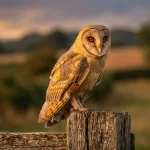
Did you know that even the majestic owl, often viewed as the apex of the night sky, has its share of natural enemies? Understanding what eats owls is not just a fascinating exploration of the predator-prey relationship in the wild, but it also highlights the challenges these remarkable birds face in their ecosystems. From the threat posed to their eggs and fledglings by larger birds to terrestrial predators, owls must navigate a myriad of dangers. This insight is crucial, whether you’re a seasoned birdwatcher or simply curious about the natural world around you. By diving into the lives of these nocturnal hunters and their adversaries, you’ll gain a deeper appreciation of their role in the ecosystem and the delicate balance that sustains it. Join us as we uncover the surprising truths about the predators that challenge these enigmatic birds and learn how every creature, big or small, contributes to the intricate web of life.
What Animals Are Known to Eat Owls?
Predators do not shy away from the enigmatic owl, a bird often considered the epitome of wisdom and nocturnal grace. While owls possess remarkable hunting skills and camouflage, they are not without threats. Various animals are known to prey on these birds, and understanding these relationships sheds light on the intricate dynamics of ecosystems.
Among the top natural predators of owls are mammals such as foxes, raccoons, and domestic cats. These adaptable hunters can exploit every opportunity, including nests or unsuspecting young owls. Birds of prey, including larger raptors like eagles and hawks, also pose a significant threat, particularly to smaller owl species. They can outmaneuver owls in flight, especially during territorial disputes or food shortages. Additionally, snakes-both ground-dwelling and arboreal species-may surprise owls, especially during their vulnerable moments.
What makes this predation particularly interesting is its ecological impact. Owl populations can fluctuate significantly based on the abundance of these predators and their prey. For instance, if rodent populations decline, predator pressure can increase, leading to lower owl survival rates. Conversely, healthy ecosystems with balanced predator-prey relationships support more robust owl populations, showcasing their role as both predator and prey within their habitats.
Maintaining the delicate balance of these ecosystems is crucial for owl conservation. By understanding who preys on owls, conservation efforts can be better directed to mitigate threats and protect these fascinating creatures for future generations. Efforts might include habitat restoration and controlling invasive predator species to ensure that owls can thrive amidst their natural challenges.
Top Natural Predators of Owls
Amid the silent whispers of the night, owls reign supreme as master hunters. However, even these formidable predators have their place within the food web and are not without their own predators. Understanding what threatens owls can help us appreciate their ecological roles and the challenges they face. Top natural predators include a mix of mammals and birds, each with unique hunting strategies that target these elusive birds.
Among the most notable mammalian threats are foxes, raccoons, and domestic cats. These opportunistic hunters often target owl nests, taking advantage of the vulnerability of eggs and young owls. Foxes are agile and can stealthily navigate their environment, making them formidable predators when the opportunity arises. Raccoons, known for their dexterous paws, are often found raiding nests at night, while domestic cats, despite being smaller, can have a surprising impact on local wildlife, including owls.
Birds of prey represent another significant danger for owls, particularly larger species such as eagles and hawks. These raptors can easily outmatch smaller owls, especially during confrontations over territory or food. When food resources become scarce, competition among birds can become life-threatening, pushing owls into direct conflict with these powerful flyers. Additionally, ground-dwelling predators like snakes can catch owls off guard, especially when they are perched in low branches or nesting.
Awareness of these threats is essential, not only for bird enthusiasts but also for conservation efforts aimed at protecting these fascinating nocturnal creatures. Understanding their natural predators can guide strategies to mitigate risks and enhance habitat protection, ensuring that owls continue to thrive in their environments. Thus, fostering a balanced ecosystem where both predator and prey can coexist is crucial for the survival of all species involved.
Predation Impact on Owl Populations
The intricate dynamics of owl populations are profoundly influenced by their predation experiences. While owls are often viewed as apex predators in their ecosystems, they are not exempt from the threats posed by larger raptors, terrestrial carnivores, and even domestic pets. The impact of predation on owl populations can be multifaceted, affecting not only individual survival rates but also broader population dynamics and species distributions.
Predation pressure can lead to significant changes in owl behavior and reproductive strategies. For example, many owl species have evolved to nest in hard-to-reach locations or during specific times of the year to avoid predation on eggs and chicks. This adaptive behavior is a direct response to the risks posed by both mammalian and avian predators, compelling owls to alter their nesting habits to minimize vulnerability. Additionally, when predation is high, it can affect the overall population structure; lower reproductive success due to higher predation rates could slow population growth or even lead to declines in certain areas.
The impact of predation does not operate in isolation; it is intertwined with habitat quality and availability. For instance, in urbanized areas where natural habitats are fragmented, the likelihood of predation on owls increases. This is often due to the presence of introduced species like domestic cats or an increase in human-wildlife interactions that disrupt the natural balance. In such environments, owls may be forced to alter their hunting grounds or even change their diet, resulting in decreased survival rates.
Overall, understanding the implications of predation on owl populations is crucial for conservation efforts. Effective habitat protection and management can help mitigate these threats, allowing owl populations to thrive despite the natural challenges they face. By fostering ecological stability, we can enhance the resilience of both owls and their predatory rivals, ensuring a balanced ecosystem where these magnificent birds continue to prosper.
Adaptations of Owls Against Predators
Owls have evolved a remarkable array of adaptations to dodge their own predators, making them more than just proficient hunters but also elusive prey. One striking feature is their cryptic plumage. The colors and patterns of feathers vary widely among species, often mimicking the bark or foliage of the trees they inhabit. This camouflage is particularly effective against terrestrial predators, such as foxes or larger raptors, allowing them to blend seamlessly into their surroundings during the day when they are more vulnerable.
In addition to their coloring, many owls exhibit behavioral adaptations that enhance their survival. Some species are crepuscular or nocturnal, which reduces the likelihood of encounters with diurnal predators. For instance, the Great Horned Owl is known to be a nighttime hunter, exploiting the cover of darkness to hunt and avoid being hunted. Others, like the Barn Owl, have a distinctive habit of roosting in hidden locations that are difficult for potential predators to access, such as in dense foliage or abandoned buildings.
Physiological Traits
Owls also possess unique physiological traits that aid in evading predation. Their exceptional hearing allows them to detect even the faintest sounds in their environments, providing early warnings when danger is nearby. This acute auditory ability is complemented by their silent flight, which is facilitated by specialized wing structure that muffles sound, allowing them to approach potential prey-and avoid detection by would-be predators-stealthily.
Social Strategies
Some owls, such as the Barred Owl, display social behaviors that enhance their chances of survival. By nesting in collective areas or engaging in aggressive vocalizations, these species can deter potential threats through sheer numbers and vocal presence. This communal behavior not only alerts other owls to danger but also reinforces their territory against intruders, ensuring a safer nesting environment.
In summary, owls are not just formidable predators; their portfolio of adaptation strategies encompasses camouflage, behavioral shifts, physiological advantages, and social tactics. Each component plays a vital role in their survival against the range of natural predators that lurk in their environments, ensuring they can continue to thrive in various ecosystems. Embracing and understanding these adaptations enriches our appreciation of these magnificent birds and the complexities of avian life.
How Habitat Influences Owl Predators
In the intricate web of nature, an owl’s habitat serves not only as a sanctuary from predators but also as a catalyst for interactions with them. Diverse environments like woodlands, grasslands, and urban settings significantly influence which creatures pose threats to these enigmatic birds. For example, in dense forests, larger avian predators such as the Red-tailed Hawk or even Great Horned Owls can more easily predate upon smaller owl species like the Eastern Screech Owl, which thrive in such rich ecosystems. Owls often select habitats that provide abundant cover, effective for evasion but may inadvertently expose them to predators better suited for those environments.
Predator Availability and Habitat Type
The type of habitat dictates not just the predators present but also their hunting strategies. In open landscapes, for instance, Barn Owls experience heightened vulnerability as they are more visible to ground predators like coyotes and foxes. Conversely, in urban settings, the buildings and structures might provide unusual refuge yet could also attract different dangers such as domestic pets or human-induced threats. Thus, the spatial dynamics of their habitats play a crucial role in predator encounters.
Vegetation and Cover
Vegetation characteristics within a habitat can either bolster an owl’s chance of survival or increase their exposure to threats. Areas with dense underbrush or tall grasses can serve as effective hiding spots, allowing owls to elude ground predators. In contrast, open fields with minimal cover might leave them susceptible during crucial hours. Additionally, the presence of trees or vertical structures influences their roosting habits-higher perches afford them a vantage point to spot approaching threats.
In conclusion, understanding how habitat influences predator dynamics can deepen our appreciation of these fascinating birds. By considering where owls live, we gain insights into their survival strategies and the complexities of their role within ecosystems. Cultivating awareness about their habitats encourages us to promote conservation efforts and advocate for the protection of these pivotal environments.
The Role of Ecosystems in Owl Survival
In the delicate balance of ecosystems, the survival of owls hinges heavily on the intricate web of relationships established within their habitats. Owls play a crucial role as predators, controlling rodent populations and participating in food chains that sustain biodiversity. For instance, a healthy population of nocturnal rodents ensures that owls have ample food sources, while their presence influences the dynamics of other species in the ecosystem. This interdependent relationship highlights how ecosystems not only provide resources but also shape the survival strategies of owls.
The variability of habitats, from dense forests to arid deserts, offers owls different survival strategies depending on the ecosystem they inhabit. In forested areas, species like the Great Horned Owl thrive due to abundant cover and their ability to hunt larger prey. In contrast, grasslands favor species such as the Barn Owl, which relies on its agility and keen eyesight to hunt in open spaces. The choice of habitat influences the availability of food and the types of predators confronting these birds. For example, while forest-dwelling owls may contend with larger raptors, those in open areas might face greater threats from foxes and coyotes.
Furthermore, urbanization poses a unique challenge as more owls adapt to human-influenced environments. Here, the ecosystems have transformed dramatically, introducing new predators like domestic cats or raccoons while simultaneously providing food sources such as rodents drawn to human settlements. Owls that successfully navigate these changes can thrive, demonstrating remarkable resilience and adaptability. Understanding these dynamics emphasizes the necessity of conserving natural habitats, which serve as sanctuaries for owls against the perils of a changing world.
In essence, ecosystems are not merely locations for owls; they are dynamic arenas shaping the very essence of owl survival through a complex interplay of predator-prey relationships, habitat preferences, and environmental changes. Each species of owl brings unique adaptations that enhance their chances of thriving amid these challenges, making their conservation vital for maintaining ecological balance. As we learn more about these magnificent birds, we should also champion the preservation of their habitats, ensuring that future generations witness the nocturnal flight of owls in the wild.
Behavioral Strategies Owls Use to Avoid Predators
Owls may be apex predators themselves, but they are not free from the risk of becoming prey. Equipped with a variety of behavioral strategies, these remarkable birds have evolved to enhance their survival in the wild. One of the most intriguing tactics is their remarkable camouflage, which helps them blend seamlessly into their surroundings. Species like the Eastern Screech Owl, with their feather patterns that mimic tree bark, can sit incredibly still, allowing them to evade watchful eyes.
During the day, when many owls are resting, they often choose locations that provide maximum cover, such as dense foliage or hollow tree trunks. Quiet flight is another critical aspect of their survival strategy. Owls are specially adapted for stealth; their unique feather structure minimizes sound as they glide through the night sky. This silent approach allows them not only to hunt effectively but also to avoid detection from potential predators such as larger raptors or even terrestrial threats like foxes.
Owls also exhibit vigilant behavior when it comes to observing their surroundings. They will often remain motionless and alert, utilizing their exceptional binocular vision to scan for dangers. Additionally, when they sense a threat nearby, owls will engage in distraction displays, such as hooting loudly or flying away from their nest to lure predators away from their young.
These adaptive behaviors showcase the intelligence and resourcefulness of owls in navigating a world fraught with danger. By understanding and appreciating these survival strategies, we can better appreciate the ecological roles they play and the importance of conserving their habitats for the future.
Differences in Predation by Owl Species
Whether gliding silently through moonlit forests or perching motionless on a branch, owls evoke a sense of mystery and majesty. Yet, these formidable nocturnal hunters are not invulnerable; different owl species face unique predation pressures based on their size, habitat, and geographic distribution. For instance, larger owls like the Great Horned Owl primarily dominate the food chain, threatening smaller species, while also occasionally falling prey to even larger raptors or mammals.
Size and Habitat Impact
The size of an owl species greatly influences its vulnerability to predation. For example, the Eastern Screech Owl, which is relatively small, may be preyed upon by larger birds such as hawks or even raccoons. In contrast, species like the Barn Owl, with its larger wingspan and hunting prowess, can defend itself against many threats. The different habitats these owls occupy also play a crucial role. Owls residing in urban areas, like the Barn Owl, may encounter different predators compared to their rural counterparts. Urban environments can introduce risks from domestic animals, such as cats and dogs, while rural owls might face more natural threats like foxes and larger raptors.
Diverse Predator Relationships
The specific natural predators of owls often vary by region and ecosystem. In some areas, great horned owls have been documented preying on smaller owl species, showcasing a unique predation dynamic within the owl population itself. Interestingly, some owl species exhibit peculiar behavioral adaptations to mitigate this risk. For instance, the Saw-whet Owl is known for its cryptic plumage that allows it to blend into the bark of trees, thus reducing the likelihood of being spotted by potential threats.
Moreover, the predation differences extend to juvenile owls, which are particularly susceptible due to their inexperience and smaller sizes. These vulnerable chicks are often targeted by various predators, including snakes and larger mammals. Understanding these species-specific dynamics not only enhances our appreciation for these remarkable birds but also underlines the importance of habitat conservation to ensure their continued survival.
Overall, the interactions between owls and their predators highlight the complexity of food webs in nature, reminding us that even apex predators must navigate threats in their environments. Owls continue to captivate bird enthusiasts with their adaptations and roles in the ecosystem, further emphasizing the need for ongoing research and conservation efforts.
Rare and Unusual Predators of Owls
In the intricate web of nature, even the most revered birds of prey, such as owls, have their unexpected foes. While many know that larger raptors, such as eagles and hawks, as well as terrestrial predators like foxes, typically hunt owls, there are some rare and unusual predators that can target these nocturnal hunters. For instance, certain species of snakes, particularly larger ones like the Eastern Indigo Snake, have been documented preying on small owl species. This occurs predominantly in regions where their habitats overlap, showcasing a predation relationship that might surprise many bird enthusiasts.
Even more unusual are instances of predation involving domestic animals. Cats and dogs, often seen as companions to humans, can pose a significant threat to owls, especially in urban or suburban settings. Outdoor cats are known to hunt birds indiscriminately, and their agility and stealth make them formidable hunters of smaller owl species, such as the Eastern Screech Owl. Dog breeds that are particularly energetic and territorial may also chase after owls, disturbing their nesting habitats or, in unfortunate cases, causing injury or death.
Beyond mammals, some smaller raptors, such as the American Kestrel, may opportunistically prey on juvenile owls. This predation can occur when young owls venture from their nests and become vulnerable due to their size and lack of experience. The dynamics of predation highlight not only the diversity of owl threats but also the complexities of the ecosystems they inhabit. For bird watchers, understanding these interactions lends a richer perspective on owl behavior and the conservation challenges they face.
To further explore these relationships, it’s essential to appreciate how habitat influences the presence of these rare predators. Urbanization alters local ecosystems, introducing both new threats and changes to predator-prey dynamics. As natural habitats are encroached upon, owls adapted to forested or rural environments may find new predators that weren’t previously part of their ecological landscape. This fascinating interplay underscores the importance of habitat preservation for the survival of these captivating birds.
How Urbanization Affects Owl Predation
The challenge of urbanization presents a complex web of threats to owls, exposing these majestic creatures to a variety of new predation risks. As cities expand and rural areas become suburban landscapes, the natural habitats of owls are often transformed or eliminated. This disruption not only diminishes available hunting grounds but also alters the dynamics of predator-prey relationships, making owls more vulnerable to both natural and human-associated threats.
In urban settings, domestic animals are among the most significant predators of owls. Cats, particularly outdoor pets, are notorious for their hunting prowess and may stalk and catch smaller owl species such as the Eastern Screech Owl. The agility and stealth of these cats allow them to be effective hunters, significantly impacting local owl populations. Similarly, dogs-especially those that roam freely-can pose a danger by disturbing nesting sites or even chasing owls, leading to stress and potential physical harm.
Moreover, urban areas can attract new predatory species that were not part of the traditional ecological landscape. For instance, birds of prey like the American Kestrel might exploit urban environments where young owls may be more susceptible due to inexperience or lack of cover. This change can create a cascading effect, as increased predation pressure can lead to dwindling owl populations, which in turn disrupts local ecosystems. Therefore, conserving biodiversity within urban regions is essential not only for the health of owl populations but for the entire ecological community.
Habitat degradation is also linked to human activities that alter the landscape. The removal of trees and natural vegetation to build infrastructure reduces the places where owls can roost and reproduce, pushing them into precarious situations. This ecological imbalance can result in a negative feedback loop where decreasing owl numbers lead to unchecked populations of their prey, further impacting local ecosystems. Promoting urban conservation efforts, such as maintaining green spaces and creating wildlife corridors, can be practical steps for mitigating these impacts and ensuring owls continue to thrive despite the challenges posed by urbanization.
As passionate birders and wildlife enthusiasts, understanding the implications of urbanization on owls allows us to become advocates for their conservation. Each small effort in enhancing habitats within our cities contributes to making a safer haven for these remarkable birds, ensuring their presence for future generations to appreciate.
Conservation Efforts to Protect Owls from Predators
Owls, as intriguing as they are, face numerous threats from natural predators, and various conservation efforts are underway to protect these majestic birds from such dangers. One of the most effective approaches to safeguarding owls is habitat preservation. As urbanization encroaches on wild spaces, creating dedicated wildlife reserves and enhancing green corridors can provide safe havens for owls. These areas not only offer nesting sites but also abundant food sources, which are vital for their survival amidst competing predators.
Additionally, public awareness campaigns play a crucial role in conservation efforts. Many people may not realize the extent to which domestic animals, particularly cats and dogs, can threaten local owl populations. Informing communities about the impacts of free-roaming pets and promoting responsible pet ownership can significantly reduce this predation risk. Engaging educational programs in schools and nature centers can foster a deeper understanding of owls’ ecological importance and the challenges they face, encouraging individuals to take action in their own backyards.
Restoration projects focused on reintroducing native vegetation can also help create suitable habitats for owls, thus mitigating predation. By planting trees and shrubs that provide cover, owls can better conceal themselves from potential threats while creating optimal hunting environments for their prey. Implementing these strategies reinforces the interconnectedness of ecosystems and emphasizes the critical nature of preserving biodiversity.
Through collaborative efforts among conservation organizations, local governments, and community members, the plight of owls can be alleviated. Each initiative, whether large or small, contributes to a comprehensive strategy that not only assists in the protection of owls from predators but also restores balance within their ecosystems, ensuring they continue to thrive in a rapidly changing world.
Cultural Significance of Owls and Their Predators
Throughout history, owls have fascinated cultures around the world, often being seen as symbols of wisdom and mystery. However, their role in the food chain reveals a darker side, illustrating a complex web where they themselves become prey. Understanding the cultural significance of owls encompasses more than just their portrayal as wise creatures; it emphasizes how they influence folklore, art, and even environmental ethics.
In many indigenous cultures, owls are revered as guardians of the night and messengers of the spirit world. Their haunting calls and silent flight have made them subjects of mythology and superstition. For instance, some tribes believe that the presence of an owl can signify impending change or serve as a protective symbol against evil spirits. In contrast, other cultures associate owls with death or bad omens, illustrating how perceptions can vary dramatically based on local traditions and beliefs.
The predators that target owls also hold a place in this cultural narrative. Birds such as hawks and eagles, as well as mammals like foxes and raccoons, are often emblematic of the fierce and unyielding laws of nature. Understanding these relationships not only highlights the ecological significance of predation but also how these dynamics have inspired art and literature. The contrasting nature of owls as both majestic and vulnerable can evoke deep reflections on survival and the balance of ecosystems.
Culturally, the interaction between owls and their predators can serve as a metaphor for the fragility of life and the importance of ecological awareness. Recognizing the hunting habits of natural predators encourages a broader conversation about conservation efforts and the protection of both owls and their habitats. By sharing stories and creating educational programs that weave together the ecological and cultural perspectives, we foster a greater appreciation for these enigmatic birds and the ecosystems they inhabit. Through this lens, we can inspire future generations to protect not just owls, but the rich tapestry of life that surrounds them.
Q&A
Q: What are the main threats to owl populations?
A: The primary threats to owl populations include habitat destruction, climate change, and predation by natural enemies. Urbanization changes owl habitats, while the loss of forest areas reduces their hunting grounds. Understanding these threats can help in conservation efforts to protect these vital birds.
Q: How do larger predators affect owl behavior?
A: Larger predators, such as hawks and eagles, can significantly impact owl behavior by forcing them to alter their hunting and nesting habits. Owls may become more nocturnal or change their roosting locations to avoid detection and predation, demonstrating their adaptability in the face of threats.
Q: At what time of year are owls most vulnerable to predation?
A: Owls are generally most vulnerable to predation during the nesting season in spring and early summer when they are focused on raising their young. This time makes them more susceptible as they are more visible and less able to avoid larger predators.
Q: Do different owl species face the same predators?
A: No, different owl species face varying predators depending on their habitat and size. For instance, larger species like the Great Horned Owl may contend with fewer predators than smaller species like the Eastern Screech Owl, which can fall prey to raccoons or house cats.
Q: How can urban areas impact owl predation?
A: Urban areas can greatly influence owl predation by introducing new predators, such as domestic cats and dogs, while also fragmenting their natural habitats. This change can lead to stress and changes in owl behavior, altering their survival rates.
Q: Why are young owls particularly at risk from predators?
A: Young owls are particularly vulnerable because they have limited flight abilities and experience. Their reliance on adults for food makes them easy targets for a variety of predators, making survival challenging during their early weeks outside the nest.
Q: What can be done to protect owls from their natural enemies?
A: To protect owls from natural enemies, maintaining and preserving their habitats is essential. This can involve creating safe nesting sites and minimizing human disturbances in owl habitats while advocating for policies that protect local ecosystems.
Q: How does the presence of other birds of prey affect owls?
A: The presence of other birds of prey can lead to competition for food and nesting sites. Species like hawks may intimidate owls, influencing their hunting patterns and forcing them to be more adaptive in their behaviors to survive alongside these competitors.
In Summary
As we’ve uncovered, owls face a variety of natural predators in their habitat, painting a complex picture of wildlife interactions. From larger birds of prey to mammalian hunters, these fascinating relationships underscore the resilience of owls amidst their challenges. If you’ve found this exploration enlightening, dive deeper into our related articles on “Predation in Avian Species” and “The Role of Owls in the Ecosystem” to expand your understanding of these remarkable creatures.
Don’t miss out on future insights-subscribe to our newsletter for the latest updates on wildlife articles and tips for birdwatching enthusiasts like yourself. Got questions or stories about owl encounters? Share them in the comments below; we love hearing from you! Remember, the exploration of nature is never-ending, and there’s always more to learn about the delicate balance within ecosystems. Join us as we continue to connect with the wonders of wildlife!
Get our latest guides, news, and insights highlighted in your Google Search & AI Overviews.