

Did you know that owls are masters of the night, using their distinctive calls not only to communicate but also to establish their territory? Understanding what an owl sounds like is essential for bird watchers and nature enthusiasts alike, whether you’re wandering through a forest at dusk or simply listening from your backyard. Each species has its own vocal signature, from the haunting hoots of the Great Horned Owl to the eerie trills of the Eastern Screech-Owl. This guide will help you identify these calls and deepen your connection to these fascinating nocturnal creatures. So, let’s embark on a journey into the world of owl sounds, unraveling the mysteries behind their calls and enriching your birding experience!
What Do Different Owl Calls Sound Like?
Owls are among the most captivating birds, not just for their elusive nature but also for the rich tapestry of sounds they produce. Each species has a unique call, reflecting its personality and social needs, ranging from the eerie hoots of the Great Horned Owl to the more delicate coos of the Eastern Screech Owl. When you venture out on a moonlit night, you might hear a variety of calls echoing through the trees, each telling a different story about the owl’s behavior or environment.
For example, the Barn Owl is known for its distinctive, raspy scream, often sounding more like a woman’s distress call. In contrast, the Barred Owl, with its “who cooks for you, who cooks for you all,” might feel more familiar due to its rhythmic hooting. The Western Screech Owl emits a soft, tremolo-like call, often described as a series of quick notes, while the Eastern Screech Owl can produce a range of sounds including a low trill or a loud, sharp whinny, which can often blend into the background noise of the night.
To truly appreciate these sounds, you can listen to recordings and practice identifying them. Online courses, such as those offered by birding organizations, provide great resources that not only teach the calls of common owls but also encourage a deeper understanding of their context and social dynamics. Becoming attuned to the owl’s calls can enhance your nighttime explorations, revealing the vibrant life that thrives after sundown.
Recognizing these vocalizations is more than just a fun activity; it’s crucial for understanding how owls communicate with each other, find mates, and establish territory. Each call serves a distinct purpose, whether to warn of danger, attract a partner, or signal ownership of hunting grounds. Embracing the challenge of identifying owl calls can lead to rewarding encounters with these nocturnal wonders, enriching your experience of the natural world.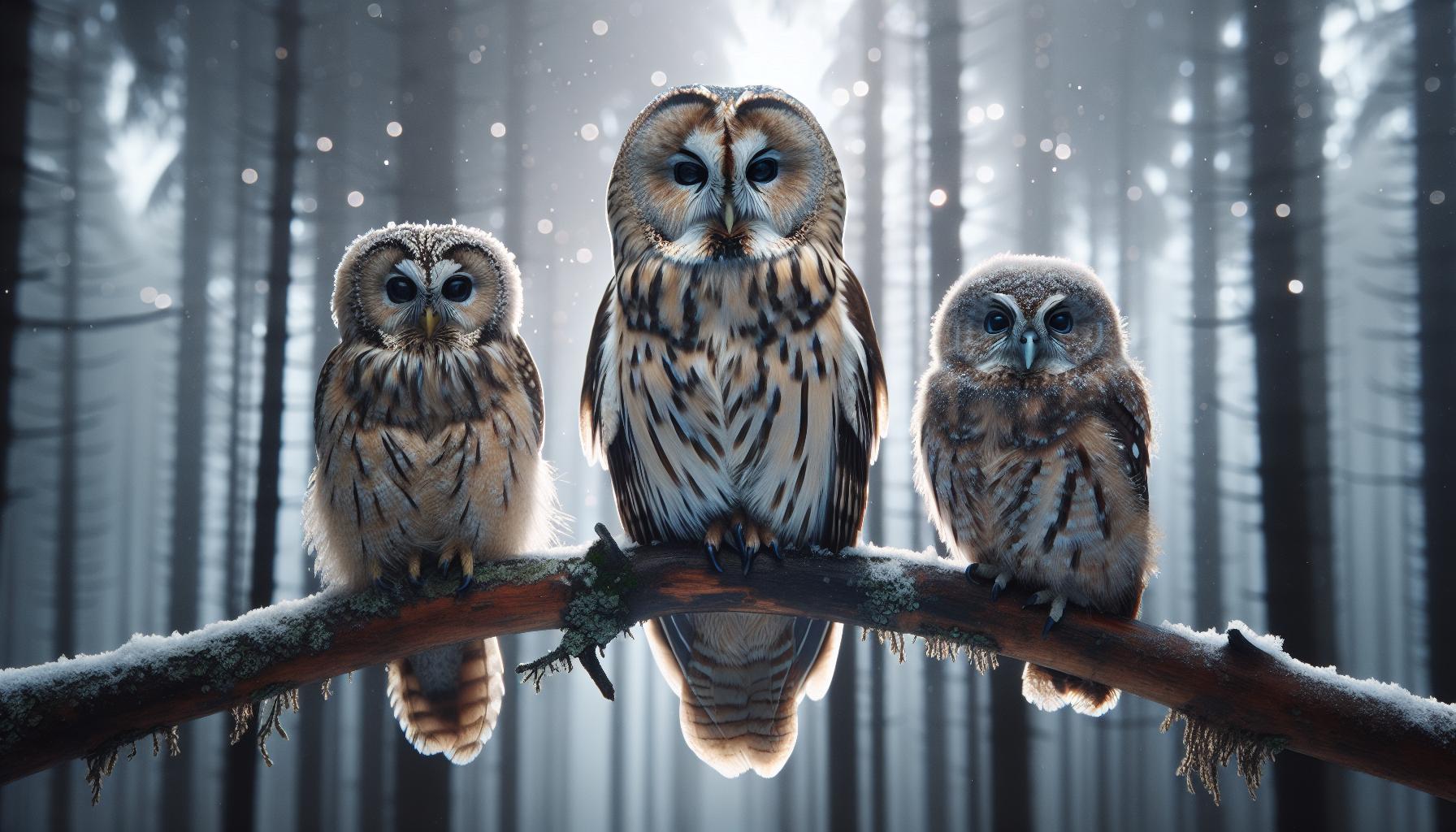
Top 10 Common Owl Species and Their Sounds
The symphony of owl calls creates a hauntingly beautiful backdrop to the night, enchanting both seasoned birdwatchers and casual nature lovers alike. Each of the ten common owl species offers a distinct auditory signature, ranging from soft whistles to powerful hoots, which serves various purposes, including communication, territory establishment, and mate attraction. Here’s a closer look at the sounds of these remarkable nocturnal creatures.
Barn Owl
Known for its eerie, raspy scream, the Barn Owl often emits sounds reminiscent of a woman’s distress call. This ghostly cry can raise the hairs on the back of your neck and is especially pronounced during the breeding season when they are more vocal.
Great Horned Owl
The formidable Great Horned Owl is famous for its deep, resonant hoots that echo through the night. Often described as a “who, who, who” sound, its vocalizations are both powerful and distinctive, making it one of the easiest owls to identify by ear.
Barred Owl
With its recognizable phrase, “Who cooks for you? Who cooks for you all?”, the Barred Owl boasts a mellow, rhythmic hooting. Their calls can sound almost conversational, often heard during dusk and dawn as they establish their presence.
Eastern Screech Owl
The Eastern Screech Owl produces a range of sounds, from a soft trill to a sharp, whinny call that can confuse many listeners. This small owl’s ability to blend into its surroundings is matched by its varied vocalizations, which can be a blend of gentle and startling.
Western Screech Owl
Similar to its eastern counterpart, the Western Screech Owl emits a tremolo-like series of notes, sometimes likened to a small bird’s song. This softer call can often be overlooked, rewarding those who listen closely during nighttime walks.
Snowy Owl
Not just a striking sight, the Snowy Owl adds to its charm with its subdued hoots and whines. Their calls are less frequent but can carry for great distances during the breeding season, often said to sound like a soft, whining “huh.”
Long-eared Owl
Characterized by its unique tufted ears, the Long-eared Owl prefers to remain somewhat secretive. Its call is a deep, resonant hoot, often repeated in a rhythmic manner, which can echo through the stillness of the night.
Short-eared Owl
The Short-eared Owl features a unique series of hoots that includes a low “boo” often followed by softer hoots. This owl is particularly special as it can be heard during both day and night, especially in open grasslands.
Flammulated Owl
One of the smaller owl species, the Flammulated Owl has a soft, whiny call that is often described as resembling the whistling of a train. Its vocalizations are soft but frequent, particularly in their preferred montane habitats.
African Barn Owl
Though not found in North America, the African Barn Owl shares similar raspy screams to its relative. Its calls echo through the warm African nights, providing a cultural backdrop to its range across the continent.
Understanding these diverse calls not only enhances your owl-watching experience but also deepens your appreciation for these nocturnal raptors. By familiarizing yourself with the distinctive sounds, you’ll be better prepared to recognize them in the wild, broadening your intimate connection with nature. The owl calls create a language of the night, a signal of life and activity that can transform your outdoor experiences under the stars.
How to Identify Owl Calls by Sound
Identifying owl calls can be an exhilarating experience for both novice and seasoned birdwatchers. The distinctive vocalizations of these nocturnal creatures not only enhance your outdoor adventures but also provide unique insights into their behaviors and habitats. Each species has a unique set of calls that can serve various purposes, from marking territory to attracting mates. To effectively recognize these calls, it’s essential to familiarize yourself with the characteristics of different owl species.
One of the best ways to begin this process is by actively listening to their sounds in real-time or through recorded clips. For example, the Great Horned Owl’s iconic “who, who, who” can be easily differentiated from the Barred Owl’s rhythmic “Who cooks for you? Who cooks for you all?” As you venture out, keep a notebook handy to jot down the auditory patterns you hear. Consider the time of year, as many owls are particularly vocal during mating seasons, which can influence the variety and frequency of their calls. Use apps or websites where you can play back calls to practice matching the sounds to the species you encounter.
To sharpen your identification skills further, pay attention to the acoustic environment. Echolocation and sound reverberation play significant roles in how these calls are perceived. For instance, owls like the Eastern Screech Owl produce a range of sounds that are distinct, including a soft trill or a startling whinny that can catch your attention in a dense wood. In contrast, the Snowy Owl emits softer hoots that may seem delicate yet can carry through the silence of frozen landscapes.
Participating in organized birdwatching events or engaging with online communities can also enrich your learning experience. Sharing your observations with fellow enthusiasts and exchanging tips on recognizing calls can build your confidence. Remember, recognizing owl calls takes practice-your intuitive ear will refine over time, making your owl-watching excursions even more fulfilling. By immersing yourself in the enchanting world of owl sounds, you’ll deepen your connection with nature and the fascinating lives of these remarkable birds.
Understanding the Meaning Behind Owl Calls
Understanding the nuanced meanings behind owl calls can transform your birdwatching experiences, revealing layers of behavior and communication that are otherwise hidden in the silence of night. Owls are not only skilled hunters but also master communicators, using their distinctive sounds to convey critical information about territory, mating, and alerts to other owls. Each species has developed a unique sound repertoire, tailored to its social interactions and environmental needs.
For instance, the guttural hoots of the Great Horned Owl serve to establish territorial boundaries, while its strident calls during the mating season attract potential partners. This dual-purpose vocalization showcases how sound plays a pivotal role in both defense and reproduction. Similarly, the Barred Owl’s melodious call, “Who cooks for you? Who cooks for you all?” acts as both a contact call and an invitation, maintaining bonds with its mate while signaling its presence to others.
Beyond mere territorial claims and mating, certain calls function as warning signals. The Eastern Screech Owl, with its piercing trill, serves as an alert to intruders or potential threats, marking its territory while deterring rivals. Understanding these calls can enhance your awareness of the dynamics at play within owl populations and their interactions with the ecosystem.
Listening to and interpreting owl calls can be an engaging aspect of birdwatching. Try to focus on the context in which you hear these sounds-during the mating season, in dense woods, or near open fields. By associating specific calls with their meanings and observing the circumstances surrounding them, you’ll not only hone your listening skills but also deepen your appreciation for these remarkable birds and their complex behaviors. Equip yourself with resources like audio guides or apps to help you identify these calls during your nocturnal outings, turning every encounter into an informative experience.
The Role of Owl Sounds in Hunting and Communication
The sounds of owls resonate deeply within the night, serving purposes far beyond mere communication. Each note and call contributes to the intricate web of hunting strategies and social interactions that define these nocturnal hunters. Owls have developed highly specialized vocalizations that assist them in both locating prey and establishing their presence in the wild.
Owls primarily rely on sound for hunting, using their acute hearing to detect the slightest rustle of movement in the dark. The Eastern Screech Owl, for example, emits a haunting trill that not only marks its territory but also serves to listen for the sounds of potential prey nearby. This ability to operate silently while using sound to their advantage is part of what makes owls such successful hunters. For a beginner birdwatcher, understanding that each call has a functional role helps you appreciate why these birds vocalize as they do.
Moreover, owl calls contribute significantly to their social dynamics. During the mating season, the Great Horned Owl engages in a series of low hoots to attract a mate and reinforce territorial claims. These calls can be heard over significant distances, allowing owls to communicate and challenge each other without direct confrontation. Additionally, certain calls can serve as warning signals, alerting nearby owls about potential threats. For instance, if an owl hears an aggressive call from a Barred Owl, it can interpret this as a cue to stay vigilant or retreat to a safer location.
Understanding enriches the experience of observing them in the wild. As you listen to their calls, consider how these vocalizations are not just mere noises but vital elements of their survival strategy. Equip yourself with apps or audio guides to practice identifying these sounds; this can enhance your field experience, allowing you to connect with the natural world on a deeper level. By embracing these insights, you’ll grow in your appreciation for the ecological roles that owls fulfill, both as efficient hunters and as intricate communicators in their environments.
Comparative Analysis of Owl Calls Across Species
The diversity of owl calls is as fascinating as the birds themselves, with each species exhibiting unique vocalizations that serve critical functions in their behavior and ecology. For instance, the Barred Owl is well-known for its distinctive call that sounds like “Who cooks for you? Who cooks for you all?” This memorable phrase echoes through mature forests and serves both territorial and communicative purposes, helping Barred Owls maintain their presence in overlapping territories and attract mates during the breeding season.
In contrast, the Eastern Screech Owl employs a series of trilling sounds that mark its territory while simultaneously functioning as a means to communicate with a mate. The trills can vary in tone and intensity, allowing this small owl to express a range of messages, from territorial calls to soft contact calls. Their ability to blend into their surroundings makes them harder to spot, but their calls are often revealed at dusk, adding to the atmospheric sounds of the night.
The Great Horned Owl, a larger species known for its tufted ears, communicates through powerful hoots that can travel great distances. These deep, resonating calls establish territory and attract potential mates. Each hoot conveys a sense of authority, asserting their dominance over the vast expanses they claim for hunting and nesting.
When observing these calls, one may notice that the Snowy Owl, famous for its striking plumage, produces a more subdued array of sounds. Their calls often include short, low notes that provide a stark contrast to the more melodic calls of their southern counterparts. The subtlety of the Snowy Owl’s vocalizations is crucial for communication in the wide-open Arctic tundra, where sound can carry across vast distances.
Key Differences in Owl Calls
- Barred Owl: “Who cooks for you?” – distinctive and rhythmic, emphasizes territory and communication.
- Eastern Screech Owl: Trills – varied tones engage in territory marking and partner communication.
- Great Horned Owl: Deep hoots – convey strength and assert territorial claims.
- Snowy Owl: Low, guttural notes – subtle, suited for open habitats, facilitating distant communication.
Understanding these subtle differences not only enhances the birdwatching experience but also encourages a deeper connection with these fascinating creatures and their roles within the ecosystem. For both beginner and experienced birders, recognizing the calls of various owl species adds an enriching layer to observation and appreciation of wildlife. By familiarizing yourself with these vocal signatures, you can engage more meaningfully in the rhythms of nature, even under the cover of darkness.
Seasonal Variations in Owl Vocalizations
Owl vocalizations are not merely a background symphony during the night; they are dynamic expressions that change with the seasons, reflecting the ebb and flow of nature. As the year progresses, various factors, including breeding cycles, territory disputes, and shifts in prey availability, influence the frequency and type of calls produced by owl species. For example, during late winter and early spring, many owls ramp up their vocalizations as they establish territories and attract mates, leading to a symphony of calls echoing through the forests.
Throughout autumn and into winter, calls may soften as mating season fades and owls become more focused on hunting. Species like the Eastern Screech Owl will often reduce the frequency of their characteristic trills, opting for more subtle communication as they are less involved in territorial disputes. Conversely, the deep hoots of the Great Horned Owl can become more pronounced during this time as they stake out their territory, particularly as males become more vocal during the mating season.
In certain regions, migration can also influence owl calls. For instance, the presence of the Snowy Owl in southern latitudes during winter months brings forth new sounds as they adapt to local environments and establish temporary territories away from their Arctic breeding grounds. Observing how these birds change their vocal patterns can provide valuable insights into their behavior and ecology.
Understanding these seasonal variations enriches our birdwatching experiences. While standstill in the tranquil night, we can tune in and detect the underlying stories woven through the calls-territory, breeding, survival. Not only does it enhance our appreciation for these magnificent creatures, but it also deepens our connections to the natural world, each call a reminder of the intricate web of life unfolding quietly around us. Whether you’re keenly listening for a Barred Owl’s “Who cooks for you?” or trying to discern the faint trills of a Screech Owl at dusk, each sound will reveal its own unique narrative through the changing seasons.
Recording and Analyzing Owl Calls: A Beginner’s Guide
Recording owl calls can feel like stepping into a secret world, where the nighttime sounds of nature become a symphony of avian communication. To embark on this journey, you’ll need a few essential tools and a readiness to listen closely. A reliable audio recorder is paramount; options like digital handheld recorders or even smartphone apps can suffice for beginners. Prioritize devices with good sensitivity and the ability to reduce background noise, as this will help you capture the nuances of owl calls without interference.
As you set out to record, consider the ideal locations and times. Since owls are primarily nocturnal, plan your recordings during dusk or shortly after sunset. Areas near open fields or wooded regions where owls are known to inhabit are optimal. Having a field guide or a reliable app that details the calls of local owl species can aid significantly in identifying which calls to look for. Listening for specific patterns can help you distinguish between calls and enhance your overall understanding of owl behaviors. For instance, the eerie tremolo of the Eastern Screech Owl is often followed by the sharp descending whinny-a sequence that speaks volumes about their territorial behaviors.
Once you’ve made your recordings, the next step is analysis. Play back your tracks with a good set of headphones to catch details you might have missed in the field. Look for variations in volume, pitch, and rhythm; these can indicate different species or serve specific purposes, such as mating calls or territorial proclamations. Websites like Xeno-canto or the Macaulay Library can provide comparative calls, letting you hear how your local owls sound alongside others across the globe. This practice not only deepens your appreciation for these birds but also contributes to citizen science by providing data on owl populations in your area.
To further enrich your birdwatching experience, consider techniques for attracting owls during your recordings. Mimicking their calls can draw them in, providing opportunities for closer observation and more insightful recordings. However, always approach this with care, respecting local wildlife guidelines and ensuring you do not distress the birds. In doing so, you’ll be fostering a deeper connection with these magnificent creatures while contributing to a greater understanding of their acoustic world.
How to Attract Owls with Sound Mimicry
Attracting owls through sound mimicry can transform your backyard or local woods into a dynamic observatory of these captivating night birds. Owls are known not only for their impressive hunting skills but also for their distinctive calls, which they use for communication, territory defense, and attracting mates. By learning to accurately mimic their sounds, you can engage their curiosity and draw them closer for a memorable experience.
Start by familiarizing yourself with the vocalizations of the local owl species in your area. Each species has a unique repertoire; for instance, the Barred Owl has a classic “who cooks for you” call, while the Eastern Screech Owl produces a soft, trilling sound. Listening to recordings from reputable sources such as the Cornell Lab of Ornithology or sites like the Macaulay Library can help you master these calls. When practicing your mimicry, focus on the pitch, rhythm, and pattern of the calls. Make sure to note the owl’s response from a distance to avoid scaring them away.
Best Practices for Sound Mimicry
- Timing is Key: Owls are most vocal during their active hours at dusk and dawn. Plan your outings for these times when they are on the move and likely to respond.
- Location Matters: Choose areas known for owl activity. Wooded regions, wetlands, or open fields are typically good spots. A quiet environment will enhance your chances of being heard.
- Be Patient: After mimicking a call, give the owls time to respond. Their reactions may take a moment, as they might be assessing the situation before approaching.
- Use a Recording Device: To enhance your strategy, record your mimicry attempts. Play these back later to refine your technique and adjust for variations in pitch and rhythm.
It’s essential to respect the wildlife you’re interacting with. Avoid excessive calling, which can stress the birds. If an owl approaches, observe from a distance and limit any loud interactions. Mimicking owl calls is not only an enjoyable challenge for birders but also a way to connect deeply with the natural world. It allows you to experience firsthand the rich tapestry of communication that unfolds in the darkness of night.
Owl Call Behavior During Mating Season
During mating season, the nighttime symphony of owl calls reaches a crescendo, as these captivating birds engage in vocal displays that serve both to attract mates and establish territory. One fascinating aspect of owl communication is the remarkable diversity of sounds used during this critical period. From the resonant hoots of the Great Horned Owl to the soft coos of the Eastern Screech Owl, each species employs a unique repertoire that not only enhances their chances of finding a partner but also reinforces their presence in their chosen territory.
Male owls typically initiate the call with a distinct series of hoots or calls to declare their availability. For instance, the Barred Owl’s well-known phrase-“Who cooks for you? Who cooks for you all?”-serves to entice potential mates while simultaneously signaling to rival males that this territory is occupied. The calls tend to vary in intensity and pitch based on the urgency of the situation; more enthusiastic, higher-pitched calls might indicate a male’s heightened state of excitement or competitive spirit.
In addition to attracting mates, owls also communicate warnings or signals to each other during the mating season through their calls. For example, a female may respond to a male’s call with softer, more subdued hoots, indicating her interest without drawing unwanted attention from other males. This form of communication highlights the nuanced social interactions between breeding pairs. Observing these behaviors can be a rewarding experience for birdwatchers; understanding the context of each call allows for a deeper appreciation of their social dynamics.
To capture these remarkable behaviors, bird watchers can use specific strategies. Recording equipment can be invaluable for documenting the different calls you hear in the wild or during encounters with these beautiful birds. Use a good quality audio recorder to capture the nuances of their sounds, and consider the time of year; late winter to early spring is prime time for observing and listening to these vocal exchanges. As you listen closely, remember that each call carries a meaning, representing the intricate dance of courtship and territory defense in the remarkable world of owls.
Cultural Significance of Owl Sounds in Folklore
The mystical allure of owls extends far beyond their silent flight and captivating gaze; in many cultures, their calls have woven themselves into the very fabric of folklore and mythology. Often regarded as messengers of the night, these birds have inspired deep-seated beliefs and tales that reflect the human fascination with their enigmatic presence. In many traditions, the call of an owl is seen as an omen or symbol, often shrouded in both wisdom and foreboding.
In ancient Greece, the hoot of the owl was closely associated with Athena, the goddess of wisdom and warfare. This connection rendered the owl a symbol of knowledge and vigilance, viewed as a protector of the city and a guide for those seeking enlightenment. Similarly, in various Native American cultures, owl calls are embedded in stories that illustrate their role as guardians and guides in the spirit world. The Cree people, for instance, regard the boreal owl’s calls as messages from spirits, indicative of their belief in the interconnectedness of the natural and spiritual realms [[3]](https://www.treehugger.com/myths-and-superstitions-about-owls-4864542).
Owls also occupy a paradoxical space in folklore-while they may signify wisdom, they often carry an air of mystery and sometimes foreboding. In parts of Europe, owls are linked to death omens; their calls have been interpreted as warnings of impending misfortune or loss. This duality in perception fosters a rich tapestry of stories that span cultures, emphasizing how closely human emotions are tied to the sounds and symbols present in nature. Such beliefs prompt deeper reflection on the sounds we hear in the wild-each hoot and call is not merely a vocalization but a story waiting to be told.
For those interested in a deeper understanding of owl sounds, listening attentively can reveal the layers of meaning behind each call. The Barred Owl’s familiar phrase, “Who cooks for you? Who cooks for you all?” may surface in various tales, beckoning audiences to consider its role in cultural narratives about companionship and territory. By engaging with these sounds and their historical significance, bird enthusiasts can appreciate not just the beauty of owls as they soar through the night but also the rich cultural meanings wrapped up in their haunting calls.
Tips for Observing and Listening to Owls in the Wild
Observing owls in the wild is a rewarding experience that connects you with nature’s most enigmatic creatures. These birds of prey are not only skilled hunters but also possess a repertoire of captivating calls that can tell you a lot about their behavior and state. Whether you’re a seasoned birdwatcher or just starting out, here are some tips to enhance your owl watching and listening experience.
First, choose the right time and place. Owls are primarily nocturnal, with most species being most vocal at dusk and dawn. Familiarizing yourself with local owl habitats-such as forests, wetlands, and even urban parks-can increase your chances of spotting them. Pay attention to areas with ample tree cover or open fields nearby (a hunting ground) where owls like to perch or hunt.
When you venture out, bring the right equipment. A good pair of binoculars is essential for spotting these elusive birds, as they blend seamlessly into their surroundings. Sound recording devices or even apps designed for bird sounds can also be useful, allowing you to capture and later analyze their calls. If you’re trying to learn the sounds, a portable speaker can help play back calls to compare what you hear in the field against what you’ve recorded.
Listening is just as critical as observing. Learn to identify the unique calls of different species. For instance, the haunting hoot of a Great Horned Owl differs significantly from the distinctive trill of an Eastern Screech Owl. Use online resources or birding apps to familiarize yourself with these calls before heading out. When you hear an owl, try to pinpoint its location based on the sound and observe its surroundings-this can help deepen your understanding of owl ecology and behavior.
Lastly, approach your owl watching with patience and respect. Owls are sensitive to human presence and may be spooked easily. Stand still, minimize noise, and keep your distance. If you’re in a group, practice quiet communication to avoid disturbing these noble creatures. This respectful approach not only increases your chances of a sighting but also contributes to their conservation by reducing human interference.
Engaging deeply with the experience of observing owls enriches your appreciation for these remarkable birds. Each outing can reveal new insights, stories, and connections to the natural world, making it a fulfilling journey for all who seek it.
FAQ
Q: What are the different types of owl calls?
A: There are several types of owl calls, including hoots, screeches, barks, and whistles. Each species has distinct vocalizations that serve various purposes, such as attracting mates or marking territory. Explore our section on “Top 10 Common Owl Species and Their Sounds” for detailed examples.
Q: How can I identify an owl by its sound?
A: To identify an owl by its sound, listen for unique patterns and pitches specific to each species. Utilize field guides or mobile apps that provide recordings of owl calls, and compare them to your observations. For more tips, check “How to Identify Owl Calls by Sound.”
Q: Why do owls hoot?
A: Owls hoot primarily for communication, especially during mating season. It’s a way to establish territory and attract a mate. Understanding the meaning behind these sounds can enhance your experience while observing owls in the wild. Refer to “Understanding the Meaning Behind Owl Calls.”
Q: When do owls vocalize the most?
A: Owls tend to vocalize most during the night, particularly around dusk and dawn, which is their active hunting period. However, some species may call during the day if disturbed or during mating season. Learn more about their behavior in “Owl Call Behavior During Mating Season.”
Q: What does a barred owl sound like?
A: A barred owl produces a distinctive “who cooks for you” call, involving a series of hoots that can resonate deeply in forested areas. To hear this call and others, see our “Top 10 Common Owl Species and Their Sounds” section.
Q: How can I attract owls with sound?
A: You can attract owls by using calls or audio recordings that mimic their vocalizations, particularly during their active hours at dusk. Proper sound mimicry can entice owls to come closer. Check “How to Attract Owls with Sound Mimicry” for detailed strategies.
Q: Are owl calls affected by seasons?
A: Yes, owl calls can vary significantly between seasons, particularly during mating season when vocalizations increase. Some species establish their territory through calls in the spring. Explore “Seasonal Variations in Owl Vocalizations” for a deeper understanding.
Q: Can owl sounds be recorded?
A: Yes, owl sounds can be recorded using various audio recording devices. Ensuring minimal background noise can enhance sound clarity. For beginner tips on recording and analyzing owl calls, see our “Recording and Analyzing Owl Calls: A Beginner’s Guide.”
Closing Remarks
Now that you’ve discovered what an owl sounds like and how to identify these captivating calls, it’s time to dive deeper into the fascinating world of owls! Don’t miss exploring our guide on owl behavior and habitats, or check out tips on conservation efforts you can participate in to protect these magnificent birds. Whether you’re a seasoned birdwatcher or a curious novice, every step you take helps in the preservation of these species.
We encourage you to share your experiences and thoughts in the comments below or follow us for more updates on birding adventures. Remember, your next owl encounter could be just around the corner! For those eager to expand their knowledge, consider signing up for our newsletter for insights, tips, and specialized content tailored just for you. Let’s work together to ensure these incredible creatures thrive for generations to come!
Get our latest guides, news, and insights highlighted in your Google Search & AI Overviews.










