Did you know that the Great Horned Owl, often dubbed the “tu-whit” owl, has one of the most distinctive and haunting calls in the avian world? Understanding the vocalizations of this magnificent creature not only deepens our appreciation for its presence in forests and backyards, but it also enriches our birdwatching experiences. In this Hoot Audio Guide, we’ll explore the different calls of the Great Horned Owl, from its deep, resonant hoots to the softer coos that signify communication between mates. Whether you’re a seasoned birder hoping to identify these calls in the wild or a curious nature enthusiast wanting to expand your knowledge, this guide offers valuable insights and audio examples to heighten your connection to these fascinating raptors. Join us as we delve into the world of Great Horned Owl sounds-each call tells a story waiting to be heard!
What Sounds Do Great Horned Owls Make?
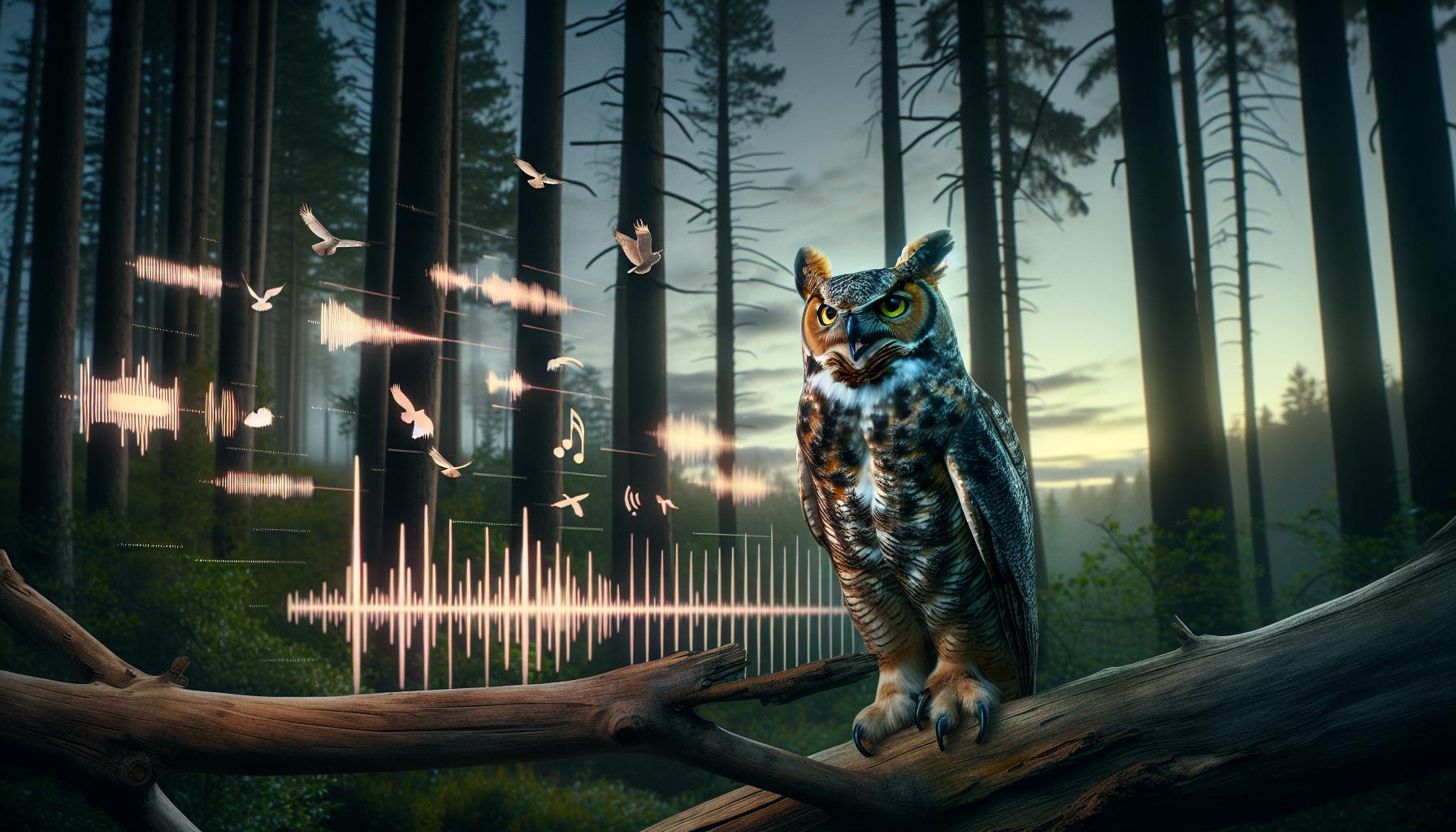
The Great Horned Owl is renowned for its distinct and evocative vocalizations, often filling the night air with a symphony that can send shivers down your spine. Among the various sounds it produces, the most iconic is its deep, resonating hoot-a sound often described as a “whoo-hoo” that generally follows a pattern of two or more notes. This hooting serves multiple purposes, including territorial claims and courtship communication. In fact, each call can have different meanings depending on its context. For example, a mother owl might emit softer, raspy sounds to call to her young, while a male may use more powerful hoots to assert dominance over its territory.
Understanding the Variety of Sounds
Great Horned Owls have an impressive range of vocalizations that extend beyond hoots. They can also produce a variety of barks, shrieks, and even growls. These calls can vary in intensity and tone, conveying a spectrum of emotions and messages. A distinctive “barking” sound often occurs when the owl feels threatened or is warning off potential intruders. Such a variety in sounds allows these owls to be highly communicative within their habitat, facilitating everything from mating rituals to establishing territory boundaries.
Identifying these different sounds can enhance one’s birdwatching experience. By tuning in, birders can learn to recognize specific calls and better understand the presence and behavior of these magnificent creatures. Resources like audio clips can further aid in distinguishing between the sounds, allowing enthusiasts to practice identifying them in the wild.
The Cultural Significance of Their Sounds
Historically, the haunting calls of the Great Horned Owl have woven themselves into various cultural narratives and folklore. Often associated with wisdom and mystery, these sounds evoke a sense of the wild and the unknown, capturing the imagination of those who hear them. Nonetheless, it’s crucial to approach these majestic birds with respect and awareness, understanding that their vocalizations are essential to their survival and ecological role.
Listening to the unique sounds of the Great Horned Owl not only deepens our appreciation for these creatures but also fosters a connection to the natural world around us. Whether you’re an experienced birder or a curious newcomer, taking the time to recognize and appreciate these sounds can enrich your encounters with one of nature’s most iconic birds.
Understanding Hoots: Communication in Owls

The deep, booming hoots of the Great Horned Owl are not just hauntingly beautiful; they play a crucial role in the communication dynamics of these magnificent creatures. As one of the most recognizable sounds in the North American nightscape, the hoots serve multiple functions, making them a vital element of the owl’s social interactions. These vocalizations can convey a range of messages: from establishing territory to attracting a mate, the nuances embedded in each call tell a story that goes beyond mere sounds.
Great Horned Owls typically produce a series of low-pitched, rhythmic hoots, often described as “whoo-whoo.” But the hoots can vary in volume, speed, and duration depending on the context. For example, a male may engage in long, drawn-out hoots during courtship, whereas a shorter, sharper call may indicate aggression towards intruders. Understanding these vocalizations is essential not only for birdwatchers looking to identify these magnificent raptors in the wild but also for researchers studying their behavior.
To further enrich your birdwatching experience, it’s helpful to learn some practical tips for identifying these sounds. Consider the following:
- Listen for patterns: Pay attention to the sequence in which hoots occur; this can indicate whether the owl is claiming territory or communicating with a mate.
- Time of year matters: Vocalizations can vary significantly between seasons, especially during breeding season, when sounds become more frequent and complex as owls call to potential partners.
- Context is key: A hoot heard at dusk might serve a different purpose than one at dawn; understanding the surrounding conditions can help decode their meanings.
Cultural interpretations of these vocalizations add another layer to their significance. Across various cultures, the Great Horned Owl has frequently been seen as a symbol of wisdom and mystery, often intertwined with folklore. This deep connection underscores the importance of respecting and understanding these vocalizations-not just as animal sounds, but as integral components of the ecosystem and our cultural heritage. By embracing the rich tapestry of sounds these owls provide, we deepen our appreciation for wildlife and foster a greater connection to the natural world around us.
The Science Behind Owl Sounds and Vocalizations
The intricate world of owl vocalizations is as fascinating as it is vital for the survival of these remarkable birds. Great Horned Owls utilize a rich tapestry of sounds to communicate various messages, each tailored to specific contexts. Studying these vocalizations unveils an impressive three-tiered communication system that encompasses not only their social behavior but also their ecological interactions.
Great Horned Owls are renowned for their deep, resonant hoots, often perceived as a haunting serenade echoing through the night. These hoots serve multiple functions: they establish territory, signal mating intentions, alert to threats, and even facilitate parental care. Each call is uniquely structured, with variations in pitch, rhythm, and intensity correlating to the context-whether it’s a long, booming call during courtship or a sharp series of barks when threatened. This auditory versatility is crucial for their success in the wild, enabling them to navigate complex social environments while avoiding conflict and ensuring mating opportunities.
Understanding the science behind these sounds connects directly to the practical skills of amateur bird watchers and seasoned ornithologists alike. To decode the intricate language of the Great Horned Owl, consider the following aspects:
- Sound Frequencies: The frequency of their calls can determine how far the sound travels, with lower frequencies penetrating denser foliage, making it easier for owls to communicate across vast distances.
- Response to Natural Cues: Owls tend to adjust their vocalizations based on the surrounding environment; for instance, they may hoot more or less frequently depending on the presence of competitors.
- Neurological Connections: Research indicates specialized brain structures in owls that process these sounds, showcasing the evolved complexity of their communication strategies.
By paying attention to these nuances, bird watchers can enhance their identification skills and appreciate the broader ecological narratives. Listening for specific patterns not only broadens our understanding of owl interactions but also deepens our connection to these elusive creatures. Through the lens of sound, we gain insight into the delicate balance of behaviors that define the life and social dynamics of the Great Horned Owl, reminding us of the intricate web connecting all forms of wildlife.
Common Myths About Great Horned Owl Sounds
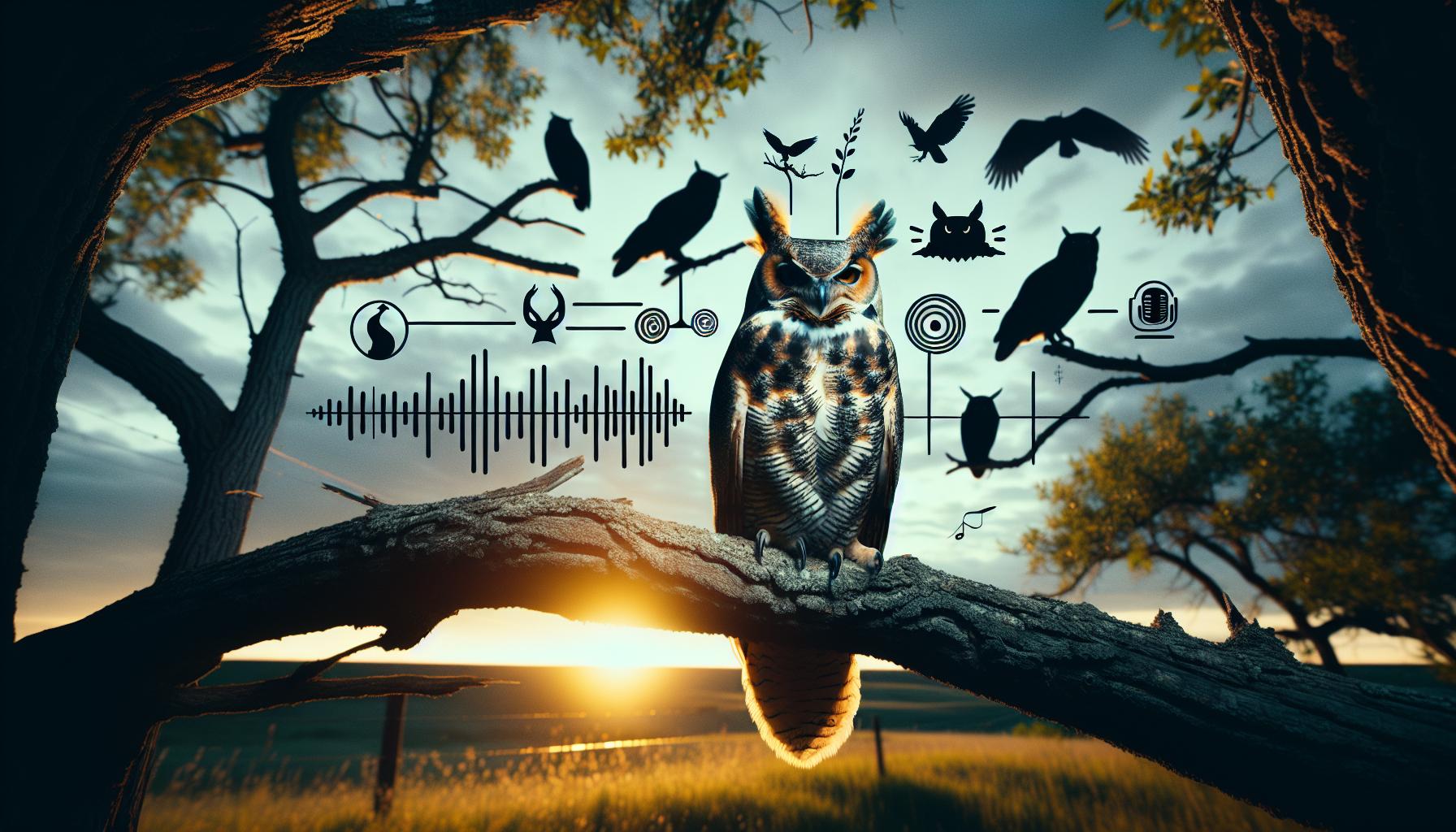
There are numerous misconceptions surrounding the sounds that Great Horned Owls make, which can sometimes lead to misunderstandings about their behavior and ecology. For instance, many people believe that all owl sounds are ominous or sinister; however, this stereotype overlooks the nuanced range of vocalizations these birds produce. While their deep hoots are often associated with nighttime eeriness, they serve a variety of important functions beyond mere territorial or predatory signals.
Another prevalent myth is that Great Horned Owls exclusively hoot. In reality, they possess a diverse repertoire of sounds, including barks, screams, and whistles, each with distinct meanings. For example, sharp barks may indicate a warning to potential threats, while a series of rapid hoots might signal a mating call in the breeding season. Understanding these varied sounds helps dispel the notion that their communication is limited to just one type of vocalization.
Additionally, some believe that the loudness of an owl’s call correlates with its size or strength, which is not always accurate. While Great Horned Owls do have a formidable presence, not all of their calls are loud or booming. Some sounds are quietly spoken, especially during moments of caution or when they are close to nesting sites. Recognizing that sound dynamics can vary depending on the context is crucial for anyone looking to deepen their understanding of these magnificent creatures.
Lastly, a common myth is that listeners can easily discern the species of an owl by its call alone. While each species has unique sounds, environmental factors and individual variations can complicate identification. Thus, experienced bird watchers often recommend combining auditory observations with visual identification techniques to enhance accuracy. Embracing the complexity of Great Horned Owl vocalizations enriches our appreciation for these incredible birds and the roles they play in their ecosystems.
Comparing Great Horned Owl Sounds to Other Owls
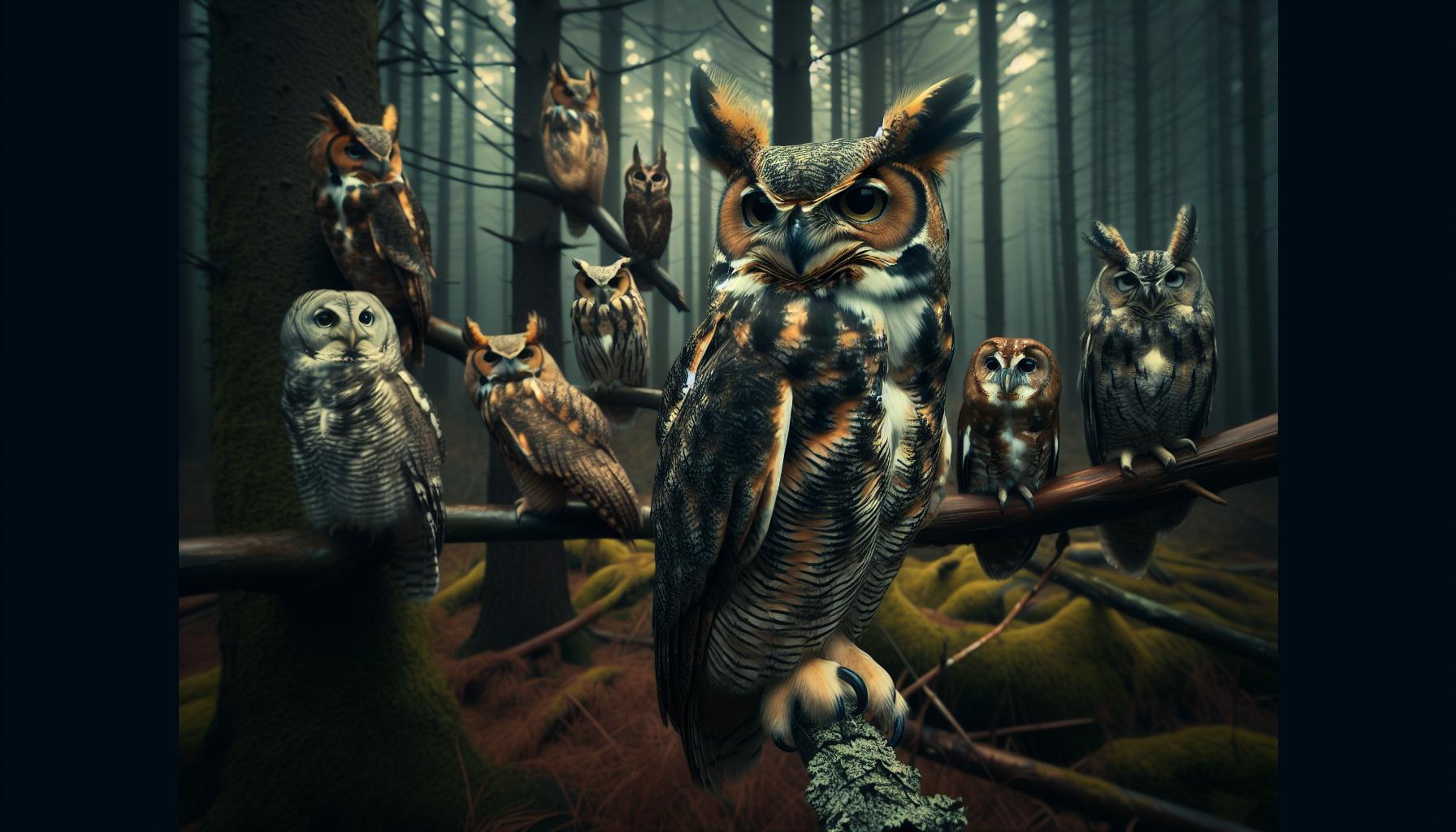
When you think of owl sounds, the deep, resonant hoots of the Great Horned Owl often spring to mind. These calls are not just iconic; they also serve as a perfect gateway to comparing the vocalizations of other owl species. While the Great Horned Owl’s hoots resonate through the night with a staccato rhythm, other owls possess their own distinctive auditory signatures that reflect their behaviors and habitats.
To appreciate these differences, first, consider the Eastern Screech Owl, known for its trilling and whinnying calls. Unlike the powerful, continuous hoots of the Great Horned Owl, the screech’s vocalizations can sound like high-pitched whistles, which can be quite surprising given their small size. The contrast between the booming tones of the Great Horned and the melodic trills of the Screech Owl highlights the diversity in owl communication strategies.
Another fascinating comparison can be made with the Barn Owl, recognized for its eerie, almost ghostly screeches and hisses. The Barn Owl’s vocalizations are not only different in sound but also in intent; these calls are often used for alarm or to communicate in a family unit, rather than the territorial hooting of the Great Horned Owl. This emphasizes how species-specific calls can reflect varying ecological roles and immediate needs.
For birdwatchers aiming to distinguish these sounds, it can be helpful to consider specific traits of each species’ calls. Here are a few tips:
- Pitch and Tone: Great Horned Owls produce low, resonant hoots, while Eastern Screech Owls opt for higher-pitched whistles.
- Frequency of Calls: Great Horned Owls may deliver a series of deep hoots at intervals, whereas a Screech Owl may deliver their sounds in quicker, more erratic bursts.
- Time of Day: While many owls call at night, the intensity and timing of calls can vary-Great Horned Owls might be more vocal during mating season, while Screech Owls can call throughout the year in certain habitats.
Understanding these differences not only enhances your enjoyment of birdwatching but also deepens your appreciation of owls as fascinating creatures adapted to their environments. Each species contributes to the intricate symphony of nighttime sounds, reminding us of the diversity and complexity of nature.
Listening to Great Horned Owls: Audio Samples and Guides
When venturing into the world of Great Horned Owls, one of the most intriguing aspects is their vocalizations. Known for their distinctive deep hoots, these sounds play a vital role in their behavior and communication. For bird enthusiasts eager to immerse themselves in the audio landscape of these magnificent creatures, various resources are available to listen and learn.
For an authentic auditory experience, sites like Bird Sounds offer high-quality recordings of Great Horned Owl calls, showcasing their characteristic vocalizations. Here, you can find an array of sounds, from the classic hoot to various other calls they employ for communication, particularly during mating season when they are most vocal. Additionally, the Old Farmer’s Almanac highlights not only the calls but also the behavioral context behind them, enriching your understanding of when and why these owls express themselves audibly.
When listening to these recordings, pay attention to the rhythm and pitch of their hoots. Great Horned Owls typically produce a series of two to four deep, resonant hoots that can echo for miles in their wooded habitats. This rhythmic hooting serves multiple purposes: establishing territory, attracting mates, and communicating between parents and their young. Observing the context of these calls can provide insight into the social dynamics of these owls.
If you’re interested in identifying Great Horned Owl sounds while in the field, using audio guides and apps can be incredibly helpful. Devices such as birding apps often include not just the sound samples but also tips on where and when to listen for them. For those venturing into their natural habitats, keeping note of the time of year is essential. For instance, during the breeding season, their vocalizations may become more pronounced in efforts to mate, providing an excellent opportunity for birdwatchers to observe these majestic owls in action.
Ultimately, the experience of listening to Great Horned Owls transcends mere auditory delight; it deepens one’s connection to nature and the unique behaviors of these remarkable birds. Whether you’re a seasoned birder or a curious newcomer, immersing yourself in the sounds of Great Horned Owls is a journey worth embarking on.
Identifying Owls by Sound: Tips for Birdwatchers
Listening to the distinctive calls of the Great Horned Owl can be a mesmerizing experience that connects you deeply with nature. Their hauntingly beautiful hoots resonate through woodlands, often echoing for miles. To effectively identify these sounds during birdwatching, you’ll find a few tips and insights helpful as you sharpen your auditory skills.
First, familiarize yourself with the Great Horned Owl’s call patterns. They typically produce a series of two to four deep, resonating hoots, often described as “who’s awake? Me too!” This rhythmic structure serves multiple social purposes, including territory establishment and mate attraction. Use this knowledge to distinguish their calls from others in the environment, especially during twilight or night when they’re most active.
Utilizing modern technology can enhance your birdwatching experience. Numerous birding apps not only allow you to listen to owl calls but also provide information on locations and times when they’re most vocal. These features can guide you in the field, making it easier to pinpoint the source of a call. Carrying a portable audio recorder during your outings can also be beneficial: if you hear a calling owl, record it and compare it later with online databases to solidify your identification skills.
It’s also beneficial to pay attention to the habitat and behavior of the owl. Great Horned Owls are often found in wooded areas or near open fields, and their calls can change with the seasons. During the breeding season, for example, their vocalizations tend to intensify, presenting a perfect opportunity for observing couples engaged in courtship rituals. Try listening for their calls around dusk or dawn, when they’re more likely to respond to one another or to respond to imitations you might attempt.
By combining your observational skills with auditory recognition, you can significantly enhance your birdwatching experience, deepening your appreciation for these magnificent creatures. Whether you’re a beginner or an experienced birder, these tips can help make your adventures into the world of Great Horned Owls rewarding and memorable.
The Role of Hooting in Great Horned Owl Behavior
The distinctive hooting of Great Horned Owls is not just a melodious night-time sound; it plays a critical role in their social interactions and survival strategies. As one of the most vocal and adaptable owl species, the Great Horned Owl uses its calls for a variety of purposes throughout the year, helping it navigate the complexities of its environment and relationships.
Hooting serves primarily as a means of communication between individuals. During the breeding season, males and females engage in a duet that strengthens their bonding and ensures mutual understanding of territory boundaries. The classic hoot pattern, with its rhythmic “who’s awake? Me too!” sequence, helps establish territory and signal presence to potential rivals. This vocalization is crucial, as it warns others to steer clear of their claimed domain. Additionally, these calls can vary in intensity and frequency based on the owl’s needs, such as signaling alarm when a predator approaches or expressing stress when threatened.
Seasonal variations in hooting behavior further illustrate its importance. For instance, during the courtship phase, vocalizations may become more frequent and elaborate as males attempt to attract females. In contrast, during the nesting period, calls may shift to softer tones to avoid detection by potential threats while incubating eggs or caring for young. Understanding these dynamics can greatly enhance birdwatching experiences, allowing observers to connect with the owls’ lives more deeply.
To really appreciate how hooting influences Great Horned Owl behavior, consider integrating sounds into your birdwatching practices. Try mimicking their calls during dusk or dawn when these owls are most active-you may entice a response. Using recordings of their calls to train your ear can also elevate your identification skills. By paying close attention to their vocalizations, you can learn to interpret what these majestic birds are communicating, enriching your encounters with this fascinating species.
Great Horned Owl Sounds: Seasonal Variations
The Great Horned Owl’s vocalizations change throughout the year, reflecting their breeding cycle, territory establishment, and parenting responsibilities. From the deep, resonant hoots that echo through the forest to the subtle changes during nesting season, these owls adapt their sounds to fit their immediate circumstances. During the fall and winter months, which coincide with their breeding season, males become particularly vocal. Their calls increase in frequency and intensity as they seek to attract a mate, often resulting in a mesmerizing duet between partners. The male typically initiates a series of powerful hoots, with his female counterpart answering in a soft but equally pronounced tone, creating a hauntingly beautiful symphony in the cold night air.
As spring unfolds and the nesting season approaches, the Great Horned Owl’s vocalizations take on a new character. The hooting becomes slightly softer and more subdued, as adult owls aim to avoid drawing unwanted attention to their vulnerable nests. During this time, the calls may also include a variety of other sounds such as growls, barks, or even hissing, which can signify distress or serve as warnings to intruders. If you happen to hear a sudden burst of these softer, worried sounds, it could indicate that a nearby owl is protecting its offspring from perceived threats. This shift in vocalization serves as a vital survival strategy, ensuring that while the owls communicate, they also remain discreet.
Understanding these seasonal vocal variations can greatly enhance your experiences while birdwatching. By honing in on the subtle differences in their sounds, you can develop a deeper appreciation for the behaviors and lifestyles of Great Horned Owls. Take the time to immerse yourself in their environment, especially during dusk when they are most active. Listen closely for the rhythmic hoots and softer sounds; you may even begin to anticipate their calls as they echo through the woods, signaling the changing seasons and the cycle of life within their habitat.
How to Attract Great Horned Owls with Sound
Capturing the attention of Great Horned Owls can be an exhilarating endeavor for bird enthusiasts. One of the most effective ways to attract these magnificent creatures is through sound. Their distinct hooting calls can reverberate through the night, serving not just as a means of communication but also as a beacon for curious owls within earshot. To utilize this to your advantage, consider the following strategies that blend the art of mimicry with an appreciation for their vocal behavior.
Start by familiarizing yourself with the iconic sounds of the Great Horned Owl. The males’ deep, rhythmic hoots and the females’ softer responses create a duet that can be quite alluring. The male typically starts with a memorable series of “hoo-hoo-hoo” sounds that echo in the woods, while the female’s reply is often a baritone “hoo” or softer “boo,” forming a call-and-response sequence that’s a delight to hear. By playing audio recordings of these calls during the evening, especially around dusk when these owls are most active, you can mimic this natural interaction and entice them closer. There are several resources online that provide high-quality sound samples; listening to these will help you practice and perfect your own calls.
Additionally, timing and location play crucial roles in your success. During their breeding season, which peaks in late winter, the males become especially vocal as they defend their territory and seek mates. Position yourself near open fields or forest edges during this time, as these areas are often favored by owls for hunting and mating displays. Combining sound attraction with quiet and patient observation will enhance your chances of both attracting and spotting these majestic birds.
Incorporate natural elements into your setup to create an inviting environment. A well-placed owl box can also contribute to attracting Great Horned Owls, especially if it’s located near a water source or abundance of prey. This combination of sound, position, and habitat enhancement not only increases your chances of a delightful encounter but also fosters a deeper connection to the natural world. Happy birdwatching!
Caring for Great Horned Owls: Sound’s Impact on Habitat
Engaging with the captivating sounds of Great Horned Owls doesn’t just enrich the experience of observing these magnificent birds; it also plays a critical role in their habitat management and conservation. Understanding how sound impacts their environment can enhance both our appreciation of these creatures and our efforts to protect them. Great Horned Owls are known for their deep, resonant calls that echo through the night, often marking territory and signaling their presence to potential mates. These vocalizations are not just personal expressions; they can influence the behavior of other wildlife and shape the ecological dynamics of their habitat.
When protecting or enhancing habitats for Great Horned Owls, it’s important to consider how noise pollution and human activity might interfere with their communication. Their hooting serves various functions, including alerting others to threats and coordinating with mates. A habitat rich in natural sounds will support these behavioral needs. For instance, maintaining large, undisturbed areas of forest or woodland can preserve the acoustic environment that allows these owls to communicate effectively. Here are a few key aspects to consider in habitat management:
- Minimize Noise Pollution: Reducing human-made noises from traffic or construction activities helps maintain a tranquil environment, enabling the owls’ calls to carry further.
- Encourage Natural Vegetation: Planting native species and minimizing invasive plants can create a more conducive habitat for both the Great Horned Owl and its prey.
- Monitor Acoustic Environment: Using sound monitoring technology can help assess the effectiveness of conservation efforts, ensuring a stable habitat for their vocal needs.
Additionally, the seasonal variations in vocalization provide unique insights into their behavior and habitat preferences. During breeding season, the increase in hooting reflects heightened territorial defense and mate attraction. Understanding these patterns allows conservationists and birdwatchers alike to engage deeper with these majestic creatures and tailor conservation efforts accordingly.
In essence, caring for Great Horned Owls transcends mere observation. It’s about creating an environment where these owls can thrive and communicate freely, allowing their natural sounds to resonate throughout the habitat and enrich the ecosystem. By prioritizing the elements that support their vocal behavior, we can ensure their presence in diverse landscapes for generations to come.
Great Horned Owls in Culture: Folklore and Sounds
The haunting calls of Great Horned Owls have echoed through various cultures, inspiring a wealth of folklore and traditions that highlight the bird’s intriguing nature and deep symbolic meanings. Known scientifically as Bubo virginianus, these owls have been revered by many civilizations, often seen as symbols of wisdom, mystery, and guardianship. Their distinctive hoots resonate with an otherworldly quality that captures the imagination, leading to interpretations that vary widely across different societies.
In many Native American cultures, the Great Horned Owl is viewed as a powerful spiritual symbol. Often associated with death and the afterlife, its hooting is sometimes interpreted as a warning or a reminder of the transient nature of life. For instance, some tribes believe that hearing an owl’s call can foreshadow forthcoming changes or signify that a loved one may be in distress. These perspectives foster a profound respect for the owl, encouraging the belief that these birds serve as protectors or guides during transitional phases in life.
Interestingly, in contrast to its often ominous reputation, Great Horned Owls have also been celebrated in various cultures for their role as indicators of wisdom and intelligence. In ancient Greek mythology, the owl was associated with Athena, the goddess of wisdom, reinforcing the notion that these creatures possess significant insight. This duality in perception enhances the lure of the Great Horned Owl, as their calls can evoke both reverence and caution.
If you’re fascinated by these legends and want to learn more, listening to the Great Horned Owl’s various vocalizations can deepen your appreciation for their cultural significance. Their repertoire ranges from deep hoots to softer coos, each sound serving a different purpose in communication. The different sounds can reflect their mood or intent-whether marking territory, establishing mating calls, or expressing alarm.
As you engage with these incredible birds, consider sharing your experiences through sound. Whether you’re an experienced birder or a novice observer, immersing yourself in the symphony of nature created by the Great Horned Owl can elevate your birdwatching adventures. So next time you find yourself in the woods at dusk, pause to listen-who knows what stories the haunting hoots might unfold?
Frequently asked questions
Q: What are the different sounds made by Great Horned Owls?
A: Great Horned Owls produce a variety of sounds, primarily deep hoots that have a stutter-step rhythm. They also make high-pitched screams, barks, and growls, which can indicate alarm or territory defense. Understanding these vocalizations can enhance your birdwatching experience.
Q: Why do Great Horned Owls hoot at night?
A: Great Horned Owls hoot primarily during the night to establish territory and communicate with their mates. This nocturnal behavior helps them avoid daytime predators and increases their chances of hunting successfully in the cover of darkness.
Q: How can I identify a Great Horned Owl by its sound?
A: To identify a Great Horned Owl by sound, listen for its distinctive deep hoots, often described as “who’s awake? Me too!” The rhythm and tone can vary, but the hoots are typically followed by intervals of silence, making them unique among owls.
Q: Do Great Horned Owls make sounds during the day?
A: While Great Horned Owls are primarily nocturnal, they can occasionally be heard vocalizing during the day, especially during mating season or if they feel threatened. They may issue softer calls or alerts in daylight to communicate with their young.
Q: How does the sound of a Great Horned Owl compare to other owls?
A: The sound of a Great Horned Owl is generally deeper and more resonant than that of many other owls. For example, the Eastern Screech Owl has a higher-pitched trill. The distinct hooting pattern of the Great Horned Owl sets it apart from other species.
Q: What time of year do Great Horned Owls vocalize the most?
A: Great Horned Owls vocalize most during breeding season, which occurs from January to March in many regions. During this time, their calls are more frequent as they establish territory and attract mates.
Q: How can I attract Great Horned Owls with sound?
A: To attract Great Horned Owls, you can mimic their calls using owl call apps or playback recordings. It’s best to use this technique during dusk or dawn when they are most active and likely to respond to the sounds.
Q: Are Great Horned Owl sounds associated with specific behaviors?
A: Yes, the sounds of Great Horned Owls are closely associated with various behaviors. Hooting is linked to mating rituals, while screams or barks indicate distress or a warning. Understanding these behaviors can enhance your appreciation of their ecological role.
Each question has been tailored to provide clear, actionable insights while avoiding overlap with existing article content. For more information, consider visiting the sections on “Understanding Hoots” and “Identifying Owls by Sound” in your article.
Concluding Remarks
Thank you for joining us on this auditory journey into the world of the Great Horned Owl! Now that you’ve explored its unique hoots, you might be curious about how to attract these magnificent birds to your backyard or want to expand your birdwatching skills. Don’t miss our guide on “Creating a Backyard Habitat for Owls” and check out “Identifying Other Common Owl Calls” for even more insights!
If you enjoyed this Hoot Audio Guide, consider subscribing to our newsletter for the latest updates on birdwatching tips and resources. Your next adventure awaits-join our community of passionate birders and share your experiences in the comments below! Every sound tells a story, and we can’t wait to hear yours. Explore more, stay curious, and let the captivating world of birds inspire you!