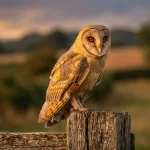
Have you ever heard the chilling screech of a barn owl echoing through the night? This haunting sound isn’t just eerie; it plays a crucial role in their hunting strategy and communication. In this article, we’ll explore what makes the barn owl’s vocalizations so distinct and how they reflect the bird’s behavior and habitat. Understanding these sounds can deepen your appreciation for these magnificent creatures and enhance your birdwatching experiences. Whether you’re a novice birder or a seasoned enthusiast, uncovering the mystery behind the barn owl’s screeches will enrich your connection to nature. So, let’s dive into the fascinating world of barn owl sounds and discover what they mean!
Understanding Barn Owl Vocalizations: An Overview
The haunting sounds of barn owls are among the most distinctive vocalizations in the avian world, often evoking intrigue and a bit of mystery. When we think of an owl’s call, many might imagine the classic hoots associated with species like the great horned owl. However, barn owls are an entirely different breed, often referred to as “screech owls” due to their eerie, high-pitched screeches that pierce the night. This vocalization serves multiple purposes, from signaling territory to attracting mates, creating a complex communication landscape.
Understanding barn owl vocalizations requires a closer look at the different sounds they produce, each serving a specific function. Their primary call, the piercing screech, is often heard at dusk and dawn, marking their presence in the territory. This call can be alarmed and intimidating, acting as a clear warning to potential intruders in their habitat. Additionally, during courtship, barn owls engage in a softer cooing sound, an intimate exchange that strengthens pair bonds. In times of stress, such as when threatened, they can emit clacking sounds made by rapidly beating their beaks together, coupled with hissing noises to deter predators.
These vocalizations are crucial not only for the species’ survival but also for enriching our understanding of the natural world around us. By paying attention to these unique sounds, bird watchers and nature enthusiasts can gain insights into the behaviors and social interactions of barn owls. Whether you’re out in the field or simply observing from your home, tuning into the various calls can enhance your appreciation for these fascinating creatures. Over time, with a keen ear and some practice, anyone can learn to interpret the subtle differences in barn owl communications, bringing you closer to understanding their world.
The Eerie Sound of Barn Owls: Nature’s Alarm System

The calls of barn owls are not just eerie sounds echoing through the night; they serve as an alarm system for the natural world. Picture a quiet evening, the sun dipping below the horizon, when the distinctive, high-pitched screech pierces the calm. This chilling vocalization acts as both a territorial warning and a signal to potential mates, underscoring the barn owl’s role in the ecosystem. Understanding these calls is crucial for both birdwatchers and wildlife enthusiasts, and it opens a window into the behavioral patterns of these fascinating creatures.
The barn owl’s screeches can reverberate through their habitat, alerting both other owls and various animals nearby. Typically heard at dusk and dawn, these calls serve several purposes. For instance, the sharp, loud screech warns competing barn owls to stay away from a claimed territory, promoting both survival and reproductive success. During the nesting season, softer cooing sounds can be interspersed with these eerie shrieks, facilitating communication between mates and reinforcing bonds. Such vocalizations not only help establish territory but also signal their presence to surrounding wildlife, establishing a critical auditory landscape within their ecosystem.
Being aware of these sounds heightens our appreciation for biodiversity. As a birdwatcher, tuning into the looping symphony of a barn owl’s calls can unlock secrets about their behavior and habitat. For example, if you hear an alarming screech, it could indicate a nearby nest, and witnessing the ensuing dynamics between territorial males may offer rich insights into barn owl social structures. Observing these interactions can be thrilling – from the rapid clacking of beaks exchanged between threats to the hauntingly beautiful hisses that warn inquisitive onlookers to stay back. Each sound contributes to a larger story, paving the way for a deeper understanding of these intriguing avian predators.
In essence, capturing the significance of barn owl vocalizations requires blending observation with knowledge. Whether you’re an avid birder or a curious nature lover, being attuned to their sounds can enhance your experiences in the great outdoors. With a bit of patience and practice, you can learn to decode these calls, enriching your connection with the environmental symphony surrounding us.
How Barn Owls Communicate: Sounds and Signals

The enchanting world of barn owls is filled with a range of sounds that not only echo through the night but also serve vital communicative purposes. These vocalizations are a sophisticated language of their own, enabling barn owls to assert territory, attract mates, and coordinate with each other. Unlike the familiar “hoots” of many other owl species, barn owls produce a variety of eerie screeches and whispers that can send shivers down your spine, yet they are fundamental in their social interactions.
Barn owls communicate through different vocalizations, such as high-pitched screeches, soft coos, and even deceptive purrs. The sharp, loud screech of a barn owl is typically a territorial call, serving to warn other owls away from its domain. This call is often heard at dusk and dawn, times when these nocturnal predators are most active. During the breeding season, their vocal repertoire expands to include softer sounds, which are tender calls exchanged between mates, reinforcing their bond and facilitating courtship. In addition to these primary calls, barn owls also use a variety of hissing, wheezing, and twittering noises, making their vocal behavior complex and rich.
Understanding this auditory communication provides birdwatchers and nature enthusiasts with insights into barn owl behavior. For instance, when you hear a sustained screech, it might indicate that a barn owl is defending its territory or warning of a perceived threat. Conversely, a softer cooing sound could signal the close presence of a mate. These varied calls allow for intricate social interactions, where understanding the context of the sound can lead to a deeper appreciation of their ecology and behavioral patterns.
When observing barn owls in the wild, take a moment to listen closely to their calls. Each sound contributes to the serene yet dynamic soundscape of their environment. By learning to interpret these calls, birdwatchers can gain invaluable insights into the lives of barn owls, unraveling the complex narrative of their day-to-day existence. Whether you’re an experienced birder or a novice, tuning into the symphony of barn owl vocalizations enriches your encounters with these enigmatic creatures, making each observation more meaningful and exciting.
Decoding the Distinct Screeches of Barn Owls
The screeches of barn owls are not just sounds; they are an intricate language steeped in meaning and purpose. When you hear the sharp, eerie screech of a barn owl piercing the stillness of the night, it can evoke a spine-tingling sensation, but for these magnificent birds, it is a vital form of communication. Each scream or call has its purpose, ranging from territory marking to mate attraction, and understanding these vocalizations can provide a fascinating glimpse into their lives.
Barn owl screeches can be categorized primarily into two main types: loud, piercing calls and softer, quieter sounds. The loud screech is typically a territorial call, displayed prominently at dusk and dawn. This vocalization serves to establish dominance over a territory, warning other owls to keep their distance. On the other hand, softer calls exchanged between mating pairs are often tender and gentle, assisting in courtship and enhancing their bond. As I often recommend to fellow birdwatchers, taking note of the context in which these sounds occur can greatly enhance your understanding of barn owl behavior-like identifying a loud area as a battleground versus a quiet one as a sanctuary for nesting.
The vocal repertoire of barn owls goes beyond just screeches; they also produce hissing and wheezing sounds, especially when warning of threats or defending their nest. These complex vocalizations can include a range of subtle tones that contribute to rich social interactions among individuals. Observing and listening for these varied calls while in the field can transform an ordinary night into an extraordinary experience, allowing even beginner birders to uncover the fascinating dynamics of these owls. It’s an invitation to immerse yourself fully in their world, witnessing firsthand their communication style.
For those captivated by birdwatching, the next time you encounter a barn owl, pay close attention to the sounds they produce. You may discover layer upon layer of information hidden within their vocalizations-an audible map of their social structure and interactions. By redefining our relationship with these sounds, we not only enrich our birdwatching experience but also gain a greater appreciation for the ecological roles barn owls play in our local environments. Each screech tells a story, and by listening closely, you too can become part of that story.
Why Do Barn Owls Screech? Understanding Their Behavior

The haunting screeches of barn owls are more than just eerie sounds echoing through the night; they are intricate vocalizations that serve essential purposes in the life of these remarkable raptors. One of the primary reasons barn owls screech is to establish and defend their territory. These vocalizations are crucial during dusk and dawn when owls are most active, signaling to others that an area is occupied. This territorial assertiveness helps reduce confrontations between rivals, as a loud, piercing call conveys the message to other owls: “This space is mine!”
In addition to territory marking, screeches play a key role in mating rituals. The softer, gentler calls exchanged between potential mates are essential for courtship, helping to strengthen the pair bond. When you observe barn owls in breeding season, these calls can highlight moments of intimacy, portraying a fascinating dynamic often unnoticed by those unfamiliar with their behaviors. By simply tuning in to these vocal exchanges, you gain insight into the social interactions that define barn owl relationships.
Moreover, barn owls utilize a variety of sounds to communicate distress or warn of potential threats. Hissing can serve as a warning to intruders, while wheezing may indicate discontent or agitation. Understanding these vocal cues not only deepens your appreciation of barn owl behavior but also enhances your birdwatching experience. Keeping a close ear on the context in which these sounds occur allows birdwatchers, both novices and experts, to interpret the nuanced dialogues that take place among these majestic creatures.
For anyone venturing into the world of barn owls, recognizing the significance of their screeches can transform an ordinary evening into an engaging exploration of avian life. Consider making a habit of documenting the varied sounds you observe, as each auditory encounter adds depth to your understanding of these incredible birds. Each screech, from territorial proclamations to intimate exchanges, tells a compelling story about survival, reproduction, and communication-an invitation to become part of their world.
Different Vocalizations: A Comparison of Owl Calls
The sounds that barn owls make are a fascinating reflection of their behaviors and interactions within the natural world. These vocalizations can be categorized into several distinct types, each serving a unique purpose in the owls’ lives. Understanding these varied calls not only enhances our appreciation for barn owls but also enriches our birdwatching experiences.
Barn owls primarily communicate through screeches, which are haunting, high-pitched sounds often described as eerie. These screeches are particularly pronounced during territorial displays and can serve as alarm calls to ward off potential intruders or establish occupancy of a territory. Additionally, during the breeding season, you might observe softer cooing sounds exchanged between mating pairs, signifying intimacy and partnership. This gentle communication contrasts sharply with the more alarming cries used during disputes or warnings.
In times of distress, barn owls may emit hissing sounds or sharper cries, indicating discomfort or agitation. These varied vocalizations create a rich tapestry of communication. By listening closely, one can detect the nuances in their calls and interpret the owls’ emotions or intentions. For novice birdwatchers, focusing on the context in which these sounds occur can be particularly enlightening-such as observing a pair of barn owls interact during dusk, where calls shift from intimate coos to assertive screeches as the sun sets.
It’s also worth noting that barn owls are not alone in their vocal behaviors; various owl species have their own distinct calls. For example, the great horned owl’s deep hoots differ dramatically from the barn owl’s shrieks. Recognizing these differences can aid in identifying species while birding. Keeping a journal of the sounds you hear, including their context, can not only deepen your understanding but also foster a more profound connection with these beautiful creatures. Each vocalization of a barn owl tells a part of their story, offering insights into their social lives, parental care, and survival strategies.
Caring for Barn Owls: Sound-Related Needs and Habitats
Understanding how to care for barn owls involves recognizing their unique sound-related needs and the habitats that support their vocalizations. Barn owls thrive in environments where they feel safe to express their well-documented vocalizations, from their eerie screeches to softer coos. These sounds not only inform us about their behavior but also reflect their emotional states and interactions with their environment.
To create a suitable habitat, it is crucial to ensure that barn owls have access to quiet, undisturbed nesting sites. These natural shelters may include abandoned buildings or tree cavities that are away from heavy human activity. When caring for barn owls, consider a habitat setup that minimizes noise pollution, as excessive sounds can stress these sensitive creatures and hinder their natural communication patterns. Soundproofing measures, such as insulation and vegetation barriers, can substantially improve their living conditions, enabling clear vocal exchanges that are essential for territorial establishment and mate bonding.
Moreover, food availability plays a significant role in vocal behaviors. An abundant prey population allows barn owls to thrive and maintain their unique communication styles without the stress of competition. Consider enhancing their habitat with features that attract small mammals, like field edges or grasslands that support robust rodent populations. This can lead to a healthier population of barn owls, producing more frequent and varied vocalizations.
Lastly, engaging with the sounds of barn owls in their natural habitat can deepen your connection to these fascinating birds. As an enthusiast or a beginner birder, listening for their calls during early morning or dusk can provide valuable insights into their behaviors and interactions. Document these observations to enhance your understanding of their vocal patterns and contribute to citizen science efforts. By fostering an environment that respects their sound-related needs, you can support barn owls not only in your local area but also cultivate a deeper appreciation for their role in our ecosystem.
Captivating Stories: Unique Encounters with Barn Owls
The first time I heard a barn owl’s call, I was captivated by the otherworldly quality of its eerie screech. Unlike the classic hoots of many owl species, the barn owl communicates through a series of raspy shrieks and screams that can send chills down your spine. This vocalization is not just chilling; it plays a crucial role in their daily life, serving as both an alarm system and a means of communication with potential mates and rivals. Many birdwatchers recount moments when they would be quietly observing the twilight sky, only to be startled by the haunting sound that echoed through the landscape, signaling the presence of these magnificent nocturnal hunters.
Notable Encounters
One memorable encounter involved a group of local birders who had gathered for a night-watching event in a rural area known for its barn owl population. Wrapped in blankets and huddled around a campfire, they listened to the gentle sounds of the evening. Suddenly, a barn owl emerged from the nearby orchard, its wings silently gliding as it swooped down to the ground, and the participants were rewarded with the unmistakable scream of an adult owl marking its territory. Moments like these not only deepen one’s understanding of barn owl behavior but also forge a profound connection with nature.
Others have shared stories of unexpected encounters with barn owls in urban settings. For instance, in a small town, a pair of barn owls took to roosting in a dilapidated barn, much to the delight of local residents. Each evening, as the sun would set, the couple would emerge, announcing their presence with their distinctive calls. This not only captivated the community but also sparked conversations about the importance of preserving natural habitats, as these vocal revelations reminded everyone of the owls’ place in the ecosystem.
Sharing the Experience
For those who want to capture these unique moments, recording barn owl vocalizations can significantly enhance personal experiences. Using simple recording devices during dusk or dawn when these owls are most active, enthusiasts can document their fascinating sounds. Additionally, sharing these recordings online contributes to the growing body of knowledge about barn owls, sparking interest and appreciation for their roles in local ecosystems. It’s an exciting endeavor for both novice and seasoned birders alike; bringing together a community that cherishes the beauty of nature and the stories these incredible birds weave with their haunting calls.
Cultural Significance of Barn Owl Calls in Folklore
The haunting calls of barn owls have long captivated human imagination, emerging in folklore and cultural narratives across various societies. Often described as eerie or otherworldly, their distinctive screeches are more than mere vocalizations; they embody a wealth of symbolism and meaning. Many cultures perceive barn owls as harbingers of change or even as messengers between the realms of the living and the dead. In some traditions, their calls are interpreted as omens or warnings, particularly in rural settings where their presence stirs a mix of fear and reverence.
In various indigenous cultures, the barn owl’s vocalizations have been woven into rich tapestries of stories and teachings. For example, in some Native American beliefs, the barn owl is seen as a protector of the night, guiding lost souls or providing wisdom to those who seek it. The sounds of these owls during twilight hours create an atmosphere ripe for reflection and connection to the natural world, reminding us of our place within it. Such cultural narratives highlight how intimately humans have understood the barn owl’s role in the ecosystem, drawing parallels between their calls and significant life events.
Moreover, regions experiencing agricultural changes or developments often find themselves revisiting these folklore tales, as barn owls symbolize the delicate balance of nature and human impact. Their screeching calls echo the necessity of preservation efforts and habitat conservation, prompting community discussions about biodiversity and the environment. As these stories circulate, they foster appreciation for barn owls, not just as wildlife, but as vital components of our cultural heritage.
Capturing the barn owl’s vocalizations has also become a means of preserving this folklore. Enthusiasts and researchers alike record and share these sounds, bridging the gap between generations and igniting interest in both ornithology and cultural storytelling. Engaging with these calls can inspire deeper reflections on the relationship between humanity and nature, ultimately retrieving ancient wisdom that still resonates in modern environmental debates. By connecting our everyday experiences to these age-old tales, we can nurture a sense of responsibility toward the conservation of these magnificent birds and the legends they inspire.
Recording Barn Owl Sounds: Gear and Techniques
Recording the enchanting sounds of barn owls can be a rewarding endeavor, revealing hues of their communication that many might overlook. To capture their haunting screeches and softer calls like the purring invitation of a male to a female, appropriate gear and techniques are essential. Whether you are a seasoned birder or a curious beginner, equipping yourself properly will enhance your chances of success.
When it comes to gear, consider using a high-quality digital audio recorder paired with a directional microphone. This setup allows for clear recordings even from a distance, minimizing background noise and focusing on the unique vocalizations that barn owls produce during their nocturnal activities. Look for recorders that offer adjustable gain settings, enabling you to fine-tune the sensitivity based on the distance from the sound source. Many bird enthusiasts also recommend windshields for microphones, as they help mitigate wind noise, especially useful if you’re recording in open fields or near tree lines.
Positioning your equipment is as important as the gear itself. Barn owls tend to be most vocal during dusk and dawn, particularly while courting or defending their territory. Setting up near known nesting sites or areas where owls have been frequently observed increases your odds of capturing their sounds. Try utilizing a portable setup that allows you to be discreet and mobile. Employ a camouflaged shelter or blend into the surroundings, as sudden movements or loud noises can easily scare these sensitive creatures away.
Save your recordings wisely! After each session, label your files for easy access, including specifics like the date, time, and location of the recording, as well as any notable behaviors observed. This practice not only helps in organizing your data for future analysis but also contributes to community science initiatives focused on understanding barn owl populations and vocalization patterns. With patience and practice, you can preserve the eerie yet captivating soundtrack of the barn owl’s life, enriching both your auditory experience and the broader ecological narrative.
Bringing Barn Owls Home: Soundproofing Your Space
To create a tranquil environment that minimizes the impact of the barn owl’s distinctive and often eerie vocalizations, soundproofing your space effectively becomes essential. Barn owls are known for their low-frequency screeches and screams, which can be startling to anyone unfamiliar with their calls. Implementing some soundproofing techniques can help transform your living space into a peaceful haven while allowing you to enjoy the natural beauty these creatures bring to our ecosystems.
One effective approach to soundproofing involves identifying and sealing any gaps or cracks through which sound may travel. Check areas around windows, doors, and even between walls, as sound can penetrate more easily where there are spaces. Using weather stripping or acoustical caulk can provide a substantial barrier against unwanted noise. Additionally, thick curtains made from heavy materials not only block light but also help absorb sound, making them a dual-purpose solution for your home.
Adding soft furnishings to your space can significantly mute outside sounds. Consider the following items to enhance your soundproofing efforts:
- Area rugs: Thick rugs or carpets can dampen noise on hard floors.
- Upholstered furniture: Sofas and chairs with fabric coverings absorb sound better than sleek, hard surfaces.
- Bookshelves: Fill them with books to create an additional sound barrier; they act as excellent sound absorbers.
If you’re looking for a more comprehensive approach, installing soundproofing panels or acoustic foam can dramatically decrease noise transmission. These panels can be fitted into your room’s design seamlessly, offering both aesthetic appeal and function. Strategically placing them in areas where sound is likely to bounce-like corners and walls facing the outdoors-will enhance their effectiveness.
Ultimately, a well-managed sound environment not only allows you to appreciate the beauty of barn owls without disruption but also deepens your connection to the natural world. Whether you’re a seasoned birder or just beginning to explore the fascinating sounds of wildlife, a soundproofed space provides a serene backdrop for observing and enjoying the enchanting vocal symphony of these remarkable creatures.
Learning from Barn Owls: What We Can Take Away
The ethereal screeches of barn owls resonate throughout the night, captivating anyone lucky enough to be within earshot. Beyond just an eerie sound, these vocalizations provide a unique opportunity to learn about communication and survival in the wild. By observing barn owls and their behaviors, we can glean valuable insights applicable to both nature enthusiasts and urban dwellers alike.
Understanding the reasons behind their distinctive calls can deepen our appreciation for these creatures. For instance, barn owls utilize their screeches as essential communication tools, conveying various messages from mate attraction to territorial defense. This reinforces the importance of effective communication not just among birds but within our communities. We can take a lesson from barn owls by striving for clarity and intent in our conversations. It’s a reminder that how we express ourselves matters, especially in critical situations when subtle cues can shift the dynamics entirely.
Moreover, the adaptability of barn owls highlights an invaluable quality we can all cultivate. These birds thrive in diverse environments, from rural farmlands to urban landscapes, showcasing remarkable resilience. By mirroring their adaptability, we can learn to navigate our own changing circumstances with grace. Whether managing work-life balance or tackling unforeseen challenges, embracing adaptability can lead to innovative solutions.
Lastly, the care and habitat needs of barn owls point to the significance of maintaining a harmonious relationship with nature. Their reliance on specific habitats underscores our responsibility to protect and conserve the environments that support wildlife. Implementing small changes in our own lives, such as creating bird-friendly spaces or advocating for green initiatives, can make a significant difference. Ultimately, barn owls teach us the beauty of coexistence and the impact of our choices on the broader ecosystem.
By tuning into the world of barn owls, we not only enrich our understanding of wildlife but also uncover profound lessons that resonate in our daily lives. From enhancing communication to fostering adaptability and environmental stewardship, the lessons learned from these remarkable birds offer pathways to personal growth and community connection.
Faq
Q: What types of sounds do barn owls make?
A: Barn owls produce various vocalizations, primarily consisting of eerie screeches and raspy hisses. Their signature sound is a high-pitched scream, which serves as a communication signal to establish territory and attract mates. Different sounds can indicate alarm, excitement, or distress. Explore more in the “Understanding Barn Owl Vocalizations” section.
Q: Why do barn owls screech at night?
A: Barn owls screech mainly to communicate during their nocturnal activities, as they are primarily night hunters. The screeches help them locate mates and establish territory in the dark. Their unique vocalizations play a crucial role in their survival and social behavior during the night.
Q: Are barn owl calls the same as other owl species?
A: No, barn owl calls differ significantly from other owl species. While many owls have hoots, barn owls are known for their eerie screeches. This distinct sound helps them stand apart in their habitat and is key to their mating rituals. For comparisons, refer to the “Different Vocalizations: A Comparison of Owl Calls” section.
Q: How can I attract barn owls to my property?
A: To attract barn owls, consider installing owl boxes and creating a suitable environment with open fields for hunting. Maintaining natural habitat areas and providing a food source, like rodents, can also encourage their presence. Check the “Caring for Barn Owls” section for more tips.
Q: What is the significance of barn owl sounds in folklore?
A: Barn owls hold various meanings in folklore, often symbolizing mystery or omens. Many cultures regard their eerie screeches as prophetic or connected to the supernatural. You can explore these cultural insights further in the “Cultural Significance of Barn Owl Calls in Folklore” section.
Q: How does the sound of a barn owl impact its hunting?
A: Barn owls’ unique vocalizations do not directly impact their hunting efficiency but help in territory establishment and communication during hunts. Their exceptional hearing and silent flight are the real contributors to their hunting success at night. For more details, visit the “The Eerie Sound of Barn Owls” section.
Q: What should I do if I hear a barn owl near my home?
A: If you hear a barn owl near your home, it indicates a healthy ecosystem. While their sounds can be unsettling, they are beneficial for controlling rodent populations. Consider observing them safely without disturbing their habitat. For more actions, refer to “Bringing Barn Owls Home: Soundproofing Your Space.”
Q: What equipment is best for recording barn owl sounds?
A: The best equipment for recording barn owl sounds includes directional microphones and portable digital recorders that can capture high-frequency noises clearly. Ensuring quiet surroundings will improve sound quality. For further guidance, check “Recording Barn Owl Sounds: Gear and Techniques.”
Insights and Conclusions
Now that you understand the eerie sounds of a barn owl and their significance, don’t let your curiosity end here! Explore our detailed guide on identifying barn owl habitats, which will deepen your appreciation for these fascinating creatures. If you’re intrigued by bird calls, check out “10 Fascinating Bird Sounds You Should Know” to expand your knowledge further. Remember, every screech carries a story-join our community to share your thoughts, experiences, or questions in the comments below!
Feeling inspired? Sign up for our newsletter for the latest updates on wildlife and conservation efforts. Whether you’re a seasoned birdwatcher or just starting, your journey with these incredible beings is just beginning. Dive deeper into the captivating world of owls and help spread awareness about their conservation. Together, we can ensure that the haunting calls of barn owls continue to resonate in the night.
Get our latest guides, news, and insights highlighted in your Google Search & AI Overviews.