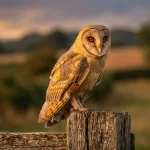
Did you know that the great horned owl is one of the most versatile predators in North America? With its impressive adaptability, this formidable bird’s diet showcases its remarkable hunting prowess across various environments. Understanding what great horned owls eat not only reveals the intricate balance of local ecosystems but also highlights their role in controlling rodent populations and maintaining biodiversity. Whether you’re an avid birdwatcher curious about their hunting habits or simply interested in the intricacies of nature, exploring the diet of these powerful owls will deepen your appreciation for them. Join us as we delve into their fascinating dietary habits, discover their favorite prey, and uncover how these majestic creatures thrive in diverse habitats. Your journey into the world of the great horned owl begins here!
What Do Great Horned Owls Eat? Understanding Their Diet
Great Horned Owls are formidable predators, deeply adapted to thrive within a variety of environments, which has made their diet both diverse and fascinating. Known for their impressive size, featuring prominent ear tufts and striking yellow eyes, these owls are top-tier hunters. One can often observe them perched silently in trees or soaring silently through the night sky. Their diet predominantly consists of mammals, birds, and occasionally reptiles, making them quite versatile in their hunting habits.
Common Prey
Great Horned Owls can take down a wide range of prey items, including:
- Rabbits and hares
- Rodents such as mice and voles
- Birds including ducks and game birds
- Occasional larger prey like skunks and even other owls
This adaptability in diet allows them to thrive in various habitats, from forests and swamps to urban areas. Observing them in action is a testament to their hunting prowess: they often employ a combination of stealth and powerful talons to capture unsuspecting prey.
By understanding their diet, one gains insight into their ecological role. Great Horned Owls are not just hunters; they help keep populations of small mammals and birds in check, maintaining the balance within their ecosystems. Their presence signals a healthy environment, as they require abundant food sources to sustain themselves. Whether you’re a novice bird watcher or an experienced ornithologist, the Great Horned Owl serves as a remarkable example of nature’s intricate web of life.
Top Prey: Common Animals Consumed by Great Horned Owls

Great Horned Owls, with their impressive size and commanding presence, have honed their hunting skills to perfection. These apex predators feast on a diverse array of prey, which varies according to habitat and availability. Their broad diet not only reflects their adaptability but also their crucial role in maintaining ecological balance.
One of the primary food sources for Great Horned Owls includes mammals, particularly lagomorphs such as rabbits and hares. These agile prey are often hunted in open fields or near wooded edges, especially during dusk and dawn when they are most active. Additionally, rodents like mice and voles make frequent appearances on the owls’ menus, providing a plentiful source of nutrition, especially in urban settings where these small mammals thrive.
Birds are another substantial component of the Great Horned Owl’s diet, with species like ducks, pigeons, and other game birds being common targets. Their hunting strategy often involves stealthily approaching their target before launching a surprise attack. Notably, these owls have even been observed taking down larger prey including skunks and, occasionally, even other owls, demonstrating their versatility and dominance within their ecosystem.
Such a varied diet enables Great Horned Owls to inhabit an array of environments from dense forests to urban areas, solidifying their status as one of the most adaptable raptors. Their ability to adjust their hunting strategies and prey selection based on seasonal changes and habitat availability is one reason why they have thrived in so many different landscapes. Understanding what Great Horned Owls eat not only enriches our knowledge of their behavior but also underscores the importance of preserving their natural habitats, as these owls play a vital role in regulating the populations of their prey species.
How Great Horned Owls Hunt: Techniques and Strategies

Great Horned Owls are remarkable hunters, expertly adapted to capture a wide variety of prey. With their acute senses and powerful physical abilities, these owls employ various techniques and strategies that highlight their status as apex predators. One of their most impressive features is their exceptional hearing; they can detect the faintest rustle of prey even in total darkness. This advantage allows them to locate small mammals and birds hidden in foliage or burrowing in the ground.
Their hunting strategies often begin with a stealthy approach, thanks to their silent flight enabled by specialized feathers that reduce noise. When stalking or waiting for prey, Great Horned Owls will position themselves on elevated perches, such as tree branches or streetlights, scanning their surroundings. This patience allows them to observe potential targets without being detected. Once they identify a suitable prey item, they launch a swift and powerful attack, utilizing their sharp talons to grasp and immobilize their victim.
In addition to ambush tactics, these owls are also opportunistic hunters. For example, during harsh winter months or in urban settings where prey availability fluctuates, they might alter their hunting habits. They are known to hunt more frequently at dawn or dusk when many of their prey species are most active, showcasing their ability to adapt hunting times based on environmental cues. Their versatility extends to their diet as well, wherein they are not picky eaters; they can take down larger animals like skunks if food is scarce, demonstrating their formidable prowess in securing a meal regardless of the challenges they face.
This adaptability is crucial, especially in changing environments, allowing Great Horned Owls to thrive in diverse habitats, from dense forests to bustling cities. Their role in the ecosystem as effective hunters helps keep prey populations in check, contributing to a balanced food web. By understanding their hunting techniques and strategies, we can gain deeper insights into the ecological importance of Great Horned Owls and the dynamic interactions they have with their environment.
Seasonal Variations in Diet: What Changes Through the Year?

The Great Horned Owl demonstrates remarkable adaptability in its diet throughout the year, adjusting its hunting habits and prey selection to match seasonal changes. As winter blankets the landscape, many small mammals, such as rabbits and rodents, become less prevalent due to cold weather and altered food availability. Interestingly, during this time, Great Horned Owls often shift their focus toward larger prey, like skunks or other mid-sized mammals, whose population may thrive in colder months when competition is lower. This flexibility in diet not only showcases their hunting prowess but also underscores their role as apex predators in various ecosystems.
As spring arrives, the dynamics of prey populations evolve, as many animals begin breeding and expanding their territories. The increased activity of small mammals during this season provides Great Horned Owls with a rich hunting ground. They mainly target newly born or less experienced young animals, which are easier to catch and provide a nutritious meal. During this time, these owls are known to engage more actively in hunting, often venturing into open fields or areas where they track the movements of prey. Their hunting strategies during this period may include increased vocalizations, which can help them locate mates while simultaneously marking territories.
Summer brings a new set of challenges and opportunities. The abundance of fledgling birds and active mammal populations allows Great Horned Owls to capitalize on a diverse diet. With the foliage in full bloom, hunting becomes more complex, requiring these owls to rely heavily on their keen eyesight and exceptional hearing to pinpoint prey hidden in dense vegetation. During this season, their diet may include a range of young birds, squirrels, and even the occasional reptile. Interestingly, the adaptability of Great Horned Owls also allows them to exploit urban environments, where they may hunt the abundant populations of pigeons and other urban wildlife.
As autumn approaches, the Great Horned Owl prepares for another seasonal shift. The dropping temperatures and changing food availability often signal a transition back to larger prey items. owls may take advantage of the seasonal migration patterns of birds, capturing any stragglers or weakened individuals. The cyclical nature of their diet highlights these owls’ essential role in managing prey populations throughout the year, reinforcing their position at the top of the food chain in a variety of habitats. By understanding these seasonal variations, bird enthusiasts can appreciate the adaptability and ecological significance of Great Horned Owls.
Dietary Adaptations: How They Thrive in Different Environments
The Great Horned Owl is a master of adaptation, effortlessly thriving in a variety of environments-from dense forests and mountainous regions to urban suburbs. This adaptability is evident in their diverse diet, which reflects not only the availability of prey but also the owl’s keen ability to adjust its hunting strategies to fit different habitats. Whether perched silently in a tree or gliding stealthily through urban backyards, these formidable predators are remarkably effective in securing meals.
In more rural landscapes, Great Horned Owls often hunt small mammals such as rabbits, voles, and other rodents. Their hunting techniques involve a combination of auditory stealth and sharp vision, which allows them to detect even the slightest rustle in the underbrush. When hunting in open habitats, they may employ a unique strategy of luring prey closer by imitating the sounds of various animals, capitalizing on their curiosity to create opportunities for a successful capture. This behavior showcases their intelligence and adaptability, especially in environments where prey can be quite skittish.
Urban environments present a different set of challenges and opportunities. Great Horned Owls have demonstrated their ability to thrive in cities, where they exploit a rich assortment of prey. Among their favorite targets are feral pigeons and other birds that thrive in these habitats. Urban settings also provide these owls with nesting sites, such as tall buildings and bridges that mimic the high perches they prefer in wooded areas. This resilience in adapting to human-altered landscapes speaks to the remarkable flexibility of their feeding strategies.
Moreover, Great Horned Owls exhibit dietary variations based on seasonal changes within their habitats. For instance, in winter months, they may shift their focus toward larger prey like skunks or raccoons that become more accessible due to decreased competition and changes in wildlife behavior. This cyclical adaptation ensures that these owls remain effective hunters throughout the year, maintaining their role as apex predators within various ecosystems, be it in the heart of nature or the bustle of urban life.
Overall, observing how Great Horned Owls modify their behaviors and diet in response to environmental changes is a powerful reminder of their resilience and adaptability, qualities that continue to fascinate both seasoned birdwatchers and casual enthusiasts alike.
Impact of Urbanization on Great Horned Owl Diet
The adaptability of Great Horned Owls is remarkable, particularly in the face of urbanization, which has reshaped their hunting habits and dietary preferences. In cities, these powerful predators demonstrate an impressive ability to adjust their diets to capitalize on the unique prey available in urban environments. Their diet, once primarily composed of small mammals and birds found in more rural areas, expands to include feral pigeons, squirrels, and even house mice, which are abundant in city landscapes.
Urban areas offer several advantages for Great Horned Owls. The abundance of tall structures like buildings mimics their natural nesting sites, allowing them to maintain their characteristic high perches. Moreover, these locations often provide easy access to a diverse array of prey. In the bustling streets, sounds of chaos can also afford a cloak of cover for these owls as they hunt under the cover of darkness, utilizing their acute hearing and night vision to navigate and secure meals efficiently.
Feeding Strategies in Urban Areas
Great Horned Owls employ various hunting techniques in the urban jungle. For instance, they may take advantage of poorly lit alleys or public parks, areas often overlooked by other predators. Their ability to adapt their hunting strategies is remarkable: they might use their stealth to ambush pigeons that congregate around restaurants or dumpster areas, capitalizing on human refuse as an attractant to their prey.
Another notable aspect of their urban diet is their flexibility regarding meal sizes. In rural habitats, a typical meal may consist of rabbits or rodents. However, in cities, the relative scarcity of larger mammals can result in Great Horned Owls diversifying their diet to include smaller birds and even the occasional carrion. This dietary breadth not only ensures their survival but also highlights the ecological role these owls play in managing local populations of various species, even in non-traditional habitats where they have adapted.
Overall, Great Horned Owls are a testament to resilience in urban ecosystems. Their ability to thrive and maintain their place at the top of the food chain speaks volumes about their capabilities as hunters and their role in urban wildlife. For those interested in birdwatching or urban wildlife observation, spotting these majestic owls in city settings provides an exceptional opportunity to witness nature’s adaptability in action.
The Role of Great Horned Owls in Ecosystems
Great Horned Owls play a crucial role in maintaining the balance of their ecosystems, acting as apex predators that help regulate the populations of various prey species. Their diet mainly consists of small to medium-sized mammals, birds, and, on occasion, reptiles, which means they help keep rodent and other small animal populations in check. In doing so, these owls contribute significantly to the health of their habitats, preventing overpopulation of these species that could otherwise lead to habitat degradation through overgrazing or resource depletion.
The adaptability of Great Horned Owls to a diverse range of environments-from dense forests to urban landscapes-enables them to fulfill this ecological role almost anywhere they are found. As they hunt, they influence the dynamics of prey populations, which can lead to a cascading effect throughout the food web. For instance, by keeping rodent numbers low, they indirectly support plant health and the various species that rely on these plants for food and shelter. This symbiotic relationship is vital; in ecosystems with fewer predators, like the Great Horned Owl, rodent populations may explode, leading to increased competition for food resources, ultimately destabilizing the ecosystem.
Moreover, Great Horned Owls not only serve as predators but also as prey for larger birds of prey, thereby contributing to the biodiversity of their environments. Their presence can indicate a healthy ecosystem balance, as robust predator populations often suggest that the ecological web is functioning well. Birdwatchers and nature enthusiasts often seek out these magnificent owls, appreciating their role in nature as both fierce hunters and integral components of the avian community.
In urban settings, Great Horned Owls exhibit remarkable adaptability, utilizing human-made structures for nesting and hunting. This shift not only showcases their resilience but also allows them to continue their ecological role amidst changing environments. For city dwellers, observing these owls adapting to and thriving in urban ecosystems can offer a unique perspective on the interconnectedness of wildlife and human development. Understanding their role can inspire conservation efforts and promote coexistence strategies that benefit both humans and avian populations, ensuring a balanced ecosystem for future generations.
Comparison with Other Owl Species: Who Eats What?
Great Horned Owls are impressive predators, often seen as the apex hunters among owl species. However, they’re not the only nocturnal hunters in the skies. When comparing their diet to other owl species, particularly the Barred Owl and the Eastern Screech Owl, clear distinctions emerge along with fascinating similarities.
The diet of Great Horned Owls is particularly diverse and opportunistic. These large birds predominantly consume small to medium-sized mammals like rabbits, squirrels, and raccoons, but they aren’t picky eaters. They also hunt various birds and even reptiles. By contrast, Barred Owls tend to eat more small mammals and a significant amount of birds, especially during their breeding season when they focus on raising young. In essence, while both species target rodents, Barred Owls have a slightly more specialized focus on smaller mammals and birds, which reflects their preference for dense forest habitats.
Eastern Screech Owls, on the other hand, primarily feed on insects and small vertebrates. They consume a diet rich in moths, beetles, and other invertebrates, especially in warmer months. This specialization contrasts sharply with the versatile and robust nature of Great Horned Owls, which can tackle larger prey due to their size and strength. The dietary variety in these species showcases the adaptability of owls to their specific environments, with each adapting their hunting strategies to maximize survival within their ecological niches.
As we look deeper into owl diets, it’s clear that their feeding habits are closely linked to habitat and prey availability. Great Horned Owls thrive in a range of environments, from urban areas to rural lands, which allows them to exploit a wider range of available prey. This versatility often makes them less vulnerable to ecosystem changes than their more specialized relatives. Thus, understanding these dietary differences not only highlights the adaptability of these magnificent birds but also enhances our appreciation for the diverse strategies they employ for survival.
Common Misconceptions About Their Diet and Hunting
Great Horned Owls are often depicted as fearsome predators with unyielding hunting prowess, leading to several misconceptions about their diet and hunting behaviors. One prevalent myth suggests that these majestic birds are only capable of hunting large prey, like rabbits and raccoons. However, while they do have the strength to tackle larger animals, their diet is quite diverse and opportunistic. Great Horned Owls will consume a variety of smaller mammals, such as rodents – including rats and mice – birds, and even insects when the circumstances demand it. This adaptability allows them to thrive across different habitats, ranging from forests to urban settings.
Another common misconception is the belief that Great Horned Owls primarily hunt during the night and are ineffective in daylight. While they are predominantly nocturnal hunters, these owls can also be active during the day, especially at dawn and dusk. This diurnal behavior is often observed in areas where their natural prey becomes scarce or during breeding seasons when parental duties might necessitate more hunting hours. Therefore, bird watchers and enthusiasts should keep an eye out for these birds not only under the cover of night but at any time of day, as they can be quite opportunistic.
Many people also believe that all owls primarily consume their prey whole. In reality, Great Horned Owls exhibit a more varied approach to their feeding habits. They use their powerful beaks to tear apart larger prey, while smaller animals may be swallowed whole. After consuming their meals, these owls regurgitate pellets that contain indigestible parts like bones and fur, giving enthusiasts an exciting opportunity to study the content and learn more about their diet.
Lastly, a notable misconception revolves around the impact of urban environments on their hunting success. It is a widely held belief that city living diminishes their ability to sustain a proper diet. In fact, Great Horned Owls have adjusted remarkably well to urbanization, finding abundant food sources that include pests like rats and pigeons. This adaptability underlines their role as apex predators in various ecosystems, helping to maintain the balance within their environments despite the challenges posed by human expansion. Understanding these facets of their behavior enriches our appreciation for these fascinating and resilient birds of prey.
Nutritional Needs: Understanding Their Dietary Requirements
To thrive in diverse environments, Great Horned Owls have evolved specific nutritional needs that cater to their predatory lifestyle. These magnificent birds rely heavily on a diet rich in proteins and fats, primarily sourced from their prey. Their robust hunting skills enable them to consume a variety of animals, which directly influences their dietary requirements and overall health.
Great Horned Owls predominantly consume small mammals like rodents, including rats, mice, and rabbits, as well as birds, such as ducks and pigeons. This diverse diet ensures they receive the essential nutrients needed for energy and vitality, particularly during the demanding breeding season when they must also care for their young. Their ability to adjust their prey selection based on availability means they can shift to different food sources as needed-this flexibility is crucial for maintaining their health across fluctuating seasons and environments.
Nutritional Components
A balanced diet for Great Horned Owls includes several key nutritional components:
- Proteins: Essential for the growth and repair of tissues, proteins from their prey provide critical amino acids.
- Fats: A vital energy source, fats help owls maintain their stamina during prolonged hunting sessions.
- Vitamins and Minerals: Obtained through various prey, these are crucial for overall health and metabolic functions.
It is fascinating to note that the stomachs of these owls can digest the soft parts of their prey while the indigestible materials, such as bones and fur, are formed into pellets that they later regurgitate. This unique digestive process not only minimizes waste but also reflects on their efficiency in extracting maximum nutrition from their meals.
In urban environments, the adaptability of Great Horned Owls becomes even more apparent as they exploit readily available food sources. They can thrive on species often considered pests, like squirrels and even house mice, demonstrating their ability to navigate dietary challenges posed by habitat changes. Understanding their nutritional needs not only provides insights into their survival strategies but also highlights their role as apex predators that help regulate prey populations in various ecosystems.
Feeding Habits: Day vs. Night for Great Horned Owls
Great Horned Owls are nocturnal hunters, exhibiting a fascinating behavioral pattern that reflects their adaptations for a life in low-light conditions. They primarily conduct their hunting activities at night, using their exceptional night vision and acute hearing to locate prey. This crepuscular and nocturnal lifestyle enables them to exploit the cover of darkness, ambushing small mammals and birds that are less vigilant in low light.
During night hunts, these owls employ a combination of stealth and surprise, perching quietly before swooping down on unsuspecting victims. Their feathered bodies are intricately designed for silent flight, featuring serrated edges on their wing feathers that reduce noise. As a result, Great Horned Owls can approach their prey with minimal disturbance, making them highly effective predators. However, they are not entirely limited to night; they also sometimes hunt during the day, especially when food is scarce or during breeding season when the energy demands are greater.
Female Great Horned Owls, particularly those with chicks to feed, may be more active during daylight hours in search of food. This behavior highlights their adaptability to environmental conditions and prey availability. Observers in the wild may notice these owls perched in trees, scanning for movement or swooping down to catch anything from small rodents to larger birds. The contrast in activity levels between day and night hunting targets different prey species and illustrates their opportunistic feeding habits.
Engaging with these extraordinary creatures can deepen our appreciation for their role in the ecosystem. Recognizing when and how they hunt enriches our understanding of their behaviors and dietary needs. For birdwatchers or nature enthusiasts, early mornings or late evenings are ideal times to spot these magnificent owls as they transition between their day roosts and night hunting grounds, revealing their majestic presence and predatory prowess.
Interesting Facts: Unique Dietary Behaviors of Great Horned Owls
Did you know that Great Horned Owls are not only skilled hunters but also highly adaptable eaters? Their remarkable dietary habits reflect their status as one of North America’s top predators. Whether it’s hunting in dense forests or adapting to urban environments, these magnificent birds exhibit behaviors that are both fascinating and vital for their survival.
One of the most intriguing facts about Great Horned Owls is their diverse diet. They are known to have an extensive range of prey, including small mammals, birds, and even reptiles. This adaptability is essential, as their hunting ranges can span various ecosystems. In rural areas, they often hunt voles, rabbits, and skunks, while urban settings might see them preying on pigeons or other city-dwelling birds. Their keen eyesight and acute hearing enable them to hunt effectively in different environments, showcasing their proficiency in capitalizing on available food sources.
Furthermore, these owls are notorious for their ability to take down larger prey. There have been recorded instances of Great Horned Owls hunting animals as sizable as coyotes or domestic cats. This isn’t just a testament to their strength but also to their strategic hunting behaviors. They often rely on a combination of surprise, stealth, and powerful talons to catch larger animals, adjusting their technique according to the size and type of prey. Their preference for certain prey can also shift seasonally, as food availability changes throughout the year.
The iconic hoots of Great Horned Owls serve not only as a means of communication but can also indicate hunting success. Observing these vocalizations may provide insights into their feeding patterns. For instance, if you hear a series of hoots during a quiet evening, it may suggest a successful hunt nearby. This behavioral nuance adds another layer to understanding these exceptional predators and their role in the ecosystem.
In summary, Great Horned Owls exhibit unique dietary behaviors that showcase their adaptability, strength, and hunting strategies. Their varied diet not only helps them thrive in different environments but also emphasizes their vital role as apex predators. Engaging with their behaviors enriches our appreciation of nature’s intricacies and the ongoing balance of our ecosystems.
Q&A
Q: What is the primary diet of Great Horned Owls?
A: Great Horned Owls primarily consume mammals, birds, and reptiles. Their diet typically includes rabbits, rodents, and small to medium-sized birds, showcasing their adaptability as powerful predators. For more details, see the section on Top Prey in our article.
Q: How do Great Horned Owls hunt their prey?
A: Great Horned Owls utilize a combination of stealth, keen eyesight, and powerful talons to hunt effectively. They often hunt at twilight or during the night, relying on their exceptional hearing to locate prey. Learn more in our segment on How Great Horned Owls Hunt.
Q: Do Great Horned Owls have any natural predators?
A: Adult Great Horned Owls have few natural predators due to their size and strength. However, young owls may fall prey to larger birds, such as eagles, or mammals like coyotes. For insights on their role in ecosystems, check our article section on the Ecosystem Role.
Q: What seasonal changes occur in the diet of Great Horned Owls?
A: The diet of Great Horned Owls can vary seasonally based on prey availability. During winter, they may rely more on small mammals like voles, while summer allows for a broader range of birds. For a detailed look, refer to the Seasonal Variations section of our article.
Q: How do Great Horned Owls adapt their diet to urban environments?
A: In urban areas, Great Horned Owls often adapt by hunting available prey such as pigeons, domestic cats, and squirrels. Their versatility allows them to thrive amidst human development. Check out the Impact of Urbanization section for more on this topic.
Q: Are Great Horned Owls solitary or social eaters?
A: Great Horned Owls are generally solitary eaters, usually hunting alone. However, they may share larger prey with their mate during breeding season. For a deeper dive into their social behaviors, see our article on Common Misconceptions About Their Diet.
Q: How often do Great Horned Owls eat?
A: Great Horned Owls typically eat every few days, depending on prey availability and size. They can consume a significant amount of food at once, storing leftovers for later. Learn more about their feeding habits in our section on Feeding Habits.
Q: What are some interesting facts about Great Horned Owl feeding behaviors?
A: Great Horned Owls are known for their unique feeding behaviors, such as caching excess food and being opportunistic feeders. They can take down prey larger than themselves. For further intriguing details, explore the Interesting Facts section in our article.
In Retrospect
Thank you for exploring the fascinating world of Great Horned Owls and their impressive diet. Understanding what these powerful predators eat not only enhances your appreciation for their role in the ecosystem but also equips you with knowledge for birdwatching or conservation efforts. If you’re eager to dive deeper, check out our articles on the habits of other raptors or effective birdwatching tips to enrich your experience.
Don’t miss out on the chance to enhance your avian knowledge and wildlife observation skills! Subscribe to our newsletter for exclusive insights and updates, or explore our online store for top-quality birdwatching gear. Your next adventure awaits-embrace it! Share your thoughts or experiences in the comments below, and let’s keep the conversation going about these magnificent creatures. Discover more, engage with us, and deepen your understanding of the majestic world of owls!
Get our latest guides, news, and insights highlighted in your Google Search & AI Overviews.