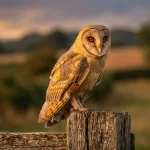
Have you ever been enchanted by a haunting call in the night and wondered if it was an owl? Many bird species mimic the sounds of owls, creating delightful confusion for birdwatchers and casual nature lovers alike. In “What Bird Sounds Like an Owl: Lookalike Calls Identified,” we’ll explore these fascinating calls, revealing what distinguishes them from true owl vocalizations. Understanding these lookalike sounds not only enhances your birdwatching experience but also deepens your appreciation for the rich tapestry of wildlife around us. Join us as we uncover the secrets behind these calls, helping you sharpen your listening skills and truly connect with the natural world.
What Makes Owl Sounds Unique: A Deeper Look
It’s fascinating to consider the sounds owls make and how they differentiate themselves in the avian world. Owls are known not just for their distinctive hoots but also for an impressive range of vocalizations that serve various purposes, from attracting mates to marking territory. Each species of owl has a unique call that can differ significantly in pitch, rhythm, and style. For instance, the Great Horned Owl is famed for its deep, thunderous hoots, while the Eastern Screech Owl emits a variety of eerie whinnies and trills that can apply an unsettling ambiance to a quiet evening.
The uniqueness of owl sounds lies in their functionality and social significance. Owls utilize their vocalizations to communicate across vast distances in their habitats, allowing them to connect with others, convey distress, or even intimidate rivals. The tone and complexity of these calls often reflect their physical environment, adapting to the acoustic properties of forests or open fields. This clever adaptation showcases not only their behavioral ecology but also illustrates how vocal communication can evolve in response to habitat challenges.
Beyond their inherent beauty and the evolutionary insights they provide, owl calls have made a significant mark on human culture. They have been featured prominently in mythology and folklore, often embodying wisdom or mystery. This cultural significance adds another layer to their vocal emanations, as various societies attach meaning to the sounds and the creatures they represent.
For birdwatchers and enthusiasts, recognizing the nuances of owl calls can enhance the experience immensely. It opens a window into understanding not just the owls themselves but also the ecology of the surrounding environment. Being able to identify these sounds helps observers appreciate the natural world more fully, celebrating the symbiotic relationships intrinsic to wildlife.
By understanding these captivating vocalizations, you not only deepen your connection to owls but also enrich your overall birdwatching adventure. Embrace the sounds, learn their meanings, and you’ll find yourself more engaged as an observer of nature’s remarkable behaviors.
Common Birds That Mimic Owl Sounds
The world of bird vocalizations is rich and diverse, and it’s not just owls that have fascinating calls to share. Several common birds have learned to mimic the sounds of owls, often using this ability for practical purposes such as defense or territory marking. These mimicry skills can create an interesting challenge for birdwatchers trying to discern between an owl and a cleverly disguised avian pretender.
One particularly adept mimic is the Northern Mockingbird. Known for its impressive repertoire, this songbird can imitate a wide range of sounds, including the iconic hoots of owls. You might find yourself listening intently, believing you’ve spotted a nocturnal hunter, only to realize it’s a mockingbird providing some nocturnal entertainment. Pro tip: If you hear a mockingbird vocalizing at night, take a moment to listen closely for any owl-like calls-it could be the clever mimic at work.
Another notable owl impersonator is the American Robin. While they’re often associated with cheerful morning songs, robins can produce a soft, low hoot that might mirror an owl’s call in the right context. This behavior can be particularly visible during the breeding season when they may mimic owls to ward off potential threats or rivals.
Among the less expected options, the Eastern Whip-poor-will showcases a call resembling that of the Great Horned Owl, especially at dusk when the air is filled with evening sounds. They may not hoot in the traditional sense, but their rhythmic, repetitive calls can sound quite similar in the right acoustic environment. This helps them to blend into the night, keeping them safe while still attracting mates.
Engaging with these mimicries can enrich your birdwatching experience. When you hear owl-like sounds at dusk or nighttime, take a moment to pause and observe the surroundings. Look for movement in the trees or on the ground, as many of these mimics can be spotted foraging or interacting with their environment. Becoming familiar with these songs and calls will not only enhance your understanding of avian behavior but also deepen your appreciation for the complexities of nature.
How to Identify Bird Calls That Resemble Owls
Recognizing bird calls that resemble those of owls can greatly enhance your birdwatching experience. Many birds have evolved to mimic owl sounds for various reasons, from protecting their territory to warning other birds of potential threats. Understanding how to identify these calls involves some keen listening skills, familiarity with common mimics, and an appreciation for the nuances of bird vocalizations.
One of the most notable mimickers is the Northern Mockingbird. Its extensive repertoire includes a rich array of sounds, among which are owl-like hoots. When you hear a series of rhythmic hoots, consider waiting a moment-sometimes it’s the mockingbird playing a nighttime concert! To differentiate, pay attention to the call’s structure; mockingbirds often combine multiple sounds in a sequence, whereas an owl’s call is typically more singular and sustained.
Another bird to take note of is the American Robin. While robins are famed for their early morning melodies, during the breeding season, they may adopt a deeper, muffled hoot that can echo owl sounds. Listen for a low, soft hooting that occurs in a consistent pattern, particularly in the twilight hours. This behavior is often most pronounced when they’re trying to assert dominance in their territory.
Lastly, the Eastern Whip-poor-will, with its repetitive call, adds to the list of owl impersonators. While it doesn’t precisely mirror traditional hooting, its continuous “whip-poor-will” chant, especially at dusk, can closely resemblance the calls of the Great Horned Owl. The best identifying trick with the Whip-poor-will is to note the rhythm and repetition; it will echo the same phrase multiple times in succession, unlike the distinctive hoots of true owls.
By honing in on these distinctions and taking the time to listen carefully, you will sharpen your skills in the field. Try to record the calls when you hear them, creating an auditory library to review later. With practice, you’ll find joy in recognizing not only the actual owl calls but also the fascinating interplay of mimicry within the avian world.
The Role of Bird Vocalizations in Nature
Bird vocalizations serve as much more than mere sounds; they play a pivotal role in the complex interplay of life in nature. Birds use their calls for various essential functions, including attracting mates, defending territory, signaling alarm, and coordinating group movement. The rich tapestry of bird sounds enhances biodiversity and creates a dynamic acoustic environment, pivotal for species survival. For birdwatchers, understanding these vocalizations not only enriches the experience but deepens the connection with the ecosystem.
When it comes to calls that resemble those of owls, particularly in mimicry, many species partake in this interesting dialogue. For instance, birds such as the Northern Mockingbird or Eastern Whip-poor-will not only contribute unique sounds but also participate in the cultural fabric of their habitats. Mimicry often forms part of a bird’s strategy to blend into the soundscape to deter competitors or lure potential mates-an evolutionary tactic seen across various species. This behavior showcases the complexity of nature, where sounds can communicate danger or dominance, not specific to their own species.
In practical terms, bird vocalizations can help identify species or indicate their behavioral states. For example, during the breeding season, many birds intensify their calls, which can serve as a wonderful opportunity to observe them in mating rituals. Keeping a field guide handy-complete with audio references-can make it easier for beginners and seasoned birders alike to appreciate these communications. Recording equipment can also help capture these sounds, allowing for further identification and analysis, especially regarding those who might echo the notable hoots of owls.
Ultimately, engaging with bird vocalizations cultivates a deeper appreciation for avian life. As you listen for the unique sounds that echo through the trees, from the soft cooing of a mourning dove to the surprising mimicry of the mockingbird, you become part of the natural world, connecting with its rhythm and storytelling. Every call tells a story, weaving threads of survival, rivalry, and romance into the vibrant fabric of life.
Comparing Owl Calls with Lookalike Bird Sounds
Many birdwatchers are captivated by the distinctive sounds of owls, but they may not realize how many other birds imitate these haunting calls. This mimicry can lead to fascinating observations for bird enthusiasts. A gripping example is the Eastern Whip-poor-will, known for its rhythmic “whip-poor-will” call, which can sometimes warp into a sound reminiscent of an owl’s hoot. Such mimicry is not merely for show; these birds often use owl-like calls to blend in among nocturnal predators or even to attract mates by suggesting that they are part of the same acoustic environment.
Equally intriguing is the Northern Mockingbird, a master of vocal mimicry. This bird can imitate various species, including owls, creating a complex soundscape that can confuse listeners and potential competitors. The way these birds adapt their calls can lead to a rich audio tapestry in the evening hours. To distinguish an owl from a mockingbird, pay attention to the consistency and tonal quality. True owl calls tend to have a deeper and more resonant timbre compared to the quicker, more varied notes of a mockingbird.
When trying to identify bird calls that mimic owls, consider the timing and location of the calls. Owls typically vocalize during the night or at dawn, while their imitators often call intermittently or frequently and may mix in other bird sounds. Keeping a recording device or a bird call app handy can be a game changer. Capture the sound in its natural setting, then analyze it against reference materials to discern the differences.
To help you navigate these sounds, here’s a simple comparison table:
| Bird | Sound Description | When It Calls |
|---|---|---|
| Great Horned Owl | Deep, booming “hoo-hoo” sounds | Night and early morning |
| Eastern Whip-poor-will | Repetitive “whip-poor-will” call | Dusk to dawn |
| Northern Mockingbird | Varied, quick notes; mimics many species including owls | Day and night |
Understanding these subtleties not only enriches your birdwatching experience but also deepens your appreciation for the evolutionary strategies at play in the wild. With practice, you’ll become adept at deciphering these nuances, ensuring your outdoor adventures are filled with awe and discovery.
Birdwatching Tips: Spotting Lookalike Callers
The thrill of birdwatching often hinges on the ability to recognize various calls and songs in the wild. Among these, owl-like calls can be particularly captivating, drawing attention from both seasoned birders and enthusiastic novices alike. To spot birds that mimic owl sounds, it’s essential to develop a keen ear for the subtleties in vocalizations. The ability of birds such as the Northern Mockingbird and Eastern Whip-poor-will to replicate owl calls can be a delightful yet challenging aspect of the experience.
Start by familiarizing yourself with the typical calls of local owls. For instance, the Great Horned Owl produces deep, resonant “hoo-hoo” sounds, predominantly at night, while the Eastern Whip-poor-will employs a repetitive “whip-poor-will” call throughout the dusk to dawn hours. When out in the field, use resources like bird call apps or field guide recordings to play back the sounds, allowing you to compare them with the calls you hear in real-time. This auditory exercise sharpens your recognition skills and enhances your ability to identify not just the owls, but also any birds imitating them.
Employ strategic observation techniques during your outings. Pay close attention to the time of day-owls are primarily nocturnal, so any vocalizations at night are likely to be from owls or their imitators. In contrast, the Northern Mockingbird often sings both day and night, frequently mixing in calls from other species, making its mimicry more complex. When you hear a sound that intrigues you, try to determine its rhythm and tonal pattern; true owl calls have a consistent, deep timbre, while lookalikes tend to be more varied and rapid.
Consider the environment as well; certain birds adapt their calls to fit in with their surroundings or to attract mates. Observing behavior, such as the positioning and movements of the calling bird, can provide additional clues about its identity. For instance, if you notice a bird perched high in a tree while imitating an owl, it might be a mockingbird exhibiting its impressive vocal range. Remember to stay patient and enjoy the process; the more you practice, the more adept you’ll become at recognizing the rich tapestry of avian sounds that surround you.
Through mindful listening and observation, you’ll enrich your birdwatching experience and unravel the mysteries of those haunting owl-like calls in your local environment. Happy birding!
The Science Behind Bird Mimicry Explained
Birds are remarkable masters of sound, and their ability to mimic each other, especially those of other species like owls, is fascinating. Mimicry in the avian world serves multiple purposes-from attracting mates to intimidating rivals-highlighting the intricate relationships birds have with their environments. Understanding the science behind this behavior not only enriches your birdwatching experience but also deepens your appreciation for the complexity of avian communication.
Mimicry can often be a survival tactic, allowing birds to blend into their environments by imitating the calls of predators or trusted neighbors. For instance, certain mockingbirds can effortlessly replicate the calls of Great Horned Owls to ward off potential threats. This skill is attributed to their highly developed syrinx, the vocal organ of birds, which enables them to produce an impressive range of sounds. The Eastern Whip-poor-will also employs strategies akin to mimicry, calling out its name repetitively-though this resembles the owls more in ambiance than in exact sound-making their night-time presence resonate throughout their habitats.
Moreover, the behavioral ecology of these birds reveals that mimicking owl calls can serve as a form of camouflage. When seeking to attract a mate, some species may imitate the more formidable sounds of owls to exhibit their versatility and strength. This is particularly evident at dusk when many creatures are active. Observers might confuse time-sensitive vocalizations-like an Eastern Whip-poor-will’s distinctive call-with the haunting hoots of nearby owls, blending the lines even further.
To deepen your understanding and enhance your skills, actively engage in comparing these calls. Make use of bird call apps or field guides that allow you to hear and analyze the differences between owl calls and those of mimicry artists. Pay attention to the tonal qualities and rhythms: true owl sounds tend to have a slower, more deliberate pace, while mimicry often features more rapid sequences. By training your ear, you can train yourself to become adept at distinguishing these fascinating sounds, enriching your birding adventures along the way.
Cultural Significance of Owl Sounds in Folklore
The haunting calls of owls have long inspired deep cultural significance across various societies, often symbolizing mystery, wisdom, and the supernatural. Throughout history, people have held complex beliefs about these nocturnal creatures, frequently intertwining their vocalizations with folklore and mythologies that shape human perspectives on nature and life. For example, in many Native American cultures, owls are seen as both protectors and harbingers, embodying knowledge and insight, while also warning of impending death or misfortune. This duality reflects the owl’s enigmatic presence in the ecosystem, as its calls elicit both fear and fascination.
In ancient Greece, the owl was associated with Athena, the goddess of wisdom, and served as a symbol of intuition and knowledge. The distinctive sounds they produce were believed to signal omens or wisdom imparted by the deity. Similarly, in Celtic traditions, owls were revered as guardians of the underworld, their calls representative of the bridge between the earthly realm and the spiritual, often noted in tales of transformation or guidance. The interplay of these stories highlights how owl calls have shaped cultural narratives, connecting human experiences with the natural world.
Moreover, the mimicry of owl calls by other birds has added another layer to this rich cultural tapestry. Observers may mistakenly interpret these sounds, leading to misconceptions about the identity and meaning of the mimic species. Birds like the Eastern Whip-poor-will, whose calls resonate with the ethereal quality of owl sounds, enrich the auditory landscape during twilight hours, enhancing the mystique often associated with night-time settings. Learning to recognize and differentiate the intricate variations in these calls can deepen one’s appreciation of the avian world and inspire a more profound respect for the stories they weave.
To truly immerse yourself in this captivating aspect of avian life, consider attending guided birdwatching events or using mobile apps to familiarize yourself with owl sounds and their imitators. Engaging with the natural world through sound can transform how you perceive not only the owls but also the complex relationships and stories shared within the intricate web of life. This connection to nature, made evident through the cultural significance of owl sounds, transforms a simple evening’s walk into an enriching experience filled with history, mystery, and discovery.
Sound Recording: How to Capture Bird Calls
Capturing the enchanting sounds of birds, especially those that mimic owl calls, is a rewarding endeavor that connects us to the intimate rhythms of nature. Whether you’re a seasoned ornithologist or a curious beginner, the right techniques and equipment can enhance your sound recording experience. To start, ensure you have a quality recorder. Devices designed for wildlife recording often include features such as directional microphones and high sensitivity, which will help isolate the sounds you want to capture.
One effective method is to position yourself in a quiet area during the twilight hours when many birds are most active. This is particularly true for species that mimic owl sounds, such as the Eastern Whip-poor-will. Minimize background noise by choosing a secluded spot away from human activity and using windshields for your microphones. When you hear an intriguing call, remain still and patient; sudden movements can startle birds and disrupt their vocalizations.
When recording, consider the following tips to improve your sound quality:
- Use Pop Filters: If your recorder has a built-in microphone, adding a pop filter can reduce unwanted noise from wind or sudden disturbances.
- Monitor Your Levels: Always check your audio levels before recording. Too high can cause distortion, while too low may result in inaudible sounds.
- Take Multiple Recordings: Capture several takes of the same call under varying conditions to find the clearest version.
Once recorded, you can enhance your audio files with basic editing software, allowing you to filter out noise and emphasize specific sounds. Sharing these recordings, whether on social media or birdwatching forums, not only contributes to the community but also opens the door for discussions about bird behaviors and habitats.
Engaging in sound recording not only hones your listening skills but also deepens your appreciation for the complexities of avian communication, including how some birds cleverly mimic the ghostly calls of owls to blend into their environment or attract attention. Remember, every recording session is another journey into the world of birds, uncovering the hidden stories behind each call.
Resources for Bird Sound Identification Audios
Capturing the rich tapestry of bird sounds can significantly enhance your understanding and enjoyment of avian life, particularly when it comes to identifying those mystifying calls that echo through the night. To help you explore these enchanting sounds, I encourage you to tap into a variety of resources available online and through dedicated audio collections. Knowing where to find reliable sound identification audios is essential for both novices and experienced birdwatchers alike.
Start by checking platforms that specialize in ornithological sound collections, such as the Macaulay Library, which offers an extensive database of bird vocalizations, including those that resemble owl calls. This resource provides high-quality recordings, enabling you to hear the nuances of different species. Similarly, YouTube features numerous channels dedicated to bird sounds, showcasing videos that not only present the calls but often include visual cues related to the bird’s behavior and habitat. For instance, the video “OWL Sounds | Different Types of Owls and Their Sounds” is an excellent introduction to various owl calls and their identifying traits [[2]](https://m.youtube.com/watch?v=Z3APDjieGtk).
Another valuable site is ABC’s resource on owl sounds, which collects various owl vocalizations to help you differentiate between calls from different species [[3]](https://abcbirds.org/blog21/owl-sounds/). These platforms can be a treasure trove of information, allowing you to filter calls by region and specific characteristics, making your identification process more efficient.
If you prefer a more immersive experience, consider investing in audio field guides that provide both sound and visual identification aids. These guides are particularly useful for understanding the context in which various calls occur, enhancing your ability to identify not just owls but also their mimics in the wild.
Additionally, joining local birdwatching clubs can connect you with fellow birders who share tips on sound identification tools and even arrange meet-ups for live listening sessions, providing a hands-on approach to honing your skills. Whether you choose digital resources or community learning, the key is to immerse yourself in the world of bird sounds-each hoot, whistle, and chirp adds depth to your connection with nature.
Engaging in Birdwatching: A Beginner’s Guide
Birdwatching can be a thrilling and fulfilling hobby, especially when you start to tune into the unique symphony of sounds that our feathered friends create. One fascinating aspect is the calls of birds that mimic owls, creating confusion or delight in the field. Whether you’re a seasoned birdwatcher or just starting your journey, understanding these sounds can significantly enhance your experience.
To embark on your birdwatching adventure, equip yourself with a few essential tools. A good pair of binoculars is crucial, allowing you to observe these elusive creatures without disturbing them. Additionally, consider downloading a bird recording app or carrying a portable sound guide to help you identify the myriad vocalizations you’ll encounter. Familiarizing yourself with common owl sounds, such as the haunting hoots of the Barred Owl or the eerie calls of the Great Horned Owl, can provide a baseline for recognizing mimicking birds like the Eastern Whip-poor-will or certain sparrows that occasionally imitate these nocturnal calls.
When you’re in the field, engage your senses fully. Pay attention not only to the visuals-shadows flitting between trees-but to the auditory landscape as well. Distinguishing owl-like calls from their mimics often involves close listening. For instance, while the Barred Owl produces a series of hoots, the mimic might offer a slightly different rhythm or tone. Take notes on what you hear and who makes the sounds to improve your identification skills over time; your observations will deepen your understanding of avian behavior.
Joining a local birdwatching group can provide both camaraderie and knowledge sharing, often enhancing your learning experience. You’ll gain insight from more experienced birders, and perhaps even participate in field trips where you can practice your identification skills live. The community aspect not only makes birdwatching more enjoyable but also encourages you to explore diverse environments where different species might thrive. Each outing can be a new lesson, revealing the beauty and complexity of bird behavior and sounds. Happy birdwatching!
FAQ
Q: What are some common birds that mimic owl sounds?
A: Several birds mimic owl sounds, including the Eastern Whip-poor-will and certain species of nightjars. These birds use similar vocalizations to either attract mates or confuse predators. Learning to distinguish these calls can enhance your birdwatching experience.
Q: How can I tell if a bird sound is from an owl or a mimic?
A: To determine if a call is from an owl or a mimic, listen for the distinct tonal qualities and pitch variation. Owls typically have deeper, slower calls, while mimics like the Whip-poor-will produce faster, repetitive sounds. Use a bird identification app to assist in this process.
Q: Why do some birds mimic owl calls?
A: Birds mimic owl calls primarily for survival purposes, such as deterring predators or confusing rivals during mating. This mimicry can also help them blend into their environment, reducing the chance of being targeted by other predators.
Q: When are owls most active, and how does this relate to mimicry?
A: Owls are mostly nocturnal and are most active during dusk and dawn. Mimicking owl calls during these times can be advantageous for other birds, as it may ward off potential threats, allowing them to feed or mate more safely within their habitat.
Q: Where can I find recordings of bird calls that sound like owls?
A: Birdcall recordings can be found on various websites and apps, such as Xeno-canto or the Cornell Lab of Ornithology. These resources provide extensive databases of bird sounds, including those made by mimic birds that resemble owls.
Q: What should I do if I hear a sound that resembles an owl?
A: If you hear a call that resembles an owl, pause to listen carefully. Compare it with known owl calls using an app or guidebook. Recording the sound can also help you analyze the call later. For best results, observe the sound’s source and behavior.
Q: How can I improve my skills in identifying bird calls?
A: To enhance your bird call identification skills, practice regularly by listening to recordings and going birdwatching. Use apps that both play calls and allow you to learn through repetition. Engaging with local birdwatching groups can also provide valuable insights and tips.
Q: What role does mimicry play in the ecosystem?
A: Mimicry, including that of owl calls, plays a crucial role in the ecosystem by promoting survival and reproductive success among various bird species. It helps maintain balanced predator-prey interactions and can impact the overall health of avian populations.
In Retrospect
As you explore the fascinating world of bird calls, remember that understanding lookalike sounds can significantly enhance your birdwatching experience. Now that you can distinguish between the hoots of an owl and their mimics, don’t miss the chance to dive deeper into avian acoustics. We’ve created a series of guides on unique bird sounds that you might find interesting, such as “Top 10 Calls of Night Birds” and “Understanding Bird Communication”-be sure to check those out!
If you enjoyed this article, consider signing up for our newsletter for more insights and tips tailored for both beginner and experienced birders. Your next birdwatching adventure awaits, so grab your binoculars and get outside! We’d love to hear your experiences and any questions you might have; feel free to drop a comment below or share this with fellow bird enthusiasts. Happy birding, and remember, every call you hear is a story waiting to be uncovered!
Get our latest guides, news, and insights highlighted in your Google Search & AI Overviews.