Did you know that the Mottled Owl, with its exceptional nocturnal abilities, plays a crucial role in maintaining the balance of its ecosystem? This guide dives into the fascinating world of the Mottled Owl, offering insights into its unique behaviors, identifying features, and the vital importance of understanding these elusive birds. Whether you’re a seasoned birdwatcher or a curious beginner, discovering the Mottled Owl’s habits can enrich your appreciation for nature and enhance your birding experiences. Join us as we explore their intricate behaviors, habitat preferences, and tips for spotting these remarkable creatures in the wild. You’ll learn not only how to identify them but also how to foster a greater connection with the natural world around you. So, prepare to uncover the mysteries of the Mottled Owl and enhance your journey into the enchanting realm of these nocturnal hunters!
Mottled Owl Overview: A Species Spotlight
The Mottled Owl is a captivating species that thrives under the cloak of night, showcasing a remarkable blend of adaptations that make it a unique presence in the avian world. Known for its distinctive plumage, the Mottled Owl features a beautifully camouflaged feather pattern that varies in shades of brown and gray, allowing it to blend seamlessly into its forested habitat. This ability to remain hidden is crucial, as these owls rely heavily on stealth for both hunting and evading potential predators.
Key Characteristics
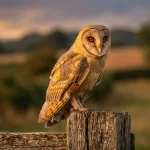
Identifying a Mottled Owl can be both a rewarding and fascinating experience for birdwatchers. These birds typically exhibit a large, rounded head with no ear tufts and a slightly hooked bill that aids in gripping their prey. Their eyes are large and dark, optimized for low-light vision, which is essential for their nocturnal lifestyle. The varying mottled patterns in their feathers not only serve as effective camouflage but also provide an intriguing visual spectacle when observed closely.
Habitat Preferences
Mottled Owls are primarily found in dense, mature forests, particularly those with ample vertical structure and foliage that supports their hunting techniques. They prefer habitats that offer secluded roosting sites, such as large trees with hollows or dense foliage where they can remain hidden during the day. When searching for Mottled Owls, look for them in their typical territories across Central and South America, where they often occupy mangroves and subtropical areas rich in biodiversity.
In your quest to observe Mottled Owls, consider timing your outings around dusk or dawn, as these are their most active periods. Additionally, preparing to listen for their distinctive calls-soft, low hoots that resonate through the forest-can significantly enhance your chances of locating this elusive species. Engaging in this experience not only elevates your birdwatching ventures but also deepens your appreciation for the beautiful complexities of avian life.
Key Characteristics: Identifying the Mottled Owl
The Mottled Owl presents a visual feast for birdwatchers and nature enthusiasts alike. Its feathers showcase an exquisite tapestry of browns and grays, designed for superb camouflage in its forested habitat. One of the most striking features of the Mottled Owl is its large, rounded head that often lacks the ear tufts seen in many other owl species. This distinctive head shape, combined with its slightly hooked bill, equips the Mottled Owl perfectly for its predatory lifestyle, allowing it to grasp and manipulate prey efficiently.
When trying to identify these owls, pay attention to their eyes-large and dark, perfectly adapted for low-light conditions. This feature not only aids in their hunting during the twilight hours but also reinforces the owl’s enigmatic presence in the night. The mottling in their plumage isn’t just for aesthetics; it plays a crucial role in blending seamlessly with their surroundings, making them difficult to spot during the day.
In the field, many birdwatchers find success by focusing on movement and subtle sounds rather than direct sight. Mottled Owls are not always apparent, often remaining still for extended periods. When on the hunt for one, consider looking for their unique roosting positions-often perched quietly among thick foliage or in large tree hollows, where they can remain unseen until they choose to reveal themselves. Observing them at dawn or dusk can also heighten your chances of encountering one in action, as this is when they are most active.
Ultimately, spotting a Mottled Owl is a testament to patience and observation. Once you encounter this magnificent creature, its distinctive features and adaptations become incredibly apparent, enriching your birdwatching experience with a sense of wonder and admiration for the intricate beauty of nature.
Nocturnal Behavior: Understanding Their Nighttime Activities
The Mottled Owl is a captivating nocturnal predator, demonstrating an array of behaviors that make it a master of the night. As twilight descends, these owls awaken from their daytime roosts, becoming the embodiment of quiet grace and stealth in their hunt for food. One fascinating aspect of their nocturnal activity is their superb vision, which allows them to navigate through the dark with ease, relying heavily on their acute hearing to locate prey in near silence. This sensory adaptation makes them extraordinarily efficient hunters, often targeting small mammals and birds that they spot and track with an expert’s precision.
During the night, Mottled Owls tend to be most active during the hours just after dusk and before dawn. This period, known as crepuscular activity, is when their hunting skills shine. They employ a combination of perching and slow flight, often silently gliding above the ground or through dense foliage, where their mottled plumage provides exceptional camouflage against the shadows. Observing these owls at this time can be particularly rewarding; one might catch sight of them transitioning between their hunting grounds and roosting sites, often resting on sturdy branches just above the forest floor.
Engaging with these remarkable owls during their nighttime activities can be both thrilling and challenging. To improve your chances of spotting them, consider planning your outings around lunar phases. A bright moon can illuminate the surroundings, enhancing visibility but also providing enough light for Mottled Owls to hunt effectively. Equip yourself with binoculars and listen closely for their soft calls, which can echo through the woods. Depending on your proximity, you might hear their distinctive, low hoots reverberate through the night. Being patient and adopting a minimal presence will allow you to experience the magic of their nocturnal world.
Ultimately, understanding the nocturnal behavior of the Mottled Owl opens a window into a lesser-known realm where these enigmatic creatures thrive. Each sighting becomes a unique experience, filling the heart with admiration for their adaptability and mastery of the night. Whether you’re a beginner or an experienced birder, the night offers a canvas for observation that’s vibrant with possibility, risk, and ultimately, reward.
Habitat Preferences: Where to Find Mottled Owls
Finding Mottled Owls in their natural habitat can be an enchanting experience for any birdwatcher. These owls prefer dense, humid forests, often situated in tropical or subtropical regions. Their extraordinary ability to blend seamlessly into their environment stems from their mottled plumage, which mimics the dappled light filtering through the tree canopies. Look for them in areas with a rich understory of shrubs and vines, as these provide excellent nesting sites and cover during the day.
When searching for Mottled Owls, consider locations such as riparian zones-areas bordering rivers or streams, where moisture fosters lush vegetation. Such habitats not only provide ample camouflage but also abundant food sources like small mammals and birds. They are also frequently found in mixed forests that include both coniferous and deciduous trees, allowing them to adapt to different climates and availability of prey.
Optimal Locations
- Tropical and Subtropical Forests: Primary habitats where Mottled Owls thrive.
- Riparian Areas: Perfect for finding food and shelter.
- Mixed Forests: Offer versatility and cover for different seasons.
To maximize your chances of spotting these elusive birds, consider visiting during the crepuscular hours. As dusk approaches, Mottled Owls become more active, making it an ideal time to listen for their soft hoots or catch a glimpse of them as they take flight. Remember to be patient and observant; their natural camouflage can make them difficult to detect in the shadows. A great tactic is to set up quietly near known roosting sites, particularly in secluded forested areas, where you might witness their graceful movements and hear their distinct calls echoing through the night.
By understanding their habitat preferences and employing strategic observation techniques, you can enhance not only your birdwatching skills but also your appreciation for the remarkable world of Mottled Owls.
Vocalizations: Sounds and Communication of Mottled Owls
The eerie beauty of Mottled Owls is amplified by their unique vocalizations, a fascinating aspect of their nocturnal behavior. These owls communicate using a distinctive range of sounds that reflect their environment and social interactions. Their calls serve not only to announce their presence but also to establish territory, attract mates, and communicate with their young. Most notably, their soft, low hoots resonate through the night, creating a haunting yet enchanting atmosphere in forested areas.
Listening closely, you might hear a series of deep “hoo” sounds, typically repeated in a rhythmic pattern. This vocalization is particularly prominent during the breeding season, as males call to assert their territory and attract females. In contrast, females may produce higher-pitched, short notes, especially when calling to their chicks or during mating interactions. Engaging with these vocalizations can enhance your birdwatching experience, allowing you to connect with the behavior of these enigmatic creatures.
To differentiate Mottled Owls from other owl species, pay attention to the nuances of their calls. For instance, the Mottled Owl’s hoot is distinctively softer and lower in tone compared to the sharp, piercing calls of the Great Horned Owl. Familiarizing yourself with these sounds can significantly improve your ability to locate them in the wild.
When planning a nighttime excursion to observe Mottled Owls, consider using sound as your guide. Bring along a recording device to capture their calls; this can create a wonderful opportunity to review later and refine your identification skills. Moreover, using apps or websites dedicated to bird calls can help you compare and learn the subtle differences between owl species. By immersing yourself in their vocal world, you not only gain insight into their behavior but also deepen your respect and appreciation for these remarkable nocturnal birds.
Diet and Hunting Strategies: What Mottled Owls Eat
Mottled Owls have a varied diet that reflects their adaptability and skill as nocturnal hunters. These owls are primarily carnivorous and prey on a range of small mammals, birds, reptiles, and insects. In particular, they are known for their agility and keen senses, which aid them in hunting under the cover of darkness. One fascinating aspect of their foraging is their ability to locate prey using their exceptional hearing-Mottled Owls can detect the faintest rustle of leaves or movement of small animals, even from significant distances.
When it comes to hunting strategies, Mottled Owls employ a stealthy approach. They often perch quietly on tree branches, surveying the ground below for potential meals. Once they spot a target, they’ll make a silent swoop, taking advantage of their impressively silent flight feathers that minimize sound. This tactical hunting technique allows them to ambush unsuspecting prey effectively. In terms of diet composition, they primarily consume:
- Small mammals: Including rodents such as mice and voles.
- Birds: Such as smaller songbirds and nestlings.
- Reptiles and amphibians: Including small snakes and frogs.
- Insects: A good source of protein, especially during the warmer months.
Mottled Owls often hunt during the late evening and early morning hours, capitalizing on the twilight to maximize their chances of success. Their feeding habits can also vary based on the availability of food sources in their habitats. For instance, in areas with abundant rodent populations, these owls may focus more on hunting these small mammals, whereas, in regions where insects are plentiful, they will adapt their hunting strategy accordingly.
Understanding what Mottled Owls eat is not only vital for their conservation but also enriches our appreciation for these magnificent birds. Observers and birdwatchers should be mindful of the habitat conditions that support their prey base, which in turn promotes the health and sustainability of Mottled Owl populations.
Breeding and Nesting: Reproduction Habits of Mottled Owls
The breeding season of Mottled Owls is a fascinating period characterized by their unique mating rituals and nesting habits. Typically, they breed during the spring months, utilizing the longer days and increased food availability to ensure the survival of their young. These owls are cavity-nesters, favoring tree hollows or abandoned structures where they can lay their eggs safely away from predators. The female usually lays a clutch of 2 to 4 eggs, which she incubates for about 30 days, while the male diligently provides food to support her.
Once the chicks hatch, they remain dependent on their parents for food for several weeks. During this time, both parents play an active role in caring for the young. The female often stays close to the nest, nurturing the chicks and keeping them warm, while the male continues his foraging duties. After approximately 6 to 8 weeks, the fledglings begin to leave the nest, guided by their parents as they learn essential hunting and survival skills.
Understanding the Mottled Owl’s breeding and nesting behaviors provides critical insights into their life cycle and conservation needs. For birdwatchers and enthusiasts, observing these owls during the breeding season presents a unique opportunity to witness their parental care and the development of young owls. If you’re hoping to observe Mottled Owls during this time, consider locating areas with dense tree cover and minimal human disturbance, as these environments provide the ideal conditions for nesting. Remember to maintain a respectful distance to avoid causing stress to the birds and their offspring.
Fostering healthy populations of Mottled Owls requires community awareness and conservation efforts, especially in preserving their natural habitats. As you explore their nesting behaviors, celebrate the vital role these magnificent birds play in our ecosystems and join in promoting efforts to protect their environments.
Conservation Status: Protecting the Mottled Owl
The Mottled Owl is not only a mesmerizing creature of the night but also a species that faces various environmental challenges. Conservation efforts are crucial for ensuring that these majestic birds continue to thrive in their natural habitats. One of the key threats to their survival is habitat loss due to deforestation, urban development, and agricultural expansion. These activities not only reduce the available nesting sites but also diminish the prey base that Mottled Owls depend on for sustenance.
To actively participate in conservation efforts, birdwatchers and wildlife enthusiasts can play a significant role by promoting awareness and advocating for the protection of critical habitats. Supporting local conservation organizations dedicated to habitat preservation can amplify these efforts, providing necessary funds and resources for ongoing projects. In addition, community engagement initiatives such as tree-planting events or educational workshops can foster a sense of stewardship among local residents.
Understanding the importance of biodiversity is essential. Mottled Owls contribute to the ecosystem as both predators and prey, helping maintain the balance within their environment. In regions where these owls are prevalent, they serve as indicators of overall ecosystem health. Therefore, the decline of their population could signal broader environmental issues that may affect other wildlife as well.
By maintaining a respectful distance when observing Mottled Owls, we can minimize our impact on their behavior and nesting success. Practicing ethical birdwatching can enhance the experience for both the observer and the bird, ensuring that we can continue to appreciate these incredible creatures for generations to come. Each visit to their habitats not only enriches our lives but also emphasizes the importance of protecting these remarkable birds and their environments.
Best Practices for Birdwatchers: Tips for Observing Mottled Owls
To truly immerse yourself in the enchanting world of Mottled Owls, a combination of patience, preparation, and respect for their habitat is essential. These elusive birds are mostly active at night, making them somewhat challenging to observe. However, with the right approach, you can increase your chances of a rewarding sighting. First and foremost, familiarize yourself with their habitat preferences; Mottled Owls typically favor densely wooded areas, often near water sources. This knowledge can lead you to the best locations for potential observations.
When planning your outing, consider the time of year. Mottled Owls are more vocal during their breeding season, which lasts from late winter to early spring. Head out during dusk or just after dark, as these are prime times for their activity. Bringing a good pair of binoculars is crucial; the closer you can observe without intruding, the better. It’s also advisable to use a flashlight with a red filter, as this preserves your night vision and is less likely to disturb the owls.
Ethical Observation
Always prioritize ethical birdwatching practices. Maintain a respectful distance from the owls, avoiding direct contact or loud noises that could spook them. Never attempt to lure them in with calls or other distractions, as this can disrupt their natural behaviors. Instead, embrace the tranquility of your surroundings and allow them to engage with the environment on their terms.
While you’re watching, take notes or even sketch your observations. Not only can this enhance your understanding of their behaviors and patterns, but it also contributes to a personal log that can be shared with local birding communities. Engaging with other birdwatchers can provide insight, tips, and camaraderie that enhance the overall experience. Always remember that each moment spent observing these magnificent creatures underscores the importance of conservation efforts, protecting their habitat for future generations.
Comparative Analysis: Mottled Owl vs. Similar Species
In the realm of owls, the Mottled Owl stands out not just for its unique appearances, but also for its intriguing behaviors and habitats. When comparing it to similar species such as the Barred Owl and the Spotted Owl, notable distinctions arise that can enhance your birdwatching experience. The Mottled Owl, with its brownish-gray plumage and light mottling, is often found in areas with dense foliage, thriving in tropical and subtropical forests, which set it apart from the broader habitats favored by its cousins.
Barred Owls, on the other hand, are more commonly seen in North America and are characterized by their darker, streaked feather patterns and haunting, “Who cooks for you?” calls. In contrast, Mottled Owls are generally less vocal outside of the breeding season, relying on soft hoots and whistles, making them a bit elusive for listeners. The Spotted Owl, primarily a resident of old-growth forests in the Pacific Northwest, exhibits a distinctive white speckling against its dark body, which can easily confuse novice birdwatchers. It’s essential to note that while the Mottled Owl can adapt to various forest types, it often selects habitats near water, which is less common among Barred and Spotted Owls.
For an engaging field experience, pay attention to their hunting strategies as well. Mottled Owls tend to hunt by perching quietly and waiting for their prey, often small mammals and birds, unlike the more active hunting methods seen in Barred Owls, which may employ aerial techniques. Recognizing these subtle behavioral differences can enhance your identification skills in the wild.
In summary, knowing the comparative traits of these owls not only enriches your appreciation of their natural history but also improves your observational efforts. So whether you’re shadowing a Mottled Owl in the twilight, echoing the calls of a Barred Owl, or searching the treetops for a Spotted Owl, each offers a unique glimpse into the nocturnal world that is both fascinating and rewarding.
Engaging with Mottled Owls: Photography and Watching Techniques
Capturing the elusive beauty of the Mottled Owl can be one of the most rewarding experiences for birdwatchers and photographers alike. With its unique plumage blending seamlessly into its forest surroundings, this species requires a certain level of strategy and patience to observe and photograph effectively. For the aspiring owl watcher, understanding their behavior and habitat preferences is essential in optimizing your chances of a successful encounter.
Start by seeking out locations known for high Mottled Owl activity. These owls tend to inhabit dense tropical and subtropical forests and are often found near water sources. To enhance your observation experience, visit these areas during the early evening or just before dawn when they are most active. A good pair of binoculars is invaluable, as it helps you spot these masters of camouflage perched quietly on branches. Look for their distinct brownish-gray feathers and mottled patterns, which help them remain undetected by both prey and potential threats.
Photography Tips
When it comes to photographing Mottled Owls, patience and preparation are key. Here are some practical tips to maximize your photographic opportunities:
- Use a Telephoto Lens: A lens with a focal length of at least 300mm will allow you to capture close-up images without disturbing the bird.
- Respect the Distance: Avoid getting too close, as this may stress the owl or cause it to flee. Maintain a respectful distance that allows you to still get a clear shot.
- Utilize Natural Light: Early morning and late afternoon provide the best lighting conditions. The softer light creates beautiful shadows and highlights, enhancing your photographs.
- Observe First: Spend some time watching the owls before snapping pictures. This allows you to understand their behavior and anticipate movements, improving your chances for the perfect shot.
A successful photography session is all about blending in with your environment. Use neutral clothing, stay quiet, and avoid sudden movements. With these strategies, your ventures into the world of Mottled Owls will be both enriching and enjoyable, whether through your lens or with the naked eye. Each encounter presents a unique opportunity to connect with nature, deepening your appreciation for these fascinating nocturnal birds.
Cultural Significance: Mottled Owls in Folklore and Mythology
Throughout history, owls have held a significant place in various cultures around the world, often symbolizing wisdom, mystery, and even misfortune. The Mottled Owl, with its intriguing appearance and elusive nature, is no exception to this trend. In many indigenous cultures, this species is associated with nocturnal wisdom and guidance, believed to be guardians of the night. Their unique camouflage allows them to blend seamlessly into their surroundings, echoing the idea that true wisdom lies in observing quietly rather than making a loud statement.
In regions where the Mottled Owl resides, local folklore often weaves tales around its presence. For instance, in some South American cultures, owls are seen as omens. The sound of their calls is sometimes interpreted as messages from the spirit world, offering guidance to those in need or warning of impending events. This deep-rooted respect for the Mottled Owl and its relatives is not merely anecdotal but is reflected in the art and music of these cultures, where owl motifs are frequent symbols of introspection and night-time mysteries.
In addition to the spiritual connections, the Mottled Owl’s role in ecosystems contributes to its cultural significance. People who engage with nature, such as birdwatchers and conservationists, often develop a profound appreciation for these owls, recognizing their importance in maintaining the balance of local wildlife. Engaging in mindful observation of Mottled Owls not only enriches one’s personal experience but also promotes a larger narrative of conservation and ecological awareness, connecting modern practices with age-old traditions of respecting and understanding nature.
Overall, the Mottled Owl serves as a bridge between our earthly existence and the mystical realms of folklore. Whether spotted during a quiet evening in the woods or heard calling softly under a moonlit sky, the Mottled Owl invites us to reflect on our place within nature, reminding us of the wisdom dwelling in the shadows and the importance of preserving the habitats that allow these magnificent birds to thrive.
FAQ
Q: What is the habitat preference of the Mottled Owl?
A: The Mottled Owl prefers dense forests, including tropical and subtropical regions, often found in mature woodlands, secondary growth areas, and alongside rivers. They seek places with plenty of cover for nesting and hunting, making lowland forests ideal. For more on where to find these owls, check our section on habitat preferences.
Q: How does the Mottled Owl communicate at night?
A: Mottled Owls communicate mainly through hoots, which can vary in pitch and length. Their vocalizations serve to establish territory and attract mates. Learning their unique calls enhances birdwatching experiences-see our dedicated section on vocalizations for detailed descriptions and audio examples.
Q: What are the main dietary habits of the Mottled Owl?
A: The Mottled Owl primarily feeds on small mammals, birds, and insects, adapting its diet based on availability. They are nocturnal hunters, using their keen eyesight to spot prey in low light. Discover more about their hunting strategies and preferred foods in our dietary section.
Q: What role does conservation play in protecting the Mottled Owl?
A: Conservation efforts for the Mottled Owl focus on habitat preservation and mitigating threats such as deforestation and climate change. Support for local conservation initiatives is crucial for maintaining their populations. Refer to our conservation status section for specific actions you can take.
Q: How can I effectively observe Mottled Owls in the wild?
A: To observe Mottled Owls, visit their natural habitats during dusk or dawn when they are most active. Use quiet movements and proper binoculars for the best viewing experience. Our best practices for birdwatchers section offers additional tips for successful owl spotting.
Q: Are there any unique breeding behaviors of the Mottled Owl?
A: Mottled Owls exhibit unique breeding behaviors, including intricate courtship displays and nest site selection in tree cavities or dense foliage. They typically mate for life and share parental responsibilities. For insights into their reproduction habits, please check our breeding section.
Q: How can I distinguish the Mottled Owl from similar species?
A: To distinguish the Mottled Owl from similar species like the Barred Owl, focus on size, coloration, and vocalizations. Mottled Owls have a more mottled appearance and specific calls. Our comparative analysis section provides detailed comparisons and identification tips.
Q: What cultural significance do Mottled Owls hold in folklore?
A: Mottled Owls feature prominently in various cultures’ folklore, often symbolizing wisdom or mystery. Understanding these cultural stories can enrich your appreciation for the species. Explore our cultural significance section for fascinating insights into their roles in mythology and stories.
In Conclusion
Thank you for diving into our “Mottled Owl: Nocturnal Behavior & Identification Guide.” You’ve unlocked essential insights into the lives of these captivating nocturnal creatures, from their unique identification traits to their fascinating hunting behaviors. Now, equip yourself with this knowledge and step into the great outdoors-don’t miss your chance to observe these owls in their natural habitat!
Curious for more? Explore our related articles on “Common Owl Species in North America” and “Nighttime Birdwatching Tips,” packed with valuable information to enhance your birding experiences even further. Plus, consider subscribing to our newsletter for the latest updates and expert tips delivered right to your inbox.
We’re eager to hear your owl-spotting stories or answer any lingering questions you may have. Your engagement fuels our passion for avian education! So, take a moment to comment below, and let’s keep the conversation going. Happy birdwatching, and may your next encounter with a mottled owl be just around the corner!
Get our latest guides, news, and insights highlighted in your Google Search & AI Overviews.