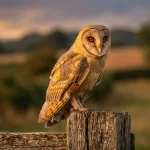
Did you know that owls are symbols of wisdom and the mysteries of the night? These fascinating nocturnal creatures are gracefully elusive, captivating bird watchers and nature lovers alike. Whether you’re a beginner or a seasoned birder, learning how to safely attract these remarkable raptors can enhance your experience and deepen your appreciation for their unique behaviors. This guide will explore effective and ethical methods to lure owls into your surroundings, turning your outdoor spaces into a vibrant hub for avian observation. By understanding their needs and preferences, you can create an inviting environment that not only draws these magnificent birds closer but also fosters a respectful connection with wildlife. Dive in and discover the enchanting world of owls, where patience and knowledge can lead to unforgettable encounters!
Choosing the Right Location for Owl Watching
Selecting the perfect spot for owl watching can make all the difference between a fleeting encounter and an unforgettable experience. Owls are often secretive, relying on their camouflage and nocturnal habits to remain hidden from sight. To increase your chances of spotting these magnificent birds, you should focus on locations where they are known to thrive. Owls prefer environments with dense cover, such as forests, open grasslands, or near water sources, as these habitats provide ample hunting opportunities and nesting sites.
When scouting for the right location, pay attention to specific features that attract owls. Look for tall trees that can serve as perches, open fields where they can hunt for rodents or other prey, and areas near water bodies, which often supply a diverse range of food sources. Various owl species, such as the Great Horned Owl and the Barn Owl, have distinct preferences for their habitats; the former enjoys mature forests while the latter often prefers farmlands and abandoned buildings. Utilizing local birdwatching resources or connecting with local wildlife organizations can provide you with valuable insights into the best areas for observing owls in your region.
It’s also important to consider the disturbance levels of potential owl-watching sites. Areas that are too busy with human activity or noise may deter owls from frequenting those spots. Aim for locations that are quieter, especially during dawn and dusk, when owls are more likely to be active. A good strategy is to arrive early, set up, and wait patiently, minimizing any abrupt movements or loud noises. By choosing the right location, you not only enhance your chances of an owl sighting but also ensure a respectful and peaceful observation experience in their natural habitat.
Understanding Owl Behavior and Patterns

Owls are fascinating creatures with a range of behaviors that can greatly influence your owl-watching experience. Their nocturnal nature means that they are primarily active at night, which can make them challenging to spot during the day. Understanding their behaviors and patterns is essential for effectively attracting them and enhancing your observation sessions.
One intriguing aspect of owl behavior is their hunting technique. Most owls are solitary hunters, using their acute hearing and exceptional night vision to locate prey. They tend to be silent flyers, thanks to specialized wing feathers that muffle sound, allowing them to swoop down on unsuspecting mice, voles, and other small animals. Observing these hunting behaviors can be an exhilarating experience. You might see an owl perched quietly, scanning the ground, or gliding silently through the air before swooping down to secure its meal. To attract these hunters, it’s helpful to be aware of their preferred hunting grounds-areas with abundant prey like fields or forest edges-where you can set up for optimal viewing.
Owls also have unique social behaviors, with many species hooting to establish territory or communicate with mates. Each species has a distinct call that can sometimes be mimicked to lure them closer. For example, the Great Horned Owl has a deep, resonant hoot, while the Eastern Screech Owl produces a series of trills and whinnies. If you’re interested in bringing owls closer to your observation site, learning to replicate these calls can be a useful skill. However, it’s crucial to do this respectfully and minimally to avoid causing undue stress to the birds.
Finally, pay attention to the seasonal behaviors of owls. Many species are more active during the breeding season in early spring when males call to attract mates and establish territories. Observing during this time can provide unique opportunities to witness courtship displays and nesting activities. By aligning your owl-watching efforts with these behavioral patterns, you can significantly increase your chances of a memorable owl encounter. Knowing the ins and outs of owl behavior not only enriches your experience but also enhances your appreciation for these remarkable birds.
Best Time of Day to Attract Owls

As dusk falls and the world begins to quiet, the moment of transition from day to night marks the prime time for owl enthusiasts to seek out these elusive birds. Owls are primarily nocturnal hunters, so your best opportunity to attract them is during the hours around twilight-specifically during the golden hour just before sunset and in the first few hours of darkness. This is when owls emerge from their roosts to hunt, their keen eyesight and acute hearing enabling them to navigate through the shadows.
To enhance your owl observation experience, it’s beneficial to be aware of the specific habits of the local owl species. Many owls actively communicate during these twilight hours, as they call to establish territories or find mates. For instance, the Great Horned Owl’s distinctive hoots can often be heard echoing through wooded areas at dusk. If you can align your owl-watching efforts with these times and sounds, you significantly increase your chances of encountering them.
Furthermore, keep in mind that the transition from summer to fall can also influence owl behavior. In late summer and early autumn, juvenile owls are often seen venturing out more frequently as they become independent and search for their own hunting grounds. This season can be particularly rewarding for observers looking to catch a glimpse of young owls learning to navigate their environment.
In summary, aligning your owl-watching activities with the magical moments of dusk and dawn, while being attuned to the active calling of owls, can make your experience not only successful but also deeply rewarding. Whether you are a beginner or a seasoned watcher, tuning into these patterns will enhance your understanding and appreciation of these remarkable nocturnal raptors.
Effective Calls and Sounds to Lure Owls
To attract owls into your vicinity, understanding their vocalizations is paramount. Owls communicate through a repertoire of calls that serve multiple purposes, such as establishing territory, attracting mates, and signaling distress. By mimicking these sounds, you can increase your chances of drawing them closer for observation. Each species has its unique call, making it essential to familiarize yourself with the local inhabitants of your region to identify and replicate their vocal signatures effectively.
Exploring Species-Specific Calls
Different owl species use specific calls that can be imitated for better attraction. For example, the Great Horned Owl emits a deep, resonant hoot often likened to “who’s awake, me too.” In contrast, the Barn Owl has a distinctive screech that resembles a cat’s cry, which can be unsettling yet effective for attracting attention. Listening to recordings of these calls or utilizing owl call apps can be quite beneficial in learning the nuances of each species’ vocalization.
Practical Tips for Effective Calling
When attempting to call owls, timing and location play critical roles. Choose a quiet evening during the prime hours of dusk or dawn, as this is when owls are most active. Here are some practical tips for effective calling:
- Use Minimal Sound Interference: Ensure there are no loud distractions nearby, allowing the owl to hear your calls clearly.
- Begin with Soft Calls: Start with gentle imitations or recordings and increase volume gradually. Abrupt loud calls may startle owls away.
- Repeat Calls with Patience: Give owls time to respond; it may take several minutes before they engage or approach.
- Observe Their Response: If an owl answers, pause your calling. Letting them take the lead may draw them closer.
In essence, mastering owl calls can transform your birdwatching experience. Familiarizing yourself with the specific sounds of your local owls, employing thoughtful imitation techniques, and demonstrating patience can yield rewarding results. Not only will this enhance your understanding of owls’ behaviors, but it will also deepen your appreciation for these remarkable nocturnal creatures.
Using Lights and Natural Attractants
Using artificial light sources can profoundly affect owl behavior, offering both an exciting way to observe these incredible birds and a thoughtful method for attracting them safely. While owls are primarily nocturnal, their hunting strategies often rely on their acute senses and the natural play of light and shadow. Therefore, when utilizing lights to lure them, it’s essential to do so in a way that respects their natural behaviors and habitats.
Bright lights can sometimes be counterproductive, as they may disturb owls in their environment. Instead, consider softer, more ambient lighting options. LED spotlights or low-intensity floodlights can be effective in illuminating specific areas where owls are likely to be foraging or resting without overwhelming them. Position these lights strategically around known roosting spots, ensuring they simulate a natural twilight environment, which owls may find inviting. Keep the area around the light clutter-free to help owls spot potential prey more easily, as they are primarily drawn to open spaces where small mammals and other creatures are active.
Additionally, integrating natural attractants can enhance your efforts. Using natural scents that mimic the prey owls hunt can pique their interest. For example, placing small quantities of rodent scent or using prey-like decoys can attract them closer. Animal sounds, particularly those of small mammals or birds in distress, can also generate curiosity and lure owls into a targeted observation area. There are various owl call apps available, and pairing these sounds with your light setup can create a multi-sensory experience that encourages nearby owls to approach.
It’s important to monitor the impact of your lights; avoid shining them directly into the eyes of any owls you might attract. Respect their space and ensure the methods you use promote ethical wildlife observation. Balancing equipment and techniques allows for fantastic owl-watching opportunities while preserving the integrity of their natural behavior. As you refine your approach, you will not only heighten your chances of spotting owls but also contribute to a deeper understanding of their exquisite ecological role.
Creating an Owl-Friendly Environment
Creating a conducive environment for owls can significantly enhance your chances of attracting these magnificent creatures. Owls thrive in areas that offer not just shelter but also abundant food sources, which means that understanding their habitat preferences is crucial. By transforming your backyard or nearby green space into owl-friendly territory, you can create an oasis that supports these nocturnal hunters and allows for more frequent sightings.
Start by establishing a diverse ecosystem with native trees, shrubs, and other vegetation that can provide cover and nesting spots. Owls prefer tall trees with open canopies and those that have plenty of horizontal branches. Consider planting or preserving species like oaks, pines, or willows, which not only offer roosting opportunities but also attract small mammals and birds – the preferred prey of many owl species. Additionally, incorporating dead trees or snags can be beneficial, as these structures serve as excellent nesting sites and hunting perches.
Another vital aspect of fostering an owl-friendly environment is maintaining a clean and natural habitat. Avoid the use of pesticides and herbicides which can harm both owls and their prey. Instead, embrace natural pest control methods, like encouraging owls themselves, as they are natural rodents’ predators. Set up bird feeders and encourage local wildlife, such as rabbits and small mammals, which can help sustain their food sources. For those looking to take an extra step, installing owl boxes designed specifically for the owls in your region can provide a safe home and help in population support.
It’s equally important to minimize disturbances in these areas. Keeping noise levels down during the evening and nocturnal hours will make your space less intimidating for owls. Observing owls from a distance rather than approaching too closely will not only increase your chances of seeing them but also allow them to maintain their natural behaviors. With a little patience and the right environmental features, you’ll turn your space into a sanctuary that not only supports owl populations but also enhances your wildlife watching experience.
Recommended Equipment for Owl Observation
Enhancing your owl observation experience requires the right equipment to ensure both effectiveness and enjoyment. Owls are remarkable nocturnal creatures, and having the correct gear can make your outings smoother and more fruitful. From simple tools to specialized gadgets, equipping yourself properly allows you to connect with these enigmatic birds without causing them undue stress.
A quality pair of binoculars is perhaps the most essential tool for any avid owl watcher. Look for binoculars with at least an 8×42 magnification for optimal clarity in low-light conditions. These will help you discern not just the shapes and colors of owls but also their unique behaviors, from preening to hunting. For those wanting a bit more detail, you might consider a scope, which can provide even more power and clarity at greater distances.
In addition to binoculars, a good camera can bring your owl-watching experience to a whole new level. Choose a camera with a fast shutter speed and good low-light performance, especially if you wish to capture those elusive moments of owls in flight or during their evening hunts. Additionally, a tripod or stabilizer will enhance your ability to take sharp images, giving you clear and memorable shots to bring back from your adventures.
Always remember to pack a comfortable chair or blanket for those longer waits, as patience is key when observing owls. A lightweight, portable folding chair can provide much-needed comfort and keep you focused on the task at hand rather than on your discomfort. Keeping your essentials organized in a backpack, complete with a headlamp (for hands-free light), snacks, and a field guide to local owls, can also enhance your experience. These guides not only help with identification but sometimes offer insights into the best places and times to observe specific owl species.
Finally, consider investing in a sound device or app that features owl calls. While it’s critical to use these sparingly to avoid distressing the birds, when used judiciously, they can attract local owls and enrich your watching experience. By equipping yourself with the right tools, you’ll not only increase your chances of successful owl sightings but also enjoy a more immersive and respectful connection with these majestic birds of the night.
Identifying Local Owl Species and Their Habitats
When it comes to spotting these elusive nocturnal birds, understanding which species inhabit your local area is crucial. Owls are adaptable hunters found in diverse habitats, from dense forests to open grasslands, and each species has its unique preferences regarding environment, nesting, and hunting grounds. By familiarizing yourself with the local owl species and their habits, you increase your chances of a rewarding encounter.
In the United States, for example, you can find a variety of owl species, each with distinct characteristics. The Eastern Screech Owl, often found in wooded areas and urban settings, has intricate feather patterns that provide excellent camouflage during the day. They prefer nesting in tree cavities or artificial boxes. In contrast, the Barn Owl, recognizable by its heart-shaped face, tends to favor open spaces like fields and farmlands where they can hunt small mammals like voles. Understanding these habitat preferences is key when selecting your owl-watching location.
To enhance your owl-searching experience, consider local owl guides or apps that can help identify nearby species based on your location. Many of these resources describe the specific environments when certain owls are more active, aiding your planning. Moreover, you should keep an eye out for signs of activity, such as whitewash (owl droppings) and hearing hooting calls at dusk, which can indicate nearby owl populations.
Additionally, engaging in community efforts or joining local birdwatching groups can provide insights into the best owl-watching spots and times. Experienced birders can share their knowledge about local owl movements, favorite hunting grounds, and seasonal behaviors. By immersing yourself in the study of local species and their habitats, you not only enrich your own experience but also contribute to the broader understanding and appreciation of these fascinating birds.
Ethical Practices for Safe Owl Attraction
To ethically attract owls while minimizing disturbances to their natural behaviors, it’s essential to adhere to a set of responsible practices aimed at promoting their well-being. Owls are sensitive creatures, and understanding how to engage with them without causing harm is crucial for all bird watchers. Begin by maintaining a respectful distance. Using binoculars or spotting scopes allows you to observe owls without encroaching upon their territory or causing them stress. Remember, getting too close can disrupt their feeding, nesting, or roosting activities.
Using Natural Sounds
When luring owls, opt for natural calls, as these tend to be less invasive than artificial attractants. Each species has its unique vocalizations; for instance, the hoots of a Great Horned Owl or the screeches of a Barn Owl can be tempting for their counterparts. If you decide to use calls, do so sparingly to avoid overstressing the birds. You may want to listen for and mimic their calls at dusk, a time when they are more vocally active.
Creating a Safe Environment
Another key aspect of ethical owl attraction is providing a safe and inviting environment. Planting native trees and maintaining a natural shrub layer can make your yard more appealing to local owls. Avoid using pesticides that could harm their prey, and instead encourage natural insect and rodent populations to thrive. If you manage a larger area, consider installing owl boxes in suitable locations, as these can serve as both nesting sites and lookout spots without disrupting their natural habitats.
As you become more engaged with owl observation, connect with local birdwatching groups or wildlife organizations. They can provide invaluable insights into both ethical practices and community initiatives focused on owl conservation. Sharing your experiences and knowledge not only enriches your understanding but also fosters community awareness and appreciation for these magnificent birds. Remember, our interactions with nature should always be guided by a commitment to respect and protect the wildlife we cherish.
Promoting Owl Conservation in Your Community
Owls are not just fascinating nocturnal hunters; they are also vital indicators of a healthy ecosystem. As stewards of our environment, we can promote owl conservation in our communities by taking proactive steps that not only protect these magnificent birds but also enhance local biodiversity. Whether you’re a seasoned birdwatcher or just beginning your journey into the world of owls, every small action can contribute significantly to their well-being.
One effective way to support owl conservation is through habitat preservation. Many owl species rely on specific landscapes, from dense forests to open grasslands, for hunting and nesting. You can transform your own garden into an owl-friendly habitat by planting native trees and shrubs that provide natural cover and food sources. Creating a diverse ecosystem in your backyard encourages not only owls but also a variety of other wildlife, fostering a balance that benefits all species. For those with more substantial land, consider installing owl boxes, which can serve as nesting sites and promote local owl populations without disrupting their natural habitats.
Engagement and education are equally important. We can work together to raise awareness about the challenges that owls face, such as habitat destruction and climate change. Organizing community workshops or partnering with local schools to educate others about owl habits and conservation efforts can inspire collective action. Many organizations focus on local wildlife conservation; by collaborating with them, we can help direct resources and efforts toward protecting critical habitats. Volunteering for or donating to these initiatives helps bolster conservation efforts while connecting you with like-minded individuals.
Lastly, advocacy plays a crucial role in promoting owl conservation. Urge local government bodies to adopt policies that maintain green spaces, protect nesting sites, and regulate pesticide use. We can also participate in citizen science projects, where we monitor owl populations and report findings that contribute to greater scientific knowledge and conservation strategies. Every action, no matter how small, can create a ripple effect that enhances owl conservation in our communities, ensuring these remarkable creatures continue to thrive for generations to come.
Connecting with Other Owl Enthusiasts
The thrill of owl watching is often amplified when shared with fellow enthusiasts, creating a community that fosters a deeper appreciation for these magnificent birds. Connecting with others who share your passion for owls not only provides opportunities to exchange knowledge but also enhances your observation experiences. Different regions have their own species, calls, and behaviors, making collaboration essential for learning more about local owls.
Joining online forums and local birding groups can significantly enrich your owl-watching journey. Websites and social media platforms dedicated to birdwatching are teeming with passionate members eager to share their experiences, tips, and sightings. Participating in discussions can introduce you to effective methods for attracting owls, such as appropriate techniques for using calls or setting up owl boxes. Many seasoned birders are happy to share their insights, so don’t hesitate to ask questions and share your adventures.
For those looking to deepen their knowledge, consider attending owl-specific workshops or events hosted by wildlife organizations. These gatherings often feature expert speakers who provide valuable information on owl behavior, conservation efforts, and local species identification. Additionally, field trips organized by these groups can offer hands-on opportunities to observe owls in their natural habitats, often with seasoned guides who can point out important details that you might miss on your own.
Volunteering for owl conservation initiatives or citizen science projects is another excellent way to meet like-minded individuals. Engaging in activities that support local owl populations not only benefits the birds but also creates lasting friendships within the community. Whether you are assisting with habitat restoration, conducting population surveys, or participating in educational outreach, these experiences forge bonds and foster a collective commitment to protecting owls.
By actively engaging with fellow owl fans, you’ll not only enhance your own understanding and enjoyment of these incredible creatures but also contribute to broader conservation efforts that ensure their survival for future generations.
Respecting Owls: Guidelines for Responsible Watching
To fully appreciate the enchantment of owl watching, it’s essential to approach the experience with respect and mindfulness. Owls are remarkable creatures with unique behaviors and ecosystems, and our interactions with them should not disrupt their natural rhythms. Adhering to a few simple guidelines promotes not only the wellbeing of these magnificent birds but also contributes to the long-term sustainability of owl populations.
First and foremost, maintaining a safe distance from owls is crucial. Using binoculars or a telescope allows for enjoyable observation without infringing on their space. Disturbing an owl can lead to increased stress levels, potentially affecting their hunting and nesting success. As a general rule, try to remain at least 100 yards away from nesting sites, especially during the breeding season, as disturbances can lead to nest abandonment.
It’s also important to be aware of the local regulations and guidelines regarding owl watching. Some areas may have specific restrictions to protect sensitive habitats or nesting sites. Familiarizing yourself with these rules not only helps protect the owls but also enriches your experience by ensuring you’re observing ethically. Participating in owl watching during designated events or organized tours can provide additional context, as guides are knowledgeable about best practices and can enhance your understanding of owl behavior.
Additionally, avoid using bright lights or loud sounds to attract owls, as these can startle them and disrupt their nocturnal routines. Instead, focus on natural attractants, like familiarizing yourself with local owl calls or setting up owl boxes in appropriate locations. Engaging with owl conservation initiatives in your area is another fruitful way to learn how to interact with these birds responsibly while contributing positively to their habitats.
Ultimately, the key to enjoying the beauty of owls lies in respect and patience. By observing them in a way that prioritizes their safety and comfort, you open the door to deeper connections with these extraordinary birds and enhance the chances of future encounters. Embrace the quiet, let nature set the pace, and relish the wonder of discovering owls in their natural environment.
FAQ
Q: How can I attract owls to my backyard?
A: To attract owls to your backyard, create an owl-friendly environment with suitable perches and nesting boxes. Introduce natural attractants like water features and small prey habitat, and ensure to minimize disturbances. More tips can be found in the “Creating an Owl-Friendly Environment” section of our article.
Q: What is the best bait to lure owls?
A: The best bait to lure owls is often live prey like small rodents. However, using recorded calls or sounds of owls in your area can be more effective and ethical. To learn more, check the “Effective Calls and Sounds to Lure Owls” section in our guide.
Q: When is the best time to lure owls?
A: The best time to lure owls is during twilight hours, just before sunset or just after dawn, when they are most active. For details on timing, refer to our “Best Time of Day to Attract Owls” section.
Q: What sounds attract owls?
A: Common sounds that attract owls include their own calls, like hooting or screeching, along with sounds of distress from small mammals. To get specific sound examples, check our “Effective Calls and Sounds to Lure Owls” section.
Q: Can I use lights to attract owls?
A: Yes, using soft lights can help attract owls, especially near feeding areas. Avoid bright, harsh lights as they can scare owls away. For more on this topic, see the “Using Lights and Natural Attractants” section of our article.
Q: How far away can owls hear calls?
A: Owls can hear calls from considerable distances, sometimes up to a mile away, depending on environmental conditions. For further insights, explore the “Understanding Owl Behavior and Patterns” part of our article.
Q: Are there any ethical concerns when attracting owls?
A: Yes, ethical concerns include ensuring you do not disturb their natural habitat or stress the birds. Always observe responsible watching practices as discussed in “Ethical Practices for Safe Owl Attraction” in our article.
Q: What to do if an owl doesn’t come after trying to attract it?
A: If an owl doesn’t come, ensure you’re creating a suitable environment and using effective methods. Patience is key, as it may take time for owls to become accustomed to your presence. For more tips, visit the “Identifying Local Owl Species and Their Habitats” section.
The Conclusion
Now that you’re equipped with safe and effective methods to attract owls, it’s time to put your knowledge into action. Remember, engaging with these magnificent creatures not only deepens your appreciation for wildlife but also highlights the importance of their conservation. Whether you’re a seasoned birdwatcher or just starting out, the thrill of observing owls in their natural habitat is unmatched.
Don’t stop here! Dive deeper into the world of owls by exploring our guides on identifying different species, caring for these birds, and understanding their ecological significance. For even more tips and exclusive content, consider signing up for our newsletter. Your adventure doesn’t end with this post; share your experiences and questions in the comments below-let’s connect! Together, we can celebrate the beauty of owls and advocate for their protection. Happy watching!
Get our latest guides, news, and insights highlighted in your Google Search & AI Overviews.