Did you know that attracting owls to your yard can enhance your local ecosystem and provide a unique wildlife experience? Owls, revered for their beauty and role as natural pest controllers, are fascinating creatures to observe. If you’ve ever dreamt of seeing these majestic birds up close, you’re not alone. Many bird enthusiasts seek ways to invite owls into their spaces, but it often requires a bit of strategy. In this guide, we’ll explore eight effective methods that can help turn your yard into an inviting haven for these nocturnal wonders. Whether you’re a beginner or an experienced birder, you’ll discover practical tips to create the right environment and increase your chances of a delightful owl encounter. So, let’s dive into the world of owl attraction and uncover the secrets to bringing these incredible birds to your backyard!
How to Create an Owl-Friendly Habitat in Your Yard

Creating a sanctuary for owls in your yard not only helps these fascinating birds thrive but also enhances your garden with the presence and sounds of nature. Owls are attracted to spaces that provide the essential elements for their survival: food, shelter, and safety from predators. A well-thought-out habitat will encourage these magnificent creatures to take up residence and help maintain the balance of your local ecosystem.
Provide Adequate Food Sources
Owls are primarily nocturnal hunters that feed on small mammals, insects, and sometimes birds. To attract them, you can encourage a healthy population of their prey. Here are a few strategies:
- Create a rodent-friendly environment: Cultivate areas with underbrush and tall grasses where field mice and voles can thrive. Leaving some parts of your yard undisturbed can help establish these habitats.
- Install a bird feeder: While owls might not eat from feeders, attracting smaller birds can contribute to the diverse ecosystem, providing additional food sources as the owl hunts.
Include Natural Shelter and Nesting Options
Owls prefer habitats that offer dense cover, particularly from trees or shrubs. Consider the following:
- Plant native trees and shrubs: Native species provide better shelter and food options for local wildlife. Examples include oaks, pines, and maples which are particularly attractive to owls.
- Nesting boxes: Installing owl boxes can significantly enhance your chances of attracting a breeding pair. These boxes should be placed at least 10 feet off the ground in a sheltered spot.
Whether you live in a rural or suburban area, transforming your yard into an owl-friendly habitat can be a rewarding experience. Witnessing these remarkable birds up close is not only a joy but also a crucial step in supporting local biodiversity. With a little patience and effort, you can create a thriving environment for owls and enjoy the nighttime symphony of their hoots and calls.
Essential Foods to Attract Owls to Your Property
To attract owls to your property, understanding the dietary preferences of these magnificent raptors is essential. Owls are masterful nocturnal hunters, relying largely on their acute senses to locate prey in the dark. Their diet predominantly consists of small mammals, and providing a habitat that encourages these food sources can significantly enhance your chances of attracting them.
One effective method to boost the populations of small mammals is to create a rodent-friendly environment in your yard. This can be achieved by cultivating areas with dense underbrush and tall grasses where field mice, voles, and rabbits can thrive. Leaving certain sections of your yard undisturbed not only facilitates their habitat but also creates cover that helps shield them from potential predators. Using native plants in these areas can further encourage a robust food chain, as they help support the local ecosystem.
In addition to fostering natural prey species, consider complementing your yard’s offerings by diversifying the range of wildlife present. Installing a bird feeder can indirectly attract smaller birds, which serve as additional food sources for owls hunting in your area. While owls might not feast on feeder offerings directly, the presence of various smaller birds in your yard can indicate a healthy ecosystem, making it an appealing location for owls seeking their nightly meal. By creating an environment abundant in food sources, not only will you increase your chances of a nocturnal visit from these fascinating birds, but you will also contribute to the overall health of your local habitat.
Best Types of Nesting Boxes for Owls

One of the most exciting ways to invite owls into your yard is by providing suitable nesting boxes. Owls are known to often use natural cavities and existing structures, but a thoughtfully designed nesting box can significantly enhance their chances of setting up camp in your backyard. To create a successful owl nesting site, understanding the preferences of various owl species in your area is crucial.
The Barn Owl is a popular visitor to urban and rural settings alike. To attract them, a well-constructed nesting box should be about 24 inches high, 18 inches wide, and 12 inches deep. It should have a sturdy, vented roof with a hole 6 inches in diameter for entry. The interior should ideally be lined with a couple of inches of hay or straw to create a comfortable bedding area.
For species like the Eastern Screech Owl, a smaller box measuring 12 inches wide, 12 inches deep, and 18 inches high can be perfect. The entrance hole for this box should be 4 inches in diameter, placed about 10-15 inches above the base to facilitate easy access. Adding a perch just outside the entry hole provides a convenient resting place for these little hunters.
In addition to sizing and design, the placement of the box is important. Locate the nesting boxes in a sheltered spot, preferably facing away from prevailing winds and direct sunlight. Hanging the boxes around 10 to 15 feet high in a tree provides safety from predators while ensuring a good vantage point for the owls. Surrounding the area with tall grasses or ensuring proximity to their hunting ground-such as open fields or woodlands-will make your property more appealing.
By providing well-constructed and strategically placed nesting boxes, you’re not only fostering a safe haven for owls, but you’re also contributing to their conservation. Regularly monitoring the boxes to ensure they’re clean and free from pests can help maintain a healthy environment for your feathered friends. With some patience and care, you may find your yard transformed into a thriving habitat for these mesmerizing nocturnal raptors.
Understanding Owl Behavior: Tips for Birders

Owl enthusiasts often marvel at these fascinating creatures’ stealthy flight and nocturnal behaviors. Understanding their natural tendencies is key to cultivating an environment where they feel welcome. Owls are primarily solitary and territorial birds, often establishing hunting grounds and nesting sites that they defend against intruders. In your yard, they may return to familiar perches regularly, allowing birders a chance to observe their behaviors closely.
To attract owls successfully, consider the available food supply. Owls primarily feed on small mammals, birds, and insects, so enhancing your yard’s ecosystem by maintaining a healthy, diverse population of these prey species can be beneficial. Natural cover-like brush piles, tall grass, and native vegetation-provides excellent hiding spots for potential meals while also offering shelter for owls during the daytime.
Most owls are crepuscular, meaning they are most active at dawn and dusk. This behavior provides opportunities for birders to spot them as they begin to hunt or return to their roosts. Using binoculars or a scope at these times can yield rewarding views of owls perching silently, scanning the ground for movement.
Finally, patience and quiet observation are essential. When near their habitat, keeping noise to a minimum ensures you don’t startle them. Monitoring their calls can also enhance your experience. Each owl species has unique vocalizations that can indicate their presence in the area. For example, the distinctive “who” of a Great Horned Owl or the eerie call of a Barred Owl may be heard if you listen closely. This connection to their behavior not only enriches your birdwatching experience but also fosters a deeper appreciation for these enigmatic avians and their role in your local ecosystem.
Using Calls and Sounds to Lure Owls

With their haunting calls echoing through the night, owls have a way of capturing our imagination and beckoning us to learn more about these remarkable creatures. One of the most effective ways to attract owls to your yard is by using their own calls and sounds. This strategy not only piques the interest of nearby owls but also provides an engaging way for birders to connect with these majestic birds.
Understanding Owl Calls
Owls are known for their distinctive vocalizations, each species possessing its own unique calls that serve various purposes, from marking territory to attracting mates. The iconic “hoo-hoo” of the Great Horned Owl or the melodious hoot of the Barred Owl are just a couple of examples. Familiarizing yourself with these sounds can enhance your owl-watching experience and enable you to identify which species are present in your area. There are numerous resources available, including audio clips and field guides, that can help you learn how to recognize these calls.
Using Calls to Attract Owls
To effectively lure owls to your property, consider employing their vocalizations as a call-and-response tactic during twilight hours, when they are most active. You can play recordings of owl calls-many birding websites and apps offer high-quality audio files. Alternatively, if you’re comfortable doing so, you might attempt to imitate owl sounds yourself. It can be as simple as using your voice to create a soft, repeated “who,” which may prompt curious owls to respond. Remember to keep the volume low initially; loud calls can scare them away instead of attracting them.
Tips for Successful Owl Calling
- Timing is Key: Target dusk and dawn for your calling sessions; these are peak activity times for owls.
- Maintain Silence: After calling, be quiet and patient. Owls often listen carefully before making an appearance.
- Observe the Surroundings: Look for signs of owls such as pellets, feathers, or whitewash beneath potential roosting spots to gauge their presence.
- Respect Their Space: If you get a response, enjoy observing from a distance. Too much intrusion may lead to stress for the birds.
By mastering the art of owl calling and utilizing it in your yard, you’ll significantly enhance your chances of attracting these fascinating nocturnal hunters. Observing their behaviors, from their captivating flights to their identifying calls, can be an incredibly rewarding experience for both novice birders and seasoned enthusiasts alike.
Planting Native Trees and Shrubs for Shelter
To create a welcoming environment for owls in your yard, planting native trees and shrubs is essential. These plants not only provide shelter but also play a crucial role in attracting the various species of owls that may visit your property. Native flora is adapted to the local climate and supports a diverse ecosystem, including the small mammals and insects that owls hunt. By incorporating these plants, you’ll enhance the habitat for both the owls and the wildlife that sustains them.
When selecting trees and shrubs, consider species that offer both cover and nesting opportunities. For instance, deciduous trees such as oaks, maples, and aspens provide ample branches for perch, while conifers like pines and spruces offer year-round shelter. Shrubs like elderberry or serviceberry are not only beneficial for owls but also attract other birds and insects, creating a thriving habitat. Creating layers in your landscaping with a mix of tall trees, medium shrubs, and ground cover can promote a more diverse ecosystem. This structured habitat mimics natural environments where owls thrive.
Here are a few tips to maximize your owl-friendly space:
- Plant Clusters: Grouping plants together creates secluded areas for owls to feel safe and hidden.
- Provide Ground Cover: Adding native grasses and low shrubs can encourage rodents and other prey species to thrive, which will attract owls.
- Utilize Vertical Space: Think about planting vertically; taller trees coupled with shorter shrubs can create natural lookouts for hunting.
- Limit Pesticide Use: Chemical treatments can harm the insects and rodents that owls depend on for food. Opt for organic gardening methods to maintain a healthy ecosystem.
By transforming your yard into a lush, native landscape, you will create a sustainable environment that supports owls and enhances biodiversity. Your efforts will be rewarded as you observe these majestic birds hunting and roosting, enriching your experience of nature right in your own backyard. Planting native trees and shrubs is not just about attracting owls; it’s about contributing to a balanced and thriving ecosystem.
Setting Up Wildlife Cameras for Observation
Setting up wildlife cameras provides an exciting opportunity to observe the elusive habits of owls and to appreciate the joy they bring to your yard. These cameras can capture stunning nighttime footage, allowing you to see how these beautiful creatures hunt and interact without disturbing their natural behavior. When strategically placed, wildlife cameras can not only document owl visits but also give insights into their hunting grounds and preferred nesting areas.
Start by selecting a camera that is well-suited for low-light conditions, as owls are primarily nocturnal. Look for cameras with night vision capabilities and motion detection features, which will ensure you capture high-quality images and videos without needing to be present. Setting up the camera is crucial; choose a location near your owl-friendly habitat-perhaps close to the native trees and shrubs you’ve planted-where owls are likely to perch or hunt. Mount the camera on a sturdy branch or pole, ensuring it’s at a height where it can capture a clear view of the action.
To maximize your camera’s effectiveness, consider the following tips:
- Use camouflage: Conceal the camera with natural materials to blend into the surroundings, ensuring that the owls and other wildlife do not feel threatened.
- Aim for prime locations: Place your camera near potential hunting grounds or near nesting boxes. Look for areas where small mammals might frequent, as this will attract owls looking for a meal.
- Regularly check and maintain the camera: Ensure that the battery is charged and that the memory card has enough space. Regularly cleaning the lens will also help improve the quality of your footage.
- Monitor weather conditions: Owls are more active during certain weather conditions, such as just before storms. This insight can help you adjust the placement of your camera for optimal viewing.
After collecting your footage, take time to review it carefully. Not only will you gain a greater appreciation for the behaviors of the owls frequenting your yard, but you may also discover interesting interactions with other wildlife species. Sharing this information with fellow birders and conservation groups can help raise awareness about the importance of habitat conservation for owls. Engaging with the community can inspire others to set up their own owl-friendly spaces, making your yard a hub of local wildlife activity that benefits both the owls and the surrounding ecosystem.
Safety Tips for Living Near Owls
Living near owls offers a unique opportunity to observe these magnificent creatures in their natural behavior, but it also comes with responsibilities and considerations for safety. Owls, while generally non-threatening to humans, can become quite protective of their nesting areas, especially during breeding season. Understanding their behaviors and adopting some precautionary measures can ensure a harmonious coexistence.
First, it’s vital to recognize that while owls are skilled hunters, they may perceive small pets as potential prey. If you have cats or small dogs, keep them indoors during dusk and dawn, which are peak activity times for owls. Consider creating a safe outdoor enclosure for your pets, allowing them to enjoy the outdoors without the risk of encounters with owls or other wildlife. Additionally, make sure to supervise your pets when they are outside, especially if you live in an area known for active owl populations.
Moreover, avoid disturbing owl nests or perches. If you notice an owl roosting or nesting in your yard, maintain a respectful distance. Use binoculars or a camera with a zoom lens for observation rather than approaching too closely, which can stress the birds and lead to them abandoning their nests. Educating yourself about the specific owl species in your area can also help you better understand their behaviors and nesting habits, fostering a deeper appreciation and more responsible interactions.
Finally, support local conservation efforts that aim to protect owl habitats. Participate in community programs focused on preserving wildlife and educating others about coexisting peacefully with local fauna. By cultivating an owl-friendly yard and educating your neighbors, you create a safer environment not just for the owls but for all wildlife in your area. This collective effort helps ensure the beauty of nature thrives while minimizing conflicts between humans and the remarkable creatures that share our spaces.
Common Owl Species to Attract in Your Area
In the enchanting world of birds, few evoke the same sense of wonder as owls. These nocturnal hunters come in various shapes and sizes, each possessing unique characteristics and preferences that can influence their presence in your yard. Knowing which owl species are common in your area can significantly enhance your chances of attracting them.
Eastern Screech Owl: This small owl is known for its owl-like “screech” that can range from a soft whinny to a loud, trilling call. Eastern Screech Owls are often found in wooded suburban areas and have a favorite perch near tree cavities where they nest. To attract them, consider installing a nesting box and providing a diverse habitat with native trees and shrubs for shelter and hunting grounds.
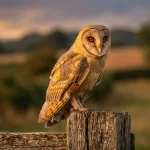
Barn Owl: With their distinct heart-shaped face, Barn Owls are a delight for birders. They prefer open fields and meadows where they can hunt small rodents. If you live in an area with suitable habitat, creating clearings for hunting and providing nesting boxes that mimic their natural roosting spots can encourage them to make your yard their home.
Great Horned Owl: This iconic owl can be found in various habitats, from forests to rural farmland. Known for its tufted “horns” and deep hooting calls, the Great Horned Owl is a powerful predator. To entice them, make sure to have large trees or tall structures for them to perch on and observe their territory. They require substantial prey, so keeping your yard free of pesticides will ensure a healthy environment for hunting.
Barred Owl
: Recognizable by its striped feathers and distinctive “Who cooks for you?” call, the Barred Owl favors woodland areas near water sources. Planting native shrubs and maintaining a natural leaf litter layer can help create a suitable habitat for this secretive owl. If you’re patient, you may even spot them during their active hours at dusk and dawn.
Each of these species offers a unique opportunity for observation and connection with nature. By tailoring your yard to the specific needs of these owls – be it through specific plants, nesting boxes, or hunting grounds – you increase your chances of sharing your space with these magnificent creatures. Don’t forget to observe quietly and respect their space; after all, the quieter you are, the more likely they are to visit!
Seasonal Considerations for Owl Attraction
Owls exhibit fascinating behaviors that shift with the changing seasons, and understanding these seasonal dynamics can significantly enhance your yard’s attractiveness to these majestic birds. As the year progresses, different owl species may migrate, breed, or shift their hunting patterns based on the availability of food and shelter. For instance, many species become more vocal during breeding season in late winter to early spring, so this is an ideal time to engage with their calls to attract them to your property.
In the winter months, food scarcity becomes a critical factor. While some owls, like the Great Horned Owl, are year-round residents, others may migrate or become less active if food sources dwindle. To support owls over the winter, consider maintaining a habitat rich in small mammals and rodents. A healthy ecosystem filled with diverse native plants not only fosters prey populations but also provides essential cover for owls as they hunt in the dark. Maintaining natural brush piles or creating open hunting areas can improve your yard’s attractiveness during these colder months.
As spring approaches, it’s the perfect time to prepare for potential nesting owls. Installing owl boxes aligned with the preferences of local species can be incredibly rewarding. Different owls have different nesting habits; for example, Barn Owls prefer open spaces close to hunting grounds, while Barred Owls favor wooded areas with water nearby. By tailoring your nesting boxes to meet these specific needs, you create a welcoming environment for breeding pairs.
During the summer, keep an eye on young owls as they begin to leave the nest. This is when they are learning to hunt and are often more vulnerable. Providing a rich variety of native plants-especially those that attract insects-will support their prey base. Additionally, reducing pesticide use is crucial, as it ensures a healthier food chain for young fledglings learning to hunt. By being mindful of seasonal changes and adapting your yard’s ecosystem accordingly, you can create a thriving habitat that invites owls to return year after year.
Engaging Your Community in Owl Conservation
not only enhances local ecosystems but also fosters a sense of connection and responsibility towards wildlife. Did you know that owls play a crucial role in controlling rodent populations? By raising awareness about their ecological importance, you can inspire your neighbors to appreciate and contribute to owl-friendly practices in your area.
Start by organizing local events such as owl walks, where enthusiasts can share knowledge and observe these magnificent birds in their natural habitats. Collaborate with schools and community organizations to host workshops that teach the basics of owl identification, nesting box construction, and how to effectively create owl-friendly environments in yards. Sharing stories and successes can motivate others-consider creating a local owl adoption program to monitor and care for owl populations collectively.
Social media platforms can serve as powerful tools for community engagement. Start an online group dedicated to owl conservation, where participants can share sightings, tips, and photos. Use this space to coordinate clean-up events in local parks or natural areas, emphasizing how reducing litter helps maintain a healthy habitat for owls and their prey. Remember, community involvement not only benefits the owls but also cultivates friendships among like-minded individuals who share a passion for nature.
Additionally, encourage local businesses to support conservation efforts through sponsorships or promotions that highlight owl-friendly products, such as native plants or wildlife cameras. By creating a comprehensive network of education and conservation, you can make a significant impact on both local owl populations and the broader environment. Together, through shared effort and enthusiasm, your community can champion the cause of these remarkable nocturnal hunters.
Overcoming Challenges: Predators and Pests
Creating a welcoming environment for owls in your yard can come with its share of challenges, particularly from predators and pests that threaten these majestic creatures. Understanding these challenges and knowing how to mitigate them can greatly enhance your success in attracting and supporting owl populations. Among the primary concerns are larger raptors, such as hawks and eagles, as well as domestic animals like cats and dogs, which can pose risks to owls, especially young or smaller species like screech owls.
To protect owls from potential threats, you can take several proactive steps:
- Safe Nesting Options: Position nesting boxes in areas that are elevated and away from the reach of ground predators. Use sturdy materials that can endure the elements and discourage unwanted visitors.
- Encouraging Natural Predators: Striking a balance is vital. While we want to keep owls safe, we also need to support the natural predator-prey dynamics in your area. Encourage the presence of barn owls or kestrels, which can help control the rodent population that attracts pests but are also susceptible to hawk predation.
- Managing Food Sources: Reducing access to food sources for rodents, such as fallen fruits, pet food left outside, or compost, will help decrease the overall rodent population and, in turn, reduce competition and risk for owls.
- Creating Cover: Plant dense shrubs and tall grasses that provide cover for owls and their prey while giving them escape routes. This can create a haven where owls can hide from larger predators.
Another significant concern involves pests that can affect the health of the owls and their ability to thrive. In particular, mites and other parasites, combined with diseases transmitted by domestic pets, can have detrimental impacts on owl populations. Regular monitoring of owls is essential. Here are some strategies to mitigate these issues:
- Keep the Area Clean: Regularly clean nesting boxes and areas where owls are likely to roost to minimize the risk of infestations.
- Limit Domestic Animal Access: If you have pets, consider keeping them indoors during dusk and dawn when owls are most active to reduce stress and potential harm.
- Educate Neighbors: Create awareness in your community about the need to minimize interactions between cats and owls. Encourage responsible pet ownership and the benefits of keeping pets indoors or within secure fencing.
By being vigilant and proactive, you can effectively mitigate the challenges presented by predators and pests, ensuring that your yard is a thriving habitat for owls. Recognizing the behaviors and ecological roles of local wildlife will empower you to make informed choices that support owl conservation. A harmonious approach to backyard habitats not only enriches your experience as a bird enthusiast but contributes meaningfully to the ecosystem that sustains these incredible nocturnal hunters.
Frequently Asked Questions
Q: What time of year is best for attracting owls to my yard?
A: The best time to attract owls is during their breeding season, which typically occurs from late winter to early spring. During this period, owls are more vocal and active, making it easier to catch their attention. Gardens should be prepared beforehand with suitable habitat and food options.
Q: What sounds can I use to call owls to my property?
A: To effectively call owls, use recorded calls specific to the species you wish to attract, such as great horned or barred owls. Play these calls during twilight or night hours for the best chance of luring them in. Refer to the “Using Calls and Sounds to Lure Owls” section for tips.
Q: How far away can owls hear calls?
A: Owls can hear calls from quite a distance, typically up to several hundred yards depending on the environment. To maximize your chances, use clear, steady calls in an open area where sound can travel freely.
Q: What are the best types of food to leave out for attracting owls?
A: Providing a steady food source is crucial. Offer small mammals like mice or voles to attract owls. While owls are primarily hunters, having a consistent presence of natural prey can encourage them to linger nearby.
Q: Can I attract owls without a nesting box?
A: Yes, you can attract owls without a nesting box by enhancing their habitat with tall trees and dense shrubs for cover. Additionally, providing ample food sources and performing owl calls can help draw them in even without artificial nesting aids.
Q: How can I make my garden owl-friendly?
A: To make your garden owl-friendly, plant native trees and shrubs for shelter, avoid using pesticides that kill their prey, and ensure a dark, quiet environment at night. Creating a diverse landscape encourages natural food sources for owls.
Q: What precautions should I take when attracting owls?
A: When attracting owls, it’s important to maintain a safe distance and minimize human disturbance. Avoid leaving out harmful chemicals or foods that might pose health risks. Monitor interactions and be mindful of local wildlife regulations.
Q: Are there specific owl species I should target based on my location?
A: Yes, targeting species native to your region can increase your chances of success. Research your local owl species, such as barn owls or eastern screech owls, to tailor your attracting methods accordingly, as noted in the “Common Owl Species to Attract in Your Area” section.
To Wrap It Up
Attracting owls to your yard is not just about creating a suitable habitat; it’s also about fostering a deeper connection with these magnificent creatures. By implementing the eight effective methods discussed, you can transform your outdoor space into an owl-friendly haven. Start taking action today to enjoy the quiet beauty and grace of these night hunters right in your own backyard!
If you found this guide helpful, check out our articles on bird-friendly landscaping and nighttime wildlife observation tips to enhance your experience even further. Don’t forget to subscribe to our newsletter for expert insights on attracting wildlife, and join our community by sharing your owl sightings in the comments below. Your journey to becoming an owl enthusiast begins now, so get started and let nature amaze you!
Get our latest guides, news, and insights highlighted in your Google Search & AI Overviews.