Owls are fascinating creatures that command our attention, not just for their mysterious nocturnal habits, but also for their impressive size variability across species. Did you know that the smallest owl in the world, the diminutive Elf Owl, can weigh less than a small apple? In contrast, the majestic Great Horned Owl can dominate the skyline with a wingspan of nearly five feet! Understanding how big owls can get not only enriches our appreciation of these avian wonders but also informs conservation efforts and habitat preservation. Whether you’re an experienced birdwatcher or a curious beginner, exploring the size differences among owl species sheds light on their adaptability and ecological roles. Join us as we dive into the intriguing world of owls, comparing their sizes and unveiling the unique characteristics that make each species extraordinary.
How Owls Are Classified by Size
When exploring the fascinating world of owls, size plays an integral role in their classification. Owls are typically categorized into three main size groups: large, medium, and small. Each group exemplifies unique characteristics that not only affect their physical attributes but also influence their behaviors, habitats, and diets. For instance, the Great Horned Owl, a prominent example of a large owl, showcases impressive wingspans of up to five feet and a weight of about 5.5 to 6.5 pounds. In contrast, the tiny Elf Owl tends to weigh less than a mere 2 ounces and stands only about 5 to 6 inches tall.
The variation in size among these avian creatures can be attributed to several factors, including environmental adaptations and evolutionary traits. Larger species generally occupy habitats with more open spaces, allowing them to soar effectively and hunt larger prey, while smaller owls thrive in dense forests where they rely on agility and stealth. Additionally, social behaviors and reproductive strategies can also differ between size groups, influencing their nesting choices and chick rearing practices.
Understanding not only enhances our appreciation for these incredible birds but also informs conservation efforts aimed at preserving their diverse habitats. By recognizing the challenges faced by different species based on their size and ecological niche, we can better advocate for the preservation of their environments and the intricate balance of our ecosystems.
The Largest Owl Species in the World
The largest owls in the world command attention not only because of their impressive size but also due to their fascinating behaviors and adaptations. The Great Horned Owl (Bubo virginianus) is often celebrated as one of the largest nocturnal raptors in the Americas, with wingspans reaching up to 5.5 feet and weights between 4.5 to 10.5 pounds. These formidable birds are easily recognized by their tufted “horns,” which are actually ear tufts, and their striking yellow eyes that provide excellent night vision. Known for being highly adaptable, Great Horned Owls thrive in varied habitats, from dense forests to urban areas, showcasing their versatility as predators.
Another giant of the owl world is the Blakiston’s Fish Owl (Bubo blakistoni), native to the riparian forests of eastern Russia and northern Japan. This rare owl is not just large in stature, with weights exceeding 4.5 to 8.5 pounds and wingspans of about 5.9 feet; it also plays a critical ecological role in its habitat by preying on fish, amphibians, and even small mammals. Their preference for mature forests near waterways emphasizes the importance of wetland conservation efforts in sustaining their populations.
For bird watchers and enthusiasts keen on observing these magnificent creatures, it’s good to know a few practical tips. Look for them in large trees or near water bodies during twilight hours, as they tend to be most active during dawn and dusk. Remember, while their size offers certain advantages in hunting, their habitat requirements are specific, thus playing a crucial role in their conservation status. Understanding the largest owl species not only enriches our knowledge of avian diversity but also highlights the necessity of habitat protection for ensuring their survival in the wild.
In summary, the awe-inspiring sizes of these owls, combined with their unique skills and ecological significance, remind us of the rich tapestry of life that these incredible creatures represent. Whether you are a budding birder or a seasoned ornithologist, observing these majestic birds truly connects you to the wonders of the natural world.
Comparing Medium and Small Owl Species
Owls are a diverse group of birds, and their size can greatly influence their behavior, habitat preferences, and feeding habits. Among the many species, medium and small owls play critical roles in the ecosystems they inhabit, showcasing unique adaptations that have evolved over time.
The Eastern Screech Owl (Megascops asio), a quintessential medium-sized owl, can be found across the eastern United States. It typically measures about 6 to 10 inches in height, exhibiting a wingspan of around 18 to 24 inches. These owls are often mistaken for smaller species due to their compact size but are notable for their varied vocalizations, which range from soft trills to haunting screeches. They are masters of camouflage, effectively blending into their arboreal surroundings, making them a favorite among birdwatchers hoping to catch a glimpse of these elusive hunters.
In contrast, small owls like the Burrowing Owl (Athene cunicularia) stand out for their intriguing behavior and unique habitats. About 7.5 to 10.5 inches tall with a wingspan of 20 to 24 inches, these little raptors are often found in grasslands and open areas where they can thrive near human activity. Unlike most owls, which are strictly nocturnal, Burrowing Owls show crepuscular and even diurnal tendencies, making them a delight to observe during daylight hours. They are known to inhabit burrows dug by other animals, and their ability to adapt to varied environments underscores the incredible versatility of smaller owls.
Comparatively, small and medium owls often exhibit differences in prey selection and hunting strategies. Medium owls, like the Western Screech Owl (Megascops kennicottii), may hunt larger insects and small mammals, showcasing their adaptability in different environments, while small owls, such as the Elf Owl (Micrathene whitneyi), primarily target insects and small reptiles. Understanding these distinctions not only enriches our appreciation for these fascinating birds but also highlights the intricate dynamics of their ecosystems.
For those venturing into the world of birdwatching or even contemplating owl care, recognizing the specific needs of these size groups is essential. For instance, medium owls may require larger nesting spaces and prefer densely wooded habitats, whereas small owls might thrive in urban settings or open fields. Whether you’re a novice eager to learn or an experienced birder, engaging with these species offers a window into the remarkable world of owls and their unique contributions to our environment.
Unique Characteristics of Each Owl Size
Owls are remarkable creatures, showcasing an impressive diversity in size, which largely influences their characteristics, behaviors, and habitats. From the majestic Great Horned Owl, reaching up to 25 inches in height, to the petite Elf Owl, standing at only 5 to 6 inches tall, these birds of prey exemplify the incredible evolutionary adaptations that allow them to thrive in various environments.
The largest owls, such as the Blakiston’s Fish Owl (Bubo blakistoni), not only dominate in size but also in hunting prowess. With a wingspan exceeding 6 feet and specialized adaptations for catching large prey like fish, these owls are often found near rivers and forests in East Asia. Their impressive size affords them a commanding presence in their habitats, and their diet plays a critical role in their growth and overall health, necessitating access to abundant aquatic environments.
In contrast, small owl species like the Elf Owl (Micrathene whitneyi) present a different picture. These tiny hunters, native to the southwestern United States and Mexico, thrive in arid regions where they often nest in the abandoned burrows of larger animals. What they lack in size, they compensate with agility and adaptability; their diet primarily consists of insects, showcasing how a smaller form factor can be advantageous in sparse environments. Their unique adaptations not only make them efficient hunters but also highly desirable for birdwatchers seeking to observe these elusive creatures during their evening hunts.
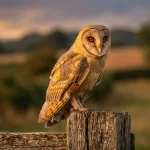
Medium-sized owls, such as the Barn Owl (Tyto alba), embody another fascinating aspect of owl diversity. Known for their distinctive heart-shaped facial discs and silent flight, they are exceptional at hunting small mammals, particularly rodents, due to their acute hearing and ability to navigate in low light. The Barn Owl’s adaptability allows it to thrive in various environments, from farmlands to urban areas, highlighting how size can influence ecological niche exploration.
Ultimately, understanding the unique characteristics associated with different owl sizes enriches our appreciation for these birds and their ecological roles. Whether you’re an aspiring birder or a seasoned enthusiast, recognizing the specific needs and behaviors inherent to various owl species enhances your ability to engage with and protect these fascinating avian predators.
Habitat Impact on Owl Size Variation
Owls are not just remarkable for their hunting prowess; they also exhibit a fascinating relationship with their habitats that significantly influences their size. The dimensions of an owl often correlate with the ecological niches they occupy, demonstrating how these majestic birds adapt to their environments. In various regions around the world, factors such as prey availability, climate, and geographical features dictate which owl species thrive and how they evolve.
In dense forests, larger owls like the Great Horned Owl (Bubo virginianus) have evolved to become formidable hunters, utilizing their size and strength to capture prey as large as rabbits and outright competing with other raptors. Their presence in these environments offers them a competitive advantage, allowing them to take advantage of bigger prey items that smaller owls simply cannot engage with. Conversely, in open grasslands or arid regions, smaller owls like the Elf Owl are better suited to surviving on insects and small rodents, capitalizing on their agility and stealth rather than size. This adaptability provides them with the specific skills necessary to thrive in their more limited niches, where height and weight might otherwise hinder performance.
The habitats that prevail in specific regions also affect the thermal dynamics essential for survival. In colder climates, larger owls’ bulk helps them minimize heat loss, making them better suited for harsh winter conditions. Conversely, smaller owls tend to thrive in warmer climates, where a smaller size aids in thermoregulation and allows for efficient hunting through quick movements. This balance between size and habitat adaptation exemplifies the intricate relationship between owls and the ecosystems they inhabit.
Understanding these habitat influences not only enhances our appreciation for the diversity of owl species but also emphasizes the importance of conserving their natural environments. As habitats alter due to climate change or human encroachment, owl populations may feel the pressure to adapt quickly. Recognizing these influences helps bird enthusiasts not only to identify species but also to advocate for the protection of vital habitats that support these unique avian predators.
Behavioral Differences Among Size Groups
Owls are not merely icons of wisdom and mystery, but they also exhibit a fascinating array of behaviors that vary significantly across different size groups. The behavioral traits of owls are intricately linked to their size, affecting everything from their hunting techniques to their social structures. Understanding these differences can enhance our knowledge of these magnificent birds and their ecological roles.
Larger owls, such as the Great Horned Owl (Bubo virginianus), exemplify the characteristics of apex predators. Their size allows them to take on a wide range of prey, from small mammals to larger birds. This capability is amplified by their strength and skillful hunting methods. They often take advantage of their intimidating presence to scare smaller birds from their nests or cover, thereby gaining access to high-protein meals such as chicks. Their behavioral repertoire includes powerful, silent flight and precise strikes that ensure successful captures, highlighting their dominance in the avian hierarchy.
In contrast, smaller owl species, such as the Elf Owl (), exhibit distinctly different behavioral traits that suit their lighter frames. These nimble hunters rely heavily on their agility and stealth, primarily targeting insects and small rodents. Their smaller size affords them advantages in hunting in tight spaces, such as dense foliage or burrows, where larger owls would struggle to maneuver. Moreover, smaller owls often adopt different social behaviors; while the larger species may be solitary or have defined territories, many small owls are more communal, roosting in small groups, which can enhance their protection against predators.
Another compelling aspect of owl behavior involves vocalizations, which are often size-dependent. Larger owls can produce deep, resonant calls that resonate through their territories, serving as both territorial markers and mating calls. These vocalizations can carry over long distances, crucial for establishing dominance and attracting mates. On the other hand, smaller owls tend to have higher-pitched, softer calls; their communication is often more subtle, aiding in stealth, which is essential for their survival.
Understanding these of owls not only enriches our appreciation of their ecological niches but also informs conservation efforts. As habitats change and shrink, recognizing how size influences behavior can help in developing appropriate strategies to protect these birds and their environments. Whether you are a seasoned birdwatcher or a novice, observing owls can offer endless fascination, revealing insights into the complex balance of nature.
How Diet Influences Owl Size and Growth
The relationship between an owl’s diet and its size is a fascinating aspect of avian biology that reflects the intricate balance of ecosystems. Generally, larger owl species, such as the Great Horned Owl (Bubo virginianus), require a more substantial caloric intake to sustain their size. These formidable predators primarily hunt larger prey, including rabbits and smaller mammals, which not only supports their growth but also influences territorial behavior and hunting strategies. A greater energy requirement compels these owls to occupy larger ranges and defend vast territories, ensuring access to ample prey.
In contrast, smaller owls, like the Elf Owl (Micrathene whitneyi), thrive on a diet comprising insects and small rodents. Their petite frame allows them to operate in tighter spaces, where they can effectively pursue agile prey. This dietary preference not only adapts them to specific habitats but also means they can thrive in areas with abundant insect populations, thus playing a vital role in controlling those populations. Diet variation among species leads to a rich tapestry of behaviors, showcasing how different dietary strategies shape the life histories of these birds.
Moreover, the influence of diet on growth and development extends to juvenile owls. Nestlings require rich, protein-dense food to ensure they grow to their potential size. The availability and type of food directly impact the growth rate, fledging success, and ultimately the survival of these young birds. For instance, excessive reliance on a single food source can lead to nutritional deficiencies, affecting overall health and size. Therefore, conservation efforts must consider the food web dynamics in a given habitat to maintain healthy owl populations.
In sum, understanding how diet influences the size and growth of owls is crucial for both ornithologists and birding enthusiasts. This knowledge not only enriches our appreciation for these nocturnal hunters but also highlights the importance of habitat conservation to ensure that their dietary needs are met, thereby supporting their survival and ecological roles.
Conservation Status of Different Owl Sizes
The conservation status of owls varies significantly across species, highlighting the intricate relationship between their size, habitat, and survival challenges. Large owls like the Great Horned Owl (Bubo virginianus) tend to occupy broad territories and, as formidable predators, are often resilient in the face of environmental changes. However, habitat destruction and climate change pose significant threats even to these robust species. For example, as forests are cleared for agriculture or urban development, essential nesting sites and hunting grounds diminish, forcing these owls into conflict with human populations or diminishing their prey base.
On the other hand, smaller owl species are often more vulnerable to extinction. Take the Eastern Screech Owl (
A particularly critical aspect of conservation is understanding how diet and nutrition impact the health and growth of different owl sizes. In many regions, competition for food, especially during breeding seasons, can lead to significant challenges. Conservationists are increasingly aware that maintaining robust prey populations, such as rodents and insects, is just as important as preserving owl habitats. For instance, initiatives that encourage integrated pest management can contribute to both agricultural needs and a healthier ecosystem for owls.
Understanding the conservation needs of owls extends beyond mere observation; it requires action. Bird enthusiasts can play a crucial role – by participating in local conservation efforts, creating owl-friendly spaces in their backyards, and supporting organizations that work toward habitat restoration, they can contribute to the survival of these magnificent creatures. Ultimately, protecting owls requires a collective effort that acknowledges the diverse challenges faced by different species based on their size, habitat, and dietary needs.
Caring for Pet Owls: Size Considerations
In the enchanting world of owls, size plays an imperative role not only in their habitats and behaviors but also in their care as pets. When it comes to domestic ownership, understanding the specific needs and characteristics of different owl sizes can greatly enhance the bond between you and your feathered companion. Whether you’re considering adopting a majestic Great Horned Owl or a petite Eastern Screech Owl, each species presents unique challenges and rewards that influence conservation, care practices, and overall well-being.
Owls are classified into various sizes, and this affects key care aspects such as diet, enclosure requirements, and behavioral expectations. Larger owls, like the Barn Owl (Tyto alba), may require spacious aviaries with tall vertical space for movement, as they thrive in environments that mimic the openness of their wild habitats. They also demand a more substantial diet, primarily consisting of whole prey items-think appropriate-sized rodents or birds. On the other hand, smaller species, such as the Western Screech Owl (Megascops kennicottii), can often adapt to less expansive housing, but they too require specific dietary considerations including insects and small rodents, all while ensuring they have ample enrichment to stimulate their natural hunting instincts.
Feeding Essentials
When caring for pet owls, maintaining a balanced diet tailored to their size is crucial. Here’s a breakdown of dietary needs by size:
- Large Owls: Typically need a diet rich in proteins, consisting of larger mammals or birds, supplemented with vitamins and minerals to ensure optimal health.
- Medium Owls: Require a combination of whole prey, primarily focusing on small mammals, and insects; it is essential to ensure that the prey is appropriate for their size.
- Small Owls: Often thrive on insects and smaller rodents; offering variety in their diet keeps them engaged and healthy.
Providing appropriate housing is equally essential for the well-being of your owl. Each species has its own requirements-while large owls need taller enclosures to facilitate their flight, small owls appreciate cozy corners where they can feel secure.
Understanding Behavior
Understanding the behavioral traits associated with the size of owls can also pave the way for better human-animal interaction. Larger species often exhibit more dominant behaviors, requiring experienced handlers who can establish authority and trust. Conversely, smaller owls, while perhaps less intimidating, can display vibrant personalities and require mental stimulation and social interaction to thrive.
When introducing a pet owl into your home, consider engaging in enrichment activities tailored to its size and capabilities. Larger owls enjoy hunting simulations, whereas smaller owls may benefit from enrichment toys that challenge their problem-solving skills. Creating a stimulating environment not only promotes physical health but also addresses their instinctual needs as birds of prey.
Ultimately, size profoundly influences how we care for owls in captivity. By considering the specific requirements woven into their biological and behavioral fabric, you can create a harmonious space that not only meets their needs but also enriches both your lives in this captivating journey of owl care.
Fascinating Facts About Large and Small Owls
Owls are as diverse as they are fascinating, with their sizes reflecting a remarkable adaptation to their environments. The Great Horned Owl, one of the largest species, can weigh over 5.5 kg (12 lbs) and boast a wingspan of up to 1.5 meters (5 feet), showcasing an imposing presence in North American ecosystems. In contrast, the petite Pygmy Owl, often no larger than a sparrow, weighs only about 70 grams (2.5 oz), illustrating how size can vary drastically within the same family. This incredible range not only speaks to their evolutionary paths but also influences their hunting techniques, habitats, and even their social interactions.
One particularly intriguing aspect of owl size is its connection to behavior and hunting strategies. Larger owls tend to be more dominant and have a broader hunting range, primarily preying on larger mammals such as rabbits and even young deer in some regions. Their size allows them to fend off competitors and take advantage of larger prey items thanks to their strength and impressive talons. Smaller owls, however, often have more nimble hunting styles, targeting insects and small rodents. For instance, the Eastern Screech Owl is known for its ability to blend into its surroundings, using its size and coloration as effective camouflage while it hunts.
Moreover, the variations in size convey specific care considerations for those looking to keep owls as pets. Large owls require expansive, tall aviaries to accommodate their flying needs and provide ample enrichment while small owls can thrive in smaller, more secure environments. Their dietary needs also reflect their size, with larger species needing significantly more protein and energy to sustain their weights compared to their smaller counterparts. Understanding these differences not only enhances the care and management practices for pet owls but also enriches our appreciation for the diversity of these amazing birds.
Ultimately, the contrast between large and small owls is not just a matter of measurement; it reveals the intricate tapestry of life strategies adopted by these birds. Whether it’s the Great Horned Owl asserting dominance from a high perch or the elusive Burrowing Owl darting through grasslands for cover, each species, big or small, plays a vital role in maintaining the balance of their ecosystems and captivating the hearts of bird enthusiasts and casual observers alike.
Visual Identification Guide to Owl Sizes
Owls exhibit a variety of sizes that can be visually distinct even to the casual observer. Recognizing these differences not only adds to your appreciation of these magnificent birds but is also crucial for proper identification in the field. As you venture out to observe owls, there are notable features to consider: wingspan, body length, and silhouette.
Key Features for Identification
- Wingspan: This is often the most striking feature, as it varies dramatically among species. The majestic Great Horned Owl can boast a wingspan of up to 1.5 meters (5 feet), while the tiny Elf Owl measures just 45 centimeters (18 inches). When identifying owls, pay attention to how they spread their wings during flight; larger species will have broader, more powerful wings necessary for their hunting strategy.
- Body Length: Owls range from the diminutive Burrowing Owl at about 25 centimeters (10 inches) to the imposing Eurasian Eagle Owl, which can exceed 75 centimeters (30 inches). Generally, an owl’s body length can be gauged by observing its head, as larger species often have a more pronounced head-to-body ratio.
- Silhouette: The overall shape contributes to identification. Look for traits such as ear tufts in species like the Great Horned Owl, or the round head of the Barn Owl. The differences in silhouette can help you determine the species at a distance and can be particularly useful at dusk or dawn.
Size Comparison at a Glance
To help you navigate these size distinctions, consider the following comparison of a few notable species:
| Species | Wingspan | Body Length | Typical Weight |
|---|---|---|---|
| Great Horned Owl | 1.2 – 1.5 m (4 – 5 ft) | 45 – 64 cm (18 – 25 in) | 1.4 – 2.8 kg (3 – 6.2 lbs) |
| Eurasian Eagle Owl | 1.5 – 2 m (5 – 6.6 ft) | 60 – 75 cm (24 – 30 in) | 2.5 – 4.2 kg (5.5 – 9.2 lbs) |
| Barn Owl | 80 – 95 cm (31 – 37 in) | 30 – 40 cm (12 – 16 in) | 0.5 – 1 kg (1.1 – 2.2 lbs) |
| Elf Owl | 45 – 51 cm (18 – 20 in) | 14 – 17 cm (5.5 – 6.7 in) | 40 – 90 g (1.4 – 3.2 oz) |
Whether you’re an aspiring birder or a seasoned ornithologist, understanding these visual cues can elevate your owl-watching experience. Take the time to familiarize yourself with each species’ unique characteristics, and don’t hesitate to grab your binoculars and enjoy the captivating world of owls! Recognizing the beauty in their size and form creates a deeper connection with these enigmatic creatures and enriches your appreciation of wildlife.
Myths and Misconceptions About Owl Sizes
Owls captivate our imagination not just with their mysterious nocturnal habits but also with their diverse sizes. However, there are many misconceptions about their dimensions that can cloud our understanding of these remarkable creatures. One common myth is that all owls are large and formidable predators. In reality, owl sizes vary dramatically; while the majestic Eurasian Eagle Owl can reach a wingspan of over 6.5 feet, many species, like the pint-sized Elf Owl, are barely larger than a sparrow. This size variation illustrates the adaptability of owls to different environments, each having evolved distinct traits suited to their ecological niches.
Another misconception concerns the notion that larger owls are more aggressive or dangerous. While the Great Horned Owl’s intimidating size may suggest a fierce demeanor, individual behavior often depends on species and context. Most owls, regardless of size, are solitary and prefer to avoid confrontation. Their hunting strategies and vocalizations differ significantly between species and are often tailored to their prey rather than their size alone. Understanding these behavioral traits helps dispel the idea that larger owls are universally more dominant or threatening than their smaller counterparts.
Additionally, many people assume that owl size correlates directly with age. However, this is a misunderstanding driven by incomplete information. The growth rate of owls varies by species, and while some small species mature quickly, larger species may take longer to reach full size. For instance, Barn Owls can be fully grown within a few months, while the larger Eurasian Owl takes considerably longer to mature. These factors highlight the importance of recognizing that both size and growth rates are unique to each species of owl.
By debunking these myths, we can better appreciate the fascinating diversity of owls. Whether you’re observing the agile movements of a tiny Elf Owl or the majestic flight of a Great Horned Owl, understanding these differences enriches our connection to these remarkable birds. As you venture into the world of owls, remember that size does not solely define their worth or role in nature, making the study of them all the more captivating.
FAQ
Q: What is the average wingspan of the largest owl species?
A: The largest owl species, the Blakiston’s fish owl, has an impressive wingspan of up to 6 feet (1.8 meters). This substantial size enables it to soar gracefully while hunting for fish along rivers and large bodies of water. For more insights on owl sizes, check out our section on “The Largest Owl Species in the World.”
Q: How do owl sizes compare across different species?
A: Owl sizes vary significantly, with small species like the elf owl measuring around 5-6 inches (13-15 cm) and large ones like the great horned owl reaching up to 24 inches (61 cm) in height. Understanding these differences can help with birdwatching and identification. Learn more in our “Comparing Medium and Small Owl Species” section.
Q: What factors influence the size of owls in different habitats?
A: Size variations in owls can be influenced by habitat type, food availability, and environmental conditions. Typically, larger species thrive in open areas where they can hunt larger prey, while smaller owls excel in dense forests. Explore our “Habitat Impact on Owl Size Variation” for deeper insights.
Q: Are larger owls better hunters than smaller ones?
A: Larger owls often have advantages like greater strength and the ability to target larger prey, but hunting efficiency depends on various factors, including species behavior and habitat. Dive into our “Behavioral Differences Among Size Groups” for more on hunting techniques.
Q: How does diet affect owl size and growth rate?
A: An owl’s diet significantly impacts its size; species that consume a protein-rich diet often grow larger and healthier. For instance, owls that eat rodents tend to be larger compared to those that mainly eat insects. For detailed dietary effects, refer to “How Diet Influences Owl Size and Growth.”
Q: What myths exist about owl sizes that need clarification?
A: Common myths include the belief that all owls are nocturnal or that larger owls are always more aggressive. In reality, some smaller species are active during the day, and temperament varies widely. Consult “Myths and Misconceptions About Owl Sizes” to debunk these and other myths.
Q: What are the unique physical traits of smaller owls?
A: Smaller owls often possess features like softer plumage and intricate facial discs that enhance their hearing and camouflaging abilities. These adaptations aid in their survival by improving their predation and evasion tactics. Check out our “Unique Characteristics of Each Owl Size” for more traits.
Q: How can I identify different owl species based on size?
A: To identify owls, look for physical characteristics such as size, wing shape, and facial features. For instance, large species have broader wings and pronounced tufts. Our “Visual Identification Guide to Owl Sizes” provides tips and comparison tables to help with identification.
Closing Remarks
As we’ve explored the fascinating world of owls and their impressive size variations, remember that these majestic birds continue to intrigue and inspire appreciation for wildlife. Whether you’re curious about the imposing Great Horned Owl or the compact Elf Owl, there’s always more to learn. If you’re considering engaging in birdwatching or enhancing your backyard habitat, check out our guides on attracting owls and other bird species!
Don’t miss out on our newsletter for more insights into avian life and conservation tips. Your journey into the captivating realm of owls doesn’t have to end here-delve deeper into our articles on owl behaviors and habitats to gain a fuller understanding. If you appreciate the beauty of these creatures, share your thoughts below and let’s keep the conversation going! Which species are you most excited about? Join us in celebrating the wonders of the avian world today!
Get our latest guides, news, and insights highlighted in your Google Search & AI Overviews.