Have you ever found yourself mesmerized by the silent grace of owls, wondering if these enchanting creatures could be your next pet? While they may capture the imagination with their striking appearance and mysterious nature, the reality of keeping an owl is often far from what bird lovers expect. In this exploration, we’ll delve into the essential facts about owl behavior, care requirements, and the challenges that come with domestication. By unraveling these complexities, we aim to guide potential owl owners in making informed decisions, ensuring both human and bird can thrive in a nurturing environment. Before you consider bringing one of these stunning raptors into your home, join us to discover the truths behind “Do Owls Make Good Pets?” and learn how to appreciate these birds in a way that aligns with their natural instincts.
Do Owls Make Good Pets? Understanding the Facts

Owls have long captivated humans with their enigmatic presence, often portrayed as wise creatures in folklore and media. However, the reality of keeping owls as pets departs significantly from this charming narrative. While their unique features can be alluring, owls are wild animals with specific needs that make them challenging companions. Understanding the facts surrounding owl ownership is crucial for anyone considering these fascinating birds as pets.
One of the most critical aspects to consider is that owls are nocturnal and possess specialized hunting skills. They require a habitat that mimics their natural environment, which includes ample space for flight and climbing. Unlike more conventional pets, owls thrive on a diet that includes live prey, demanding a level of commitment and understanding about their hunting instincts and dietary needs. Moreover, many species of owls are protected by law, making it illegal to keep them without proper permits or licenses. This legal framework is designed to safeguard these birds and ensure they are not removed from their natural habitats irresponsibly.
In addition to their dietary and environmental needs, owls have social structures and behaviors that cannot be overlooked. They are not social creatures like parrots; instead, they may exhibit stress and aggression if confined or not given sufficient stimulation. Owls communicate differently and may not form bonds with humans as domesticated pets do. Understanding these behavioral traits is essential for potential owl owners, as it highlights the importance of respecting their wild nature. Owls are not suitable for everyone, and prospective bird lovers must weigh the demands of owl care against their lifestyle and commitment level.
Owls as Companions: The Reality vs. Fantasy

Owls have long been depicted in popular culture as wise, serene creatures; however, bringing an owl into your home often reveals a different reality than the charming fantasy. While their graceful appearance and haunting calls can be mesmerizing, the complexities of owl behavior and care can challenge even the most dedicated bird lovers. Before considering an owl as a companion, it’s vital to understand not just the appeal of their nocturnal beauty but the commitment involved in their care and the reality of their wild nature.
One key misconception is that owls can be tamed like parrots or other domesticated birds. In truth, owls are not social animals and often do not bond with humans in the same way that traditional pets do. Their solitary habits can lead to stress and aggression when confined, so potential owners must be prepared for an animal that does not seek companionship in the same manner. Additionally, most owls require a vast amount of space to fly and explore, which can be challenging to provide in a typical home environment. Owning an owl is akin to adopting a small predator that relishes independence rather than a snuggly pet that craves affection.
Moreover, the natural instincts of owls are profound. As expert hunters, they require live prey in their diet, which not only presents a logistical challenge for care but also necessitates a deep understanding of their needs. Simply placing an owl in a cage with some birdseed does not suffice; providing proper nutrition means replicating their hunting substrate, which can be both time-consuming and ethically complex. Beyond diet, their nocturnal nature means these birds will be active at night when your household may be winding down for rest, resulting in potential conflicts in household routines.
To truly appreciate owls as companions, future owners must dive into the ethical considerations surrounding their care and legal regulations regarding ownership. In many regions, keeping owls as pets is heavily regulated or prohibited altogether due to their status as wild birds and the need to protect them from potential harm. Fully understanding the commitment and responsibility involved in raising these magnificent creatures requires not just a willingness to learn but also a genuine respect for their natural behaviors and conservation status. Thus, while the allure of having an owl may be strong, it is essential for any prospective owner to approach the idea with caution and thorough research.
Essential Care Requirements for Pet Owls

Owls, with their striking appearance and enigmatic behavior, may seem like the perfect companion for bird lovers, but their care requirements demand thorough consideration and commitment. Understanding what it truly means to nurture an owl is crucial before welcoming one into your home. Owls are not your average pet; they have specific needs that can be quite different from more conventional domesticated birds.
To begin with, space is paramount. Owls are natural fliers and need ample room to move, stretch their wings, and exhibit their instinctual behaviors. A standard cage simply won’t cut it; instead, an outdoor aviary or a large indoor flight space is necessary. Such an environment allows them to fly freely, thus preventing stress and promoting their well-being. Additionally, the aviary needs to be enriched with perches at varying heights and natural materials to stimulate their inquisitive nature.
Another vital aspect is temperature and lighting. Since most owls are nocturnal, they must have a day-night cycle that mimics their natural habitat. This typically means keeping their surroundings dark during the daytime and providing opportunities for simulated twilight to accommodate their active hours. Moreover, temperature regulation is essential; owls thrive in moderate climates, so ensure their environment isn’t too hot or cold, using heat lamps when necessary during chilly months, while also allowing the birds to retreat into shaded areas to cool off.
Feeding an owl requires a commitment to sourcing proper nutrition. Owls are carnivorous hunters, and their diet must reflect this. Most owls need whole prey, such as rodents or other small animals-options that may not be readily available in your local grocery store. Ensuring you provide them with a proper diet not only nourishes them but also keeps their instinctual hunting skills sharp. It’s advisable to consult a veterinarian who specializes in avian care to get guidance on appropriate dietary practices and any nutritional supplements that may be necessary.
Lastly, it is essential to engage with an owl’s natural tendencies. They require mental stimulation and physical exercise to thrive. This may include providing toys, safe objects to manipulate, and opportunities for foraging. Consider incorporating training sessions that help with bonding while respecting their independent nature. This unique balance of care, respect, and understanding of their instincts is crucial for anyone considering owl ownership.
In summary, while owls may enchant us with their beauty and mystique, they come with profound care requirements that require diligence and dedication. Being prepared and well-informed about their needs is key to fostering a happy and healthy environment for these incredible birds.
Behavioral Traits of Owls: What to Expect

Owls are remarkable creatures with a unique array of behaviors that can surprise and intrigue even the most seasoned bird lovers. Unlike the more conventional pets we might be used to, owls operate on a different set of instincts and social cues. Understanding these behavioral traits is essential for anyone contemplating welcoming an owl into their home. For instance, owls are typically solitary animals, requiring a level of independence that may not align with human expectations of avian companionship. They often prefer to perch quietly, observing their surroundings rather than engaging in the overt social behaviors seen in parrots or songbirds.
It’s also crucial to recognize the nocturnal nature of owls. Unlike many pets, these birds are most active at night, which can pose a challenge for owners who expect daytime interaction. During the day, you might find your owl resting, deeply immersed in sleep, and this necessity for a balanced sleep cycle means their nighttime antics can sometimes lead to disruptive behavior if their natural rhythms are disturbed. Prepare for their unique activity patterns by offering suitable environments that support their natural behaviors, such as providing spaces with dim lighting and quiet corners where they can retreat.
Moreover, owls exhibit specific hunting behaviors that reflect their carnivorous diet. They possess strong instincts geared toward catching and consuming prey, which can influence their interactions with toys or other objects in their environment. Instead of typical pet toys, consider enriching their habitat with items that encourage natural foraging behaviors-things that mimic hunting scenarios can greatly benefit their mental health. Whether it’s hiding food in natural substrates or offering various perches that evoke climbing and leaping, such stimulation is vital.
In summary, while these magnificent birds may appear enchanting and adaptable, they demand a commitment to understanding their natural behaviors and needs. Striking a balance between human interaction and the owl’s preference for solitude will help foster a more harmonious relationship. By acknowledging their independent nature and nocturnal habits, prospective owners can create a more supportive and enriching environment that respects the owl’s instincts, ensuring a fulfilling companionship that honors the beauty of these majestic creatures.
Legal Considerations for Owl Ownership
Owning an owl can represent a thrilling journey into the world of exotic pets, but it’s crucial to navigate the labyrinth of legal requirements that accompany such a unique responsibility. In many regions, owls are classified as wildlife rather than domestic pets, which means ownership is often heavily regulated. Before bringing one of these magnificent creatures home, it’s imperative to familiarize yourself with local laws and regulations. Not only can this prevent legal complications, but it also helps ensure that you are providing the best environment for your feathered friend.
Understanding Local Laws
The laws governing owl ownership vary widely depending on your location. In some areas, it may be entirely illegal to keep an owl as a pet, while in others, you may only be permitted to own certain species or require special permits. It’s advisable to check with your local wildlife agency or government office to confirm the specific laws in your area. Additionally, certain species may be protected by federal laws, which restrict or prohibit their possession without special permits.
Permits and Licensing
Many jurisdictions require permits for pet owls, especially if they belong to native species or are considered endangered. The application process can be thorough, often requiring proof of adequate housing, care plans, and sometimes even a demonstration of your knowledge about the species you intend to keep. Failing to secure the proper permits not only jeopardizes your ability to keep your owl but can also lead to fines or the confiscation of your pet.
Wildlife Rehabilitation and Conservation
An often-overlooked aspect of legal ownership is the ethical responsibility towards wildlife conservation. Many individuals find joy in caring for owls, leading them to consider adoption of an injured or orphaned bird. However, even rehabilitated owls must be treated with caution; many cannot be domesticated and may require release back into their natural habitat. Engaging with local wildlife rescue organizations can help clarify whether adopting an owl is strictly a legal and ethical option for you.
Owning an owl is not merely a personal endeavor; it’s a commitment to understanding and respecting both the legal framework surrounding wildlife and the ethical implications of keeping a wild creature. By ensuring compliance and fostering a genuine bond with your owl, you can contribute positively to the current understanding of avian care while enjoying the unique companionship these elusive birds offer.
Diet and Nutrition for Pet Owls
Providing the right diet for an owl can feel daunting, but understanding their nutritional needs is key to ensuring they thrive in captivity. Unlike common pet birds, owls are strictly carnivorous, relying on a diet primarily composed of whole prey animals. This means that you’ll need to replicate a diet that closely resembles what they’d consume in the wild. Think of items like mice, rats, small birds, and insects – all vital for their health.
To maintain optimal health, it’s crucial to implement a varied and balanced diet. Owls benefit from a mix of whole prey and supplemented food sources to ensure they receive all necessary vitamins and minerals. Here are some dietary components to consider:
- Whole Prey: Feeding whole animals, including bones and fur, not only provides essential nutrients but also assists with digestion and dental health.
- Supplementary Foods: Consider adding high-quality poultry or wildlife diet pellets specifically formulated for raptors, which can offer additional vitamins and minerals.
- Fresh Water: Always provide access to fresh, clean water to prevent dehydration, especially if you’re feeding dry or pelleted food.
Feeding Schedule
Establishing a routine around meal times can keep your owl healthy and mentally stimulated. Most adult owls should be fed every 1-2 days, depending on their age, size, and activity level. Young owls, or owlets, typically require daily feedings as they are growing rapidly.
Monitoring Health
Being attentive to your owl’s physical health plays a huge role in their diet management. Regularly check their weight and demeanor. Changes in appetite or weight can indicate underlying health issues. Consult with a veterinarian who specializes in avian or exotic pets, particularly ones with experience caring for raptors, for tailored nutrition plans and routine check-ups.
Remember, while the thought of feeding an owl might seem exotic and appealing, it inherently carries the responsibility of ensuring that their dietary needs are met accurately and consistently. By committing to proper nutrition, you’re not just feeding a pet; you’re nurturing a complex, wild creature that deserves attention and care suitable to its natural habits.
Creating a Safe Habitat for Your Owl
Creating a safe and suitable habitat for your owl is not just vital for its well-being; it also replicates aspects of its natural environment that can decrease stress and promote a healthier life. Owls are unique for their nocturnal behaviors and predatory instincts, which means their living conditions must cater to these specific needs. Whether you’re considering an Eastern Screech Owl or a Great Horned Owl, understanding these habitat requirements will be pivotal in ensuring a fulfilling life for your feathered companion.
One key aspect of habitat design is space. Owls, despite their small sizes compared to other birds of prey, require ample room to perch and fly short distances. A large indoor aviary or an enclosed outdoor flight space would work best, with dimensions that provide enough vertical and horizontal space. Perches should be varied in size and texture-natural wood branches are often ideal as they allow for necessary foot health. Remember, stress can manifest in many forms for these birds, and a cramped environment can lead to behavioral issues.
Environmental Enrichment
Beyond the basics, providing enrichment is crucial. Owls are intelligent creatures that need stimulation. This can include natural materials like branches, logs, and even the occasional hide or enclosure that mimics a hunting environment. Incorporating elements such as natural foliage can not only enrich their habitat but also provide hiding spots that might make them feel secure. Think about including sensory experiences: different textures, scents, and visual stimuli can be beneficial in keeping your owl mentally engaged.
Safe and Secure Space
Safety is paramount. Ensure that the space is free from hazards such as open windows or small openings where your owl might escape. Predators, including household pets, can pose serious threats as well. Owls are most comfortable and thrive in environments that mimic their native habitats-consider elements like dim lighting during the day to foster their natural cycles. And don’t forget about temperature control; your owl will prefer a stable climate that mimics the cool nights of their native environment.
In conclusion, by thoughtfully constructing a habitat that focuses on comfort, enrichment, and safety, you not only meet the basic needs of your owl but also enhance its quality of life as a pet. Cultivating a setting that respects and resembles their natural habitat will result in a happier, healthier owl, ready to share its unique personality with you!
Common Misconceptions About Owls as Pets
Many people are drawn to the idea of having an owl as a pet, often fueled by romanticized portrayals in movies and literature. However, misunderstanding the realities of owl care can lead to unfortunate decisions. One significant misconception is that owls can be treated like conventional birds, such as parrots or canaries. In reality, owls are wild animals with specialized needs that are vastly different from those of more common pet birds. They require diets rich in whole prey and environments that mimic their natural habitats to thrive. Simply providing seeds or granules will not suffice, and failing to meet their dietary requirements can lead to severe health issues.
Additionally, there is a belief that owls are affectionate and will bond closely with humans. While some owls may show signs of recognition or curiosity, they are not domesticated animals and generally do not exhibit the same social behaviors seen in other pets. Their natural instincts drive them to be more solitary and independent, which can make interactions challenging. Owls can be stressed by excessive handling, leading to behavioral problems such as aggression or fear. Understanding this is essential for prospective owl owners to avoid the stress of managing a pet that isn’t amenable to traditional companionship.
Another common myth is that the maintenance of owls is straightforward, similar to keeping a dog or a cat. In contrast, the reality is that they require specialized care, including large aviaries for flight, an appropriate environment, and rigorous cleaning practices to maintain hygiene. Their enclosures must be secure and escape-proof, as owls are skilled at finding exits. Furthermore, many species of owls are illegal to keep as pets in various regions, and it’s crucial for potential owners to check local regulations before acquiring one. This oversight can lead not only to legal troubles but also to the well-being of the bird itself.
Ultimately, while the allure of having an owl as a pet is understandable, it comes with complex responsibilities that should not be taken lightly. These magnificent creatures are best appreciated in the wild or through rescue and rehabilitation programs that help them remain in their natural habitats while educating the public about their ecological importance.
A Comparison of Owl Species for Pet Potential
Choosing an owl as a potential pet involves evaluating different species, as not all owls are created equal when it comes to suitability. Owls possess varying temperaments, sizes, and care requirements, which can significantly impact the experience of ownership. While many people might dream of bonding with a majestic creature like a Great Horned Owl or a Barn Owl, it’s essential to understand that these birds are wild animals requiring specialized care.
Common Pet Species
Some of the more commonly kept owl species include the Eastern Screech Owl, Barn Owl, and American Barn Owl. Each species has unique characteristics that influence their potential as a pet:
- Eastern Screech Owl: This small owl is known for its docile nature and somewhat adaptable behavior. They have a lifespan of around 10-15 years in captivity and are quieter than larger owl species, making them easier to manage in a home setting.
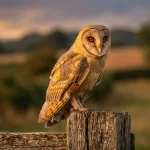
- Barn Owl: Easily recognized by their heart-shaped facial features, Barn Owls require more space for flight than smaller species. They are typically more independent and may not seek human interaction, which can be a consideration for prospective owners.
- Great Horned Owl: This majestic bird is larger and comes with a host of challenges, including a very high dietary requirement and significant social needs. They can develop bonds with their owners, but their strength and size make them less manageable for most people.
Factors to Consider
When considering different species, it’s important to think about several factors:
- Space Requirements: All owls need plenty of room for flying and exercising. A large aviary is often necessary, especially for species like the Barn Owl.
- Dietary Needs: Different species may have varied nutritional requirements. Most owls need a diet of whole prey, which can be expensive and time-consuming to source.
- Behavioral Adaptability: While some owls can adapt to human presence, many remain largely wild at heart and can become stressed with excessive handling or confinement.
- Legal Restrictions: Some species are protected by law, making them illegal to keep as pets without special permits. Always research local laws before considering ownership.
The allure of having an owl as a pet often stems from their majestic appearance and mysterious nature. However, understanding the specific needs and behaviors of each species is crucial for anyone contemplating owl ownership. By educating yourself about the characteristics and requirements of various owl species, you can make a more informed decision that aligns with your lifestyle and the well-being of the bird.
Understanding the Lifespan and Commitment of Owls
Owls are remarkable creatures, but before you even think about welcoming one into your home, it’s crucial to consider their lifespan and the long-term commitment required for their care. In captivity, some owl species can live for decades, with many reaching up to 20 years or more depending on the species and care conditions. This means that choosing to keep an owl as a pet isn’t just a fleeting decision; it’s an invitation to a long-term partnership with a wild animal that demands attention, proper housing, and specialized dietary needs throughout their life.
For instance, the Eastern Screech Owl typically lives 10-15 years in captivity, while larger species like the Great Horned Owl can live up to 25 years. This longevity comes with significant responsibilities-owners must be prepared for the emotional and financial investment that comes with such a commitment. Regular veterinary check-ups, a proper diet of whole prey, and a spacious, enriched environment to mimic their natural habitat are all essential. Without these, an owl’s health and well-being can deteriorate, which could lead to premature death and suffering.
Moreover, potential owl owners should also consider their own lifestyle. Owls are not cuddly pets; they will not bond in the same way that a dog or cat might. Their natural behaviors, such as being nocturnal and highly territorial, can challenge domestic living. Therefore, understanding that an owl isn’t just a pet for the moment, but a full-spectrum companion that requires ongoing adjustments to each party’s routine, is crucial.
In conclusion, the commitment to care for an owl stretches far beyond the initial fascination. It is a lifelong relationship that demands knowledge, adaptability, and respect for the bird’s natural instincts. Before making the leap into owl ownership, it is vital to assess whether you are ready for this significant dedication, both in terms of time and emotional energy, to ensure the owl leads a healthy, enriching life alongside you.
The Ethical Considerations of Keeping Owls
When considering the ownership of an owl, one must grapple with significant ethical implications that come with keeping a wild animal in a domestic setting. First and foremost, it’s essential to acknowledge that owls are not domesticated animals; they have complex social structures, natural instincts, and behaviors that are vastly different from traditional pets like dogs or cats. Owning an owl requires not just the desire for companionship but a deep commitment to understanding and mimicking their natural habitat and behaviors. This can be challenging and time-consuming, demanding an owner who can reach beyond their own desires for an animal companion and prioritize the owl’s well-being above all.
The ethical considerations extend to proper care and welfare. Owls require specialized diets that replicate their natural prey in the wild, which often involves whole rodents and insects. Additionally, they thrive in environments that offer enrichment and space to fly-a stark contrast to the typical confines of pet ownership. Poor conditions can lead to stress and serious health issues, which many prospective owners are unprepared for. It’s vital for potential owl owners to conduct thorough research and consider whether they can provide an owl with a suitable lifestyle before making a commitment.
Moreover, the legality of keeping owls often varies by location, with many jurisdictions imposing strict regulations to protect both the animals and the ecosystems they belong to. Some species may be illegal to own, while others require permits or special considerations. Failing to adhere to these laws not only raises ethical questions about the legality of such ownership but can also impact conservation efforts aimed at protecting wild owl populations.
In summary, keeping an owl as a pet is far from a whimsical decision; it is a serious ethical responsibility that requires a deep understanding of their needs, behaviors, and the legal implications involved. For those passionate about birds, it might be worth exploring alternative bird species that are more suitable for companionship and that thrive better in a domestic environment. This awareness ensures that the choice to engage with bird life is both enriching for the owner and respectful of the animals.
Alternatives to Owls: Other Exotic Bird Pets
While the allure of owls is undeniable, many bird enthusiasts may find themselves exploring alternative pet options that are more compatible with a domestic setting. Birds possess a captivating charm and intelligence, making them delightful companions. If you’re looking for a feathered friend but want something more suitable for home life, consider these captivating alternatives.
Parakeets (Budgerigars)
Parakeets, or budgies, are vibrant and social birds that can thrive in a variety of living situations. Their friendly personalities and affectionate natures make them ideal for both beginners and seasoned bird owners. Budgies are relatively easy to care for and can learn to mimic sounds and phrases, adding a fun interactive element to their companionship. They require a spacious cage, daily mental stimulation through toys, and social interaction, ideally with other budgies or human companionship.
Cockatiels
Cockatiels are another fantastic option, known for their playful demeanor and affectionate nature. These medium-sized birds often form strong bonds with their owners and enjoy being part of daily activities. They have a delightful, melodic whistle and can be taught a range of tunes and tricks. Cockatiels need ample space to exercise, a balanced diet of seeds, pellets, and fresh fruits or vegetables, and regular socialization to stay happy and healthy.
African Grey Parrots
For those who are more experienced and ready for a long-term commitment, African Grey Parrots are known for their exceptional intelligence and ability to mimic human speech. They thrive on mental challenges and require a stimulating environment. These birds are highly social and can become anxious if left alone for long periods, making companionship crucial. Their diet should include high-quality pellets, fresh produce, and limited seeds. Managing their interactive needs is essential, as failure to do so may lead to behavioral issues.
Canaries and Finches
If you prefer a smaller, less interactive pet bird, canaries and finches might be the perfect fit. They are visually stunning, relatively low-maintenance, and fill homes with their musical songs. While they are not as trainable as some of the larger parrots, their beauty and song can bring joy to any space. A pair of finches or a canary will require a spacious cage, appropriate diet, and some minimal enrichment, like perches and toys to play with.
Here’s a brief comparison of these species:
| Species | Social Need | Space Requirement | Life Span |
|---|---|---|---|
| Parakeets | High (enjoy company) | Medium | 5-10 years |
| Cockatiels | High (form bonds) | Medium-Large | 10-15 years |
| African Grey | Very High (requires interaction) | Large | 20-50 years |
| Canaries/Finches | Low (solitary) | Small-Medium | 5-10 years |
In conclusion, while owls present unique challenges, a range of exotic birds can offer companionship and joy in a way that aligns with your lifestyle and abilities as a pet owner. Do your research, consider your living situation and the time you can dedicate, and choose a species that will not only enrich your life but also thrive in a domestic environment.
Faq
Q: Can owls be domesticated like dogs or cats?
A: No, owls cannot be domesticated in the same way as dogs or cats. They are wild creatures with specific needs and behaviors. Owls thrive in their natural habitats, and even when raised in captivity, they may never fully acclimate to human environments. Understanding this is crucial for potential owners.
Q: What are the challenges of keeping an owl as a pet?
A: Owning an owl presents numerous challenges, including a strict diet, specialized habitat needs, and legal regulations that can vary by location. Additionally, their nocturnal nature can pose inconveniences, as they are most active during the night, which may not align with a human’s daily routine.
Q: How much space does an owl need in captivity?
A: Owls require a significant amount of space to fly and exercise, with enclosures ideally measuring at least 4 feet tall and 8 feet wide. Ideally, their habitat should mimic their natural environment to facilitate exercise and reduce stress. Proper setup is vital for their physical and mental health.
Q: What is the lifespan of an owl in captivity?
A: The lifespan of an owl in captivity varies by species but can range from 15 to 30 years. Some species, like the Barn Owl, typically live around 20 years, while others may live longer. Potential owners must be prepared for a long-term commitment, similar to that of a dog or cat.
Q: Are owls social animals that enjoy human interaction?
A: Most owls are solitary by nature and do not seek social interaction in the same way as traditional pets. While some may tolerate human presence, they are not inherently affectionate and prefer to be alone. Understanding their behavioral traits is essential for any potential owner.
Q: What are the legal requirements for owning an owl as a pet?
A: Legal requirements for owl ownership vary significantly by region and often include specific licenses and permits. Some places may prohibit ownership entirely, while others require permits to ensure the owner can provide proper care. Always check local laws before considering an owl as a pet.
Q: How do you handle a pet owl?
A: Handling an owl requires knowledge of their behavior and proper training to build trust. It’s best to wear protective gloves when handling them to avoid injury. Regular interaction and a calm environment can help acclimate them to humans, but it should always be done with care and respect for their wild instincts.
Q: What are some alternative birds to consider instead of owls?
A: If you’re drawn to birds but wary of the challenges of keeping an owl, consider species like parrots, finches, or canaries, which are often more suited to life as companion animals. These birds usually adapt better to human interaction and are available in a variety of colors and temperaments.
For more insights into the complexities of owl ownership, check out the section on Essential Care Requirements for Pet Owls in the full article.
Wrapping Up
As we’ve explored, while owls can be fascinating companions, they come with unique challenges that may not suit every bird lover. If you’re still considering bringing an owl into your home, we encourage you to weigh your options carefully and explore responsible alternatives. For those intrigued by owls, don’t miss our in-depth guide on “Caring for Exotic Birds” and the essential “Top 10 Considerations Before Getting a Pet Bird.”
Your journey into avian companionship doesn’t have to stop here. Subscribe to our newsletter for tips and insights that can help you make informed decisions about bird care and ownership. If you have any lingering questions or personal experiences to share, we invite you to drop a comment below! Join our community of bird enthusiasts eager to support each other in our love for our feathered friends. Let’s continue this flight together!
Get our latest guides, news, and insights highlighted in your Google Search & AI Overviews.