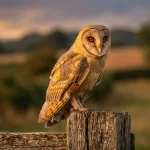
Owls are fascinating creatures of the night, known for their silent flight and impressive hunting skills. However, for pet owners, especially those with cats, the question arises: do these majestic birds pose a threat? Understanding the dynamics between owls and domestic cats is crucial for ensuring your pet’s safety. In this article, we will explore the behaviors and hunting habits of owls, including specific cases where they may interact with pets. You’ll discover how to protect your feline friends while appreciating the beauty of these birds. With insights into owl behavior and practical tips for pet care, you’ll be better equipped to enjoy both worlds safely. Join us as we delve into this intriguing topic and address your concerns about owls and their potential risk to your beloved cats.
Understanding Owl Behavior: Predatory Instincts Explained
Owls are fascinating creatures, known for their silent flight and exceptional hunting skills, which make them proficient nocturnal predators. Understanding their predatory instincts helps illuminate the potential risks they may pose to vulnerable pets like cats. Owls use a combination of keen eyesight and acute hearing to hunt, often tracking down small animals from high perches before swooping down in complete silence. Their specialized feathers allow for virtually noiseless flight, a crucial advantage when stalking prey. This evolved behavior enables owls to hunt effectively at night, when many of their prey, including small mammals and birds, are most active.
While it’s essential to appreciate the owl’s role in the ecosystem as a top predator, pet owners may understandably be concerned about the safety of their cats, particularly those that roam outdoors. In areas where owl species such as the Great Horned Owl or the Barred Owl are common, the risk to small pets can increase. Both species are known to hunt small mammals and birds, and while cats are not their primary target, an opportunistic owl may view an unattended cat as potential prey, especially if it is small and seems vulnerable.
To mitigate this risk, pet owners can take proactive steps to ensure their cats are safe. Keeping cats indoors during dusk and dawn-the peak hunting times for owls-can significantly reduce the chances of an encounter. Creating stimulating indoor environments with plenty of toys, climbing spaces, and enrichment opportunities can help satisfy cats’ natural hunting instincts in safe settings. By understanding owl behavior and the specific risks associated with different species, pet owners can take informed measures to protect their feline companions while still appreciating the majestic presence of owls in the wild.
Do Owls Pose a Real Threat to Cats?
While often romanticized in popular culture, owls are formidable hunters in nature, equipped with skills that enable them to capture prey under the veil of night. Their exceptional auditory and visual abilities grant them an edge, allowing them to swiftly identify and swoop down on unsuspecting animals. For pet owners, particularly those with outdoor cats, the question arises: do owls pose a tangible threat?
In regions where large owl species like the Great Horned Owl or Barn Owl are prevalent, the risk, albeit not predominant, exists. These owls typically hunt small mammals and birds, so while cats may not be their primary target, any small, unmonitored pet can be perceived as fair game. Great Horned Owls, for example, have been known to take animals as large as small dogs, providing a stark reminder of their predatory capabilities. It’s crucial to consider the size and demeanor of your cat; a small or timid cat may inadvertently attract the interest of these aerial predators, especially during twilight hours when owls are most active.
Mitigating Risks
To keep your feline friends safe, implementing certain precautions can greatly reduce potential threats. Here are some practical steps:
- Enforce indoor time: Keeping cats indoors during the evening and early morning-peak hunting times for owls-can significantly lower the risk of an encounter.
- Create a stimulating environment: Engage your cat’s instincts with toys, climbing structures, and interactive playtime to satisfy their hunting urges safely.
- Secure outdoor areas: If you allow your cat outside, consider building a catio or using leashes for supervised explorations to provide fresh air without exposing them to wild predation.
By remaining vigilant and taking proactive measures, you can help protect your cats while still celebrating the presence of owls within your community. It’s all about striking a balance between appreciating these magnificent creatures and ensuring the safety of your beloved pets.
Identifying Common Owl Species That Hunt Small Pets
The night sky comes alive with the soft hoots of owls, captivating many with their mysterious allure. However, it’s essential for pet owners to understand that some owl species are formidable hunters capable of preying on small pets, including cats. Among the various owl species, a few stand out as more likely to pose a risk. Knowing how to identify these owls can prepare you to take necessary precautions to protect your feline friends.
Common Owl Species with Predatory Potential
One of the most notable threats comes from the Great Horned Owl. Recognizable by its tufted ears and impressive size, this owl is a powerful predator with a diverse diet. Great Horned Owls often hunt at night and are known to take down animals as large as small dogs and domestic cats. They are opportunistic feeders and won’t hesitate to target pets, especially if they are outside unsupervised.
Another species to be mindful of is the Barn Owl. With its heart-shaped face and silent flight, this owl hunts primarily by sound and is adept at capturing small mammals and birds. While Barn Owls typically focus on rodents, their hunting instincts can lead them to target any small, vulnerable animal they encounter, including timid cats.
The Eastern Screech Owl, though smaller, also warrants consideration. This owl is known for its distinctive trill and can be found in suburban areas. They primarily hunt small birds and rodents, but their predatory skills mean they might still view small cats as potential prey if the circumstances allow.
What to Look For
To help identify these owls in your area, consider the following characteristics:
- Great Horned Owl: Large size, noted for its tufted “ears” and yellow eyes, typically residing in forests and urban areas.
- Barn Owl: Distinctive heart-shaped face, white underparts and a mottled brown back, often found in open fields and barns.
- Eastern Screech Owl: Smaller size, varying colors from gray to red, and their distinctive calls, often found in wooded areas or near parks.
Being aware of these common species and their hunting behaviors can help pet owners mitigate risks. By keeping your cats indoors during peak hunting hours, especially at dusk and dawn when these owls are most active, you can significantly reduce the likelihood of any unpleasant encounters. Additionally, securing outdoor areas where your pets roam can further ensure their safety from these nighttime hunters. Recognizing and respecting the natural instincts of both owls and cats creates a harmony that keeps both safe.
Signs of Owl Attacks: What Pet Owners Should Know
Understanding the signs that an owl may be preparing to attack is crucial for protecting your beloved feline companions. Owls, particularly species such as the Great Horned Owl or the Barn Owl, can be stealthy and proficient hunters of small animals, including cats. If you suspect an owl is in the area, there are several behaviors and signals to keep an eye on that may indicate a potential threat.
One primary sign is the presence of the owl itself. If you observe an owl perched silently in your yard or nearby trees, especially during twilight or nighttime hours, it’s essential to take precautions. Notably, owls are primarily nocturnal, coming out to hunt right at dusk, when many cats are allowed outside. Their incredibly sharp eyesight and hearing enable them to spot potential prey, so your cat might be at risk even if the owl is just observing.
In addition to spotting the owl, be attentive to changes in your cat’s behavior. If your pet seems anxious, unusually cautious, or begins hiding more often, this could be a response to sensing the presence of a predator nearby. Moreover, missing or recently found tufts of fur in your yard can signal an owl’s hunting behavior. Many cat owners share that they have noticed missing items or direct signs of struggle like feathers, indicating an encounter with an owl.
It’s also noteworthy to listen for unusual sounds during the night. The typical hoots of an owl may be punctuated by caws and calls that signal distress, which might suggest an ongoing attack or the aftermath of an encounter. Understanding these auditory cues can provide critical hints to help you gauge the safety of your outdoor space for your pets.
Lastly, being observant about the time of day your cat spends outside is key. Peak activity for many owls occurs around dawn and dusk. If you notice your cat exhibiting signs of distress, bolting inside, or being excessively vocal, it’s better to err on the side of caution and keep your feline friend indoors during these twilight hours. By remaining vigilant and aware of both auditory and visual cues, you can create a safer environment for your cats amid the captivating yet potentially hazardous world of owls.
Protective Measures: Keeping Cats Safe from Owls
Keeping our feline friends safe from the silent but deadly hunters of the night-owls-requires a proactive approach. Many cat owners may not realize that the threat from owls is perfectly real, especially for smaller cats, which could attract these powerful raptors. While we can’t change the natural behaviors of owls, there are several strategies pet owners can employ to create a safer environment for their cats.
One of the most effective protective measures is restricting outdoor access during peak owl activity hours. Since owls are predominantly nocturnal, keeping your cats indoors at dusk and dawn-when these birds are most active-can greatly reduce the risk of an encounter. If your cat is used to roaming outside, consider training them to go outdoors on a leash or in a secure catio (cat patio). These enclosed spaces not only allow your cats to enjoy the fresh air and observe nature but also provide a barrier from potential predators like owls.
Another practical approach is to enhance your yard’s visibility. Owls prefer to hunt in areas where they can rely on their camouflage. Trimming dense shrubbery and maintaining clear sightlines around your property can deter owls from making your yard their hunting ground. Additionally, incorporating motion-activated lights can startle owls and keep them away. The sudden illumination may make your yard less inviting to these stealthy hunters.
It’s also wise to remain vigilant by observing local owl activity. If owls are commonly sighted in your vicinity, adapt your protective measures accordingly-this could mean increasing the time your cat spends indoors or ensuring they stay close by under supervision when outside. Sharing your experiences with neighbors can also foster a community approach to pet safety. By discussing local wildlife and owl sightings, you can collectively brainstorm effective solutions and share tips on keeping pets safe.
In essence, understanding the behavior of owls and taking steps to mitigate risks can help ensure that your beloved cats remain safe from potential threats. With a combination of vigilance, environmental adjustments, and community partnership, you can safeguard your pets while allowing them to enjoy life outdoors.
The Role of Habitat in Owl and Cat Interactions
Understanding the interplay between habitat and the interactions between owls and cats reveals crucial insights for pet owners seeking to keep their feline friends safe. Owls are highly adaptable predators that thrive in various environments, from dense forests to open fields, and even urban areas. Their choice of habitat significantly influences their hunting behavior and prey availability, including small pets like cats. In neighborhoods adjacent to wooded or marshy areas, the risk of encounters with owls increases, especially when their natural hunting grounds overlap with domestic spaces.
Owls primarily hunt in areas that provide ample cover, allowing them to approach their prey stealthily. Dense trees and overgrown shrubbery offer excellent camouflage for these nocturnal birds. As a practical measure, pet owners can manage their yards by maintaining clear sightlines and trimming excess vegetation. This not only increases visibility for both the cats and the homeowners but also makes the area less appealing for owls to hunt. An open yard with fewer hiding spots discourages owls from frequenting the area, thus reducing potential threats to pets.
Moreover, the role of habitat isn’t just limited to physical attributes; it encompasses the availability of natural prey. In areas where small mammals and birds are abundant, owls are more likely to establish their territories. This can directly impact cat safety. If you live near rich natural habitats, consider keeping your cats indoors, especially during twilight hours when owls are most active. This proactive approach can significantly mitigate the risk of predation.
Community awareness and environmental adjustments can play a pivotal role in coexistence. By sharing knowledge about local owl populations and fostering communication among neighbors, pet owners can create a safer environment collectively. Simple community initiatives, such as yard watch programs or neighborhood meetings focused on wildlife, can enhance safety for pets. In essence, an understanding and management of habitat dynamics are essential in ensuring that our beloved cats can enjoy the outdoors while minimizing their risk from these exceptional hunters.
How to Create a Cat-Friendly Environment
Creating a secure environment for your cats is crucial, especially in regions where owls might pose a potential threat. By designing your outdoor space with your feline friends in mind, you can significantly reduce the risk of encounters with these stealthy predators. The goal is to strike a balance that allows your cats to enjoy the outdoors while minimizing any dangers.
One effective strategy is to invest in cat enclosures or “catios.” These enclosed spaces allow your cats to experience the sights and sounds of nature without being vulnerable to predation. When designing a catio, consider adding climbing structures and perches to keep them engaged and active. Additionally, you can line the enclosure with climbing plants that provide shade and stimulation, making it a cozy retreat.
Another important aspect is to establish safe zones within your yard. These zones can be created by using fencing that is designed for animals, which alludes to the presence of a barrier without completely sealing off the cats from the outdoors. It’s essential to keep these areas free of dense shrubs and tall grasses where owls can hide, as mentioned earlier. Regular maintenance, including trimming and clearing clutter, will ensure that your cats have a clear view of their surroundings, helping them feel secure and aware of any potential threats.
Integrating sensory enrichment into your cat-friendly space can also be beneficial. Planting catnip or other favorites can keep your cats entertained and distracted from the possibility of wandering too far. For nighttime safety, consider using motion-activated lights or reflective surfaces; they can startle owls and other wildlife, encouraging them to stay away from your yard and keeping your cats safe.
In summary, the combined approach of enclosures, safe zones, and sensory features not only provides a nurturing environment for your cats but also significantly lessens the likelihood of dangerous owl encounters. Each element contributes to a comprehensive plan to ensure your pets can enjoy their feline instincts without jeopardizing their safety amidst a world full of natural predators.
Owls vs. Cats: A Comparative Analysis of Behavior
Owls are fascinating nocturnal hunters, renowned for their remarkable predatory skills and keen senses. They possess silent flight capabilities and excellent night vision, which allow them to hunt effectively in the dark. When considering the behavior of owls in relation to cats, it’s essential to understand that while not all owl species pose a significant threat to domestic pets, some, particularly larger species, can occasionally consider cats as potential prey.
Hunting Techniques and Behavior
Owls primarily hunt small mammals, birds, and insects, using their acute hearing to locate prey in various environments. Their natural instincts lead them to choose smaller animals that they can swiftly capture. While house cats can weigh as little as 5 to 20 pounds, certain owl species, like the Great Horned Owl, have been known to hunt animals of similar size, so it’s crucial to recognize this potential vulnerability. Cats, being curious and often adventurous, may wander into open spaces during twilight or nighttime, thus increasing their chances of encountering these stealthy predators.
Risk Assessment for Pet Owners
While the risk of an owl attacking a cat is generally low, it’s not unheard of, especially for kittens or small cats. Reports of owl attacks have surfaced, especially in suburban areas where habitats for both felines and owls overlap. Pet owners should remain vigilant and consider the behavioral dynamics between their pets and local wildlife. Observing the area during dusk and dawn, which are peak hunting times for owls, can help you gauge the risk your pets may face outdoors.
Behavioral Patterns of Cats
Cats are instinctive hunters themselves, often exhibiting behaviors that attract attention from larger predators like owls. Their playful pouncing, especially in open areas, may mimic the movements of small prey. Unlike owls that thrive in solitude, cats can exhibit territorial behaviors, which can draw unwanted attention-including that of owls. Understanding these encounters involves recognizing how different species adapt and survive in shared environments.
Creating a Balanced Approach
The interaction between owls and cats highlights the need for creating environments where both species can coexist with minimal conflict. By keeping cats indoors during nighttime hours and safeguarding outdoor spaces through protective measures, pet owners can reduce potential threats from owls. Observing your cat’s behavior, especially if they seem unusually attracted to the outdoors at night, can help you respond effectively to their needs while ensuring their safety from predator encounters.
Owl Encounters: Real Stories from Pet Owners
Imagine standing in your backyard at dusk, when suddenly, you hear a rustle above in the trees. An owl swoops by silently, its wings barely making a sound. For many pet owners, tales of owl encounters can stir both fascination and fear, especially when it comes to concerns about their beloved cats.
Several community discussions reveal firsthand experiences that underline the potential risks posed by these majestic birds. In one account, a homeowner noticed their cat regularly bringing back small “gifts” after her nightly forays outside. However, one evening, the cat returned home shaken and with a distinctive feather caught in her fur. The owner later discovered that owls were nesting nearby, exemplifying how seemingly harmless outdoor adventures could lead to dangerous encounters. These stories serve as a reminder that even well-intentioned cats can attract unwanted attention.
Another pet owner recounted a chilling experience when their young kitten disappeared for several hours. After a frantic search, the kitten reappeared, skittish and injured. The owner learned from a neighbor that a Great Horned Owl had been sighted in their area, corroborating their fears. This incident led many in the neighborhood to reconsider their pets’ nighttime activities, highlighting the need for vigilance and protective measures.
To address these concerns, it’s essential to create a safe environment for your feline friends. Keeping cats indoors during twilight and dawn-peak hunting times for owls-can significantly reduce risks. Moreover, installing cat shelters or protected runs can offer outdoor stimulation without exposing them to potential predators. By taking proactive steps and staying informed through shared experiences like these, pet owners can ensure their pets remain safe while still enjoying the benefits of outdoor exploration.
Expert Insights: Veterinarians Weigh in on Risks
Veterinarians frequently encounter pet owners wrestling with the fear that owls might pose a danger to their cats, especially with increasing reports of predatory interactions. An alarming yet important point to note is that some owl species, particularly the Great Horned Owl, are capable of capturing small pets like cats due to their impressive hunting skills and impressive physical prowess. These nocturnal hunters have keen vision and acute hearing, enabling them to spot even the most elusive creatures under the cover of darkness. Dr. Sarah Thompson, a veterinarian with years of experience in wildlife interactions, notes, “Owls, especially those with larger wingspans and robust talons, can pose a significant threat, particularly to kittens or small adult cats.”
In light of this threat, Dr. Thompson emphasizes the need for pet owners to be proactive. She recommends that owners keep their cats indoors during twilight and dawn, which are peak hunting times for many owls. This simple change can make a substantial difference in your cat’s safety. Moreover, the veterinarian suggests providing enriched indoor environments-activity centers, climbing towers, and interactive toys can keep cats engaged and deter them from wanting to venture outside during high-risk hours. “Creating a stimulating indoor environment can reduce their desire to roam outside, where they might unwittingly cross paths with a hunting owl,” she advises.
Additionally, understanding local owl populations can be instrumental for pet owners. Certain areas are known to host specific owl species that may be more prone to prey on small pets. By educating themselves on the owl species in their vicinity, owners can devise informed strategies to keep their pets safe. For instance, in regions where Great Horned Owls are prevalent, additional caution and protection measures, such as installing covered outdoor cat enclosures, become essential.
Ultimately, while the risk of owl attacks on cats is real, by taking informed actions and remaining vigilant, pet owners can significantly mitigate this threat. Incorporating professional insights into everyday pet care can foster a safer environment for beloved feline companions, allowing them to thrive without undue risk from their avian neighbors.
Mitigating the Threat: Community Strategies for Safety
When it comes to keeping our feline friends safe from potential threats such as owls, community strategies can make a significant difference. Collaborating with neighbors, local wildlife organizations, and veterinarians can create a proactive approach to mitigating risks. Firstly, a community alert system could be established, where residents share sightings of owls, particularly during the dusk and dawn hours when these predators are most active. This system can inform pet owners about the safest times to keep their cats indoors and enhance overall vigilance against potential threats.
Educating fellow pet owners about local wildlife and responsible pet ownership can foster a culture of safety. Organizing community workshops led by wildlife experts can empower residents with knowledge about owl behaviors, species that pose a risk, and effective preventive measures. For instance, understanding that the Great Horned Owl is known for its ability to prey on small animals can encourage pet owners to implement specific safety measures. Engaging with local wildlife rehabilitation centers could provide valuable insights into owl habits and help spread awareness about maintaining safe outdoor environments for pets.
Moreover, community initiatives such as creating safe outdoor spaces can significantly benefit both pets and local wildlife. For example, designing enclosed cat patios or “catios” allows cats to enjoy the outdoors without the risk of owl predation. These structures can be built using fencing, netting, or other materials that provide safety while allowing pets to bask in fresh air and sunshine. Encouraging neighbors to participate in these projects not only boosts safety for pets but also builds a sense of community pride and responsibility.
Finally, organizing clean-up days to remove potential owl attractants such as small pets roaming free or unmonitored refuse can further aid in reducing encounters. By working together, communities can create a safer environment for both beloved pets and the fascinating owls that share our space, striking a balance between wildlife conservation and pet safety. Small changes and communal efforts can lead to more significant outcomes, ensuring a harmonious coexistence with our feathered neighbors.
Resources for Pet Owners: Staying Informed and Prepared
Being aware of the potential risks that owls pose to our feline companions is crucial for pet owners. Owls, especially species like the Great Horned Owl, have the predatory instincts and physical capabilities to pose a danger to small pets. However, knowledge is power. By staying informed and prepared, pet owners can take actionable steps to protect their cats while still appreciating the natural beauty of these remarkable birds.
One effective way to stay updated is by following local wildlife organizations and bird conservation groups. Many of these organizations offer newsletters, social media updates, and community workshops that can help you understand local owl species and their habits. Events organized by these groups often include wildlife experts discussing the interactions between owls and pets, as well as steps to minimize risks. You might also consider joining online forums or community groups dedicated to pet safety, where fellow pet owners share experiences, advice, and insights regarding neighborhood wildlife.
Another resource is veterinary guides and consultations. Vets can provide important information on the health risks related to owl interactions, and regular check-ups can ensure your cat remains healthy while navigating outdoor spaces. Some veterinarians may partner with wildlife experts to address specific concerns about predators like owls, offering guidance tailored to your area’s unique wildlife dynamics.
Finally, creating a safe and controlled outdoor environment for your cat can significantly lessen the chances of an owl encounter. Designing “catios” or enclosed outdoor spaces allows your feline to enjoy fresh air and natural sunlight without the dangers posed by predators. Several DIY resources online can guide you through building an effective catio, ensuring your pet can play safely. Engaging projects like this not only enhance your cat’s quality of life but also deepen your understanding of local wildlife interactions.
By proactively utilizing these resources, pet owners can better navigate the risks associated with owl interactions, creating a safe and informative environment for both pets and the wildlife around them.
Frequently Asked Questions
Q: Can owls attack and kill cats?
A: Yes, owls can pose a threat to small pets, including cats. While it is not common for owls to attack domestic cats, certain larger species such as the Great Horned Owl can consider them potential prey, especially if the cats are small and left unsupervised outdoors.
Q: What are the signs that an owl might be nearby?
A: Signs an owl may be nearby include hearing hoots or other calls at night, finding feathers or other remains in your yard, or observing aggressive behavior from backyard birds. Each sign indicates that owls are present and potentially hunting.
Q: How can I protect my cat from owls at night?
A: To protect your cat, keep it indoors during the night when owls are most active. Additionally, consider building a secure outdoor enclosure or “catio” to allow safe outdoor access while minimizing risks from predators including owls.
Q: What types of owls are known to hunt cats?
A: Large owls such as the Great Horned Owl and the Eastern Screech Owl are more likely to hunt small mammals and pets. Their size and hunting capabilities make them potential threats to smaller cats, particularly those that roam outdoors.
Q: What should I do if I witness an owl attacking my cat?
A: If you see an owl attacking your cat, the first step is to intervene safely-try to scare the owl away by making loud noises or waving your arms. Afterward, assess your cat for injuries and consult a veterinarian if necessary.
Q: Are certain environments more dangerous for cats concerning owls?
A: Yes, environments close to wooded areas or fields where owls hunt provide higher risks for cats. If you live near such areas, it’s crucial to monitor your cat and potentially implement more stringent protective measures.
Q: Do all owls hunt at night, and does this affect cat safety?
A: Most owls are nocturnal hunters, which increases the risk for outdoor cats, especially at night when visibility is low. Keeping cats indoors during these hours significantly reduces the potential for owl encounters.
Q: What community strategies can help keep cats safe from owls?
A: Communities can create awareness programs about pet safety, promote indoor cat ownership, and encourage the use of cat enclosures. Additionally, habitat alterations such as reducing open areas where owls might hunt can be beneficial.
To Conclude
As we conclude our exploration of whether owls pose a threat to our beloved pets, it’s essential to note that while interactions can occur, they are far from common. Protecting your cat entails understanding these majestic birds and implementing practical measures for safety. If you want more insights into creating a secure environment for your pets, check out our guide on “Safe Outdoor Practices for Cats” and dive deeper into “Understanding Local Wildlife: What Pet Owners Should Know.”
Don’t miss out-subscribe to our newsletter for updates on wildlife safety and pet care tips. By understanding the complexities of nature and how to protect your furry friends, you can foster a harmonious coexistence. Feel free to share your thoughts or questions in the comments below; we love hearing from fellow pet owners and bird enthusiasts alike! Your journey into the fascinating world of birds and their interactions with pets is just beginning. Explore with confidence and enjoy the beauty of nature responsibly!
Get our latest guides, news, and insights highlighted in your Google Search & AI Overviews.