Did you know that owls are some of the most skilled nocturnal hunters in the animal kingdom? These fascinating birds, known for their impeccable hearing and silent flight, often hunt a variety of prey, including rabbits. Understanding whether owls eat rabbits reveals not only their hunting habits but also the ecological roles they play in controlling rodent populations and maintaining balance in their environments. For bird enthusiasts and casual observers alike, grasping the dietary preferences of these enigmatic predators can deepen our appreciation for wildlife and its intricacies. As we explore the predatory strategies and prey selection of owls, you’ll discover intriguing insights into their behavior, which can enrich your understanding of nature and inspire your birdwatching adventures. Join us as we unravel the fascinating relationship between owls and their prey!
H2: Understanding the Diet of Owls
Owls are fascinating creatures with a diverse diet that showcases their adaptability and hunting prowess. These nocturnal birds primarily feed on small mammals, birds, insects, and even fish, depending on their species and habitat. An owl’s diet is often dictated by its environment; for instance, owls living in forested areas may consume more rodents, whereas those in open fields might have a higher proportion of rabbits and hares in their diet. This dietary flexibility not only highlights their role as apex predators but also emphasizes their importance in maintaining the balance of ecosystems.
Different owl species employ unique strategies to procure their food, making understanding their diet essential for avian enthusiasts and conservationists alike. The Great Horned Owl, for example, is notorious for its diverse diet, which can include mammals as large as foxes or even other birds of prey. Meanwhile, the Barn Owl specializes in hunting rodents, using its exceptional hearing to locate prey in complete darkness. Their diets are not only influenced by the availability of prey but also by seasonal changes, as owls tend to hunt more often during certain times of the year when food sources are plentiful.
For birdwatchers, familiarity with these dietary habits can enhance the experience of observing owls in the wild. Knowing which species might be present in a specific area and what they prefer to eat can provide clues about their hunting grounds. Spotting an owl is not just a thrilling experience; it can also tell you much about the surrounding ecosystem and the interactions occurring within it. By understanding what owls eat, we gain insights into their role in nature and the delicate balance they help maintain within their habitats.
H2: Do Owls Actually Eat Rabbits?
Owls are often regarded as enigmatic predators of the night, skillfully hunting prey that ranges from small rodents to larger mammals. A question frequently posed by those interested in these majestic birds is whether they actually include rabbits in their diet. The answer is a resounding yes! Many species of owls do indeed feast on rabbits, making them a significant part of their nutritional intake, particularly in regions where these furry creatures abound.
The propensity for owls to hunt rabbits is often determined by their habitat and the availability of prey. For instance, the Great Horned Owl, with its impressive size and strength, is particularly known for its ability to tackle larger prey, including various types of rabbits. These owls combine their powerful talons and acute night vision to silence their prey, often using stealth and surprise as their primary hunting strategies. Similarly, the Eastern Screech Owl, which may be smaller in stature, also targets rabbits among its preferred food sources, demonstrating that even lesser-known owl species play a role in the predation of these animals.
The hunting techniques owls employ are as varied as the species themselves. Unlike many other birds of prey that rely on visual cues during the day, owls have evolved exceptional nocturnal hunting adaptations. Their ability to hear high-frequency sounds allows them to detect the rustle of a rabbit in the underbrush or the faintest movement in the dark, providing them with a unique advantage in locating and capturing their prey. This auditory prowess is complemented by their silent flight, which enables them to swoop down without alerting their quarry.
Understanding the dynamics between owls and their rabbit prey not only enriches our knowledge of these captivating birds but also highlights their role in maintaining the ecological balance. Rabbits, as abundant prey, support the populations of various owl species, creating a fascinating interplay in nature. By observing these interactions, wildlife enthusiasts can gain greater insight into the habits and habitats of both owls and rabbits, fostering a deeper appreciation for the complexity of their ecosystem.
H2: Hunting Techniques of Owls
Owls are fascinating creatures, exhibiting an array of unique hunting techniques that set them apart from other predators. These nocturnal hunters have evolved specialized adaptations that make them formidable when pursuing prey, particularly rabbits who often roam during twilight hours. One of the most remarkable features of owls is their *acute hearing*. Their ears are positioned asymmetrically, which allows them to pinpoint the slightest sound, such as the rustling of a rabbit in the grass. This exceptional auditory capability enables them to hunt effectively in complete darkness, giving them an edge over their prey.
In addition to their hearing, owls are known for their *silent flight*. The unique structure of their feathers allows for a soundless approach, which is critical when sneaking up on skittish rabbits. The serrated edges of their wing feathers disrupt airflow, reducing noise. When combined with their keen eyesight, owls can spot movement and quickly hone in on potential meals without alerting them to their presence.
Hunting Strategies
The hunting strategies of owls can vary significantly based on species and the environment. For instance, the *Great Horned Owl* employs a sit-and-wait technique, perching on a high branch to scan the ground below, while the smaller *Eastern Screech Owl* might opt for a more active approach, flying low and relying on cover to surprise its prey. Successful hunters often make use of the element of surprise, dropping down from concealment to catch unsuspecting rabbits off guard.
- Ambush Tactics: Many owls use camouflage and stillness to blend in with their surroundings, waiting for the right moment to strike.
- Flight Patterns: Their flight patterns are generally low and slow, allowing them to maneuver quietly through underbrush where rabbits typically hide.
- Adaptation to Habitat: Owls have adapted their hunting habits based on the habitat they occupy, utilizing available structures like trees or rocks for vantage points.
Understanding these sophisticated hunting techniques not only enriches our knowledge of owls but also underscores their role as key players in the ecosystem. By keeping rabbit populations in check, they help maintain ecological balance, showcasing the intricate relationships between predators and prey. Whether you are a seasoned bird watcher or a curious beginner, observing these behaviors can offer thrilling insights into the life of owls and their hunting prowess.
H2: Prey Selection: What Do Owls Prefer?
Owls are opportunistic hunters, exhibiting a diverse diet that reflects the habitats they occupy and the prey available within those environments. While many people associate owls with hunting small mammals, their prey selection is influenced by various factors, including availability, size, and hunting strategies, making them versatile predators. In many regions, owls favor small to medium-sized mammals such as rabbits, which provide a substantial source of nutrition due to their abundance and the energy required for hunting.
Notably, the type of owl plays a significant role in what they prefer to eat. For instance, larger species like the Great Horned Owl are known to tackle more formidable prey, including hares, while smaller owls, such as the Barn Owl, may focus on voles and other small rodents. This adaptability is vital for survival, as owls will often shift their diet based on what is most accessible. In areas where rabbit populations are plentiful, these creatures become prime targets due to their vulnerability during twilight hours-again capitalizing on the owls’ excellent nocturnal vision and hearing.
Specific hunting preferences can be further categorized by looking at environmental factors. Habitat type plays a crucial role in determining prey availability. In open fields and meadows, owls tend to find rabbits and other ground-dwelling animals, while in forested areas, their diet may include birds and insects. Understanding these habitat dynamics not only sheds light on an owl’s dietary choices but also highlights why certain species are key indicators of ecological health. Maintaining a balanced ecosystem is essential, and this predator-prey relationship is a perfect example of nature’s intricate web.
When observing owls in the wild, look for signs of their preferred hunting grounds-open fields for those targeting rabbits or dense woods for small mammals and birds. By recognizing their habits, you’ll enhance your birdwatching experience and gain insights into the complex interactions within the ecosystems we share.
H2: The Role of Owls in Ecosystems
Owls are often regarded as the guardians of the night, playing an indispensable role in the ecological balance of their habitats. These remarkable birds help control small mammal populations, including rabbits, which if left unchecked, could overpopulate and lead to significant vegetation loss. This relationship underscores the importance of predators like owls in maintaining healthy ecosystems.
By preying on rabbits and other small mammals, owls serve as natural regulators of their populations. This predation is crucial not just for the health of rabbit populations, but also for the flora of the regions where they hunt. For example, if rabbit numbers are too high, they can devastate grasslands, affecting food sources for other wildlife and even agricultural practices. The owl’s hunting habits thus have a ripple effect, influencing plant health and the overall biodiversity of the region.
Moreover, owls contribute to the balance of food webs by being both predators and prey. Larger raptors or mammals may hunt adult owls, but the owl’s ability to control rodent populations benefits smaller birds and mammals that share their habitat. Their presence in an area can indicate a rich biodiversity, as healthy owl populations often correlate with varied prey availability and suitable habitats.
To truly appreciate the role of owls, consider observing them in their natural habitat. Look for signs of their presence-such as pellet droppings under a favored roost, or the sounds of their nocturnal calls in the dusk. Understanding where they thrive and how they interact with their ecosystem not only enriches your experience as a birdwatcher but also fosters a greater appreciation for the vital role these nocturnal hunters play in our environment.
H2: Rabbit Behavior: Avoiding Predation
The dance of survival between owls and rabbits is a fascinating spectacle of nature, where cunning behavior and adaptability often play a pivotal role. Amidst the shadows of twilight, rabbits deploy a variety of strategies to evade their nocturnal predators, and understanding these behaviors can provide insightful perspectives into their world.
Rabbits are equipped with remarkable senses that enhance their chances of survival. Their large, mobile ears can swivel independently, allowing them to pick up on faint sounds from various directions. When a rabbit senses danger, its first instinct is to freeze in place, becoming almost invisible against its surroundings. This behavior, known as “crypsis,” helps them avoid detection by predators. Additionally, rabbits possess a keen sense of smell, using it to detect the presence of owls or other threats even before they come into view.
Active Evasion Techniques
Once a rabbit has spotted an owl or detected the subtle sound of its wings, it may resort to agile and erratic movements to escape. These animals are incredibly quick, capable of zigzagging through their environment, making it difficult for predators like owls-who rely on surprise and stealth-to catch them. The instinctual “binky,” a joyful leap often seen during play, also demonstrates their acrobatic ability, which can be employed to evade capture.
Social Structures and Vigilance
Rabbits also benefit from social living; they often reside in groups and effectively communicate potential dangers through a series of foot thumps. This alarm behavior ensures that all members of the group remain vigilant and immediately seek shelter in burrows or dense vegetation. Their keen awareness of surroundings, combined with the strength of numbers, significantly enhances their ability to avoid predation.
The combination of these behaviors not only elucidates the strategy rabbits employ to cope with the threats posed by owls but also highlights the intricate balance in the predator-prey dynamic. Observing these interactions in nature, from the stillness of a rabbit waiting out a threat to the fleeting moment of escape, reveals the resilience and adaptability of both species. Through adapting behaviors and strong instincts, rabbits navigate the challenges of survival in an environment where owls reign as apex hunters.
H2: Types of Owls That Hunt Rabbits
Among the many fascinating raptors that grace our skies, certain owl species have developed a particular affinity for hunting rabbits. Known for their stealth and acute senses, these nocturnal predators are skilled in tracking and capturing one of their favorite prey-a behavior rooted deep within their hunting adaptations.
The Great Horned Owl is perhaps the most iconic of these rabbit hunters. With its tufted ears and powerful build, this owl is a fearsome predator found throughout the Americas. It thrives in diverse habitats, including forests, grasslands, and urban areas. Weighing up to 5.5 kilograms (12 pounds), it possesses the strength to tackle preys as large as a young rabbit. The Great Horned Owl’s hunting style incorporates a combination of silent flight and powerful talons that allow it to ambush unsuspecting rabbits, particularly during twilight hours when these small mammals are most active.
Another significant player in rabbit predation is the Eastern Screech Owl. Smaller than the Great Horned Owl, this compact raptor can weigh around 200-250 grams (about half a pound) and stands out due to its incredible camouflage. It blends seamlessly into tree bark, making it an adept ambush predator. The Eastern Screech Owl often takes advantage of its small size to hunt in urban and suburban gardens, preying upon rabbits that wander close to cover. Their heads can rotate almost 270 degrees, providing them with a wide range of vision that helps identify movement in their vicinity.
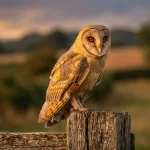
Lastly, the Barn Owl adds another layer to this dynamics of predator-prey interactions. Known for its distinctive heart-shaped face and ghostly appearance, the Barn Owl is a highly effective nocturnal hunter, specializing in small mammals, including rabbits. They rely more on their acute hearing than sight, allowing them to locate prey in complete darkness. When hunting, they often fly low and glide silently, increasing their chances of surprising a rabbit that is unaware of the incoming threat.
With these specialized hunters in the mix, rabbits face significant challenges in their quest for survival. Watching the interplay between these majestic owls and their agile prey enhances our appreciation for the complexity of the natural world, where each species plays a vital role in maintaining ecological balance. The strategies employed by both owls and rabbits exemplify the intricate dance of life that unfolds in our backyards and beyond.
H2: How Owl Hunting Impacts Rabbit Population
The intricate relationship between owls and rabbit populations is a captivating aspect of nature that highlights the balance of ecosystems. Owls, as nocturnal predators, play a critical role in regulating rabbit populations. The dynamic can shift significantly depending on several factors, including the availability of prey, the type of owl species present, and environmental conditions.
Strong predation by owls can have profound effects on rabbit populations. When invasive species or diseases threaten prey availability, owls may increasingly turn to rabbits for sustenance. This heightened predation can reduce local rabbit numbers, which might lead to cascading effects throughout the ecosystem. For instance, fewer rabbits can mean less grazing pressure on vegetation, allowing plant communities to flourish and affecting the species that rely on those plants for food and shelter.
Conversely, a healthy owl population contributes to maintaining balanced rabbit populations. Rabbits reproduce quickly and can thrive in various environments, leading to population booms. In such cases, the predation from owls helps to control rabbit numbers, preventing overgrazing and the potential for habitat degradation. This cyclical interaction emphasizes the role of owls as both predators and ecosystem managers, crucial for sustaining biodiversity in their habitats.
Moreover, the adaptability of different owl species in hunting techniques and prey selection also affects these population dynamics. Owls like the Great Horned Owl and Eastern Screech Owl employ distinct hunting strategies that allow them to thrive in diverse environments, from dense forests to urban gardens. Their success in hunting rabbits can vary significantly based on environmental changes and availability of other prey, further influencing the overall health of both owl and rabbit populations.
Understanding this predator-prey relationship enriches our appreciation for the complexity of the natural world, underscoring the importance of conserving these raptors alongside their habitats. By protecting owls, we also safeguard the delicate balance they help maintain within local ecosystems, illustrating the intrinsic value of every species in our interconnected web of life.
H2: The Importance of Habitat for Owl Success
The success of owls in hunting and their overall health as a species are intricately tied to the quality and availability of their habitats. Owls thrive in environments that provide ample cover for hunting, nesting sites, and suitable prey populations. These habitats can range from dense forests and open fields to suburban areas where they might hunt unsuspecting rodents and rabbits. For instance, the Great Horned Owl, one of the most adaptable owl species, can often be found in various habitats, including urban parks, demonstrating their remarkable ability to exploit environments altered by human activity.
A diverse habitat supports various prey species, not just rabbits. Healthy ecosystems with rich biodiversity allow for balanced predation, where owls can hunt effectively without depleting any single prey population. This complexity is vital since owls are opportunistic feeders; they adjust their diet based on prey availability. When rabbit populations are low due to habitat destruction or other pressures, owls may shift towards smaller mammals or birds, thereby highlighting the importance of maintaining diverse ecosystems.
Additionally, nesting sites are critical for owl success, particularly for species like the Barn Owl, which prefers abandoned structures or tree cavities. These sites not only protect the young from predators but also provide a safe environment for raising offspring, contributing to stable owl populations. Conservation efforts focused on preserving and restoring natural habitats can significantly enhance the success rates of these birds, ultimately improving the ecological balance they help maintain.
In summary, the vitality of owl populations is deeply connected to their habitats. By ensuring these spaces are preserved and enriched, we can support owls in their crucial role as hunters and ecosystem regulators. Observing owls in their natural environments can be a rewarding experience, and understanding their habitat needs fosters appreciation for these incredible raptors and the ecosystems they inhabit.
H2: Fascinating Facts About Owls and Rabbits
Did you know that owls possess unique features that make them exceptional hunters? These captivating birds of prey have remarkable adaptations that allow them to thrive in the dark, often resulting in fascinating interactions with their preferred prey, including rabbits. One of the most notable adaptations is the owl’s ability to rotate its head up to 270 degrees, a feature that provides a wide field of vision in low light conditions. This ability, combined with their acute hearing, allows them to detect even the slightest rustle of a rabbit in the underbrush.
Owls are masters of stealth, and their hunting techniques are tuned to maximize efficiency. The Barred Owl, for instance, uses its silent flight to approach unsuspecting rabbits. Its specialized feathers reduce turbulence, allowing these predators to swoop in undetected. Interestingly, while many owls primarily hunt smaller mammals, some species, such as the Great Horned Owl, are not above taking on larger prey like rabbits, which can often be up to twice their size. This opportunistic feeding behavior demonstrates the owls’ adaptability and their critical role in maintaining the balance of local ecosystems.
Unique Relationships in Nature
The predator-prey relationship between owls and rabbits is an essential aspect of forest dynamics. When owl populations thrive, they regulate rabbit populations, preventing overgrazing of vegetation. Conversely, if rabbit populations explode, it can lead to food shortages for owls, demonstrating a delicate balance in nature. An intriguing fact is that owls can store surplus prey, like rabbits, by caching them in tree cavities or under brush. This behavior not only secures a food source for leaner times but also showcases the resourcefulness of these birds.
Ultimately, the relationship between owls and rabbits is a compelling example of nature’s intricate web. While owls play a critical role as hunters, rabbits have evolved a variety of behaviors to avoid predation, such as becoming more active during twilight when owls are less active. Understanding these interactions enriches our appreciation for both species and their contributions to the ecosystem. Observing these dynamics can inspire us to support conservation efforts aimed at preserving the habitats that support both owls and rabbits alike.
H2: How to Spot Owls in Your Area
There’s something magical about spotting an owl in its natural habitat, those secretive and wise birds of the night can be elusive, but with the right approach, you can increase your chances of success. First, it’s important to understand their preferred environments. Owls thrive in areas that offer both cover and open hunting grounds, such as forests, grasslands, and wetlands. The best times to look for them are during dusk or dawn when they are most active. If you’re planning a nighttime excursion, bring a flashlight to scan the trees and fields.
Listening carefully can also improve your owl-spotting skills. Many species communicate using distinctive calls, which can be particularly useful for identification. The haunting hoot of the Great Horned Owl, for example, echoes through forests at night, while the Barred Owl gives a rhythmic “who-cooks-for-you” call. Downloading a bird call app can help you familiarize yourself with these sounds, making it easier to pinpoint their location.
When searching for owls, take your time and be patient. Move slowly and quietly, avoiding sudden movements that might startle them. Look for signs of their presence, such as white droppings (often found under their favorite perch), pellets, or feathers. Owls tend to roost in tall trees or hidden spots during the day, so look upwards while walking through wooded areas. If you encounter an area with active rabbit populations, chances are, owls are nearby taking advantage of this abundant food source.
Birdwatching enthusiasts often use binoculars to get a closer look without disturbing these majestic creatures. Remember to respect their space; never disturb an owl or its nesting area, as this can stress them and interfere with their natural behaviors. By immersing yourself in the environment and using these techniques, you’ll be well on your way to experiencing the wonder of owls in the wild.
FAQ
Q: What types of habitats do owls prefer for hunting rabbits?
A: Owls thrive in diverse habitats, including forests, grasslands, and coastal areas. They prefer regions with dense vegetation for cover and open spaces for hunting, allowing them to effectively spot and ambush their prey, such as rabbits. Check the section on “The Importance of Habitat for Owl Success” for more information.
Q: How do owl hunting behaviors change with different seasons?
A: Owl hunting behaviors can shift seasonally; during fall and winter, they may hunt more actively to store fat for colder months. In spring and summer, their hunting may focus on feeding nestlings. Explore “Hunting Techniques of Owls” to learn more about these adaptations.
Q: Are all owl species capable of hunting rabbits?
A: Not all owl species hunt rabbits; larger species, like the Great Horned Owl, are more adept due to their size and hunting techniques. Smaller owls may prefer smaller prey. Discover the various species in “Types of Owls That Hunt Rabbits” for detailed insights.
Q: What are the primary predators of rabbits aside from owls?
A: Besides owls, rabbits face threats from hawks, foxes, and even domestic pets like cats. These predators utilize different hunting techniques to catch rabbits. Understanding this dynamic can be found in “Rabbit Behavior: Avoiding Predation.”
Q: How does the presence of owls affect rabbit population dynamics?
A: Owls play a crucial role in controlling rabbit populations, maintaining balance in their ecosystems. By preying on rabbits, they help prevent overpopulation, which can lead to habitat degradation. See “How Owl Hunting Impacts Rabbit Population” for more details.
Q: Do rabbits have specific behaviors to evade owl hunters?
A: Yes, rabbits exhibit behaviors such as freezing or quickly darting to cover when they sense danger. They also modify their movement patterns during dusk and dawn when owls are most active. Learn more in “Rabbit Behavior: Avoiding Predation.”
Q: What time of day are owls most active in hunting for rabbits?
A: Owls are predominantly nocturnal hunters, most active during twilight hours at dusk and dawn. This aligns with rabbit activity patterns, making it a prime time for hunting. Refer to “Hunting Techniques of Owls” for a deeper dive into their hunting schedules.
Q: How can I attract owls to my backyard for natural pest control?
A: To attract owls, create an inviting environment by providing suitable perches, nesting boxes, and minimizing disturbances. A diverse habitat enhances their chances of finding food, benefiting pest control. Check out “How to Spot Owls in Your Area” for additional tips.
The Way Forward
As we’ve explored in “Do Owls Eat Rabbits: Hunting Habits and Prey Selection,” these fascinating creatures rely on a diverse diet that often includes small mammals like rabbits. Understanding their hunting techniques and prey preferences not only enriches your knowledge of the ecosystem but also honors the intricate balance of nature. Feeling inspired to learn more? Dive into our comprehensive guides on “Owls in Your Backyard” and “The Best Habitats for Owls” for deeper insights.
Don’t miss out on additional resources! Sign up for our newsletter to receive expert tips and updates on birdwatching and conservation efforts straight to your inbox. If you have any questions or thoughts about owl behaviors, share your experiences in the comments below; we’d love to hear from you!
Stay curious and keep exploring! By understanding the world of owls, you’re not just gaining knowledge; you’re also contributing to bird conservation. For an even broader understanding of wildlife dynamics, check out our articles on raptors and their roles in the ecosystem. Your journey into avian wonders has just begun, so let’s keep it going-there’s always more to discover!
Get our latest guides, news, and insights highlighted in your Google Search & AI Overviews.