Did you know that owls are silent but deadly hunters, capable of snatching away chickens right from your backyard? As a poultry keeper, understanding whether owls pose a real threat to your flock is crucial for your success. Owls, with their extraordinary vision and hearing, have been known to target chickens, particularly when they’re vulnerable at night. This knowledge isn’t just interesting; it’s essential for keeping your flock safe. In this article, we’ll explore the behaviors of owls as poultry predators and provide effective strategies for safeguarding your chickens. So, whether you’re a seasoned farmer or just starting with your first flock, read on to discover how to protect your beloved birds from these fascinating yet formidable nocturnal hunters.
Do Owls Really Eat Chickens? Understanding the Threat

In the world of poultry keeping, the question of whether owls eat chickens often surfaces among flock owners, especially those residing in rural or semi-rural areas. While many people admire owls for their beauty and silent flight, it’s essential to recognize that these nocturnal hunters pose a legitimate threat to poultry, particularly during their active hunting hours after sunset and before dawn. Owls are opportunistic predators, and if your chickens are accessible, they may become a target.
Most owls, such as the Great Horned Owl and the Barn Owl, have been documented preying on small mammals, birds, and yes, even poultry when the opportunity arises. These birds have sharp talons and excellent night vision, giving them a significant hunting advantage. For instance, the Great Horned Owl, known for its impressive size and strength, can take down a chicken easily if it is not properly secured in a coop. In fact, many chicken keepers have anecdotal stories of owls swooping down and carrying off unsuspecting birds, especially smaller or weaker chickens that can’t escape quickly.
To protect your flock, it’s crucial to implement effective strategies that deter owls. Start by ensuring that your chicken coop is fortified-a well-constructed kennel with solid walls, secure roosts, and covered runs can significantly reduce the risk. Adding a roof to your run can deter not just owls, but other aerial predators as well. Additionally, consider incorporating noise-making devices or reflective materials that can scare away these stealthy hunters. By being proactive and understanding the predatory behaviors of owls, chicken owners can better safeguard their flocks against these captivating yet formidable adversaries.
Types of Owls and Their Prey Preferences
Understanding the diversity of owl species and their specific prey preferences can significantly aid in formulating strategies to protect your chickens effectively. Owls are remarkable predators that employ various hunting techniques suited to their unique adaptations. For instance, most are equipped with exceptional night vision and acute hearing, allowing them to locate and capture prey in darkness. Among the numerous owl species, a few stand out as primary threats to poultry.
Common Owl Species and Their Preferences
- Great Horned Owl: This is one of the most widespread and formidable owl species. Known for its size and strength, the Great Horned Owl can weigh up to 5.5 kg (12 lbs) and has a diverse diet. It primarily preys on mammals, birds, and even reptiles, often targeting unsecured small animals, including chickens. Their large talons and powerful beaks make them highly effective hunters, with a hunting success rate that can be quite high.
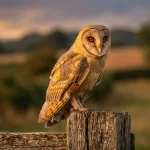
- Barn Owl: This distinctive owl, characterized by its heart-shaped face and silent flight, is another potential predator. Barn Owls primarily hunt small mammals, such as mice and voles, but are opportunistic enough to take down small birds, including chickens, particularly if they are weak or isolated. They prefer to hunt in open areas, favoring fields and farmlands where chickens might roam freely.
- Screech Owl: Smaller than the previous two species, Screech Owls tend to target smaller birds and mammals. While they might not steal adult chickens, they can still pose a threat to chicks or smaller breeds, especially if the coop is not adequately secured. Their adaptability to urban and rural settings means they could be lurking closer than you think.
Behavioral Insights into Owl Hunting
Owls employ various hunting strategies, often relying on stealth and patience. They generally prefer to hunt at dusk or dawn, capitalizing on their keen senses to make the most of low light conditions. This hunting behavior means that chickens, primarily active during the day, can be particularly vulnerable if they are not safely housed during high-risk times.
Understanding these species and their hunting habits is the first step in protecting your flock. By recognizing the likelihood of specific owls in your area and knowing their prey preferences, you can tailor your protective measures-whether it’s constructing a secure coop with solid materials or ensuring that your birds are safely indoors during the evening hours when owls are on the prowl.
Recognizing Signs of Owl Activity Near Your Flock

Owls are stealthy predators that often go unnoticed until it’s too late for your flock. Recognizing the signs of owl activity can mean the difference between a safe chicken run and a devastating loss. One of the most telling indicators of an owl’s presence is the distinct sound of their hooting, particularly at dusk or dawn when they are most active. If you hear a series of deep, resonant calls echoing through your yard, it’s time to be on high alert. Additionally, the sudden absence of nighttime noises, with eerie silence falling over the hens, can also suggest that an owl is nearby.
Look for physical signs in your coop and surroundings. Feathers scattered on the ground, particularly those from larger birds, can indicate predation. If you find feathers outside the coop or in unusual clumps, it’s crucial to investigate promptly. Scrapes or scratches around the grounds of your chicken area may point towards owl activity as they hunt.
Another sign is the presence of droppings; owl excrement often contains remnants of their meals, such as small bones or fur, which can help identify them as a threat to your flock. Check beneath trees or ledges where they might perch to spot these signs. Furthermore, if you notice a sudden drop in egg production or your chickens exhibiting signs of stress, such as excessive squawking or hiding, it may be that an owl or other predator has been stalking them, causing distress.
By being vigilant for these signs, you can take preemptive measures to protect your chickens, ensuring they remain safe from one of nature’s silent hunters. Implementing effective strategies early on will safeguard your flock and maintain a peaceful, thriving environment.
Effective Strategies for Protecting Chickens from Owls
To protect your flock from the stealthy threat of owls, creating a secure and mindful environment is essential. Owls are proficient hunters, and as they often prey on small animals, it’s crucial to implement strategies that minimize their opportunities to prey on your chickens. One of the simplest yet most effective measures is to ensure that your chicken coop is fortified against aerial attacks. Use sturdy wire mesh rather than chicken wire, as this will help prevent owls from swooping in and grabbing unsuspecting birds.
Building a Secure Coop
A well-constructed coop is your first line of defense. Ensure that:
- The roof is covered with hardware cloth or solid roofing materials to prevent entry from above.
- Windows and ventilation openings are covered with fine mesh to keep owls out while still allowing airflow.
- Doors are securely latched and closed at night, when owls are most active.
By reinforcing the coop’s physical barriers, you make it significantly harder for owls to breach your defenses.
Environmental Modifications
Consider altering the environment around your coop to deter owls. Owls are ambush predators that prefer areas where they can perch and watch for prey. Here are some modifications that can help:
- Trim Overhanging Branches: Keep trees and large shrubs trimmed back several feet from the coop to eliminate potential perches.
- Eliminate Attractants: Don’t leave food scraps or uneaten feed outside that could attract smaller animals, which in turn attract owls.
- Add Visual Deterrents: Hanging reflective objects, like old CDs or metallic streamers, can help scare off owls that rely on their eyesight.
Flock Management Practices
In addition to physical measures, consider how you manage your flock’s daily routines:
- Free-Range Supervision: If you allow your chickens to roam freely during the day, make sure to supervise them. Always call them back to the coop before dusk.
- Introduce Guard Animals: Some farmers find success in keeping guard dogs or even certain bird species, like geese, which can help deter raptors.
By training your eye for any signs of owl activity and adapting these strategies, you can create a protective environment that keeps your chickens safe from potential predation.
Ultimately, combining these strategies can greatly increase your flock’s safety. The goal is to create both a secure physical space and a conscious management plan that deters owls from viewing your chickens as easy prey. With vigilance and proactive measures, you can enjoy the joys of raising chickens without the shadow of owl predation looming over your coop.
Creating a Safe Chicken Coop Environment
Creating a sanctuary for your chickens is crucial, especially when it comes to defending them from the natural threats posed by wildlife, including owls. These magnificent birds of prey are stealthy hunters, often waiting patiently to swoop down on unsuspecting animals. It’s essential to design a coop that not only houses your flock but also protects them from these nocturnal predators. By implementing smart design choices and regular maintenance, you can significantly reduce the risk of owl attacks.
A well-built coop should be your foremost defense against owls. Consider using hardware cloth instead of traditional chicken wire, as this sturdier material offers a better barrier against aerial predators. Ensure that the roof of your coop is solid and covered-using plywood or metal roofing can prevent owls from gaining access from above. It’s also vital to secure windows and ventilation with fine mesh, allowing airflow without compromising safety. Remember to securely latch doors at night when owls are most active, creating an additional hurdle for any would-be attackers.
In addition to building a sturdy structure, it’s beneficial to modify the surrounding environment. Owl attacks thrive in areas that offer good perches and visibility. By trimming back overhanging branches and large shrubs, you remove potential vantage points from which owls can survey your flock. Keeping the area around your coop clean-by promptly removing food scraps and spilled feed-can also help deter small animals that might attract owls. Lastly, consider adding visual deterrents such as reflective streamers or old CDs; these can disorient owls and discourage them from approaching.
Incorporating these layered defenses into your chicken-keeping practices not only enhances the security of your flock but also fosters a proactive mindset. Regularly inspect your coop for any vulnerabilities, and adapt your strategies as needed to stay one step ahead of these skilled hunters. By dedicating time and thoughtful energy to creating a secure coop environment, you’ll cultivate a safer space for your chickens, allowing you to enjoy their company without the worry of owl predation.
Using Predator Deterrents: Best Practices
To safeguard your chickens from the predatory prowess of owls, employing effective deterrents is crucial. Owls are incredibly skilled hunters, but with the right strategies, you can outsmart these magnificent birds and keep your flock safe. A combination of environmental modifications, visual aids, and auditory deterrents can make your chicken coop less inviting to owls.
One of the most accessible and effective deterrent strategies involves adjusting the visual landscape around your coop. Installing reflective materials, such as old CDs or shiny aluminum foil strips, can create an unsettling environment for owls. The glint from these materials disturbs their vision, making it difficult for them to focus on their prey. Placing these items in areas where owls are likely to perch or attack can significantly reduce their interest in your chickens.
In addition to visual deterrents, consider introducing sound-based strategies. Devices that emit loud noises or even mimic the calls of predatory birds can discourage owls from approaching. You might set up a motion-activated whistle or use electronic bird scare devices, which activate at unexpected times, thus preventing owls from habituating to the sounds. Combining these auditory elements with the reflective materials creates a multi-sensory barrier that makes your chicken coop a less appealing target for nocturnal hunters.
Lastly, enhancing the physical barriers to your coop can also deter owl attacks. Using sturdy hardware cloth, as mentioned previously, provides significant protection against aerial attacks. You can take it a step further by ensuring the roof is not only secure but also fortified with spikes or other deterrents that prevent owls from landing. In a multifaceted approach, these deterrents work together, creating a safer haven for your beloved chickens without requiring constant vigilance on your part.
Behavioral Insights: When Are Owls Most Active?
Owls are fascinating predators with distinct hunting behaviors that can significantly impact your flock’s safety. Primarily nocturnal, these skilled hunters are most active during the twilight hours, specifically at dawn and dusk, which is when they venture out to hunt for prey. It’s essential for backyard poultry farmers to understand this behavior to maximize protective measures for their chickens, especially since many owls, such as the Great Horned Owl, have a penchant for taking poultry.
By recognizing the times when owls are on the hunt, you can adapt your chicken management practices accordingly. Here are some practical tips to consider:
- Nighttime Vigilance: Given that owls are primarily active after sunset, keep an eye on your coop during these hours. If you can, conduct a headcount and make sure that your chickens are securely locked away as night falls.
- Extended Daylight: Consider using night lights around your coop. These lights can create an unsettling environment for owls, making it less likely for them to approach.
- Secure Housing: Ensure your coop is fortified from dusk to dawn. Implementing locks, solid structure, and various barriers can keep your flock safe during the times when owls are most active.
Interestingly, some owl species have adapted to feed during the day if their natural prey is scarce at night; thus, staying alert during all hours-especially in areas where owls are prevalent-is crucial. Observing local owl activity can give you further insights; for instance, if you notice frequent hooting in the evening, it’s wise to ramp up security measures for your flock around those times.
Understanding these behavioral patterns empowers you to be proactive rather than reactive, ensuring that your chickens remain safe and sound, and free from the threats posed by these magnificent yet formidable hunters.
Evaluating the Risks: Is Your Flock Safe?
Evaluating the safety of your chickens in an area where owls are present is vital for ensuring their well-being and security. Owls, particularly the Great Horned Owl, have been known to pose a danger to poultry, making it essential for flock owners to assess the risks and take appropriate precautions. Understanding local owl populations and their hunting patterns can significantly impact how safe your flock truly is.
First, consider the specific species of owls in your area and their habits. For example, while many backyard farmers worry about predation, owls may not always target adult chickens. Often, they may be more inclined to hunt smaller birds or small rodents, so it’s crucial to evaluate your flock’s size and health. If your chickens are large and healthy, the likelihood of a successful owl attack diminishes; however, younger or smaller birds may be more vulnerable. Regularly monitoring your flock’s size can help you gauge potential threats.
Next, examine the physical setup of your chicken coop and surrounding environment. Secure housing is paramount-ensuring that your coop is sturdy, with proper locks and barriers, can significantly reduce the risk of owl attacks. You should also scout the area around your coop for any natural perches where owls might roost during the day. Identifying these spots enables you to create a more secure environment by trimming trees or moving feeders away from these locations.
Lastly, staying alert and being proactive in your flock management can make a world of difference. A simple routine of conducting evening headcounts and locking up your chickens tightly can go a long way. Using lights to deter predatory birds at night can also be effective, as owls prefer dark, secluded areas for hunting. Sharing experiences with other local poultry farmers can provide insights into successful strategies, making it easier to implement effective solutions for your own flock’s safety. By taking a comprehensive approach to evaluating and enhancing the safety of your chickens, you can ensure they remain safe from the enchanting yet formidable threat posed by owls.
Community Experiences: Sharing Protection Success Stories
Understanding how to protect our feathered friends from owl predation can often come down to the experiences of other chicken owners. Many have faced the threat of owls and successfully found solutions that not only keep their flocks safe but can also serve as inspiration for others. For instance, a backyard farmer in Oregon shared that after losing a few young hens to a Great Horned Owl, he decided to invest in a new coop design. By reinforcing the structure with hardware cloth instead of traditional chicken wire and elevating it off the ground, he significantly improved security against not just owls but other predators as well.
Another effective strategy comes from a flock owner in Northern California who utilizes lights around her coop. She found that motion-activated solar lights deterred owls at night. “Whenever the lights flicker on, the owls seem to scatter,” she explained, showcasing how simple technology can create a safer environment. By pairing these lights with regular evening headcounts and securing the coop well before dusk, she has kept her chickens safe for the past two years, proving that vigilance and smart planning go hand in hand.
Sharing knowledge among the poultry community is invaluable, and many flock owners emphasize the importance of local networks. Join local farmer groups or online forums where you can exchange ideas and experiences. For instance, one farmer learned that simply hanging shiny objects, like old CDs, around her coop not only adds aesthetic appeal but also disrupts the hunting patterns of local owls. Community solutions can often be innovative and tailored to the specific threats faced in your area.
Lastly, consider the power of cohabitation. In regions where owls are common, some flock owners have turned to guardian animals such as livestock guardian dogs. A farmer in Vermont shared, “Since we got our Maremma, we haven’t had a single owl scare during the night.” These anecdotal successes highlight the diverse and creative approaches to enhancing chicken coop safety. By weaving in these community experiences and strategies, we can cultivate a more informed and prepared flock-keeping community that stands resilient against the unique challenges posed by owls.
Understanding Local Owl Species and Their Habits
The world of owls is both fascinating and intimidating, especially for those who cherish the safety of their backyard chickens. With their exceptional night vision and silent flight, owls have developed into skilled predators, making them a concern for flock owners. In North America, several owl species are known to be a threat to chickens, notably the Great Horned Owl, Barred Owl, and Eastern Screech Owl. Each species possesses distinct habits and prey preferences that can help you identify potential dangers lurking near your coop.
Common Owl Species and Their Hunting Patterns
- Great Horned Owl: This imposing raptor is one of the most common owl species in North America. Recognizable by its tufted “horns” and striking yellow eyes, it often preys on small mammals and birds, including chickens. These owls are crepuscular or nocturnal, making them most active during twilight and nighttime. Their hunting strategy relies on stealth and surprise, which means they can swiftly catch a free-range chicken if given the chance.
- Barred Owl: With its distinctive hooting call and rounded body, the Barred Owl is another species to watch out for. Found primarily in forests and wooded areas, this owl hunts at dusk and dawn but can also be active during the night. Barred Owls tend to prefer larger prey, but they won’t hesitate to attack smaller birds like hens, particularly if food is scarce.
- Eastern Screech Owl: Small but fierce, the Eastern Screech Owl blends seamlessly into its surroundings thanks to its gray or reddish-brown plumage. These owls can be found in urban areas and rural farmlands alike. Although they primarily target insects and rodents, they are opportunistic feeders and may go after smaller chickens if the chance arises.
Behavioral Insights: When Are Owls Most Active?
Understanding the active hours of local owl species can significantly influence your protective strategies. Most owls are nocturnal, meaning they do their hunting under the cover of darkness. However, some species, like the Great Horned Owl, are known to hunt at twilight. Being aware of these patterns helps you to enforce safety measures just before dusk, which is crucial as your chickens settle in for the night.
To safeguard your flock, consider monitoring the local wildlife and paying attention to owl calls in your area. Many chicken owners find it beneficial to learn to identify these calls, as they can signal the presence of owls nearby. Keeping records of when owls are active in relation to your flock’s behavior can also help you create a strategy that better protects your chickens.
By comprehensively understanding the local owl species, their habits, and the timing of their activities, you can take more effective actions to safeguard your chickens. This awareness paves the way for tailored protection strategies that address the unique challenges posed by these magnificent yet formidable nocturnal hunters.
Monitoring and Responding to Owl Encounters
Being proactive in is essential for ensuring the safety of your chickens. Owls are stealthy hunters, and their presence might not always be apparent until it’s too late. One effective method to keep an eye on these raptors is to familiarize yourself with their calls. Each owl species has distinct vocalizations; for instance, the Great Horned Owl exhibits a deep “who-who” sound, while the Barred Owl has a rhythmic “who cooks for you?” This knowledge not only helps you recognize when owls are nearby but also can serve as an early warning system, alerting you to potential risks.
Establishing an evening routine to assess your flock’s safety is also beneficial. Before dusk, take a few minutes to watch your chickens settle into their coop. Make sure the doors are securely closed and that no birds remain outside. Observe your surroundings for any signs of owl activity, such as perching spots in nearby trees or sudden quietness in your yard, which may indicate that an owl is hunting.
If you do spot an owl nearby, remain calm. Owls generally prefer to hunt in silence rather than engage with humans. However, if you feel your flock is at immediate risk, consider scaring the owl away by making noise, such as clapping or using a whistle. In some cases, utilizing deterrents like reflective tape or predator decoys can discourage an owl from targeting your chickens, enabling you to protect your flock effectively while allowing these fascinating birds to continue their natural hunting behaviors elsewhere.
Maintaining vigilance in monitoring the areas surrounding your chicken coop and being responsive to owl encounters can significantly reduce the risks associated with having poultry near these nocturnal hunters. By combining awareness of owl calls with proactive coop checks and deterrent strategies, you’re creating a safer environment for your chickens while still appreciating the beauty of local wildlife.
Long-term Strategies for Flock Safety and Security
In the quest to protect your flock from potential threats like owls, it’s essential to adopt a comprehensive, long-term approach. Owls are natural predators, but with thoughtful strategies, you can significantly mitigate risks and keep your chickens safe. One foundational step is enhancing the security of your chicken coop. Ensure that your coop is constructed with sturdy materials and has no gaps or weak points through which an owl could enter. Chicken wire or hardware cloth is preferable over regular chicken wire because it provides better protection against larger raptors.
Another effective strategy involves creating an environment that is less appealing to owls. Keeping your yard tidy can discourage owl presence; remove tall grass, dense underbrush, and any debris that may serve as hiding spots for their prey, such as rodents. You can also consider landscaping with plants that provide less cover for owls, which helps to reduce their hunting efficiency near your chickens.
Adjunct to environmental management, using deterrents can play a significant role in long-term safety. Employ reflective surfaces, like aluminum foil strips or old CDs hung up around the coop, which can create visual disturbances that owls may find unsettling. Additionally, strategically placed predator decoys-like owl models-can confuse real owls into believing that the area is already claimed.
Creating a routine for monitoring both your chickens and the surrounding environment is crucial. I recommend establishing a nightly check-in before dusk when owls are most active. This not only allows you to secure your flock for the night but also gives you a chance to observe any suspicious activity or signs of owl presence, such as feathers or droppings.
Ultimately, fostering a community of local bird enthusiasts can be invaluable. Engage with fellow backyard farmers in your area to share experiences and tips on successful deterrents. Through collaboration, you can develop a network of knowledge that enhances your understanding of local wildlife behavior, improving your flock’s safety. These shared strategies and community support can make a significant difference in protecting your cherished birds from the threat of owls.
Faq
Q: Do owls eat chickens?
A: Yes, owls can eat chickens, especially young or smaller breeds. They hunt primarily at night, using their excellent vision and hearing to surprise unsuspecting birds. To protect your flock, ensure they have secure housing and are safely tucked away at dusk [[2]].
Q: What can I do to keep owls away from my chickens?
A: To deter owls from your chickens, consider implementing several protective measures: secure your coop with sturdy fencing, use motion sensor lights, and hang reflective materials. Additionally, using sound deterrents can disrupt their hunting patterns [[1]].
Q: How can I tell if an owl is nearby?
A: Signs that owls may be in your area include hearing their distinct calls at night and finding feathers or droppings around your coop. Look for signs of stress in your chickens, such as unusual vocalizations or disruptions during the night [[2]].
Q: When are owls most active in hunting?
A: Owls are typically most active during twilight hours-dusk and dawn. Being vigilant during these times can help you protect your flock by ensuring they are secured in their coop and monitored for safety [[2]].
Q: What owl species are most likely to prey on chickens?
A: Common owl species that may prey on chickens include the Great Horned Owl and the Barred Owl. These species are opportunistic hunters, and their size and hunting skills make them capable of taking down birds larger than themselves [[2]].
Q: How can I assess the risk of owl predation on my flock?
A: Evaluate the risk by observing backyard wildlife patterns, checking for evidence of owl activity, and assessing the size and vulnerability of your chickens. A thorough understanding of local owl species and their hunting behaviors can also help gauge potential threats [[2]].
Q: Are young chickens more at risk from owls?
A: Yes, young or small chickens are generally more at risk from owls than larger or adult birds. Their smaller size makes them easier targets for predation. It’s crucial to take extra precautions to protect younger chickens during the night [[3]].
Q: What should I do if I spot an owl near my chicken coop?
A: If you spot an owl near your coop, take immediate action by ensuring your chickens are safely secured indoors. You can also implement deterrents, such as noise-making devices or bright lights, to discourage the owl from returning. Regular monitoring can help you stay ahead of potential threats [[1]].
Insights and Conclusions
As we wrap up our exploration of whether owls eat chickens and how to protect your flock effectively, remember that awareness and preparedness are key to safeguarding your birds. Implementing strategies like secure housing and vigilant monitoring can significantly reduce the risks posed by local wildlife. Don’t wait until you see signs of a threat; take proactive steps today to protect your beloved chickens.
For more in-depth insights, check out our articles on Building a Chicken Coop for Maximum Safety and Identifying Common Predators, which can provide additional strategies for keeping your flock safe. If you have questions or experiences to share, we’d love to hear from you in the comments below! And don’t forget to subscribe to our newsletter for tips and updates straight to your inbox. Together, let’s create a safe environment for your chickens while enjoying the beauty of nature around us.
Get our latest guides, news, and insights highlighted in your Google Search & AI Overviews.