
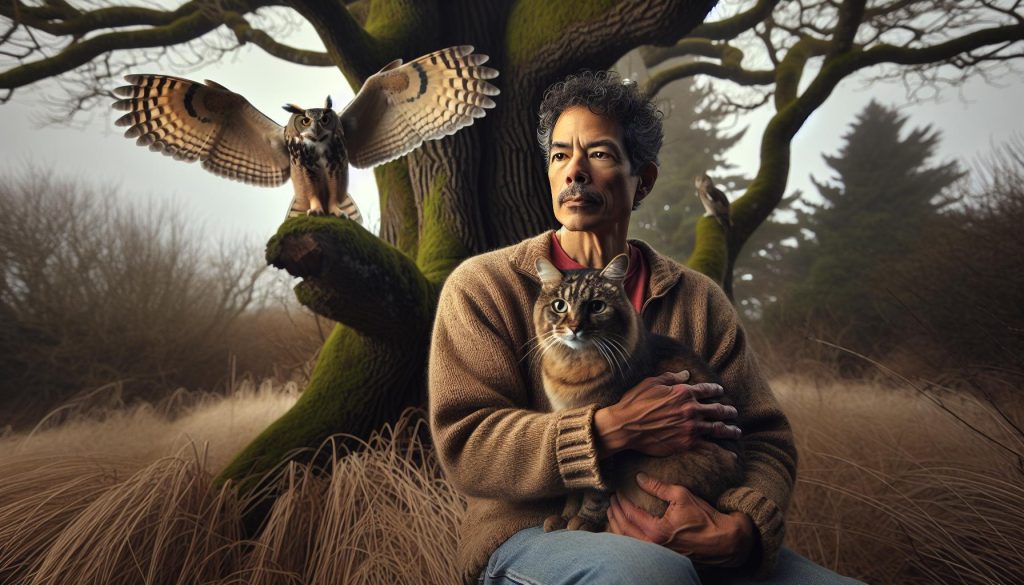
Did you know that owls are powerful nocturnal predators with the ability to detect even the slightest movements in darkness? While these majestic birds play a vital role in local ecosystems, they can also pose a concern for pet owners, especially those with small animals like cats. The question “Do owls eat cats?” isn’t just a topic of curiosity-it’s a real fear for many pet lovers. Understanding the behavior and habitat of owls can help you protect your furry friends from potential predation. In this article, we’ll dive into the realities of owl behavior, debunk myths, and provide practical tips on keeping your pets safe. Whether you’re a seasoned bird enthusiast or a concerned pet owner, arming yourself with knowledge is the first step in ensuring the safety of your beloved cat. Continue reading to uncover how to coexist with these fascinating creatures while safeguarding your pets.
Do Owls Eat Cats? Common Myths and Facts
While the idea of owls swooping down to snag a cat may sound like something from a dramatic wildlife documentary, the reality is more nuanced. Generally, owls do not consider cats a regular part of their diet. The majority of owl species primarily hunt small mammals, birds, insects, and in some contexts, reptiles. However, the size and behavior of certain owl species can lead to myths regarding their predation on domestic cats, especially smaller breeds or kittens.
The size of the owl plays a crucial role in its hunting potential. Some of the larger species, like the Great Horned Owl, possess the physical capability to capture small to medium-sized pets, including cats. Despite this, such occurrences are rarer than folklore might suggest. An owl’s diet is more significantly influenced by what’s available in its environment, which usually consists of easier-to-catch prey such as rodents. This means that while it’s plausible for an owl to target a cat, it is an uncommon practice, bolstered more by sensational stories than by frequent incidences.
Understanding owl behavior is key to dispelling these myths. Owls hunt primarily at night and prefer to ambush their prey from a perch high above. They are stealthy, relying on their exceptional hearing and vision in low light to locate prey, which includes observing movement in shrubbery or open spaces. The risk to cats typically arises when they are outside unsupervised, particularly during dusk or dawn when owls are most active. However, facilitating a safe outdoor environment for your cat can dramatically reduce these risks.
To further protect your feline friends, it’s essential to acknowledge that while owls are fascinating creatures, the bigger concern may lie with other local wildlife. Raccoons, coyotes, and even larger birds of prey can pose threats to pets. As such, educating pet owners on recognizing signs of wildlife in the vicinity and taking proactive steps-like keeping cats indoors at night or building enclosed outdoor spaces-becomes vital in fostering a safe and harmonious coexistence with nature.
Understanding Owl Behavior and Hunting Techniques

Owls are among the most skilled nocturnal hunters, employing fascinating adaptations that make them masterful predators. With specialized plumage that allows for silent flight, owls can approach their prey with minimal noise, leaving them largely undetected. The combination of their excellent night vision and acute hearing enables them to pinpoint the slightest movements of potential prey, whether it be a rodent scurrying through the underbrush or a bird resting in a tree.
These majestic birds primarily stalk their prey from a high perch, waiting patiently for the right moment to swoop down. Their keen eyesight enables them to detect movement even in low-light conditions, while their asymmetrical ear placement allows them to accurately gauge the distance and direction of sounds. This sophistication means that an owl can strike when least expected, making their hunting techniques incredibly effective against smaller mammals, birds, and insects rather than larger animals like cats.
Understanding these hunting behaviors is essential for pet owners concerned about outdoor safety. Owls tend to hunt during twilight hours and at night, which is when our pets are most active outdoors. To mitigate risks, owners should closely monitor their cats when they are outside during these hours. Creating a safe outdoor space can be as simple as providing a high catio where the pet can enjoy fresh air without the risk of predation. This not only keeps pets secure from owls but from other potential threats in the area.
Awareness of owl behavior can further inform safe practices for pet owners. While it is uncommon for owls to target cats, especially in areas where small mammals are abundant, taking proactive measures can greatly reduce any risk. Remember, a thoughtful approach to pet safety encourages harmonious coexistence with the local wildlife, allowing owl enthusiasts and cat lovers alike to appreciate these incredible creatures.
Identifying Common Owl Species Near You

The enchanting world of owls is filled with mystery and intrigue, and identifying the owl species that may inhabit your area can be an exciting way to engage with local wildlife. Owls vary greatly in size, appearance, and behavior, so understanding which species are common in your neighborhood can help you assess any potential threats to your pets, particularly cats. In this section, we’ll explore some of the most commonly spotted owls across different regions, aiding both casual birdwatchers and concerned pet owners.
Common Owl Species to Look For
- Great Horned Owl
One of North America’s most recognizable owls, the Great Horned Owl, is a formidable predator with tufted “horns” or ear tufts. These large owls can grow up to 25 inches in height and weigh up to 5.5 pounds, making them capable of hunting larger prey, including small pets. Their characteristic dark brown and white plumage allows them to blend seamlessly into their forested or urban environments. It’s wise to keep an eye out for their distinctive silhouette perched high in trees during the dusk and nighttime hours.
- Barn Owl
With its heart-shaped face and white underbelly, the Barn Owl is both beautiful and effective in its hunting abilities. They are slightly smaller than Great Horned Owls, standing about 12 to 24 inches tall. These owls are masters of silent flight, primarily hunting small mammals. While barn owls are less likely to pose a direct threat to larger pets, being aware of their presence helps maintain vigilance for smaller animals.
- Eastern Screech Owl
Smaller and often overlooked, Eastern Screech Owls stand about 6 to 10 inches tall, making them much less intimidating than larger species. However, they can still be a risk to kittens or smaller cats if they feel threatened or are cornered. Their varied coloration-gray, red, or brown-enables them to camouflage effectively within tree bark.
- Burrowing Owl
Unique among owls, Burrowing Owls live underground in abandoned burrows. Standing about 7 to 10 inches tall, they are small and can often be seen in open areas like grasslands or suburbs. Their quirky behavior and daytime activity can make them quite entertaining to observe but also puts small pets at risk if left unattended outside.
Tips for Identifying Owls
To enhance your birdwatching experience and properly identify these species, consider the following tips:
- Listen for Calls: Each owl species has unique vocalizations. The Great Horned Owl emits a deep hoot, while the Eastern Screech Owl sounds like a trilling whistle. Familiarizing yourself with these calls can alert you to their presence even if you can’t see them.
- Observe Behavior: Owls are often solitary and can be surprisingly still. Look for motionless figures in trees or know the times when they are most active (dusk and dawn) for the best viewing chances.
- Check Local Guides: Many resources provide illustrated guides specific to your area, aiding in distinguishing between species based on their shapes, colors, and habitats.
By becoming well-acquainted with these fascinating raptors and their unique traits, you can better understand the potential risks they pose to outdoor cats and how to mitigate them effectively. Always prioritize your pet’s safety by monitoring their outdoor activities, especially during twilight hours when these stealthy hunters are on the prowl.
Signs of Owl Presence in Your Neighborhood
Detecting the presence of owls in your neighborhood can be both thrilling and essential for the safety of your outdoor pets, particularly cats. Owls are primarily nocturnal creatures, so their signs may be more subtle and less obvious than those of other wildlife. However, becoming familiar with specific indicators can enhance your awareness and help you protect your furry companions.
Start by listening for their calls during the evening hours. Different species of owls emit distinctive sounds, which can range from the deep hoots of a Great Horned Owl to the trilling whistles of an Eastern Screech Owl. If your area is home to owls, their calls can be a common backdrop during dusk. Additionally, look for visual cues; owls are often seen perched silently on sturdy branches, blending in with the surroundings. Their size and characteristic ear tufts can help you identify them from a distance.
Another telltale sign of an owl’s presence is the accumulation of feathers, particularly in small clusters. Owls tend to roost in the same locations, and the remnants of their meals may be found below their perches. Additionally, owl pellets-regurgitated remnants of undigested bones, fur, and feathers-can often be spotted beneath their favorite roosting spots. These findings not only confirm their presence but also reveal information about the local prey species they hunt.
Lastly, be vigilant during twilight hours when owls are most active. Observing the behavior of local wildlife can also provide hints: if you notice a decrease in the typical sounds or sights of small animals, it could indicate increased predation pressure from owls. By recognizing these signs of owl activity, you can better assess the risk to your pets, ensuring their safety while simultaneously enjoying the awe of these magnificent creatures.
How to Protect Your Cat from Predators
When it comes to protecting your cat from potential predators, including owls, understanding your cat’s behavior and the environment is crucial. Cats are curious creatures that love to roam, but giving them the freedom to do so can expose them to risks. Fortunately, there are several effective strategies to keep your feline friend safe from both avian and terrestrial threats.
One practical approach is to create a secure outdoor space for your cat. Consider constructing a catio, a fully enclosed outdoor structure that allows your cat to experience nature without the dangers of roaming freely. Catios can be simple window boxes or elaborate playgrounds with ramps, perches, and toys. This way, your cat can enjoy fresh air and the sights and sounds of the outdoors while staying safely contained.
Additionally, supervising outdoor time can make a significant difference. If your cat enjoys going outside, take the time to accompany them. This not only allows you to monitor their surroundings but also lets you quickly intervene if any predatory activity occurs. During dusk and dawn-peak hunting times for many predators, including owls-it’s best to keep your cat indoors. Encourage indoor play with engaging toys to keep your cat stimulated when they’re not outside.
Moreover, keep in mind that environmental landscaping can also deter potential predators. Keeping bushes and dense shrubbery trimmed can reduce hiding spots for owls and other hunting animals. You might also consider using motion-sensor lights or noise deterrents in your yard to discourage nighttime visitors. These proactive measures can help make your garden less appealing to unwanted wildlife and create a safer environment for your cat.
In summary, by creating a safe outdoor experience, supervising your cat, and managing your yard effectively, you can significantly reduce the risk of your pet encountering predators. Taking these steps not only protects your furry friend but also enhances their quality of life, allowing them to enjoy the outdoors in a secure way.
Creating a Safe Outdoor Space for Your Pet
Creating a safe outdoor environment for your cat can turn your backyard into a sanctuary where they can explore without the lurking dangers of predators, such as owls. Did you know that owls have incredible vision and silent flight, making them skilled hunters at dawn and dusk? Understanding this can motivate you to implement secure measures for your pet.
One effective method is to build a catio-an enclosed outdoor space that allows your feline friend to enjoy the sights and sounds of nature while remaining protected. Catios can be as simple as a small window box or as elaborate as a multi-level structure filled with climbing trees, scratching posts, and toys. With this setup, your cat can bask in the sunlight and observe the outside world without the risk of encounters with owls or other predators.
Supervising outdoor time is another crucial strategy. If your cat enjoys being outside, accompany them during their explorations. This not only enables you to monitor any potential threats but also allows you to intervene quickly if needed. Remember that peak hunting times for owls coincide with early mornings and late evenings, so keeping your cat indoors during these hours is wise. Encourage indoor play with engaging toys that mimic prey-like movements to satisfy their hunting instincts without exposing them to danger.
To further enhance safety, consider your landscaping. Trim back dense bushes and shrubs that could serve as hiding spots for predators. Installing motion-sensor lights can deter nighttime visitors, while noise deterrents may also help keep unwanted wildlife at bay. These small changes can significantly reduce the likelihood of owl encounters in your yard, providing a more secure haven for your beloved pet. By combining these strategies, you ensure your cat can relish their outdoor experience while you enjoy peace of mind knowing they are protected from potential threats.
Recognizing Threats: Other Predators to Beware
While owls are often discussed as potential threats to outdoor pets, pet owners should also be aware of other predators that could pose risks. Not only do you need to consider the stealthy owl swooping down in the twilight, but a plethora of creatures, both avian and terrestrial, may fancy your cat as a target. Understanding these predators and their behaviors is crucial in maintaining a safe outdoor environment for your pet.
Among the birds of prey, hawks and eagles are notable adversaries, particularly for smaller pets. These birds have keen eyesight and exceptional hunting skills, making them adept at spotting and catching their prey from great distances. In addition, certain snakes, depending on your region, might also pose a danger, especially if they are venomous or large enough to constrict small animals. Ground-dwelling predators such as coyotes and foxes are another critical concern, as they are not only opportunistic hunters but can also encroach upon residential areas in search of easy prey.
To help safeguard your cat from these diverse threats, it’s vital to employ a combination of strategies. Consider implementing secure fencing or an enclosed outdoor space, like a catio, to prevent potential incursions from wildlife. Surveillance is key – maintaining a regular check of your yard can help you spot signs of predator activity, such as tracks or scat. If you observe frequent visits from these predators, it might be time to reconsider your outdoor strategy, possibly limiting your cat’s free-roaming time to when predators are less active, usually during the day.
Finally, investing in motion-activated lights or deterrents can further enhance your home’s defenses. By creating an environment where your cat can safely explore, free from threats, you’ll ensure their happiness and your peace of mind. Consider engaging with local wildlife experts for additional insights tailored to your area; they might provide valuable tips specific to the predators prevalent in your region.
When to Be Concerned About Predator Activity
While many pet owners enjoy watching the remarkable flight of owls, it’s essential to recognize that the peaceful stillness of the night can conceal potential threats to your beloved cat. Understanding is crucial for safeguarding your furry friend. During specific times and under certain conditions, the risk of an owl-or other predators-targeting your pet increases significantly.
One of the primary signs that predator activity is afoot is the presence of an increased number of birds of prey in your area, particularly during twilight and nighttime hours. Owls, for instance, are most active at dusk and dawn, so if you notice consistent calls or sightings nearby, it might indicate that their hunting ground overlaps with your cat’s wandering territory. Additionally, changes in the natural environment, such as the demolition of forested areas or seasonal alterations that affect prey availability, can push these predators closer to urban and suburban areas in search of food.
It’s crucial to observe behavioral changes in your cat as well. If your outdoor explorer appears more skittish or is reluctant to venture out, these may be signs of heightened predator presence. Regularly inspecting your surroundings for evidence like owl pellets, feathers, or tracks can provide insights into recent visits by these wildlife actors. If multiple signs suggest more than usual predator activity, it’s wise to be proactive.
Furthermore, keep an eye on the time of year. During nesting season, larger owls may be especially protective of their young, leading them to hunt more aggressively and venture closer to human habitation. Always ensure that your cat is supervised during high-risk times, and consider bringing them indoors as dusk approaches. Taking these precautions not only helps protect your pet but also fosters a harmonious relationship with the natural world surrounding you.
Monitoring Your Cat’s Safety During the Night
Monitoring your cat during the night is crucial, especially considering the potential threats posed by owls and other nocturnal predators. Cats are often seen as delicate creatures, but their night-time habits can put them at risk when they venture outside. Studies have shown that owls, particularly larger species like the great horned owl, can indeed prey on small animals including cats, especially if they are left unattended during twilight hours when these predators are most active.
To keep your cat safe, it’s essential to remain vigilant during the evening. Here are some helpful strategies:
- Supervise Outdoor Time: If you allow your cat outside, consider supervising their time outdoors, particularly as dusk approaches. This is when owl activity increases, making it a high-risk time for small pets.
- Create a Routine: Establish a routine for bringing your cat in for the night around sunset. Familiar cues or signals can help them understand it’s time to come inside.
- Use Physical Barriers: Installing cat enclosures or using a leash can keep your feline safe while they still enjoy the outdoors. These barriers can help deter larger predators.
- Foster Awareness: Pay attention to your surroundings. If you frequently hear owls or see increased bird activity, it may indicate that your cat should remain indoors.
Additionally, behavioral shifts in cats can signal increased stress from nearby predators. If your cat exhibits signs of anxiety, such as hiding or avoidance behaviors during certain hours, it may be wise to keep them indoors more consistently. Not only does monitoring your cat’s behavior help ensure their safety, but it also strengthens your bond, as they learn to appreciate the security of their home at night.
Involving children in discussions about nighttime safety can also be beneficial. Educate them on recognizing signs of predators and the importance of keeping pets secure. Engaging kids promotes a greater understanding of wildlife interactions and encourages a respectful cohabitation with nature.
By implementing proactive measures and staying informed about local owl behavior and hunting patterns, you can significantly reduce the risks to your beloved cat during the night.
Owl Conservation: Balancing Nature and Domestic Life
In a world where urban expansion encroaches on natural habitats, caring for owls while also ensuring the safety of our beloved pets can seem challenging. Owls play a vital role in their ecosystems as predators, helping to maintain a balance by controlling rodent populations. However, the potential threat to smaller pets like cats raises important questions about conservation efforts. Striking a balance between protecting these majestic birds and ensuring the safety of our domestic animals requires awareness and proactive measures.
One effective way to support owl conservation is by fostering healthy environments that cater to their needs while keeping pets safe. This can include planting native vegetation that attracts natural prey for owls, like rodents, which helps to ensure these birds remain in their preferred hunting grounds, away from pets. You can also collaborate with local wildlife organizations that focus on owl habitats, educating community members about the importance of preserving these environments. Such initiatives promote biodiversity and ensure that owls can thrive without invading residential spaces.
When it comes to integrating owls into our domestic lives, consider implementing safe outdoor enclosures or “catios” that allow cats to enjoy the outdoors without exposing them to potential predators. These structures provide a secure area for your pet while still offering a space to observe the resplendent beauty of nature. To further enhance this experience, consider installing bird feeders or owl boxes in your yard. This not only invites owls closer for observation but also helps in their conservation by providing nesting sites.
Community education plays a crucial role in mitigating conflicts between owls and pets. Organizing workshops that teach pet owners about local wildlife, including the habits and ecological significance of owls, can promote coexistence. By understanding when owls are most active and their preferred hunting behaviors, pet owners can take specific actions to protect their cats, such as keeping them indoors during peak owl activity hours.
Ultimately, by being informed and proactive, we can create a harmonious environment that respects both wildlife and our pets. Engaging in thoughtful practices not only secures the well-being of our domestic companions but also champions the conservation of owls and their habitats, leading to a richer, more biodiverse world.
Educating Kids About Predators and Pet Safety
Understanding the natural world can be both fascinating and crucial for the safety of our pets. Educating children about predators, including owls, can foster respect for wildlife while promoting responsible pet ownership. Did you know that an owl’s wings are specially adapted for silent flight, allowing them to hunt without being heard? This incredible skill highlights the importance of teaching kids how to observe nature safely, without putting their pets at risk.
Start by discussing the role of predators in the ecosystem. Explain how owls help control populations of rodents and pests, which benefits everyone, including pet owners. Use engaging visuals, such as pictures or videos of owls in their natural habitats, to spark interest. Children can enjoy learning about owl species and their behaviors, like how they hunt during the night and the signs that indicate an owl might be nearby. Sharing these facts can create a connection to nature and help demystify these beautiful birds.
To ensure a safe environment for pets, involve kids in practical activities. Create a list together of safety tips they can follow, such as:
- Keeping their cats indoors during the evening when owls are most active.
- Building “catios” or safe outdoor spaces where cats can enjoy fresh air without encountering predators.
- Encouraging them to observe local wildlife from a distance, fostering respect for both pets and wild animals.
Incorporating games or educational activities, like crafting bird feeders or identifying local owl species, can reinforce these lessons. Discussing how to recognize signs of owl presence-like distinct hooting sounds or feathered remains-will further enhance awareness while providing practical skills to monitor for potential threats.
Most importantly, encourage open discussions about the balance between enjoying wildlife and ensuring the safety of pets. This dialogue allows kids to express their thoughts and feelings about animals, fostering empathy and understanding. By engaging children in these conversations, we prepare them to coexist with nature thoughtfully and responsibly, ultimately benefiting them and the local wildlife, including owls.
Engaging with Local Wildlife: A Guide for Pet Owners
Engaging with local wildlife offers a wonderful opportunity for pet owners to foster understanding of nature while ensuring the safety of their furry friends. One intriguing fact about owls is that they are crucial players in our ecosystem, helping keep rodent populations in check. However, as much as these majestic birds enrich the environment, it is vital to consider their presence in relation to our pets.
To create a safe space for your cats, it’s essential to recognize the importance of habitat. Owls are typically nocturnal hunters, thriving in areas where they can find cover and nesting sites. With this in mind, keeping cats indoors during peak owl activity-usually at dawn and dusk-can significantly reduce their risk of encountering these predators. An excellent way to allow your cat to enjoy the outdoors safely is by building a “catio”-a secure outdoor enclosure where they can bask in the sun while remaining protected from aerial threats.
When engaging with local wildlife, it’s equally important to educate ourselves about the signs of owl presence in our neighborhoods. Listening for their distinctive hoots or observing feathers near trees can indicate that owls are nearby. It can be a thrilling experience for children and adults alike to observe these stunning birds from a distance. However, caution is paramount. Encourage children to watch wildlife with binoculars and ask them to share their sightings and experiences. This nurtures a sense of respect for both the owls and the pets they love.
Lastly, regular discussions about local wildlife and its impact on pets can empower pet owners. Sharing stories about personal experiences with neighborhood wildlife fosters awareness and encourages proactive measures, such as checking outdoor areas before allowing pets to roam. By blending an appreciation for the natural world with practical pet safety tips, families can coexist harmoniously with nature while protecting their beloved companions from potential threats.
Faq
Q: Do owls actually eat cats?
A: While owls can prey on small animals, including kittens or very small cats, it is not common for them to attack larger cats. Most domestic cats are generally safe, especially if they are not underweight. Proper supervision and creating a safe outdoor space can further protect your pet [1].
Q: How to protect my cat from owls and other predators?
A: To protect your cat, you can build a catio or enclosed outdoor area. Additionally, supervise outdoor time, especially during dusk when owls are most active, and consider hanging netting or using fences to deter larger birds of prey [3].
Q: What are signs that there are owls nearby?
A: Look for signs like hooting sounds, large white droppings, or feather remnants on the ground. You may also notice their characteristic large nests in tall trees. Regularly checking your area can help you identify owl activity before it poses a threat [2].
Q: When should I be concerned about my pet’s safety from owls?
A: You should be particularly cautious during nighttime when owls are hunting. If you notice increased owl activity in your area or your pet shows signs of anxiety or stress when outdoors, it may be time to restrict their outside time [2].
Q: Are there other predators I should watch out for besides owls?
A: Yes, besides owls, predators such as coyotes and bobcats can also pose risks to pets. It’s essential to be aware of these animals in your area and take protective measures accordingly [3].
Q: What should I do if I see an owl near my home?
A: If you see an owl near your home, observe its behavior. Keep your pets indoors or supervise them closely, particularly during dusk and dawn. If the owl seems to be hanging around, consider contacting local wildlife authorities for advice on managing the situation [1].
Q: Can I let my cat outside during the day if owls are present?
A: Yes, generally you can let your cat outside during the day. Owls are nocturnal hunters and are less active during daylight. However, always supervise outdoor time and remain vigilant about other potential predators [1].
Q: How do I know if my cat is safe while outside?
A: Monitor your cat’s behavior; if they seem anxious or constantly looking for cover, it may indicate they sense a threat. Regular checks and creating a secure outdoor area will enhance their safety while enjoying fresh air [3].
To Wrap It Up
As we wrap up our discussion on whether owls eat cats and how to keep your furry friends safe from potential predators, it’s crucial to stay informed and proactive. Remember, securing your pet’s environment and understanding local wildlife can significantly reduce any risk. If you’re concerned about threats to your pets, check out our articles on “Creating a Safe Outdoor Space for Cats” and “Understanding Local Predators: A Guide for Pet Owners” for practical tips and deeper insights.
Don’t forget to subscribe to our newsletter for more expert advice on pet safety and wildlife interactions, or explore our consultations to better understand how to protect your beloved pets. Your insights and experiences matter to us; feel free to share your thoughts in the comments section below! Together, let’s ensure our pets thrive safely in their environments. Explore more today and keep your pets safe!
Get our latest guides, news, and insights highlighted in your Google Search & AI Overviews.










