

Did you know that owls are among the most efficient nocturnal predators, capable of taking down prey much larger than themselves? As their population thrives in diverse environments, the question of what these fascinating birds eat becomes increasingly significant. Understanding an owl’s diet not only sheds light on its role in the ecosystem but also inspires bird enthusiasts-whether novice or seasoned-to appreciate their behavior and conservation. In this exploration of “Do Owls Eat Birds? Nocturnal Predator Diet,” we’ll delve into the intricacies of owl feeding habits, including their prey choices, hunting techniques, and the ecological implications of their diets. Prepare to uncover the mysteries of these silent hunters and learn why their dietary preferences matter for biodiversity and ecosystem balance. Your journey into the world of owls starts here!
Do Owls Eat Birds? Understanding Their Diet Choices
Although often associated with hunting small mammals, owls are indeed formidable avian predators and incorporate a variety of birds into their diet. The specific bird species that make up their meals can vary greatly depending on the owl species, geographical location, and seasonal availability. For instance, larger owls like Great Horned Owls are known for preying on birds such as waterfowl and even raptors, while smaller species like the Eastern Screech Owl may target songbirds and nestlings.
Birds on the Menu
Owls are opportunistic hunters and will adapt their diet based on what is readily available in their environment. Some common bird species that are known to fall prey to owls include:
- Songbirds: Small, colorful birds such as sparrows and warblers often become targets, especially when nesting.
- Waterfowl: Larger owls may hunt ducks and other waterbirds, especially in areas near ponds or lakes.
- Other Raptors: Powerful owls like the Great Horned Owl are known to prey upon smaller raptors, highlighting the owl’s position at the top of the food chain.
Hunting Strategies
Owls utilize their unparalleled night vision and silent flight to stalk their prey effectively. This stealth is crucial when approaching small and often wary birds, which might be alerted even by slight noises. By blending into their surroundings and relying on keen auditory sensing, owls can pinpoint the exact location of birds during nocturnal hunts.
In summary, while the common portrayal of owls often emphasizes their predation on rodents, it’s crucial to remember that birds are an essential part of their diet. Understanding these dynamics not only enhances our appreciation for these remarkable predators but also sheds light on the ecological balances present in their habitats.
What Do Owls Typically Eat? A Comprehensive Overview
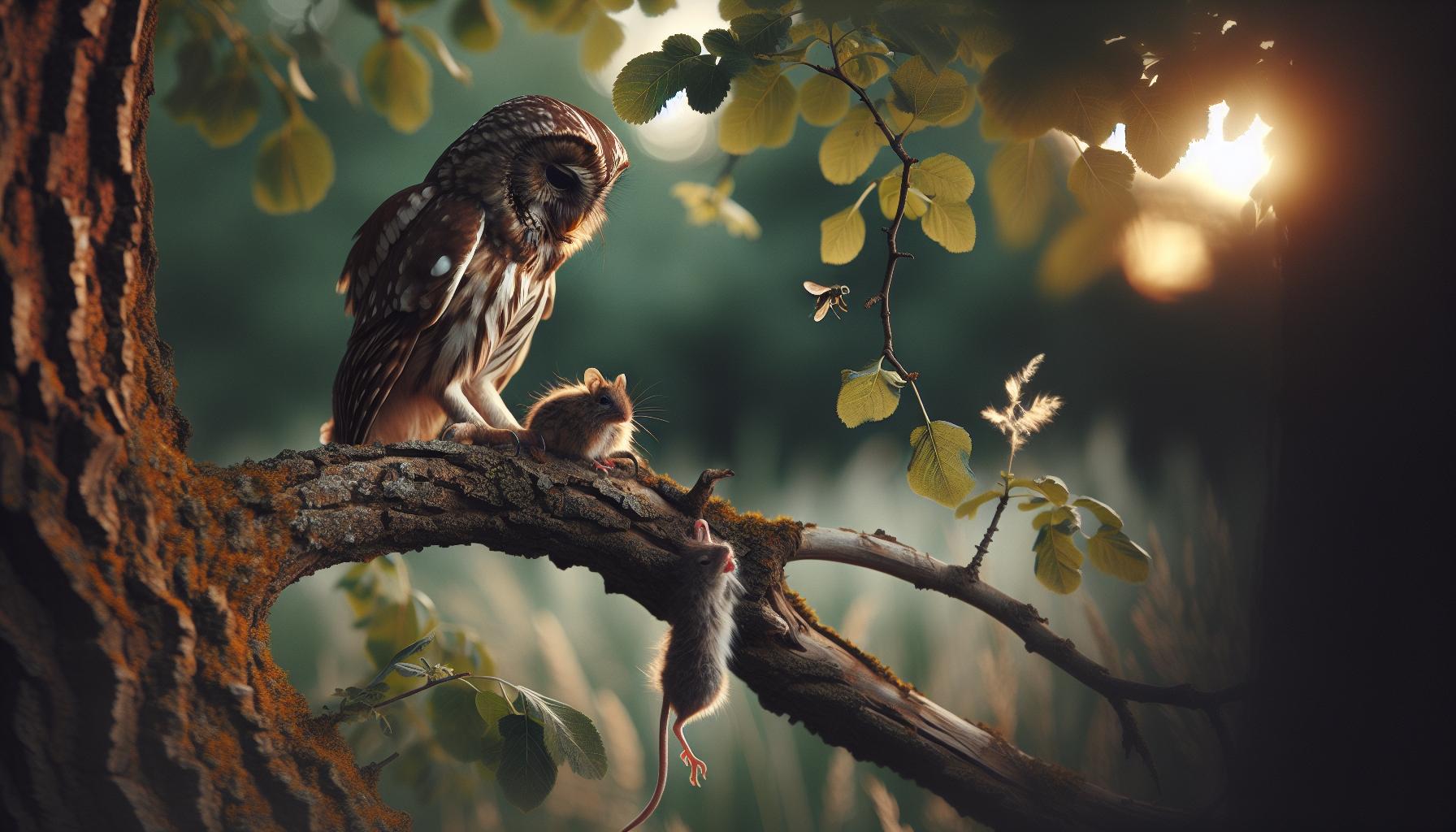
Owls, those fascinating nocturnal predators, boast a diverse and adaptable diet that reflects their skilled hunting capabilities. While they’re widely recognized for their penchant for rodents, the reality is that owls are opportunistic, taking advantage of the available food sources in their environment. This means that birds often find themselves on the menu, showcasing the versatility of these majestic hunters. For example, larger species like the Great Horned Owl can tackle everything from ducks to other raptors, demonstrating their position at the top of the food chain. Meanwhile, smaller owls such as the Eastern Screech Owl might choose to prey on songbirds and nestlings, illustrating how dietary preferences can vary not only by size but also by habitat.
To appreciate the owl’s feeding habits fully, it is essential to recognize how much their diet depends on specific circumstances. For instance, in various regions, their prey can shift dramatically based on availability. In areas flush with small mammals, you may find owls primarily taking those; however, when bird species are plentiful, owls will quickly pivot to incorporate them into their diet. Owls’ remarkable adaptability plays a significant role in their survival, allowing them to thrive in diverse ecosystems while maintaining their status as formidable predators.
The role of habitat in influencing an owl’s diet cannot be overstated. Owls residing near water bodies will seize opportunities to hunt aquatic birds, while those in woodland settings might focus on tree-dwelling species. By understanding these dietary preferences, bird watchers can enhance their observation experiences and perhaps catch a glimpse of an owl in action. Whether you’re an experienced birder or just stepping into the world of avian appreciation, recognizing the variety in owl diets opens up a richer understanding of their role in the ecosystem and the delicate balance of predator and prey relationships.
Common Prey: Which Birds Are on the Menu?

When night falls, the world transforms for owls, revealing a realm where they reign supreme as hunters, including many species of birds that become their prey. Owls exhibit remarkable adaptability in their diets, with some species specialized in preying on specific types of birds. For avid bird watchers and nature enthusiasts, understanding the common avian meals on an owl’s menu can deepen appreciation for these nocturnal predators and the ecosystems they inhabit.
Bird Types on the Menu
While owls can take a variety of prey, some common bird species tend to fall victim to their sharp talons and acute senses. Larger owls, such as the Great Horned Owl, are formidable hunters and are known to take on bigger birds, including ducks, jays, and even the occasional raptor like ospreys and other owls. In contrast, smaller owls like the Eastern Screech Owl target more diminutive species. They may hunt songbirds, nestlings, and various small birds that thrive in woodlands and suburban gardens.
Additionally, barn owls often play a vital role in controlling populations of pest birds. Their diet can consist of small birds found in agricultural regions, helping maintain balance within those ecosystems. Other prey includes ground-nesting birds like meadowlarks or sparrows, which become vulnerable when they are on territory or during nesting seasons. Observing owls hunt can provide a unique glimpse into the avian food chain and the intricate relationship between predator and prey.
Hunting Techniques
Owls have evolved several adaptations that make them adept at catching birds. Their exceptional night vision allows them to detect movement in low light, while their silent flight enables them to swoop down on unsuspecting prey with stealth. Some species, like the Great Horned Owl, utilize a method called “perch hunting,” where they remain stationary until a potential meal comes into view. Experienced birders might notice that these hunting strategies vary across species, influenced by their size and habitat.
Engaging with the behaviors of both owls and their avian prey enriches a birdwatching experience. Recognizing the time of day and seasonal patterns can enhance the likelihood of spotting an owl in action. Not only does watching these nocturnal hunters provide excitement, but it also deepens the understanding of how they interact with their environment, ensuring their critical role within the food chain remains intact.
By observing their feast on unsuspecting birds, we gain insight into the fascinating intricacies of wildlife and the endless cycle of life that sustains it. Whether it’s the thrill of a hunt or the serene beauty of their gliding flight, owls and their feathered prey remind us of nature’s delicate balance.
The Role of Habitat in Owl Diets

The habitat in which an owl resides plays a critical role in shaping its diet. Owls are highly adaptable creatures that thrive in diverse environments ranging from dense forests to open grasslands and even urban settings. The availability of various prey types, particularly birds, directly correlates with the characteristics of the owl’s habitat. For example, woodland owls like the Eastern Screech Owl often capitalize on the abundance of songbirds found in tree canopies and shrubs, while owls inhabiting open fields, such as Barn Owls, may focus on hunting small birds that frequent agricultural lands.
The ecological balance of a habitat influences not only the variety of birds available but also their population densities. In areas where food sources like rodents or insects are plentiful, these species might also attract birds, thereby creating a richer hunting ground for owls. Furthermore, the structural complexity of habitats affects how effectively owls can hunt. Dense forest environments may provide excellent cover for stealthy approaches but could also hinder visibility. Conversely, open areas may allow for better sight lines, permitting owls to use their exceptional night vision to locate birds from a distance.
Additionally, seasonal changes within a habitat can dramatically influence an owl’s dietary choices. For instance, as migratory birds arrive or depart during different times of the year, local owl populations adjust their hunting strategies accordingly. In colder months, during periods of scarcity, owls may expand their diet to include non-avian prey, ensuring survival in less favorable conditions. Understanding these dynamics can enhance a birdwatcher’s experience, as recognizing how environmental factors impact owl behavior leads to more successful sightings.
By paying attention to habitat features-like vegetation types, prey availability, and seasonal changes-both beginner and experienced birders can deepen their appreciation for owls and their ecological roles. This knowledge not only enriches birdwatching pursuits but also fosters a sense of responsibility toward preserving these habitats, essential for the owls’ continued survival and their intricate relationships within the ecosystem.
Behavioral Adaptations: Hunting Techniques of Owls
Owls are fascinating nocturnal hunters, equipped with a suite of adaptations that enhance their ability to locate, track, and capture prey under the cloak of darkness. One of the most remarkable features of owls is their exceptional hearing. Unlike many birds, owls have asymmetrical ear openings, which allow them to pinpoint the direction and distance of sounds with incredible accuracy. This ability is crucial for detecting the subtle movements of potential prey, such as small rodents or birds, which they can hear rustling in the underbrush even while perched high in a tree.
Another striking adaptation is their silent flight. Owls possess specialized feathers with soft, fringed edges, which suppress the noise normally associated with wing beats. This adaptation allows them to glide through the air almost soundlessly, giving them the element of surprise as they approach unsuspecting prey. When stalking birds, for example, a Great Horned Owl may position itself on a branch, waiting patiently in silence until the moment is right to swoop down with stunning speed and precision.
Lastly, the visual prowess of owls is remarkable. Their large, forward-facing eyes provide binocular vision, allowing for improved depth perception-an essential trait for hunting in the dark. Although their vision is optimized for low-light conditions, owls can use their keen sight to detect movement and make quick calculations about distance. For birdwatchers and enthusiasts, observing an owl hunt is a thrilling experience, showcasing the exquisite interplay of sound, stealth, and sight in one of nature’s most skilled predators.
In summary, the combination of acute hearing, silent flight, and superior night vision equips owls to be effective hunters of various prey, including birds. Their unique hunting techniques make them fascinating subjects for study and admiration in the natural world. Whether you’re a seasoned birder or a curious newcomer, understanding these adaptations enhances your appreciation of these majestic creatures and the delicate balance of their habitats.
Seasonal Diet Changes: How Food Availability Affects Owls
As the seasons change, so too do the dietary habits of owls, showcasing their remarkable adaptability as nocturnal predators. Owls are opportunistic feeders, and their diets can shift significantly based on the availability of prey throughout the year. For instance, during the spring and summer months, when small mammals and birds are abundant, owls may focus on these prey items. In contrast, during the colder months of fall and winter, when food sources become scarcer, owls might expand their diets to include a wider variety of creatures, such as insects or carrion.
Prey Availability and Behavior
The fluctuation in prey populations can be influenced by various ecological factors, including breeding cycles, weather conditions, and habitat changes. For example, the abundance of rodents-like mice and voles-often peaks during certain times of the year, particularly after a mild winter that allows for greater reproduction rates. This increase can lead to a hunting bonanza for owls, who will capitalize on the plentiful food source. Conversely, during harsh winters, when snow covers the ground and prey is less accessible, owls may have to range farther from their nesting sites or adopt different hunting techniques to locate food.
Adaptive Feeding Strategies
Owls exhibit various hunting strategies based on the time of year and their prey choices. In winter, some species, like the Barn Owl, may become more reliant on small mammals that are less affected by cold conditions, while others may focus on larger species like rabbits that become more visible as vegetation recedes. This adaptability not only highlights the resourcefulness of owls but also illustrates their vital role in the ecosystem as they help control the populations of various prey species.
As seasons shift, it’s fascinating to observe how these birds modify their behavior. Many owls, including the Great Horned Owl, become more active during twilight hours when small mammals venture out, making them prime targets. Watching this behavior can provide extraordinary insights into the life of owls, demonstrating the delicate balance they maintain with their environment.
Ultimately, the seasonal changes in prey availability play a crucial role in shaping owl diets. Understanding these shifts is essential for conservation efforts and for anyone interested in the natural world. Being aware of the seasonal dynamics can enhance your birdwatching experience and deepen your appreciation for how these skilled hunters thrive in varying conditions.
Owl Species and Their Unique Eating Habits
Owls are remarkable predators, known for their silent flight and extraordinary hunting skills, but did you know that different owl species have unique eating habits that reflect their adaptations to diverse environments? While many people imagine owls swooping down on small mammals, a variety of owls will also take birds as part of their diet, making them versatile hunters capable of exploiting a range of food sources.
For instance, the Great Horned Owl is one of the most adaptable owl species, possessing a broad diet that can include small mammals, but also birds such as pigeons and even ducks. This species is known for its power and size, allowing it to tackle reasonably large prey. Another fascinating example is the Barn Owl, which primarily hunts mice and other small rodents but will opportunistically prey on small birds, particularly when food supplies are low. Their unique facial disks help them pinpoint sounds in total darkness, giving them an edge in hunting.
Species Variation in Diet
The dietary preferences of owls vary significantly among species, often dictated by their regional habitat and prey availability. For example:
- Eastern Screech Owl: This small owl favors a diet rich in insects and will take birds when it can catch them, particularly during the breeding season when food needs increase.
- Barred Owl: Known for its distinctive hoot, the Barred Owl enjoys a diet heavy on small mammals but will also hunt birds, leveraging its excellent camouflage and ability to swoop stealthily in wooded areas.
- Snowy Owl: Adapted to harsh Arctic environments, Snowy Owls primarily hunt lemmings but will consume a variety of prey, including birds, especially during seasons when small mammal numbers decline.
These adaptations are not only fascinating but reveal how different owl species navigate their habitats, utilizing their physical traits and hunting techniques to secure food.
Hunting Techniques and Behavior
Owls employ various hunting techniques to capture their prey, profoundly affecting their diets. Many owls, such as the Barn Owl and Great Horned Owl, utilize a method called “perch hunting,” where they watch from a high location to spot potential prey. Others might engage in more active hunting, chasing after birds in flight if they have the agility or size, such as the powerful Ural Owl or the larger Eurasian Eagle-Owl.
Understanding the unique dietary habits of different owl species not only enhances your appreciation for these incredible birds but also underscores their role in maintaining ecological balance. Observing owls in their natural settings can offer insights into these dynamic interactions with their environment and prey, inviting enthusiasts, birdwatchers, and conservationists alike to deepen their commitment to owl preservation and habitat protection.
Misconceptions About Owls: Myths vs. Facts
The allure of owls captivates many, leading to an array of myths surrounding these nocturnal hunters. One prevalent misconception is that owls exclusively hunt small mammals, neglecting their significant role as avian predators. In truth, various owl species actively hunt birds as part of their diet. For instance, the Great Horned Owl is well-known not only for its hunting prowess against rodents but also for preying on birds like quail and even larger species, such as ducks, when the opportunity arises. This flexibility in diet allows them to thrive in diverse ecosystems.
Another common myth involves the idea that all owls are solitary hunters. While it’s true that many species prefer solitude during their hunts, social dynamics can vary significantly. For example, the European Barn Owl tends to roost alone, but you might find groups of Eastern Screech Owls sharing a feeding area, especially when food is abundant. Understanding these behavioral nuances not only enhances appreciation for owls but also reflects their adaptability in the wild.
Furthermore, many believe that owls are strictly nocturnal and do not hunt during the day. While it’s accurate that most species are primarily active at night, several, like the Burrowing Owl, are crepuscular or even diurnal, engaging in hunting activities during daylight. This adaptability to different light conditions demonstrates their versatility and resourcefulness.
Recognizing these myths is crucial for those interested in birdwatching or owl conservation. By understanding the actual dietary habits and behaviors of owls, enthusiasts can better appreciate their role in the ecosystem and contribute to efforts aimed at preserving their habitats and ensuring their survival in the wild. These facts not only nurture our fascination with these remarkable hunters but also highlight the need for ongoing education and awareness about their ecological importance.
The Importance of Birds in the Owl’s Diet
Birds play a crucial role in the diets of many owl species, showcasing the dynamic nature of these nocturnal hunters. Just as owls have adapted to various habitats and prey availability, their hunting prowess extends to avian targets that comprise a significant portion of their diet. For instance, the Great Horned Owl, often dubbed the “tiger of the night,” is notorious for its versatility and can tackle a wide array of prey, including sparrows, quail, and even larger birds like ducks, highlighting their adaptability and opportunistic hunting strategies.
Owls’ hunting techniques reflect their efficiency in capturing birds. With specialized adaptations like silent flight enabled by their unique feather structure, owls can approach their feathered prey stealthily. They utilize excellent night vision and acute hearing to locate birds hidden in foliage or even concealed by darkness. This stealth strategy is particularly effective for species like the Barn Owl, which often hunts in open fields, targeting small birds while gliding silently through the night.
Understanding the impact of seasonal changes is also essential. During breeding seasons or migratory times, certain bird species may be more vulnerable, prompting owls to adjust their diets accordingly. For example, a surge in small bird populations during spring can lead to increased hunting activity among owls, demonstrating a direct relationship between resource availability and dietary preferences. This adaptability not only ensures the survival of owls across varying conditions, but it also makes them a vital part of the ecosystem, helping to control bird populations.
Moreover, the presence of birds in an owl‘s diet can indicate the health of their habitat. Healthy bird populations often suggest a balanced ecosystem, free from pollutants or overdevelopment. As conservationists stress the importance of preserving natural habitats, understanding owls’ reliance on avian prey underscores the interconnectedness of species and the significance of maintaining biodiversity for the survival of both owls and their feathered prey.
By recognizing these complexities in prey dynamics, birdwatchers and wildlife enthusiasts can gain a deeper appreciation for owls and their ecological roles, fostering a commitment to habitat conservation essential for the well-being of these magnificent nocturnal predators.
Impact of Human Activity on Owl Feeding Patterns
Human activities considerably shape the feeding patterns of owls, influencing their prey availability and thereby their dietary choices. As urbanization spreads and natural habitats are altered or destroyed, the food sources necessary for these nocturnal predators can become scarce. Habitat destruction not only decreases the abundance of prey-like small mammals and birds-but also disrupts the delicate ecosystems that support them. For instance, agricultural practices, such as monoculture farming, can eliminate the diverse range of habitats and prey species that owls rely on, compelling these birds to adapt their hunting strategies or risk starvation.
Pesticides, often used in conventional farming, further complicate this dynamic. These chemicals can contaminate the food chain, harming the very organisms that owls consume. For example, when owls feed on rodents that have eaten pesticide-treated plants, they may ingest harmful substances that reduce their reproductive success or lead to mortality. It’s crucial for enthusiasts and conservationists alike to recognize this challenge. Supporting organic farming practices or advocating for integrated pest management can help mitigate these effects and protect owl populations.
Another significant factor is the increased presence of artificial light in urban areas, which not only affects the behavior of the prey species but also can disturb the owls themselves. Many owl species rely heavily on darkness to hunt effectively; the bright lights of urban settings can confuse nocturnal behaviors, leading to diminished hunting success. This transition to less favorable hunting grounds or shifts in prey selection can result in nutritional deficiencies for owls in impacted areas.
To counteract these impacts, raising awareness about habitat conservation is essential. By actively participating in local conservation efforts or supporting organizations dedicated to preserving natural habitats, individuals can play an important role in maintaining the biodiversity that owls need to thrive. As birdwatchers and nature lovers, understanding these human influences not only enriches our appreciation for owls but also empowers us to take actionable steps towards fostering healthier ecosystems where these magnificent hunters can continue to flourish.
Protecting Owls: How to Preserve Their Natural Habitat
Conserving the habitats of these magnificent nocturnal predators is not just a noble pursuit; it’s essential for maintaining the ecosystems that support their diverse diets. With more than 200 species of owls around the world, each with unique dietary preferences, their survival largely hinges on the availability of prey in healthy habitats. Thus, safeguarding their natural environments ensures that owls can hunt effectively and thrive.
Supporting local conservation efforts is a practical way for individuals to contribute to owl preservation. Whether by joining local wildlife organizations or participating in habitat restoration projects, every action counts. Advocating for sustainable agricultural practices can also have a profound impact. By promoting organic farming and reducing pesticide use, we can protect the small mammals, birds, and insects that form the cornerstone of owls’ diets. This not only helps the owls but also fosters biodiversity within the ecosystem.
Another vital aspect of habitat preservation involves combating light pollution. The presence of bright artificial lights can confuse nocturnal hunters and disrupt their natural behaviors. As such, communities can invest in better lighting solutions that minimize disruption to wildlife. For instance, installing motion sensors or using shielded lighting can significantly reduce light spill and help maintain the darkness that owls depend on for hunting.
Lastly, creating educational campaigns that raise awareness about the importance of owls and their habitats can mobilize community support. Sharing knowledge about the critical role owls play in controlling rodent populations and maintaining ecological balance enhances appreciation for these remarkable creatures. Education generates a greater understanding of how individual actions-like reducing waste, conserving water, and protecting local wildlife-have a ripple effect on preserving the habitats that owls call home. Together, we can ensure that future generations inherit a world where owls continue to grace our skies.
Q&A
Q: Do all owls eat birds?
A: Not all owl species primarily eat birds; their diet varies. While many owls do consume birds, others focus on small mammals, insects, or amphibians. Species like the Great Horned Owl and Barn Owl are known for hunting birds, while others may favor rodents or insects, reflecting their ecological niche.
Q: What types of birds do owls typically prey on?
A: Owls often hunt small to medium-sized birds, including songbirds, shorebirds, and game birds. The exact species depends on the owl’s habitat and size; for example, Barn Owls frequently target rodents, while larger owls like the Great Horned Owl may take down ducks and other birds.
Q: How do owls hunt birds at night?
A: Owls use a combination of keen hearing and excellent night vision to locate birds in low light. Their silent flight, thanks to specialized wing feathers, allows them to approach prey stealthily. They often perch quietly, listening for the sounds of their prey before swooping down.
Q: How does habitat affect an owl’s diet?
A: Habitat plays a crucial role in determining an owl’s diet. Owls in forested areas may hunt small mammals and birds, while those in open fields often prey on rodents. Urban environments can lead to varied diets that include human-associated species.
Q: Are there seasonal changes in what owls eat?
A: Yes, owls may adjust their diets with the seasons based on food availability. For instance, during winter, prey like small mammals may be abundant, while during spring and summer, birds and insects might be more prevalent, influencing their hunting behaviors.
Q: How do human activities impact owl diets?
A: Human activities, such as urban development and agriculture, can alter owl habitats and reduce the availability of natural prey. This may force owls to adapt their diets or hunt in suboptimal areas, impacting their health and survival rates.
Q: Why are some owls considered specialist feeders?
A: Some owls, like the Barred Owl, are considered specialist feeders because they have a preference for specific prey, such as amphibians or particular bird species. This specialization can make them vulnerable to changes in prey populations or habitat conditions.
Q: What are common misconceptions about owls and their eating habits?
A: A common misconception is that owls only eat small mammals. In reality, many owl species include a variety of prey in their diet, including insects and birds. Understanding their dietary diversity is essential for conservation efforts and habitat preservation.
In Conclusion
As we’ve discovered, owls are fascinating nocturnal predators with a diverse diet that may include small mammals and birds alike. Understanding their dietary habits not only deepens our appreciation for these remarkable creatures but also highlights the delicate balance of ecosystems they inhabit. If you’re eager to learn more about what owls eat and the role they play in nature, check out our article on the secret diet of owls and how they adapt their hunting strategies based on the time of day.
Don’t forget to explore our related guides on owl species identification and tips for attracting owls to your backyard! Join our community by signing up for our newsletter to receive the latest insights and updates on wildlife. Your journey into the world of birds doesn’t have to end here; dive deeper and leave a comment below to share your thoughts, experiences, or questions. Let’s keep the conversation going about the incredible lives of owls and their fascinating diets!
Get our latest guides, news, and insights highlighted in your Google Search & AI Overviews.










