Did you know that not all owls are strictly nocturnal? While many associate these captivating birds with the night, some species exhibit diurnal behavior, venturing out during the day. Understanding whether owls come out during daylight hours can greatly enhance your birdwatching experience and deepen your appreciation for these remarkable creatures. In this article, we’ll explore the fascinating world of diurnal owls, shedding light on their behaviors, habitats, and how they adapt to a daylight lifestyle. Whether you’re an avid birdwatcher or simply curious about nature, knowing when and why owls might be active during the day adds an exciting dimension to your outdoor adventures. So, let’s dive in and discover the intriguing patterns of these extraordinary birds!
Do Owls Sleep During the Day? The Science of Their Sleep Patterns
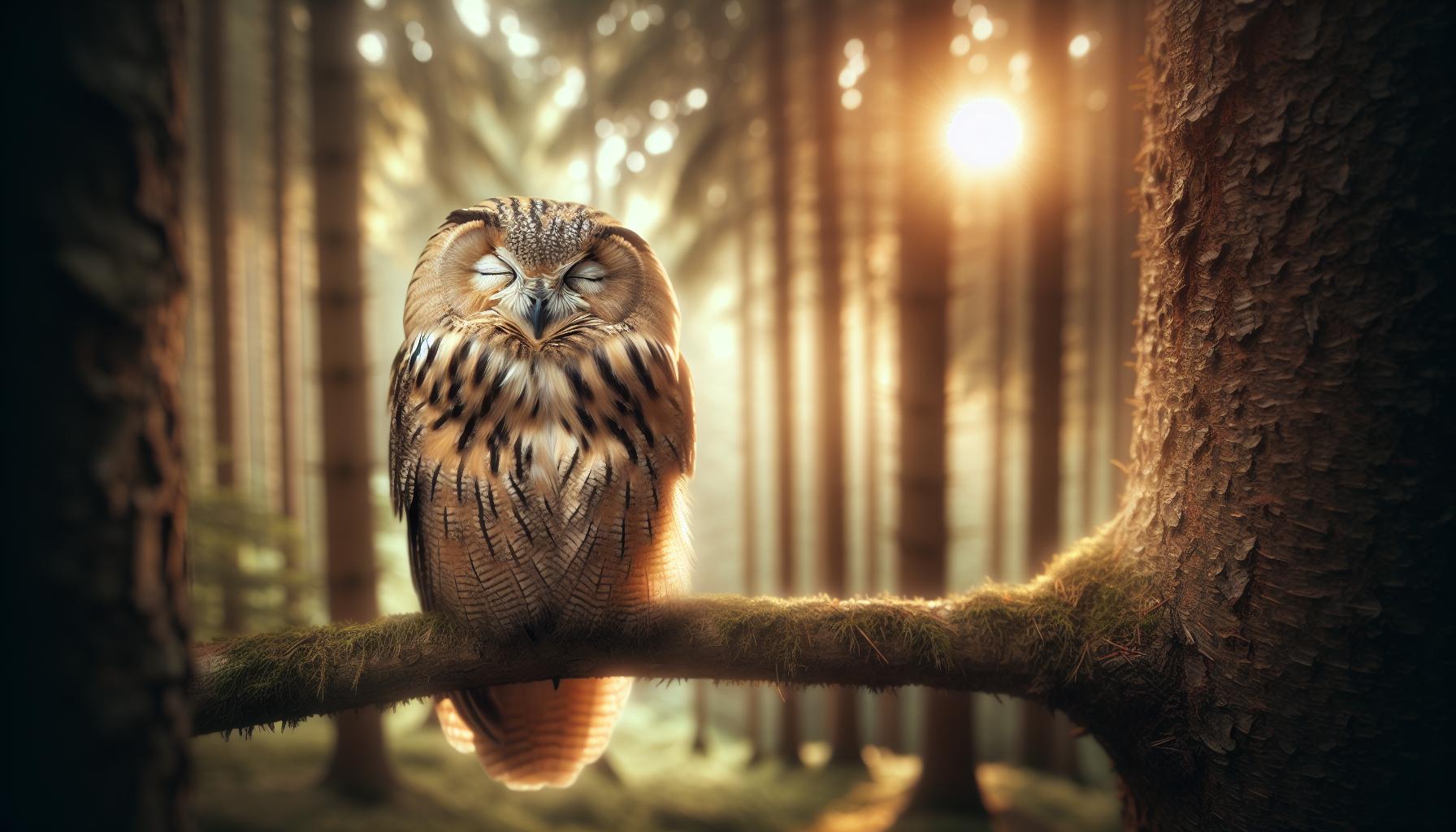
Owls are often described as the enigmatic sentinels of the night, but there’s much more to their sleeping habits than meets the eye. Contrary to common perception, owls do indeed sleep during the day. Most species exhibit a nocturnal lifestyle, meaning they are primarily active at night. During the daylight hours, they seek refuge in tree hollows, dense foliage, or other sheltered areas, where they can rest and blend into their surroundings. This behavioral adaptation not only conceals them from potential predators but also allows them to conserve energy before their nighttime activities.
Owls possess unique physiological traits that support their nocturnal lifestyle. Their large eyes, specifically adapted for low-light conditions, enable them to see well in the dark, while their exceptional hearing helps them locate prey even in complete darkness. However, during the day, these adaptations are not in use, leading owls to enter a state of rest. This sleep pattern plays a crucial role in their survival; it helps them recharge and maintain the high levels of energy required for hunting precise movements and quick reactions at night.
Interestingly, the sleep patterns of owls can vary by species. Some owls, like the Eastern Screech Owl, may be more tolerant of daytime disturbances and can adapt to hunting during twilight hours. Others may exhibit a deeper sleep during the day, proving more susceptible to being disturbed. Observing these variations can enhance our understanding of how different owls cope with their environments while highlighting the importance of preserving their natural habitats to support their unique behavioral needs.
In caring for owls, whether in the wild or as part of rehabilitation, it’s crucial to respect their natural rhythms. Avoid exposing them to bright daylight during their resting periods, and ensure that any rehabilitation conditions mimic their natural habitat to support their day sleeping habits. Understanding these elements is vital not just for their well-being but also enriches our interactions with these remarkable birds.
Understanding Diurnal Behavior in Owls

Many people are surprised to learn that not all owls strictly adhere to a nighttime routine. While the majority of owl species are indeed nocturnal, a fascinating group of owls exhibits diurnal behavior, taking advantage of daylight for hunting and other activities. Observing these owls can be an incredible experience for birdwatchers and nature enthusiasts alike, as their unusual habits challenge the commonly held perception of these mysterious birds.
Among the species that display diurnal tendencies is the Burrowing Owl. This remarkable owl can often be seen out and about during the day, particularly in open areas such as grasslands and deserts. They have adapted to a lifestyle that incorporates both diurnal and nocturnal behaviors, allowing them to take advantage of various prey, including insects and small mammals, that are active when the sun is up. Great Horned Owls, another well-known species, might also engage in daytime activity, especially if food is scarce or if they are caring for their young.
To maximize your chances of spotting these daytime owls, consider these practical tips:
- Timing and Location: Early morning and late afternoon are ideal times for observing diurnal owls. Focus on open habitats or areas near dense vegetation where they might hunt.
- Tools for Observation: Bring a good pair of binoculars. Owls can often be perched high in trees or on posts, so visibility from a distance is crucial.
- Quiet Approach: These sensitive creatures can be easily startled. Move slowly and quietly to avoid disturbing them. If you’re observing a nest, keep a respectful distance to reduce stress on the adult birds.
Recognizing diurnal behavior in owls opens up a different perspective on their ecology. It highlights the adaptability of these birds and their resilience in various environments. Such understanding also underscores the importance of protecting their habitats, allowing future generations of birdwatchers to explore the rich diversity of owl behaviors.
The Myths and Facts About Owls in Daylight
While many people envision owls as shadowy figures of the night, the reality is that several species are frequently seen during daylight hours, challenging the common myths surrounding these enigmatic birds. One prevalent misconception is that all owls are strictly nocturnal and shun the sun entirely. In fact, birds like the Burrowing Owl and the Great Horned Owl often engage in activity during the day, especially when food is limited or when nurturing their young. This unique behavior raises questions about their adaptability and the ecological niches they occupy.
Owls, particularly those showing diurnal behavior, exhibit specific adaptations that facilitate their daytime activities. For instance, their excellent vision allows them to spot prey even in bright light, while their feather structure helps to mask their presence from potential predators and prey alike. Understanding these adaptations helps clarify why some owls can thrive while foraging in daylight and also provides insight into their ecological strategies. The Burrowing Owl, known for its ground-nesting habits, is a prime example of how certain behaviors can overlap with both diurnal and nocturnal patterns, allowing it to maximize its chances of survival.
Moreover, the cultural perceptions of owls as purely nighttime hunters can obscure appreciation for their nuanced behaviors and roles in ecosystems. In various cultures, owls symbolize wisdom, mystery, and otherworldly knowledge, lending a romanticized view of them as secretive and ethereal creatures lurking in the shadows. Yet, those who venture out during the day might be rewarded with sights of these magnificent birds displaying their foraging skills, engaging in social interactions, or caring for their young.
By broadening the scope of our understanding to include day-active owls, we can enhance our birdwatching experiences and become advocates for these remarkable creatures’ conservation. Educating ourselves and others about the existence and behaviors of diurnal owls enriches our appreciation for avian diversity and underscores the importance of their habitats in sustaining these captivating birds for generations to come.
Species of Owls: Who’s Active When?
While many associate owls exclusively with twilight and night, the fascinating world of owls reveals a diversity of activity patterns across species. Understanding who is active when can enhance our appreciation for these birds and improve our chances of spotting them. Contrary to popular belief, not all owls adhere strictly to a nocturnal lifestyle. For example, the Burrowing Owl is a unique species that may often be seen during the day, particularly in areas where it hunts for small rodents or when it is protecting its nest. Their adaptability allows them to thrive when food demands compel them to be active in daylight.
Notable Diurnal Species
Some species have adapted well to diurnal activity for a variety of reasons, such as food availability or environmental conditions. Here are a few notable examples:
- Burrowing Owl (Athene cunicularia): Preferring open grasslands, these owls often hunt during the day, especially during breeding season, when they need to forage intensively to feed their young.
- Great Horned Owl (Bubo virginianus): While primarily nocturnal, in some regions, they can be spotted during the day when they are hunting, or when their young are learning to fly.
- Eastern Screech Owl (Megascops asio): This adaptable owl can be seen active around dawn and dusk, sometimes venturing out into daylight, particularly in urban settings.
These examples showcase how owl activity can vary greatly by species and even individual behavior.
Factors Affecting Activity Levels
Several factors influence whether owls will be active during the day or night. Environmental conditions, such as temperature or the presence of prey, can push certain species to alter their typical patterns. For instance, during a harsh winter season, when food is scarce, even nocturnal owls, like the Barn Owl (Tyto alba), may be forced to hunt in daylight to survive. Additional influences can include:
- Predation: Young owls may display diurnal tendencies to protect their nests from potential predators that are active at night.
- Habitat: Urban owls may adapt to human activity patterns, leading them to be more visible during the day.
Understanding these dynamics not only enriches your birdwatching experience but also promotes effective conservation efforts aimed at protecting these magnificent creatures throughout their varied activity cycles. Observing and documenting owl behaviors at different times of the day can provide valuable insights into their ecological roles and needs, further emphasizing the importance of habitat preservation.
How to Spot Owls in the Daytime
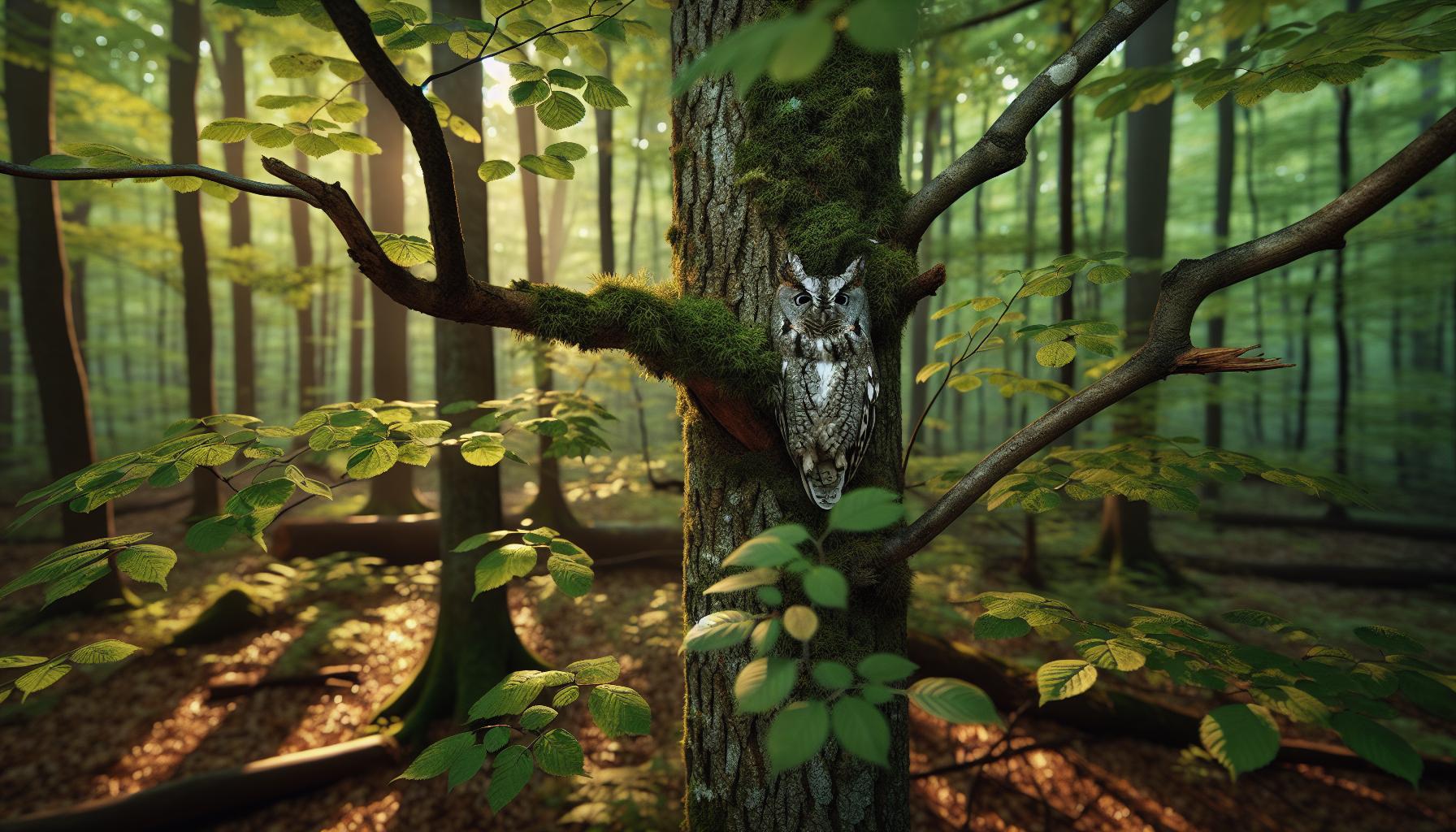
Spotting owls during the day might seem daunting at first, given their nocturnal reputation, but identifying these magnificent creatures can be incredibly rewarding. Many species, such as the Burrowing Owl, adapt their activities based on environmental conditions and prey availability, making them visible in daylight. If you’re eager to catch a glimpse of owls during their less-than-expected hunting hours, here are some practical tips.
To increase your chances, familiarize yourself with the behavior patterns of various owl species that might be active during the day. The Burrowing Owl can often be found in open fields or grasslands, perched on low structures or even on the ground. They are particularly visible during breeding seasons when they hunt for food for their young. The Great Horned Owl, though primarily nocturnal, can sometimes be spotted in well-timbered areas during the day, especially if their young are nesting nearby. Keep an eye out for their distinctive tufts and large size. Similarly, the Eastern Screech Owl might surprise you with its adaptability, occasionally venturing out around dawn or dusk, especially in urban environments where it can find ample food sources.
When looking for these daytime owls, consider the habitat they prefer. Open areas, edges of woodlands, and urban parks can all be ideal spots. Scanning these environments quietly, perhaps with binoculars or a camera, can help you pick out owls blending into the landscape. Pay close attention to the trees and structures; their feathers can often mimic the colors of bark or foliage. Moreover, listening for vocalizations can be a significant advantage, as their calls might give away their location even if they are hidden from view.
Lastly, observing weather patterns can also enhance your owl-spotting experience. Cloudy days might push some owls to emerge earlier or later in search of food. If you notice a drop in temperatures or adverse weather conditions, owls may be compelled to adjust their schedules, presenting more opportunities for daytime encounters. Always remember to respect their space; if you find an owl, try to appreciate it from a distance, ensuring that any interaction is safe for both you and the majestic bird you’re observing.
What Factors Influence Owl Activity Levels?

Owls are fascinating creatures, finely tuned to their environments, and several factors significantly influence their activity levels. Among these, the availability of prey is paramount. Owls, being opportunistic hunters, will adjust their hunting times based on when their primary food sources, such as rodents and insects, are most active. For instance, in areas where small mammals are abundant during the day, owls like the Burrowing Owl may extend their hunting hours into daylight to maximize their food intake.
Another crucial factor is seasonal changes. As temperatures fluctuate with the seasons, so too do the behaviors of both owls and their prey. During late spring and summer, when longer daylight hours occur, some species may adapt by becoming more active during the day, especially those nesting and tending to their young. For example, the Eastern Screech Owl might venture out at dusk in urban settings, where availability of food remains consistent due to human activities.
Environmental circumstances such as weather patterns can also lead to variations in owl activity. Overcast days can prompt some owls to hunt during hours when they typically would remain dormant, as cloud cover can obscure sunlight and affect the visibility of predators and prey alike. Changes such as rain or cold fronts may alter their schedules significantly, pushing these birds to hunt more actively during less common hours.
Additionally, the presence of competing predators can influence owl behavior. In territories where larger birds of prey are abundant, smaller owls may retreat into safer, more concealed habitats to avoid competition. Conversely, during times when their primary competitors are less active or scarce, owls may take advantage of the lull to increase their hunting periods. Recognizing these underlying factors not only enhances the thrill of observing these creatures but allows both novice and seasoned birders to better predict and understand when to hit the fields for a chance to witness owls in action.
The Role of Habitat in Owl Behavior
The environment in which owls live plays a crucial role in their behavior, influencing everything from how they hunt to when they are active. Owls are generally considered nocturnal creatures, but the habitat they reside in can significantly modify their activity patterns. For example, species like the Burrowing Owl have adapted to open grasslands and prairies, where they can hunt during daylight hours, often seen prowling for insects and small mammals in the sunlit landscape. This adaptation illustrates how essential habitat availability and structure are to an owl’s daily and seasonal behaviors.
Another pivotal aspect of habitat is its availability of cover and nesting sites. Arboreal owls, such as the Eastern Screech Owl, benefit from wooded environments where they can blend seamlessly into the bark of trees during the day, keeping them safe from predators. These creatures will often emerge at dusk or in the early morning, coinciding with the peak activity times of their prey. Urban environments also play a role; owls that inhabit cities may alter their routines based on the artificial light from street lamps and buildings, becoming more active during hours when human activity lessens, thus taking advantage of the quieter surroundings.
Factors such as food source density and competition are also intricately tied to habitat. In regions where food is abundant, such as wetland areas filled with small mammals and amphibians, owls may adopt more flexible hunting schedules. Alternatively, in habitats where larger raptors dominate, smaller owl species might become increasingly secretive, venturing out only during less competitive times. Understanding these habitat-related behaviors equips birdwatchers with insights on where and when to observe these magnificent birds.
The importance of habitat extends beyond mere hunting grounds; it shapes how owls interact with their environment and other species. For enthusiasts looking to spot owls in the wild, knowing the types of habitats specific species prefer can significantly enhance their chances. By familiarizing oneself with the unique behaviors tied to different environments, birders can appreciate the intricate balance of nature and the survival strategies that these enigmatic birds employ.
The Impact of Weather on Owl Activity
Weather influences owl activity in profound and often fascinating ways. These adaptable creatures interpret environmental cues, modifying their behavior and routines accordingly. For instance, during rainy spells or storms, many owl species tend to be less active, opting to remain tucked away in their roosts until the weather stabilizes. This behavioral choice is not merely about comfort; it’s a strategic move to conserve energy and to avoid the dangers that wet conditions bring, such as increased difficulty in hunting due to diminished visibility and the reduced activity of prey.
Temperature and Owl Activity
Owls are known for their prowess in hunting, but extreme temperatures can impact their movement. In colder climates, frigid temperatures can drive owls to become more active during the warmer parts of the day, such as late afternoon, to maximize warmth and energy efficiency. Conversely, during milder weather, you might observe greater activity at dawn and dusk, aligning with the natural patterns of prey. This flexibility showcases their ability to adapt to thermal conditions, making them formidable hunters even in challenging climates.
Wind and Prey Dynamics
Wind also plays a critical role in owl behavior. High winds can disrupt the hunting patterns of both owls and their prey. For instance, some owls might exhibit caution during windy conditions as sound travels differently, complicating their ability to locate potential meals. In contrast, light winds can actually enhance their hunting effectiveness by carrying the sounds of rodents scurrying through grass, making them easier to pinpoint. Knowing these dynamics can greatly enhance your birdwatching experience since you can better predict when owls might be on the hunt.
Seasonal Changes and Migration
Weather patterns also interact with seasonal changes, affecting owl migration and breeding behaviors. For example, during spring when temperatures rise and food sources become more abundant, owls may display increased diurnal activity as they engage in courtship and nesting behaviors. This seasonal uptick creates a prime opportunity for birdwatchers to observe their remarkable courtship displays, which can often be witnessed even during daylight hours.
Paying attention to weather patterns can enrich your understanding of owl behavior, enabling you to become a more skilled observer. Whether you’re a novice or a seasoned birder, observing the subtle effects of weather on owl activity will deepen your appreciation for these enchanting creatures.
Comparative Analysis: Nocturnal vs. Diurnal Birds
Owls are fascinating creatures that often invoke curiosity about their behavior, especially regarding their activity patterns. While most owl species are nocturnal, there are notable exceptions, including some that defy this norm and exhibit diurnal behaviors. Understanding the differences between these two groups-nocturnal and diurnal birds-can enhance your birdwatching experience.
Nocturnal birds, like the majority of owls, are specially adapted to thrive under the cover of darkness. Their large eyes are equipped with a high number of rod cells, allowing them to detect faint light and see well in low-light conditions. This adaptation is advantageous for hunting at night when their primary prey, such as small mammals and rodents, are most active. These birds often rely on acute hearing and silent flight to hunt effectively without alerting their potential prey.
In contrast, diurnal birds such as hawks and some owl species, like the Burrowing Owl and the Spotted Owl, take to the skies during the daylight hours. These owls are adapted to the bright conditions of the day, often with different hunting techniques. Their vision may include a broader spectrum of colors, which can help them spot prey in the light. Additionally, their behaviors often adapt to the rhythms of day and night. For instance, during spring, when food is plentiful, some owls may become more active in the early morning and late afternoon, participating in courtship displays or hunting while taking advantage of the abundant light.
In the realm of birdwatching, there are practical considerations to keep in mind when trying to observe these avian phenomena. For enthusiasts aiming to spot nocturnal owls, the best time to venture out is at twilight or just after dark, when they’re most likely to emerge from their roosts. Conversely, if you’re interested in observing diurnal owls, early mornings or late afternoons are optimal. Familiarizing yourself with the specific habitats these birds prefer can also significantly increase your chances of a sighting. Creating a checklist of local species can provide clear goals during your outings.
By appreciating these differences, you can tailor your birdwatching strategies accordingly, leading to more rewarding encounters with these intriguing creatures.
Caring for Daytime-Active Owls: Tips and Tricks
To care for daytime-active owls successfully, it’s essential to understand their unique needs and behaviors, especially if you’re lucky enough to observe them in their active hours. Diurnal owls, such as the Burrowing Owl and the Spotted Owl, are exceptional not only for their hunting techniques but also for their habitat choices. These owls tend to favor open spaces and areas with ample visibility during the day, making them more accessible for birdwatching enthusiasts.
When it comes to feeding these daytime flyers, ensure that their diet mimics their natural intake. Depending on the species, they may thrive on a mix of insects, small mammals, and even fruits in some cases. Regularly provide fresh food in a setup that resembles their natural foraging environment, and be mindful of seasonal variations in their dietary needs. Ideally, offer food at consistent times; these routines help the owls adjust better to their daily cycles.
Temperature and weather can also impact owl activity. On particularly hot days, they might seek shelter in shade, making it harder to spot them. Create a comfortable, shaded area in your observation site to discourage disturbance by humans and guards against excessive heat. Furthermore, being aware of sudden weather changes can refine your trips-many owls increase their foraging efforts prior to a storm, which might be a prime time to observe them.
Lastly, it’s important to foster a respectful relationship with these creatures. If you’re engaging in birdwatching or photography, maintain a safe distance and use binoculars or a camera with zoom capabilities. This minimizes stress on the birds and preserves their natural behaviors. Understanding the cultural significance and myths surrounding owls can also enrich your experience. For instance, many cultures regard owls as symbols of wisdom or guardians of truth, thereby enhancing your appreciation of these magnificent birds while promoting responsible birdwatching practices.
Interactions Between Owls and Other Birds
The reveal a fascinating dynamic influenced by territory, hunting behavior, and even social structure. While owls are often associated with solitary habits, many species also exhibit surprising social interactions with other avian inhabitants of their environments. For instance, while hunting, diurnal owls such as the Burrowing Owl may find themselves in competition with various smaller birds, including sparrows and songbirds, that share their habitat. This can lead to unexpected shifts in behavior, as these smaller birds often employ alarm calls to warn of the owl’s presence, showcasing an intricate form of communication.
Predatory Dynamics
In the predatory hierarchy, owls occupy a unique niche. Their hunting prowess enables them to prey on a wide variety of birds, especially during twilight and nighttime, but their impact extends into daytime interactions as well. For example, hawks and other raptors can be aggressive and territorial, often displacing owls from their nesting sites. When rare encounters occur-like a Great Horned Owl taking down a smaller bird such as a gull-they encapsulate the harsh reality of avian life, where survival remains the ultimate goal. Observers can often witness these dramas unfolding, especially if they are attuned to the calls and behaviors of both owls and their avian neighbors.
Coexistence and Competition
Interestingly, some owls, like the Eastern Screech Owl, cohabitate with other birds without direct conflict by adapting their hunting times and prey selection. They often share residential areas with species like blue jays and woodpeckers, creating a coexistence that reduces direct competition and predation risk. Furthermore, owls may benefit from other birds’ foraging activities; for instance, when smaller birds stir up insects or expose hiding spots, owls can take advantage of these opportunities for an easy meal.
To enhance birdwatching experiences, enthusiasts should pay close attention to the interactions between these birds. Carrying binoculars and maintaining a still, quiet presence can allow for intimate observations of these dynamics. Encounters between owls and other birds are as revealing of the interspecies relationships in bird communities as they are thrilling to witness, offering deeper insights into how these magnificent creatures engage with their environment. By appreciating these interactions, birdwatchers enrich their understanding of owl behavior, making these moments not just observations but essential pieces of a larger ecological puzzle.
Connecting with Owls: Cultural Significance and Folklore
Owls have long captivated human imagination, viewed through the lens of both reverence and superstition across cultures. In various traditions, these enigmatic birds symbolize wisdom, knowledge, and mystery. For instance, in ancient Greece, the owl was closely associated with the goddess Athena, symbolizing wisdom and strategy. This cultural significance highlights how owls have inspired storytelling, artwork, and folklore, transcending mere avian classification to assume a rich symbolic identity.
In many Native American cultures, owls are often seen as spiritual messengers or omens. Depending on the context, an owl’s hoot might foretell death, signal a transition, or even offer guidance through life’s complexities. Such diverse interpretations often reflect the species’ nocturnal lifestyle and elusive behavior, making encounters with them feel significant and profound. The Burrowing Owl, a diurnal species, breaks this mold, often depicted in folklore as a creature that defies the traditional owl narrative by being active during daylight, thus engaging with different cultural meanings.
Connecting with owls in your own environment offers a marvelous opportunity to celebrate these fascinating birds. Birdwatching, particularly in areas known for owl habitats, can yield rewarding experiences. To observe these creatures respectfully, focus on locations where diurnal owls like the Burrowing and Eastern Screech Owl may be found. Use a pair of binoculars to track their movements, and maintain a quiet approach to avoid startling them. Sharing such experiences can enrich your understanding of owl behavior and inspire others to appreciate their significance. By participating in or organizing local owl-themed events or educational programs, you can foster a deeper connection between your community and these remarkable birds.
Embracing the cultural significance of owls along with their ecological roles not only enhances our understanding but also cultivates a sense of stewardship toward their preservation. With every owl sighting, you become part of a larger narrative that honors these majestic creatures’ place in both our ecosystems and our cultural stories.
Frequently Asked Questions
Q: Why do some owls come out during the day?
A: Some owl species, like the Burrowing Owl, exhibit diurnal behavior due to their adaptation to local environments and prey availability. These owls may choose daylight activity to avoid competition with nocturnal species or to take advantage of higher visibility for hunting. Understanding their habitats can further explain these behaviors.
Q: What owl species are known to be active during the day?
A: Species such as the Burrowing Owl, Great Horned Owl, and Eastern Screech Owl are known for their daytime activity. Their adaptability to different habitats allows them to hunt or forage during daylight, although this behavior varies based on environmental conditions and location.
Q: How can I attract owls to my yard during the day?
A: To attract day-active owls, provide natural habitats like tall grasses or open areas with perches. Planting native trees can help as they offer shelter and nesting spots. You can learn more in the section “How to Spot Owls in the Daytime” from our article for additional strategies.
Q: Are owls that are out during the day sick or injured?
A: Not necessarily. While many owls are nocturnal, some species are naturally diurnal, meaning they are active during the day without being sick. However, if an owl displays unusual behavior or seems disoriented, it may warrant closer inspection for potential health issues.
Q: What to do if I see an owl active during the day?
A: If you observe an owl during the day, observe quietly from a distance to avoid stressing the bird. If it appears to be in danger or behaves unusually, contact a local wildlife rehabilitation center for advice. This ensures the owl remains safe while addressing any potential concerns.
Q: Do owls have different sleeping habits during the day compared to at night?
A: Yes, owls that are active during the day may incorporate shorter naps and lighter sleep patterns, allowing them to remain vigilant against threats. In contrast, nocturnal owls typically experience longer, deeper sleep cycles during daylight hours to conserve energy.
Q: How does urbanization affect daytime owl behavior?
A: Urbanization can alter owl behavior, leading to increased daytime activity in some species due to altered predator-prey dynamics and habitat changes. Owls may adapt to human activity and take advantage of new hunting opportunities, as discussed in “The Role of Habitat in Owl Behavior” in our main article.
Q: Can diurnal owls be kept as pets, and what are their needs?
A: Diurnal owls can be challenging to keep as pets due to their specific habitat, dietary, and social requirements. They need large aviaries for flight and enrichment. If you’re interested in caring for owls, refer to our section on “Caring for Daytime-Active Owls: Tips and Tricks” to understand their needs better.
Insights and Conclusions
As we wrap up our exploration of whether owls come out during the day, it’s clear that understanding their behavior deepens our appreciation for these fascinating creatures. While the majority are indeed nocturnal, certain species exhibit diurnal tendencies which can be surprising and intriguing! If you’re eager to learn more about the variety of owl behaviors, check out our articles on owl courtship rituals and the differences between species.
Don’t miss the chance to enhance your birdwatching skills-join our newsletter for the latest tips and insights directly from experienced ornithologists. Your journey into the world of owls doesn’t have to stop here; dive deeper into the intricate relationships they have with their habitats. Remember, each observation contributes to our broader understanding of these majestic birds. Share your thoughts or experiences in the comments below, and let’s keep the conversation going!
Get our latest guides, news, and insights highlighted in your Google Search & AI Overviews.