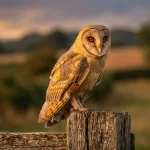
Have you ever noticed a fake owl perched silently in your garden or on a rooftop? Many homeowners resort to these decoys, hoping to keep pesky birds and other unwanted wildlife at bay. But do they actually work? In this article, we will delve into the effectiveness of fake owls as a deterrent, examining whether these realistic-looking predators can genuinely influence bird behavior. Understanding how birds perceive threats can help you make informed decisions about your outdoor spaces, ensuring that you protect your garden without resorting to harmful methods. By uncovering the truth behind the decoy effect, we aim to empower both novice bird watchers and seasoned birders to manage their environments more effectively. Join us as we explore the fascinating dynamics of natural deterrence, and discover if fake owls are worth the investment in your quest for a bird-friendly backyard.
Do Fake Owls Really Deter Birds?
While fake owls are often touted as an effective solution for deterring other birds and protecting gardens or properties, their real efficacy can vary significantly. Many bird species, especially the more intelligent ones, have become accustomed to these decoys and may no longer perceive them as a threat. This means that while a fake owl might initially scare some birds away, over time, they can lose their effectiveness as the birds realize that no real predator is present.
Understanding the behavior of the target bird species is crucial. For example, smaller birds like sparrows can be particularly wary, especially if they frequently encounter the same stationary owl decoy. On the contrary, species such as blackbirds or starlings might be more easily spooked by the mere presence of a larger, predatory figure. Additionally, the placement of the decoy plays a critical role; positioning the owl in an open area where it is easily visible can enhance its fear factor.
It’s also important to periodically move the fake owl to different locations or even change out its appearance to sustain its deterrent effects. This rotation mimics the natural behavior of real predators, preventing birds from becoming complacent. Moreover, combining multiple methods of bird control-such as reflective materials, sound deterrents, or physical barriers-can amplify the impact when using decoys like fake owls. By implementing a diverse approach, property owners can better ensure that unwanted birds think twice before approaching their space.
In conclusion, while fake owls can be effective in certain contexts, their success largely depends on the specific bird species, their level of habituation to decoys, and strategic placement and management. Adapting to the changing behaviors of birds and keeping the deterrents dynamic are key strategies for maximizing success.
Understanding the Science Behind Decoys
The effectiveness of fake owls as decoys is grounded in basic principles of avian behavior and predator-prey dynamics. Birds inherently rely on visual cues to assess threats. The sight of a large predator, like an owl, can trigger instinctual fear responses in many smaller bird species. However, the science of employing decoys goes beyond mere appearance; it involves understanding how birds adapt to their environment and learn from their experiences.
Susceptibility to decoys varies among bird species. For instance, while starlings and blackbirds may be easily startled by the mere presence of a fake owl, birds that regularly encounter these decoys, such as sparrows or finches, quickly learn that the threat is not real. This habituation can render a static decoy ineffective within weeks. To counteract this, one effective strategy is to frequently change the decoy’s position or appearance, simulating real predator movement. Researchers suggest that unpredictable placements prolong the decoy’s effectiveness by mimicking the natural behavior of actual hunting birds.
Furthermore, the surrounding environment where these decoys are used plays an essential role in their effectiveness. Placing a fake owl in a prominent location-ideally higher up and visible from multiple angles-can enhance its deterrent effect. Bright sunlight reflecting off the owl or the use of additional reflective materials can also amplify its visibility and perceived threat. Combining these decoys with other methods, such as sound deterrents or physical barriers, can create a multifaceted approach that is far more effective than relying on decoys alone.
In summary, the science behind using fake owls involves not just visual deception but also an understanding of avian behavior, strategic placement, and a commitment to adapting strategies to maintain their effectiveness. By staying informed about how different bird species perceive threats and adjusting tactics accordingly, anyone can improve their success in using decoys as a bird control method.
Effectiveness of Common Bird Repellents
The results of using common bird repellents can often be surprising. While many methods claim to deter birds, their effectiveness can vary significantly based on various factors, including the species of birds being targeted and the specific environment in which they are used. Among these methods, decoys, reflective materials, and noise producers each have unique mechanisms of action that appeal to different avian instincts.
Decoys: The Role of Fake Owls
Fake owls, such as those available from sources like Amazon and Walmart, are popular choices for deterring birds. These decoys aim to exploit the innate fear smaller birds have of their natural predators. When positioned correctly, a realistic-looking owl can instill a sense of danger, causing smaller birds to seek safety elsewhere. However, one should be aware that while initial placements may yield impressive results, birds can quickly learn that these static models pose no real threat. Changing their location frequently and incorporating movement-such as rotating them or using wind to create motion-can extend the effectiveness of these decoys.
Reflective Materials
Another common approach involves the use of reflective materials, which can disorient birds and create an impression of danger. Items like shiny tapes, aluminum foil strips, or reflective bird diverters can catch the sunlight and flicker unpredictably, enhancing the overall scare factor. In my own garden, combining reflective objects with decoy owls has proven particularly effective in warding off starlings and other pest species. It’s like creating a multi-sensory experience that keeps birds guessing and maintains their level of vigilance.
Audio Deterrents
Audio deterrents can also be effective but require careful implementation to avoid causing neighborhood disturbances. Devices that emit sounds mimicking hawks or other predatory birds can help reinforce the fear initiated by visual signals. However, as with visual decoys, the habituation effect can set in, diminishing their effectiveness over time.
Choosing the Right Method
When selecting bird repellents, consider the specific bird species you’re targeting. For example:
- Starlings and Robins: Generally startled by both visual and audio methods; a combination works best.
- Finches and Sparrows: More resilient to visual deterrents; often require dynamic strategies or multi-faceted approaches.
- Pigeons: Typically require more aggressive strategies such as physical barriers or noise deterrents.
In summary, the , from fake owls to sound deterrents, hinges on understanding avian behaviors and adapting strategies to overcome learned responses. By employing a diverse set of tools, anyone can enhance their chances of successfully keeping unwanted birds at bay.
Factors Influencing Decoy Success Rates
Decoys can be incredibly effective tools in bird control, but their success hinges on a variety of influencing factors that any bird enthusiast or property owner should consider carefully. One key element is the realism of the decoy itself. More life-like feathers, colors, and movements can enhance the perceived threat to smaller birds, compelling them to vacate the area. For instance, a well-painted fake owl that mimics the textures and patterns of a real owl may yield better results than a simple plastic model that lacks detail.
Another significant factor is the placement and environment of the decoy. Strategic positioning is essential-fake owls should be placed at eye level or where smaller prey birds would typically feel safe. Additionally, situating the decoy near areas where birds frequently gather, such as feeders or resting spots, will increase its visibility and potential impact. The surrounding landscape can also play a role; areas with plenty of vegetation may need multiple decoys to ensure that the threat is perceived throughout the environment. Lighting and time of day should also be taken into account, as owls displayed in shaded areas during dusk or dawn can blend too well into their surroundings and lose their intimidation factor.
Moreover, the learning behavior of birds poses an ongoing challenge. Birds are intelligent and quick to adapt to their surroundings. To maintain efficacy, it’s vital to move the decoy regularly; changing its position can help prevent habituation, where birds learn that the model poses no real danger. Lastly, the presence of other deterrents, such as reflective materials or sounds, can augment the effectiveness of decoy owls. The integration of multiple deterrent types creates a more complex and unsettling environment for the birds, making them less likely to return.
In essence, the success of decoys like fake owls is influenced by their realism, strategic placement, the surrounding environment, and the birds’ learning behaviors. For those seeking a quick fix, it’s important to understand that effective bird control involves ongoing strategy and often requires a multi-faceted approach.
Comparative Analysis: Fake Owls vs. Other Decoys
One of the most intriguing aspects of bird control is exploring how various deterrents stack up against each other. Fake owls have long been lauded for their ability to scare off birds, but they are not the only game in town. When comparing fake owls to other decoys, like plastic hawks or even more advanced motion-activated devices, it’s important to take into account factors such as effectiveness, longevity, and specific bird behavior.
Fake Owls
Generally, fake owls are straightforward and inexpensive solutions for deterring smaller birds. Their effectiveness often comes from the innate fear many birds have of predators. However, as noted by various users, including discussions on platforms like Reddit, the effectiveness of fake owls can diminish over time as local birds learn that the decoy poses no real threat. They tend to work best when moved regularly and combined with other deterrent methods, such as reflective surfaces or loud noises, to keep birds guessing about potential dangers [[1]](https://www.reddit.com/r/landscaping/comments/11ywci6/do_those_fake_owls_work_to_deter_birds_from/) [[3]](https://www.treehugger.com/how-do-fake-owls-and-other-decoys-work-4863566).
Plastic Hawks
On the other hand, plastic hawks can be another effective choice. Typically larger and more aggressive-looking than owls, hawks can have a more intimidating profile depending on the bird species you’re trying to deter. Just like their owl counterparts, plastic hawks can suffer from habituation unless they are periodically repositioned. However, some users report better long-term results with hawk decoys against specific small birds like sparrows and starlings, who may have a more profound fear of avian hunters than that of owls.
Motion-Activated Devices
If you’re looking for a high-tech solution, motion-activated devices can be a game-changer. These devices often include sound and movement, which can more effectively simulate the presence of a predator. They can be particularly effective in gardens or areas where birds frequent as they mimic a realistic threat. Many enthusiasts find that these devices have better longevity and require less frequent maintenance compared to static decoys. However, they may come with a higher price point and might necessitate battery changes or power sources [[2]](https://www.amazon.com/owl-decoys-scare-birds-away/s?k=owl+decoys+to+scare+birds+away).
Overall, fake owls hold their ground as a popular choice for bird mitigation, especially for those seeking a low-cost option. However, when combined or contrasted with other deterrents like plastic hawks or motion-activated devices, one can create a comprehensive bird management strategy that maximizes effectiveness and reduces the likelihood of habituation. When selecting your approach, consider the specific bird species in your area, the landscape of your outdoor space, and how much maintenance you are willing to commit to keeping your deterrents effective.
Placement Strategies for Maximum Impact
The placement of fake owls can significantly influence their effectiveness in deterring birds. While these decoys are generally a cost-effective solution, strategic positioning is crucial to maximize their impact. First and foremost, consider placing the fake owl at a vantage point where it can easily be seen by potential bird intruders. Elevated areas like rooftops, high fence posts, or tree branches simulate a natural predator’s lookout, enhancing the sense of danger for smaller birds.
Moving the decoys frequently is another essential tactic. Birds are quick learners, and a fake owl that remains in one spot for too long may lose its scare factor as local birds become accustomed to its presence. To combat this habituation, rotate the decoy’s position every couple of weeks: for example, if it was perched on a post facing the garden, swapping it to a tree overlooking a feeder can reinstate its effectiveness. Additionally, you can alter the owl’s angle occasionally to create a sense of unpredictability.
Incorporating your fake owl into a broader strategy can further amplify its deterrent effect. Pair the decoy with reflective objects, such as aluminum foil strips or shiny tape, as these can create movement and additional visual distractions. Combining this with auditory deterrents like wind chimes or noise-making devices can reinforce the perception of threat. Place these elements around areas where birds frequently congregate, such as gardens, patios, or trash disposal sites, to cover all bases.
Finally, consider the type of birds you are trying to deter when deciding on placement. For instance, if you have a specific issue with sparrows or starlings, placing the decoy near their nesting or feeding areas may yield better results. Understanding the flight patterns of local birds will aid in positioning your decoy in the most strategic spots, ensuring that you can effectively protect your space while enjoying the beauty of the great outdoors. By implementing these placement strategies, you can cultivate not just a bird-friendly environment, but also one that discourages unwanted visitors.
User Experiences: Success Stories & Challenges
Many bird enthusiasts and gardeners have explored the effectiveness of fake owls as a deterrent against pesky birds that invade their spaces. I’ve spoken with numerous individuals who have tried these decoys, and the experiences vary widely, highlighting both success stories and challenges.
One gardener, overwhelmed by starlings raiding her berry bushes, decided to give a plastic owl a try. After placing it prominently among her plants, she noticed a significant drop in visits from the starlings. She often shared that it was crucial to keep the owl in a visible spot and to move it around every few weeks to maintain its effectiveness. This anecdote underscores a common sentiment: visibility and mobility are key factors in maximizing deterrent performance. Many users found that rotating the decoy and pairing it with shiny objects, like reflective tape, enhanced the owl’s scare factor, creating an unpredictable environment that birds found challenging.
However, not all experiences are uniformly positive. Some users reported that certain bird species, like pigeons, seemed unaffected by the presence of a fake owl. This prompted them to investigate further. They discovered that blending strategies often yields the best outcomes. For example, one user successfully combined the owl with motion-activated sprinklers, which startled birds that had grown accustomed to the stationary decoy. This combination served to amplify the ‘threat’ perception, showcasing that even seasoned enthusiasts are continuously learning about effective bird control.
Additionally, some challenges can arise from weather factors. Owners noted that plastic owls can fade over time due to sun exposure, losing their realistic appearance and effectiveness. Regular maintenance, such as repainting or replacing faded decoys, emerged as a best practice among experienced users.
In sum, while there are notable success stories regarding the use of fake owls, the experiences also highlight the importance of adapting strategies based on specific situations and bird behaviors. Combining techniques and being proactive about maintenance can significantly enhance the effectiveness of your avian deterrents.
Wildlife Ethics: The Role of Decoys
The use of decoys, particularly fake owls, raises important questions about wildlife ethics and the impact these artificial devices have on bird populations and ecosystems. Decoys serve a dual purpose: they can be effective deterrents for unwanted birds encroaching on gardens or properties, while simultaneously prompting a discussion about our responsibility as stewards of wildlife. Recognizing the balance between maintaining our spaces and respecting natural behaviors among birds is crucial.
When using decoys, it’s essential to understand the potential implications of creating artificial threats in a bird’s environment. Birds are highly adaptive creatures; they learn from their experiences, and consistent exposure to decoys can lead to habituation, where they no longer perceive them as threats. This phenomenon not only diminishes the decoy’s effectiveness over time but also raises ethical considerations about unintentionally desensitizing birds to real dangers they may face in nature. Ecosystem dynamics are delicate, and mimicking predators can lead to unforeseen consequences, affecting interactions within local habitats.
Furthermore, decoy placement and usage must be thoughtful. Positioning them in locations that mimic natural predator-prey dynamics, while considering the well-being of all bird species, can help mitigate potential negative impacts. By being strategic and monitoring the behaviors of local birds, we can make more informed decisions about using decoys. For instance, some bird enthusiasts successfully report combining decoys with other non-invasive methods, such as reflective objects or noise deterrents, which contribute to a fuller strategy that respects wildlife while achieving desired outcomes in gardens or yards.
Ultimately, while fake owls and similar decoys can be effective tools in managing bird populations, being mindful of their ethical implications is essential. Ensuring that our actions promote greater awareness and conservation of bird species allows us to enjoy the vibrant interactions they bring to our lives, all while maintaining the integrity of their natural behaviors and habitats.
Seasonal Considerations for Decoy Use
The changing seasons can greatly influence the effectiveness of decoys, particularly fake owls, in deterring birds. As migratory patterns shift and the availability of food sources fluctuate throughout the year, understanding these dynamics becomes essential for maximizing the impact of your decoy strategy. For instance, during spring and early summer, many bird species are nesting and more protective of their territories, making them more sensitive to threats, including the sight of a predator decoy. This heightened vigilance can lead them to avoid areas where fake owls are present.
In contrast, late summer and fall may see a decrease in the effectiveness of decoys. As young birds fledge and begin to explore their surroundings, they may not recognize threats as keenly as their adult counterparts, especially if they’ve become habituated to the decoys. Moreover, during these seasons, food becomes less abundant, which might make birds more willing to overlook perceived dangers, focusing instead on survival and finding food. Thus, continuously moving decoys can help maintain their perceived novelty-a practice that some gardeners and property owners have found fruitful.
The winter months bring another set of considerations. As many species migrate away, you may find that decoys have less utility in desolate landscapes. However, in regions where certain birds remain, placing a decoy can serve a dual purpose. Not only does it deter other birds looking for places to roost, but it can also be a tool to help protect food sources, such as bird feeders, from nuisance species like starlings or squirrels.
Overall, adapting your use of decoys to align with seasonal behaviors can significantly enhance their efficacy. By monitoring bird activity and adjusting your strategies accordingly-like intensifying decoy use during critical breeding times and reassessing placements as seasons change-you can create a more successful bird management plan that respects wildlife rhythms while achieving your goals.
Maintenance Tips for Your Decoy Owl
One of the most crucial aspects of maintaining the effectiveness of your fake owl decoy is ensuring it remains visually appealing and functionally sound. These decoys serve as a visual deterrent to birds, working best when they look realistic and well-kept. Over time, exposure to the elements can dull their appearance and reduce their effectiveness. Therefore, regular maintenance is essential not only for aesthetics but also for optimal performance.
To start, visual clarity is key. Wash your decoy periodically with warm, soapy water to remove dirt, grime, and any buildup that may impair its look. If your decoy has suffered paint chips or scuffs, you might consider using a flocking kit to restore its exterior. Flocking provides a matte finish that reduces glare, making the decoy appear more lifelike-a crucial trait when trying to trick wary birds into thinking a predator is nearby. Additionally, check for any structural damage such as cracks or holes, which can be easily repaired with waterproof adhesive.
Placement of your decoy also plays a significant role in its maintenance. Regular repositioning can help prevent birds from becoming accustomed to its presence. By moving your decoy to different locations, you can simulate the movement of a live predator, further enhancing its effectiveness. You might consider rotating your decoy based on seasonal changes in bird behavior and your local ecology-for example, placing it higher or among fresh foliage during the nesting season, or among scattered food sources later in the year.
Lastly, always store your decoys in a dry place when not in use, as moisture can lead to mold or degradation of the material over time. Using protective covers can help shield them from the sun and harsh weather, ensuring they last longer and continue to perform effectively. By following these simple yet effective maintenance tips, your decoy owl can remain a steadfast partner in deterring unwanted feathered visitors. Happy birdwatching!
Alternative Methods for Bird Control
Birds are both beautiful creatures and vital components of our ecosystems, but sometimes their presence can lead to unwanted challenges, especially in gardens or urban settings. While fake owls can serve as effective deterrents, they’re not the only game in town when it comes to bird control. Knowing alternative methods can enhance your strategy, either supplementing your decoy efforts or offering different solutions entirely.
Sound Devices
One exciting alternative is the use of auditory deterrents. Devices that emit predator calls or distress signals can effectively scare off birds looking to roost or forage in your yard. Many gardeners find success with motion-activated sound devices that play the sounds of hawks or other birds of prey. The unpredictable nature of these sounds can prevent birds from becoming accustomed to a constant noise, ensuring they remain alert and wary.
Reflective Objects
Birds rely heavily on their vision for navigation and foraging, and using reflective objects can disorient and deter them. Just a few shiny, reflective materials such as aluminum foil strips, old CDs, or mylar tape hung around your garden can create flashes of light that catch a bird’s attention and send them away. You can use these in conjunction with your fake owl to enhance the deterrent effect, crafting a visually dynamic environment that confounds feathered visitors.
Physical Barriers
For a hands-on approach, consider installing physical barriers. Netting can be particularly effective for larger areas or gardens where birds pose a significant threat to crops or flowers. Opt for bird netting that is fine enough to keep smaller species out while still being easy to set up and remove. It’s important to ensure it’s installed tightly to avoid trapping birds or creating hazards.
Enhanced Habitat Management
Lastly, managing your yard’s ecosystem can help reduce bird attraction. Keep potential food sources, like pet food or uncovered compost piles, secure or eliminated. Regularly monitoring and trimming back dense foliage can help, as birds often seek cover from predators in thick shrubs. By making your space less appealing, you can persuade birds to find more hospitable habitats elsewhere.
Combining these methods can provide a robust response to bird control challenges. Each technique has its strengths, so feel free to experiment to discover what works best for your unique environment. Whether you opt for sound, light, barriers, or habitat management, you can create an effective, humane deterrence strategy that respects both your space and wild bird populations.
Avoiding Common Decoy Mistakes
When using decoys like fake owls in your yard, understanding common pitfalls can greatly enhance their effectiveness. Many people jump into placing owl decoys without considering several crucial factors, which can lead to disappointment when unwanted birds continue to invade their space. By avoiding these frequent mistakes, you can transform your approach to bird control and ensure that your efforts yield the desired results.
One major error is failing to move the decoy regularly. Birds are astute observers and can quickly detect when something remains static for too long. If a fake owl always sits in the same position, local birds may come to view it as a harmless fixture rather than a threat. To maintain the illusion of a predator, shift the decoy’s position every week or whenever you notice a decrease in deterrent effectiveness. Rotating its placement not only keeps it fresh but can also enhance the realism of its presence.
Another common oversight is neglecting to ensure that the decoy accurately represents an owl in terms of both size and color. Simple plastic replicas may not mimic the natural hues or dimensions of living owls. Invest in high-quality decoys that reflect the specific owls indigenous to your area, considering their typical postures and surroundings. For example, a great horned owl model may deter more birds than a cartoonish, brightly colored version, simply because it looks more real and intimidating.
Environmental factors can also undermine your strategy. Situating your decoy in an area with ample cover will not only protect it but can also obscure its visibility as a predator. Birds are more likely to frequent locations where they feel safe from potential threats. To make the decoy more effective, place it in an open area where it can be easily seen and where it may create a sense of danger for unsuspecting birds, such as near their feeding grounds or roosting spots.
Lastly, while it’s great to think of your decoy as a standalone solution, it’s often more effective when paired with other deterrents like reflective objects or auditory devices. Combining methods creates a multi-layered approach to bird control, thereby increasing the chances of success. By avoiding these common mistakes-moving the decoy regularly, ensuring its realism, proper placement, and utilizing additional deterrents-you can construct a comprehensive strategy that keeps your garden serene and bird-free.
Q&A
Q: Do fake owls actually scare away birds?
A: Yes, fake owls can deter some small birds, but their effectiveness varies. Birds may recognize the decoy as a non-threat over time, so it’s essential to move the owl periodically and use other methods alongside it for better results.
Q: What types of birds are most affected by fake owls?
A: Smaller birds, like sparrows and finches, are generally more influenced by fake owls compared to larger species, which may not see them as a credible threat. Understanding bird behavior is key to choosing the right deterrent.
Q: How can I enhance the effectiveness of my decoy owl?
A: To maximize efficiency, place your decoy owl in a high, visible spot and change its position regularly. Consider using multiple fake owls or combining them with reflective materials or sounds to create an even stronger deterrent.
Q: Are there any risks in using fake owls in my garden?
A: While generally safe, using fake owls can impact local wildlife dynamics. Birds may avoid your garden entirely, which can influence pollination and seed dispersal. Monitor your garden’s ecosystem regularly to assess these effects.
Q: When is the best time to use fake owls for bird control?
A: Deploy fake owls in spring and early summer when birds are nesting or establishing territories. This can be when they’re most sensitive to perceived threats and likely to be deterred by the sight of a decoy.
Q: Can other animals be scared away by fake owls?
A: Yes, fake owls can also deter smaller mammals like rodents and rabbits. However, their effectiveness on larger animals varies; some might not be phased by the presence of a decoy.
Q: What makes a fake owl more realistic and effective?
A: A realistic fake owl typically possesses features such as detailed feather patterns, blinking eyes, and natural colors. Models that move or make sounds can further enhance the illusion of a real predator, increasing deterrent effects.
Q: How often should I replace my decoy owl?
A: It’s advisable to replace your decoy owl every couple of seasons, as wear and fading can diminish its effectiveness. Regular maintenance ensures it stays convincing and engaging for visiting birds and other animals.
In Summary
As we’ve explored, fake owls can be surprisingly effective in deterring birds, but their success often depends on placement and region. If you’re looking to enhance your home’s bird repellent strategies, consider our detailed guide on “Top Natural Methods to Keep Birds Away” and discover how to incorporate decoys alongside other techniques. Whether you’re a beginner or an experienced bird enthusiast, our resources can help you make informed choices about wildlife management.
Don’t miss out on tips and updates; subscribe to our newsletter for the latest insights on bird behavior and care. Your comments and experiences are invaluable-share how you’ve used decoys in your own yard or any questions you still have! Continue your journey of birdwatching and management with us, and let’s learn together. Remember, effective bird deterrence not only protects your space but also supports a balanced ecosystem. Start exploring the rest of our site today for even more enriching content!
Get our latest guides, news, and insights highlighted in your Google Search & AI Overviews.