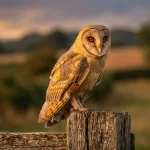
Did you know that owls are among the most fascinating and mysterious birds in the world, symbolizing wisdom and knowledge in many cultures? As a potential pet owner, you might wonder if these captivating creatures can thrive in a domestic setting. In “Can You Have an Owl as a Pet: Legal and Practical Guide,” we’ll dive into the essential legal considerations and practical care requirements involved in keeping an owl. Understanding the complexities of owl ownership is crucial, given the unique needs of these birds, from their dietary habits to their habitats. This guide aims to not only inform your decision but to enhance your appreciation for these incredible animals. Whether you’re a seasoned wildlife enthusiast or exploring pet options for the first time, you’ll find valuable insights and tips to help you navigate the exciting yet demanding journey of owl ownership. Are you ready to uncover the truth about having an owl as a pet? Let’s embark on this enlightening adventure together!
Legal Considerations for Owning an Owl
Owning an owl is an enchanting prospect for many bird enthusiasts, but it’s crucial to navigate through the intricate legal landscape that governs these majestic creatures. Laws concerning owl ownership vary significantly by country, state, and even local jurisdiction, often depending on whether the species is classified as a native wildlife species or a domesticated breed. In many regions, exotic pets such as owls may either require specific permits or be outright prohibited due to conservation concerns and the need to protect wild populations.
In the United States, for example, the Migratory Bird Treaty Act makes it illegal to own native owl species without a special federal permit. Permits are typically granted to licensed rehabilitators, educators, and individuals engaged in conservation efforts, but not to private collectors. Owls bred in captivity might be available for ownership, but you will still need to check state regulations, as some states impose additional restrictions or licensing requirements for such owls.
Understanding these laws is the first step before considering owl ownership. It is advisable to contact local wildlife authorities or consult legal experts specializing in animal law to ensure compliance. Often, these agencies can provide detailed information on specific species, required permits, and other legalities involved, including welfare standards that must be maintained. Engaging with the local community, such as bird clubs or online forums, can also provide valuable insights and support from experienced owl owners who have navigated these requirements successfully.
Given the complexities involved, it’s essential to be fully informed and legally prepared before committing to the care of an owl, ensuring both the welfare of the bird and adherence to legal obligations.
Understanding Owl Species Suitable for Pet Ownership
The allure of owls as pets stems not only from their enchanting appearance but also from their fascinating behaviors and unique personalities. However, not all owl species are suitable for domestication. When considering an owl for companionship, it’s essential to focus on species that thrive in captivity and can adapt to human environments, each with its own specific needs and characteristics.
Popular Owl Species for Pet Ownership
Some of the most commonly kept owl species, generally deemed suitable for pet ownership, include:
- Barred Owl (Strix varia): Known for their iconic hoots and friendly disposition, Barred Owls can adapt relatively well to captivity, provided they have adequate space and stimulation. They require a varied diet rich in protein, including rodents and small birds.
- Eastern Screech Owl (Megascops asio): This smaller species is often chosen for its manageable size and charming presence. They can exhibit a strong attachment to their human caregivers, making them engaging companions. Regular handling from a young age is crucial for socialization.
- Great Horned Owl (Bubo virginianus): Although larger and more demanding than their counterparts, some experienced birders take on this species. They require significant space and enrichment due to their intelligence and hunting nature, along with a commitment to a varied diet.
Behavioral Considerations and Care Requirements
Owls are not traditional pets; they possess complex behavioral traits that can vary significantly by species. Many owls are nocturnal and may exhibit different activity levels, requiring owners to adapt their schedules accordingly. Potential owl owners should be prepared for behaviors such as screeching or hooting, especially at night.
Understanding the care requirements is equally important. Owls thrive in environments that mimic their natural habitats, so investing time and resources into creating an appropriate enclosure is crucial. A large aviary with climbing structures, perches, and ample space is recommended. Additionally, consistent diets that replicate their natural hunting patterns must be maintained, including whole prey items to support their dietary needs.
Engaging with experts and experienced owl owners can provide valuable insights into the specific needs and challenges posed by different species. This knowledge is instrumental in ensuring that both the owl and the owner can enjoy a fulfilling and harmonious relationship.
Ideal Owl Habitats: Creating a Safe Space
Creating the ideal habitat for an owl is not just a luxury but a necessity for the health and happiness of these magnificent birds. Unlike typical pets, owls have specific environmental needs that require careful consideration and planning. An ideal owl habitat replicates their natural environment, providing safety, stimulation, and comfort. A well-designed space can significantly enhance an owl’s quality of life and strengthen the bond between the bird and its owner.
To begin with, your owl’s enclosure should be spacious-preferably an aviary that allows for flying and exercise. Owls are naturally active and need room to stretch their wings and engage in their instinctual behaviors. Incorporating vertical space is essential, as many owl species enjoy perching high. Here are some elements to consider when creating an optimal habitat:
- Enclosure Design: Constructing a large aviary with dimensions that accommodate your owl species is crucial. For most species, a minimum of 6 feet in height, with a footprint of at least 10 feet by 10 feet, is ideal. Ensure the enclosure is secure, as a determined owl can escape or become prey to other animals.
- Perches and Enrichment: Include various perches at different heights and materials (wood, natural branches) to prevent foot problems. Adding enrichment items such as climbing structures, toys, and hiding spots can stimulate their natural hunting instincts and provide mental engagement.
- Climate Control: Since owls are sensitive to temperature changes, consider climate control measures. Ensure the habitat provides adequate ventilation and protection from extreme weather conditions. During colder months, a heat source or insulated area can keep them comfortable.
A clean environment is also paramount. Regularly maintain the enclosure by cleaning perches, replacing bedding, and ensuring that any prey remains (if fed whole prey) are promptly removed to prevent health risks. Furthermore, a sufficient supply of fresh water is vital, whether via a shallow basin or a continuous source that is easily accessible.
Owls are solitary by nature, so providing them with a space where they can retreat and feel safe is essential. Designating a quiet corner with shaded areas gives the owl the opportunity to hide or rest undisturbed. It’s also important to minimize loud noises and disturbances in the area surrounding the habitat.
In conclusion, crafting a safe and stimulating environment for an owl requires attention to detail, creativity, and commitment. By following these guidelines and adapting to the unique needs of your chosen species, you can create a thriving habitat that not only supports a healthy lifestyle but also fosters a rewarding companionship with your feathered friend.
Owl Care Basics: Diet, Health, and Maintenance
Caring for an owl is a unique adventure that requires a deep understanding of their specific dietary needs, health maintenance, and overall care strategies. Owls are carnivorous and primarily consume whole prey; thus, replicating their natural hunting habits in captivity is essential for their well-being. A balanced diet for an owl typically consists of rodents, small birds, and insects. It’s essential to avoid processed foods and rely on fresh, high-quality sources. The ideal approach is to provide different types of prey to simulate their natural hunting behavior and nutritional intake.
Feeding frequency and portion sizes will depend on the species and age of the owl. Generally, adult owls may need to eat every two to three days, while younger birds may require daily feedings to support their growth. A good rule of thumb is to offer prey items that are approximately 10-15% of the owl’s body weight. It’s also vital to ensure that the prey is appropriately sized; overfeeding can lead to obesity and health issues.
Maintaining an owl’s health goes beyond proper diet; regular veterinary care is crucial. Establish a relationship with a veterinarian experienced in avian species or specifically raptors. Annual check-ups can help catch any health problems early. Pay attention to their behavior and physical condition. Signs of distress or illness-such as changes in eating habits, lethargy, or feather loss-should prompt an immediate veterinary consultation.
Hygiene is another key aspect of owl care. Regular cleaning of the owl’s enclosure is imperative to prevent health issues, particularly those linked to unsanitary living conditions. Waste should be removed daily, and more thorough cleanings should occur weekly. Fresh water must be available at all times; owls can be particularly sensitive to dehydration.
In summary, understanding the intricacies of an owl’s care is vital for anyone considering these majestic birds as companions. Providing a diet rich in whole prey, maintaining a clean environment, ensuring regular veterinary care, and monitoring health and behavior will help assure a thriving relationship with your pet owl. This commitment not only enhances their quality of life but also deepens the enriching connection between you and your feathered friend.
Owl Behavior: What to Expect from Your Pet
Owls are fascinating creatures, captivating not only for their majestic appearance and silent flight but also for their distinct behaviors that can sometimes surprise new owners. Understanding these behaviors is essential for creating a harmonious living environment with your feathered companion. Generally, owls are crepuscular, meaning they are most active during dawn and dusk. This unique characteristic affects their feeding routines and overall activity levels, which differ significantly from diurnal pets, such as dogs and cats.
Owls possess remarkable traits that contribute to their mystique. Their head rotation-a breathtaking 270 degrees-is not just for show; it enhances their ability to survey their surroundings without having to move their bodies, a necessity for a predator that relies heavily on ambush tactics. Additionally, their exceptional vision allows them to see in low light conditions, which may influence your owl’s behavior in a home setting. You may notice your pet becoming particularly lively during twilight hours, seeking activities like playing or interacting.
In terms of interaction, owls are generally solitary animals in the wild but can form bonds with their owners. It’s important to note, however, that this bond may not resemble the typical affection exhibited by more social pets. Instead of seeking cuddles, owls often prefer to perch quietly nearby, observing rather than actively engaging. This behavior can lead to misunderstandings in first-time owners, who may mistakenly interpret a lack of interaction as disinterest. Patience is key; allowing your owl to acclimate to your presence will foster trust over time.
Another critical aspect of owl behavior involves their vocalizations. Owls communicate through a range of sounds-some species are known for their classic hoots, while others may screech or whistle. Understanding these vocal signals is vital for recognizing when your owl is content, disturbed, or in need of attention. Each sound can carry different meanings, influenced by the individual owl’s personality and circumstances. For example, a sudden change in vocalization may signal discomfort or a desire for more social interaction or environmental stimulation.
As you consider welcoming an owl into your life, remember that observing and respecting their natural inclinations will create a fulfilling and rewarding companionship. By providing a spacious environment, engaging enrichment activities, and understanding their behavioral nuances, you can ensure your pet owl thrives in its new home.
Training Your Owl: Techniques for Bonding and Commands
Establishing a strong bond with your owl can be one of the most rewarding aspects of owning this unique pet. As natural solitary creatures, owls do not exhibit affection in the same way that more social pets might. Instead of seeking constant physical closeness, they often show trust and connection through subtle behaviors. To develop a lasting relationship, understanding their communication methods and utilizing effective training techniques are key.
To initiate bonding, spending quiet time near your owl’s habitat can help them become accustomed to your presence. Avoid sudden movements and loud noises to create a calm environment. It’s beneficial to offer treats-preferably their favorite food, such as mice or rats-by hand or in a small dish to create positive associations with you. Gradually introduce your voice, speaking softly to them, which will help them recognize your tone and presence as safe and comforting.
Training should be approached with patience and consistency. Using positive reinforcement is particularly effective; reward your owl every time they respond to your commands or gestures. Start with simple commands, such as “come” or “step up.” Hold a treat above their head to encourage them to perch on your arm or glove. Remember that training sessions do not need to be lengthy; short, frequent interactions will yield better results. Reinforce learned behaviors by gradually increasing the complexity of the tasks, always ensuring that you’re rewarding every step toward the desired outcome.
Most importantly, always respect your owl’s boundaries. If your pet shows signs of discomfort-like fluffing their feathers, a change in vocalization, or attempting to leave the perch-allow them some space. This respect will foster trust and encourage a willingness to engage. As you navigate this unique journey, observe your owl’s natural behavior and preferences closely, helping you tailor your training approach to suit their individual personality, thereby making the process enjoyable for both of you.
Common Challenges of Owning an Owl
Owning an owl can be a fascinating and rewarding experience, but it’s not without its challenges. These majestic birds are not typical pets, and with their unique needs come specific hurdles that potential owners must navigate. From dietary requirements to legal considerations, being informed is key to ensuring both a healthy and fulfilling relationship with your feathered companion.
One of the primary challenges is the specialized diet that owls require. Unlike more traditional pets, owls primarily eat whole prey, which often includes rodents or insects. This means you’ll need to be comfortable sourcing and preparing frozen or live food. Additionally, the cost of feeding an owl can be significant, especially if you’re providing high-quality prey that meets all their nutritional needs. Be prepared for potential vet visits and health insurance coverage that may also contribute to ongoing costs.
Another significant hurdle is that owls are highly territorial and solitary animals. Unlike dogs or cats, they do not naturally bond with humans in the same way, leading to expectations that might not align with reality. Owls can be skittish and require a lot of quiet and calm around them to feel secure, making it crucial to create a peaceful habitat that respects their natural instincts. Additionally, they may engage in behaviors like vocalizing loudly during the mating season, which can be disruptive in a home environment.
Legal considerations also play a crucial role in owl ownership. Many areas require specific permits or licenses to keep an owl, as they are often considered wildlife. It’s vital to research local laws thoroughly and ensure compliance to avoid fines or the potential confiscation of your pet. Additionally, some species may be endangered or protected under federal or state laws, meaning ownership could be restricted or illegal altogether.
Ultimately, preparedness and knowledge are your best tools in overcoming the challenges of owl ownership. It’s essential to research and understand not just the demands of your specific owl species but also the broader implications of having a wild animal as a pet. Embrace the adventure with patience and care, and you may find that the connection you build with an owl can be unlike any other.
Cost of Owl Ownership: Budgeting for Your Pet
Owning an owl may seem like an enchanting endeavor, but the costs associated with it can quickly add up and require careful consideration. Before you bring one of these majestic birds into your life, you should be aware of the financial commitments involved to ensure a healthy environment for your feathered companion.
One of the primary expenses you’ll encounter is the purchase price of the owl itself. Depending on the species and its rarity, prices can range dramatically-from a few hundred to several thousand dollars. Additionally, you’ll need to invest in a spacious, secure enclosure that mimics their natural habitat, which could easily cost several hundred more. A proper setup includes features such as perches, hiding spaces, and protection from the elements, which can further add to the initial outlay.
Owl nutrition is another significant expense that often takes owners by surprise. Unlike dogs or cats, owls require a diet primarily consisting of whole prey-often rodents, insects, or even small birds. This means budgeting for the purchase or sourcing of frozen or live food, which can run upwards of $20 to $50 per week, depending on your owl’s size and eating habits. Moreover, don’t forget about veterinary costs. Regular check-ups, vaccinations, and any emergency care can add up, so setting aside a few hundred dollars annually for health maintenance is wise.
Finally, consider additional costs like training materials and enrichment items. While owls offer unique companionship, they still require mental stimulation to thrive, which can involve toys and perches designed for their entertainment. All these factors contribute to the overall cost of owl ownership, making it essential to create a comprehensive budget that accounts for both expected and unexpected expenses. Investing in an owl can lead to a remarkable experience, but being financially prepared is key to ensuring both your and your pet’s happiness.
Ethical Considerations: Wild vs. Domesticated Owls
Owning an owl is often romanticized in popular culture, but the ethical implications of keeping such a majestic bird as a pet-a species that has adapted over millennia to thrive in the wild-profoundly complicate this notion. Wild and domesticated owls each have their own sets of needs and environmental requirements that must be considered seriously. While domesticated owls can sometimes be reared for companionship, they still reflect the instincts and behaviors of their wild ancestors, creating a unique set of challenges for potential owners.
First and foremost, one must recognize the stark differences in lifestyle between wild and domesticated owls. Wild owls are independent hunters, relying on their ability to forage, preen, and exhibit behaviors essential for their survival. In contrast, domesticated owls often lose some of those survival skills through captivity, which complicates their treatment. They may develop reliance on their owners for food and care, leading to a diminished ability to navigate their natural habitat, should they ever need to be rehabilitated for that purpose.
Furthermore, it’s crucial to consider the impact of taking a wild owl for personal ownership. Many owls are under threat from habitat destruction, climate change, and illegal trapping. Supporting the illegal wildlife trade not only contributes to species decline but also diminishes the chances of rehabilitation for birds that truly need it. Therefore, ethical ownership of owls should focus on adopting rescued or domesticated birds rather than wild ones. Many species of owls can be bred in captivity, which not only helps protect wild populations but also promotes responsible breeding practices that adhere to the welfare of the birds.
Lastly, responsible ownership encompasses providing proper care that aligns with the owl’s innate behaviors. Owls are known for their need for space, their hunting instincts, and their vocalizations. Creating an environment that accommodates these needs-such as large enclosures that allow for flight, opportunities for mental stimulation through foraging activities, and an understanding of their communication-is essential to ensure that these birds live enrichingly and healthily. An ethical approach to pet ownership transcends the joy of having an owl for companionship; it involves a genuine commitment to respecting their natural behaviors and promoting their well-being within a human-centered environment.
Finding an Owl: Reputable Breeders and Rescues
Finding the right source for your owl is crucial to ensuring the well-being of both the bird and yourself. Owls, while fascinating and admirable creatures, have specific needs that must be met to thrive. Opting for a reputable breeder or rescue organization not only supports ethical practices but also provides you with a healthier, well-socialized bird, primed for companionship.
When seeking to bring an owl into your home, start by researching local bird breeders who specialize in owls or exotic birds. Reputable breeders will often have a track record of responsible breeding practices, prioritizing the health and well-being of their birds. Look for breeders who are transparent about their breeding processes, provide health guarantees, and are willing to educate you on the specific care that the species requires. It may be beneficial to visit their facility to see the living conditions of the owls and ensure they are housed in clean, spacious environments that allow for normal behaviors like flight, perching, and foraging.
Alternatively, consider adopting from owl rescue organizations. Many owls in rescues are there due to unfortunate circumstances, such as being surrendered by previous owners who couldn’t provide the necessary care or being injured in the wild. When you adopt from a rescue, you not only give a deserving bird a second chance but also receive guidance on how to best care for your new companion. Rescues often provide initial medical care and temperament assessments, making sure the owl is ready for a new home. They can also assist you in understanding the specific behavioral traits and health needs of the owl species you are considering.
Before making a commitment, it’s important to ask questions about the owl’s health history, any behavioral quirks, and the specific care requirements. Knowing what to expect can significantly ease the transition for both you and your new pet. Remember to think of this as a long-term commitment; owls can live a remarkably long time compared to other pets, so ensure you’re ready for the responsibility. In conclusion, whether you choose to buy from a breeder or adopt from a rescue, ensure that the source aligns with ethical practices and that they are committed to the welfare of the owls they care for. This approach not only benefits the individual bird but contributes positively to the larger community of owl caretakers.
Local Regulations: Permits and Licenses Explained
Owning an owl can be a fascinating yet complex endeavor, especially when it comes to understanding the legal landscape surrounding these majestic birds. In many areas, regulations are in place to ensure the health and safety of both the animals and their human caregivers. Depending on where you live, you may need specific permits or licenses to keep an owl, as they are often classified under exotic pets or wildlife.
What you find most captivating is that the legal requirements can vary significantly between regions. In the United States, for example, the rules differ from state to state and sometimes even within municipalities. Some areas may require a basic pet license for owning an owl, while others might demand a special permit reserved for specific species deemed exotic. Failing to adhere to these regulations can result in serious penalties, including fines or confiscation of the bird.
Before diving into the ownership of an owl, it’s essential to consult your local wildlife agency or related regulatory authority. They can provide a complete breakdown of the necessary documentation, as well as guidelines on how to apply for the appropriate permits. Often, there are distinct tiers of permits based on the species and whether it’s native or non-native, and some states even impose additional restrictions on breeding and transporting owls.
Additionally, be prepared for the possibility of inspections and compliance checks that ensure both your living environment and care practices meet established standards for owl care. This not only guarantees the welfare of your pet but also contributes to a broader culture of responsible ownership that can help protect wild owl populations. Make sure you have everything in order before you bring an owl home to foster a safe and legal environment for both you and your new feathered companion.
FAQs about Owl Ownership: Answering Your Curiosities
Curiosity about owning an owl is natural, given their mysterious allure and unique biology. You might find yourself wondering about their behavior, diet, and more practical aspects of their care. Here are some common questions and informative answers to guide your journey into owl ownership.
What is the best owl species for beginners?
When considering an owl as a pet, the *Eastern Screech Owl* or *Barn Owl* are often recommended for beginners. These species tend to adapt better to captivity and are less demanding compared to larger owls like *Great Horned Owls*. Each species has its own specific needs and character traits, making it vital to research thoroughly before choosing the right one for your lifestyle.
What do owls eat?
Owls are primarily carnivorous, requiring a diet high in protein. This typically includes small mammals such as mice, rats, and rabbits, and should ideally be fed whole prey to ensure they receive necessary nutrients. A varied diet is crucial for their health and helps mimic their natural feeding habits. Additionally, some owners opt for commercially prepared owl diets, underlining the importance of consulting with a vet knowledgeable in avian dietary needs.
Can owls be trained?
Yes, owls can be trained, but it requires patience and understanding of their behavior. Training generally involves positive reinforcement techniques, such as offering food rewards for desired behaviors. Bonding with your owl through regular interaction is essential, as it builds trust and encourages a cooperative relationship. However, always remember that owls have a wild nature, and training might not be as comprehensive as with other domestic birds.
What are the legal requirements for owning an owl?
Legal requirements can vary significantly depending on your location. In many regions, you will need a permit or license to own an owl. It’s crucial to check local laws and regulations, as some states or countries prohibit private ownership entirely or have specific restrictions based on the owl species. Always ensure that you have the proper documentation before acquiring an owl to avoid legal pitfalls.
Owning an owl can be an exciting and enriching experience, but it requires a deep commitment to understanding these fascinating creatures. With the right knowledge and preparation, you can create a fulfilling partnership with your feathered friend.
Faq
Q: Can you legally own an owl as a pet in the United States?
A: Owning an owl as a pet in the United States is subject to strict regulations. Typically, you need a special permit due to wildlife protection laws. Regulations vary by state, so check local laws to ensure compliance and avoid potential legal issues.
Q: What are some common owl species that can be kept as pets?
A: Common owl species kept as pets include the Barn Owl and the Great Horned Owl. These species are often chosen for their temperament and adaptability to human care. Research specific needs of each species before deciding which owl is right for you.
Q: How much space do you need for an owl at home?
A: Owls require significant space for a proper habitat. A large aviary or flight cage is essential, with dimensions of at least 6x6x6 feet being a minimum to accommodate their needs. Ensure the space allows for safe flight and natural behavior.
Q: What is the diet of a pet owl like?
A: A pet owl’s diet primarily consists of whole prey items including mice, rats, and occasionally insects. This mimics their natural hunting diet. It’s vital to provide a balanced diet and consult an avian specialist for nutritional guidance.
Q: How can I bond with my pet owl?
A: Bonding with your pet owl involves regular interaction and patience. Hand-feeding and spending quiet time together while offering positive reinforcement can build trust. Remember that owls have unique personalities and may require different approaches.
Q: What are the challenges of owning an owl?
A: Challenges of owl ownership include their night active behavior, dietary needs, and social requirements. Further, they may not adapt well to family life or frequent handling due to their solitary nature, which can become a challenge for some owners.
Q: Are there ethical concerns related to owning an owl?
A: Yes, ethical concerns exist, especially regarding the capture of wild owls versus adopting domesticated ones. It is crucial to support reputable breeders or rescues that prioritize the welfare of the bird and conservation.
Q: Where can I find a reputable owl breeder or rescue?
A: Finding a reputable owl breeder or rescue can be done through local avian clubs, wildlife conservation organizations, or by researching online. Ensure they comply with regulations and prioritize animal care, as discussed in the “Finding an Owl” section of your guide.
The Way Forward
Before you decide to welcome an owl into your life, remember the vital legal and practical aspects we’ve discussed. Owning an owl is a commitment that requires thorough research, preparation, and respect for their unique needs. If you’re considering taking this beautiful and intriguing bird as a pet, start by checking your local regulations and connect with licensed rehabilitators or avian veterinarians to understand the care needed.
Don’t stop here! Explore our related articles on “Best Diets for Pet Owls” and “Understanding Owl Behaviors” to deepen your knowledge and make informed decisions. Plus, sign up for our newsletter to get updates on new guides, expert tips, and community insights. Your journey into the world of owl companionship starts now-so take the first step and equip yourself with the right resources to ensure you and your future feathered friend thrive together! Share your thoughts or questions in the comments, and let’s keep this conversation going!
Get our latest guides, news, and insights highlighted in your Google Search & AI Overviews.