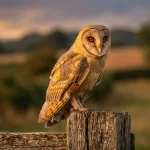
Have you ever been captivated by the striking beauty of an owl and wondered if you could pet one? These majestic birds, often shrouded in mystery, are as fascinating as they are delicate. However, interacting with them requires an understanding of their unique needs and behaviors. This guide will explore crucial safety and handling guidelines that will not only protect the owl but also enhance your experience. Whether you’re a passionate bird enthusiast or simply curious about these nocturnal wonders, knowing how to approach owls responsibly can foster a deeper appreciation for their role in our ecosystem. Dive in to ensure your interactions are both rewarding and safe, while safeguarding these remarkable creatures.
Can Owls Be Tamed? Understanding Their Nature
Owls are often shrouded in mystery, captivating the imagination with their silent flight and haunting calls. Many bird lovers dream of having a personal bond with these enigmatic creatures, but it’s crucial to understand their nature before attempting to tame or interact with them. Despite their beauty, owls are not domesticated animals. Their instincts, behaviors, and ecological needs are finely tuned for survival in the wild, making them challenging companions in a home setting.
While some individuals have successfully trained owls to respond to commands, this process often requires extensive time, patience, and a deep understanding of avian behavior. Owls are generally solitary creatures, and many species do not thrive in human environments. They can experience stress when housed improperly, which can lead to health issues or behavioral problems. It’s essential to recognize that owning an owl, or any wild animal, isn’t simply about companionship; it requires a commitment to meeting their complex needs.
Understanding Owl Behavior
Owls communicate in various ways, including vocalizations, body language, and even their posture. They use hoots, screeches, and other sounds to express emotions or establish territory. Observing an owl’s body language can provide valuable insight into its feelings: a puffed-up feather display can indicate aggression, while a relaxed posture often signifies contentment or submission.
Approaching and Handling Owls
The first rule of thumb when approaching an owl is respect for its space. Each owl has its comfort zone, and invading it can lead to stress or aggression. If you find yourself in close proximity to an owl, move slowly and deliberately. Eye contact can be threatening, so it’s best to avert your gaze slightly. Use a calm and soft voice to soothe the bird, allowing it to become accustomed to your presence before attempting any form of interaction.
Handling an owl is a delicate process. It’s recommended to keep these interactions to a minimum unless absolutely necessary. If you must handle an owl, wear protective gloves and ensure that the bird is securely restrained to prevent injury to both you and the owl. Focus on supporting its body properly to avoid putting stress on its wings or legs, which can result in harm.
Building Trust with Owls
Building trust with an owl takes time and requires consistent, positive interactions. Start by providing food rewards when the owl is calm and relaxed, allowing it to associate your presence with positive experiences. Consistency is key; regular feeding times can help establish a routine. Be patient and attentive to the owl’s reactions, adjusting your approach based on its comfort level.
In conclusion, while the idea of taming an owl may be alluring, it is paramount to approach these magnificent birds with the understanding that their instincts and well-being should always come first. Experience with owls requires serious commitment and knowledge about their behavior, care, and the legalities surrounding their ownership. Engaging with owls should be undertaken with the utmost respect, prioritizing their natural behaviors and needs.
Is It Legal To Own an Owl? Laws and Regulations
In many places around the world, the allure of owning an owl leads to questions about legality and regulations governing these majestic birds. For enthusiasts considering bringing an owl into their lives, understanding the legal landscape is crucial. In the United States, the legality of owl ownership varies significantly by state, and it is essential to research local laws thoroughly before engaging with these beautiful birds.
Typically, the possession of owls is highly regulated under both state and federal laws. The Migratory Bird Treaty Act, enacted in 1918, protects most species of birds, including all native owls, making it illegal to possess, sell, or transport them without a special permit. This law was put into place to protect wildlife and ensure that populations remain stable. Owning an owl often requires a wildlife rehabilitation permit or a falconry license, both of which involve meeting specific requirements, including facilities, training, and experience. In states like California, for instance, you’re required to demonstrate a thorough understanding of avian care and behavior before being granted such permits.
If you’re interested in owning an owl, first check with your state’s fish and wildlife agency to get information on the necessary permits and any restrictions that may apply. Additionally, federal regulations oversee the commercial trade of wildlife, so if you are considering purchasing an owl, ensure that the seller is properly licensed. It is also worth mentioning that some species of owls are listed on the CITES (Convention on International Trade in Endangered Species) list, which adds another layer of complexity regarding ownership and trade.
Before you consider bringing an owl home, it is crucial to reflect on the commitment required. Owls are not traditional pets; their care involves a significant investment of time, money, and effort. Responsible ownership includes not only complying with laws but also ensuring that you can provide the necessary environment and care to meet their complex needs. Engaging with owls should always be undertaken with respect for their status as wild animals, and understanding the legal requirements is a vital first step in that journey.
Safety First: Essential Precautions When Handling an Owl
When it comes to interacting with owls, ensuring both your safety and the bird’s well-being is paramount. Owls are wild animals, equipped with sharp talons and powerful beaks that can cause serious injury if they feel threatened or cornered. Understanding their natural behavior and preparing yourself before handling one can make a significant difference in your interaction experience.
To start, it’s crucial to recognize that not all owls are the same. For individuals considering handling an owl, especially for the first time, thorough research on the specific species is essential. Some species, like the Barn Owl, might be more accustomed to human interaction due to prior exposure and rehabilitation efforts, while others, such as the Great Horned Owl, may be less tolerant. Always approach an owl with calmness and respect, avoiding sudden movements that may scare it.
Essential Precautions
Before any interaction, take the following precautions:
- Wear Protective Gear: Use gloves and consider wearing long sleeves to guard against potential scratches and bites.
- Stay Calm: Your demeanor can influence the owl’s behavior. Speak softly and avoid loud noises.
- Secure the Environment: Ensure the area is safe for both you and the owl, with limited distractions and escape routes.
- Understand Body Language: Familiarize yourself with the signs of stress in owls, such as hissing, fluffed feathers, or irritable movement.
Additionally, make sure you have the right tools at hand. A sturdy bird handling glove and a hood (which can help keep the owl calm) are essential for safe interactions. If you’re unsure, seek advice from professionals or experienced handlers before attempting direct contact. If you find an injured owl or one in distress, it’s best to consult wildlife rehabilitation experts rather than overly handling the animal yourself.
Owling is a fulfilling experience when approached correctly with care and caution. By respecting their nature and adhering to safety guidelines, you can ensure a rewarding interaction with these magnificent creatures while prioritizing well-being for both the bird and yourself.
The Right Way to Approach an Owl: Tips for Interaction
When approaching an owl, you’re stepping into the intriguing and mysterious world of these magnificent birds. One captivating fact about owls is their ability to rotate their heads up to 270 degrees, which gives them an extraordinary vantage point in their environment. This remarkable adaptation demonstrates not only their unique biology but also highlights the importance of approaching them with care and awareness. Understanding how to interact correctly with owls can foster a meaningful connection while ensuring both your safety and the bird’s well-being.
To begin your interaction, it’s essential to approach an owl slowly and calmly. Sudden movements or loud noises can startle them, leading to stress or defensive reactions. As you move closer, take a moment to observe the owl’s body language. Look for signs that indicate comfort, such as relaxed feathers and a calm posture. If the owl appears agitated, backing away is a good practice to avoid escalating the situation. Always maintain a respectful distance initially, allowing the owl to dictate the pace of the interaction.
When you feel ready to get closer, consider these actionable tips to enhance your experience:
- Speak Softly: Use a gentle tone to create a peaceful atmosphere. Your voice can reassure the owl and prevent unnecessary alarm.
- Limit Eye Contact: Direct staring can be perceived as a threat. Instead, glance occasionally and look away to signify you mean no harm.
- Hands Down: Keep your hands at your sides or gently extended. Avoid reaching out abruptly; this can be interpreted as an invasion of their space.
- Use Food Wisely: If you are trained and it’s appropriate for the species, use treats to gain the owl’s trust. Always consult with a professional on what foods are suitable.
Engaging with owls can be a richly rewarding experience, particularly when done with patience and respect. Each species of owl has its own unique behaviors and temperaments. For instance, the Barred Owl, known for its curious nature, may respond positively to a gentle approach, while the more reserved Eastern Screech Owl might need to feel more comfortable before engaging. Individual experiences will vary, but the key to a successful interaction lies in understanding the owl’s nature and responding to its needs with empathy. Embrace the journey into the world of owls and cherish the knowledge and appreciation you gain along the way.
How To Handle An Owl: Best Practices For Safety
Handling an owl is not just about the encounter; it’s about respecting these magnificent creatures and ensuring both your safety and theirs. Owls possess sharp talons and powerful beaks, designed for hunting and defense, making it imperative to approach handling situations with caution and knowledge. By understanding their nature and adhering to best practices, you can facilitate safer interactions.
Before attempting to handle an owl, it is essential to have the proper training and experience. Always consult a professional wildlife handler, as they can provide the necessary guidance and equipment like gloves, which can protect you from accidental scratches or bites. Remember, handling should only be done if absolutely necessary and in accordance with local laws and regulations. For example, if you work with a rehabilitation center, you may be trained to assist in caring for injured owls, thus providing invaluable aid while ensuring your safety.
When you approach an owl for handling, it’s vital to maintain a calm demeanor. Use the following tips for a safer and more respectful interaction:
- Use Proper Equipment: Always wear appropriate gloves and utilize a towel or blanket to cover the owl, which can help minimize its stress during handling.
- Secure Grip: If you need to hold the owl, it should be done gently but firmly, ensuring that the talons are restrained without causing discomfort.
- Limit Movement: Minimize your movements and keep the environment quiet to prevent startling the owl, which can lead to panic and defensive behavior.
- Monitor Behavior: Pay attention to the owl’s body language. Signs of stress or discomfort, such as hooting, feather fluffing, or a stiff posture, often indicate that you should stop handling immediately and give the bird space.
For those with experience, recognizing specific behaviors can further enhance safety. For instance, some owls have unique responses to handling based on their species. While a Great Horned Owl might be more tolerant once accustomed to their handler, a Barn Owl may be more skittish. Understanding these nuances can provide a richer, more meaningful interaction while safeguarding against potential harm. Always end any handling session with a positive note, ensuring that you return the owl to its environment smoothly and respectfully.
Recognizing Owl Behavior: What to Expect When You Meet One
Meeting an owl in the wild or in a rehabilitation setting can be a remarkable experience, but it’s crucial to understand their behavior to ensure safety for both the bird and the handler. Owls are unique creatures with distinct body language that can signal their mood or comfort level. For example, an owl that feels threatened will often puff up its feathers and widen its eyes. Recognizing these signs can help you interact with them more safely and respectfully.
When you approach an owl, notice its stance and overall demeanor. A calm owl will typically have its feathers smooth and its body relaxed. If it begins to swivel its head frequently or tilt it, it could be trying to assess the situation-it’s vital to remain quiet and still during this observation period. You may also notice an owl making soft, low hoots; this can be a good sign, indicating that it feels secure. Conversely, if an owl starts flapping its wings or making loud, aggressive calls, it’s best to retreat and give it space.
Understanding that different species exhibit different behavior is also essential. For instance, the Great Horned Owl, known for its adaptability, might show signs of curiosity and tolerance if it’s used to human interaction. In contrast, a Barn Owl may demonstrate skittish behavior, preferring to stay hidden. Adjusting your approach based on the species you are interacting with-and being mindful of their particular comforts and stress signals-can significantly improve your interaction.
Lastly, patience is paramount when dealing with owls. They rely heavily on their senses-especially sight and hearing-so any abrupt movements can startle them. Moving slowly, speaking softly, and allowing them to observe you can build trust. With time, and with proper handling techniques, you can create a more comfortable environment for both you and the owl, paving the way for a rewarding encounter with these magnificent birds.
Understanding Owl Species: Which Are Best for Handling?
Owls are fascinating creatures renowned for their silent flight, keen hunting skills, and alluring presence. However, not all owl species react the same way to human interaction, making it critical to understand which ones are more amenable to handling. When considering an owl for potential interaction or companionship, understanding their temperament and natural behavior is essential for both the owl’s safety and the handler’s enjoyment.
Some of the most commonly handled owl species include the Eastern Screech Owl and the Barn Owl. Eastern Screech Owls, with their small size and adaptable nature, tend to be more tolerant of human presence. They often display curiosity rather than fear, making them ideal candidates for educational settings or rehabilitation environments. Their lightweight build also makes them easier to handle safely. Conversely, Barn Owls, known for their striking heart-shaped faces, can be more skittish. While they can be habituated through patience, their instinctive flight responses mean they require gentle handling and a calm atmosphere.
The majestic Great Horned Owl is another species worth discussing. While they are powerful and striking, they are typically less tolerant of handling due to their strong predatory instincts. If you do have the opportunity to interact with a Great Horned Owl, it’s imperative to ensure that they are young or have been socialized from an early age to human presence. Their larger size and strength require handlers to be more experienced and cautious. In contrast, the Western Barn Owl and some smaller species, like the Elf Owl, often respond positively to gentle handling and can develop a comfortable rapport with their handlers over time.
When determining which species to handle, consider the owl’s background, individual temperament, and prior exposure to humans. You may find that certain owls, such as those that have been raised in captivity, exhibit less fearful behavior and more openness to interaction. Regardless of the species, the key to successful handling is developing mutual trust through gradual exposure, patience, and respect for the owl’s natural behaviors.
For those interested in deeper engagement, attending falconry demonstrations or owl rehabilitation workshops can provide hands-on experience with various species, enhancing your understanding and appreciation while ensuring that interactions are in a controlled and safe environment. Remember, however admirable the idea of owning an owl may be, it is vital to think of the owl’s well-being above all and adhere to any local laws pertaining to owl ownership.
Building Trust with Your Owl: Training Techniques
Building a trusting relationship with an owl requires patience, understanding, and the right techniques tailored to their unique behaviors. Owls, by nature, are often wary of humans due to their instinctual flight response, so creating an environment of safety and comfort is essential. Start by spending time near the owl’s habitat without direct interaction-this allows them to get accustomed to your presence. You can sit quietly for short periods, engaging in gentle activities like reading aloud in a soothing voice. Over time, they will begin to associate your presence with calmness rather than potential threats.
Once the owl seems comfortable, you can begin to introduce basic training techniques. Using positive reinforcement is crucial. Offer treats that are appropriate for the species, such as small pieces of meat or specialized owl pellets. Whenever the owl exhibits curiosity or a positive response to your interaction, reward them immediately to reinforce that behavior. Establishing a consistent routine can also help; for example, visit your owl at the same time each day to foster predictability and security.
Creating a Safe Training Environment
It’s vital to conduct training sessions in a controlled space where the owl won’t feel overwhelmed. Keep the environment quiet and free from distractions, allowing the owl to focus on you. Begin with short training sessions to avoid overstimulating them. As the owl becomes more comfortable with your presence and is responsive to rewards, gradually increase the duration and complexity of the activities. Incorporate gentle handling as they become more accustomed to you, ensuring that all interactions are calm and respectful.
Understanding Individual Needs
Just like any creature, each owl has its personality. Monitor their reactions closely and adapt your approach accordingly. Some owls, such as the Eastern Screech Owl, may quickly warm up to human interaction, while others, like the Great Horned Owl, may take longer to trust. Patience is key; if an owl displays signs of distress, such as flattening its ears or rapid blinking, it’s a signal to take a step back and allow more time for acclimatization.
By fostering trust step-by-step, you can build a rewarding relationship with your owl, marked by mutual respect and understanding. Remember, each successful interaction amplifies your bond, bringing you one step closer to having a meaningful connection with these magnificent birds.
Feeding and Care: What Owls Need to Thrive
Owls are mesmerizing creatures, known for their quiet grace and remarkable hunting skills. Ensuring their well-being goes far beyond simply providing food; it involves understanding their unique dietary needs and care requirements. Whether you’re contemplating owl ownership or simply want to appreciate these magnificent birds, knowing what they require to thrive is essential.
Owls are predominantly carnivorous, requiring a diet rich in protein. Their diet can consist of small mammals, birds, insects, and even rodents, depending on the species. It’s important to provide a varied diet that mimics their natural foraging patterns. For many, this means offering items like:
- Whole rodents (such as mice and rats)
- Small birds
- Insects (like crickets and mealworms)
- Commercially available zoos and avian pellets designed specifically for raptors
Nutritional Considerations
Different species have varying nutritional requirements. For example, larger owls like the Great Horned Owl may need more substantial prey compared to smaller species like the Eastern Screech Owl. Additionally, it’s crucial to supply fresh water daily and to vary the food presentation, which can stimulate their foraging instincts and prevent boredom.
Maintaining proper feeding schedules is another key element of owl care. Young owls, or owlets, typically need to be fed multiple times a day, while adult owls can often be fed every couple of days. Monitoring an owl’s weight and adapting their diet according to their activity level and age will help keep them healthy.
Creating an Enriched Environment
Beyond food, the environment in which an owl lives plays a vital role in its overall health. Owls need adequate space to exercise and exhibit natural behaviors such as perching, climbing, and flying. Enrichment devices, such as perches of varying heights, natural branches, and safe toys, help keep their minds stimulated. Providing areas for hiding and nesting can also contribute to their well-being.
In summary, understanding the feeding and care requirements of owls fosters a deeper connection and respect for these incredible birds. Whether you’re a novice bird enthusiast or a seasoned caretaker, prioritizing their nutritional and environmental needs will ensure that they thrive, showcasing their unique traits while enriching your experience with them.
Common Myths About Owls: Busted for Owl Enthusiasts
Owls have long captured our imagination, often surrounded by myths and misunderstandings. Many people believe that these majestic birds can easily be tamed like dogs or cats, but that notion could not be more misguided. While certain species may form bonds with their handlers, the idea of a domesticated owl is a myth. Owls are wild animals, driven by instincts that dictate their behaviors. Their natural instincts include hunting, foraging, and maintaining a solitary lifestyle, making them unsuitable as typical pets.
Another widespread belief is that owls are silent creatures when, in reality, they can be quite vocal. Each species has its unique set of calls, from the hoots of the Great Horned Owl to the eerie screeches of the Barn Owl. Understanding these vocalizations is crucial for owl enthusiasts; recognizing them helps us appreciate their importance in the ecosystem and navigate interactions more safely. Breeding calls, warning calls, and alarm calls all have specific meanings, emphasizing the rich communicative behaviors of these birds.
There’s also a common misconception that owls are inherently dangerous or aggressive. While they are indeed birds of prey equipped with sharp talons and beaks, most owls prefer to avoid confrontation and will only act defensively when they feel threatened. Learning to read an owl’s body language can provide valuable insights: for instance, if an owl puffs up its feathers or turns its body away, it may be feeling cornered. Approaching them calmly and at a safe distance is essential for a successful interaction, both for the human and for the owl’s emotional well-being.
Understanding these myths not only promotes deeper respect for these fascinating creatures but also enriches our engagement with them. By fostering a mindset grounded in factual knowledge, owl enthusiasts can enjoy a more fulfilling experience, whether they’re observing them in the wild or caring for them in a rehabilitation context. Knowledge about owl behaviors and needs is key to ensuring a safe and enriching relationship with these incredible birds.
Engaging with Owls: Experiences and Events to Consider
Imagine standing in a dimly lit forest at dusk, the air thick with anticipation, and suddenly the haunting call of an owl resonates through the trees. Engaging with these enigmatic creatures is not just a passive observation; it’s an active journey that can deepen your connection to nature and enhance your understanding of owl behavior. Whether you’re a seasoned birdwatcher or a curious beginner, participating in owl-related experiences can offer invaluable insights into these majestic birds and their environments.
There are numerous opportunities to immerse yourself in the world of owls. Many wildlife rehabilitation centers and nature reserves offer educational programs, allowing participants to learn directly from experts about owl care, behavior, and conservation. These programs often include *live demonstrations*, where participants can see owls up close, learn how to properly handle them, and understand their specific needs. This hands-on experience will give you an appreciation for their delicate nature and the complexities of their care.
Events and Gatherings
Participating in events such as owl prowls or educational workshops can also enhance your experience. Owl prowls typically involve guided nighttime walks, where an expert leads the group through areas known for owl activity. This is a fantastic way to learn how to identify different owl species by their calls and physical characteristics. These outings not only provide an opportunity to observe owls in their natural habitat but also emphasize the importance of nocturnal ecosystems.
Community events, such as those organized by Audubon societies or local wildlife groups, can create a sense of camaraderie among nature enthusiasts. Engaging with others who share your passion for birds can lead to *sharing stories, tips, and experiences*, enriching your understanding of owls and their behaviors.
Volunteering and Rehabilitation
For those looking for a more hands-on approach, consider volunteering at wildlife rehabilitation centers that specialize in birds of prey. These organizations often rely on volunteers to assist with feeding and caring for injured owls. While you may not have the chance to handle them frequently, the experience of working alongside professionals in the field can provide a profound understanding of what it takes to rehabilitate and care for these incredible creatures.
In conclusion, engaging with owls through educational events, community gatherings, and volunteering is a thrilling way to deepen your understanding and appreciation of these wild birds. Each experience not only enhances your observational skills but also fosters a stronger commitment to owl conservation and welfare. By participating in these activities, you’re not just observing owls; you’re actively contributing to a greater narrative of understanding and safeguarding their future.
What to Do If You Find an Injured Owl: A Quick Guide
Finding an injured owl can be a heart-wrenching moment, as these majestic birds play a crucial role in their ecosystems. However, knowing how to respond can significantly affect the bird’s chances of recovery. If you come across an owl that appears to be in trouble, the first step is to assess the situation from a distance. Owls are sensitive creatures, and your presence can either agitate them or cause further stress. Look for signs of injury or distress, such as inability to fly, awkward positioning, or visible wounds.
Should you determine that the owl needs assistance, your next move is critical. Avoid attempting to handle the bird yourself, as this can lead to harm for both you and the owl. Instead, contact a local wildlife rehabilitator or animal control agency immediately. They are trained to handle these situations and can provide the necessary care and shelter. Provide them with detailed information about the owl’s condition, its location, and any visible injuries to aid their rescue efforts.
In the rare instance that you must transport the owl before help arrives, make sure to create a safe environment. Use a sturdy cardboard box lined with a soft cloth; ensure the box has ventilation holes but is darkened to keep the bird calm. Always wear gloves to protect yourself from potential bites, as injured owls can be defensive, and handle the bird gently.
After the owl’s safe transfer to a professional or a rehabilitation center, make sure to follow up if you’re interested in its progress. Wildlife rehabilitators often appreciate knowing how the situation unfolded and may provide updates on the owl’s recovery. Remember, each action taken can contribute significantly to the well-being of these stunning raptors, ensuring their vital role in nature continues.
Faq
Q: Is it safe to pet an owl?
A: It is generally not safe to pet an owl due to their wild nature and specific handling requirements. Owls can become stressed when handled and may show defensive behaviors. Always prioritize safety and respect for their needs when interacting with them. For more tips on safe interactions, see our section on “The Right Way to Approach an Owl.”
Q: What should I do if I see an owl in the wild?
A: If you encounter an owl in the wild, maintain a safe distance to avoid disturbing it. Avoid direct eye contact, and don’t attempt to approach it. Instead, observe quietly, and enjoy the moment from afar. To learn more about observing owl behavior, check our section “Recognizing Owl Behavior.”
Q: Can owls be socialized to be more friendly?
A: While some owls can exhibit social behaviors, they are fundamentally wild animals. Socializing an owl requires specialized knowledge and experience. It’s crucial to build trust gradually and prioritize their natural instincts. Explore our section on “Building Trust with Your Owl” for helpful training tips.
Q: How do I know if an owl is stressed?
A: Signs of stress in owls include excessive vocalization, aggressive postures, or attempts to fly away. If an owl exhibits these behaviors, it’s best to give it space and avoid further interaction. Learn more about recognizing owl behavior in our detailed section on “Recognizing Owl Behavior.”
Q: What type of environment do owls need to thrive?
A: Owls require a suitable habitat that mimics their natural environment, including places to perch, ample cover, and hunting grounds. Providing a quiet, enriched space is crucial for their well-being. For specific care requirements, refer to “Feeding and Care: What Owls Need to Thrive.”
Q: Are there any specific owl breeds that can be handled?
A: Some smaller owl species, like the Eastern Screech Owl, may adapt better to human interaction, but handling should still be approached with caution. Familiarize yourself with the characteristics of different species before attempting any interaction. Check our section on “Understanding Owl Species” for more details.
Q: What legal restrictions are there around handling owls?
A: Different regions have specific laws regarding the handling of owls, which often protect wildlife. Ensure compliance with local regulations before attempting to interact with any owl. You can find more information in our article section “Is It Legal To Own an Owl? Laws and Regulations.”
Q: What should I do if I encounter an injured owl?
A: If you find an injured owl, it’s important to contact a licensed wildlife rehabilitator immediately rather than attempting to care for it yourself. They have the expertise to provide the necessary care and treatment. For more guidance, see our section “What to Do If You Find an Injured Owl.”
The Way Forward
Thank you for exploring “Can I Pet an Owl: Safety and Handling Guidelines.” Remember, while these magnificent creatures can be captivating, understanding their behavior and care is essential for their well-being-and yours! If you’re eager to learn more about owl species and their unique traits, check out our articles on Owls of North America and Essential Bird Care Tips.
Ready to delve deeper into the wonderful world of birds? Consider subscribing to our newsletter for expert insights and exclusive resources! Your safety and the proper treatment of these birds are crucial, and we invite you to share your experiences or questions in the comments below. Together, we can foster a community passionate about avian care and appreciation. Don’t miss out-your next adventure in birdwatching awaits!
Get our latest guides, news, and insights highlighted in your Google Search & AI Overviews.