When you think of nature’s most enigmatic hunters, owls often come to mind-majestic birds of prey with the skills to take down small mammals and birds. But what about snakes? In this thrilling exploration of predator versus predator, we dive into the fascinating world of owls and their dietary choices. Can an owl really eat a snake? This question not only captivates wildlife enthusiasts but also sheds light on the intricate balance of ecosystems. Understanding this dynamic can enhance our appreciation for these remarkable creatures and help us grasp the roles they play in their environments. Join us as we uncover the strategies, adaptations, and surprising encounters between owls and snakes that reveal the harsh realities of survival in the wild. Get ready for an engaging journey that will satisfy your curiosity and deepen your knowledge of these formidable predators!
Can Owls Really Eat Snakes?
Owls are remarkable predators, and while they are often associated with hunting small mammals or birds, they certainly have the capability to eat snakes. This action is not only a testament to their versatility as hunters but also highlights the dynamic predatory relationships in nature. Various owl species, especially larger ones, have been known to include snakes in their diets. This predatory behavior demonstrates the adaptability and opportunistic nature of owls when foraging for food.
Typically, larger owls such as the Great Horned Owl are more prevalent in capturing snakes. They have the size and strength needed to tackle snakes that can range from harmless garden varieties to more formidable types like rattlesnakes. Owls have keen eyesight and extraordinary hearing, allowing them to locate their slithering prey effectively. When hunting, an owl will use its powerful talons to grasp and immobilize the snake, followed by consuming it whole. This ability to swallow prey that is often longer than their heads demonstrates the specialized morphology that allows for such feeding practices.
In terms of behavioral dynamics, snakes can exhibit various strategies to evade these avian hunters. Many snake species rely on camouflage, quick movements, or burrowing to avoid detection. However, the aerial advantage of owls can often overcome these adaptations, resulting in a fascinating predator-prey interaction that underscores the complex balances within ecosystems. Understanding these interactions enhances our appreciation for both owls and snakes as integral parts of their habitats.
Understanding Predator vs Predator Dynamics
In the natural world, the interactions between predators are anything but straightforward. The owl, a master of stealth and silence, represents one of the most effective nocturnal hunters, while snakes, with their agility and camouflage, are adept at evading detection. When we explore their predator-versus-predator dynamics, we uncover a fascinating interplay shaped by adaptation, opportunity, and instinct.
Owls like the Great Horned Owl have evolved not only to hunt mammals and birds but also to adapt their hunting strategies to include snakes in their diet. This versatility is critical; these owls can thrive in diverse habitats where prey may vary significantly. With powerful talons and a wide wingspan, they can swoop down with remarkable speed, often ambushing their serpentine prey before the latter even realizes they are in danger. In contrast, snakes possess a set of skills that allows them to evade such avian predators. Many species utilize their excellent camouflage skills to blend into their surroundings, making it difficult for owls to spot them from above. Moreover, some snakes exhibit quick, erratic movements when threatened, which can disrupt an owl’s tracking ability.
Adaptations and Strategies
Different species exhibit unique adaptations that affect their predator dynamics. For instance, larger snakes, such as rattlesnakes, have potent defensive mechanisms like venom and warning systems (e.g., rattling) to dissuade threats. However, this venomous defense may be ineffective against larger owls that can consume them without succumbing to their bite. On the flip side, smaller snakes are often less conspicuous and rely heavily on their ability to remain undetected to survive owl attacks.
Additionally, the environment plays a significant role in these predator interactions. In dense habitats, both owls and snakes might experience heightened challenges; owls may struggle to hunt effectively, while snakes can find more hiding places. Understanding these dynamics not only highlights the intricate balance of ecosystems but also brings to light the continual adaptations both groups undergo to survive and thrive in their respective niches.
Ultimately, the relationship between owls and snakes showcases the intricate dance of predator and prey, highlighting how life in the wild is a constant struggle for survival where both hunters and hunted must remain alert and adaptive.
Owl Species Known for Hunting Snakes
One of the most striking aspects of owls is their remarkable adaptability as hunters, which is clearly evident in certain species that have evolved to include snakes in their diets. Among these, the Great Horned Owl stands out as a formidable predator. Known for its iconic tufted ears and powerful physique, this species boasts a diverse diet that can include not only rodents and birds but also various snakes. Great Horned Owls are known to take on sizeable prey, using their strength to subdue even venomous species like rattlesnakes and copperheads.
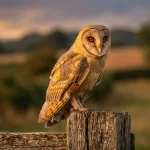
Another noteworthy species is the Barn Owl, recognized for its silent flight and exceptional hearing, which allows it to detect even the faintest rustle of a snake in the underbrush. Barn Owls tend to hunt in open fields and grasslands, where they can spot their slithering prey during the night. Their keen sense of hearing is pivotal in identifying the subtle movements of snakes hidden among the foliage or grass, enabling them to swoop in for a precise strike.
Adaptations for Hunting
These owls exhibit several adaptations that enhance their hunting efficiency. For instance:
- Silent Flight: Owls possess specialized feathers with serrated edges that reduce sound during flight, allowing them to approach prey undetected.
- Ocular Adaptation: Their large eyes provide excellent night vision, which is crucial for hunting in low-light conditions where snakes are most active.
- Strong Talons: Owls have powerful feet equipped with sharp talons designed for gripping and immobilizing slippery snakes.
Behavioral Insights
Among the lesser-known snake-hunting owls is the Eastern Screech Owl, a small yet fierce predator. While they primarily target insects and small mammals, these owls have been documented hunting smaller snake species, showcasing their opportunistic feeding behavior. The adaptability of owls in exploiting different food sources is a fascinating aspect of their ecological role, reflecting their position as top nocturnal predators that can influence prey populations significantly.
Overall, the adaptations and behaviors of these owl species not only demonstrate their prowess in hunting snakes but also highlight the intricate balance of predator and prey dynamics in their ecosystems. Whether you are a beginner birdwatcher or a seasoned ornithologist, observing these magnificent hunters in action provides invaluable insight into the complexities of wildlife interactions.
The Anatomy of an Owl: Hunting Adaptations
Owls are some of nature’s most remarkable predators, equipped with an array of adaptations that allow them to hunt a wide variety of prey, including snakes. Their unique anatomical features play a crucial role in their hunting success. Notably, an owl’s keen vision is a game-changer; their large, forward-facing eyes provide exceptional depth perception and night vision, enabling them to detect even the slightest movement in low-light conditions. This is particularly advantageous when hunting elusive snakes, who often maneuver quietly among grasses or underbrush.
Another critical adaptation is the owl’s specialized feathers, which are not just for aesthetic appeal. The serrated edges of their wing feathers help to muffle sound during flight, allowing them to swoop down on unsuspecting prey silently. This stealth approach is vital, especially when targeting snakes that rely on their camouflage to avoid detection. Once within striking distance, owls employ their powerful talons, which are perfectly designed for gripping and subduing even slippery serpents. These strong, sharp talons allow them to grasp their prey securely, ensuring a successful catch.
Owls also exhibit fascinating behavioral adaptations during hunting. For example, they often rely on a technique known as “still hunting,” where they perch quietly and watch for movement. Once they spot a snake, they can swoop down at astonishing speeds, utilizing their sharp talons to capture their prey before it has a chance to escape. This combination of physical and behavioral adaptations highlights the strategic prowess of these nocturnal hunters in the predator-prey dynamic, showcasing their ability to thrive in diverse environments.
By understanding these adaptations, birdwatchers and nature enthusiasts can gain a deeper appreciation for the ecological role that owls play, not just as hunters of snakes, but as vital components in maintaining the balance of their ecosystems. Whether you’re observing a Great Horned Owl dominate its territory or a Barn Owl deftly gliding through fields, witnessing these adaptations in action is a reminder of nature’s intricate design.
Common Snake Species Targeted by Owls
Owls are fascinating predators, and their diet reflects a remarkable adaptability to various habitats, allowing them to target a wide range of prey, including several snake species. Among the most common snakes that fall victim to these keen-eyed birds are garter snakes, rat snakes, and king snakes. These species, prevalent in many regions, offer owls a reliable source of sustenance due to their availability and relatively slow movements compared to other, more agile prey.
Garter Snakes are often found in grassy areas, making them a prime target for owls, especially during dusk when these serpents become more active. Their small size and varied colors can make them appealing snacks for owls like the Great Horned Owl, which is known for its robust hunting capabilities. Likewise, rat snakes, with their longer bodies and tendency to seek shelter in trees or barns, can also inadvertently cross paths with hungry owls. The Barn Owl, with its exceptional hearing and silent flight, is particularly effective in hunting these larger, more cumbersome snakes.
Another noteworthy target is the king snake, which, while often found in wooded or shrubby areas, can still be susceptible to owl predation. Their striking colors and patterns can make them less wary of aerial threats, leading to unfortunate encounters. Given that owls utilize their strong talons to grasp and disarm their prey swiftly, these interactions are often over in the blink of an eye.
In summary, the owl’s hunting prowess, combined with a diverse diet, underscores its role as an essential predator in the ecosystem. Understanding which snake species are likely to be targeted not only enriches our appreciation of these majestic birds but also helps in advocating for the conservation of both owls and their prey, ensuring a balanced environment for all.
How Owls Capture and Consume Their Prey
Owls are formidable hunters, and their technique for capturing and consuming prey like snakes is nothing short of mesmerizing. Their hunting process begins with their acute senses; they possess exceptional hearing and night vision, allowing them to detect the slightest movements of their slithering targets even under the cloak of darkness. This sensory prowess is enhanced by their silent flight, facilitated by specially adapted feathers that muffle sound-an advantage that keeps them undetected as they approach their prey.
When an owl spots a snake, it utilizes a combination of stealth and precision. The bird will typically perch quietly, scanning its surroundings for any potential catch. Once a snake is spotted, the owl launches into a swift, often vertical dive, extending its powerful talons in preparation for capture. Owls like the Great Horned Owl are particularly effective at this, as their strong feet allow them to grip and immobilize the snake instantly. Once captured, the owl may twist and kill the snake quickly, minimizing the risk of being bitten, especially since some snake species can be venomous.
After the capture, the real artistry of consumption begins. Owls tend to swallow their prey whole, a behavior that showcases their unique digestive anatomy. Their flexible beaks allow them to dislocate and swallow even larger snakes, while their digestive systems are designed to break down all parts of the prey efficiently. In cases where they consume snakes whole, they later regurgitate indigestible materials like bones and scales, which are ejected in the form of pellets. This fascinating aspect of owl biology not only demonstrates their adaptability but also provides insight into the dietary habits of raptors for avid bird watchers and wildlife enthusiasts alike.
Owls’ hunting methods exemplify the intricate predator-prey dynamics that exist in nature. Understanding these interactions enhances our appreciation for owls as vital players in their ecosystems and underscores the importance of conserving both owls and their snake prey. By fostering a balanced habitat, we ensure that these incredible hunting displays will continue to captivate future generations.
Behavioral Strategies of Snakes Against Predators
When faced with the threat of predation, snakes employ a variety of fascinating strategies to evade diminutive natural enemies like owls. These adaptations highlight the intricate dance of survival in the wild. With keen instincts and remarkable physical capabilities, many snakes can navigate their perilous environments to minimize their chances of becoming a meal.
One of the most effective behavioral strategies is camouflage. Many snakes, such as the Eastern Massasauga rattlesnake, have evolved to blend seamlessly into their surroundings, relying on patterns and colors that mimic the terrain – be it leaf litter, rocks, or sandy forests. This stealth helps them remain undetected, waiting quietly for their next opportunity, whether to strike at prey or escape from a lurking predator.
Moreover, some snake species possess defensive behaviors that deter predators. For example, when threatened, the Eastern Kingsnake exhibits a behavior known as “flattening,” where it lowers its body and spreads its ribs to appear larger and more intimidating. Certain snakes might even feign death in an effort to fool attackers into believing they are not worth the trouble, a strategy known as thanatosis. Additionally, venomous snakes may rely on their ability to deliver a painful bite, presenting a risk that potential predators like owls may choose to avoid altogether.
Sound and movement also play pivotal roles in snake defense. Many snakes use a subtle form of communication called intraspecific signaling, involving body language and posturing that can convey messages to perceived threats. Some species, like the rattlesnake, utilize sound as a warning, shaking their tails to create a distinct rattle that signals danger. Such auditory cues can be enough to send an owl or other predators searching elsewhere for easier prey.
Incorporating these strategies allows snakes to navigate the complex web of predator-prey relationships in their habitats. Their diverse adaptations not only promote individual survival but also contribute to the ecological balance, reinforcing the importance of these interactions for maintaining healthy ecosystems. By understanding how snakes react to their predators, we gain invaluable insight into their behavior and the dynamics of biodiversity in nature.
Comparative Strengths: Owls vs. Snakes
The dynamics of predator versus predator interactions can be fascinating, particularly when it comes to the complex relationship between owls and snakes. Owls, being skilled nocturnal hunters, utilize a combination of keen senses, stealthy flight, and impressive physical adaptations to capture their prey. In contrast, snakes, often underestimated in their defensive capabilities, have evolved various mechanisms to evade such predators.
Owls possess remarkable visual acuity, especially in low light conditions, which allows them to spot movement much better than many prey species, including snakes. Their ability to rotate their heads nearly 270 degrees and their silent wingbeats make them fearsome hunters. Strong talons facilitate the swift capture of snakes, enabling owls to kill and consume them effectively. However, not all owls target snakes as a primary food source. Various species will adapt their diets based on local prey availability, which can include rodents and birds.
On the other hand, snakes exhibit a range of behavioral adaptations that enhance their survival against predators like owls. Camouflage is a significant advantage for snakes, allowing them to blend seamlessly into their surroundings, thus increasing their chances of evading detection. While physically they may not match the strength of a determined owl, many snakes possess venom, which can deter larger predators when threatened. For example, some might not only rely on their camouflage but also exhibit aggression or defensive postures, such as the Eastern Kingsnake, which can deter many would-be attackers.
Ultimately, the encounter between an owl and a snake can hinge on many factors, including the owl’s hunting strategy, the snake’s escape tactics, and environmental conditions. This complex interplay reflects the broader themes of adaptation and survival found in nature, making each encounter between these two species a unique exploration of the predator-prey relationship. Understanding these dynamics not only enhances our knowledge of wildlife interaction but also emphasizes the delicate balance of ecosystems where both creatures play critical roles.
The Role of Habitat in Predatory Interactions
In the world of predatory interactions, habitat plays a critical role in determining the success of both owls and snakes. Understanding the specific environments where these animals thrive can shed light on their hunting strategies and survival mechanisms. For instance, owls often favor open landscapes, such as fields or wetlands, where they can utilize their exceptional vision to spot prey from great distances. In contrast, many snakes prefer dense cover-thickets, forested areas, and grasslands-that provide ample opportunities for camouflage and ambush.
The availability of prey greatly influences their interactions. Owls typically hunt small mammals, birds, and occasionally reptiles, including snakes. If a particular habitat has a high population of snakes, owls might adapt their diets to include them more frequently. Conversely, if snake populations dwindle, owls will shift their focus back to more abundant prey. This adaptation is crucial for both predators as it not only maintains their caloric intake but also affects the dynamics of the entire habitat.
Moreover, environmental factors like seasonality can impact these predator-prey interactions. For example, during the warmer months, snakes might be more active and visible, which presents owls with more opportunities for hunting. However, as cooler temperatures set in, snake activity decreases, and owls must rely more heavily on other prey. These seasonal shifts underscore the importance of habitat diversity, as varied environments allow both predators and prey to adapt their behaviors and increase their chances of survival.
In summary, the relationship between owls and snakes is deeply intertwined with their habitats. The availability of prey and environmental conditions dictate their hunting strategies and survival tactics. Observing these interactions in natural settings not only enhances our understanding of these two fascinating groups but also highlights the delicate balance of ecosystems in which they coexist.
Uncommon Facts About Owl-Snake Encounters
In the fascinating realm of predatory behaviors, encounters between owls and snakes can be quite surprising. While many envision owls solely as hunters of small mammals or birds, some owls, like the Barn Owl and Great Horned Owl, are also adept at taking down snakes. One remarkable fact is that owls often target snakes during specific times, particularly at night, when their incredible night vision allows them to spot these reptiles in the dark. This nocturnal hunting strategy highlights the adaptability of owls as they accommodate different prey availability based on time and situation.
Another intriguing aspect of these encounters is the size of the snake prey that owls can handle. While they generally prefer smaller species, there have been documented instances of large owls, such as the Eurasian Eagle Owl, successfully preying on sizeable snakes, including rat snakes and even juvenile rattlesnakes. This demonstrates not only the prowess of the owl but also the importance of habitat diversity, as owl populations thrive where both aforementioned prey and shelter are abundant.
Interestingly, snake behavior in response to the threat of owls adds an extra layer to their dynamic. Many snake species, such as the Eastern King Snake, exhibit defensive strategies when threatened by owls. These strategies can include rapid movements, camouflage tactics, or even mimicking dead prey to evade predation. Such responses underline the evolutionary arms race between these two predator types, emphasizing their struggle to outsmart one another in a bid for survival.
Finally, it’s worth noting that human activity often impacts these predator-prey dynamics. Habitat loss, pollution, and the introduction of non-native species can affect both owl and snake populations. Conservation efforts to preserve natural habitats are crucial for maintaining the balance of ecosystems, allowing owls and snakes to continue their age-old dance of predator and prey without undue human interference. Understanding these unique interactions enhances our appreciation for the complexity of nature and the fascinating lives of these two remarkable groups.
Human Impact on Owl and Snake Populations
The intricate balance of ecosystems that supports the predator-prey relationships between owls and snakes is increasingly threatened by human actions. Urbanization, agriculture, and industrial activities lead to habitat destruction, diminishing the natural environments both groups rely on. For instance, farmland often replaces forests, wetlands, and grasslands where owls hunt and snakes thrive, resulting in reduced availability of crucial nesting grounds and hunting territories. This disruption not only poses direct threats to the local populations of these species but also affects the larger food web in which they operate.
Pollution represents another significant challenge. Chemicals and toxins enter ecosystems through agricultural runoff, littering, and industrial waste, leading to a decline in both owl and snake populations. Since these predators are at the top of their food chains, they accumulate these toxins through biomagnification, which can impair their reproductive health and overall viability. For example, studies have shown that high levels of certain pesticides can lead to reduced egg production in birds of prey, including owls, while snakes may suffer from neurological problems affecting their hunting skills.
Furthermore, the introduction of non-native species can lead to intensified competition for resources. Invasive species often outcompete native wildlife for food and habitat, which can strain populations of both owls and snakes. For example, if an invasive rodent species takes over the habitat that supports local bird and snake populations, it might lead to an imbalance where native predators cannot find sufficient food. Encouraging biodiversity through conservation efforts is essential to prevent such mismatches and support the coexistence of these fascinating creatures.
Conservation strategies must address these multifaceted issues by focusing on habitat preservation, pollution control, and controlling invasive species. Community involvement can make a significant difference; engaging in local habitat restoration efforts, supporting wildlife-friendly policies, and educating others about the importance of these predators can foster healthier ecosystems. By understanding our impact and prioritizing conservation, we can ensure that owls and snakes continue their dynamic roles within the ecosystem, maintaining the natural balance that sustains them both.
Conservation Efforts for Predatory Balance
The survival of both owls and snakes in the intricate web of nature often depends on our approach to conservation. By fostering a greater understanding of their roles as predator and prey, we create pathways for meaningful conservation efforts. The challenges they face, from habitat destruction to pollution, can be mitigated through community-led initiatives and awareness campaigns that highlight the critical balance these creatures maintain within ecosystems.
Habitat Preservation
One of the most impactful conservation strategies is habitat preservation. Protecting existing habitats while restoring degraded areas allows both owls and snakes to thrive. Consider engaging with local environmental organizations to support projects that focus on replanting native vegetation, which provides crucial hunting grounds for owls and shelter for snakes. Additionally, creating wildlife corridors can facilitate safe passageways between fragmented habitats, enabling these species to find food and mates more effectively.
Pollution Control
Minimizing pollution is equally vital. Encouraging the use of organic farming practices within communities can significantly reduce pesticide runoff that poses a threat to birds of prey. Participating in or organizing clean-up events at local waterways can help remove litter and debris, ensuring that toxins do not enter food sources. You can also advocate for policies that enforce stricter regulations on industrial waste disposal to protect the delicate health of nearby ecosystems.
Invasive Species Management
Addressing the issue of invasive species is crucial for maintaining the natural predator-prey dynamics. Educating community members on identifying non-native plants and animals helps mitigate their spread. Local workshops can empower individuals to take action, such as removing invasive species from their gardens and opting for native plants that support local wildlife. Programs that incentivize landowners to manage invasive species can significantly benefit the entire ecosystem.
Community Involvement and Education
Finally, fostering community involvement and education is key to long-term success. Schools and local groups can initiate programs that teach children about the importance of both owls and snakes in our environment, turning them into advocates for wildlife conservation. Engaging in citizen science projects, like bird counting or snake monitoring, fosters a personal connection to these animals and emphasizes their value in our ecosystems.
By working together toward these conservation goals, we play a pivotal role in ensuring that both owls and snakes can continue their age-old dance of predator and prey, enriching our natural world for future generations.
FAQ
Q: Can owls hunt snakes effectively?
A: Yes, owls can hunt snakes effectively, especially species like the Eastern Screech Owl and Barn Owl, which have specialized hunting adaptations. Their keen eyesight and silent flight allow them to locate and capture snakes, which are part of their diverse diet. For more on hunting adaptations, check out the “The Anatomy of an Owl” section.
Q: What types of snakes do owls prefer to eat?
A: Owls typically target smaller snake species, such as garter snakes and juvenile rat snakes. Their hunting choices often depend on the owl species and local snake population dynamics. To explore common snake species targeted by owls, see the “Common Snake Species Targeted by Owls” section.
Q: How do owls catch snakes in the wild?
A: Owls catch snakes by using their exceptional night vision and silent flight to ambush prey. They may pounce from a perch or swoop down to grasp the snake with powerful talons, effectively immobilizing it. For details on this process, refer to “How Owls Capture and Consume Their Prey.”
Q: Are snakes effective at defending themselves against owls?
A: Yes, snakes employ various defensive strategies against owls, such as camouflage, fleeing, and even striking if threatened. Their ability to quickly hide or escape can sometimes thwart an owl’s hunting attempts. Visit “Behavioral Strategies of Snakes Against Predators” for more insights.
Q: How do owl and snake populations impact each other?
A: Owl and snake populations impact each other primarily through predation and competition for resources. An increase in owl populations can lead to decreased snake numbers, while abundant snakes might affect owl hunting success. To learn more, check the “Human Impact on Owl and Snake Populations” section.
Q: What adaptations do owls have specifically for hunting snakes?
A: Owls possess several adaptations for hunting snakes, including excellent night vision, silent wing structure for stealthy flight, and strong talons for gripping and restraining prey. These features enhance their hunting efficiency, making them formidable predators. For a deeper dive into adaptations, explore “The Anatomy of an Owl.”
Q: Do all owl species eat snakes?
A: Not all owl species eat snakes; their diets vary based on habitat and available prey. While some are known to hunt snakes, others primarily consume small mammals or birds. To learn which owls are known for hunting snakes, see “Owl Species Known for Hunting Snakes.”
Q: How can human activities affect owl-snake interactions?
A: Human activities, such as habitat destruction and pollution, can negatively impact both owl and snake populations. These changes can disrupt food availability and nesting sites, thereby altering predator-prey dynamics. For more on conservation efforts addressing these impacts, visit “Conservation Efforts for Predatory Balance.”
Insights and Conclusions
Thank you for joining us in exploring the fascinating world of owls and snakes in “Can an Owl Eat a Snake: Predator vs Predator Showdown.” We’ve unveiled thrilling insights into these incredible creatures’ behaviors, habitats, and hunting techniques. If you’re eager to delve deeper, check out our related articles on owl hunting strategies and the anatomy of snakes, which link these predators even more intricately. Don’t miss out on expanding your knowledge-subscribe to our newsletter for the latest updates and expert tips!
As our exploration wraps up, it’s important to remember that understanding these predators enhances our appreciation of nature. We’d love to hear your thoughts on this topic! Share your experiences in the comments below, and feel free to visit our resource page for birdwatching tools and classes that can elevate your skills. Keep discovering the wonders of wildlife, and see you next time!
Get our latest guides, news, and insights highlighted in your Google Search & AI Overviews.