Did you know that Mexico is home to over 1,500 species of butterflies, making it a treasure trove for enthusiasts and nature lovers alike? “Butterflies of Mexico: Complete Species Guide with Photos” invites you on an enchanting journey through this colorful realm, offering valuable insights into identification, habitat, and behavior. Whether you’re a seasoned collector or a curious newcomer, understanding these captivating creatures can enhance your appreciation of biodiversity and the vital roles butterflies play in our ecosystems. Dive into this comprehensive guide to discover species profiles, stunning visuals, and the essentials of butterfly conservation. Each page will pique your curiosity and inspire you to explore the beauty fluttering all around in Mexico.
Butterfly Species Overview in Mexico
Mexico is home to an astonishing array of butterfly species, with around 1,200 recorded within its borders. This diverse range reflects the country’s varied climates, ecosystems, and geographic features, from arid deserts to lush tropical rainforests. Each region showcases its unique butterfly populations, making Mexico a paradise for both casual observers and seasoned lepidopterists. Among these fluttering beauties, some of the most well-known species include the iconic Monarch butterfly, celebrated for its remarkable migration journey, as well as the striking Blue Morpho, famous for its brilliant iridescent wings.
The distinguishing characteristics of Mexican butterflies are as varied as the species themselves. Many possess vibrant colors and intricate patterns, often serving as a form of camouflage or as a warning to predators. For instance, the vibrant orange and black of the Monarch butterfly not only makes it easily recognizable but also signals its toxicity due to the milkweed consumed as a larva. To identify different species, pay attention to specific traits such as wing size, color variations, and behavioral patterns, including their flight style and feeding habits.
In terms of habitat, Mexican butterflies thrive in diverse environments, from coastal areas and mountains to urban gardens. Key regions such as the Sierra Madre mountains and the Yucatán Peninsula are particularly rich in species diversity, providing ample opportunities for butterfly watching. A simple visit to local parks or butterfly sanctuaries can reveal dozens of species in a single outing, making it a rewarding experience for nature lovers of all ages. Establishing a butterfly-friendly garden with native plants can further enhance your chances of attracting various species, providing essential nectar sources and host plants for caterpillars.
The cultural significance of butterflies in Mexican heritage cannot be overlooked, as they symbolize transformation and renewal. This relationship is particularly evident during the Day of the Dead celebrations, where Monarch butterflies are believed to represent the souls of the departed returning to visit their families. By embracing the beauty and wonder of butterflies, we not only appreciate their role in nature but also their place in the rich tapestry of Mexican culture.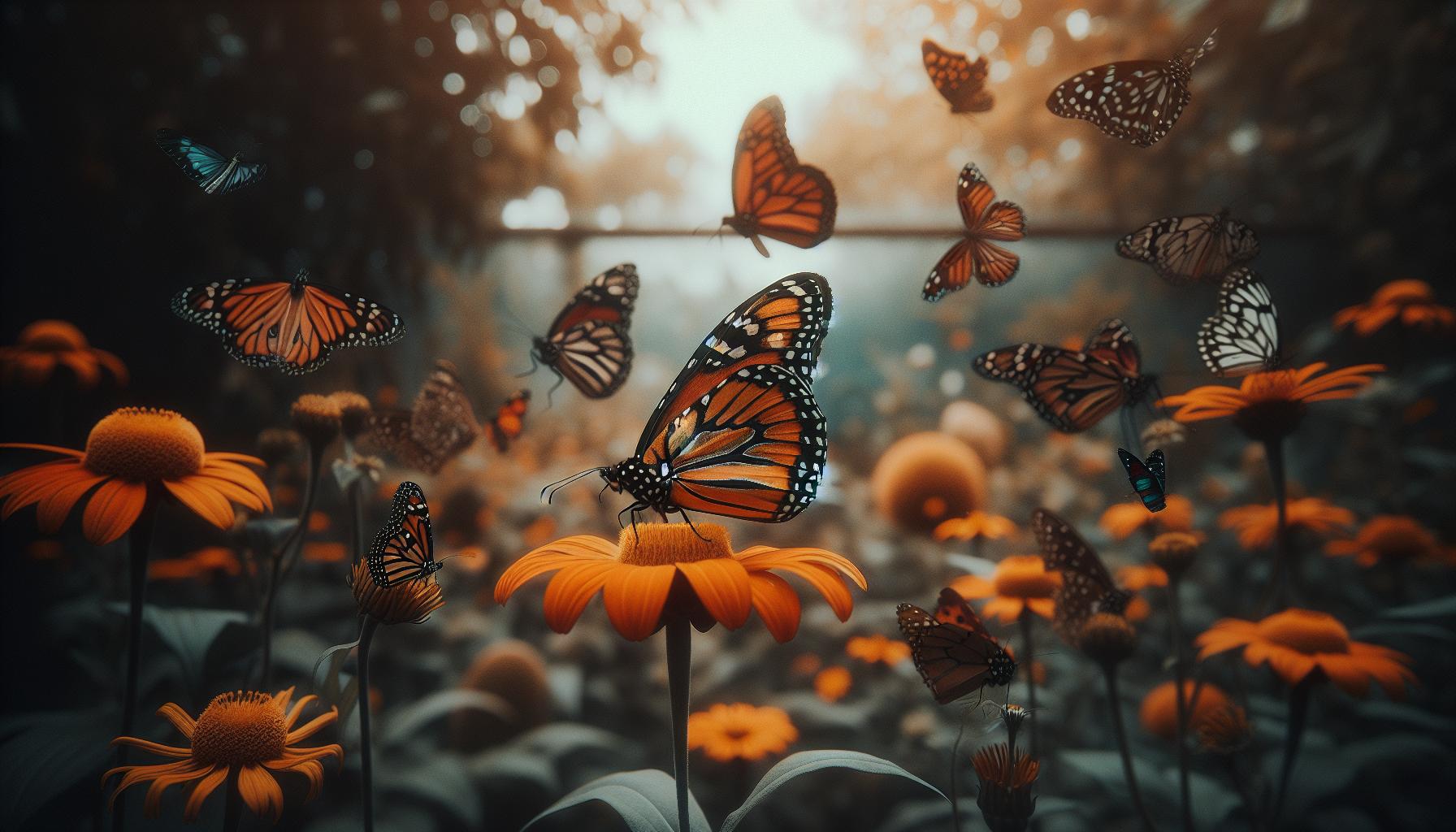
Identifying Characteristics of Mexican Butterflies
Butterflies in Mexico offer a spectacular visual feast, displaying a dazzling array of colors and patterns that can leave anyone captivated. With approximately 1,200 species fluttering through its diverse landscapes, knowing how to identify these enchanting insects becomes a rewarding pursuit for both beginners and experienced lepidopterists alike. The vibrant hues of these butterflies serve not only to attract mates but also to convey important messages about their wellbeing and habits.
When you encounter a butterfly, start by observing its overall size, shape, and wing structure. Most Mexican butterflies can be categorized into various families, such as the Nymphalidae, which includes the iconic Monarch (Danaus plexippus) and the striking Blue Morpho (Morpho peleides). The Monarch, easily identifiable by its orange and black pattern, is renowned for its migratory behavior. In contrast, the Blue Morpho dazzles with its iridescent blue wings, which are often highlighted by a contrasting brown edge.
Another critical aspect of identification involves paying attention to behavioral traits. For instance, some species exhibit unique flight patterns. The fluttering flight of the Common Buckeye (Junonia coenia) can be quite distinct, characterized by its short bursts of speed followed by fluttering rests. Additionally, many butterflies feed on specific types of flowers, making flower choice an essential clue in identifying species. The very act of nectar-feeding can be a fascinating encounter, allowing observers to get close enough to notice the intricate details of their wing patterns.
Understanding these identifying characteristics not only enhances your butterfly-watching experience but also deepens your appreciation for their ecological roles. As pollinators, butterflies significantly contribute to the health of ecosystems and the production of fruits and seeds, underlining the importance of preserving their habitats. Whether you’re a dedicated butterfly watcher or simply looking to enjoy the beauty these creatures bring to your garden, recognizing their distinctive traits will enrich your journey into the vibrant world of Mexican butterflies.
Habitat and Distribution of Butterfly Species
The diverse and vibrant world of butterflies in Mexico thrives across an array of habitats, from lush jungles and arid deserts to mountainous regions and coastal plains. This variety not only supports the remarkable ecosystems that butterflies inhabit but also influences the distribution of species throughout the country. With approximately 1,200 species fluttering about, understanding their habitat preferences can enhance your butterfly-watching experience.
Butterflies are often found in specific ecosystems that provide the right conditions for their survival. For instance, tropical forests are teeming with life and offer rich nectar sources, making them ideal habitats for species like the stunning Blue Morpho (Morpho peleides) and the intricate Red-bordered Pixie (Eurytelia euripides). In contrast, savannas and grasslands provide expanses of wildflowers that attract butterflies such as the beautiful Common Buckeye (Junonia coenia), which thrives on the diverse blooms available. Mountainous regions also play a crucial role, where cooler temperatures create unique microclimates, allowing for the presence of species like the Painted Lady (Vanessa cardui) that prefer alpine flowers.
To attract butterflies to your garden, consider replicating their natural habitats by planting a variety of native flowering plants. Not only will you create a stunning display of colors, but you’ll also provide butterflies with the resources they need. Use plants such as milkweed for Monarchs or lantanas to entice a diverse range of species. Keeping an area of your garden sunlit and sheltered can dramatically increase your chances of hosting these marvelous creatures.
When exploring the landscapes of Mexico, consider visiting protected areas such as the Monarch Butterfly Biosphere Reserve. This UNESCO World Heritage site is pivotal not only for migratory species but also for the conservation of local butterfly species. Here, you can witness the awe-inspiring migration of millions of Monarchs as they journey through the landscape, showcasing the vital need for habitat preservation amidst changing climates and urban development.
Understanding the habitats and distributions of butterfly species in Mexico fosters a deeper appreciation for these delicate pollinators and highlights the importance of conservation efforts to sustain their populations amid environmental challenges. By actively participating in butterfly-friendly practices, we can contribute to the preservation of these beautiful insects and the ecosystems they enrich.
Top 10 Most Colorful Butterflies in Mexico
The vivid hues of butterflies in Mexico create a mesmerizing spectacle that captures the hearts of nature enthusiasts and casual observers alike. With over 1,200 species fluttering through its diverse landscapes, Mexico is a paradise for butterfly lovers. Among these, a select group stands out not just for their beauty but for their astonishing adaptations and behaviors. Here’s a look at some of the most colorful butterflies you can find in this vibrant nation.
1. Blue Morpho (Morpho peleides)
Renowned for its striking, iridescent blue wings, the Blue Morpho is a true icon of the butterfly world. Its wingspan can reach up to 5 to 6 inches, making it one of the largest butterflies in the tropics. You can often find them fluttering through the rainforests, where they take advantage of the sun’s rays to showcase their brilliant colors.
2. Red-bordered Pixie (Eurytelia euripides)
This butterfly dazzles with its fiery orange wings bordered by a beautiful black trim. The Red-bordered Pixie inhabits tropical and subtropical forests, where it feeds primarily on flowering plants. Its vibrant coloration is a remarkable adaptation that not only attracts mates but also warns potential predators of its unpalatable taste.
3. Queen Butterfly (Danaus gilippus)
Similar in appearance to the Monarch, the Queen Butterfly is instantly recognizable by its rich orange and black pattern. Often found near water sources and in open fields, these butterflies play a crucial role in pollination while also serving as a food source for many birds. Their presence can be a delightful indicator of a healthy ecosystem.
4. Painted Lady (Vanessa cardui)
The Painted Lady is a widespread butterfly known for its stunning array of colors, including orange, black, and white. These butterflies are migratory and can be found in various habitats throughout Mexico, from gardens to grasslands. Their adaptability and broad diet make them a vital part of many ecosystems.
5. Gulf Fritillary (Dione juno)
Famous for its metallic orange wings adorned with black spots, the Gulf Fritillary thrives in sunny surroundings, including gardens and fields. This species is particularly fond of passionflower vines, where females lay their eggs, ensuring that the next generation has a rich food source right from the start.
6. Zebra Longwing (Heliconius charithonia)
With its striking black and yellow striped wings, the Zebra Longwing is not only beautiful but also fascinating due to its social behavior; it often feeds in large groups. This butterfly is widely distributed across Mexico, and its ability to consume toxic plants makes it distasteful to many predators, enhancing its survival.
7. Cloudless Sulphur (Phoebis sennae)
Vibrant yellow and often spotted flitting joyously between flowers, the Cloudless Sulphur is a common sight in open areas. Surprisingly, their colors can change slightly based on environmental conditions, showcasing the dynamic adaptability of this species.
8. Morpho Didius (Morpho didius)
Similar to its cousin the Blue Morpho, this species features a stunning array of blue tones, but with defined black edges. Typically found in the tropical rainforests, its remarkable coloration is a result of microscopic structures in its wings that refract light.
9. Mexican Bluewing (Myscelia cyaniris)
As its name implies, this butterfly flaunts beautiful blue wings accented with black spots. The Mexican Bluewing prefers moist forests and can often be seen basking among orchids, adding to its reputation as a garden gem.
10. Juno Longwing (Dione juno)
This butterfly showcases beautiful orange wings with black patterns and a delicate beauty that’s hard to forget. Common in gardens and near fields, the Juno Longwing is often seen fluttering about in search of nectar-rich flowers.
These butterflies not only brighten up their natural habitats with their splendid colors but also contribute significantly to the health of the ecosystems in which they thrive. Engaging with these species can deepen your appreciation for biodiversity and inspire efforts towards conservation, ensuring future generations can enjoy their beauty.
Seasonal Migration Patterns of Mexican Butterflies
As the sun begins to rise in the horizon and warmth envelops the landscape, one cannot help but marvel at the magnificent annual journey undertaken by a number of butterfly species that grace Mexico. The most notable among them is the Monarch butterfly, renowned for its astounding migration that spans thousands of miles. Each year, these delicate creatures embark on a remarkable trek from their breeding grounds in Canada and the United States down to the oyamel fir forests in central Mexico, primarily in Michoacán. This migration is not merely a seasonal change; it’s a life-or-death journey influenced by environmental cues and the quest for suitable breeding conditions.
These butterflies are adept navigators, using a combination of solar positioning and Earth’s magnetic field to guide them on their path. As they travel, they traverse a diverse range of environments, including meadows, fields, and wooded areas, which provide essential nectar sources and suitable resting spots. Along the way, they gather in large, communal roosts, creating a spectacular sight as they rest together on trees, their colorful wings creating a vivid tapestry against the green foliage.
Migration isn’t exclusive to the Monarch butterfly; other species also exhibit seasonal movements, although often not as extensive. For example, the Painted Lady butterfly follows a more localized path that leads it through regions of Mexico during the spring and summer as it seeks out warmer climates and abundant feeding opportunities. These migration patterns are crucial not only for species survival but also play an important role in the health of ecosystems, as butterflies are key pollinators, nurturing the growth of various plants along their routes.
To best observe these spectacular migrations, consider visiting key waystations or reserves during peak seasons. Locations such as the Monarch Butterfly Biosphere Reserve during late October through March offer an unparalleled opportunity to witness these incredible flutters of life as they gather and roost in their winter habitat. Engaging in butterfly watching during these migrations can increase your appreciation for the intricate dance of nature while also highlighting the need for conservation efforts to protect these vital migratory routes.
Butterfly Conservation Efforts in Mexico
Conservation efforts for butterflies in Mexico are more crucial than ever, especially as several species face threats from habitat loss, climate change, and pesticides. One notable initiative is the Monarch Butterfly Biosphere Reserve, located in Michoacán. This UNESCO World Heritage site protects the wintering grounds of millions of Monarchs and provides a sanctuary that is essential for their survival during the colder months. Conservation organizations work tirelessly to monitor the health of this ecosystem, engaging local communities to promote sustainable practices that benefit both the butterflies and their habitats.
In addition to formal reserves, grassroots efforts are also making a significant impact. Community-based conservation programs actively involve local residents in the protection of butterfly species. These programs often educate participants about the ecological importance of butterflies in pollination and biodiversity. Workshops and activities encourage locals to plant native flora, which serves as food sources and habitats for these insects. Pollinator gardens, using plants that butterflies and other pollinators rely on, have become popular, promoting both aesthetic landscaping and environmental stewardship.
Moreover, legislative measures are critical in advancing conservation goals. Advocates lobby for stricter pesticide regulations and the preservation of ecological corridors that facilitate safe migration. Public awareness campaigns educate citizens about the vital role of butterflies in ecosystems and highlight actions individuals can take-like reducing chemical usage in gardening, thereby creating hospitable environments for these delicate creatures.
In parallel with these actions, research and monitoring play pivotal roles in understanding butterfly populations and their migratory patterns. Collaborations between scientists, universities, and conservation groups aim to gather data that can inform policy and conservation strategies. By fostering a comprehensive approach that includes habitat preservation, community engagement, and scientific research, Mexico is taking significant steps toward securing a bright future for its butterflies and the diverse ecosystems they inhabit.
How to Attract Butterflies to Your Garden
Creating a butterfly-friendly garden is not only a delightful way to enhance your outdoor space, but it also plays a vital role in supporting local butterfly populations, especially the iconic Monarchs and many colorful species native to Mexico. To attract these beautiful insects, start by incorporating a variety of nectar-rich flowers that bloom at different times throughout the growing season. Butterflies are particularly drawn to plants in the aster family, such as coneflowers, zinnias, and butterfly bush, which provide essential food sources for adult butterflies.
In addition to nectar sources, it’s crucial to include host plants for caterpillars. For Monarchs, the native milkweed is indispensable, while other species may rely on specific plants such as anise for the Black Swallowtail or clover for the Common Buckeye. Incorporating these plants allows you to create a habitat that supports butterflies throughout their life cycles.
Creating a suitable environment involves more than just planting flowers. Provide flat stones or sandy areas for sunbathing, which butterflies enjoy, and consider installing shallow dishes with water or damp soil to offer hydration. Avoid using chemicals like pesticides that can harm these delicate creatures; instead, consider natural pest control methods to promote a healthy ecosystem.
Lastly, maintaining a cluttered garden can be beneficial. Leaving some areas a bit wild with native weeds and leaving leaf litter or fallen branches can also offer shelter and resting spots for butterflies. By taking these steps, you can transform your garden into a vibrant sanctuary that invites butterflies to visit and thrive. Enjoy observing these fascinating creatures as they flutter through your garden, contributing to the beauty and biodiversity of the environment.
Photographing Butterflies: Tips and Techniques
Capturing the delicate beauty of butterflies, particularly the vibrant species found in Mexico, can be a thrilling and rewarding experience. Observing them in their natural habitat provides not only a chance for stunning photography but also a deeper connection to their ecological role. To ensure your butterfly photography is both successful and enjoyable, here are some essential tips and techniques that cater to photographers of all levels.
First and foremost, timing is crucial. Early morning or late afternoon, when the light is softer, is often the best time to photograph butterflies. During these hours, they are more likely to be basking in the sunlight, extending their wings for warmth. This not only provides excellent light for your photos but also increases your chances of capturing them at rest, making it easier to approach without startling them. Use a camera with a fast shutter speed to freeze their delicate wings in action, especially during flight.
Choosing the Right Equipment:
A good macro lens is ideal for butterfly photography, as it allows you to get close without disturbing these beautiful insects. If you don’t have a macro lens, a zoom lens that can focus closely will work as well. A tripod or monopod can also help stabilize your shots, particularly in lower light conditions. Additionally, consider using a reflector or a flash diffuser to soften harsh lighting, which can improve the quality of your images.
Best Practices for Approaching Butterflies
- Patience is Key: Move slowly and quietly to avoid scaring them away. Observe their flight patterns to predict where they might land.
- Use Natural Elements: Incorporate flowers or foliage into your compositions for a more dynamic shot. Butterflies are drawn to brightly colored flowers, which often serve as perfect backdrops.
- Keep the Sun Behind You: Position yourself so that the sun illuminates the butterfly’s wings; this enhances the colors and brings out details in your photographs.
In addition to technical aspects, understanding butterfly behavior can significantly enhance your photography experience. Some species, like the Monarch, are more active nectaring on certain flowers, while others may prefer resting on branches or leaves. Familiarizing yourself with their habits and preferred environments-such as the unique sanctuaries in Mexico where millions congregate-can greatly improve your chances of getting the perfect shot.
Lastly, remember to respect the natural habitat. Avoid damaging plants or disturbing the butterflies while trying to photograph them. By being mindful of their environment, you’ll not only capture beautiful images but also contribute to their conservation by promoting awareness of their fragile ecosystems. Each click of the shutter is an opportunity to tell their story, one that reflects the stunning diversity of butterflies found throughout Mexico.
Understanding Butterfly Life Cycles and Behavior
The life cycle of butterflies is a fascinating journey that captures the intricate beauty of nature. Monarch butterflies, for instance, embark on a remarkable migration to Mexico, covering thousands of miles. But before they reach their winter sanctuaries, they develop through four stages: egg, larva (caterpillar), pupa (chrysalis), and adult butterfly. This entire process is not just about transformation; it represents a survival strategy finely tuned to the cycles of the environment.
The first phase begins when a female butterfly lays her eggs on specific host plants, such as milkweed, crucial for the caterpillars that will emerge from them. These caterpillars have an insatiable appetite, consuming leaves voraciously to accumulate energy for their metamorphosis. This stage, lasting about 10 days, is characterized by rapid growth, with some species even growing over 2,000 times their initial size.
Next comes the pupa stage, where the caterpillar forms a chrysalis. During this time, which can last from several days to weeks depending on the species and environmental conditions, the caterpillar undergoes dramatic internal changes. It’s a period of vulnerability, as they are hidden from predators but also at the mercy of environmental factors like temperature. The fascinating part is that despite being seemingly inactive, significant biological processes are at work, transforming it into a butterfly.
Once the metamorphosis is complete, the adult butterfly emerges. This process can be quite dramatic, involving the expansion and drying of their wings, which can take several hours. Understanding this life cycle is essential not just for butterfly enthusiasts but also for conservation efforts. For those looking to attract butterflies to their gardens, providing the right plants for each stage of the life cycle is crucial. Host plants for caterpillars, along with nectar-rich flowers for adults, create a supportive ecosystem that encourages these enchanting creatures to thrive.
Behaviorally, butterflies exhibit fascinating traits. For example, many species have specific flying patterns and feeding preferences influenced by weather conditions, time of day, and the availability of resources. Observing these behaviors enriches our appreciation and understanding of butterflies as essential components of our ecosystems. Knowing when and how they feed, mate, and migrate can significantly enhance any butterfly watching experience.
Cultural Significance of Butterflies in Mexican Heritage
Butterflies have long held a special place in Mexican culture, symbolizing beauty, transformation, and the fleeting nature of life. This cultural significance is particularly evident in the reverence for the Monarch butterfly, which migrates to Mexico each year, covering thousands of miles, and represents a powerful metaphor for endurance and resilience. In many indigenous communities, the arrival of these butterflies coincides with the Day of the Dead celebrations, where they are seen as the spirits of ancestors returning to visit the living, creating a deep emotional connection to these delicate creatures.
Historically, butterflies have been depicted in various forms of Mexican art, from ancient Aztec and Mayan civilizations to contemporary artisans. Their vibrant colors and graceful movements have inspired numerous crafts, including paper maché figures and intricate embroidery, symbolizing not just beauty but also a deep connection to the natural world. For many, butterflies are not just part of the landscape but woven into the very fabric of cultural identity, representing a harmony between nature and humanity.
In folklore, the Monarch butterfly is often associated with good luck and new beginnings. This is particularly celebrated in local festivals, where communities gather to honor the migration of the butterflies. People participate in storytelling, music, and dance, showcasing the butterflies’ role in ecosystems while reinforcing their importance in Mexican heritage. The concept of migration serves as a potent reminder of life’s cycles and the importance of environmental stewardship, emphasizing the need to protect the ecosystems that these butterflies rely on.
To appreciate this rich cultural heritage, visitors to Mexico can engage in butterfly watching at sanctuaries, where not only is the natural spectacle mesmerizing, but educational programs highlight the cultural narratives surrounding these butterflies. Additionally, artists and local guides can provide insights into how butterflies inspire and enrich daily life, helping to cultivate a deeper understanding and appreciation of their ongoing significance in Mexican culture. By embracing both the aesthetic and symbolic aspects of butterflies, we can foster a greater respect for these ecological wonders and their stories.
Butterfly Watching: Best Locations in Mexico
One of the most breathtaking experiences you can have in Mexico is witnessing the vast gatherings of butterflies, particularly the iconic Monarch butterfly. These magnificent creatures, known for their vibrant beauty and incredible migration, flock to specific locations across the country, creating a stunning spectacle that draws nature lovers and photographers alike. Here are some of the best spots to catch sight of these enchanting insects.
Monarch Butterfly Biosphere Reserve
At the top of the list is the Monarch Butterfly Biosphere Reserve in Michoacán. This UNESCO World Heritage site is the primary destination for those hoping to see millions of Monarchs clustering in the oyamel fir trees. The best time to visit is from late November to March when the butterflies have settled in for the winter. The reserve features well-marked trails leading visitors through beautiful mountainous terrain, allowing for amazing viewing opportunities and the chance to learn about the butterflies’ life cycle and migration journey through guided tours.
El Rosario Sanctuary
Another must-visit location is the El Rosario Sanctuary, also located in Michoacán. This sanctuary allows for direct interaction with the butterflies as they flutter around visitors. The experience can be particularly magical during the early morning when the butterflies begin to awaken. Here, visitors can take guided hikes to gain insights into the ecology and conservation efforts in place for these delicate creatures.
Los Colorados
For those looking to venture a bit further afield, consider the Los Colorados sanctuary. This site is less crowded than the more notable locations yet offers a stunning natural environment. It features diverse flora and offers a peaceful setting to appreciate the butterflies without the hustle and bustle of the larger reserves.
Butterfly Gardens and Local Plant Nurseries
In addition to these sanctuaries, many local gardens and plant nurseries across Mexico are specifically designed to attract butterflies. Planting native flowers such as lantana, milkweed, and zinnias in your own garden can also encourage butterfly visits, allowing you to enjoy these beautiful pollinators right at home.
Whether you’re an avid photographer or just looking to enjoy nature’s beauty, these locations offer a unique and awe-inspiring way to connect with one of nature’s marvels. The experience not only provides breathtaking sights but also raises awareness about the environmental challenges butterflies face and the need for conservation.
Resources for Butterfly Enthusiasts in Mexico
The beauty and diversity of butterflies in Mexico is a topic that has captured the hearts of enthusiasts and casual observers alike. For those eager to delve deeper into this subject, a wealth of resources is available to enhance your understanding and appreciation of these delicate creatures. Whether you are a beginner looking to start your journey or an experienced butterfly aficionado, these resources will provide valuable insights.
To kick off your exploration, consider visiting local botanical gardens and nature reserves. Many of these locations have dedicated butterfly gardens filled with native plants. Here, you can observe different butterfly species in their natural habitats and learn from knowledgeable staff. Furthermore, community workshops and guided tours are often organized, promoting awareness of butterfly conservation and providing practical tips on butterfly gardening.
For those who enjoy literature, numerous field guides and identification apps are particularly helpful. Books like “Butterflies of Mexico” by Jeffrey Glassberg offer comprehensive insights into species identification, habitats, and crucial conservation information. Apps such as iNaturalist allow you to record and identify sightings, contributing to citizen science efforts while building your knowledge. Don’t underestimate the power of online forums and social media groups dedicated to butterfly enthusiasts. These platforms can be invaluable for sharing experiences, asking questions, and discovering local events or butterfly-watching opportunities.
In addition, consider engaging with local conservation organizations such as the Monarch Watch or the Xerces Society. These groups often provide educational materials, participate in citizen science projects, and coordinate conservation initiatives aimed at protecting butterfly populations. Lastly, participating in butterfly counts or conservation volunteer activities can offer hands-on experiences and a chance to connect with like-minded individuals while contributing to preservation efforts.
Each of these resources not only broadens your understanding of butterflies in Mexico but also allows you to play an active role in their conservation and appreciation. Whether through guided experiences in the field or through literature and community involvement, you’ll find numerous ways to enrich your passion for these extraordinary pollinators.
Q&A
Q: What are the most common butterfly species in Mexico?
A: The most common butterfly species in Mexico include the Monarch (Danaus plexippus), the Swallowtail (Papilio spp.), and the Zebra Longwing (Heliconius charithonia). Each species showcases unique colors and patterns, making them popular among butterfly watchers. For more insights, check the Butterfly Species Overview in Mexico section.
Q: How can I identify butterflies native to Mexico?
A: You can identify butterflies native to Mexico by observing their size, color patterns, and wing shapes. Field guides or apps dedicated to butterfly identification can be very helpful. The Identifying Characteristics of Mexican Butterflies section can provide more detailed guidance.
Q: When is the best time for butterfly watching in Mexico?
A: The best time for butterfly watching in Mexico is typically from late spring to early fall when flowers are abundant and butterflies are most active. Check the Butterfly Watching: Best Locations in Mexico section for specific hotspots.
Q: Why is butterfly conservation important in Mexico?
A: Butterfly conservation is crucial in Mexico due to the ecological role butterflies play in pollination and as indicators of environmental health. Habitat destruction threatens many species, making conservation efforts essential. For more details, refer to the Butterfly Conservation Efforts in Mexico section.
Q: How do climate and geography affect butterfly migration in Mexico?
A: Climate and geography significantly affect butterfly migration in Mexico, as seasonal weather patterns and landscape features influence routes and timing. The Seasonal Migration Patterns of Mexican Butterflies section provides further insights into these dynamics.
Q: What plants attract butterflies to gardens in Mexico?
A: Native plants such as milkweed, lantana, and zinnias are highly effective at attracting butterflies to gardens in Mexico. These plants provide food and habitat for various butterfly species. For more gardening tips, visit the How to Attract Butterflies to Your Garden section.
Q: What role do butterflies play in Mexican culture?
A: Butterflies hold significant cultural importance in Mexico, often symbolizing transformation and the spirit. They appear in various artworks and festivals, reflecting deep-rooted traditions. Explore the Cultural Significance of Butterflies in Mexican Heritage section for more examples.
Q: How can I photograph butterflies effectively in Mexico?
A: To photograph butterflies effectively in Mexico, use a macro lens, approach slowly, and ensure good lighting. Capturing them in their natural habitat leads to the best results. Check out the Photographing Butterflies: Tips and Techniques section for more expert advice.
Insights and Conclusions
As you wrap up your exploration of our “Butterflies of Mexico: Complete Species Guide with Photos,” we hope you feel inspired to delve deeper into the vibrant world of these incredible creatures. With over 200 species detailed in our guide, you’re equipped to identify and appreciate the stunning diversity of butterflies that grace Mexico’s landscapes. Don’t just stop here! Check out our section on butterfly gardening for tips on attracting these beauties to your own backyard, or explore our guides on butterfly behavior and migration patterns to enhance your understanding.
Are you eager to stay updated on the latest discoveries in butterfly conservation? Sign up for our newsletter today and be part of a community passionate about butterflies and their habitats! Whether you’re a beginner in the butterfly-watching community or an experienced enthusiast, we invite you to share your thoughts in the comments below and connect with fellow explorers. Your journey into the colorful world of butterflies is just beginning-let’s keep the conversation going!
Get our latest guides, news, and insights highlighted in your Google Search & AI Overviews.