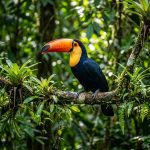
Did you know that many bird enthusiasts love to share scraps of bread with their feathered friends, believing it to be a treat? However, is bread truly beneficial for birds, or could it lead to health issues? Understanding the impact of bread on bird diets is crucial for anyone looking to foster a healthy and vibrant avian community in their backyards. In this article, we’ll explore the nutritional implications of feeding bread to birds and debunk common myths while providing practical advice for responsible bird feeding. Whether you’re a seasoned birdwatcher or just starting out, knowing what to feed our avian companions can enhance their well-being and ensure you’re making informed choices. Let’s dive into the facts to discover whether bread should be part of your bird feeding strategy or if it’s best left off the menu.
Is Bread Actually Harmful to Birds?
Not all bread is created equal when it comes to our feathered friends, and understanding its potential impact on bird health can help us make informed feeding choices. While it may be tempting to share leftover crumbs with birds, it’s important to recognize that bread lacks the essential nutrients birds require for a balanced diet. In fact, in large quantities, bread can pose significant health risks. Prolonged bread consumption can lead to malnutrition, as birds may fill up on low-nutrient foods instead of seeking out the seeds, fruits, and insects that provide vital vitamins and minerals.
Moreover, bread can also lead to digestive problems. Many species of birds struggle to break down the starchy carbohydrates present in bread, which can result in issues like crop impaction or even a condition known as “angel wing,” often seen in waterfowl fed excess bread. This condition is a physical deformity that affects their ability to fly and can severely impact their survival in the wild.
In essence, while an occasional nibble of bread might not do immediate harm to birds, making it a regular part of their diet can lead to serious health concerns. To foster healthy bird populations in our backyards, we can opt for more suitable feeding options that align with their dietary needs. Understanding the right foods is not only beneficial for the birds but can also deepen our engagement with nature and contribute positively to local ecosystems.
Understanding the Nutritional Needs of Birds
Understanding the diverse nutritional needs of birds is crucial for ensuring their health and well-being, especially when considering what to offer them for food. Unlike humans, birds require a balanced diet that consists of a complex array of nutrients to thrive. Various species have distinct dietary needs based on their habitats, sizes, and feeding behaviors. For instance, seed-eating birds such as finches and sparrows rely on high-fat seeds to sustain their energy levels, while insect-eating species like warblers require protein-rich insects and larvae to support growth and reproduction.
It’s essential to recognize that not all foods are created equal when it comes to birds. While they might be attracted to the sight of bread, it lacks vital components like protein, vitamins, and minerals. Birds need a mixture of carbohydrates, proteins, fats, vitamins, and minerals in their diet to reproduce, migrate, and maintain their feather quality. Providing them with a mix of seeds, fruits, suet, and insects aligns better with their nutritional needs. By diversifying the food offerings, bird watchers can attract a wider variety of species to their backyards, enhancing the overall enjoyment of bird watching while promoting healthier feeding habits.
Moreover, understanding individual species’ needs allows for more responsible feeding practices. For example, hummingbirds thrive on nectar, while larger birds like crows and ravens may benefit from kitchen scraps consisting of grains and protein sources. Here are some effective feeding practices to consider:
- Offer high-quality birdseed mixes tailored for specific bird types.
- Provide fresh fruits like apples, berries, and oranges for fruit-eating birds.
- Include sources of protein such as mealworms for insectivorous birds.
In summary, knowing the nutritional needs of your feathered visitors not only helps in fostering healthy bird populations but also enriches your experience of connecting with nature. By making informed decisions about bird feeding, we can enjoy observing a thriving community of birds in our surroundings.
Common Misconceptions About Feeding Birds
Feeding birds can be a delightful way to engage with nature, yet many misconceptions can lead to unintentional harm. One of the most widely held beliefs is that bread is a suitable food option for our feathered friends. While it may seem harmless, it’s crucial to understand that bread provides none of the essential nutrients that birds require for a healthy diet. Instead, it primarily serves as a filler that can lead to nutritional deficiencies, particularly if fed in large quantities.
Many people think that feeding birds scraps from their meals is a good way to attract them, but this approach can actually do more harm than good. For instance, processed foods and items high in sugar or salt can disrupt the delicate balance of nutrients that birds need. Birds like sparrows and finches may be drawn to leftover pizza crusts, but these choices can lead to digestive issues and long-term health problems. It’s important to remember that what might be safe for human consumption is often unsuitable for birds.
Another common misconception is that birds will eat what they need, so we can provide any food we have at hand. While birds are instinctively drawn to certain types of food, they do not have the ability to selectively balance their diets as we do. This is particularly important during crucial times such as breeding and migration, when birds need a specific ratio of proteins, fats, and carbohydrates to thrive. Feeding them inappropriate items like bread can detract from their ability to seek out the natural foods that support their health.
Ultimately, the best way to support our avian neighbors is to provide high-quality birdseed, suet, and a variety of fruits and insects tailored to specific species. By focusing on what birds truly need, we create a supportive environment that fosters their health and well-being. When we do this, we not only provide a feast for our backyard visitors but also contribute to the rich tapestry of wildlife that enhances our lives.
Which Types of Bread Are Safe for Birds?
When it comes to selecting bread for birds, it’s essential to note that while most types of bread are not beneficial, some can be offered in moderation. Birds, like all animals, have specific nutritional needs, and bread generally lacks essential minerals and vitamins they require to thrive. However, if you find yourself with leftover bread and wish to share, a few guidelines can help you make safer choices.
Opt for whole grain or bird-safe varieties, as these contain more nutrients than white bread. Whole grain breads, particularly those that are low in sugar and salt, are the best option. Think about bread with added seeds and nuts, which can offer some extra protein and healthy fats that birds need. It’s important to crumble the bread into small pieces, which not only makes it easier for smaller birds to eat but also reduces the risk of choking.
Types of Bread Considered Safer:
- Whole Wheat Bread – Provides more fiber and nutrients than white bread.
- Rye Bread – A denser option with some nutritional benefits.
- Seed Bread – Usually contains seeds or grains that can be more attractive and beneficial for birds.
- Stale Bread – Sometimes, staler bread is better as it is more likely to be crumbly and easier for birds to eat.
Avoid highly processed breads, including those made with added sugars, preservatives, or dairy. White bread should be avoided as it is mostly empty calories and can lead to nutritional deficiencies. Bread containing fatty or sugary spreads, like butter or cream cheese, is also unsafe. Ultimately, if you’re unsure, it’s best to treat bread as an occasional snack rather than a staple in a bird’s diet.
By focusing on quality and balancing any bread offerings with suitable seeds, fresh fruits, and occasional insects, you can create a more nutritious landscape for your backyard visitors. Remember, while sharing food is a kind gesture, being mindful of what’s best for birds will ensure their health and well-being in the long run.
Potential Risks of Feeding Birds Bread
Feeding birds in your backyard can be rewarding, but many people unknowingly introduce risks with seemingly harmless offerings like bread. While it may not outright harm birds, feeding them bread can lead to serious nutritional deficiencies over time. Bread is often composed of refined flours and lacks the essential vitamins and minerals that birds need for optimal health. When consumed in excess, it can contribute to a diet devoid of variety and richness, which is crucial for the well-being of these feathered friends.
The primary concern with bread is its high carbohydrate content and low nutritional value. Birds naturally seek out diverse diets rich in seeds, fruits, insects, and other natural foods that provide the necessary fats and proteins. When bread becomes a staple in their diet, it can lead to malnutrition, as avian systems do not process it well. Some bird species, especially those who tend to forage on the ground, might fill up on bread, inadvertently starving themselves of the nutrients they really need. This can impact their growth, reproduction, and overall health.
Moreover, moldy bread poses an additional threat. Mold can produce mycotoxins, which are harmful to birds and can lead to serious health issues, from respiratory problems to digestive distress. It is also crucial to remember that bread attracts unwanted pests and can create a breeding ground for bacteria when left unattended. This not only affects the birds but can also invite other wildlife that might not be beneficial for your garden ecosystem.
Instead of bread, focus on offering a range of seeds, nuts, and even cooked grains that align with the birds’ natural feeding habits. These alternatives not only fulfill their dietary requirements but also promote healthier feeding practices. By prioritizing what is most nutritious for the birds, you’re making a positive impact on their lives and ensuring that your backyard remains a safe haven for them.
Alternatives to Bread for Bird Feeding
Feeding birds can be a delightful practice, yet it’s important to choose appropriate foods that enhance their health rather than compromise it. While bread might seem like a simple and harmless treat, many bird enthusiasts are unaware that there are far better options available. Transitioning away from bread opens up a world of nutritious alternatives that cater to the natural diets of various bird species.
One of the best choices for backyard birds is a variety of seeds. Different species have unique preferences; for instance, sunflower seeds are particularly popular among finches and chickadees, while nyjer seeds attract goldfinches. Offering a mixed seed blend can cater to a wider range of birds. Additionally, consider including nuts such as peanuts and almonds (unsalted and shell-free) that provide healthy fats and protein essential to their diets. Just be sure to chop them into manageable pieces for smaller birds.
Fruits and Vegetables
Fresh fruits and vegetables can also be a wonderful treat. Birds enjoy berries, apples, and oranges, which are rich in vitamins. You can hang slices of fruit from trees or provide them in a shallow dish. Leafy greens, such as kale or spinach, can attract species like parrots or pigeons, while soft vegetables like peas or carrots can entice many backyard visitors.
Cooked Grains and Specialized Bird Feed
Offering cooked grains, such as rice or oatmeal, can be a more filling option that birds love, especially in the colder months when other food sources are scarce. Also, consider investing in specialized bird feed that contains a balanced mix of nutrients designed for specific species. These feeds can often be tailored to meet the dietary needs of everything from sparrows to woodpeckers.
By diversifying the food you offer, you not only meet the nutritional needs of your feathered friends but also make your backyard a lively hub of activity. Keep in mind to change the food regularly to ensure freshness and watch for mold. With a bit of care and attention, you can create a thriving environment that supports the well-being of the birds you love.
How to Create a Balanced Bird Diet
Creating a balanced bird diet is essential for promoting the health and well-being of your feathered friends. Rather than relying on bread, which can lead to nutritional deficiencies, focus on a variety of nourishing options that reflect the natural diets of the birds you want to attract. A well-rounded diet includes seeds, fruits, vegetables, nuts, and specialized bird feed, each playing a critical role in providing essential nutrients.
Understand Nutritional Requirements
Different bird species have distinct dietary needs. For instance, seed-eating birds like *finches* thrive on sunflower seeds, while *parrots* benefit from a mix of seeds, pellets, and fresh fruits. It’s crucial to offer a variety of foods, as this diversity not only meets their nutritional requirements but also keeps them engaged and active. Incorporating pellet-based diets formulated specifically for the species you wish to nurture can ensure they’re receiving balanced vitamins and minerals.
Mix It Up with Fruits and Vegetables
Fresh fruits and vegetables are a fantastic way to supplement your birds’ diet. Birds typically enjoy offerings like berries, apples, and oranges, which provide vital vitamins and hydration. Use creative methods to present these treats-hanging slices from branches or using platform feeders can make feeding more interactive. Leafy greens such as kale or spinach can also attract a variety of species, enhancing their diet further.
Provide Access to Nuts and Cooked Grains
Nuts are another excellent source of fat and protein, vital for energy, especially in colder seasons. Unsalted peanuts, walnuts, and almonds that are chopped into small pieces can be a delightful treat. Additionally, cooked grains like rice or oatmeal offer a hearty option that birds often enjoy. They not only serve as a great energy source but can be especially beneficial when natural food might be less accessible.
Offering a variety of these foods ensures a well-rounded diet that supports your birds’ health and encourages diverse feeding behaviors. By thoughtfully curating their diet, you can enhance their lives and create a thriving community of birds in your backyard. Keep changing their food regularly to maintain freshness and avoid mold, and you’ll see your feathered companions flourish.
Understanding Individual Species’ Dietary Needs
Providing the right diet for birds is essential to their health and well-being, yet many well-meaning bird enthusiasts misunderstand the specific nutritional needs of different species. Each bird species has its own unique dietary preferences shaped by their environment, habits, and anatomy. For instance, did you know that while finches are predominantly seed-eaters, hummingbirds have a completely different dietary requirement, thriving on nectar? Understanding these distinctions can dramatically impact their health and behaviors.
Seed-Eating Birds
Many backyard birds, such as finches, sparrows, and doves, primarily consume seeds. For these birds, a diet rich in seeds, particularly sunflower seeds or nyjer seeds, is ideal. These seeds are high in fats and proteins, which are essential for energy and overall health. It’s pivotal to offer a variety of seeds to keep them engaged, as many seed-eating birds have preferences for specific types.
Frugivorous Birds
Birds like parrots and oriole enjoy fruits as a staple in their diet. They greatly benefit from fresh, diced apples, berries, and oranges, which provide essential vitamins and enriching flavors. When feeding fruit to these species, it’s important to wash the fruits thoroughly to remove pesticides, and you can offer them in various forms-whole, sliced, or mashed-to attract far more curious palates.
Insectivorous Birds
Species such as robins and blue jays consume a significant amount of insects, especially during the breeding season when they are nurturing their young. Insects are rich in protein and provide necessary fats for developing birds. Those wishing to support these birds can supplement their diets with mealworms or specialized insect feeders that replicate their natural food sources.
Nectarivorous Birds
Hummingbirds are a delightful sight in many gardens, and they thrive on nectar rich in sugar. Homemade nectar can be easily created by mixing four parts water to one part sugar and boiling it to dissolve before cooling. Avoid using red dye, as it can be harmful to birds. Additionally, offering a range of flowering plants can attract these birds naturally, providing sustenance while enriching your garden’s beauty.
By understanding and respecting the dietary needs of the specific birds that frequent your backyard, you can create an inviting environment that not only keeps them healthy but also fosters their natural behaviors. Through thoughtful and varied feeding practices, you’ll attract a diverse array of species, turning your outdoor space into a vibrant sanctuary for birds.
Best Practices for Feeding Birds in Your Backyard
When it comes to feeding birds in your backyard, there are several best practices that can enhance both the feeding experience for the birds and your enjoyment of observing them. One common misconception is that bread-which is often readily available and easy to offer-is a suitable option. In reality, bread lacks many essential nutrients that birds require for their health and can lead to issues if fed in excess. Understanding the right practices ensures that we provide a nurturing environment for our avian friends.
To start, selecting the appropriate food is crucial. Instead of bread, focus on offering a variety of seeds tailored to the species you want to attract. For example, sunflower seeds and peanuts are favorites among many seed-eating birds like chickadees and cardinals. You can also offer a balanced mix of birdseed, which meets the diverse preferences of different species. Additionally, consider incorporating suet, particularly in colder months, as it’s a high-energy food that provides essential fats.
Another key practice is choosing the right feeders and placement. Use sturdy feeders that are easy to clean and refill, and position them near dense shrubs or trees for safety from predators. It’s best to hang feeders at varying heights to cater to different species-while some birds prefer feeding at higher levels, others are ground-feeders that will appreciate low-mounted trays or platforms.
Maintaining cleanliness is vital, too. Regularly clean feeders to prevent mold and bacterial growth, which can pose health risks to birds. Watching for any signs of ill birds visiting your feeder is equally important; promptly remove any that seem unwell. Furthermore, providing fresh, clean water in a shallow dish adds another layer of care, helping birds hydrate and wash off the seed residue from their beaks.
Ultimately, creating a balanced diet and fostering a safe feeding environment will not only benefit the birds but also enrich your experience as an observer. Embrace the opportunity to learn about the specific species frequenting your yard, and adjust your feeding practices accordingly to promote their well-being and joy in your backyard sanctuary.
The Impact of Human Food on Bird Health
Feeding our feathered friends can be an incredibly rewarding experience, yet many people are unaware of how the wrong food choices can affect bird health. While it may seem harmless to toss out some leftover bread, human food can have detrimental effects on avian well-being. In fact, bread offers little to no nutritional value for birds and can lead to malnutrition, obesity, or even developmental issues in young birds. Instead of providing essential proteins, fats, and vitamins, bread can fill up a bird’s stomach without meeting its specific dietary needs.
To illustrate the importance of appropriate feeding, consider the varied diets of different bird species. For instance, seed-eating birds like goldfinches require high-fat seeds such as sunflower or thistle, while insectivores like warblers thrive on insects and larvae. Bread lacks the essential nutrients these birds need to thrive, which can result in weakened immune systems and increased vulnerability to diseases. Moreover, feeding birds excessive amounts of bread can also attract unwanted pests and lead to digestive issues, such as crop impaction.
Human Food and Behavioral Changes
The impact of offering human food goes beyond physical health; it can also alter natural bird behaviors. Birds that become reliant on human food sources often lose their instinctual foraging skills, making them less capable of finding food in the wild. This can be particularly dangerous during winter months when natural food sources are scarce. Furthermore, consistent feeding in concentrated areas can lead to overcrowding and increased competition among bird species, resulting in stress and aggressive behaviors.
In summary, while the act of feeding birds is filled with good intentions, it’s essential to prioritize their health by providing them with the proper diet. Instead of bread, turn to a variety of seeds, nuts, fruits, and specialized bird feeders that cater to the nutritional needs of specific species. By doing so, we ensure that our backyard visits from these beautiful creatures are not only enjoyable but also beneficial to their survival and health.
Engaging with Birds: Ethical Feeding Practices
Engaging with birds in your backyard can be both a joyful experience and a responsibility that requires thoughtful consideration. The well-being of these feathered friends hinges on the food we provide, making it essential to adopt ethical feeding practices. For instance, while bread might seem like an innocent offering, it is important to recognize that, like many human foods, it lacks the necessary nutrients that birds need. Instead, provide a variety of appropriate foods tailored to the specific species in your area.
When considering what to feed birds, think about their natural diets. Seed-eaters such as finches flourish on seeds high in fats and proteins, while fruit-loving birds like orioles appreciate fresh fruits or jelly. Moreover, insectivores such as warblers require a protein-rich diet composed of insects. Offering natural foods that mimic their typical meals not only supports their health but also encourages them to engage in their natural foraging behavior.
To facilitate a successful and ethical feeding experience, consider creating a well-thought-out feeding station. This includes a variety of feeders that cater to different species. Tube feeders can accommodate small seeds for finches, while platform feeders are great for larger birds like doves or jays. Make sure to place these feeders in a safe location, away from predators, and keep them clean to prevent the spread of disease. Regularly replenishing food supplies encourages consistent visits and helps establish a safe foraging routine for local birds.
Always be mindful of the environment around your feeding area. Limit the use of human food, particularly those items that may harm birds or promote unhealthy dependencies. For a sustainable approach to backyard bird feeding, consider incorporating plants that provide natural food sources, such as native flowers and shrubs that attract insects and produce berries. This not only enriches the habitat but also creates a more diverse and thriving ecosystem. By respecting birds’ dietary needs and encouraging their natural behaviors, you can create an inviting space for them to flourish while enjoying their beauty and songs in your backyard.
Q&A
Q: Is it safe to feed birds bread regularly?
A: Feeding birds bread frequently is not recommended. While occasional small amounts may not be harmful, bread lacks essential nutrients for birds and can disrupt their diet. For a healthy bird diet, focus on seeds, fruits, and insects instead. Refer to our section on “Potential Risks of Feeding Birds Bread” for more details.
Q: What happens if birds eat too much bread?
A: If birds consume too much bread, they may suffer from malnutrition. Bread fills them up without providing necessary nutrients, leading to health issues over time. To ensure birds remain healthy, consider feeding them a balanced diet rich in various suitable foods. Explore our “How to Create a Balanced Bird Diet” section for practical tips.
Q: Are there any types of bread that are better for birds?
A: Some types of bread, like whole grain or unsalted options, are less harmful than others. However, they should only be given in moderation. Always prioritize bird-safe foods such as seeds and nuts over bread. Check our article section on “Which Types of Bread Are Safe for Birds?” for more information.
Q: Can bread harm baby birds?
A: Yes, feeding bread to baby birds can be particularly harmful. Baby birds require specific nutrients that bread cannot provide, which can impair their growth and health. It’s best to feed them species-specific diets or commercially prepared formulas. For more guidance, see our section on “Understanding Individual Species’ Dietary Needs.”
Q: What are better alternatives to bread for bird feeding?
A: Instead of bread, offer seeds, nuts, fruits, and vegetables that are high in nutritional value. For instance, sunflower seeds and berries are excellent choices. Review our section on “Alternatives to Bread for Bird Feeding” for additional options.
Q: Why do people think bread is good for birds?
A: Many people believe bread is harmless for birds due to their visible consumption of it. However, this misconception overlooks the nutritional inadequacy and potential health risks associated with feeding too much bread. To understand this better, refer to our section on “Common Misconceptions About Feeding Birds.”
Q: How can I attract birds without using bread?
A: Attract birds by providing natural feeders filled with seeds, suet, and fresh fruit. You can also create a bird-friendly environment by adding native plants. Explore our “Best Practices for Feeding Birds in Your Backyard” for more strategies on attracting various bird species.
Q: Why is human food generally bad for birds?
A: Human food often contains high salts, sugars, and preservatives that are detrimental to birds’ health. Birds have unique dietary needs that differ significantly from humans. Learn more about the impact of human food on bird health in our relevant section.
Final Thoughts
As we’ve uncovered in “Is Bread Bad for Birds? Feeding Truth Revealed,” while bread might seem like a harmless treat, its potential harm cannot be overlooked. Prioritize your feathered friends’ health by opting for more nutritious alternatives instead. If you’re eager to enhance your backyard birding experience, explore our articles on the best seeds for birds or how to create a bird-friendly garden-each packed with insights to nurture your avian pals.
Don’t just stop here! Dive deeper into our resources to expand your understanding further. Whether you’re looking for feeding tips, species guides, or ways to attract a variety of birds to your yard, we’re here to help. Sign up for our newsletter today to stay updated on the latest in bird care and feeding practices. Remember, informed choices lead to healthier birds and happier birdwatchers! Join the conversation and share your thoughts below-what’s your experience with feeding birds? Let’s keep learning together!
Get our latest guides, news, and insights highlighted in your Google Search & AI Overviews.