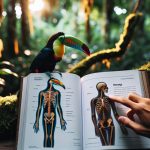
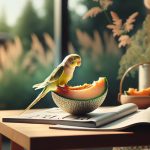
Did you know that chia seeds, often hailed as a superfood for humans, can also be a nutritious addition to your feathered friends’ diet? These tiny seeds are packed with omega-3 fatty acids, fiber, and antioxidants, which can contribute to overall health and vitality in birds. As bird enthusiasts, we strive to provide the best care for our avian companions, and understanding the benefits of chia seeds is crucial. Whether you have a parakeet, canary, or larger species, incorporating chia seeds can enhance their diet and potentially improve their well-being. Join us as we explore whether birds can safely enjoy chia seeds and how these little powerhouses can make a big impact on your bird’s health. Get ready to discover the superfood benefits that can benefit both you and your flock!
Can Birds Safely Consume Chia Seeds?
When considering dietary options for your feathered friends, chia seeds emerge as a compelling choice, often hailed as a superfood due to their impressive nutritional profile. These tiny seeds are packed with protein, omega-3 fatty acids, and various essential vitamins and minerals, making them a valuable addition to a bird’s diet. Many bird owners have found that incorporating chia seeds can enhance the health and vitality of their pets, providing a boost of energy without the risks associated with feeding them certain human foods.
Chia seeds are generally safe for most bird species, including parrots, canaries, and finches, and they can be particularly beneficial for seed-eating birds. These seeds are high in fiber and antioxidants, which promote digestive health and combat oxidative stress. When introduced properly, chia seeds can contribute to a balanced diet that supports feather health, immune function, and overall well-being.
To safely introduce chia seeds to your birds, start with small quantities, allowing them to acclimate to the new food. You might consider soaking the seeds in water to create a gel-like consistency that is easier for birds to consume. This preparation not only enhances digestibility but also helps ensure your birds are staying hydrated. Regular observation is key; watch how your birds react to these seeds and adjust serving sizes accordingly to ensure they are enjoying and benefiting from this superfood without any adverse effects.
Nutritional Benefits of Chia Seeds for Birds
Chia seeds are more than just a trendy superfood; they offer a multitude of nutritional benefits that can significantly enhance the diets of our avian companions. These small seeds are an outstanding source of essential nutrients, packed with proteins, fiber, and omega-3 fatty acids. For bird enthusiasts, incorporating chia seeds into your feathered friends’ diets can lead to vibrant health and improved vitality.
Protein Powerhouse: Chia seeds contain a high protein content, essential for the growth and repair of tissues in birds. Protein plays a crucial role in the development of feathers and supports overall body function, making chia seeds an excellent addition, especially for growing chicks and breeding pairs.
Omega-3 Fatty Acids: Rich in omega-3, chia seeds help maintain optimal heart health and reduce inflammation. This is particularly beneficial for species prone to cardiovascular problems. Moreover, these fatty acids can enhance feather quality and overall plumage appearance, making your birds not only healthier but also more vibrant.
Digestive Aid: The high fiber content in chia seeds aids digestion and can help prevent gastrointestinal issues. Birds, especially seed-eating species, can benefit from the fiber-rich diet, promoting a healthy gut and preventing blockages, a common concern among bird owners.
To fully harness the benefits of chia seeds, consider soaking them in water before serving. This not only makes them easier to digest but also allows the seeds to expand, providing hydration and a satisfying texture. Ultimately, integrating chia seeds into your birds’ diet is a simple yet effective way to boost their health and longevity.
Species That Can Benefit from Chia Seeds
Birds of various species can greatly benefit from the incorporation of chia seeds into their diets, thanks to their rich nutritional profile. These tiny seeds are not just a passing trend but a powerhouse of health benefits that can enhance the well-being of many feathered friends, particularly those that thrive on seeds, grains, and plant matter.
Parrots
Parrots, notorious for their playful personalities and interactive behaviors, can particularly benefit from the addition of chia seeds. Their diet typically consists of a mix of seeds, nuts, and fruits, but the protein and omega-3 fatty acids found in chia seeds can contribute to their vibrant feathers and overall health. In fact, many owners report improved plumage and activity levels after introducing these seeds to their parrot’s diet.
Finches
The finch family, known for their small size and social behavior, can also reap the rewards of chia seeds. Finches require a diet rich in seeds, and adding chia can enhance their nutrition. The high fiber content supports their digestive health, which is critical given their active nature. I’ve found that incorporating soaked chia seeds into their food routine not only entices their curiosity but also aids in maintaining healthy gut function.
Canaries
Canaries, with their sweet songs and vibrant colors, are another species that can find chia seeds beneficial. These birds thrive on a seed-based diet, and chia seeds can provide essential amino acids and fatty acids essential for maintaining their health and vigor. Additionally, the hydration properties of soaked chia seeds can be especially beneficial for canaries, helping them stay well-hydrated and frisky.
Budgerigars (Budgies)
Budgies, a favorite among bird enthusiasts, can enjoy chia seeds as part of a balanced diet too. The energy supplied by these seeds helps support their high metabolic rate. Regularly feeding them soaked chia seeds can lead to improved activity levels and more vibrant plumage-two clear signs of a bird in good health.
In conclusion, introducing chia seeds to your birds can lead to multiple health benefits, supporting everything from heart health to digestive efficiency. As you explore how to integrate these seeds into their diets, remember to monitor their individual responses, as dietary needs can vary greatly among different avian species.
How to Introduce Chia Seeds to Your Birds
Introducing chia seeds to your birds’ diet can be an exciting way to enhance their nutrition while offering some variety in their meals. Chia seeds are renowned for their nutritional properties, but the key is to make this new addition enticing and safe for your feathered companions. Start by observing your birds’ dietary habits and preferences. Many birds are naturally curious and will take to new foods with the proper introduction.
One effective method involves soaking the chia seeds in water for about 15-20 minutes before serving. This process not only makes the seeds plump and easier to consume but also helps hydrate your birds, which is particularly beneficial for species like canaries and budgies that thrive on moisture in their diet. You can then mix the soaked seeds into their regular food, such as seed mixes or grains, or offer them in a separate dish as a treat. If your birds are hesitant, try starting with just a small amount of chia mixed in until they become accustomed to the new flavor and texture.
For specific species, consider their unique feeding behaviors. For parrots, incorporating chia into a homemade birdie bread can be a hit, as the seeds blend seamlessly with other ingredients. Finches and sparrows might enjoy a sprinkle of dry chia seeds scattered over soft fruits or vegetables, making for an engaging and vibrant meal. Monitor their reactions closely; their excitement or disinterest can be telling. If they show enthusiasm, gradually increase the amount you offer, ensuring a smooth transition.
Always remember that moderation is key. While chia seeds are packed with nutrients, they shouldn’t replace a well-rounded diet. Instead, use them as a healthy supplement to their regular feed. By engaging with your birds this way and paying attention to their preferences, you can enrich their diet with chia seeds, promoting their overall health and well-being while celebrating their unique personalities.
Ideal Serving Sizes for Birds Eating Chia Seeds
When introducing chia seeds into your birds’ diets, understanding the right serving sizes is essential for their health and well-being. These tiny seeds are packed with nutrients, but just like any treat, they should be offered in moderation to avoid any potential digestive issues. A good rule of thumb is to start with small amounts and monitor their responses.
For most small to medium-sized birds like budgies, canaries, and finches, offering about ¼ teaspoon of soaked chia seeds a few times a week is generally safe. Larger birds such as cockatiels or parrots can handle up to ½ teaspoon of chia seeds at a time, given they have a wider dietary base and higher energy needs.
Serving Guidelines
- Small Birds (Budgies, Canaries, Finches): Start with ¼ teaspoon soaked chia seeds, 2-3 times a week.
- Medium Birds (Cockatiels, Lovebirds): Up to ½ teaspoon soaked chia seeds, 2-3 times a week.
- Large Birds (Parrots, Macaws): Up to 1 teaspoon soaked chia seeds, up to 3 times a week.
It’s important to pay attention to how your birds react to chia seeds. Their behavior will often indicate whether they enjoy the new addition to their diet. If they seem enthusiastic and their digestive health remains stable, you can gradually increase the amount within the recommended range. Ensuring that chia seeds complement a balanced diet, which includes a variety of fruits, vegetables, and a good quality seed mix, will also contribute to your birds’ overall health.
Remember, chia seeds swell when soaked, so always provide them prepared in this way to enhance their digestibility and hydration effect. By maintaining a keen observation on their reaction and adjusting their intake accordingly, you’ll provide a nutritious boost to their diet without compromising their digestive health.
Potential Risks of Chia Seeds for Birds
While chia seeds are often hailed as a superfood for humans due to their high nutritional content, it’s essential to consider the potential risks they pose for our feathered friends. Not all bird species are created equal, and what may be beneficial for one could lead to health issues in another. For example, the high fiber content in chia seeds, while generally good for digestion, can sometimes cause problems for birds that are not accustomed to a fiber-rich diet. Sudden changes in diet can lead to gastrointestinal upset, resulting in diarrhea or other digestive disturbances, which may be uncomfortable for birds.
Another consideration is the hydrophilic nature of chia seeds. When soaked, these tiny seeds absorb water and can swell significantly. While this can aid in hydration, there is a risk that they may expand in a bird’s crop causing discomfort. Birds with existing digestive issues or those that tend to overeat could be particularly vulnerable. Therefore, it’s crucial to monitor your bird’s behavior and health when introducing chia seeds into their diet. Look out for signs of discomfort, such as lethargy, unusual droppings, or changes in eating habits.
Moreover, moderation remains key. Overconsumption of chia seeds can lead to nutrient imbalances, particularly if they replace other vital components of a bird’s diet, such as grains, vegetables, and seeds. It’s advisable to treat chia seeds as a supplement rather than a staple food. Keeping an eye on portion sizes and ensuring variety in their diet can help prevent any negative effects.
Lastly, it’s worth noting that while chia seeds are rich in omega-3 fatty acids, some birds might not metabolize fats the same way as humans. This is especially true for seed-eating species that have evolved with specific dietary traits. Hence, introducing chia seeds slowly and in small, monitored doses can help determine their individual tolerance and preference, ensuring that your birds thrive without adverse effects.
Comparing Chia Seeds to Other Bird Seeds
Chia seeds have garnered attention as a superfood not just for humans, but also for our avian companions. When we evaluate chia seeds against other common bird seeds, several aspects come into play, including nutritional content, digestibility, and potential benefits to health.
For instance, while sunflower seeds are a staple in many bird diets, they are high in fat and can lead to obesity if fed excessively. In contrast, chia seeds, while also containing fat, primarily offer healthy omega-3 fatty acids. This is particularly beneficial for birds, promoting heart health and vibrant feathers. Additionally, chia seeds are rich in fiber, which is advantageous for digestion, especially in species that benefit from a higher fiber intake, such as finches and parrots.
Yet, it’s important to consider how chia seeds differ from more traditional seed options like millet and safflower. Millet is often easier for birds to digest, while safflower seeds provide protein and fat without the high calorie content seen in sunflower seeds. A table comparing these seed types can provide a clearer picture:
| Seed Type | Fat Content (%) | Protein Content (%) | Fiber Content (%) | Special Properties |
|---|---|---|---|---|
| Chia Seeds | 31 | 16 | 34 | High in omega-3, hydrophilic |
| Sunflower Seeds | 51 | 21 | 8 | Popular, but can cause obesity |
| Millet | 4.2 | 11 | 1.2 | Easily digestible, low calorie |
| Safflower Seeds | 25 | 18 | 42 | Good source of protein |
Integrating chia seeds into a bird’s diet can provide a unique balance of nutrients, but it’s essential to do so in moderation. Birds thrive on variety, and while chia seeds can offer substantial benefits, they should not replace a diverse diet that includes a mix of seeds, grains, and fresh vegetables. By comparing chia seeds to other seed types, we can appreciate their unique role while ensuring a well-rounded nutritional plan for our feathered friends.
Chia Seeds in a Balanced Bird Diet
Incorporating chia seeds into your birds’ diet can be a game changer, enhancing their overall health and vitality. Not only are these tiny seeds packed with crucial nutrients, but they also offer a unique texture and flavor that many birds find appealing. By adding chia seeds to your feathered friends’ meals, you can provide a richer variety of nutrients that support their physical and mental well-being.
When thinking about a balanced diet for birds, it’s essential to strike a harmonious blend of various food sources. Chia seeds can complement traditional seeds by adding a nutritious boost thanks to their high omega-3 fatty acids, which are fantastic for feather health and cardiovascular support. It’s also notable that chia seeds swell and absorb water, creating a gel-like consistency when soaked, which can be an appealing addition to wet diets for species like budgerigars and cockatiels. However, this hydrophilic property should be taken into account to prevent dietary imbalances; moderation is key.
To ensure your birds are receiving a well-rounded diet, it’s vital to rotate their food options regularly. This not only keeps their meals interesting but also prevents the risk of nutrient deficiencies or excesses. Chia seeds can be one component of a broader feeding strategy that includes high-quality pellets, fresh fruits, vegetables, and a rotation of other seeds like millet and safflower. A practical approach is to offer chia seeds alongside a mix of other seeds in a foraging setup, encouraging birds to engage with their food naturally and enjoy a variety of textures and flavors.
Ultimately, the joy of birdkeeping comes from observing how well-rounded meals can enhance your birds’ vitality and behavior. Regular experimentation with ingredients like chia seeds can reveal individual preferences and keep their diets fresh and exciting. Always monitor your birds’ reactions to new foods and adjust accordingly, ensuring that their health and happiness are at the forefront of your dietary planning.
User Experiences: Feeding Chia Seeds to Birds
Many bird owners have shared compelling anecdotes about integrating chia seeds into their birds’ diets, revealing a variety of positive outcomes. One owner noted that their conure became noticeably more energetic and vibrant after adding these nutritious seeds to its meal rotation. The bird seemed to relish the unique texture and flavor of the chia seeds, especially when they were soaked and formed a gel-like consistency. This was particularly appealing to the owner, as they observed their feathered friend engaging more actively with its food, which enhanced the overall dining experience.
Another bird enthusiast shared how they introduced chia seeds to their African grey. Initially hesitant, the bird eventually developed a fondness for the seeds, incorporating them into its daily meals alongside fresh fruits and veggies. The owner commented that the chia seeds appeared to help enrich their bird’s diet, contributing to improved feather quality and overall health. This aligns with reports from other bird keepers who emphasize the importance of variety in a bird’s diet and how chia seeds can serve as a delightful addition that benefits a multitude of species.
When considering serving suggestions, many owners recommend a gradual introduction of chia seeds. Mix a small amount into their regular seed mix or sprinkle them over fresh fruits. This method not only encourages exploration but also helps prevent any sudden dietary changes that might upset sensitive digestive systems. Observing how your birds react to chia seeds can provide insight into their preferences; some may enjoy them as a dry addition, while others may prefer the softer texture that soaking creates.
In terms of community experiences, several users commented on the discussions within birdkeeping forums and social media groups about the nutritional benefits of chia seeds. These discussions often provide valuable tips on utilizing chia as a supplement to a balanced diet, highlighting the seeds’ high omega-3 fatty acids and their potential benefits for feather health. Engaging with fellow bird enthusiasts can yield a treasure trove of practical advice, showcasing the diverse ways chia seeds can be used to enhance the diets of various bird species.
Cultural Insights on Birds and Superfoods
Birds and superfoods have an intricate relationship that reflects a broader cultural trend emphasizing health and wellness. Chia seeds, hailed as a superfood, have gained significant traction among avian enthusiasts for their nutrient density and potential health benefits. Known for their remarkable omega-3 fatty acid content, fiber, and antioxidants, these tiny seeds not only promote human health but also appear to enhance avian diets, making them an exciting addition to bird nutrition.
Globally, various cultures have long recognized the powerhouse potential of seeds in their diets, often incorporating them into traditional dishes for added health benefits. The resurgence of interest in superfoods like chia seeds in modern bird care can be seen as an extension of this cultural practice. For instance, indigenous cultures in Latin America have consumed chia seeds for centuries, and now bird owners are reflecting this legacy by introducing these nutritious seeds to their feathered friends, mirroring the holistic approach many have toward their own nutrition.
Many bird owners have also shared personal experiences, demonstrating the significant role chia seeds play in avian well-being. The adaptability of these seeds allows them to fit into a variety of feeding practices-from being added to seed mixes to being soaked and served as a gelatinous treat. This versatility makes chia seeds not just a dietary supplement but also an engaging element of the feeding ritual. By observing their birds’ reactions, owners witness the joy and curiosity that these seeds can inspire, often enhancing the bond between pet and owner.
Moreover, incorporating superfoods into bird diets is part of a broader movement towards more mindful and informed pet ownership. As an increasing number of bird enthusiasts turn to natural and nutrient-rich food sources, chia seeds symbolize a commitment to enhancing the quality of life for their pets. This cultural shift underscores the importance of education and community sharing among bird owners, encouraging them to experiment with chia seeds and share their outcomes, thus enriching the dialogue around avian nutrition and care.
Expert Tips for Incorporating Chia Seeds
Chia seeds can be a delightful addition to your feathered friends’ diets, providing essential nutrients that many birds find beneficial. To make the most of this superfood, it’s important to incorporate them into your birds’ meals thoughtfully. Here are some expert tips to help you introduce chia seeds effectively while ensuring your birds enjoy their new treat without any issues.
One way to start is by mixing chia seeds with your birds’ usual seed mix. This allows them to discover the new texture and flavor without any abrupt dietary changes. Begin with a small amount; a teaspoon of chia seeds mixed in with their regular seeds is a good starting point. This gentle introduction can pique their curiosity and encourage them to try the seeds without overwhelming their taste buds.
Preparing chia seeds properly can also enhance their appeal. Soaking the seeds in water for about 30 minutes transforms them into a gelatinous texture that many birds find enticing. This not only increases the seeds’ palatability but also helps with hydration, especially beneficial in warmer climates or dry environments. You can serve these soaked seeds as a standalone treat or sprinkle them on top of fresh fruits and vegetables, adding both color and texture to their meals.
When it comes to serving sizes, moderation is key. Too many chia seeds can lead to digestive issues due to their high fiber content. Aim for about a teaspoon per bird, several times a week, depending on the size of your pet. Larger birds may enjoy a bit more, while smaller species should have less. Monitoring your birds’ reactions-whether they’re enjoying the seeds or showing signs of discomfort-will help you adjust these servings accordingly.
To foster a positive experience, consider observing how your birds interact with chia seeds in different forms. Whether adding them to a foraging toy, mixing them into a homemade treat, or simply serving them in a dish, this diversity keeps your birds engaged and excited about their meals. Encouraging exploration and play with food can lead to happier, healthier birds who are more inquisitive about their diets.
By following these expert tips, you not only contribute to a nutritious diet for your birds but also enhance their feeding experience, strengthening the bond you share through the joy of shared meals.
Common Misconceptions About Birds and Chia Seeds
Birds are often thought to have very specific dietary needs, leading to various myths about what they can and cannot eat. One such misconception centers around chia seeds, a superfood celebrated for its health benefits, not just for humans but also for our avian companions. It’s crucial to dispel these myths to understand how to safely incorporate chia seeds into your birds’ diets effectively.
A common belief is that chia seeds are unsuitable for all bird species due to their high fiber content. While it’s true that overfeeding any new food can lead to digestive distress, when introduced gradually and in moderation, chia seeds can provide significant nutritional benefits to most birds. They are rich in omega-3 fatty acids, proteins, and antioxidants-elements that enhance your birds’ overall health and vitality. Many pet bird owners report that their feathered friends thrive on chia seeds, showcasing improved plumage and energy levels.
Another misconception is that chia seeds can only be fed in their dry state. In reality, soaking chia seeds can enhance their digestibility and appeal. Soaked seeds swell and form a gel-like texture that many birds find irresistible. This not only makes them easier to eat but also adds moisture to the diet, which is particularly beneficial in arid climates or during warmer months. Whether served dry or soaked, the texture variations can stimulate a bird’s curiosity and encourage exploration of new food sources.
Concerns about chia seeds causing an imbalance in a bird’s diet are also prevalent. While it’s important to offer a balanced diet, chia seeds should not be viewed as a replacement for conventional seed mixes. Instead, they should be seamlessly integrated as a valuable supplement to enhance dietary diversity. Introducing them alongside a variety of seeds, fruits, and vegetables will create a more engaging and nutritious feeding experience.
By rethinking these misconceptions about chia seeds and embracing their benefits, you open the door to a healthier, more varied diet for your birds. Always monitor their reactions during the introduction phase and adjust serving sizes accordingly to ensure their enjoyment and well-being. Including chia seeds in the mix might just be the treat that keeps your birds happy and healthy!
FAQ
Q: Can all bird species eat chia seeds?
A: Not all bird species can safely consume chia seeds. While many birds can enjoy them as a nutritious treat, it’s best to confirm for specific species. Refer to the section on “Species That Can Benefit from Chia Seeds” in our article for detailed guidance.
Q: What are the health benefits of chia seeds for birds?
A: Chia seeds are a powerhouse of essential nutrients for birds, offering high levels of omega-3 fatty acids, antioxidants, and fiber. These components support overall health, enhance feather quality, and promote healthy digestion. Learn more about their benefits in the “Nutritional Benefits of Chia Seeds for Birds” section.
Q: How can I tell if my bird likes chia seeds?
A: Observe your bird’s behavior; if they eagerly eat chia seeds and seek them out during feeding times, this indicates they enjoy them. You can also try mixing chia seeds with their favorite foods. For tips on introducing new foods, see “How to Introduce Chia Seeds to Your Birds.”
Q: How often should I feed chia seeds to my bird?
A: Chia seeds should be offered as a supplement, not a staple. A small pinch a couple of times a week is sufficient. Ensure a balanced diet by referring to the “Ideal Serving Sizes for Birds Eating Chia Seeds” section for more detailed recommendations.
Q: Are there any risks associated with feeding chia seeds to birds?
A: While chia seeds are generally safe, moderation is key. Overfeeding can lead to digestive issues. It’s important to be cautious, especially with new foods. For a comprehensive overview of risks, check the “Potential Risks of Chia Seeds for Birds” section.
Q: Can chia seeds help with my bird’s feather health?
A: Yes, chia seeds may promote healthier feathers due to their high omega-3 content, which supports skin and feather condition. Explore the “Nutritional Benefits of Chia Seeds for Birds” to learn more about their impact on feather health.
Q: Do chia seeds need to be prepared before feeding them to birds?
A: Chia seeds can be given raw, but soaking them in water for a few hours can enhance their digestibility and nutrient availability. For preparation advice, refer to “Expert Tips for Incorporating Chia Seeds” in the article.
Q: What are some common misconceptions about birds and chia seeds?
A: Many people believe all seeds are equally beneficial for birds, but chia seeds have unique health benefits due to their nutrient profile. Clarify these misconceptions by looking into “Common Misconceptions About Birds and Chia Seeds,” which debunks popular myths.
The Conclusion
Thank you for exploring the benefits of chia seeds for our feathered friends! Remember, these tiny superfoods can be a nutritious addition to your birds’ diet, providing essential omega-3 fatty acids, fiber, and proteins. Don’t hesitate to incorporate chia seeds and observe the positive effects on their health and energy levels.
If you’re curious about other nutritious seeds, check out our articles on “Top Seeds for Avian Health” and “Bird-Safe Superfoods.” For a more in-depth look at bird care, consider subscribing to our newsletter for the latest tips and resources tailored for bird enthusiasts like you.
We’d love to hear your thoughts! Share your experiences or questions in the comments below, and feel free to explore more of our content to enhance your bird caretaking journey. Remember, engaging with our community not only enhances your knowledge but also ensures your birds thrive.