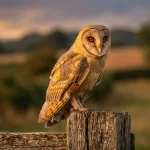
Did you know that the sight of a fake owl perched in your garden can create quite a stir among local birds? As enchanting as birdwatching can be, many homeowners face the notorious challenge of birds invading their spaces and wreaking havoc. Enter the fake owl-an age-old scare tactic that promises to ward off feathered visitors with its lifelike appearance. But does it truly work? In this review, we’ll explore the effectiveness of using a plastic or decorative owl to keep birds at bay, diving into the factors that influence their success. Whether you’re struggling with uninvited guests in your backyard or simply curious about bird behavior, understanding the efficacy of this tried-and-true method could save you time and frustration. Join us as we unravel the truth behind this feathered deception and discover if it’s the solution you’ve been seeking!
Can Fake Owls Ward Off Birds? The Science Behind Scare Tactics
The belief that a fake owl can effectively deter other birds is rooted in the natural instincts of avian species. Birds, particularly smaller songbirds, are often wary of predators like owls. This instinctive behavior can indeed lead to a temporary deterrent effect when a convincing fake owl is placed in an area. Research shows that the presence of these decoys can create a sense of danger, causing smaller birds to avoid locales where they might perceive a threat.
However, the effectiveness of fake owls relies heavily on their realism and placement. For instance, a decoy that closely resembles a real owl in both size and coloration, preferably one that mimics a local species, is more likely to be effective. The strategic positioning of the fake owl-on a high perch or amid shrubbery-can enhance its visibility and impact. Birds are more likely to be spooked if they see a stationary object that resembles a predator in their usual feeding or nesting areas.
Yet, it is important to recognize that the effectiveness of fake owls can diminish over time. Birds are clever creatures and can quickly learn that the owl is not a real threat, particularly if it remains stationary in the same location. To maintain the illusion of danger, it is recommended to frequently move the decoy or introduce additional scare tactics, such as reflective materials or other movement-based deterrents, to keep birds on their toes. Moreover, integrating multiple scare tactics may improve overall success in keeping unwanted birds at bay.
In sum, while fake owls can certainly serve as a useful component in a broader bird-control strategy, their success is not guaranteed. It is crucial to consider their realism and placement and to adapt strategies over time to maintain their effectiveness. By understanding bird behavior and combining methods, you can optimize your approach to bird deterrence and protect your space effectively.
Understanding Bird Behavior and Their Fears

Understanding the natural instincts of birds can significantly enhance your efforts in keeping them at bay with fake owls. Birds, especially smaller species like sparrows and finches, are inherently cautious creatures. They are designed by evolution to detect and respond to potential predators swiftly. This innate fear of the predators evident in their environment-like hawks and, of course, owls-can be harnessed to create effective deterrence strategies. When a bird spots something that resembles its natural predator, its instinct is often to flee, which is the underlying principle of using fake owls.
Bird behavior is complex and influenced by a variety of factors including environmental cues and social interactions. For example, birds rely heavily on sight and sound to identify threats. They often have a “safety in numbers” mentality, which means that if one individual perceives danger, it will alert others, causing a ripple effect in their community. Additionally, the presence of a fake owl may not just deter individual birds but can also send signals to others that the area is unsafe for feeding or nesting. This clustering of fearful birds can lead to broader avoidance of an area that they once frequented.
However, not all fake owls are created equal. The success of using these plastic predators hinges on their realism. Factors such as size, color, and positioning play crucial roles in how birds perceive the threat. For example, a fake owl that mimics a local species and is positioned prominently-perched high on a fence post or tree branch-will be far more effective than a poorly made replica hidden in the shrubs. Moreover, birds are highly intelligent and adaptive. They can learn to recognize and ignore static decoys over time, which is why rotating the location of your fake owl or enhancing the tactic with additional scare devices is recommended.
In practical terms, integrating an understanding of bird behavior with strategic placement and movement can optimize your deterrent efforts. By observing the feeding patterns and nesting habits of local bird species, you can better position your decoy to interrupt their routines, reinforcing their fear response. Employing a mix of methods, like reflected light from shiny objects or noise-making devices alongside your fake owl, can deepen the impression of danger in an area, ensuring that those feathered foragers think twice before returning. This knowledge equips you to create a more effective bird management strategy and foster a harmonious living environment.
Effectiveness of Fake Owls vs. Other Deterrents

The use of fake owls as a bird deterrent can be fascinating, especially considering the innate fear birds have of their natural predators. As much as the effectiveness of these decoys is attributed to their design, they are part of a broader toolkit for managing unwanted avian visitors. To truly assess how effective fake owls are, it’s essential to compare them to other common deterrents, such as physical barriers, noise devices, and reflective materials.
Fake owls can be an effective first line of defense against birds because their mere presence can create a psychological barrier. However, their effectiveness can diminish over time, especially if birds become accustomed to them. This is where variety becomes crucial. While a fake owl might deter some birds in the short term, incorporating additional scare tactics can maximize the overall deterrent effect. For example, using flashing lights or noise-makers in conjunction with the decoy can help to keep birds on high alert, reducing the likelihood they will return to the same spot.
Comparing Deterrent Methods
To help understand the effectiveness of fake owls versus other deterrents, consider the following comparison:
| Deterrent | Effectiveness | Longevity | Maintenance |
|---|---|---|---|
| Fake Owls | Moderate to High (varies with realism) | Seasonal (may fade or become worn) | Low (periodic repositioning recommended) |
| Noisemakers | High (initial impact, may decrease) | Long as they remain functional | Medium (batteries may need replacing) |
| Reflective Devices | Moderate (effective in certain conditions) | Long-lasting (weather-resistant) | Low (minimal upkeep) |
| Physical Barriers (netting, screens) | Very High (immediate exclusion) | Long-term (if properly installed) | Medium to High (installation and seasonal checks needed) |
Ultimately, the best results come from a combination of methods. For instance, placing a realistic fake owl in an area that has reflective tape or hanging shiny objects can create a multi-sensory deterrent, increasing the likelihood of keeping birds at bay. Additionally, rotating the location of these decoys can prevent birds from becoming too comfortable in their presence.
For beginners and seasoned bird watchers alike, understanding that no single method is foolproof is vital. A dynamic approach to bird management-utilizing both visual deterrents like fake owls and complementary strategies-can create a balanced solution that safeguards your space while respecting the natural behaviors of these fascinating creatures.
Choosing the Right Fake Owl: What to Look For
Selecting the most effective fake owl for deterring birds can be quite the adventure, akin to choosing a trusty sidekick in your battle against unwanted avian visitors. Not all decoys are created equal; their design, realism, and placement can significantly influence their deterrent capabilities. To maximize effectiveness, it’s critical to look for a few key features.
To start, the realism of the fake owl is paramount. Opt for decoys that closely mimic the size, shape, and colors of real owls, as birds are likely to be skittish around anything that appears unnatural. High-quality materials-such as durable plastic or resin-can withstand the elements while maintaining their lifelike appearance. You might want to consider models that have movable parts or blinking eyes, as these features can enhance the illusion of life. A realistic owl will not only scare off birds initially but also keep them wary if it continues to appear genuine over time.
Another effective aspect is the weight and stability of the decoy. Heavy models that can withstand wind and other elements will remain in place and continue to serve their purpose without the need for constant adjustment. Additionally, many effective fake owls come equipped with stakes or hooks, allowing you to securely place them in gardens, patios, or other areas where birds tend to gather.
Finally, don’t underestimate the power of variety. Having multiple fake owls with differing characteristics can be especially effective. Positioning them at various heights and locations can create the impression of a territory already claimed by these predators, which will further discourage birds from approaching. By carefully considering the appearance and placement of your fake owl, you can significantly increase your chances of keeping your space bird-free and enjoying peace and quiet in your outdoor areas.
Placement Strategies for Maximum Deterrence
Placing fake owls effectively can make a significant difference in their ability to deter unwanted birds from your garden or property. Did you know that the positioning of your decoy can often be as important as its design? Birds are naturally territorial and observant; thus, strategic placement can convince them that a lookout is indeed present.
Start by identifying key hotspots where birds frequently gather. This could be near bird feeders, fruit trees, or open spaces where they feel safe. Once you’ve spotted these high-traffic areas, consider situating your fake owl at eye level or slightly elevated in a visible spot. A perch-like position on a fence post, a tree branch, or even on a garden stake mimics the natural hunting style of real owls, making it more believable to the surrounding birds.
Rotating Your Decoys
Another effective strategy is to rotate the position of your fake owls regularly. Birds quickly adapt to their surroundings; if they see a stationary decoy for too long, they may not feel threatened. By moving your fake owl to different locations every couple of weeks, you can maintain the illusion of a real predator watching over the area. This rotation enhances the scare tactic and keeps birds wary, as they may perceive a constant presence that could change locations.
Using Multiple Decoys
Utilizing multiple fake owls can reinforce the message of danger in your garden. Consider arranging them at varying heights and distances apart, which can create a more convincing impression of a predator’s territory. For instance, place one owl lower and another higher, simulating a hunting dynamic. This scattering of decoys can leave birds second-guessing their safety around your property, making them less likely to linger.
Overall, the combination of strategic placement, regular rotation, and utilizing several decoys can transform your fake owl from a mere ornament into a powerful tool for bird deterrence. By mimicking the presence of actual predators, you not only enhance your garden’s aesthetic but also protect your plants from unwanted feathered visitors.
DIY Scare Tactics: Creating Your Own Bird Repellent
Creating your own bird repellent can be both a fun and effective way to protect your garden from unwanted feathered visitors. If you’re looking to enhance your bird deterrent strategy without relying solely on store-bought solutions, DIY scare tactics can be a game-changer. One of the most common methods is to craft your own decoys, such as fake owls, which not only deter birds but also add a unique aesthetic touch to your outdoor space.
You can start by repurposing household items to create bird-repelling visuals. For instance, using a plastic bottle, you can fashion a basic owl silhouette by either painting it to mimic an owl’s appearance or embellishing it with fabric scraps. To make it even more effective, consider filling the bottom with something heavy like sand or stones to ensure it stays upright in the wind. Strategically placing these homemade decoys in high-traffic areas will help create the illusion of a predator nearby.
Another effective DIY tactic involves sound. Birds are perceptive to environmental changes, including sounds that hint at danger. Consider using noise-makers such as aluminum foil strips suspended from branches or CD discs that reflect light. These can create both visual and auditory distractions that may dissuade birds from settling in your garden. Additionally, using wind chimes or bells can add a musical element that can alarm birds when they hear the erratic sounds during breezes.
It’s also beneficial to utilize some natural scents that birds find unappealing. Creating a spray using vinegar or citrus peels diluted in water can serve as a repellent that you can lightly mist around plants. While this approach can help keep birds at bay, ensure that you test it on a small area first to avoid harming your plants.
Embracing DIY scare tactics not only empowers you to take control of your garden’s ecosystem but also engages your creativity. As you develop your strategies, remember to observe how birds interact with your decoys and adjust your approach accordingly. This not only fosters a better understanding of avian behavior but also transforms your garden into a well-defended, thriving sanctuary.
Real-Life Experiences: Success Stories and Failures
When it comes to keeping birds at bay, the use of fake owls as a deterrent has garnered mixed results among gardeners and homeowners alike. For some, these decoys create a semblance of a predator, effectively reducing the presence of various bird species. One success story comes from a vegetable gardener who placed a realistic-looking fake owl on a pole overlooking her plants. She observed a significant drop in visits from pesky crows and sparrows, allowing her crops to flourish without constant nibbling. Many users note that positioning the decoy prominently in-flight paths or near feeding areas yields the best results.
However, not everyone experiences this level of success. A passionate birdwatcher who tried using a fake owl in her carefully curated garden reported that after an initial retreat by some birds, others became curious and even came closer. This situation can arise, as birds, especially intelligent species like jays and some finches, often become accustomed to the presence of a static decoy. They may determine that the fake owl poses no real threat, thus disregarding it over time. A common mistake here is failing to move the decoy regularly. Birds are naturally observant, so altering the decoy’s location every couple of weeks can help maintain its effectiveness.
In instances where homeowners have abandoned fake owls in favor of other approaches, demonstrating the importance of adaptability, a small orchard owner found success by combining decoys with additional sonic deterrents, such as wind chimes and reflective streamers. The visual and auditory stimuli worked in tandem, leading to a remarkable decrease in bird activity. This suggests that relying solely on one method, such as a fake owl, may not always yield the desired results, particularly in bird-dense areas.
As these real-life experiences illustrate, there is no one-size-fits-all solution when it comes to deterring birds with fake owls. It’s essential to keep experimenting with different tactics and remain patient. Observing how local bird populations respond can offer insights into refining your strategies for greater success. For anyone considering the use of fake owls, it may be beneficial to think of them as part of a broader arsenal of scare tactics, rather than a standalone solution.
Common Mistakes When Using Scare Tactics
Using scare tactics like fake owls to deter birds can seem like a foolproof strategy, but there are several common pitfalls that many enthusiasts encounter. One of the biggest mistakes is assuming that a single, static fake owl will maintain its effectiveness over time. Birds are not only intelligent but also quick observers; they often learn to recognize static objects in their environment. If an owl decoy remains in the same spot for too long, birds may grow accustomed to it, considering it harmless rather than a threat.
To combat this habituation, it’s crucial to regularly reposition your decoy. Moving the fake owl every couple of weeks can keep the birds guessing, enhancing its deterrent effect. Additionally, the realism of the decoy matters greatly. Opting for less lifelike versions can lead to reduced effectiveness, as birds may easily spot the imitation. Choosing a well-crafted decoy with realistic features can make a substantial difference in how convincing it is to local avian populations.
Another frequent oversight is failing to integrate a variety of scare tactics. While the fake owl can serve as a focal point, relying solely on it can limit your success. Many homeowners have had positive results by combining the fake owl with other deterrent methods. Incorporating reflective objects and sound-producing items, such as wind chimes or noise-making devices, can create a multidimensional scare strategy that is more likely to deter birds effectively.
Lastly, many users neglect the maintenance of their decoys. Over time, dirt and debris can accumulate on a fake owl, making it look less threatening. It’s essential to keep your decoy clean and in good condition to ensure it retains its intended purpose. Regular inspection and upkeep will maintain the illusion of a natural predator, maximizing your chances of success in keeping unwanted birds at bay. By avoiding these common mistakes and employing a strategic approach, you can significantly enhance the effectiveness of your bird deterrent efforts.
Maintenance and Longevity of Fake Owl Decoys
Maintaining the effectiveness of fake owl decoys is critical for their role as an avian deterrent. Did you know that a well-maintained decoy can significantly enhance its ability to scare away birds? Over time, however, even the most realistic fake owls can lose their effectiveness if not properly cared for. Regular maintenance not only prolongs the life of your decoy but also keeps it looking threatening and believable to local birds.
To start, it’s essential to clean your decoy regularly. Dust, dirt, and debris can accumulate, dulling its appearance and making it look less like a predator. A simple cleaning with mild soap and water can restore its luster and realism. Ensure you allow it to dry fully to prevent any moisture-related damage.
Another vital maintenance tip is to rotate or reposition your owl every couple of weeks. Birds are quick learners, and a static decoy can lead to habituation. By changing locations or the angle of the decoy, you keep birds guessing, which reinforces the decoy’s intended threat. Additionally, consider switching up the decoy’s accessories or combining it with other deterrents such as reflective surfaces or noise-makers, adding layers of unpredictability to your scare strategy.
In the long run, investing in a high-quality, realistic decoy can enhance durability and effectiveness. Some models come equipped with features like rotating heads or movable wings that mimic natural owl behavior, further enhancing their impact. By keeping your fake owl decoys clean, frequently repositioning them, and choosing optimal models, you can ensure they maintain their deterrent capabilities, reducing the chances of unwanted birds invading your space.
Environmental Impact of Scare Devices on Wildlife
The use of fake owls as scare tactics has gained popularity among those looking to manage bird populations in gardens, homes, and farms. However, this method raises important considerations regarding its environmental impact on wildlife. While the intention is to deter certain bird species, it’s crucial to understand how these decoys can affect the broader ecosystem.
Fake owls generally serve as a deterrent by exploiting birds’ natural fear of predators. However, their presence can lead to unintended consequences. For example, when birds are frightened away from their natural habitats, they may flock to other areas, potentially disrupting local ecosystems and competing for resources in environments that may not support them. This behavioral alteration is particularly significant if the fake owls are placed in areas with abundant food sources, inadvertently attracting more birds than intended.
Additionally, it’s important to note the potential habituation process where birds become desensitized to the decoys over time. This phenomenon can occur with any static scare tactic as animals adapt to perceived threats. To mitigate this, users should consider utilizing a variety of scare tactics, including rotating decoys, incorporating motion and sound, and generating unpredictable environments. These practices not only enhance the effectiveness of scare devices but also help in maintaining a balanced local wildlife population.
Another critical aspect is the materials used in the production of these fake owls. Choosing decoys made from environmentally friendly materials can minimize negative impacts. Research suggests that biodegradable or recyclable materials help reduce waste and pollution, supporting a healthier ecosystem. Furthermore, ensuring that scare devices are maintained properly and positioned thoughtfully can foster a more sustainable approach to wildlife management.
In conclusion, while fake owls can be effective in scaring birds away, being aware of their environmental impact is essential. By understanding the behavior of birds and their interaction with artificial deterrents, we can better preserve the delicate balance of wildlife in our surroundings. Employing a holistic approach that combines various strategies will not only keep birds at bay but also protect the rich biodiversity that merits our respect and conservation efforts.
Alternative Measures to Keep Birds at Bay
Birds are not just beautiful creatures; they also play essential roles in our ecosystems. However, when they encroach on our spaces-gathering in gardens or raiding bird feeders-they can become a nuisance. While fake owls are a popular choice for bird deterrence, there are numerous other effective methods to keep birds at bay.
One highly efficient approach is to utilize visual deterrents. Reflective tape, shiny aluminum foil, or even old CDs hung in trees can produce dazzling effects that repel birds. These materials catch the light and create movement, mimicking the disruptive elements that birds instinctively avoid. Another dynamic visual deterrent is a simple array of plastic bags or wind spinners, which flutter and glint in the breeze.
Sound also plays a critical role in bird behavior. Consider incorporating audio deterrents, such as recordings of predator calls or high-frequency noises that can be unsettling to birds. Many birds perceive certain sounds as threats, causing them to flee. Moreover, apps are available that can help you generate a variety of sounds designed to disrupt bird activities in your vicinity. Just ensure that any sound is not overly disruptive to your own indoor or outdoor peace.
Finally, physical barriers can significantly reduce access to areas where birds might find food or shelter. Installing bird netting over fruit trees or constructing barriers around garden beds can be highly effective. Additionally, providing ample habitat modification is crucial. Pruning trees regularly and removing potential nesting sites like dense shrubbery can deter birds from settling nearby.
Employing a combination of these techniques not only creates a more harmonious environment for both you and the birds but also helps minimize reliance on static solutions like fake owls. Each method adds a layer of complexity, keeping avian visitors guessing and less likely to return. By embracing a multi-faceted approach, you can successfully maintain your garden and enjoy a bird-friendly environment.
When to Rely on Professional Pest Control
When traditional methods for deterring birds fail, or the situation escalates, it may be time to consider professional pest control services. Although fake owls and other DIY techniques can be effective for minor bird issues, persistent or large-scale infestations generally require a more systematic approach. For instance, if you find that birds are damaging your crops, overpopulating your garden, or even nesting in areas where they pose a health risk, reaching out to experts can save time and stress.
Common Indicators for Professional Help include severe nesting that disrupts property conditions, flocks of birds that exceed manageable numbers, or specific species that are protected and require special handling. Experts can assess your unique circumstances and deploy targeted strategies that align with both your goals and local wildlife regulations. It’s also essential to address potential health concerns; birds can carry diseases like histoplasmosis or salmonella, particularly in droppings. If you notice frequent signs of bird droppings around your home or in areas that your family frequents, consider it a signal to consult professionals who can provide the necessary clean-up services while also implementing effective control measures.
Another reason to opt for professional pest control is when you wish to avoid the trial-and-error phase of DIY methods. Hiring professionals enables quicker, often more effective resolutions through the use of advanced deterrents and exclusion techniques. They can also provide ongoing monitoring to ensure that the birds don’t return, allowing you to focus on enjoying your garden or property without the worry of unwanted feathered visitors.
In conclusion, while a fake owl may deter some birds temporarily, understanding when to escalate to professional help can significantly enhance your efforts in managing bird populations effectively and safely. By taking this step, you not only preserve your environment but also contribute to responsible bird management practices.
Frequently asked questions
Q: How effective are fake owls in deterring birds?
A: Fake owls can be effective in deterring certain bird species, particularly those that perceive them as predators. However, their effectiveness varies, as birds can become accustomed to the decoys over time. Regular repositioning and combining with other deterrents can enhance their success in keeping birds away.
Q: What types of birds are most scared of fake owls?
A: Smaller birds like sparrows, robins, and blue jays are often deterred by fake owls, as they see them as potential predators. However, larger birds may not be as affected. Understanding the specific bird species in your area can help optimize deterrent strategies using decoys.
Q: Can fake owls harm the environment?
A: Generally, fake owls are safe for the environment if made from non-toxic materials. However, it’s essential to monitor their placement to avoid disturbing local wildlife or creating hazards, especially for larger animals that might interact with the decoys.
Q: How often should I move my fake owl for best results?
A: To maintain its effectiveness, you should move your fake owl every couple of weeks. Changing its position prevents birds from becoming familiarized with the decoy, reinforcing the perception of a genuine predator in the vicinity.
Q: Can I use a fake owl alongside other bird deterrents?
A: Yes, using a fake owl in conjunction with other deterrents, such as reflective tape or noise devices, can greatly improve your chances of success. Combining methods creates a multi-sensory approach that is more likely to deter various bird species effectively.
Q: Why do some birds ignore fake owls?
A: Some birds may ignore fake owls due to habituation, where they become accustomed to the decoy over time. Additionally, if the fake owl is not realistic or lacks motion, it may not effectively mimic a natural predator, reducing its deterrence power.
Q: Are there any DIY methods to enhance fake owl effectiveness?
A: To enhance a fake owl’s effectiveness, consider adding motion features, such as attaching lightweight windsocks or using reflective materials. This creates movement and flashes that can further dissuade birds from approaching the area.
Q: How should I position a fake owl for optimal deterrence?
A: Position the fake owl at a height that mimics a natural predator, such as perched on a fence or tree branch. Ensure it is visible to the targeted birds while avoiding direct exposure to strong winds that could move or displace the decoy.
To Wrap It Up
As we’ve explored in our review of whether a fake owl can effectively keep birds away, it’s clear that these decoys can play a role in bird control, particularly in the short term. However, it’s essential to combine strategies for long-lasting results. If you’re serious about protecting your garden or property, consider pairing your fake owl with additional methods-like reflective objects or noise deterrents-to maximize effectiveness.
Have questions or experiences to share? I’d love to hear from you in the comments below! For more insights, check out our guides on “Natural Bird Deterrents” and “DIY Garden Protection Hacks.” Don’t forget to subscribe to our newsletter for tips and tricks straight to your inbox!
Remember, your feathered friends still deserve respect, so understanding their behavior is key. For further reading, explore our practical care guides to learn more about fostering a bird-friendly environment while managing your space effectively. Take action today to create a harmonious balance!
Get our latest guides, news, and insights highlighted in your Google Search & AI Overviews.