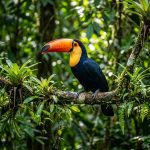
Imagine a world where a bird could reach towering heights, outmatching even the tallest of humans! This bird, known as the largest in world history, sparks curiosity not just for its size but also for its role in our understanding of avian evolution and ecology. By exploring the fascinating life of the elephant bird, we not only uncover the story of a magnificent creature that once roamed our planet but also gain insights into how environmental changes can shape the lives of species, big and small. Whether you’re a novice bird enthusiast or an experienced ornithologist, delving into the world of these extraordinary birds enhances our appreciation of nature’s diversity. Let’s take flight into this captivating journey together!
What Made the Elephant Bird the Largest Bird Ever?
The sheer magnitude of the Elephant Bird, an extinct giant from Madagascar, captivates anyone fascinated by avian history. Measuring up to 3 meters (nearly 10 feet) tall and weighing as much as 730 kg (about 1600 pounds), the Elephant Bird holds the distinguished title of being the largest bird to ever exist on our planet [[2]]. Its impressive size can be attributed to a combination of evolutionary adaptations that allowed it to thrive in its isolated environment, where it faced minimal competition from other large terrestrial animals.
One fundamental factor that contributed to the Elephant Bird’s gigantic proportions was its diet and habitat. This flightless giant primarily fed on fruits, seeds, and leaves prevalent in its lush forest surroundings, which facilitated a nutrient-rich lifestyle. Its mass allowed it to efficiently forage for food across large territories and helped in deterring potential predators, despite the absence of large carnivorous threats typical of other ecosystems. Unlike modern birds, which tend to have decreased sizes to adapt to various evolutionary pressures, the Elephant Bird became a symbol of evolutionary success through gigantism-a phenomenon where animals grow larger over generations, often due to the absence of certain predators and an abundance of resources.
Moreover, the Elephant Bird’s unique evolutionary trajectory is underscored by its classification within the family Aepyornithidae. This group, sometimes referred to as “elephant birds,” showcases various species that varied in size and features but all maintained the trait of being flightless giants. In fact, the Elephant Bird is often likened to other flightless birds like ostriches and emus, but the ratios in size set it apart as a marvel of natural history. Its close relation to the kiwi highlights how isolation on islands can lead to extraordinary evolutionary outcomes. The fascinating world of the Elephant Bird not only informs us about biodiversity and evolution but also serves as a reminder of the extraordinary variations that life can take when environmental conditions allow for it.
Characteristics of the Elephant Bird: Size and Appearance
The Elephant Bird, a remarkable giant from Madagascar, embodies the awe-inspiring potential of evolution in isolation. Standing at a staggering height of up to 3 meters (nearly 10 feet) and weighing as much as 730 kg (about 1600 pounds), this extinct bird was not just the largest bird to ever roam the Earth; it was also a marvel of natural selection. Its impressive stature is a vivid illustration of how environmental pressures and ecological niches shape the evolution of species over time.
In terms of appearance, the Elephant Bird had a robust body, with thick, sturdy legs designed for support and stability. Its large, rounded torso likely allowed for a bigger digestive system, essential for processing the substantial plant material it consumed. The head was proportionate but featured a relatively small beak, adapted for foraging fruits, seeds, and vegetation within the lush forests of its habitat. Its feathers were probably less developed compared to those of flying birds, further emphasizing its flightless nature, which was a trait that emerged in response to the absence of ground-dwelling predators and a consistent food supply.
Despite its size, the Elephant Bird is often compared to other flightless birds such as ostriches and emus. However, what sets the Elephant Bird apart is the sheer scale of its dimensions. While ostriches average around 2.7 meters in height, the Elephant Bird dwarfs it, showcasing the significant degree of gigantism that can occur on isolated islands. The unique adaptations of the Elephant Bird exemplify how specific environmental conditions can lead to extraordinary variations among species, making it a fascinating subject for both ornithologists and enthusiasts alike.
Understanding the characteristics of the Elephant Bird not only enriches our knowledge of avian diversity but also provides insights into the remarkable evolutionary paths that can arise when species are allowed to thrive in isolation. Its legacy continues to inspire interest in the complex interplay between environment and biological development.
Historical Habitat of the World’s Largest Birds
The Elephant Bird thrived in a unique ecosystem on the island of Madagascar, which was characterized by its lush rainforests and diverse flora. These environments provided ample food resources, allowing this immense flightless bird to reach staggering sizes, some standing nearly 10 feet tall. The isolation of Madagascar played a pivotal role in shaping not only the physical attributes of the Elephant Bird but also its behavior and ecological interactions. Such seclusion often leads to adaptive radiation, where species evolve distinct characteristics to thrive in specific niches.
The habitat of the Elephant Bird was not just about size; it was about diversity. Madagascar’s varied landscapes included wetlands, grasslands, and dense tropical forests, each hosting a myriad of plant life. The Elephant Bird, primarily herbivorous, would have foraged on fruits, seeds, and leaves, adapting its diet to the seasonal availability of these resources. The abundance of food, combined with the absence of large terrestrial predators, enabled it to develop its impressive size without the evolutionary pressures seen in other regions.
Over the millennia, Madagascar’s environments have dramatically changed due to climate shifts and human activities, leading to habitat destruction. As these changes occurred, the once-thriving ecosystems that supported the Elephant Bird began to dwindle, contributing to its eventual extinction. This serves as a powerful reminder of how habitat stability is critical for species survival. Understanding the not only enriches our appreciation for avian diversity but also emphasizes the importance of preserving the remaining ecosystems that offer refuge to many unique species today.
Extinct Giant Birds: An Overview of Past Giants
In the annals of avian history, few birds capture the imagination quite like the elephant bird, an extinct giant that roamed Madagascar. These colossal flightless birds, particularly known for their hefty size-standing nearly 10 feet tall and weighing up to 1,100 pounds-are often considered the largest birds to have ever existed. Relatives of today’s ostriches and emus, elephant birds were unique in their adaptations to Madagascar’s isolated ecosystem, which played a key role in their evolution.
Aside from the elephant bird, other remarkable giants inhabited our world in various epochs. The moa, native to New Zealand, rivaled the elephant bird in stature and was known for its long neck and tall frame. Additionally, the titanis, a swift predator from North America, also showcased how giant birds evolved differently across continents. Each of these birds adapted to their habitats, developing features suited to their environments-whether it was the long, powerful legs of the moa for traversing dense forests or the robust bodies of elephant birds for foraging in a diverse and lush ecosystem.
The extinction of these awe-inspiring giants was not an isolated incident but rather a part of broader patterns of avian extinction influenced by climate change, habitat loss, and human expansion. The arrival of humans significantly impacted these species, as hunting pressures combined with changing landscapes led to their decline. Scientific evidence suggests that with habitat destruction and altered ecosystems, these magnificent birds could not sustain their populations, highlighting the fragility of species even at the pinnacle of the food chain.
The story of extinct giant birds teaches us invaluable lessons about the importance of biodiversity and the preservation of our current ecosystems. As we look to protect endangered species today, understanding the past giants of the avian world deepens our appreciation for these creatures and reminds us of the consequences that arise from environmental changes and human impact. Each extinct species is a reminder of the delicate balance of nature and our responsibility to safeguard it.
Comparative Analysis: Elephant Bird vs. Ostrich and Others
The elephant bird, a remarkable giant of the past, stands as a testament to the incredible adaptability and diversity of avian life, outpacing even the majestic ostrich in terms of sheer size. Standing nearly 10 feet tall and weighing up to 1,100 pounds, the elephant bird not only dwarfs the ostrich, which averages about 9 feet tall and weighs between 220 to 350 pounds, but also reflects a unique evolutionary path influenced by its isolated habitat in Madagascar. The colossal size of the elephant bird facilitated a variety of adaptations, allowing it to thrive in an environment teeming with diverse flora and fauna, where it likely foraged for fruits, seeds, and leaves using its robust body.
When comparing the elephant bird to its contemporary relatives, such as the ostrich and cassowary, several key differences emerge beyond size. Unlike the elephant bird, ostriches are notable for their agility and speed, capable of running at up to 45 mph-making them the fastest bird on land. This speed serves as a crucial survival strategy against predators. Similarly, the cassowary, found in the rainforests of New Guinea and surrounding areas, uses its striking appearance and formidable size as a means of defense, equipped with a sharp, curved claw on its middle toe that can inflict serious injuries. The elephant bird, in contrast, lacked such predatory threats in its environment, which may have contributed to its substantial size without the evolutionary pressure to develop speed or defensive mechanisms.
Furthermore, the social behaviors and lifestyles of these birds highlight fascinating contrasts. Ostriches and cassowaries exhibit complex social structures, often seen in groups and demonstrating specific mating rituals. In contrast, it’s believed that the elephant bird likely led a more solitary existence, relying on its size for foraging and protection rather than social interactions. The extinction of the elephant bird, attributed to human hunting and habitat loss, echoes the stories of modern flightless birds facing similar threats today, making understanding their past even more crucial.
As we continue to explore the avian world, examining giants like the elephant bird invites us to appreciate the diverse paths of evolution that shape present-day birds. By recognizing the differences and defining characteristics of these remarkable species, we underscore the importance of conservation and the preservation of both existing and once-magnificent creatures. Each bird, regardless of size, plays a vital role in the ecosystem, echoing the enduring legacy of those that came before.
Behavioral Insights: What We Know About Elephant Birds
The elephant bird, towering over its contemporaries and even modern giants like the ostrich, was not just a spectacle of size but also a creature with intriguing behavioral traits. These massive birds were likely solitary foragers, using their incredible bulk not for speed, but for a distinct advantage in accessing food. Fossil evidence suggests that they primarily fed on a diet rich in fruits, seeds, and leaves, found abundantly in their lush Madagascar habitat. The absence of formidable predators in their ecosystem allowed them to evolve without the need for rapid flight or complex social behaviors typically seen in smaller, more vulnerable birds.
Social Structure and Mating Behavior
Unlike today’s social birds such as ostriches and cassowaries that form intricate social structures and demonstrate elaborate mating displays, evidence implies that the elephant bird may have led a more solitary lifestyle. This inclination toward solitude could have been an evolutionary advantage, allowing these birds to exploit their surroundings without competition. Mating behaviors, while not extensively documented, likely revolved around size displays rather than complex rituals, as their sheer size would have been a prominent factor in attracting mates.
Adaptations and Behavioral Insights
The elephant bird’s behaviors can be attributed to its impressive size and adaptations. Lacking predator threats, these birds likely relied on their formidable stature for foraging and establishing dominance over their feeding grounds. In comparison to smaller birds that may adopt evasive tactics, the elephant bird’s physical presence might have deterred potential threats. Additionally, their nesting behavior remains a point of interest; hypothesized nesting sites, based on fossil findings, suggest that they built large nests on the ground, potentially raising their young in secluded areas rich in food resources.
Understanding the life and habits of the elephant bird offers invaluable insights into avian evolution, showcasing how size can dictate behavior and lifestyle. Though we can only speculate about many aspects of their lives, the elephant bird exemplifies the diversity in bird behaviors shaped by environmental pressures and evolutionary history. As we explore the history of these magnificent creatures, we gain a deeper appreciation for both fallen giants and their modern descendants, reinforcing the importance of conservation and the wisdom we can glean from the past.
The Role of Climate Change in Bird Extinction
The extinction of bird species, particularly colossal forms like the elephant bird, serves as a poignant reminder of the profound impact of climatic shifts on biodiversity. During the time of the elephant bird, Madagascar’s climate fluctuated significantly, which likely influenced the habitat space and availability of food resources crucial for these remarkable birds. These changes could have initiated a chain reaction that ultimately led to the demise of the world’s largest bird.
Adaptations in flora and fauna are vital for survival in any ecosystem, but abrupt climate changes can outpace these natural forms of evolution. For the elephant bird, which thrived in Madagascar’s warm environments with abundant plant life, any significant drop in temperatures or drastic changes in precipitation could have severely limited its food supply. The lush forests, rich with fruits, seeds, and leaves that these birds depended on, could have been decimated by either prolonged drought or heavy rainfall leading to flooding, drastically reducing foraging opportunities.
Furthermore, habitat loss due to changing climates can lead to fragmentation, isolating populations and preventing them from interbreeding. In the case of the elephant bird, this isolation could further exacerbate their vulnerability. As environmental conditions deteriorated, their solitary nature may have been less of an advantage and more of a liability, limiting their ability to adapt to new challenges posed by their changing world.
In summary, the role of climate change in the extinction of animals like the elephant bird is a stark illustration of how interconnected ecological balances are. It highlights the critical need for modern conservation efforts to address climate factors affecting current bird species, ensuring that we take lessons from the past to safeguard our avian companions today. Understanding the implications of historical climate events not only enriches our knowledge of these magnificent creatures but also empowers us to advocate for the protection of existing environments vital for the survival of birds facing similar threats.
Fascinating Myths and Cultural Significance of Giant Birds
Throughout history, giant birds like the elephant bird have captured the human imagination, inspiring legends, myths, and cultural significance across various societies. These colossal creatures not only roamed the landscapes of Madagascar but also found their way into the folklore and storytelling of many cultures. The sight of such enormous beings evokes a sense of wonder and curiosity, leading to stories that blurred the lines between reality and myth.
In many Indigenous cultures, large birds often symbolize power and freedom, yet mythical narratives about giant birds serve additional roles: they frequently represent guardianship or omens. For instance, in some tales, gigantic birds are viewed as sacred messengers from the gods or protectors of the earth’s balance. This reverence can be attributed to the awe inspired by their sheer size, leading to beliefs that such creatures were endowed with supernatural attributes. Stories of massive birds, similar to the elephant bird, have parallels in various traditions, such as the Roc from Middle Eastern folklore, a mythical bird that could carry off elephants and whales.
Moreover, the elephant bird’s unique characteristics, including its inability to fly and its herbivorous diet, further contributed to its fascination in cultural narratives. Conversely, its extinction sparks discussions about conservation and the fragility of life, serving as a modern-day parable about humanity’s role in environmental stewardship. In literature and art, giant birds often symbolize the lost grandeur of a world where nature ruled supreme, reminding us of the consequences of loss and the importance of protecting remaining species.
As we delve deeper into the cultural significance of these majestic creatures, we not only appreciate their historical impact but also their role in educating present and future generations about the importance of biodiversity. Recognizing the elephants’ birds’ imprint on culture encourages us to cherish and protect the avian worlds that still thrive today, ensuring that the tales of our feathered friends continue for generations to come.
How Fossils Reveal the History of Giant Birds
Fossils serve as time capsules, offering us invaluable insights into the lives of creatures that once roamed the earth, including the colossal elephant bird. Known scientifically as Aepyornis, these massive, flightless birds inhabited Madagascar and are believed to have lived until about 1,000 years ago. The remains we uncover, whether they are bones, eggs, or footprints, tell stories of their habitats, behaviors, and even the circumstances leading to their extinction.
One remarkable aspect of elephant bird fossils is their sheer size. Some fossilized bones indicate that these birds could reach heights of nearly 3 meters (10 feet) and weigh up to 730 kg (1,600 pounds). The skeletal structure reveals adaptations for a primarily terrestrial lifestyle, which included strong legs suited for support and movement rather than flight. These fossils not only show their dimensions but also provide clues about their diet and ecological role. Analysis of tooth wear on fossilized bones suggests that they were herbivorous, likely foraging on a variety of plants that populated Madagascar’s unique ecosystems.
Furthermore, ancient egg fossils have been a focal point of research, as they are among the largest bird eggs ever found, some measuring over 30 centimeters in length. The discovery of these eggs, sometimes still containing embryonic remains, has offered insights into the reproductive strategies of these giants and their nesting behaviors. The nesting sites and egg placement also hint at their vulnerability to predation, shedding light on the potential ecological challenges they faced.
As we study these remnants, we can better understand the broader narrative of giant birds and their interactions with the environment. The status of elephant birds in the fossil record is a reminder of the intricate web of life that once thrived on the island, as well as the lessons we learn about conservation today. Understanding the history laid bare by fossils not only deepens our knowledge of these magnificent birds but also underscores the importance of preserving the avian species that continue to exist, ensuring that we do not repeat the mistakes of the past.
Preservation Efforts: Learning from Extinct Species
The extinction of the elephant bird, along with numerous other giant species, serves as a powerful reminder of the delicate balance within ecosystems and the need for thoughtful conservation efforts. By learning from the past, we can better protect the avian species that grace our skies today. One of the most profound lessons we glean from the story of the elephant bird is the impact of human activity on wildlife. The gradual disappearance of these colossal creatures was largely attributed to hunting and habitat destruction, activities that remain pressing concerns for many species today.
To help prevent further extinctions, it is crucial to implement comprehensive preservation strategies that take into account both direct threats to species and the broader environmental conditions that affect them. Conservationists can draw parallels between the fates of ancient megafauna like the elephant bird and contemporary birds at risk of extinction. For instance, habitat preservation, the establishment of protected areas, and regulated hunting can all play key roles in revitalizing populations of endangered birds. A proactive approach often includes:
- Restoration of natural habitats: Protecting and restoring natural ecosystems can help create safe havens for birds to thrive, crucial for species whose habitats have been fragmented.
- Community engagement: Involving local communities in conservation efforts fosters a sense of stewardship over natural resources, encouraging sustainable practices that benefit both wildlife and people.
- Research and monitoring: Ongoing research is essential to understand the behaviors, reproductive patterns, and habitat needs of avian species, similar to what paleontologists perform to uncover the history of extinct species.
- Education and awareness: Educating the public on the significance of biodiversity can generate support for conservation policies and inspire action to protect endangered species.
Through these efforts, we not only work toward safeguarding existing bird populations, but we also honor the lessons from the past. The demise of the elephant bird reflects the profound implications of environmental irresponsibility, urging us to act before similar tales unfold with today’s majestic avifauna. By embracing the knowledge derived from extinct species, we can cultivate a future where flightless giants do not remain a relic of history, but rather serve as inspiration for preserving the remarkable diversity that exists among modern birds.
What Modern Birds Descend from Giant Ancestors?
One of the most fascinating aspects of avian evolution is how modern birds have roots tracing back to giant ancestors, including the massive elephant bird. Though the elephant bird itself has long been extinct, its lineage provides crucial insights into the evolutionary adaptations of today’s flying and flightless birds. This connection highlights not only the diversity of avian species but also the dramatic changes that have occurred over millions of years.
Modern birds such as ostriches, emus, and cassowaries can be seen as distant relatives of these ancient giants. The elephant bird, which roamed Madagascar, was part of a group known as the Aepyornithidae. Like the elephant bird, ostriches are large, flightless birds that share similar ecological roles as ground foragers in their habitats. Although not directly descended from one another, they both showcase the adaptations to flightlessness due to their environments preying on smaller, more agile birds and the availability of ground-based food sources.
Common Traits and Adaptations
Birds like the ostrich and rhea exhibit some traits that echo their giant ancestors:
- Size and Build: Like the elephant bird, ostriches are large, with adult males reaching heights of up to 9 feet and weights exceeding 300 pounds, demonstrating how size can aid in predator deterrence.
- Behavioral Traits: Many modern descendants share behavioral patterns with their ancestors, such as ground nesting and foraging for plants and insects.
- Physiological Adaptations: These birds are equipped with strong legs allowing them to run at high speeds, a crucial adaptation for escaping predators, reminiscent of the historical necessity faced by their giant predecessors.
Exploring Evolutionary Pathways
Modern genetic studies involving mitochondrial DNA have revealed that modern flightless birds are more closely related to their prehistoric relatives than one might assume. For example, the evolutionary paths of the elephant bird and the moa of New Zealand both stem from a common lineage of ratites, which are large, flightless birds. This clade includes the ostrich, emu, and other flightless species scattered across various continents, highlighting a fascinating splintering of evolution based heavily on geographical and ecological factors.
Understanding the common ancestry of today’s birds enhances not only our knowledge of ornithology but also elevates our appreciation for conservation efforts. By showing the evolutionary significance of these relationships, we can more effectively appreciate the ecological roles that these birds play in contemporary ecosystems and highlight the importance of protecting their habitats to preserve avian diversity for future generations.
Exploring Avian Size: Factors that Influence Bird Growth
The remarkable sizes of birds like the elephant bird speak to the complex interplay of evolutionary pressures and environmental factors that influence bird growth. Across different species, size can be a critical factor for survival and reproduction. For instance, the massive elephant bird, which could grow up to 3 meters (nearly 10 feet) tall, showcases how isolation and available resources can lead to extreme size in avian evolution.
Several factors contribute to the growth of birds, including genetic predisposition, diet, and ecological niches. The availability of food sources plays a significant role in determining body size; larger birds like the elephant bird would have thrived in nutrient-rich environments where large quantities of vegetation and fruits could support their massive bodies. Evolution tends to favor traits that confer advantages in given habitats, and for many ground-dwelling birds, increased size can deter predators and enhance foraging capabilities.
Environmental Influences on Size
Different environments can impose varying selective pressures that influence bird size. Here are some key factors:
- Food Availability: Birds that can access abundant food often tend to grow larger. For example, in some regions of Madagascar, the rich diversity of vegetation likely supported the dietary needs of the elephant bird.
- Habitat Isolation: Being located on isolated islands, such as Madagascar, can lead to unique evolutionary pathways. In the absence of certain predators, species may grow larger, as seen with the elephant bird and its descendants.
- Climate: Temperature and climate can affect growth patterns. Colder climates may favor larger bodies due to better heat retention, while warmer conditions might encourage smaller sizes for better mobility.
Comparative Size Dynamics
When examining size among various avian species, it becomes evident that there is a delicate balance between body size and ecological role. Many flightless birds like ostriches and emus are also significantly large but not as monumental as the elephant bird. Understanding these dynamics sheds light on how birds have adapted their sizes based on their ecological contexts.
Ultimately, the study of factors influencing bird growth not only enhances our appreciation of the diversity in avian species but also underscores the importance of preserving their habitats to protect these remarkable creatures’ evolutionary legacies.
Frequently asked questions
Q: What is the largest bird that ever existed?
A: The largest bird in history is the Elephant Bird, native to Madagascar. It stood up to 10 feet tall and weighed over 1,000 pounds, making it significantly larger than any modern bird. These flightless giants thrived until they went extinct about 1,000 years ago due to habitat changes and human activity.
Q: How did the Elephant Bird compare to the Ostrich?
A: While the Ostrich is currently the largest living bird, reaching up to 9 feet tall, the Elephant Bird surpassed it in size and weight. Unlike Ostriches, which are adapted for running, Elephant Birds were primarily herbivorous and lived in forests, indicating different ecological niches between the species.
Q: Where did the Elephant Bird live?
A: The Elephant Bird inhabited Madagascar’s forests and grasslands. This island ecosystem provided the necessary conditions for its growth and survival. Unfortunately, habitat destruction and human colonization led to its extinction, highlighting the impact of environmental changes on giant species.
Q: Why did the Elephant Bird go extinct?
A: The Elephant Bird likely went extinct due to a combination of factors, including habitat loss from deforestation and hunting by early human settlers. Climate change may have further exacerbated the situation by altering its natural habitat and food sources.
Q: What evidence do we have of the Elephant Bird’s existence?
A: Fossil remains, including large eggs and bones, provide substantial evidence of the Elephant Bird’s existence. Paleontological studies in Madagascar have unearthed these relics, which help scientists understand their size, appearance, and the ecosystem in which they lived.
Q: When did the Elephant Bird become extinct?
A: The Elephant Bird is believed to have gone extinct around the 17th century, with evidence suggesting that it may have survived until approximately 1,000 years ago. Its extinction correlates with the arrival of humans in Madagascar, indicating a significant shift in the ecosystem.
Q: Did the Elephant Bird have any close relatives?
A: The Elephant Bird’s closest living relatives are modern-day Kiwi and Cassowaries. Genetic studies reveal their shared ancestry within a group of large, flightless birds known as ratites. This relationship highlights the evolutionary adaptations that occurred in isolation on different landmasses.
Q: What role did climate change play in the extinction of giant birds?
A: Climate change likely contributed to the extinction of giant birds like the Elephant Bird by altering their habitats and food availability. Shifts in vegetation and climate could have made survival difficult, emphasizing the critical connection between climate stability and species conservation.
In Retrospect
Thanks for joining us in exploring the fascinating world of the largest bird in history! We’ve uncovered how creatures like the formidable ostrich and the ancient moas dominated their ecosystems. But the journey doesn’t end here-discover more about the incredible adaptations of flightless birds and their conservation status in our related articles on bird diversity and protection efforts.
Want to dive deeper? Consider subscribing to our newsletter for exclusive insights, tips for birdwatching, and the latest research on ornithology. Don’t hesitate to share your thoughts or ask questions in the comments below; your engagement fuels our passion! And remember, every birdwatcher, from novice to expert, has a unique story. We can’t wait to hear yours! Continue your exploration of avian wonders with our guides to bird behavior and identification techniques- there’s so much more to discover!
Get our latest guides, news, and insights highlighted in your Google Search & AI Overviews.