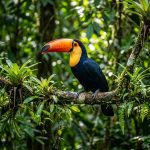
Did you know that birds are not just beautiful creatures gliding through the sky, but also integral components of intricate food chains? Understanding what eats birds is essential for grasping the delicate balance of ecosystems. From predatory mammals to opportunistic insects, various species depend on birds for survival, illustrating the complex relationships within nature. For bird enthusiasts and curious nature lovers alike, exploring these connections reveals insights into avian behavior, feeding habits, and ecological health. By delving into the world of bird predators, you’ll uncover fascinating details about wildlife interactions and the importance of conserving habitats. Join us as we explore the intriguing dynamics of what eats birds and the ripple effects these interactions have on our environment.
What Role Do Birds Play in the Food Chain?

Birds occupy an essential and dynamic position within the food chain, acting as both predators and prey in various ecosystems. Their diverse diets and hunting behaviors not only sustain their populations but also influence the abundance and health of other species within their habitats. From small seed-eating songbirds to formidable raptors, the roles birds play in the food web are multifaceted and critical.
One of the most compelling aspects of birds in the food chain is their role as consumers. Many species, like sparrows and finches, thrive on seeds, insects, and fruit, contributing to seed dispersal and insect population control. In contrast, birds of prey, such as eagles and hawks, command top positions in the food chain, hunting small mammals, birds, and reptiles. This predator-prey dynamic helps maintain ecological balance, as these birds regulate the populations of the species they prey upon, thereby preventing overpopulation and the associated overconsumption of resources.
Moreover, birds serve as a vital food source for many other animals, illustrating their dual role in the ecosystem. Various mammals-including stoats, raccoons, and even domestic cats-rely on birds as a primary food source. Additionally, many reptiles and amphibians, such as snakes and alligators, will opportunistically prey on birds, especially during nesting season when young birds are more vulnerable. This intricate web of interactions showcases the importance of birds not just within their immediate trophic level but throughout the entire ecosystem.
Understanding this complex interplay is crucial for conservation efforts and habitat planning. By recognizing that birds are pivotal in both predation and feeding, we can preserve vital habitats, ensuring that these ecosystems remain balanced and resilient in the face of environmental changes. As bird populations are sensitive to shifts in climate and habitat, maintaining their roles within the food chain is essential for the overall health of our ecosystems.
Common Predators of Birds in Nature

Birds face a wide array of predators in nature, each adapted to exploit the vulnerabilities of these feathered creatures. Whether gliding through the skies or slinking through underbrush, many species are skilled at hunting birds at various life stages, making avian survival a complex challenge. For instance, raptors such as hawks and eagles are well-known avian predators, using their keen eyesight and powerful talons to catch birds in mid-flight or snatch them from nests. Their role in the food web emphasizes both their hunting prowess and the need for vigilance among the prey species.
In addition to raptors, several other predators play significant roles in the avian food chain. Smaller birds, like the American kestrel, adeptly hunt insects and occasionally small birds, showcasing how even the smaller raptors can impact bird populations. Ground-based predators, including mammals like weasels, rats, and domestic cats, pose substantial threats, especially to ground-nesting birds and their chicks. These opportunists often raid nests, taking advantage of the vulnerable young.
Reptiles and amphibians also contribute to the diversity of bird predators. Snakes, for example, are known to raid nests, consuming eggs or young birds when the opportunity arises. Similarly, alligators and large lizards can prey on birds that venture too close to water, demonstrating how various predators coexist within the same ecosystem, each honing in on birds as prey during different conditions. This intricate web of predation highlights the precarious balance birds must navigate daily.
In addressing the challenges posed by predation, understanding the behaviors and habitats of both birds and their predators is crucial. For those looking to support bird populations, creating bird-friendly environments-decorated with native plants, safe nesting areas, and ample food sources-can help mitigate some of the predation risks they face. Furthermore, awareness of local predators encourages engagement in conservation efforts, ensuring a thriving ecosystem for all species involved.
Unique Predators: What Eats Birds?
In the vast tapestry of nature, birds are not only vibrant contributors but also vital components of the food web, often becoming meals themselves for a variety of unique predators. From the stealthy stalker to the sudden swoop of the aerial hunter, these predators exhibit fascinating adaptations to capture their feathered prey. Understanding who eats birds opens a window into the intricate relationships within ecosystems, highlighting the balance of life that sustains both avian species and their hunters.
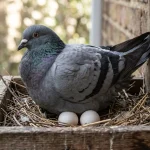
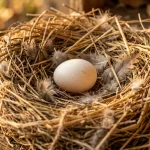
Among the most intriguing of bird predators are the mammals that have developed specialized hunting skills. For instance, weasels are notorious for their agility and cunning while hunting birds and their eggs. These small mammals can infiltrate nests and are relentless when it comes to catching unsuspecting adults on the ground. Additionally, larger mammals such as foxes and raccoons will capitalize on opportunities presented by ill-guarded nests, showcasing the harsh realities of avian life. Such species demonstrate how terrestrial predators impact populations of nesting birds, particularly ground-nesting species like shorebirds.
Not to be overlooked are the aquatic hunters, particularly reptiles and amphibians, that add another layer of threat to birds. Snakes, for example, can be surprisingly adaptable, often raiding nests for eggs or preying on fledglings just learning to fly. The American alligator, while typically seen as a formidable predator of fish and mammals, will not hesitate to snatch a bird if the opportunity arises. Similarly, large lizards like monitor lizards are known for their predation on birds, especially in tropical regions where these reptiles coexist with numerous bird species. Their hunting tactics provide an additional testament to how diverse and widespread bird predation is across different environments.
In urban areas, domestic cats have become one of the most significant threats to birds. They exhibit both self-directed hunting behaviors and are often aided by their human companions, leading to increased bird mortality in gardens and parks. This situation poses profound implications for bird conservation, emphasizing the need for responsible pet ownership and awareness of local bird populations. Strategies such as keeping cats indoors or using bird-safe collars can mitigate this substantial impact on vulnerable bird species. Each predator, from mammals to reptiles, plays a critical role in the ecosystems they inhabit, reminding us that every creature is a part of this complex, interwoven narrative of survival.
The Impact of Climate Change on Bird Predation
As the climate warms and weather patterns shift, the dynamics of bird predation are undergoing significant transformations. Changing temperatures impact not only the habitats and migratory patterns of birds but also influence the behaviors of their predators. For instance, warmer springs may cause insects to emerge earlier, consequently altering the availability of food for both birds and the insects that prey on them. This leads to a mismatch in the timing of life cycles, which can put pressure on bird populations that depend on specific food sources during crucial breeding periods.
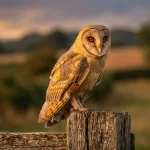
The phenomenon of climate change also extends to altering predator-prey relationships. Certain predators, such as red-tailed hawks and various owl species, may become more efficient hunters as their hunting grounds shift northward or due to changes in prey population density. As birds adapt their behaviors to navigate these new environmental pressures, they may become more vulnerable to predation. For example, birds that traditionally nested in temperate areas may find themselves hunted by species that are encroaching from the south as climate patterns change.
Additionally, habitat loss due to climate change intensifies the competition among predators. As natural areas are disrupted, birds may find themselves in more urbanized landscapes where they face increased threats not only from wild predators but also from domestic animals and human-made hazards. This urban wildlife conflict can place additional stress on bird populations trying to survive amidst changing environments.
Lastly, it’s crucial for bird enthusiasts to recognize how their practices can contribute to conservation efforts. Implementing bird-safe designs in gardens, raising awareness about responsible pet ownership, and participating in local conservation initiatives can play a role in minimizing . As we navigate these changes, understanding the complex relationship between birds and their predators will deepen our appreciation for the intricacies of the natural world and encourage the protection of vulnerable bird species. Keeping informed and actively engaging in wildlife conservation are essential steps toward ensuring these magnificent creatures continue to thrive in our ecosystems.
Birds of Prey: Top Hunters Explained
Birds of prey, often referred to as raptors, are among nature’s most skilled hunters and play a critical role in maintaining ecological balance. These magnificent creatures boast keen eyesight, powerful talons, and strong beaks specifically evolved for hunting. From the majestic golden eagle soaring high in mountainous terrains to the agile merlin darting through woodlands, raptors are fascinating examples of adaptation and predatory efficiency.
What sets raptors apart from other bird species is their hunting prowess and dietary preferences. Eagles, hawks, and owls are equipped with extraordinary visual acuity, allowing them to detect movement from great distances. For instance, the peregrine falcon-a champion of speed-can dive at over 240 miles per hour, making it the fastest bird on the planet. Their primary diet often consists of other birds, small mammals, and even reptiles, which places them at a pivotal point in the food chain, controlling the population of their prey and sustaining the health of their ecosystems.
Understanding the hunting strategies of these birds is essential for birdwatching enthusiasts and conservationists alike. Many raptors employ various techniques depending on their environment and type of prey. Some, like the red-tailed hawk, rely on stationary perches from which they can scan the ground for unsuspecting victims, while others, such as the harrier, are known for their low, gliding flight over grasslands, effectively flushing out prey hidden in the underbrush. Observing these behaviors not only enriches one’s appreciation for these birds but also sheds light on the environmental conditions that support their prey populations.
As we delve deeper into the intricate web of life where birds of prey reside, we must remember their conservation. Habitat destruction caused by urbanization, pollution, and climate change threatens their survival. Supporting local conservation initiatives and promoting awareness about the importance of preserving natural habitats can make a significant difference. Engaging in activities like creating raptor-friendly environments or educating others about the importance of these magnificent birds will ensure that future generations can witness the awe-inspiring hunting behaviors of raptors in the wild.
Small Mammals and Their Diets: Birds
Exploring the diets of small mammals reveals a fascinating dynamic within the food chain, especially in their interactions with birds. Many small mammals, such as weasels, ferrets, and various rodents, are opportunistic feeders that include birds in their diet. These mammals can be both active hunters and scavengers, displaying remarkable adaptability in what they consume based on availability and environmental conditions.
Small mammals typically target bird nests, which often serve as easy sources of high-protein meals. For instance, young birds are vulnerable during the nesting phase, making them prime targets for many predators. A common example is the Eastern chipmunk, which is known to raid nests for eggs and chicks. These mammals employ stealth and speed, which help them evade the watchful eyes of adult birds guarding their young.
Beyond direct predation, the presence of small mammals can significantly impact bird populations and nesting success. When small mammals are abundant, their foraging behavior may shift birds to higher nesting locations or to different nesting sites altogether, showcasing the delicate balance of predator-prey interactions. Understanding these dynamics is crucial for birdwatchers and conservationists. Not only does it enhance our appreciation of local ecosystems, but it also highlights the importance of habitat management practices. By ensuring the health of both bird and small mammal populations, we can support a balanced ecosystem that sustains life at all levels.
Moreover, small mammals play a critical role in seed dispersal and habitat modification, indirectly influencing bird populations by creating a richer environment for feeding and nesting. As bird enthusiasts or conservation advocates, observing these interactions encourages a broader understanding of the ecosystem, emphasizing the need for comprehensive conservation strategies that consider the delicate interrelationships among species.
Reptiles and Amphibians: Bird Predators
The relationship between birds and reptiles or amphibians is a captivating aspect of nature’s food chain. Certain reptiles, like snakes and lizards, as well as amphibians like frogs, will target young or smaller birds, significantly influencing bird populations. For instance, garden snakes may stealthily approach nests to consume fledglings or eggs, while larger lizards might also be opportunistic, particularly if young birds venture too far from their protective cover.
Understanding how these predators operate can enhance our appreciation of these interactions. Many reptiles are ambush predators, relying on camouflage and patience. Snakes, for example, may silently coil in the brush, waiting for an unsuspecting bird to approach. Frogs exhibit a different strategy by remaining still and using rapid tongue strikes to catch small birds or their chicks that come close to the water’s edge. This ambush approach makes them highly effective hunters in their respective habitats.
Moreover, the impact of environmental conditions plays a significant role in predator-prey dynamics. For example, the presence of water bodies can attract amphibians that prey on birds, while areas with dense foliage provide cover for snakes. As a birdwatcher, noticing the types of reptiles and amphibians in your area can give you insights into the potential threats to local bird species. This relationship highlights the importance of conserving habitats that support diverse wildlife, ensuring that bird populations can thrive despite the predatory pressures from reptiles and amphibians.
As you explore your surroundings, consider how different species of reptiles and amphibians contribute to the overall ecosystem. Engaging in activities like habitat restoration or creating bird-friendly spaces can mitigate some of the predation pressure, allowing both birds and their predators to coexist harmoniously in nature. Recognizing this intricate balance enriches our understanding of wildlife and inspires a commitment to protecting these vital ecosystems.
The Importance of Habitat in Bird Survival
Birds are remarkable indicators of ecosystem health and their survival is intricately linked to the habitats they inhabit. A rich diversity of environments – from dense forests and wetlands to grasslands and urban areas – provides essential resources for birds at every life stage. The connection between habitat quality and bird survival is not just academic; it profoundly affects their nesting success, feeding habits, and overall well-being.
A thriving habitat ensures that birds have access to food, shelter, and breeding sites. For example, species like the purple martin thrive in areas where they can find ample insect prey and suitable nesting locations, often utilizing human-made structures such as birdhouses. Conversely, habitat loss due to urban development and agriculture can lead to a significant decline in bird populations. According to studies, the removal of shrub layers in forests can drastically diminish nesting sites for species such as sparrows and warblers, rendering them vulnerable to predation.
Moreover, specific habitat features play vital roles in the survival of birds. Dense underbrush provides cover from predators such as hawks and snakes, while water sources are crucial for drinking and bathing, especially during hot months. Bird conservation efforts often focus on preserving and restoring these critical habitats, recognizing that a robust environment supports thriving avian populations. Simple steps like planting native flora in gardens can create new habitats, benefiting both local species and overall biodiversity.
To truly make a difference, it’s important to be active stewards of the environments where birds reside. Engaging in habitat restoration projects, advocating for sustainable land use, and supporting local conservation initiatives all contribute to the preservation of these vital ecosystems. By understanding how habitat influences bird survival, we become better equipped to protect these beautiful creatures and their essential roles in our ecosystem.
How Human Activity Affects Bird Predation
Urban landscapes, once considered harsh environments for wildlife, are now hosting a surprising array of bird species. However, human activity plays a complex role in shaping their survival and vulnerability to predation. Changes in land use, such as the conversion of forests into agricultural fields or urban sprawl, directly impacts the habitats that birds rely on for safety. As natural predators like hawks and cats adapt to thrive in these modified landscapes, birds may find themselves more exposed to predation.
Intensive agricultural practices can lead to a decrease in habitat diversity, thereby limiting the cover and nest sites available to birds. For instance, flat, monoculture fields offer little protection, making it easier for raptors to spot ground-nesting birds. Furthermore, increased use of pesticides not only reduces the availability of food sources for birds but also impacts the insects they feed on, leading to lower reproductive success.
In cities, the introduction of artificial lights can disrupt natural behaviors, such as nocturnal foraging and nesting patterns, pushing some species into more dangerous areas where they are vulnerable to predators. Similarly, domestic cats, often abundant in suburbs, pose one of the greatest threats to birds, responsible for billions of bird deaths annually. Their hunting instincts thrive in residential areas, where they find an easy target in the birds that have adapted to urban settings.
Conservation efforts must therefore consider these human influences when developing strategies to protect birds. Implementing bird-safe designs in urban planning, such as vegetation patches that provide cover and encouraging responsible pet ownership, can mitigate predation risks. By fostering a cooperative environment that balances human development and wildlife conservation, we can help ensure the survival of birds amidst the challenges posed by human activities.
Cultural Significance of Birds and Their Predators
Understanding the intricate relationships between birds and their predators reveals a fascinating tapestry woven into the cultural fabric of our societies. Birds, with their melodic songs and vibrant plumage, hold a special place in human culture, symbolizing everything from freedom to renewal. Meanwhile, their predators-encompassing everything from hawks and owls to snakes and even larger mammals-serve not only as vital roles in the ecosystem but also as powerful symbols in various cultural narratives.
Throughout history, birds have inspired a multitude of cultural expressions, including folklore, art, and literature. In many cultures, birds of prey, such as eagles and falcons, are revered for their hunting prowess and majesty. They often represent strength, courage, and independence. For instance, the Bald Eagle is not just a formidable predator; it’s also a national symbol in the United States, embodying the ideals of freedom and resilience. Similarly, the symbolism of owls in different cultures can vary widely; while some societies view them as wise and protective, others might see them as omens of death or misfortune. Such contrasting perceptions underline the complex relationship humans have with these avian predators.
Moreover, understanding bird predation can enhance our appreciation for biodiversity and conservation efforts. Engaging with your local bird populations can offer valuable insights into the ecological balance of your area. Many community-based initiatives encourage people to observe and record local bird species, helping to raise awareness about the importance of conserving both birds and their predators. Simple activities such as setting up bird feeders or creating native plant gardens can attract a variety of birds, providing observers with the opportunity to witness these natural interactions firsthand.
Particularly in Indigenous cultures around the world, birds and their predators are often integral to traditional stories and teachings that impart critical lessons about the environment, respect for nature, and the interconnectedness of life. These narratives serve as powerful reminders of the delicate balance that sustains ecosystems and the critical role each species plays within it. By fostering a deeper understanding of these relationships, we can cultivate a more profound respect for wildlife and contribute to conservation efforts, ensuring that future generations can enjoy the rich tapestry of life that birds and their predators embody.
Conservation Efforts: Protecting Birds from Predation
The delicate balance of the ecosystem hinges on the survival of both birds and their predators. Yet, in many regions, human activity has put immense pressure on avian populations, leading to increased predation rates that may threaten their numbers. To mitigate this, conservation efforts focus on various strategies aimed at protecting birds from becoming easy targets, helping maintain the biodiversity of our ecosystems.
A critical approach involves habitat restoration and protection. Birds are often driven to the brink of predation by loss of habitat, which reduces their safe nesting and feeding sites. Community initiatives can make a significant difference-by planting native trees and shrubs, providing appropriate food sources, and ensuring clean water access, we can create environments where birds thrive. This not only helps to sustain their populations but also reduces their vulnerability to predators.
Moreover, modern technology aids in monitoring bird populations and the impact of predators. Organizations like the Audubon Society implement citizen science programs, inviting enthusiasts to track bird migratory patterns and local populations. By understanding which species are being heavily predated and where, conservationists can focus efforts on those most at risk. This targeted approach ensures resources are used effectively and maximizes the benefits for bird populations.
Education plays a pivotal role, as well. By fostering awareness about the interactions between birds and their predators, and the impact of invasive species, communities can take action. Simple changes, such as keeping pets indoors, can drastically reduce predation rates on small birds. Installing bird-safe window treatments can prevent fatal collisions with glass. Engaging local schools and neighborhoods in these efforts not only empowers individuals but also creates a community connection to wildlife, building a culture of conservation that extends beyond individual action.
Lastly, advocacy for larger policy changes is essential. Support for legislation that protects critical habitats and regulates hunting and land use is necessary to sustain conservation efforts over the long term. By working collectively, communities can combat the challenges of predation and provide a safe haven for birds, ensuring that these magnificent creatures continue to thrive for generations to come.
Understanding Bird Behavior for Better Survival
Birds exhibit a fascinating range of behaviors that enhance their survival in a world filled with predators. These adaptations serve as critical strategies for avoiding encounters with what eats them, from larger birds of prey to small mammals and reptiles. By understanding these behaviors, we can not only appreciate the complexities of avian life but also contribute to their conservation and safety in the wild.
One of the primary survival tactics employed by birds is vigilance. Many species, like sparrows and blackbirds, often employ a “sentinel” behavior where one individual watches for danger while the others feed. This communal approach allows them to minimize risk. Additionally, many birds have excellent vision that helps them detect predators from considerable distances; for instance, raptors like hawks utilize keen eyesight to spot prey and potential threats.
Predatory Evasion Techniques
Birds also utilize clever evasion techniques when confronted with predators. For instance, ground-nesting birds like killdeer will feign injury to divert attention from their nests. This distraction display not only protects their eggs but also teaches young birds how to respond to threats. In contrast, species like the American Robin display reset behavior, where they quickly alter their feeding or foraging patterns in response to predator presence, often changing from visible spots to more concealed areas.
Another critical behavior relates to flocking, especially among smaller birds. Forming flocks provides safety in numbers, making it difficult for predators like hawks to target any single bird. During migration, flocks also benefit from collective decision-making, which enhances their ability to find food sources and navigate effectively.
Understanding these behaviors can also guide us in creating safer environments for birds. Educating ourselves and others about the importance of maintaining native vegetation, minimizing outdoor cats, and understanding local predator dynamics can significantly bolster bird populations. By fostering awareness and modifying our interactions with nature, we can play a pivotal role in ensuring that avian species continue to thrive despite the ongoing challenges of predation.
FAQ
Q: What are the main predators of birds in the food chain?
A: Main predators of birds include various mammals, such as foxes and raccoons, as well as birds of prey like hawks and eagles. Reptiles, such as snakes, and amphibians may also pose threats, depending on the bird species and its habitat. Understanding these relationships can help in conservation efforts.
Q: How do environmental changes affect bird predation?
A: Environmental changes, like habitat loss and climate fluctuations, can disrupt the balance of predator-prey relationships. For instance, changes in food availability may lead predators to target bird populations more aggressively. Check our section on “The Impact of Climate Change on Bird Predation” for more insights.
Q: Why are birds of prey important in controlling bird populations?
A: Birds of prey play a crucial role in maintaining ecological balance by controlling the populations of smaller birds. Their hunting habits ensure that species do not overpopulate, which can have cascading effects on the ecosystem. Learn more in our article on “Birds of Prey: Top Hunters Explained.”
Q: What adaptations help birds evade predators?
A: Many birds have developed adaptations like camouflage, fast flight, and nesting in hard-to-reach places to evade predators. Recognizing and studying these adaptations can be key for birdwatchers and conservationists alike. Refer to our section on “Understanding Bird Behavior for Better Survival” for more details.
Q: How do small mammals impact bird populations?
A: Small mammals can significantly impact bird populations, particularly ground-nesting species. Predators like weasels and domestic cats often hunt birds or their eggs, affecting their survival rates. More information can be found in “Small Mammals and Their Diets: Birds.”
Q: What role do reptiles play in the predation of birds?
A: Reptiles, especially snakes, can be significant predators of birds, especially in areas where birds nest on or near the ground. They often prey on eggs or vulnerable chicks. For a deeper understanding, see our section on “Reptiles and Amphibians: Bird Predators.”
Q: When do birds face the highest predation risk?
A: Birds face the highest risk of predation during nesting and fledging periods when they are most vulnerable. During these stages, they often rely on camouflage and parental care to protect against predators. Explore more in “The Importance of Habitat in Bird Survival.”
Q: How can urban development affect bird predation?
A: Urban development can increase predation risks for birds by altering their habitats and introducing new predators, such as domestic cats. Additionally, improved visibility for predators can lead to higher mortality rates. Understand more about this issue by reading “How Human Activity Affects Bird Predation.”
Key Takeaways
As we’ve explored the intriguing dynamics of the food chain and the role of birds within it, it’s clear that understanding what eats birds reveals much about our ecosystems. Remember, every creature has its place, and these interactions highlight the delicate balance of nature. If you’re fascinated by the relationship between birds and their predators, don’t miss our articles on “Top Bird Predators” and “Understanding Bird Behavior,” where you can delve deeper into the life and challenges of these amazing creatures.
Ready to learn more? Subscribe to our newsletter for fascinating insights and updates on wildlife, or check out our comprehensive guides to birdwatching or bird care. If you have any questions or thoughts about the food chain, share them in the comments below-your input enriches our community! Exploring the wonders of nature is a journey, and we’re excited to have you along. Let’s keep uncovering the secrets of the natural world together!
Get our latest guides, news, and insights highlighted in your Google Search & AI Overviews.