Did you know that some bird species forge lifelong bonds that rival even the most enduring human relationships? Exploring the fascinating world of avian love gives us insight into nature’s dedication and commitment, showcasing species that mate for life. This topic is not just about birds; it reflects our own desires for connection and loyalty.
Whether you’re an avid birdwatcher or a curious newcomer, understanding which birds exhibit this remarkable behavior can deepen your appreciation for their lives and habits. From the iconic swan to the steadfast albatross, each pair’s unique story reveals the complexities of their romantic connections and how these bonds impact their survival. Join us as we unravel the loyalty of these remarkable species, igniting your curiosity and inspiring your love for the natural world.
What Defines Birds That Mate for Life?
When we think about loyalty in the animal kingdom, birds that mate for life stand out as remarkable examples of commitment and partnership. These birds, often driven by instinct and the need for stability, display unique bonding behaviors that not only ensure their own survival but also that of their offspring. Lifelong pair bonds can be defined by several characteristics, including the duration of the bond, social behaviors exhibited, and the division of parental responsibilities.
In species that mate for life, the couples typically form exclusive partnerships that last throughout their breeding seasons and often extend for many years, sometimes even for life. This phenomenon is most commonly observed in species such as swans, albatrosses, and certain types of owls. The bond between mates is not merely for reproduction; it serves as a crucial element for raising their young together, ensuring that both parents contribute to nesting, feeding, and protection. Such cooperative behavior enhances the survival rate of the fledglings, increasing the likelihood that the genes of both parents will be passed on to future generations.
Additionally, the emotional depth of these relationships can manifest in various ways. For example, some pairs engage in synchronized courtship displays, maintaining their bond through intricate aerial dances or mutual preening that fortifies social ties. When tragedy strikes, such as the death of one mate, the pain of loss can resonate deeply, prompting profound changes in behavior. The surviving bird may mourn, displaying a range of emotions that suggest a deep connection-highlighting that these relationships are built on more than just reproductive necessity, but also on companionship and mutual reliance.
In essence, birds that mate for life offer a fascinating glimpse into the complexities of avian relationships, showcasing the interplay of instinct, emotional connections, and communal parenting in the natural world. Whether you’re a seasoned birder or a curious observer, witnessing these connections in action is both rewarding and enlightening.
Loyal Bird Species: An Overview

Many bird species showcase incredible loyalty through their lifelong pair bonds, revealing a profound dimension of avian behavior that’s both captivating and essential for their survival. Among these, the most notable groups include swans, albatrosses, and certain species of parrots. These birds exemplify how commitment transcends mere reproductive necessity, often resulting in shared parenting roles that significantly enhance the survival rates of their offspring. This cooperative parental approach illustrates the evolutionary advantage conferred by strong pair bonds, as both parents contribute to rearing their young in a nurturing environment.
One fascinating example is the Bald Eagle, which typically mates for life. They return to the same nesting site year after year, demonstrating remarkable loyalty not only in their bond but also in their dedication to the territory they share. Similarly, California Condors are another species known for forming lifelong partnerships. Their strong social bonds not only help with rearing the young but also enhance foraging success, as both parents work together to locate food.
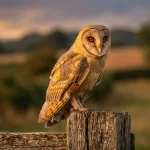
In the realm of songbirds, species like Tawny Owl are known for forming enduring monogamous bonds. Their commitment is often marked by vocalizations that reinforce their partnership, allowing them to synchronize their activities and functions within their territory. Observing these behaviors in the wild can be particularly rewarding. If you’re looking to witness this loyalty firsthand, finding a quiet spot near a known nesting area and listening closely to their calls can provide insight into their relationship dynamics.
Birdwatchers interested in observing these dedicated couples should consider timing their outings during the breeding season. This period often brings heightened activity and displays of affection as pairs begin to establish or reinforce their bonds. By understanding the intricacies of these loyal species, one can appreciate the rich tapestry of relationships woven within the avian world and the ecological significance of these lifelong partnerships.
Top 10 Bird Species Known for Lifetime Bonds

The world of birds reveals an intriguing array of species showcasing lifelong partnerships, reflecting a remarkable commitment that transcends basic reproductive needs. Among these avian loyalists, you’ll find a captivating variety of birds that demonstrate this extraordinary behavior, offering birdwatchers a chance to witness the beautiful intricacies of their bond. Here’s a closer look at ten remarkable species known for their lifelong mating habits, and what makes each of them unique.
Bald Eagle
The iconic Bald Eagle not only symbolizes strength in nature but also showcases impressive loyalty. These majestic birds mate for life, often returning to the same nest year after year. Their elaborate courtship displays include graceful aerial dances and synchronized flight patterns, marking their bond. Observing a pair working together to raise their young in a shared territory is a true testament to their partnership.
Swans
Famed for their grace, swans are a quintessential example of monogamous birds. Species like the Mute Swan form long-term bonds that are easily recognized by their synchronized swimming and mutual preening. They are intensely loyal, often appearing inseparable, which is particularly evident during mating season when they perform elaborate courtship rituals to reinforce their bond.
Albatross
Albatrosses are renowned for their long-distance flying abilities and remarkable lifelong partnerships. These birds can spend years at sea, but they always return to their mates, engaging in an intricate courtship dance that can last several minutes. Their commitment is so deep that if one partner fails to return, the other may never form another pair bond.
California Condor
The endangered California Condor exemplifies devotion with a commitment to lifelong partnerships that help ensure the survival of their young. They engage in mutual feeding, where both parents play a crucial role in raising their chicks. Observing these majestic birds in their natural habitat is a rewarding experience, highlighting their teamwork and loyalty.
Tawny Owl
Known for their distinctive hooting calls, Tawny Owls are passionate partners that reinforce their bonds with vocalizations. This nocturnal species often hunts and roosts together, showcasing a strong cooperative dynamic that thrives in shared territories. Their commitment is evident as they work in unison to care for their offspring, making them a beloved sight for avid birdwatchers.
Macaws
Macaws, particularly species like the Scarlet Macaw, are not only striking in appearance but also demonstrate profound loyalty. They form lifelong bonds marked by affectionate behaviors, such as mutual grooming and vocalizations. Their social interactions offer a remarkable glimpse into their emotional connections, emphasizing the depth of their relationships.
Puffins
Puffins, often dubbed “sea parrots,” exemplify loyalty during their breeding season. These charming seabirds reunite with their partners annually to raise their chicks in shared burrows. Their adorable courtship displays, which include bill rubbing and mutual preening, create a memorable spectacle for those lucky enough to witness their bonding behavior.
Sandhill Crane
Sandhill Cranes are known for their beautiful mating dances, which involve intricate movements and vocalizations, reinforcing their long-term bonds. These birds often maintain their partnerships for life, working together to raise their young in nesting territories that they return to season after season. Their graceful displays are a delight for any bird-watching enthusiast.
Western Bluebird
Western Bluebirds, with their vibrant plumage, are equally passionate in their pair bonds. They often engage in cooperative breeding, where both partners share responsibilities in nesting and feeding their young. Their friendly and affectionate behaviors make them a joy to observe during the breeding season, as they flit about their territories together.
Great Horned Owl
These powerful owls not only dominate their environments but also form lasting partnerships that involve shared hunting grounds and nesting sites. Great Horned Owls demonstrate incredible loyalty during the breeding season, often returning to the same territory year after year. Their deep bond is observable in their coordinated hunting efforts and shared parenting duties.
Each of these birds provides a unique window into the complexities of avian relationships, highlighting how loyalty and cooperation play a pivotal role in their survival. Whether you’re an experienced birder or just beginning, observing these species in their natural habitats can provide invaluable insights into the richness of bird life and the beauty of their lifelong partnerships.
Uncommon Birds with Remarkable Loyalty
In the vibrant tapestry of avian life, there are several uncommon species that stand out for their extraordinary loyalty and commitment to lifelong partnerships. Observing these birds in the wild can be a thrilling experience, as their unique behaviors often go unnoticed. These less commonly recognized species illustrate that the bond between mates is not just a trait of more famous couples like swans or albatrosses, but can also be found in various unexpected corners of the bird kingdom.
Black Vulture
The Black Vulture is an excellent example of a bird that exhibits remarkable loyalty, often forming long-lasting bonds with a mate. These birds engage in elaborate courtship displays-including synchronized flying and mutual preening-which help reinforce their partnership. Black Vultures are known to return to the same nesting areas year after year, demonstrating not only attachment to their mates but also to specific territories vital for their breeding success.
Zealandia Parrot (Kaka)
The Kaka, a parrot native to New Zealand, is another lesser-known species that exemplifies loyalty. Known for their lively social structures, Kakas mate for life and engage in cooperative care of their young. This species often participates in joint foraging and nurturing tasks, showcasing their strong pair bonds. Observing Kakas in their natural habitat can be a magical experience, especially during the breeding season when their choirs of vocalizations resonate through the forests.
Sandwich Tern
While perhaps not as iconic as other species, the Sandwich Tern has a fascinating breeding strategy that exhibits loyalty. They form long-term pair bonds characterized by elaborate courtship displays that include aerial acrobatics and synchronized diving. These birds show a strong preference for nesting at the same sites each year, and both parents are actively involved in incubating eggs and rearing chicks together, displaying a remarkable teamwork that reinforces their lifelong association.
Roseate Spoonbill
The Roseate Spoonbill, known for its stunning pink plumage and unique spoon-shaped bill, forms monogamous pairs that can last for years. During the breeding season, these birds engage in eye-catching courtship rituals that can include dancing displays and mutual preening. Like the other species mentioned, they exhibit a strong commitment to their young, with both parents participating in nest-building and caring for their chicks.
These lesser-known birds share a deep-seated loyalty that mirrors the fascinating bonds exhibited by their more famed counterparts. Whether you’re watching the dynamic flight of Black Vultures or the vibrant displays of Kakas, understanding their relationships can deepen your appreciation of the avian world. Each encounter not only enriches our knowledge of bird behavior but also offers a splendid experience for any birdwatcher eager to connect with nature.
Behavioral Traits of Lifelong Mating Birds
In the captivating world of avian relationships, some birds go beyond temporary pair bonds, showcasing intricate behavioral traits that exemplify lifelong commitment. These species not only mate for life but also demonstrate remarkable interactions that solidify their partnerships in ways that fascinate birdwatchers and enthusiasts alike. Observing these behaviors can deepen your appreciation for their unique social structures and emotional connections.
A significant behavioral trait observed in lifelong mating birds is the engagement in elaborate courtship displays. For instance, the Black Vulture employs synchronized flying and mutual preening to strengthen their bond. Such rituals are crucial, not only for attracting a mate but also for reinforcing the pre-existing relationship as these birds return to the same nesting sites annually. Similarly, the Roseate Spoonbill performs captivating dances and intricate displays during the breeding season, providing insights into their social dynamics. These activities foster a sense of partnership and teamwork.
The Kaka, a parrot native to New Zealand, exemplifies cooperative care as a behavioral hallmark of their lifelong bonds. This species participates in joint foraging, where parents work together to locate food, while also nurturing their young collaboratively. This cooperative behavior not only enhances the survival rates of their offspring but also underscores the strength of their bond. For birdwatchers, spotting Kakas engaging in these social interactions offers a glimpse into their vibrant lives and intricate partnerships.
Birds that mate for life also exhibit notable parental involvement, which can enhance the survival of their young. Sandwich Terns are a prime example; both mates are highly involved in incubating eggs and rearing chicks, showcasing teamwork essential for successful breeding. Their strong preference for returning to the same nesting sites fosters stability, mirroring the dedication seen in other lifelong mating birds. Such behaviors are not only vital for the survival of their offspring but also serve to reinforce the bond between mates as they unite in their parenting roles.
By recognizing and appreciating the behavioral traits found in these loyal species, birdwatchers can enhance their experiences in observing avian life. Whether it’s through breathtaking courtship displays or cooperative parenting, these behaviors reveal the depth of connection that exists between lifelong mating birds. Understanding these dynamics not only enriches our knowledge but also provides a splendid opportunity to connect with nature on a profound level.
The Role of Monogamy in Bird Species
In the avian world, monogamy plays a vital role in shaping the social structure and survival of various species. Not merely a romantic notion, lifelong partnerships foster stronger bonds and enhance reproductive success, showcasing an intriguing blend of biology and behavior. For instance, many birds that form long-term pair bonds invest considerable time and effort into raising their young, often leading to higher survival rates of their offspring. This cooperative breeding model is not just advantageous; it’s crucial for success in challenging environments where parental care can mean the difference between life and death.
One of the most compelling examples of monogamous behavior is seen in the California Condor. These majestic birds form lifelong pairs and exhibit remarkable fidelity. They engage in elaborate courtship rituals that include mutual preening and synchronized flying, reinforcing their bond. Such behaviors not only solidify their relationship but also enhance their collaborative efforts in caring for their chicks, ensuring that both parents are actively involved in the upbringing, which greatly increases the chances of survival for their young condors.
Similarly, in the realm of waterfowl, Canadian Geese are renowned for their monogamous pairings. They often mate for life, returning to the same nesting sites year after year. This loyalty has immense benefits, allowing the couple to become intimately familiar with their territory, optimizing the resources available to them for nesting and raising goslings. The shared responsibilities of both parents enable effective incubation and protection of their young, weaving a tapestry of connection that enhances not only their own survival but also contributes to the stability of their population.
As birdwatchers, understanding the role of monogamy in these avian communities opens up an enriching dimension to our observations. By recognizing the dedication and partnership exhibited by these birds, we gain profound insights into their lives and the challenges they overcome together. Whether you’re witnessing the spectacular courtship displays of Albatrosses, who will follow the same dance year after year, or watching the nurturing interactions of lifelong pairs like Bald Eagles, the bonds formed through monogamous relationships highlight the intricate dance of love, survival, and the continuation of their species.
Through these stories of devotion and teamwork, we not only find a thrilling opportunity to observe but also feel inspired by the strength of connection that exists within the avian world.
How Environmental Factors Influence Bird Relationships
The intricate relationships that birds form with their mates are significantly influenced by their environment, showcasing how adaptability is key to their success. Factors such as habitat availability, climate change, and food sources play pivotal roles in shaping the dynamics of avian pair bonds. For instance, many birds, including the loyal California Condor, thrive in specific ecosystems that provide necessary nesting sites and adequate food supply. When these environmental factors are stable, pairs can focus on nurturing their bond and raising their young efficiently.
In areas where food is plentiful and nesting sites are secure, birds like Canadian Geese tend to establish long-term partnerships. The loyalty exhibited by these geese often stems from the predictability of their environment, allowing them to return each year to the same nesting grounds. Their familiarity with the territory enhances their success in breeding and rearing goslings, as they can maximize the resources available. In contrast, changes in environmental conditions, such as urban development or climate fluctuations, can disrupt these bonds, forcing birds to reassess their mating strategies and territories.
Adaptation to Environmental Changes
Birds are remarkably resilient creatures, and many monogamous species adapt their mating behaviors in response to environmental changes. For instance, during periods of drought, some species may alter their breeding times to coincide with more favorable conditions. This adaptability not only affects their reproductive success but can also alter their social structure. Those that can navigate these changes often exhibit stronger bonds, as they rely on each other for survival and support during tough times.
Ultimately, understanding the impact of environmental factors on bird relationships enriches our appreciation for these remarkable creatures. Birdwatchers who observe the intricacies of these relationships gain insights into the challenges birds face and the resilience they display. Whether witnessing the careful selection of nesting sites by Bald Eagles or the cooperative foraging strategies of Puffins, each encounter serves as a reminder of how deeply intertwined avian loyalty and environmental context truly are. By appreciating these connections, we not only foster a deeper understanding of avian behavior but also cultivate respect for the ecosystems that support them.
Comparative Analysis: Mating Habits Across Species
In the diverse world of birds, mating habits vary dramatically across species, presenting a fascinating tapestry of behaviors and strategies. While many birds are known for their fleeting partnerships, a select group establishes lifelong bonds. Understanding these differences is crucial for bird enthusiasts and researchers alike, as it reveals how environmental factors, species characteristics, and social structures influence avian relationships.
One of the most notable examples of monogamous behavior can be seen in the Bald Eagle. These majestic birds typically mate for life, displaying profound dedication to their partner. Their bond is reinforced through spectacular aerial displays and cooperative nesting. The eagles return to the same nest year after year, which can grow substantial, reflecting their commitment as they continue to share parenting duties during breeding seasons.
In contrast, the Albatross, renowned for its impressive wingspan and long-distance flying ability, engages in a unique courtship ritual characterized by intricate synchronized movements during flight. Once they select a mate, they often maintain a lifelong bond, which is strengthened through mutual foraging and extended time together both on land and in the air. Their fidelity not only solidifies their partnership but also ensures higher success rates in raising their young due to their combined experience in locating food across vast ocean expanses.
Conversely, species such as American Robins present different strategies; they form monogamous pairs during the breeding season but often seek new mates in subsequent seasons. This flexibility in mate choice allows them to adapt to environmental changes and varying conditions, maximizing their chances of reproductive success. Similarly, the Common Bluebird exhibits a blend of fidelity and opportunism. While they often mate for life, they may change partners if opportunities arise that could lead to a more advantageous breeding situation.
To better illustrate these differences, we can compile key behavioral traits and mating strategies by species:
| Species | Bond Type | Courtship Behavior | Breeding Strategy |
|---|---|---|---|
| Bald Eagle | Monogamous for Life | Aerial displays | Return to the same nest |
| Albatross | Monogamous for Life | Synchronized flight | Long-term breeding across vast areas |
| American Robin | Seasonal Monogamy | Singing and displays | New mates each season |
| Common Bluebird | Often Monogamous | Vocalizations and displays | Potential for new mates if conditions change |
By observing such variations, birdwatchers and nature enthusiasts can appreciate the intricate relationships different species establish. Not only do these behaviors reflect their adaptability and environmental contexts, but they also illustrate the remarkable strategies birds employ to ensure their survival and reproductive success. Each encounter with these avian partners enriches our understanding of their lives and highlights the beauty of lifelong avian loyalty amid a diverse array of mating habits.
Caring for Birds That Form Lifelong Bonds
Fostering a nurturing environment for birds that form lifelong bonds is crucial for their health and well-being. Whether you’re a seasoned birdwatcher or just starting your journey, understanding how to care for these dedicated species can enhance your appreciation of their unique behaviors and relationships. Lifelong partners like the Bald Eagle and the Albatross offer captivating insights into avian devotion, and by catering to their needs, you support their survival and flourishing.
To begin, consider creating habitats that mimic their natural environments. For instance, when attracting Bald Eagles, ensure that there are large trees for nesting and open water nearby, as they hunt primarily for fish. If you want to attract smaller, monogamous birds like the Common Bluebird, erect nest boxes in open fields where they can easily spot potential threats while they raise their young. Placing these boxes in pairs encourages bonding and gives them room to establish their territory.
- Respect Their Space: Birds that mate for life often thrive in stable and secure environments. Avoid frequent disturbances, especially during nesting seasons, as this can cause stress and disrupt their breeding success.
- Provide Food Sources: Ensure a consistent supply of food that reflects their natural diets. For example, offering mealworms is beneficial for Bluebirds during their breeding phase, while seed mix and peanut fragments attract a variety of loyal species.
- Water Features: Consider adding birdbaths or small ponds to gardens as many birds require freshwater for drinking and bathing, enhancing their overall habitat enjoyment.
Furthermore, understanding the behavioral traits of these lifelong partners can deeply enrich your experience in observing them. For instance, the Albatross is known for its spectacular courtship dances and synchronized flying which solidify their bonds. When observing such behavior, be patient and quiet-this allows you to appreciate their interactions without becoming a disturbance.
An aspect of caring for these birds also includes educating others about their ecological importance. Highlight how their unique mating systems contribute to biodiversity and ecosystem health. Share your knowledge and passion at community events or through local wildlife organizations to build broader support for conserving these remarkable species.
In summary, by creating supportive environments, providing necessary resources, and fostering educational outreach, you play a vital role in the conservation of birds that mate for life. Your efforts can lead to enriching experiences with these loyal creatures and contribute to a thriving ecosystem where they can flourish.
Cultural Significance of Lifelong Bird Partnerships
The intricate relationships that birds form are often a reflection of broader cultural significance, resonating deeply with human experiences of love, loyalty, and connection. Species known for lifelong partnerships, such as the Bald Eagle and Albatross, offer not just ecological insights but serve as symbols in various cultures highlighting fidelity and devotion. This symbolism often seeps into folklore, literature, and art, inspiring countless narratives about the beauty of enduring love. For instance, the Albatross’s long courtship rituals and their lifelong bond exemplify romantic loyalty, drawing parallels to human relationships and reinforcing values of commitment in families and communities.
In many societies, the image of a couple of swans or geese – another species noted for their monogamous nature – emerges in wedding themes and celebrations, representing unity and everlasting bonds. These birds bring forth the notion that relationships can indeed last a lifetime, thereby enriching cultural narratives around romance and fidelity. In this context, observing these birds in their natural habitats allows us to reflect on our connections and the significance of commitment, encouraging a deeper appreciation for the emotional lives of these avian partners.
When engaging with birds that mate for life, birdwatchers often find joy not only in witnessing their behaviors but also in considering the stories and meanings associated with them. For example, the tenderness displayed by California Condors during feeding or the aerial acrobatics of a pair of Secretary Birds during courtship rituals captures our imagination and invites reflection on our interpersonal relationships. Such observations can foster a sense of connectedness to the natural world and inspire conservation efforts focused on protective measures for species that embody these tender partnerships.
Overall, the cultural significance of bird partnerships encapsulates a wide range of themes, from fidelity and love to community and conservation. By engaging thoughtfully with these avian relationships, we acknowledge their role not only in our ecosystems but also their deeper meanings that resonate with human experiences of loyalty and connection.
How to Identify and Observe Mating Birds in the Wild
Observing birds that mate for life can be a thrilling experience, offering a real-life glimpse into their complex social dynamics. One captivating fact is that many of these birds demonstrate unique courtship rituals that can be both beautiful and informative. For instance, the synchronized flying of Canada Geese or the elaborate dances of the Albatross can signal their strong pair bonds. To properly identify and observe these lifelong companions, it’s essential to know what behaviors and characteristics to look for, as well as the ideal settings to spot them.
To get started, familiarize yourself with the specific species known for their fidelity, such as the Bald Eagle, Swans, and Prairie Voles. Here are some tips to enhance your observation skills:
- Identify Nesting Habitats: Many of these birds return to the same nesting grounds year after year. Look for nests in tall trees, cliffs, or structures near water bodies-key areas where species like Ospreys or Bald Eagles gather. During the breeding season, nests can also reveal whether or not the pair is working together.
- Watch for Courtship Displays: Engaging in elaborate mating dances, whistling, and mutual preening are all signs of a strong pair bond. For example, look for American Robins, which sing together during their courtship phase, or the elaborate aerial displays of the Blue-footed Booby.
- Observe Feeding Behavior: Birds mate for life often exhibit cooperative feeding behaviors, where one bird may feed the other. Keep an eye out during the mating season when these displays are most prominent-California Condors, for instance, are known for their strong pair bonds during feeding.
When you are out in the field, patience is key. Equip yourself with binoculars and a field guide or a bird identification app to help recognize different species and their behaviors. Try to blend into the environment to avoid startling the birds, and remain quiet to fully enjoy the marvel of their interactions. You might even want to keep a journal of your observations, noting the times, locations, and behaviors you witness. This not only enhances your experience but contributes valuable observations to the study of these remarkable avian partnerships.
Lastly, remember that many of these species have cultural significance, embodying themes of loyalty and partnership much appreciated in various human contexts. Engaging with their stories will enrich your birdwatching experience, turning casual observation into a deeper connection with nature. Whether you’re a seasoned birder or just beginning, these unique encounters with life-mating birds can inspire a lasting appreciation for their remarkable dedication to their partners.
Tips for Birdwatching: Finding Mating Pairs
Finding birds that form lifelong bonds can be a rewarding and fascinating pursuit for any birdwatcher. These birds often display distinctive behaviors throughout their mating seasons, which can serve as clues to their loyal partnerships. Whether you’re a novice or an experienced birder, knowing where and how to look can enhance your encounters with these remarkable creatures.
One effective strategy is to scout out prime nesting areas. Species like Bald Eagles and Mute Swans are known to return to the same nesting sites year after year. Look for their nests in high trees, cliffs, or even artificial structures near lakes and rivers. During the breeding season, you’ll notice these birds actively engaged in building their nests and caring for their young. This is when their partnerships shine; for instance, you might see them taking turns incubating eggs or feeding their chicks, illustrating their commitment to one another.
Courtship displays are another key aspect to observe. Many birds that mate for life engage in elaborate rituals to strengthen their bonds. Take note of the beautiful aerial acrobatics of Albatrosses or the synchronized swimming of Coots. These displays are not only entertaining but also reveal much about the strength of their relationships. Remember to keep your distance with binoculars and patience-rushing in can disrupt these intimate moments.
When it comes to feeding, observe how pairs share responsibilities. Loyal species often engage in cooperative feeding where one bird may feed the other. Watching this behavior in action can deepen your appreciation for their partnership. California Condors, for example, display remarkable teamwork during feeding. By remaining quiet and still, you’re more likely to witness these subtle interactions that tell the story of their lifelong commitment.
Settle into your surroundings with a good field guide or bird identification app, and prepare for rewarding moments as you watch for these delightful displays of affection and cooperation. Document your findings in a journal, noting the behaviors and stages of courtship or parenting you observe. Those records not only enrich your experience but also contribute to a broader understanding of avian loyalty. Embrace the journey, and each outing can turn into a beautiful exploration of love in the avian world.
Faq
Q: What types of birds are known to form lifelong bonds?
A: Various birds are known for forming lifelong bonds, including swans, albatrosses, and certain species of geese. These birds often engage in elaborate courtship behaviors and may even display signs of mourning if they lose their mate. For insights on specific species, refer to the ‘Top 10 Bird Species Known for Lifetime Bonds’ section.
Q: How do birds demonstrate loyalty to their mates?
A: Birds demonstrate loyalty through behaviors such as synchronous flying, mutual preening, and cooperative parenting. These actions strengthen their bond and enhance survival, particularly in species known for lifelong partnerships, as discussed in the ‘Behavioral Traits of Lifelong Mating Birds’ section.
Q: Why do some birds mate for life?
A: Some birds mate for life as a survival strategy, benefiting from cooperative breeding and enhanced parental care. This long-term partnership increases the chances of raising successful offspring, allowing for a more stable family unit, as highlighted in the article’s section on ‘The Role of Monogamy in Bird Species.’
Q: What is the impact of environmental factors on mate bonding in birds?
A: Environmental factors such as habitat availability and food supply significantly influence mate bonding in birds. Changes in these factors can affect the stability of pairs, which is explored in detail within the ‘How Environmental Factors Influence Bird Relationships’ section of the article.
Q: When do birds typically choose their mates?
A: Birds generally select their mates during the breeding season, often engaging in elaborate courtship rituals that can include vocalizations and displays. This is further elaborated in the ‘Courtship Behaviors of Lifelong Mating Birds’ section.
Q: Can you provide examples of uncommon birds that mate for life?
A: Some lesser-known birds that mate for life include the California condor and the black vulture. These species display unique behaviors and traits associated with lifelong partnerships, as mentioned in the ‘Uncommon Birds with Remarkable Loyalty’ section.
Q: How can I observe mating behaviors in birds?
A: To observe mating behaviors, find a local birding spot during the breeding season and use binoculars to watch for courtship displays. Parks and nature reserves are often ideal locations. Refer to the ‘Tips for Birdwatching: Finding Mating Pairs’ section for practical strategies.
Q: What should I do if I want to care for birds that mate for life?
A: If you wish to care for birds known for lifelong bonds, research their habitat, diet, and specific care requirements. Ensuring a suitable environment is critical for their health and bonding. The ‘Caring for Birds That Form Lifelong Bonds’ section provides additional guidance.
In Summary
As we conclude our exploration of “What Birds Mate for Life? Loyal Species List,” it’s clear that the bonds formed by these remarkable creatures reflect a deep commitment to partnership that can inspire us all. Whether you’re fascinated by the unique mating rituals of swans or the lifelong bonds of albatrosses, understanding these relationships enhances our appreciation for the avian world. Don’t miss out on expanding your knowledge-dive deeper into related topics like “Bird Communication Patterns” or “Caring for Lifelong Pet Birds,” and boost your understanding of their behaviors.
If you enjoyed this journey, consider subscribing to our newsletter for more insights and tips straight to your inbox. Your enthusiasm fuels our content, so we invite you to share your thoughts or experiences in the comments below! Explore further, and connect with a community of bird lovers who share your passion. Remember, each click takes you closer to becoming a true avian aficionado-let’s continue this adventure together!
Get our latest guides, news, and insights highlighted in your Google Search & AI Overviews.