In the enchanting landscapes of Mexico’s western regions lives the West Mexican Chachalaca, a bird known for its distinct calls and fascinating behaviors. These medium-sized, social birds are often seen in groups, adding vibrant life to their tropical habitats. Whether you’re a seasoned birder or just starting out, understanding the Chachalaca’s calls, feeding habits, and nesting behaviors can enrich your birdwatching adventures. Discovering their unique traits not only deepens your appreciation of avian diversity but also enhances your connection to nature. Join us as we explore the world of the West Mexican Chachalaca, shedding light on their ecological significance and providing valuable insights to enhance your birding experience.
West Mexican Chachalaca Calls: Types and Meanings
The West Mexican Chachalaca’s calls are a captivating auditory experience that brings alive the lush habitats they occupy. These calls can often be heard early in the morning or late in the evening, echoing through the dense foliage. The primary call is a distinct, resonant “chachachachalaca,” which not only serves as a territorial declaration but also plays a crucial role in maintaining social bonds within flocks. Experienced birdwatchers will tell you that the best way to locate these birds is to listen for their unique vocalizations-often the first indication of their presence.
Types of Calls
The call repertoire of the West Mexican Chachalaca can be categorized into several types, each serving different purposes:
- Alarm Calls: Short, sharp notes signal danger, alerting other members of the group to potential threats.
- Contact Calls: Soft chirps or whistles are used to maintain communication among individuals, especially when scattered.
- Hierarchical Calls: More boisterous and resonant calls used during mating displays or to assert dominance within a group.
Meaning Behind the Calls
Understanding the meanings behind these calls can enhance your birdwatching experience. For instance, when you hear the low, throaty calls, it often indicates a relaxed flock foraging together. Conversely, a sudden barrage of loud calls can mean they’ve spotted danger and are preparing to flee. Observing the context of these vocalizations can provide insights into their behavior and social structure, deepening your appreciation of these remarkable birds.
As you embark on your adventures to spot the West Mexican Chachalaca, tuning in to their calls will not only help you locate them but also allow you to witness the fascinating interplay of communication within their groups. Each call is a story waiting to be heard, inviting you into the vibrant world of these expressive birds.
Exploring the Natural Habitat of the West Mexican Chachalaca

The West Mexican Chachalaca thrives in a mosaic of habitats that are essential for its survival and breeding. Primarily found in the tropical and subtropical zones of western Mexico, these birds favor dense, shrubby undergrowth, often nesting in areas surrounded by second-growth forests. They are particularly attracted to regions rich in vegetation, where they can easily forage for food and seek cover from predators. The interplay of sunlight filtering through the leaves creates the perfect backdrop for their daily activities, making them a part of the vibrant ecosystem.
In terms of specific locales, you are likely to encounter the West Mexican Chachalaca in areas like coastal mangroves, thorn forests, and even fruit-bearing trees in urban settings. Their adaptability allows them to thrive not only in pristine natural areas but also near agricultural fields where they can find a variety of food sources. One notable aspect of their habitat preferences is the proximity to water sources such as rivers or streams, which provide not only hydration but also a lush environment rich in food. When birdwatching, consider visiting these diverse habitats, especially during the early morning or late afternoon when the chachalacas are most active, calling to each other and foraging in groups.
A remarkable feature of the West Mexican Chachalaca is its behavior in relation to its habitat. They are ground-dwelling birds that are often seen foraging for fruits, seeds, and occasionally insects. Their social dynamics play out visually as they engage in vocal exchanges while moving through the underbrush. To spot them, look for their distinctive movement among the dense foliage; often, you’ll catch sight of their characteristic silhouette as they leap from branch to branch or scuttle along the forest floor. Carrying binoculars can enhance your viewing experience, allowing you to appreciate the nuances of their habitat and behavior up close.
As you explore various habitats while birdwatching, take note of the interplay between the chachalacas and their ecosystem. Observing how they interact with their environment not only enriches your understanding of these captivating creatures but also emphasizes the importance of conserving their natural habitats for future generations.
Behavioral Traits of the West Mexican Chachalaca

The West Mexican Chachalaca is a social bird known for its spirited behaviors and dynamic interactions within its habitats. One of the most striking features of these birds is their elaborate vocalizations. Their calls, which resonate through the dense underbrush, serve various purposes including territorial displays, mating calls, and communication within flocks. A continuous series of loud, chattering sounds often marks their presence, enabling birdwatchers to locate them even in thick vegetation. When observing these birds, one might find it rewarding to take note of the differences in vocal patterns, as they can signal the presence of different individuals or indicate specific social interactions.
In terms of social structure, West Mexican Chachalacas are highly gregarious. They are typically seen in small groups or family units that can range from three to twelve individuals. Within these groups, there’s a hierarchy that influences feeding and movement patterns. For example, dominant individuals often lead foraging excursions and make decisions about when to flee from potential threats. The interplay among group members is fascinating; they engage in mutual preening, which helps strengthen their social bonds. When startled, chachalacas display a characteristic running behavior, quickly seeking cover while maintaining contact with their companions through a series of calls.
Feeding behavior is equally engaging. These birds are primarily herbivorous, with a diet consisting of fruits, seeds, and foliage. They often forage on the ground, scratching through leaf litter to uncover hidden food sources. Occasionally, they may hunt for insects or small invertebrates, particularly when other food options are limited. Their foraging technique is methodical; they often employ a hop-and-scratch motion, which allows them to cover a good area while searching for their preferred snacks. Observers can enhance their birdwatching experience by paying close attention to these feeding habits, which reveal much about the chachalaca’s adaptability and ecological role.
These behavioral traits not only captivate bird enthusiasts but also highlight the ecological significance of the West Mexican Chachalaca within its environment. By engaging in social interactions and foraging behaviors, these birds contribute to seed dispersion and the overall health of their tropical and subtropical habitats. Birdwatchers, both novice and experienced, can gain valuable insights into this remarkable species by observing their behavior closely, making their encounters both educational and enriching.
Feeding Habits and Diet Preferences
The West Mexican Chachalaca is a fascinating bird that showcases an impressive array of feeding habits, characterized by its adaptability to the lush environments it inhabits. These birds predominantly pursue a herbivorous diet, relishing a variety of fruits, seeds, and leaves. For birdwatchers, it’s a delight to observe their feeding behaviors, as they engage in a unique foraging technique that combines movement and scratching amongst the leaf litter. This behavior not only helps them locate food but also plays an essential role in seed dispersion within their habitats.
Diet Preferences
Chachalacas are not picky eaters, taking advantage of the diverse flora found in tropical and subtropical ecosystems. Their diet may include:
- Fruits: Berries and small fruits are a favored choice, providing essential sugars and nutrients.
- Seeds: They often forage for seeds that are nutrient-rich, which can be found scattered on the forest floor.
- Green foliage: Young leaves and tender shoots are also a significant part of their diet.
- Insects: While primarily herbivorous, they occasionally consume insects or small invertebrates to supplement their nutritional needs, especially during breeding seasons when energy requirements peak.
Their feeding strategy is particularly engaging, characterized by a distinctive ‘hop-and-scratch’ method. This behavior involves the chachalaca hopping a short distance before scratching at the ground in search of hidden food. This allows them to cover larger areas while effectively uncovering potential meals. Birdwatchers can enjoy observing this behavior, especially in the early morning hours when these birds are most active.
Feeding not only satisfies their hunger but also strengthens social bonds within their groups. Observers may notice that when foraging, chachalacas maintain a close proximity to one another, engaging in quiet calls that help coordinate their movements and notify the group of any potential dangers. This behavior emphasizes their gregarious nature and the importance of social structure in their feeding activities.
For bird enthusiasts, understanding the dining preferences of the West Mexican Chachalaca is key to predicting their movements and maximizing observation opportunities. By taking note of their feeding times and locations, one can enhance their birdwatching experience, creating memorable encounters with these charming birds.
Breeding and Nesting Patterns: A Detailed Look
The breeding and nesting patterns of the West Mexican Chachalaca are fascinating, showcasing their adaptability and reproductive strategies. Typically, these birds breed from late spring to early summer, coinciding with the lush growth of vegetation that provides ample food resources and cover for nesting. The female plays a central role in the nesting process, often selecting concealed locations within dense thickets or low shrubs. These sites not only offer protection from predators but also an ideal environment for raising young.
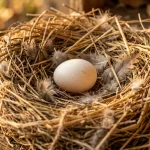
The nest itself is usually a simple structure, made of sticks, leaves, and other available plant materials. The female lays a clutch of around 3 to 5 eggs, which are incubated for about 24 to 26 days. During this time, the male will often guard the nest and offer vocalizations that help ward off potential threats, showcasing the strong partnership between mates. Once hatched, the chicks are precocial, meaning they leave the nest shortly after birth and are able to forage for food under the watchful eye of their parents.
There’s a communal aspect to raising their young, as chachalacas may join forces with other breeding pairs, allowing them to share responsibilities in guarding and teaching the chicks. This social structure not only enhances the survival rate of the young but also reinforces the bonds within their group. Observing this behavior can provide birdwatchers with profound insights into their social dynamics and parental strategies.
Understanding the breeding habits of the West Mexican Chachalaca can enhance one’s ability to spot them during these critical periods. Look for them in areas with dense bushes and a good food supply-often during the early morning or late afternoon, when they are most active in their search for nesting materials and care for their young.
Social Structure and Communication Among Chachalacas
The West Mexican Chachalaca exhibits a rich social structure that is both intriguing and complex. These birds are known for their strong communal behaviors, often forming small family groups or flocks. Typically, a family unit consists of a breeding pair and their offspring, but during the breeding season, multiple families may come together, enhancing the survival rates of chicks through cooperative care. This collaborative approach not only fosters a safe environment for young birds but also strengthens the social bonds within the group.
When it comes to communication, chachalacas are remarkably vocal. Their calls serve various purposes, from attracting mates to warning of potential dangers. A distinctive feature of their communication is the mixture of loud cackles and lower, resonating calls that can carry through dense undergrowth. Birdwatchers can easily recognize these calls, which are particularly prevalent during the early morning hours when they are most active. Engaging your senses during these times can offer a rewarding experience, as you’ll not only hear their calls but may also observe their interactions among the trees and bushes.
Making an effort to learn about their vocalizations can bolster your birdwatching experience. For instance, paying attention to the context in which these calls occur can provide clues about their behavior-whether they are alarmed by a nearby predator, asserting dominance, or simply communicating with family members. Using a field guide or a birding app that includes chachalaca calls can greatly enhance your ability to identify these birds in the field.
Chachalacas also express their social standing through body language and physical displays, such as puffing up their feathers or engaging in mock fights. Observing these non-verbal cues can deepen your understanding of their interactions and hierarchy within the flock, adding an extra layer of excitement to your birdwatching endeavors. Overall, the social structure and communication of the West Mexican Chachalaca offer a fascinating glimpse into the complex lives of these captivating birds, inviting both novice and seasoned birdwatchers to explore further.
Conservation Status and Threats to Their Population
The West Mexican Chachalaca is more than just a striking bird to observe; it is a species that faces numerous challenges threatening its survival in the wild. Factors contributing to its vulnerability include habitat loss, predation, and human encroachment. As tropical and subtropical forests are increasingly cleared for agriculture and urbanization, the natural habitats that sustain these birds shrink, leading to fragmented populations that struggle to thrive.
To understand the conservation status of the West Mexican Chachalaca, it’s essential to consider the specific environmental pressures it faces. The deforestation prevalent in their native regions diminishes their nesting sites and food sources, which are heavily reliant on the lush undergrowth for both sustenance and shelter. Additionally, these birds are sensitive to changes in their ecosystem, making them indicators of broader environmental health. Maintaining viable habitats is crucial not only for their population but for the biodiversity of the regions they inhabit.
Efforts to conserve the West Mexican Chachalaca would benefit from community awareness and engagement. Local initiatives that promote habitat restoration and protection can make a significant difference. Birdwatchers and enthusiasts can participate in citizen science projects that help monitor local populations and advocate for policies aimed at preserving their habitats. By fostering a connection with local communities, we can support practices that coexist with and enhance the survival chances of these remarkable birds.
Through observation and education, birdwatchers can play an active role in conservation. Noticing changes in the behavior and population dynamics of the chachalacas can provide important data for researchers working to protect them. Remember, every time you go birdwatching, you contribute to the broader understanding of these species and their needs, enriching your experience while supporting their conservation.
How to Spot and Identify the West Mexican Chachalaca
To truly appreciate the West Mexican Chachalaca, one must learn to recognize its distinctive features and behaviors that set it apart from other birds. Known for its prominent presence in tropical and subtropical environments, the chachalaca is a large, robust bird belonging to the family Cracidae. It typically measures around 50-60 cm in length, boasting a long, slightly curved tail that adds to its striking silhouette.
When identifying a West Mexican Chachalaca, pay close attention to its plumage. The bird displays a rich brown color with lighter streaked patterns on its back, while its underbelly tends to be more muted. Look for its bare skin on the face, which can vary in color from yellow to a slightly orange hue, creating a vibrant contrast against its darker feathers. Their long legs and stout build not only contribute to their unique appearance but also enable them to navigate the dense undergrowth of their preferred habitats.
Another crucial aspect of spotting these birds is their vocalizations. The chachalacas are known for their distinctive calls, which resonate through the forest, particularly during the early morning or late afternoon. Their sounds can be described as a series of rhythmic, loud “chacalaca” notes, making them easier to locate. Listening for these calls can greatly enhance your chances of encountering them in the wild.
When venturing out to spot a West Mexican Chachalaca, consider the following practical tips:
- Timing: Early mornings or late afternoons are ideal for birdwatching, as chachalacas are most active during these times.
- Location: Focus your efforts in dense vegetation, particularly in areas of secondary growth, where they often forage for food.
- Patience: Stay quiet and still; their natural tendencies may lead them to approach closer when they feel safe.
Your birdwatching adventures can be greatly enriched by taking the time to observe not just the West Mexican Chachalaca, but their entire habitat and social interactions. Engaging with this bird means becoming part of a larger ecological narrative-one that emphasizes the beauty and importance of conservation. So grab your binoculars, bring along a field guide, and immerse yourself in the world of chachalacas!
Tips for Birdwatching: Maximizing Your Chachalaca Experience
To have an enriching experience while birdwatching for the West Mexican Chachalaca, it’s essential to understand not just where to look for these fascinating birds, but how to engage with their environment effectively. This species is particularly vocal, so listening for their characteristic calls is crucial; these rhythmic, loud “chacalaca” notes often echo through the forest, providing an auditory cue that can guide your search.
Timing your excursions is key. Chachalacas are most active during the early mornings and late afternoons, making these prime times for observation. Plan your birdwatching trips during these periods to increase your chances of encountering them as they forage or interact socially within their groups. Focus your search within dense vegetation or areas with secondary growth, as chachalacas prefer these habitats for both feeding and nesting.
- Patience is a virtue: When you spot a chachalaca, stay quiet and remain still. These birds can be skittish, and sudden movements will scare them away. Maintaining a calm presence allows them to approach you, offering a better viewing opportunity.
- Equip yourself well: Bring along binoculars with a good range, as chachalacas may not always allow you to get close. A field guide specific to Mexican birds can also enhance your experience, providing insights into their behaviors and identification tips.
- Join local birdwatching communities: Engaging with experienced birders will not only improve your skills but can also lead you to lesser-known hotspots for viewing chachalacas. Local birding groups often have valuable knowledge about the best times and places to spot these birds.
To make the most of your birdwatching experience, immerse yourself not just in observing the chachalacas but in appreciating their habitat and social dynamics. By combining practical strategies with a deep curiosity about their ecological role, you will enhance both your own knowledge and contribute to the conservation narrative surrounding these beautiful birds. So, whether you’re a novice or an experienced birder, these tips can help you enjoy the wonder of the West Mexican Chachalaca to the fullest.
Cultural Significance and Folklore Surrounding the Chachalaca
The West Mexican Chachalaca is not just a vibrant part of its ecosystem; it’s also woven into the cultural fabric of local communities. Indigenous groups and rural dwellers have long revered this bird for its crucial role in the environment, often associating its calls with specific seasonal transitions. The repetitive “chacalaca” sounds resonate through the forests of Western Mexico, acting as an audio marker for the coming rain or the changing of seasons, making it a significant natural clock for local residents.
Many communities attribute various symbols and meanings to the chachalaca. For instance, some consider its hardy nature and loud calls a representation of determination and resilience. In folklore, stories about the chachalaca often highlight its cleverness, portraying it as a bird that outsmarts hunters through its cunning ability to blend into the forest environment. This symbolism extends into local art, where depictions of the chachalaca serve as reminders of the beauty and complexity of the regional biodiversity.
Moreover, the calls of the chachalaca have inspired local music and dance traditions. In certain areas, you might find festivals where the rhythms mimic the bird’s call, celebrating its presence and reinforcing the bond between the people and their natural surroundings. These cultural expressions not only honor the chachalaca but also promote conservation awareness, reminding communities of the importance of protecting their unique wildlife and habitats.
As birdwatchers and nature enthusiasts, understanding the cultural significance of the West Mexican Chachalaca can enhance your appreciation for this remarkable bird. Engaging with local communities, learning their stories, and participating in cultural events can provide a richer perspective on how intertwined the chachalaca is with both nature and human life. Whether you’re admiring its graceful movements in the wild or listening for its distinctive call, you’re experiencing a living piece of cultural heritage that underscores the beauty of biodiversity.
Comparative Guide: Chachalaca Species in Mexico
The diversity of chachalaca species across Mexico presents a fascinating opportunity for birdwatchers and nature enthusiasts looking to deepen their understanding of these vibrant birds. Among the most recognized are the Plain Chachalaca and the West Mexican Chachalaca, which not only share similarities in habitat but also exhibit unique behaviors and calls that can make identification exciting.
The Plain Chachalaca (Ortalis vetula) is primarily found in tropical and subtropical environments, ranging from southern Texas through eastern Mexico to Central America. It’s characterized by its sandy brown and gray plumage, long tail, and distinctive, loud calls that often echo through forests. This species usually inhabits areas with dense thickets, where it forages for flowers, buds, fruits, and insects. Its social structure is also notable; they often form small groups, and their cooperative behavior aids in both foraging and predator avoidance.
Conversely, the West Mexican Chachalaca (Ortalis gibbonsi) resides mainly in western regions of Mexico, particularly in the states of Jalisco and Nayarit. Similar in coloration to the Plain Chachalaca, it is slightly smaller and has a more muted call, which is melodious but less aggressive. This species thrives in subtropical forests and often prefers higher altitudes, making it a thrilling find for birdwatchers trekking in these mountainous areas. Additionally, the West Mexican Chachalaca plays a crucial role in local ecosystems as it contributes to seed dispersal through its varied diet.
Comparative Characteristics
To better illustrate the differences and similarities between these two species, here’s a quick comparison:
| Feature | Plain Chachalaca | West Mexican Chachalaca |
|---|---|---|
| Range | Southern Texas to eastern Mexico and Central America | Primarily western Mexico (Jalisco and Nayarit) |
| Size | Larger | Smaller |
| Habitat | Tropical and subtropical environments with dense thickets | Subtropical forests, often at higher elevations |
| Call | Loud, aggressive | Melodious, less aggressive |
| Behavior | Forms small, social groups | Often seen alone or in pairs, but can also form small groups |
Understanding these differences not only enhances your birdwatching experience but also enriches your appreciation for the ecological roles these birds play. Whether you’re spotting a West Mexican Chachalaca in a secluded forest or identifying the calls of a Plain Chachalaca echoing across a thicket, the experience is sure to contribute to your passion for ornithology and the rich biodiversity of Mexico.
Resources for Further Exploration: Books and Online Communities
For those eager to deepen their understanding of the West Mexican Chachalaca and explore the fascinating world of birds, a wealth of resources is at your fingertips. Engaging with literature and joining online communities can significantly enhance your appreciation and knowledge. Books about birds often provide in-depth insights into their behavioral patterns, habitat needs, and conservation status, while online forums allow for vibrant discussions with fellow enthusiasts and experts.
Start by exploring comprehensive field guides such as “Birds of Mexico” by Steve N. G. G. Kelly, which offers detailed descriptions and illustrations of avian species, including the West Mexican Chachalaca. Another excellent resource is “The Sibley Guide to Birds,” which, although focused on North American species, provides valuable identification tips applicable to chachalacas as well. Additionally, check local libraries or bookstores for ornithology texts that delve into the ecology and behavior of species unique to Mexico.
Online, communities such as the American Birding Association and BirdForum provide platforms for sharing sightings, tips, and questions about birdwatching. Social media groups, particularly on Facebook and Instagram, also serve as hubs for photography and field reports. Joining local birdwatching clubs can further enhance your experience, as these groups often organize outings, contribute to conservation efforts, and welcome participants of all skills.
Participating in citizen science projects, like eBird, allows you to log your observations of the West Mexican Chachalaca and track its population trends. This platform not only aids in data collection but connects you with a global network of birdwatchers and researchers, enriching your birdwatching experience with shared knowledge and passion.
Q&A
Q: What distinctive calls do West Mexican Chachalacas make?
A: West Mexican Chachalacas are known for their loud, distinctive calls, often described as a series of clucking “chac-chac” sounds. These calls serve various purposes, from signaling alarm to attracting mates. Understanding their vocalizations can enhance your birdwatching experience-listen closely during dawn and dusk when they’re most active.
Q: Where can I find the West Mexican Chachalaca in its natural habitat?
A: The West Mexican Chachalaca primarily inhabits tropical and subtropical forests, often near water sources like rivers and wetlands. Look for them in dense vegetation, where they forage for fruit and insects. Visiting reserves in regions such as Jalisco and Michoacán can provide excellent opportunities for observation.
Q: What is the social structure of West Mexican Chachalacas?
A: West Mexican Chachalacas are highly social birds, often found in small groups or family units. They form strong bonds and engage in cooperative breeding and feeding behaviors. Observing their interactions can offer insights into their communication and social dynamics.
Q: How can I identify a West Mexican Chachalaca?
A: Identifying a West Mexican Chachalaca is straightforward due to its large size, short tail, and distinctive plumage, which is mostly brown with a slight greenish hue. They have a unique crest and long, pointed beak. Look for them in trees or on the ground, where they often feed.
Q: What are the main threats to the West Mexican Chachalaca population?
A: The primary threats to the West Mexican Chachalaca include habitat loss due to deforestation and urbanization, as well as hunting. Their population is currently stable, but conservation efforts are important to ensure they remain protected and their habitats preserved.
Q: When is the best time to observe West Mexican Chachalacas?
A: The best time to observe West Mexican Chachalacas is early morning or late afternoon when they are most active. During these times, they are vocal and more likely to be foraging for food. Patience and quiet observation can lead to rewarding sightings.
Q: What do West Mexican Chachalacas eat?
A: West Mexican Chachalacas are omnivorous, primarily feeding on fruits, seeds, and insects. They often forage on the ground or in low vegetation. Their varied diet is crucial for their survival, so providing diverse food sources in habitats can support local populations.
Q: How does the breeding behavior of West Mexican Chachalacas differ from other birds?
A: West Mexican Chachalacas exhibit unique breeding behaviors, where both parents participate in nesting and caring for the young. They build nests in dense foliage and may raise multiple broods in a season. This cooperative breeding strategy enhances the survival rates of their chicks.
For more information, visit our detailed sections on Behavioral Traits of the West Mexican Chachalaca and Cultural Significance and Folklore Surrounding the Chachalaca. Engage with us further to learn about observing this unique bird!
In Conclusion
As you explore the vibrant world of the West Mexican Chachalaca, you’ll discover its unique calls and fascinating behaviors that bring life to the brushy woodlands it inhabits. Remember, these remarkable birds thrive in small groups and can often be heard before they are seen, providing a delightful challenge for any birdwatcher. If you’re keen to deepen your understanding, don’t miss our detailed guides on birdwatching strategies and habitat preservation techniques.
Now is the perfect time to expand your birding journey! Join our newsletter for expert tips and updates, and check out our articles on identifying similar species like the Green Jay and Harris Hawk. Have questions or observations to share? We’d love to hear your stories in the comments section below! Keep the excitement going-dive into more engaging content that enhances your birdwatching experience. Together, let’s nurture a passion for avian life!
Get our latest guides, news, and insights highlighted in your Google Search & AI Overviews.