
Did you know that chickens are among the most widely domesticated birds on the planet? These fascinating creatures not only provide us with eggs and meat but also hold a significant place in our culture and agriculture. Understanding whether a chicken is truly classified as a bird is essential, as it opens the door to deeper insights about avian biology, their behavior, and their role in ecosystems. As you explore this topic, you’ll discover the intricacies of chicken classification and the distinctive traits that set them apart from other avian species. Join us on this journey to unravel the classification of chickens and enhance your appreciation for these remarkable birds!
Is a chicken a bird? Yes, a chicken is unequivocally a bird. Chickens (Gallus gallus domesticus) belong to Kingdom Animalia, Phylum Chordata, Class Aves, and Order Galliformes (gamefowl). As domesticated descendants of wild red junglefowl, chickens possess all diagnostic avian traits including keratin feathers, beaks, bipedal anatomy, hollow pneumatic bones, and egg-laying reproduction.
Is a Chicken a Bird? Gallinaceous Taxonomy & Biology
While commonly seen in agricultural farmyards rather than soaring through high cloud banks, the question of whether is a chicken a bird has a completely clear and definitive biological answer: chickens are 100% birds. In zoological taxonomy, the domestic chicken is classified as Gallus gallus domesticus, a member of the class Aves alongside eagles, penguins, and hummingbirds.
The anatomical, evolutionary, and taxonomic traits confirming that chickens are birds include:
- Direct Descent from Red Junglefowl: Genomic sequencing confirms that all domestic chicken breeds descend directly from the wild Red Junglefowl (Gallus gallus) of Southeast Asia, domesticated roughly 8,000 years ago for meat, eggs, and religious ceremonies.
- Universal Avian Anatomy: Chickens possess every diagnostic feature of the class Aves: epidermal feathers formed of beta-keratin, toothless keratinized rhamphotheca (beaks), a fused clavicle (wishbone or furcula), a keeled sternum for flight muscle attachment, and pneumatic hollow bones.
- Burst-Flapping Flight Mechanics: While chickens cannot perform sustained long-distance migratory flight, their powerful supracoracoideus and pectoral muscles provide rapid burst flapping, allowing them to fly 40 to 50 feet horizontally and roost up to 10 feet off the ground in trees to escape ground predators.
- Oviparous Amniotic Reproduction: Like all avians, female chickens (hens) produce hard-shelled calcified amniotic eggs, requiring an incubation period of approximately 21 days to develop into precocial downy chicks.
| Taxonomic / Physical Trait | Domestic Chicken (Gallus gallus domesticus) | Wild Red Junglefowl (Ancestor) |
|---|---|---|
| Biological Class & Order | Class Aves, Order Galliformes | Class Aves, Order Galliformes |
| Body Mass & Flight Range | Heavier (selected for meat/eggs); 30–50 ft burst flight | Lighter and leaner; flies readily across forest canopies |
| Primary Plumage Function | Insulation, mate display, breed-specific color variations | Cryptic forest camouflage, seasonal eclipse molt |
| Brooding & Clutch Size | High-frequency laying (up to 300 eggs/yr in layers) | Seasonal clutch (5 to 7 eggs once or twice yearly) |
To understand the deeper evolutionary classification that connects all avian species to the broader animal kingdom, read our comprehensive guide on whether a bird is scientifically classified as an animal.
Is a Chicken a Bird? Understanding Classification Basics
Chickens are undeniably a fascinating and widely recognized aspect of avian life, often representing the domestic species we encounter daily. Belonging to the class Aves and the order Galliformes, chickens are scientifically classified as Gallus gallus domesticus. This classification indicates their status as domesticated descendants of the red junglefowl, which originates from Southeast Asia. Understanding their classification sheds light on their characteristics and behaviors, helping us appreciate these birds beyond their culinary contributions.
One of the most distinguishing features that solidifies chickens as birds is their anatomy. Chickens possess feathers, which are unique to birds, and a beak without teeth, traits that support their primary diet of grains, seeds, and insects. They also lay eggs, an essential reproductive characteristic of birds that facilitates the continuation of their species. Moreover, their skeletal structure supports lightweight bodies for better mobility-a crucial adaptation for their lifestyle in both domestic and free-range environments.
Beyond anatomy, chickens exhibit bird-like behaviors that resonate with avian traits; they are social, gregarious creatures that thrive in flocks. Their communication methods-clucking, squawking, and even body language-demonstrate a complex social structure that is characteristic of many bird species. These behaviors also contribute to their adaptability in various environments, showcasing their evolutionary intelligence and social needs. Consequently, embracing the inherent qualities of chickens allows us to recognize their vital role in both agriculture and ecosystems, completing our understanding of what makes a chicken truly a bird.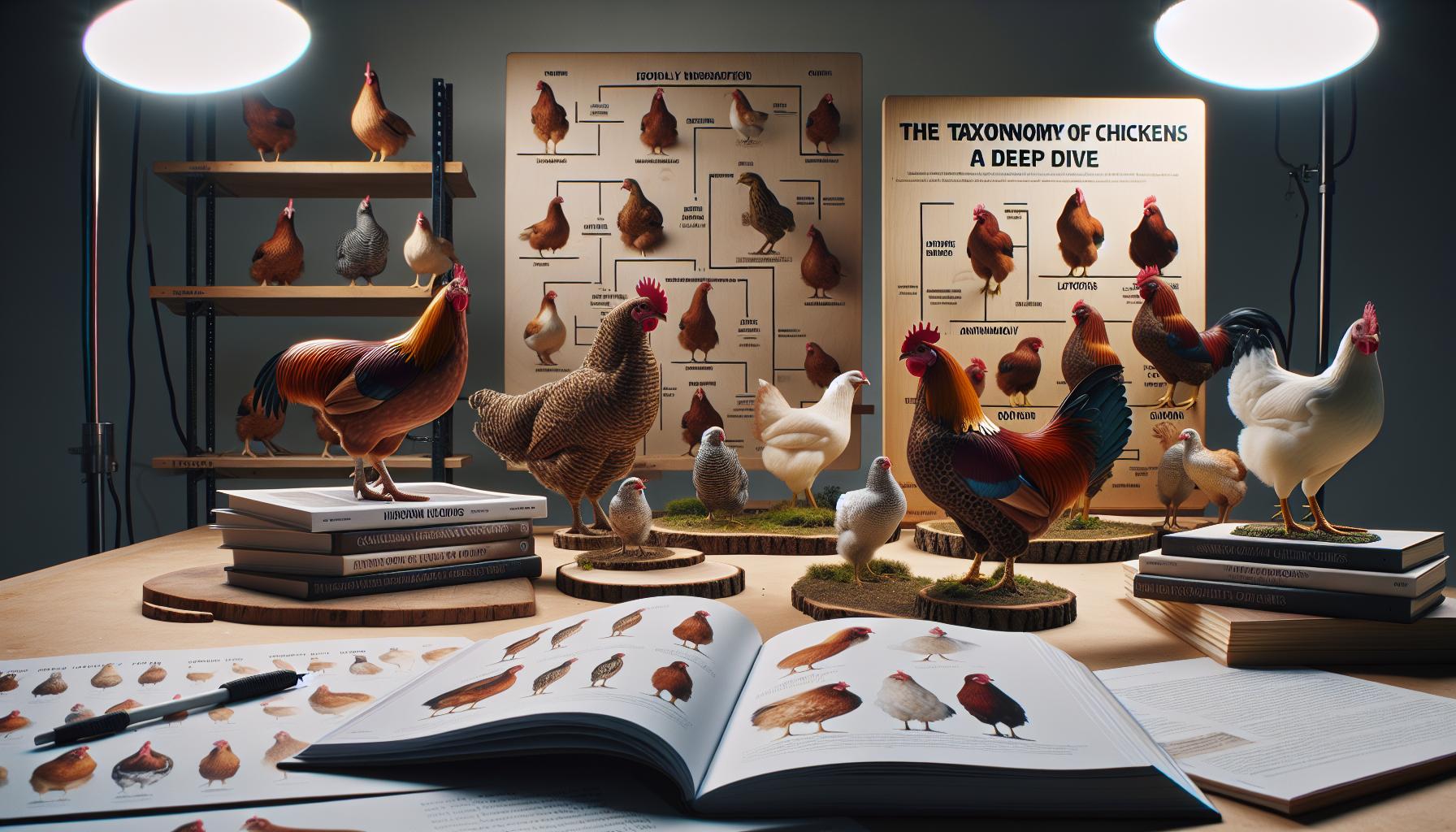
The Taxonomy of Chickens: A Deep Dive
Chickens, often seen pecking in backyards or on farms, are not just another farm animal; they represent a fascinating branch of the avian family. Their classification opens a window into a complex world of evolution and diversity among birds. Chickens fall under the class Aves, order Galliformes, and are specifically identified as Gallus gallus domesticus. This designation highlights their lineage, tracing back to the wild red junglefowl, an important ancestral link that exhibits the qualities we associate today with domestic chickens.
Understanding chicken taxonomy further unveils several intriguing subcategories that showcase the variety within this species. Chickens can be divided into various breeds, each with its unique characteristics, such as size, feather color, egg production, and temperament. Broad classifications include:
- Egg Layers: Breeds like the White Leghorn are famed for their high egg production, making them a favorite among commercial farmers.
- Meat Breeds: Broilers, such as the Cornish Cross, are specifically bred for rapid growth and meat quality, catering to the meat market.
- Heritage Breeds: These include breeds like the Rhode Island Red and Plymouth Rock, valued for their historical significance and dual purpose of eggs and meat.
Each breed not only serves different agricultural needs but also reflects varying adaptations to their environments. For instance, chickens kept in free-range systems might develop different traits compared to those raised exclusively indoors. This variance is a beautiful illustration of how taxonomy encompasses both genetic lineage and environmental influences.
The exploration of taxonomy also leads into the behavioral realm of chickens. Social dynamics play a vital role in their lives, as they form hierarchies known as “pecking orders.” Such social structures are essential for maintaining peace in flocks and highlight their complex communication methods, including vocalizations and body language. By delving into this classification and behavioral insight, we gain a better appreciation of chickens not only as livestock but as intriguing contributors to our ecosystems and intimate parts of our agricultural heritage.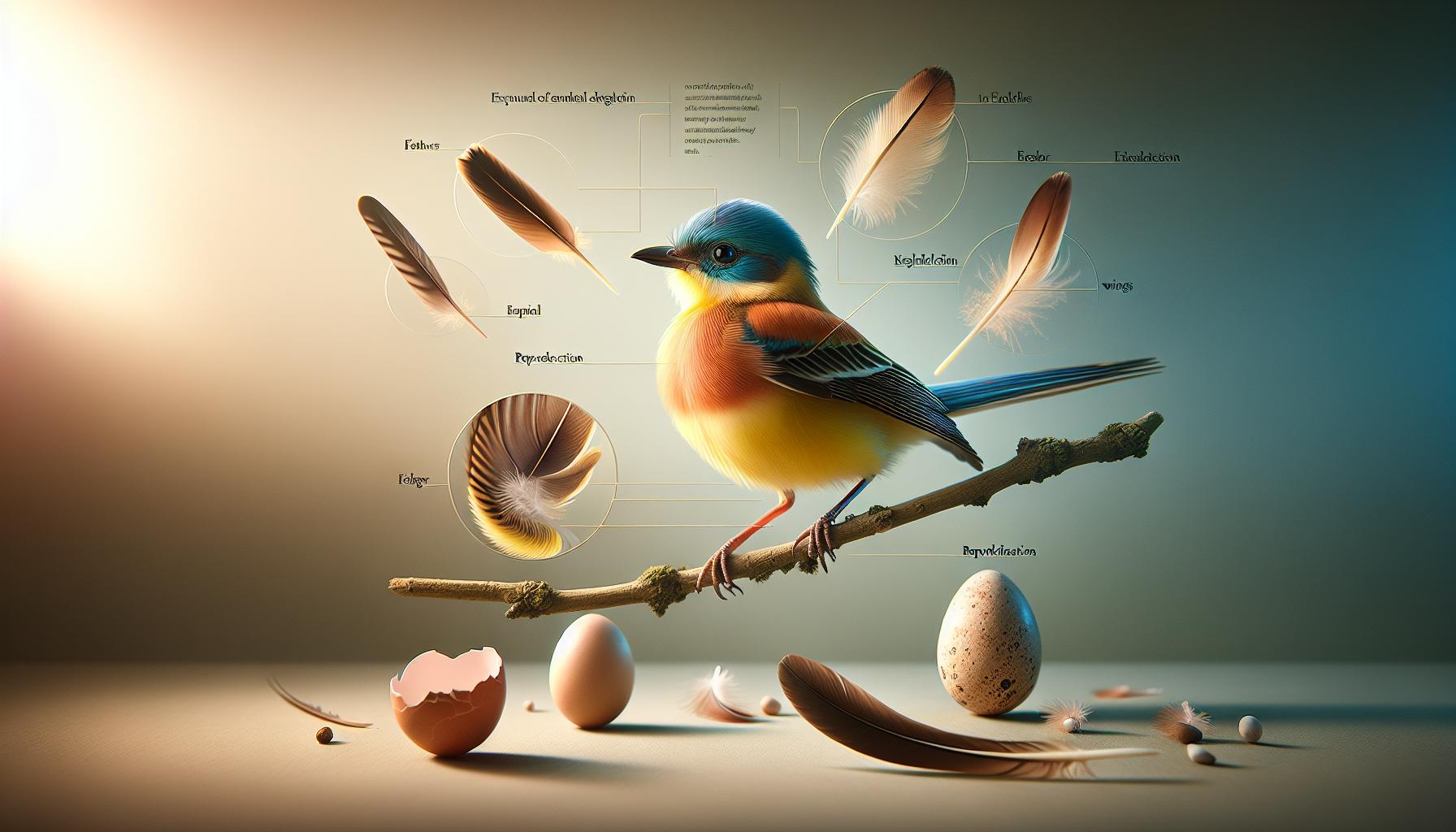
Key Characteristics That Define Birds
Birds, including chickens, exhibit a remarkable set of characteristics that uniquely qualify them as members of the class Aves. One of the most defining traits is their feathers, which not only allow for flight in many species but also play critical roles in insulation, camouflage, and display. Chickens, despite their domestication and grounding in farm life, possess feathers that come in an array of colors and patterns, reflecting the diversity found across the avian world.
Another foundational aspect of birds is their skeletal structure. Birds are adapted for flight, with many possessing lightweight, hollow bones that reduce weight without compromising strength. This is particularly interesting in chickens, which, although primarily ground-dwelling, still exhibit a strong, sturdy skeletal framework that supports their locomotion. Their beaks are also specialized; chickens have adapted beaks that suit their diet of grains, seeds, and insects, demonstrating a fascinating intersection of physiology and ecology.
Reproductive strategies in birds showcase another layer of their uniqueness. Chickens exhibit oviparous reproduction, laying eggs that have hard shells – a characteristic feature of most birds. This adaptation offers protection to the developing embryo, allowing for a diverse range of nesting behaviors across the avian class. Understanding egg production in chickens not only helps in poultry farming but also provides insight into the breeding habits and life cycle of birds.
Chickens also demonstrate complex behaviors reflective of their avian classification. They actively engage in social interactions, forming hierarchies known as “pecking orders,” which govern status and resource access within flocks. This social structure provides an opportunity to observe bird-like behavior such as communication through vocalizations, body language, and even foraging strategies, which all contribute to a deeper understanding of avian life and their place in the ecosystem.
In summary, the characteristics that define birds encompass physiological, reproductive, and behavioral traits that transcend individual species, including chickens. For those intrigued by poultry or birds in general, appreciating these nuances fosters a more profound respect for their roles in nature and the contributions they make to agricultural practices and cultural experiences.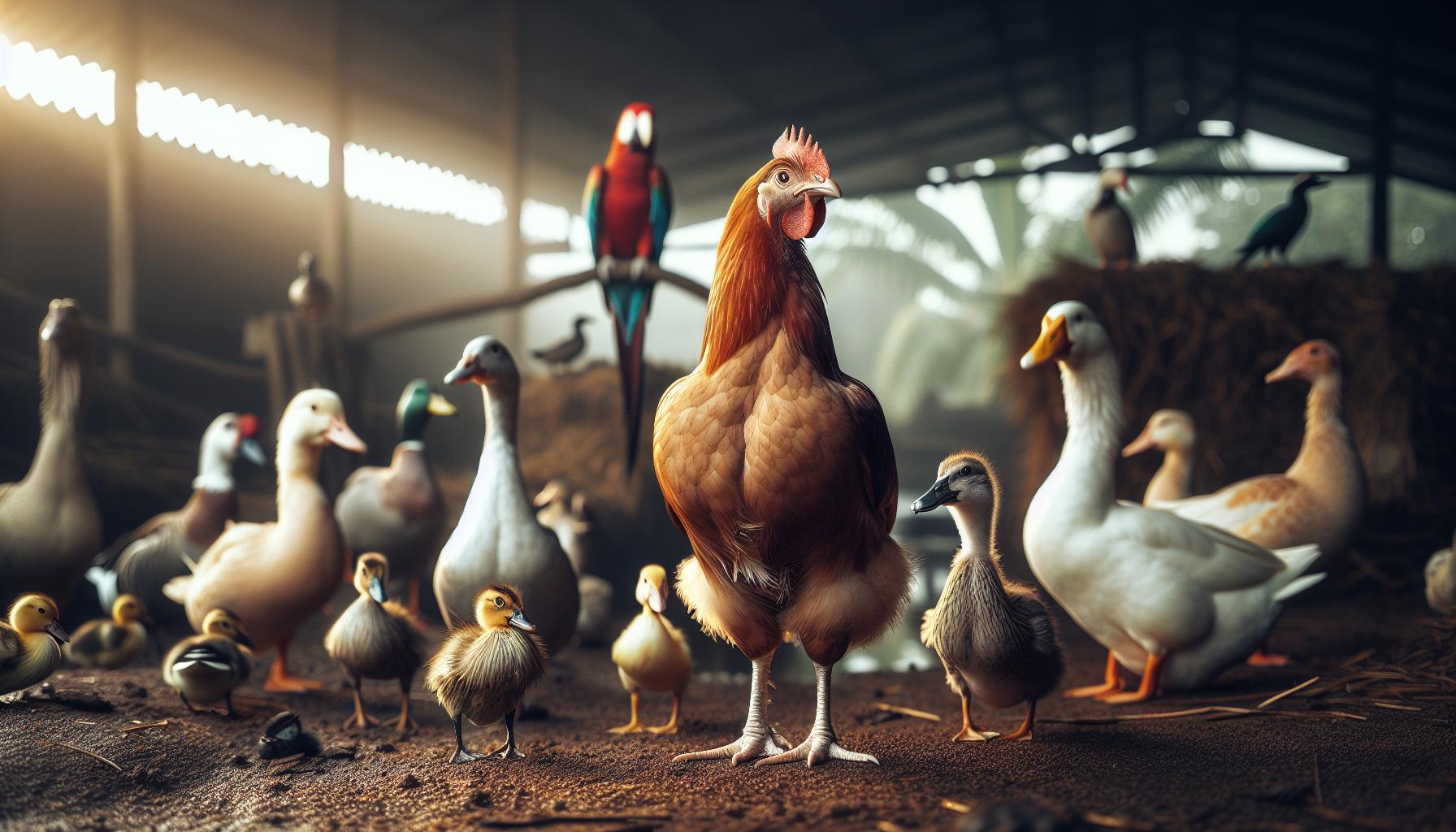
Comparison: Chickens vs. Other Bird Species
Chickens, often viewed simply as farm animals, belong to a vast and diverse family of birds that exhibit a wide range of behaviors, adaptations, and physical characteristics. While many folks might recognize chickens for their ability to provide eggs and meat, few realize that these domesticated birds share a rich kinship with other species within the avian world. Understanding how chickens compare to other birds can enhance our appreciation of their unique traits and their contributions to ecosystems and agriculture.
One major point of comparison is flight ability. While many birds, such as eagles or sparrows, are adept flyers, chickens are more grounded. They possess relatively small wings that allow for short bursts of flight, typically to escape predators or reach a higher vantage point. In contrast, birds like the American Robin or the Peregrine Falcon showcase impressive flight stamina and agility, which they rely on for hunting and migration. This difference is largely due to evolutionary adaptations driven by lifestyle; chickens have been bred for traits that favor ground dwelling, like short, robust legs suited for scratching at the earth in search of food.
Another notable difference is in social behavior. Chickens are inherently social animals, living in flocks with established social hierarchies known as “pecking orders”. This structure determines access to food and mating opportunities, showcasing complex social dynamics similar to those seen in parrots or crows, which are also known for forming intricate social bonds. However, chickens largely rely on vocalizations and body language to communicate, whereas crows may use intricate calls to coordinate group activities such as foraging or warning of danger.
When it comes to habitats, chickens are primarily domesticated and are typically confined to manmade environments. This contrasts with wild birds, such as songbirds or hawks, which inhabit diverse ecosystems ranging from forests to wetlands. Understanding these habitat preferences helps in appreciating how domestic birds like chickens can thrive in controlled settings while wild birds adapt to environmental challenges.
In terms of care requirements, backyard chicken keepers can find parallels with bird enthusiasts. While both require a proper diet, housing, and health care, chickens need specific conditions like secure coops and plenty of outdoor space to roam. This contrasts with many pet birds, such as finches or parakeets, which might thrive in smaller cages but still require time outside for exercise and social interaction.
Ultimately, examining the differences and similarities between chickens and other bird species not only broadens our perspective on the avian class but also enriches our interactions with these remarkable creatures. Whether you’re a novice chicken keeper or an experienced ornithologist, this exploration invites you to delve deeper into the fascinating world of birds.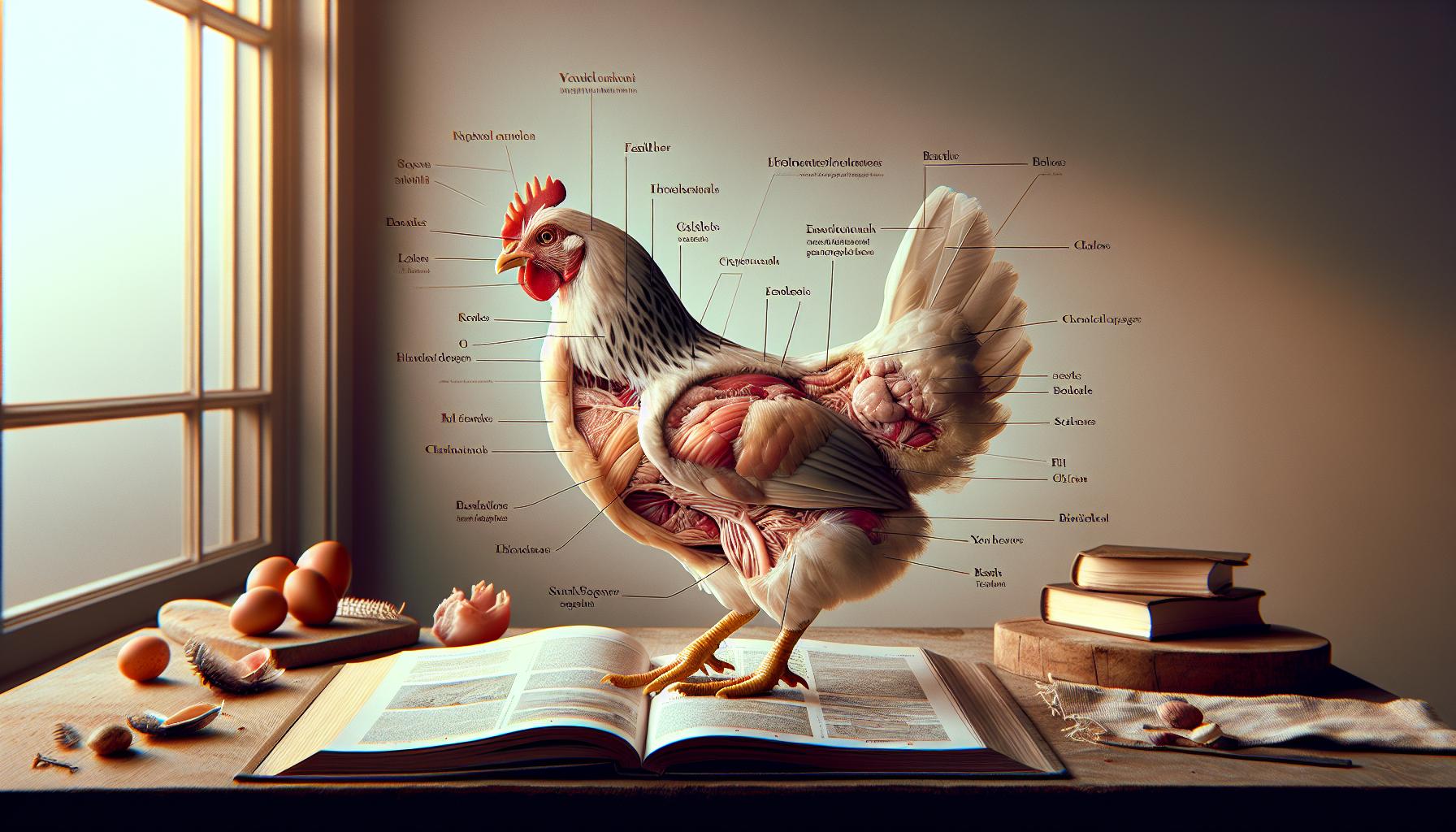
The Anatomy of a Chicken: What Makes it a Bird?
The intricate anatomy of a chicken not only exemplifies its classification as a bird but also reflects the unique adaptations that have evolved to fit its domesticated lifestyle. While many may look at chickens as simple farm animals, their bodies exhibit several remarkable features characteristic of avian species. For instance, feathers are one of the most distinguishing traits, providing insulation, aiding in limited flight, and serving social and mating purposes. Chickens possess soft down feathers for warmth, while their contour feathers help maintain their shape and protect them from the elements.
Moreover, chickens have a lightweight skeletal structure filled with air sacs, which not only facilitates flight but also aids in respiration. This skeletal adaptation is crucial, as it allows chickens to use their lungs efficiently despite their limited flying ability. The wings, although not as powerful as those of other birds, can help chickens take brief, fluttering flights to escape from predators or to reach a roosting spot.
Another key anatomical feature is the beak. Unlike mammals, chickens lack teeth, so their beaks have evolved to be strong and well-suited for pecking and scratching the ground in search of food. Additionally, the structure of their beak is versatile, allowing them to consume a variety of diets, from grains to insects. This adaptability is essential for their survival and reflects their omnivorous feeding habits, which are common among many bird species.
Understanding the anatomy of chickens not only enhances our appreciation of their biological classification but also informs their care as pets or livestock. Knowledge about their physical structure aids chicken owners in providing appropriate living environments that cater to their natural behaviors, ensuring that these birds can demonstrate their instincts and thrive. Whether you are raising chickens for eggs or as companions, recognizing their avian traits is fundamental to fostering a healthy and engaging home for these fascinating creatures.
Behavioral Traits: Are Chickens Truly Bird-like?
Chickens are often underestimated for their behavioral complexities, but these creatures exhibit a range of traits that underscore their avian classification. One captivating aspect of chicken behavior is their social structure, which reflects the hierarchical nature found in many bird species. Chickens establish a “pecking order,” a social ranking that affects their interactions and access to food and nesting areas. This dynamic social behavior is unique to birds and showcases their instincts for cooperation and competition.
Chickens are also known for their communication skills, employing a variety of vocalizations and body language to interact with one another. They have specific calls for alerting others to danger, announcing food availability, and even expressing contentment. This level of communication highlights their intelligence, as they can recognize individual calls and respond appropriately. For example, hens will cluck in a certain way to signal the presence of a predator, instantly mobilizing the flock to take cover. Moreover, they utilize visual cues, like feather ruffling or pecking gestures, to convey emotions, making their interactions rich and nuanced.
Another intriguing behavioral trait is their foraging instinct. Chickens exhibit a natural tendency to scratch and peck at the ground in search of food, a behavior rooted in their evolutionary past. This behavior not only helps them find insects, seeds, and grains but also plays a significant role in soil aeration, benefiting the ecosystem. Additionally, chickens are remarkably curious animals. They explore their environment with a keen eye, constantly investigating new objects and changes in their surroundings. This curiosity is vital for their development and can also make them entertaining companions in a backyard setting.
As you consider raising chickens, it’s essential to provide an environment that fosters these natural behaviors. A spacious coop with outdoor access, along with opportunities for foraging and social interaction, will allow your chickens to thrive. Understanding these traits can help you appreciate chickens not merely as farm animals, but as fascinating birds with complex social systems and behaviors that connect them to the broader avian family. Embrace these insights, and you’ll find that chicken-keeping can be as enriching as it is rewarding.
Cultural Perspectives: Chickens in Society
Chickens have woven themselves into the fabric of human culture across the globe, symbolizing various traits and emotions that reflect our relationship with nature and agriculture. From ancient civilizations to modern times, these birds carry a significance that transcends their role as mere livestock. In many cultures, chickens represent prosperity and fertility. In Chinese culture, for example, the rooster is one of the twelve animals of the zodiac, embodying traits like hard work and punctuality. They are often featured in festivals and rituals, signifying good luck and abundance, highlighting their importance in agricultural societies where they contribute to sustenance.
Moreover, chickens play a vital role in culinary practices worldwide, from fried chicken in the southern United States to coq au vin in France. Each dish encapsulates a region’s history and cultural identity, demonstrating how chickens have inspired creativity in cooking and community bonding. The act of raising chickens has also gained traction among urban dwellers interested in sustainable living. Backyard chicken coops are becoming increasingly popular, with individuals seeking not just fresh eggs but also a connection to their food sources. This movement revitalizes traditional farming practices and promotes awareness of animal care, inspiring a new generation to appreciate the journey from farm to table.
Chickens also populate our language and literature, often representing simplicity and folly. Phrases like “chicken out” and nursery rhymes featuring clucking hens reflect their playful presence in our lives. As these birds continue to find a place in popular culture-from animated films to social media memes-they embody qualities of both humor and resilience. This duality invites a deeper inquiry into their symbolism and relevance in contemporary society.
To truly appreciate chickens beyond their agricultural value, one must consider their significant impact on our shared narratives and cultural expressions. By fostering a culture that respects and understands these remarkable birds, we not only celebrate their contributions to our diets but also enrich our communal experiences and ecological responsibilities. Embracing chickens in society encourages us to explore their role-both as a vital food source and as cultural icons-strengthening the bond between humans and the avian world.
The Evolutionary Journey: From Dinosaurs to Birds
The fascinating link between modern birds and their ancient ancestors is a journey that stretches back millions of years, connecting the flight of a chicken in a backyard coop to the era of dinosaurs. Birds, including chickens, belong to a clade known as Avialae, which evolved from theropod dinosaurs during the late Jurassic period. The most famous of these theropods is the Velociraptor, which shares several key traits with chickens, such as a lightweight structure and feathers. This ancestral connection is more than a curious fact; it highlights the remarkable evolutionary adaptations that led to the diverse avian species we see today.
One of the most significant characteristics that emerged during this evolutionary journey is the development of feathers. Initially, feathers likely evolved for insulation or display, but later adaptations allowed for flight. Chickens, like their dinosaur relatives, possess feathers, a feature that sets them apart from other animals and underscores their classification as birds. Interestingly, while chickens are not strong flyers, they retain wing structures that evoke their flying ancestry. They can manage short bursts of flight, which is reminiscent of the flapping patterns observed in some of their ancient relatives.
In addition to morphological changes, the evolution from dinosaurs to birds involved shifts in behavior and ecology. Chickens exhibit a range of instinctual behaviors similar to those of wild birds, such as foraging, nesting, and flocking. These behavioral traits are not only critical for survival in the wild but also offer insights into the social structures and hierarchies present in avian communities. Understanding these behaviors can enhance our experience as chicken keepers, helping us create environments that encourage natural behaviors, such as providing space for free-range activities and engaging social interactions among birds.
Chickens, with their warm personalities and unique vocalizations, serve as a living testament to this evolutionary saga. Adopting chickens as pets or in farming isn’t just about the eggs or meat; it’s an opportunity to witness firsthand the ongoing legacy of their ancient heritage. By appreciating the connection between our domesticated chickens and their dinosaur ancestors, we can cultivate a deeper respect for these remarkable birds, recognizing them as more than just farm animals but as creatures enriched by a long and fascinating evolutionary history.
Care Requirements for Chickens as Pets
Creating a nurturing environment for chickens not only fulfills their physical needs but also enriches their behavioral health. These fascinating birds, like any pet, thrive when they are cared for correctly, providing an opportunity for deep connection and enjoyment. To truly appreciate your feathered friends, it helps to understand their care requirements in a way that fosters both their happiness and your enjoyment of them.
Housing and Environment
Chickens require a secure and comfortable living space that protects them from predators while allowing them to express their natural behaviors. A spacious coop equipped with proper ventilation, nesting boxes, and roosting bars is crucial. Ideally, each chicken should have about 4 square feet of indoor space and an outdoor run of at least 10 square feet. Cleanliness is vital; a regular schedule of cleaning the coop helps prevent diseases and parasites which can affect their wellbeing.
Dietary Needs
Feeding chickens a balanced diet is essential for their health. A commercial layer feed provides the necessary nutrients, including calcium for strong eggshells. Supplementing their diets with grains, fruits, and vegetables not only enhances their nutrition but also keeps daily feeding routines exciting. Always provide access to fresh, clean water, as hydration is critical, especially in warmer months.
Health Care
Routine health checks are advisable to spot any issues early. Watch for symptoms like changes in appetite, drooping wings, or abnormal droppings-indicators that your chicken may need veterinary attention. Vaccinations and parasite control-both external and internal-are also part of responsible chicken keeping. Establishing a good relationship with a vet knowledgeable about poultry can greatly benefit your flock.
Behavioral Considerations
Chickens are social creatures and thrive in flocks. If you’re contemplating keeping chickens, consider having at least three to prevent loneliness, as chickens can become stressed if isolated. They exhibit a range of behaviors such as foraging, dust bathing, and sunbathing; providing them with an environment that allows for these activities is vital. They respond well to gentle handling, and regular interaction can make them more personable and less skittish.
In embracing the care of chickens, you’ll find that they are not just farm animals but living beings with unique personalities and needs. With the right approach to their care, you can enjoy the rewards of chicken keeping, not just in terms of fresh eggs but also through the joy that comes from understanding and interacting with these remarkable birds.
Common Misconceptions About Chickens and Birds
Many people hold fascinating yet inaccurate perceptions about chickens and birds in general. One prevalent misconception is that all birds are capable of flight, leading to the erroneous belief that chickens somehow fall short of the avian standard. In reality, while many bird species take to the skies, chickens are ground-dwelling fowl that have been domesticated for various reasons, especially for their meat and eggs. Their evolutionary adaptations lead to less emphasis on flying compared to their wild ancestors, which might include the red junglefowl from which they are descended. Understanding this distinction helps to appreciate the unique role chickens play in our agricultural and cultural landscapes.
Another common myth is that chickens are unintelligent creatures with no social structure. On the contrary, chickens exhibit complex social behaviors and an impressive pecking order. They communicate using a variety of vocalizations and body language, showcasing a level of intelligence often underestimated by the general public. For instance, chickens form strong bonds with each other, establishing friendships and hierarchies within their flocks. These social interactions are critical for their well-being and demonstrate that, despite their humble farmyard image, chickens possess rich emotional lives.
Additionally, some people mistakenly believe that domestic chickens are entirely different from their wild relatives. In reality, many behaviors we associate with wild birds-such as foraging, nesting, and even dust bathing-are also present in domestic chickens. They retain strong instincts for survival and adaptation, even when raised in captivity. Providing chickens with environments that mimic their natural habitats enables them to express these behaviors, enhancing their overall quality of life.
Lastly, there’s a notion that chickens are merely agricultural tools devoid of personality. Experienced chicken keepers can attest that each bird has its own quirks and characteristics. Whether it’s a hen that insists on being first in line for treats or a rooster that courts the hens with elaborate displays, these behaviors highlight that chickens are not just farm animals but also individuals with distinct personalities. By debunking these misconceptions, we can foster a greater appreciation for these remarkable birds and their place within both our ecosystems and our homes.
Chickens in Nature: Habitats and Ecosystems
Chickens, like many birds, exhibit fascinating adaptations that reflect their natural habitats and ecosystems. They thrive in various environments, yet their behavior and survival strategies often mirror those of their wild ancestors. Primarily, they originate from the red junglefowl, which inhabited tropical forests in Southeast Asia. Understanding the habitat preferences and ecological roles of chickens helps illustrate not only their classification as birds but also their significance in both wild and domestic settings.
In the wild, chickens are ground-dwelling birds that prefer sheltered areas to roost and forage. They thrive in places with dense vegetation, which provides both protection from predators and abundant food sources. Chickens exhibit natural foraging behaviors, often scratching and pecking at the ground to find seeds, insects, and other small organisms. This natural instinct continues in domestic settings where their habitat can significantly influence their well-being. Creating a backyard setup that mimics their natural environment-complete with bushes, grass, and safe hiding spots-ensures they can exhibit these essential behaviors.
Chickens also play a crucial role in the ecosystems they occupy, both wild and in farming contexts. As omnivores, their foraging habits help in pest control by naturally reducing insect populations. Furthermore, their scratching behavior aerates the soil and helps with seed dispersal, contributing to plant growth. In backyard settings, chickens can provide valuable contributions to the ecosystem: their droppings act as a natural fertilizer that enriches the soil, creating a cycle that ultimately benefits gardens and local flora.
When considering care for domestic chickens, it’s pivotal to replicate their natural habits as closely as possible. A diverse diet, ample space for roaming, and access to dust baths not only enhance their quality of life but also foster behaviors that promote natural fitness and health. In essence, by understanding and respecting their needs rooted in their ancestral habitats, we can elevate the experience of keeping chickens beyond mere agriculture to a more holistic approach that honors these remarkable birds and their connection to the ecosystems they inhabit.
Exploring The Differences Between Domestic and Wild Birds
Chickens are fascinating creatures that blur the lines between wild and domesticated birds, and understanding their differences can enhance our appreciation for both categories. While domestic chickens have been selectively bred for traits that favor human use-like faster growth and higher egg production-their wild ancestors, the red junglefowl, exhibit behaviors and adaptations finely tuned for survival in nature. This distinction is crucial for anyone interested in poultry, as it lays the groundwork for comprehending their needs and behaviors.
One of the most notable differences lies in their behavioral traits. Wild chickens are naturally more skittish and wary of predators; they have evolved a range of survival strategies, such as flight responses and camouflage. Hens in the wild actively engage in communal nesting and foraging, often roosting in trees to escape ground-based threats. In contrast, domestic chickens, while they can still display these instincts, often rely on humans for protection and food sources, which can lead to more relaxed, albeit sometimes less vigilant, behaviors. In domestic settings, this can manifest in intriguing ways: I’ve often noticed that my backyard flock will gather in open spaces for foraging rather than the concealed areas they’d prefer if they were to face predators.
Care requirements differ significantly based on their origins. Wild chickens are adapted to a varied diet consisting of seeds, insects, and plants found in their natural habitats. They are omnivores and require a diverse range of food to thrive. In comparison, domestic chickens are often fed a staple commercial feed that may not offer the variety their wild relatives would instinctively seek. It’s beneficial for chicken owners to supplement their birds’ diets with kitchen scraps, grains, and greens, reflecting the foraging instincts of their ancestors. Providing a larger area for roaming can also help mimic the environments that encourage natural behaviors like scratching and pecking.
The physical differences between domestic and wild birds are notable as well. While wild chickens typically have more varied feather patterns and colors suited to their environments, domestic breeds showcase an extraordinary range of colors and sizes, a product of selective breeding for aesthetic appeal and production efficiency. This means that when identifying a chicken, one may look beyond mere color and consider its behavior and environment as crucial identifiers.
In essence, recognizing these differences not only enriches our understanding of chickens as birds but also empowers us to provide better care, respect their origins, and appreciate their roles in both our lives and the ecosystem. Whether you’re a novice raiser or an experienced bird enthusiast, taking the time to learn about both domestic and wild traits can foster a deeper connection with these remarkable creatures.
Q&A
Q: Are chickens classified as birds?
A: Yes, chickens are classified as birds. They belong to the class Aves, which encompasses all bird species. Their unique features, such as feathers, beaks, and egg-laying capabilities, confirm their status within this group.
Q: What are the key characteristics that define chickens as birds?
A: Chickens exhibit key bird characteristics like feathers, a beak without teeth, and the ability to lay eggs. These features align with the broader traits found in the Aves class, making them true members of the bird family.
Q: How do chickens compare to other bird species?
A: Chickens differ from other bird species through their domestication, behavior, and physical traits. While they share common features such as feathers and a beak, their social behavior and habitat preferences set them apart from wild birds like eagles or sparrows.
Q: What behavioral traits do chickens share with other birds?
A: Chickens share various behavioral traits with other birds, including pecking, roosting, and flocking. They exhibit social behaviors typical of birds, such as establishing a pecking order and communicating through sounds.
Q: Why do people keep chickens as pets?
A: People keep chickens as pets for companionship, egg production, and pest control. Chickens are social animals that can form bonds and provide entertainment, making them appealing additions to households and gardens.
Q: Where do chickens primarily live in the wild?
A: Chickens are domesticated descendants of wild junglefowl, primarily found in Southeast Asia. In their natural habitats, they prefer forests and bushy areas where they can forage and find shelter.
Q: What common misconceptions exist about chickens and birds?
A: A common misconception is that all birds can fly, while many domestic birds, including chickens, cannot. Chickens are ground-dwelling creatures with limited flying ability, contrasting with other birds that soar high in the sky.
Q: How did chickens evolve from dinosaurs?
A: Chickens evolved from theropod dinosaurs through millions of years of adaptation and selective breeding. This evolutionary journey highlights their lineage, bridging the gap between ancient reptiles and modern birds.
The Conclusion
Understanding whether a chicken is classified as a bird deepens our appreciation for these unique creatures and their place in the avian world. Now that you’re equipped with essential insights, why not further explore the fascinating relationship between chickens and other bird species? Check out our articles on “The Differences Between Chickens and Other Birds” and “How to Care for Backyard Chickens” for more valuable information.
Don’t miss out on staying updated with all things birds! Sign up for our newsletter to receive tips, guides, and engaging content delivered straight to your inbox. Have questions or thoughts? We’d love to hear from you in the comments below! Your journey into the world of birds is just beginning, and we invite you to dive deeper with us. After all, whether you’re a beginner or an experienced bird enthusiast, there’s always more to learn and discover together!
Get our latest guides, news, and insights highlighted in your Google Search & AI Overviews.










