Have you ever wondered if birds can savor the foods they eat or if they simply gulp them down? Surprisingly, birds do possess taste buds, albeit in limited numbers compared to mammals. Understanding how birds experience flavor not only enriches our knowledge of their behavior and feeding habits but also enhances our ability to care for them, especially if you’re a dedicated bird watcher or pet owner. With some species having as few as 24 taste buds while others boast several hundred, their taste perception varies significantly. This difference can influence their dietary choices and preferences, making it crucial for bird enthusiasts to grasp the unique role of flavor detection in avian life. Join us as we delve deeper into the fascinating world of bird taste and learn how it impacts their lives and ours!
Do Birds Really Have Taste Buds?
Birds possess a surprisingly intricate sense of taste, challenging the common belief that they have a limited ability to discern flavors. Unlike mammals, which typically have thousands of taste buds, birds have a varying number that can range from about 30 to over 400, depending on the species. This difference opens up a fascinating perspective on how birds interact with their environment, shaping their foraging behaviors, dietary choices, and even their social interactions. For instance, many birds can taste the sweetness of fruits, which guides them toward ripeness, essential for both their diets and the pollination of flowering plants.
The distribution of taste buds in birds is not uniform; some species have adapted to specialized diets, which corresponds to their taste perception. For example, fruit-eating birds may have taste buds that heighten their sensitivity to sweet flavors, while carnivorous birds could be more attuned to savoring the distinct flavors of proteins. This evolutionary adaptation illustrates a broader ecological role that birds play in maintaining their habitats through seed dispersal or pest control, showcasing that their taste sensitivity significantly impacts their behavior and the environment.
Interestingly, the anatomical structure of bird taste buds allows for a unique detection of flavors that differs from mammals. Birds do not have the same taste receptors, which means their taste experience could encompass a mix of the flavors in their food without being influenced by olfactory sensations, as is prevalent in humans. This leads to assumptions about their flavor preferences – the idea that a bird may enjoy certain seeds or fruits not solely for their nutritional value, but also for taste factors that fit their sensory perceptions. As bird enthusiasts or caretakers, understanding these nuances is crucial for providing a varied diet that aligns with the species’ preferences, ensuring well-being and fostering natural behaviors.
Understanding Flavor Detection in Birds
Birds possess a remarkable ability to detect flavors, challenging the widely held notion that these creatures cannot differentiate between tastes. Each bird species has evolved to possess a unique number of taste buds-ranging anywhere from 30 to over 400-reflecting their diverse dietary needs. This capacity for flavor detection is integral to their survival, allowing them to select foods that not only meet their nutritional requirements but also provide essential energy and sustenance. For instance, fruit-eating birds often exhibit heightened sensitivity to sweet flavors, guiding them toward ripe fruits which serve both their hunger and the ecological role of seed dispersal.
The way birds perceive flavor is deeply intertwined with their foraging behavior and dietary choices. For example, some species have adapted to better detect bitter tastes, a trait that likely originated to help them avoid toxic plants. Understanding how birds experience flavor not only enriches our knowledge of their behavior but also informs practical considerations for bird care. Ensuring a balanced diet that aligns with their taste preferences can enhance the health and well-being of both wild and captive birds.
Interestingly, the structure and distribution of taste buds in birds differ significantly from those in mammals, influencing how they experience flavors. Birds have fewer taste receptors related to fat, which means that their taste experience is less affected by the richness of foods compared to mammals. This unique anatomy leads to an interesting point: while birds might seek out foods based on flavor, their preferences can also be influenced by texture and appearance, further complicating their relationship with potential food sources. For bird enthusiasts, attentively observing these dietary selections can provide insights into their environmental interactions and overall health.
To apply this understanding practically, consider offering a diverse array of foods that appeal to the sensory preferences of different bird species. For example, include a mix of fruits, seeds, and insects that cater to their taste preferences, ensuring they receive a varied and balanced diet. This approach encourages natural foraging behaviors and supports their nutritional needs, contributing to their vitality in both wild settings and as pets. By embracing the complexity of flavor detection in birds, we can enhance our appreciation for their dietary choices and promote their health and happiness.
The Anatomy of Bird Taste Buds Explained
Birds are fascinating creatures, not only for their graceful flight and vibrant colors but also for their remarkable anatomy, particularly in how they perceive flavors. Unlike mammals, birds possess a varying number of taste buds, which can range from as few as 30 in some species to over 400 in others. This diversity plays a crucial role in their dietary choices and adaptations, effectively shaping their relationship with the foods they consume. Understanding the structure and function of these taste buds is key to appreciating how birds interact with their environment and make feeding decisions.
The taste buds in birds are primarily located in the mouth, particularly on the tongue and the roof of the mouth. The arrangement and number of these taste buds can greatly influence a bird’s food selection. For example, fruit-eating birds often exhibit a higher concentration of taste receptors for sweet flavors, which helps them detect ripe fruits. In contrast, granivorous birds, those that primarily eat seeds, may have a different distribution of taste receptors that favor the detection of certain textures associated with their food options. Research indicates that avian taste perception is heavily influenced by both genetic factors and dietary habits, illustrating how evolution shapes sensory capabilities.
One fascinating aspect of bird taste buds is their relative insensitivity to fat flavors. Birds possess fewer fat receptors compared to mammals, meaning they don’t respond as strongly to rich, fatty foods. This unique anatomical feature could explain why birds are often seen selecting fruits and seeds instead of higher-fat options, relying more on sugars and carbohydrates for their energy needs. This distinct dietary behavior is critical to their survival, as it allows them to make choices that meet their nutritional requirements effectively.
To nurture birds in captivity or enhance wild bird feeding experiences, it’s beneficial to consider the sensory preferences that stem from their anatomy. Providing a diverse diet that includes a mix of fruits, seeds, and insects can cater to the specific taste preferences of various species. By introducing a variety of textures and shapes in their diet, bird enthusiasts can mimic natural foraging behaviors and promote healthier feeding habits that align with birds’ evolutionary adaptations. Understanding the intricate anatomy of taste buds in birds not only enriches our knowledge but also enhances our ability to care for and appreciate these remarkable creatures.
How Do Birds Experience Taste and Flavor?
Birds encounter a vivid and diverse world of flavors, shaping their diets and foraging habits in ways that are both fascinating and essential for their survival. A striking fact is that some species taste sweetness with a finesse that rivals that of many mammals, thanks to specialized taste receptors finely tuned to detect ripe fruits. This ability allows frugivorous birds, such as the American Robin or the Scarlet Macaw, to effortlessly identify nutritional treasures during their foraging expeditions. In contrast, other species have taste receptors geared towards different kinds of foods, making their culinary experiences distinct.
The process of flavor detection in birds involves not just taste but also their keen sense of smell. While birds generally rely more on their sight to identify food-color being a key indicator-they use taste to explore the nuance of flavors. The taste buds, located primarily on the tongue as well as on the roof of the mouth, allow birds to perceive a variety of flavors, including sweet, sour, and even umami. Interestingly, most birds have a limited capacity to taste salt, which is surprising given that salinity is important in many diets. Instead, they focus heavily on sugars and carbohydrates, which provide the energy necessary for their high-metabolism lifestyle.
Furthermore, the variability in taste perception among different bird species is tied to their ecological niches and dietary adaptations. Birds that primarily devour seeds, like finches, often possess taste buds adapted to detect certain textures and flavors that enhance their seed selection. Conversely, nectar-feeding birds, such as hummingbirds, are equipped to savor sweet flavors to locate flowers rich in sugar. To better care for birds, whether in a wildlife-friendly garden or captivity, understanding their taste preferences can be invaluable. Offering a variety of foods that cater to these preferences can ensure they thrive and meet their unique dietary needs.
In essence, the way birds experience flavor is an intricate dance between their anatomical capabilities and environmental interactions. Observing how different species respond to various foods not only enriches our understanding of avian biology but also enhances the enjoyment of birdwatching and caring for them. The exploration of flavor in the avian world inspires us all to appreciate the subtleties of nature’s buffet.
Comparison of Bird and Human Taste Perception
Birds inhabit a vibrant world of flavors, but how their taste perception stacks up against our own reveals intriguing similarities and differences. While humans have approximately 9,000 taste buds that allow us to distinguish a wide array of flavors-from sweet to sour, salty to umami-birds are equipped with a different taste apparatus that shapes their unique gustatory experiences. Typically, birds possess around 50 to 400 taste buds, depending on the species, granting them the ability to detect basic flavors like sweet, sour, and bitter, but often not to the same extent as humans, especially when it comes to saltiness [[3]](https://birdsinthetree.com/do-birds-have-tastebuds/).
One of the most striking contrasts lies in the perception of sweetness. Frugivorous birds, such as the American Robin and the Scarlet Macaw, may taste sweetness with a precision that rivals mammals, which is essential for their diets focused on ripe fruits [[3]](https://birdsinthetree.com/do-birds-have-tastebuds/). In contrast, our experience of sweetness is more developed and nuanced, aided by our greater number of taste receptors. Furthermore, while we relish varied flavors, birds also rely heavily on their visual senses-using sight to identify food by color. This visual dominance suggests that while both humans and birds value flavor, the methods of detection and appreciation diverge significantly.
When considering salt, a flavor that many birds have less sensitivity to, this presents an interesting dietary challenge. Many avian species focus on sugars and carbohydrates, critical for their high-energy needs. Unlike humans, who frequently enjoy salty snacks, birds might not seek out salinity in the same way, raising questions about how they fulfill their nutritional requirements without a predominant taste for salt [[2]](https://www.bohrium.com/paper-details/the-avian-taste-system/907444814641889425-5255).
Understanding how taste perception varies between species can greatly enhance the way we care for birds, whether in the wild or in captivity. For example, providing a diverse diet that mimics the natural texture and flavor profiles these birds experienced in the wild can encourage a more varied and healthful diet. Offering foods that cater to their preferences-like fruits high in sugar for our feathered friends who thrive on nectar-can help them flourish and enjoy their meals to the fullest.
The Senses of Birds: Taste vs. Smell
Birds navigate their world through a fascinating interplay of senses, and the roles of taste and smell are particularly intriguing. While humans predominantly rely on taste to inform us about the food we consume, birds appear to utilize smell to a greater extent than previously understood. Some research indicates that many bird species possess olfactory capabilities that can rival those of mammals, allowing them to detect food or navigate their environment by scent.
For instance, studies have shown that certain species of birds, such as vultures and kiwis, can smell food from great distances, often relying on scents emitted by decaying organic matter or ripe fruits. This sense is crucial for searching out food sources that may not be visible to them. On the other hand, the taste system in birds is relatively underdeveloped compared to humans. Birds possess between 50 to 400 taste buds, depending on the species, significantly fewer than the thousands found in humans. This limited number suggests that while birds can discern basic flavors-like sweet, sour, and bitter-scene and smell play a larger role in their foraging behavior.
Interestingly, the variation in taste perception among different bird species can affect their dietary habits. Frugivorous birds that consume fruits may be particularly sensitive to sweetness, which is vital for identifying ripe, nutritious food. In contrast, seed-eaters might exhibit a preference for certain textures or flavors that complement their diet. As a bird enthusiast, creating a feeding station that caters to these preferences can help attract a broader array of species. For example, offering a variety of fruits, seeds, and even nectar can enhance the dietary experience of visiting birds, making your yard a bustling hub of avian activity.
In essence, both taste and smell are integral to a bird’s survival, shaping their behaviors, habits, and even social interactions. Understanding this sensory balance allows us to appreciate the complexity of avian life and enhances our efforts in wildlife observation and conservation. By providing diverse food options that consider both taste and scent, we can support the health and well-being of these remarkable creatures while enjoying their vibrant presence in our environment.
Do Different Bird Species Taste Differently?
Bird species exhibit surprising diversity in their taste perception, which significantly influences their dietary choices and foraging behaviors. For instance, numerous studies suggest that while all birds possess a basic ability to taste sweet, sour, salty, and bitter flavors, the sensitivity and preference for these tastes can vary dramatically from one species to another. Some birds, particularly fruit-eaters like tanagers and parrots, show a heightened sensitivity to sweetness, which helps them identify ripe and energy-rich fruits. On the other hand, insectivorous birds, such as warblers and chickadees, might prioritize flavors that distinguish safe, nutritious insect larvae from potentially harmful ones.
The difference in taste perception doesn’t end there; it also extends to preferences for texture and even odor. For example, many seed-eating birds demonstrate a penchant for specific seed types that match their beak shape and size, reflecting their dietary adaptations. The American goldfinch may prefer dandelion seeds, which are easy to extract, while larger birds like the Northern cardinal can tackle seeds from a variety of plants thanks to their stronger beaks. This diversity in dietary habits underlines the impact of taste on the survival strategies of birds.
Furthermore, understanding these preferences can enhance backyard birdwatching experiences. By selecting a range of food offerings that cater to varying tastes-such as suet for insectivorous species, mixed seeds for generalists, and nectar for hummingbirds-bird enthusiasts can attract a wider variety of visitors to their feeders. Here are a few practical tips for enhancing flavor diversity:
- Fruit options: Offer seasonal fruits like apples, bananas, or berries for fruit-loving birds.
- Seed varieties: Provide mixed seeds, including sunflower, thistle, and millet, to appeal to different species.
- Nectar feeders: Maintain clean hummers’ nectar solutions to attract nectar-feeding birds like hummingbirds.
The interplay of taste, texture, and dietary needs showcases the fascinating adaptations in avian evolution. By tailoring bird feeding strategies according to these sensory preferences, we can foster a vibrant community of diverse bird species, enriching our natural surroundings and conserving avian populations.
Common Misconceptions About Bird Taste
Many bird enthusiasts may assume that birds have a limited palate, but this couldn’t be further from the truth. It’s a common misconception that birds lack the ability to taste food like mammals do. In reality, birds possess taste buds and can discern various flavors, albeit in different capacities depending on the species. For example, studies have shown that birds can taste sweet, sour, salty, and bitter flavors, similar to humans, although they have fewer taste buds overall. This allows them to make critical dietary choices for survival, such as identifying ripe fruit or avoiding toxic substances.
Another misconception is that all bird species have the same taste preferences. This is far from correct. Different species have evolved to have unique taste sensitivities that align with their dietary habits. For instance, fruit-eating birds, such as tanagers and parrots, have a heightened sensitivity to sweetness, reflecting their need to locate energy-rich fruits. On the other hand, insectivorous birds prioritize tastes that help them distinguish between safe, nutritious insects and potentially harmful ones. This diversity illustrates the intricate connection between a bird’s diet and its evolutionary adaptations.
Moreover, it’s a common belief that birds rely solely on their sense of smell for foraging. While smell does play a role, particularly for species like vultures that can sense carrion from great distances, taste is equally crucial. Birds use flavor to gauge food quality and safety, making it an essential component of their foraging behavior. They may even exhibit preferences for specific textures and odors, complicating our understanding of their sensory experiences.
To enhance your feeding strategies, consider these flavor-related insights when attracting different bird species. Offering a variety of food types-like nectar for hummingbirds, ripe fruits for frugivores, and a range of seeds for granivores-can enrich their diets and attract diverse avian visitors to your backyard. This mindful approach not only supports local bird populations but also allows for a more rewarding birdwatching experience. By addressing these misconceptions, we can gain a deeper appreciation for the complex sensory world of birds and their dietary preferences.
The Role of Taste in Bird Diet and Nutrition
Birds are not just creatures of flight; they are also refined gastronomes, adept at navigating a complex world of flavors that influence their dietary choices and nutritional health. Taste plays a pivotal role in a bird’s ability to identify food sources that meet their dietary needs while also avoiding potentially harmful substances. Much like humans, birds utilize their taste buds not only to detect flavors but to determine the nutritional quality of the foods available to them.
Different bird species manifest unique taste preferences shaped by their evolutionary adaptations and dietary needs. For instance, fruit-eating birds like tanagers and parrots are particularly sensitive to sweetness, enabling them to identify ripe, nutrient-rich fruits, which are crucial for their energy intake. On the other hand, insectivorous birds, such as warblers and flycatchers, have evolved to discern bitterness as a signal for toxins, allowing them to make safer feeding choices. This specialized taste perception enhances their ability to forage effectively and sustain a healthy diet.
Birds also rely on taste in ways that go beyond mere flavor recognition. They are influenced by texture and aroma during feeding, often displaying preferences that reflect what they have learned from experience about which foods are safe and nutritious. For example, a bird may opt for a specific type of seed or fruit not just for its taste but for its texture, which can indicate ripeness or moisture content. This multifaceted approach to finding food underscores the importance of incorporating a variety of textures and flavors in feeding strategies, such as offering different seed blends, fruit types, and even insects when attracting birds to your garden.
To support diverse bird populations, consider a thoughtful mix of food offerings that appeal to their unique tastes. For example, providing nectar for hummingbirds, fruits like berries and melons for frugivores, and mixed seeds for granivores can not only draw different species into your yard but also enhance their health and well-being. A well-rounded diet allows for a more vibrant community of birds, contributing to the ecological balance and enriching the birdwatching experience for enthusiasts at all levels.
How Taste Affects Bird Behavior and Preferences
Birds exhibit fascinating behaviors influenced significantly by their taste preferences, guiding their foraging habits and nutritional intake. Unlike humans, who rely heavily on taste as a primary sense for food selection, birds navigate a complex sensory landscape where taste, smell, and sight all play critical roles. This sophisticated interaction helps them identify not only the flavor but also the safety and nutritional quality of their food, significantly impacting their survival and reproductive success.
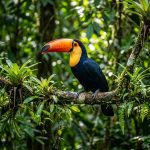
For instance, consider hummingbirds, which have a remarkable ability to assess flowering plants. Their preference for sweet nectar is not purely a matter of taste; it is also a learned behavior. As they consume nectar from various flowers, they evaluate both the sweetness and the color, using these sensory cues to return to the most rewarding flowers. Similarly, fruit-eating birds, such as finches and toucans, are naturally drawn to the vibrant colors of ripe fruits, which signal their taste preference for sugars and carbohydrates. Their repeated interactions with these food sources reinforce their foraging behavior, optimizing their diet based on prior experiences and flavor profiles.
Conversely, the taste sensitivity in insectivorous species like warblers showcases a vital adaptation to their ecological role. These birds tend to be sensitive to bitter tastes, which can indicate the presence of toxins in potential food items. Such taste aversions protect them from harmful substances, allowing them to make safer dietary choices. You might observe a bird hesitating before pecking at an unfamiliar insect-this pause is often a decision made through taste and texture assessment, reflecting their innate knowledge of safe versus risky food options.
When feeding wild birds in your backyard, consider introducing a variety of foods that cater to different taste preferences. Offering mixed seed blends, fresh fruits, and even insects can help you attract a diverse range of species. Keep in mind that specific food types will appeal to different bird species based on their unique taste adaptations. For example, provide suet cakes for woodpeckers, which enjoy high-fat foods, or nectar feeders filled with sugary solutions for hummingbirds. By enhancing your feeding stations with this diversity, not only do you support healthy bird populations, but you also enrich your birdwatching experience and foster a deeper connection with the avian world.
Exploring Taste Preferences in Wild vs. Captive Birds
Birds have a remarkable way of navigating their world through a blend of taste, sight, and smell. When it comes to comparing taste preferences in wild versus captive birds, the differences can be quite pronounced. In their natural habitats, birds exhibit a variety of foraging behaviors driven by instinctual taste preferences, honed over time to ensure their survival. For example, wild finches might select seeds based on their nutritional content and flavor, leveraging their innate ability to detect the best food sources, thus influencing their migratory routes and nesting patterns.
Captive birds, on the other hand, often experience a more restricted diet, which can impact their flavor preferences and overall health. In an artificial setting, such as a pet bird environment or a zoo, birds may not have the same opportunities to explore diverse food avenues as they would in the wild. This limited diet can lead to strong preferences for the few foods they regularly consume. For instance, a pet parakeet might develop a particular affinity for sugary fruits or seed mixtures provided by their owner, potentially ignoring more nutritious options like vegetables if not introduced early. It is crucial for bird caregivers to diversify the diet of captive birds to mimic the varied tastes found in their wild counterparts.
Influence of Environment on Taste Preference
The environment plays a crucial role in shaping a bird’s taste preferences. Wild birds can learn to distinguish between food varieties based on past feeding experiences, which can be drastically different from captive settings where options may be artificially limited. In the wild, a bird might discover that certain fruits or flowers are not only palatable but also offer more nutrients, such as nectar high in sugars for hummingbirds or protein-rich insects for warblers.
In contrast, captive birds that experience monotony in their diet may show preferences based solely on what they are used to. This phenomenon can lead to a disinterest in unfamiliar foods-often resulting in nutritional deficiencies. To combat this, bird owners are encouraged to introduce new foods slowly and regularly, mimicking the challenges faced by their wild relatives while encouraging exploration and palate expansion.
Practical Tips for Enhancing Flavor for Captive Birds
To promote healthy and diverse taste preferences in captive birds, consider these strategies:
- Variety is Key: Offer a range of fruits, vegetables, seeds, and proteins to stimulate interest and provide balanced nutrition.
- Introduce New Foods Gradually: Mix new items with familiar favorites to encourage acceptance and prevent rejection.
- Observe and Adjust: Pay attention to your bird’s reactions-some may prefer softer textures, while others might lean towards crunchy items.
- Engage Their Senses: Provide food in ways that mimic natural foraging behavior, using foraging toys or puzzle feeders.
- Foster Exploration: Allow birds the opportunity to interact with their food, as this promotes natural behaviors and can enhance their enjoyment.
Understanding the complexities of how taste influences bird behavior and preferences-both in the wild and in captivity-helps us support the health and happiness of our avian companions. By recognizing these differences and adapting their diets accordingly, we not only enhance their culinary experience but also bolster their overall well-being.
Practical Tips for Enhancing Flavor in Bird Diets
Birds, like humans, crave variety and flavor in their diets, but their taste experiences can differ vastly. Enhancing the flavor and nutritional quality of a bird’s diet not only promotes health but also encourages natural foraging behaviors. With an understanding of birds’ taste preferences, caregivers can help their avian companions experience a rich palette of flavors that contribute to their overall well-being.
One effective approach is to offer a diverse selection of foods. An array of fresh fruits, leafy greens, seeds, and high-quality pellets can stimulate interest and mimic the variety birds encounter in the wild. For instance, a mixture of fruits like berries, apples, and bananas can entice parakeets, while a selection of seeds might appeal to finches. It’s beneficial to rotate these options regularly to keep the bird’s diet fresh and exciting.
Introducing new foods should be a gradual process. Start by mixing small amounts of unfamiliar items with the bird’s favored foods. For example, adding bits of carrot or bell pepper to a seed mix can ease them into trying new textures and flavors. Observing their reactions is crucial; a bird that shows enthusiasm for a new offering should encourage the introduction of additional foods that align with their taste preferences.
To further enhance their experience, consider using foraging toys or puzzle feeders. These engage birds physically and mentally while providing a sense of accomplishment when they discover their food. Filling these toys with a mix of seeds, dried fruits, or even small nuts can transform mealtime into an exciting foraging adventure, reminiscent of their natural behaviors.
Lastly, encouraging hands-on exploration can significantly impact a bird’s acceptance of new foods. Allowing them to interact with their food can promote curiosity. For example, within a well-supervised environment, scattering food items can stimulate natural searching and pecking, making eating a more engaging experience. This not only helps in enhancing their flavor detection skills but also ensures a healthier, happier bird.
Q&A
Q: How do birds perceive taste compared to humans?
A: Birds perceive taste differently than humans due to their unique anatomy and fewer taste buds. While humans have around 9,000 taste buds, birds vary by species, having between 50 to 400. This influences their ability to detect sweetness and bitterness, shaping dietary preferences and behaviors.
Q: What types of flavors can birds detect?
A: Birds have the ability to detect sweet, sour, salty, and bitter flavors, though their sensitivity varies by species. Many birds are particularly attuned to sweet flavors as this often signals energy-rich foods, making flavor detection crucial for foraging.
Q: Do birds enjoy spicy foods?
A: Birds generally do not enjoy spicy foods like humans do. They lack the receptors sensitive to capsaicin, the compound that makes peppers hot. This allows birds to eat fruits that might repel mammals, playing a role in seed dispersal.
Q: Why is taste important for birds’ survival?
A: Taste is vital for birds as it helps them identify safe foods and avoid toxic ones. By sensing flavors, they can make healthier dietary choices, essential for their survival and overall health, particularly in diverse habitats.
Q: How do birds use taste to differentiate between foods?
A: Birds utilize taste alongside smell and sight to distinguish between potential food items. This multi-sensory approach aids in assessing the freshness, suitability, and nutritional value of food sources in their environment.
Q: Can birds have food preferences influenced by taste?
A: Yes, birds can develop specific taste preferences based on their experiences with different foods. These preferences can influence their foraging behavior, leading them to select foods that they find more palatable or rewarding.
Q: What role does taste play in mate selection or breeding?
A: Taste can influence mate selection in some bird species. Certain flavors or scents in food can signal health and vitality, making a mate more attractive. This connection underscores the importance of taste in overall reproductive success.
Q: How should bird owners enhance their pet birds’ diets based on taste?
A: Bird owners can enhance their pets’ diets by incorporating a variety of tastes and textures. Offering fruits, vegetables, and specially formulated pellets can encourage exploration and prevent boredom. Understanding individual preferences can further tailor their diet for better health.
The Conclusion
Thank you for exploring the fascinating world of bird taste buds with us! Understanding how birds detect flavors not only enriches your appreciation for these remarkable creatures but also enhances your birdwatching experiences. With insights about avian preferences and dietary needs, you can better cater to your feathered friends or even find joy in observing their diverse behaviors.
If you enjoyed this deep dive, check out our articles on “Bird Feeding Basics” and “Top 10 Bird Species to Attract to Your Yard” for more valuable tips and tricks. Don’t miss out on subscribing to our newsletter for the latest insights and updates from the bird community. Have questions or thoughts about your experiences with birds? We’d love to hear from you in the comments below! Continue your exploration and let your passion for birds take flight!
Get our latest guides, news, and insights highlighted in your Google Search & AI Overviews.