

Did you know that virtually every bird breeds by laying eggs? This fascinating aspect of avian reproduction not only connects to their survival but also shapes our understanding of biodiversity. While most birds share this reproductive trait, unique variations and behaviors exist across different species. For bird watchers and nature enthusiasts alike, comprehending these reproductive facts can enhance your appreciation for the intricate lives of our feathered friends. Whether you’re an experienced birder or just starting your journey, exploring the nuances of bird reproduction can unveil remarkable insights into their natural history. Join us as we delve deeper into the question: Do all birds lay eggs? Learn how various species approach reproduction and what this means for their development, survival, and our ecosystem.
Do All Birds Lay Eggs? The Basic Facts
All known bird species, over 10,000 of them, lay eggs. This biological imperative differentiates birds from almost all other animals, as they reproduce through oviposition. Unlike mammals, birds possess a cloaca, a single opening for excretion and reproduction, allowing them to lay eggs externally. The eggs themselves are fascinating structures composed of various materials, with hard shells made predominantly of calcium carbonate, that serve to protect the developing embryo within.
The process of egg-laying is primarily influenced by environmental factors such as temperature and seasonality. Most birds synchronize their reproductive cycles with seasonal changes to ensure that their young have access to optimal resources for growth, such as abundant food and suitable habitats. For instance, many species time their nesting periods to coincide with springtime, when insects and plants are plentiful.
While the vast majority of bird species share this common trait, it is essential to acknowledge that not all birds are alike in their reproductive strategies. Certain species exhibit unique behaviors and adaptations that further refine their reproductive practices, such as brood parasitism, where some birds lay their eggs in the nests of other species, leaving the unsuspecting host to raise their young.
Understanding the nuances of bird reproduction is crucial for bird enthusiasts and conservationists alike. Observing how different species breed, nest, and rear their chicks not only enriches our appreciation for the avian world but also informs habitat conservation efforts, ensuring that these majestic creatures have the best chances for survival and propagation.
Understanding Bird Reproduction Practices
Bird reproduction is a marvel of nature, showcasing an array of unique adaptations and behaviors that ensure the continuation of species. One key aspect is the variety of strategies that birds employ for reproduction, which can vary significantly across species. For instance, while most birds build nests to lay their eggs, some species, like the Cuckoo, prefer a more cunning route, laying their eggs in the nests of other birds-a practice known as brood parasitism. This not only allows the Cuckoo to conserve energy but also manipulates host parents into raising their young.
Nesting habits also demonstrate the incredible diversity of avian behavior. Different species exhibit unique preferences, from the intricately woven nests of weaver birds to the sandy burrows of puffins. These distinctions are often shaped by environmental conditions and availability of resources. For example, species that inhabit areas with abundant tree cover may build high nests to protect their young from predators, while ground-nesting birds like the Killdeer actively distract threats with a feigned injury, drawing attention away from their eggs.
Mating seasons play a crucial role in the timing of these reproductive practices. Many birds synchronize their breeding cycles with the changing seasons, particularly spring, when food supplies are plentiful, and temperatures are favorable. This synchronization is critical for ensuring that chicks have the best possible start in life. As a bird enthusiast, observing these seasonal patterns can enhance your understanding of bird behavior; keeping a journal of local birds during breeding season can provide insights into nesting habits, mating calls, and the changes in plumage that often occur as part of courtship displays.
Moreover, the process of incubation provides another fascinating layer of bird reproduction. It involves behaviors that vary by species, from the attentiveness of a sitting parent, such as the Common Eider, to the elaborate courtship feeding displays of some raptors. This period is crucial, as it influences hatch success and the health of the chicks raised. As you observe birds in their nesting sites, look for signs of activity: regular visits to feed the young, changes in the adult’s behavior, or the sounds of chicks inside the nest can all signal a thriving reproductive cycle.
By understanding these varied practices, we can appreciate the complexities of bird reproduction better, promoting good practices for conservation and successful observation. Engaging with birdwatching in your local area, especially during the nesting season, can deepen your connection to the natural world and enhance your bird-watching skills. Happy observing!
Egg-Laying Variations Among Bird Species
Birds are fascinating creatures, not only for their vibrant plumage and melodic songs but also for their diverse methods of reproduction. While it is a common trait among all birds to lay eggs, the characteristics of these eggs, the number laid, and the laying strategies can vary dramatically among species, reflecting adaptations to their environments and lifestyles.
One striking variation is the size and shape of bird eggs. Birds like the ostrich produce the largest eggs of any living land animal, measuring up to a foot in circumference, whereas the tiny hummingbird’s eggs are mere jellybean-sized. This size discrepancy often relates to the bird’s overall size and the nutritional needs of the growing chick inside. In addition to size, eggs may also display an array of colors and patterns – most commonly white or speckled shades of brown, but also bright blues and greens in some species like the American Robin.
Another intriguing aspect is the number of eggs laid, which can range significantly. Some species, such as the albatross, may lay just one egg every two years, investing a lot of time in parental care, whereas the prolific sparrow can lay up to five eggs in a single clutch. This variance can be attributed to factors like resource availability and predation risk. For bird watchers, understanding these differences is crucial when observing nesting behavior and predicting when chicks might hatch.
Birds also demonstrate unique strategies in their egg-laying behaviors. For instance, brood parasites like the Cowbird famously lay their eggs in the nests of other species, leaving the unwitting hosts to raise their young. This strategy can lead to skewed population dynamics within the affected species, making it a fascinating subject of study for ornithologists and bird enthusiasts alike. Observing how different species implement their egg-laying methods can deepen your appreciation of avian biodiversity.
In conclusion, the variation in egg-laying practices among bird species embodies the incredible adaptability of birds to their ecological niches. By delving deeper into these fascinating differences, bird enthusiasts can enhance their observational skills and enjoy a richer experience while birdwatching. Keep your eyes on the skies, and enjoy discovering the unique reproductive strategies that make each bird species extraordinary!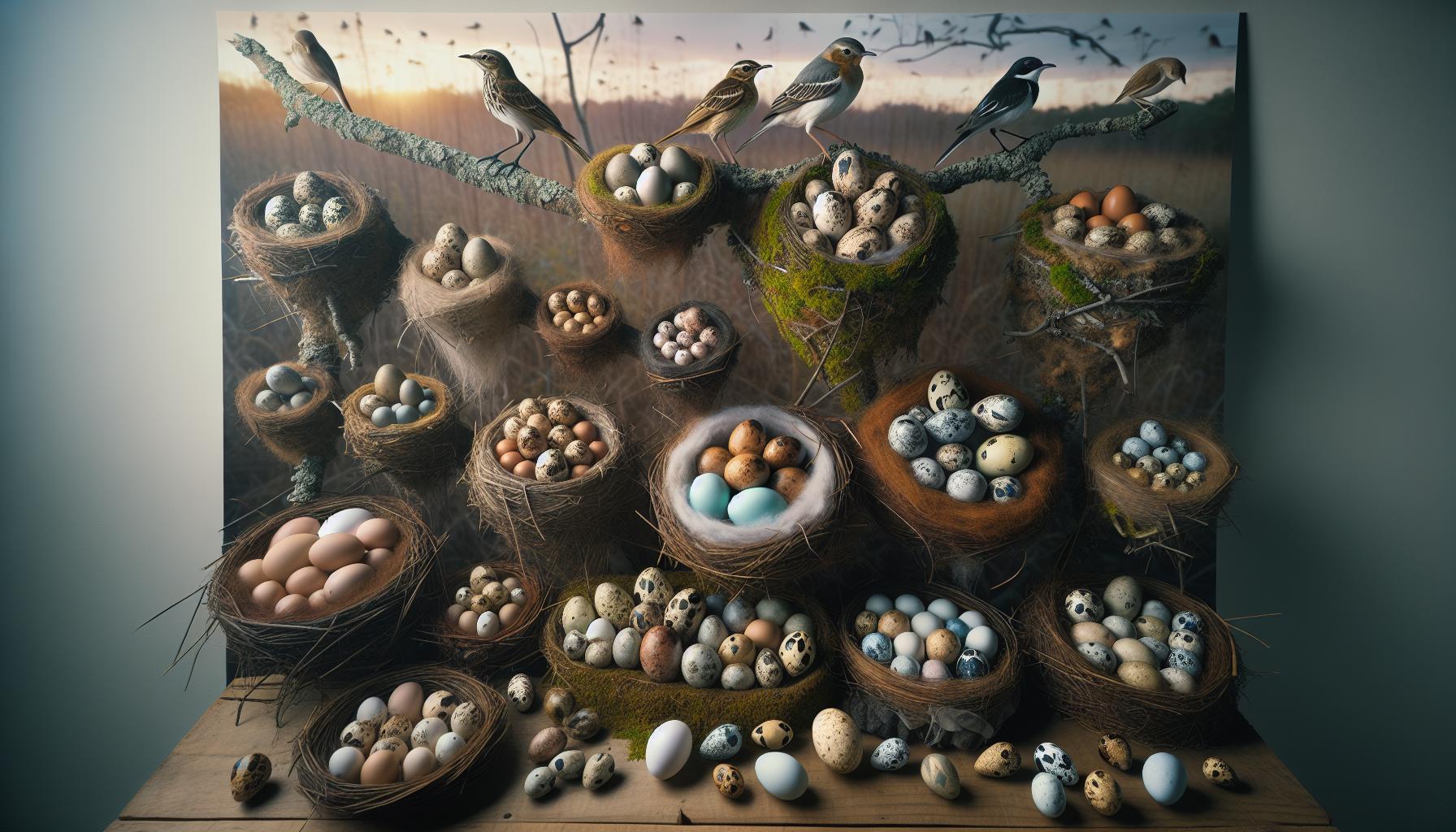
The Role of Mating Seasons in Reproduction
The intricate dance of mating seasons is vital to the reproduction of birds, influencing everything from when they mate to the timing of egg-laying. Most bird species have adapted their reproduction practices to synchronize with seasonal changes, ensuring the best chances for their offspring’s survival. Typically, these seasons align with environmental factors such as temperature fluctuations, availability of food, and daylight hours. For instance, many species begin courting in spring, responding to longer days and rising temperatures that signify abundant food resources-a crucial factor for growing chicks.
During mating seasons, birds often engage in elaborate courtship displays to attract mates. For example, male peacocks will fan out their stunning tail feathers, while songbirds use complex melodies to showcase their fitness. These behaviors serve a dual purpose: they not only attract partners but also establish dominance and territorial claims against rivals. In species like the red-winged blackbird, the males’ conspicuous displays during the breeding season become vital for signaling their readiness to mate.
Nesting is closely tied to mating cycles, where timing is everything. When birds mate, females typically seek optimal locations to build nests, often displaying their choice through their selection of materials. Certain species, like the American robins, take unique steps to prepare nests by choosing specific plant materials for construction, creating a safe haven for their eggs. Observing these behaviors can be fascinating for bird enthusiasts and offers insights into the species’ ecological roles.
As you watch these beautiful rituals unfold, remember that understanding the importance of mating seasons can enrich your birdwatching experiences. Keen observers can often identify specific behaviors-like the flurry of activity that accompanies the onset of breeding season-hinting at the exciting cycle of bird life that surrounds them. Engaging with local avian populations during these pivotal times can foster a deeper appreciation for their remarkable reproductive strategies, broadening your knowledge and enjoyment of birds.
Nesting Habits: How Birds Prepare for Eggs
Building a nest is one of the most crucial tasks any bird will undertake as they prepare to lay eggs, creating a safe and nurturing environment for their future chicks. The artistry involved in nest construction varies dramatically across species, showcasing an array of creative solutions to the challenges posed by the environment. For many birds, the process begins with selecting the right location, which can range from the high branches of trees to the secluded corners of human structures. These locations are chosen based on safety from predators, accessibility to food, and environmental stability, ensuring that the nest remains a sanctuary for the eggs and hatchlings.
When it comes to materials, birds exhibit remarkable ingenuity. For instance, the *Eurasian Wren* gathers twigs, leaves, and even feathers to build compact and cozy nests, while *African weaver birds* intricately weave grass and leaves into their hanging nests, often incorporating a second entrance to evade predators. Observing this behavior can be a delight for bird enthusiasts; sitting quietly in the vicinity of a busy nesting area provides insight into the varied methods birds employ to secure eggs against the elements and harmful intruders.
Specific Nesting Behaviors
Different species have adapted unique behaviors and techniques for nest building. Here are some noteworthy examples:
- American Robins: Known for their distinctive mud-and-grass nests, robins often build their nests in sheltered areas close to human habitation, taking advantage of gardens and yards.
- Woodland Sparrow: Preferring ground nests, these birds utilize grass and leaves, often hidden in dense foliage to provide camouflage against predators.
- Blue Jays: These clever birds will often steal nesting materials from other birds, displaying remarkable adaptability in their nesting strategies.
Birds are also known to display a range of fascinating behaviors during nesting preparation. Some species, like the *Bowerbird*, are famous for constructing elaborate structures called bowers, which are embellished with colorful items to attract mates. The male bowerbird’s commitment to nest decoration reveals not just a desire to impress but also the evolutionary pressures shaping their nesting habits.
As you observe these nesting rituals in the wild, it becomes clear that the efforts birds invest in preparing for eggs are a testament to their instinctual drive for survival and reproduction. Whether you’re a seasoned birdwatcher or a curious beginner, taking the time to observe nesting habits will deepen your appreciation of avian life, revealing the intricate balance of nature at work.
Incubation: The Journey from Egg to Chick
The incubation period is a fascinating and critical phase in the avian reproductive cycle, serving as the vital bridge between the laying of eggs and the emergence of chicks. During this time, bird parents engage in a delicate ballet of warmth and care, ensuring that the conditions within the nest are just right for their developing offspring. Most birds lay eggs with hard shells, which offer protection while requiring precise temperature and humidity management for the growing embryos within.
For many species, it’s the female parent who primarily incubates the eggs. She sits on them to maintain a consistent temperature, which generally ranges between 98°F to 104°F (37°C to 40°C). However, it’s not just about sitting; she will periodically leave the nest to feed herself, thus relying on the male counterpart to take over the incubation duties briefly or guard the nest from potential predators. Remarkably, some species, like the Emperor Penguin, have a unique method of incubation. The male penguin will incubate the egg by balancing it on his feet and covering it with a flap of skin during the harsh Antarctic winter, demonstrating an incredible commitment to nurturing.
Duration and Variability of Incubation
The incubation duration varies significantly among species, typically lasting anywhere from 10 to 80 days. Here are a few intriguing examples that highlight this variation:
- American Robin: The incubation lasts about 12 to 14 days, during which the female will turn the eggs regularly to ensure even heating.
- Common Eider: This sea duck has a longer incubation period, taking around 28 to 32 days, as it relies heavily on its down feathers, which the female plucks from her own body to insulate the eggs.
- California Condor: With an extended incubation period of approximately 60 days, the condor showcases how larger birds often take longer to develop.
Throughout incubation, parents also engage in behavioral displays to ensure their eggs are safe. They may take turns incubating, keeping a lookout for predators, and communicating softly to their eggs, which may help stimulate the developing chicks. Observing this unique interplay can be both enlightening and enjoyable, showcasing how these instinctual behaviors enhance chick survival rates.
As the end of the incubation period nears, you can typically witness specific signs of development. The eggs may begin to pip, or crack, as the chicks use their beaks to break free-a moment that heralds new life. This indicates that the parent birds must remain vigilant, as the time for the chicks to emerge and the challenges of parenting truly begin. This entire incubation journey underscores the dedication and complexity of avian reproductive strategies, reminding us just how unique and essential birds are to our ecosystem.
What Happens After the Eggs Hatch?
As the shells crack and the first peeps of hungry chicks fill the air, an exciting new chapter begins in the lives of bird parents. The period following hatching is filled with intense care and responsibility, marking a transformative time not just for the chicks but also for the entire family dynamic. Initially, newly hatched chicks are incredibly vulnerable. They often emerge helpless, covered with downy feathers and reliant on their parents for warmth and nutrition. The survival of these fledglings is heavily dependent on the attentive care from their parents, who go to great lengths to protect and nourish their little ones.
Once hatched, the chicks rapidly enter a phase of feeding and growth. In many species, the parents will regurgitate food specifically tailored for their young, providing the essential nutrients required for rapid development. For instance, the American Robin feeds its chicks a diet primarily consisting of insects and berries, which helps the young birds build strength as they prepare for their first flights. This feeding period is crucial, as chicks typically grow quickly due to their high metabolisms, often doubling their weight within just a few days!
Chick Development and Fledging
As days pass and the chicks mature, they transition from being purely dependent on parental care to becoming more independent. The process of fledging, or leaving the nest, can vary significantly among bird species. For example, altricial birds like sparrows are born highly altricial, meaning they remain in the nest for a longer period, typically around 2 to 3 weeks, during which they develop their feathers and strength through various exercises encouraged by their parents. In contrast, precocial birds like ducks and geese are more independent at hatching; they quickly leave the nest to forage with little parental dependency beyond protection.
The nesting environment also plays a pivotal role in this phase, as the security provided by the nest allows chicks to practice essential skills like stretching their wings and developing their survival instincts. Parents remain vigilant during this time, keeping an eye on potential predators and gradually guiding the chicks to learn essential behaviors like foraging and flying.
Post-Hatching Parenting
Additionally, some bird species exhibit fascinating post-hatching behaviors that enhance the survival of their chicks. For example, Crows and Magpies are known for their elaborate social structures. They not only care for their young but also enlist the help of other family members in raising the chicks, providing a communal defense and cooperative feeding strategy that increases the likelihood of survival.
In essence, the period following hatching can be both exhilarating and demanding for bird parents. This phase is a demonstration of the intricate dynamics of avian reproductive strategies and parental investment, showcasing the rich tapestry of behaviors and adaptations that help ensure that the next generation can thrive in an ever-changing environment. Bird enthusiasts can witness this phenomenon firsthand by observing nesting sites quietly, allowing for an appreciation of the remarkable commitment birds show to their young as they navigate the challenges of parenthood.
Unique Cases: Birds That Don’t Lay Eggs
While the vast majority of birds lay eggs as part of their reproductive cycle, fascinating exceptions exist that challenge our understanding of avian biology. One of the most intriguing cases involves the reproductive practices of certain species of birds known as brood parasites. These birds, like the famous cowbird, do not build their own nests or rear their young. Instead, they lay their eggs in the nests of other bird species. This strategy allows them to conserve energy and resources while their hosts raise the chicks, often at the expense of the host’s own offspring. This unique approach to reproduction raises compelling questions about survival and evolutionary strategies in the avian world.
Additionally, some birds, particularly within the Casuariidae and Apteryx families, exhibit behaviors that suggest a different route of reproduction. The kiwi, for example, is known for laying eggs but has very specific nesting requirements. Its unique reproductive adaptations include a prolonged incubation period and a remarkable ability to care for the single egg laid, which can weigh up to a quarter of the female’s body weight. The bird’s evolutionary path highlights that while they lay eggs, the energy and investment in the reproductive process are distinctly tailored to their environmental challenges.
Moreover, it is critical to understand the role of parthenogenesis in the avian world, albeit rare. This process, in which an egg develops into a new individual without fertilization, has been observed in some reptiles and fishes, but occurrences in birds are extremely limited and not well documented. As researchers continue to explore the genetic complexities of bird reproduction, these anomalies may open further discussions about the evolution and adaptability of reproductive strategies across species.
Ultimately, while egg laying is remarkably widespread among birds, the existence of brood parasitism, unique nesting behaviors, and the rare phenomenon of parthenogenesis reveal the diverse reproductive adaptations that birds can exhibit. Each of these cases not only informs our understanding of bird biology but also highlights the intricate balance of ecosystems, where survival strategies can take on astonishing forms. As you observe birds in their natural habitats, keep an eye out for these unique behaviors-they’re a testament to nature’s ingenuity!
The Importance of Egg Laying in Bird Conservation
Egg laying plays a vital role in bird conservation, impacting not only species survival but also broader ecosystem health. With approximately 10,000 bird species worldwide, each has adapted unique reproductive strategies that can be crucial for maintaining population stability. For many birds, successful egg production and hatching is fundamental; it enables the continuation of genetic lines and often contributes to ecological roles such as seed dispersal and pest control.
To understand the conservation significance of egg laying, it’s important to recognize how environmental factors directly influence reproductive success. For example, habitat loss due to urban development and climate change can dramatically affect nesting sites, making it harder for birds to lay eggs safely. Conservation efforts frequently focus on protecting critical habitats, establishing reserves, and restoring environments to ensure that birds can find suitable locations for nesting. Species like the California condor serve as poignant reminders of how critical this work is; their successful breeding programs in captivity sought to increase egg production in a population that was near extinction.
On an individual level, bird monitoring plays a crucial role in conservation initiatives, allowing researchers to track egg-laying patterns and identify any declines in bird populations. Citizen science projects, where bird enthusiasts help collect data on nesting behaviors, can be pivotal in these efforts. By understanding what factors contribute to successful egg production-including food availability, weather conditions, and predator management-conservationists can implement targeted strategies to support vulnerable species.
Overall, the significance of egg laying in birds extends beyond mere reproduction. It is intricately tied to the health of ecosystems and biodiversity. By fostering awareness and involvement in conservation efforts, individuals can play a key part in safeguarding the future for these avian species. Whether through supporting habitat conservation, participating in bird counts, or simply enjoying birdwatching, every action counts in protecting these magnificent creatures and their vital role in our environment.
Common Misconceptions About Bird Reproduction
Bird reproduction is often surrounded by several myths that can lead to misunderstandings about how these fascinating creatures bring new life into the world. One of the most prevalent misconceptions is that all birds are monogamous and mate for life. While some species, like swans and albatrosses, do form long-term bonds, many others are known for their varied mating strategies, including polygamous behavior. For instance, male red-winged blackbirds can mate with multiple females within their territory, highlighting that reproductive strategies among birds are wonderfully diverse.
Another common belief is that all birds build nests for their eggs. While it’s true that many species are nest-builders, there are also fascinating exceptions. For example, the cuckoo and the cowbird are known as “brood parasites” because they lay their eggs in the nests of other bird species, leaving the unsuspecting host parents to raise their young. This unique reproductive strategy not only showcases the adaptability of birds but also raises questions about parental investment in avian contexts.
Additionally, many people assume that the size of a bird’s egg directly corresponds to the size of the bird itself. This isn’t necessarily the case. The tiny hummingbird lays one of the smallest eggs relative to its body size, while the ostrich produces the largest eggs among birds. This variation reflects evolutionary adaptations to their environments and nesting styles, making the study of avian egg sizes a captivating aspect of ornithology.
Lastly, there’s a misconception that artificial incubation is an easy substitute for natural brooding by birds. While incubators can provide a controlled environment for eggs, successfully hatching chicks requires not only the right temperature and humidity but also the appropriate care and socialization that would come from parent birds in the wild. Observing and learning about the nesting behaviors and biological needs of birds can greatly enhance the success of bird enthusiasts and conservationists alike. Embracing these insights helps foster a deeper appreciation for the complexities of bird reproduction and encourages responsible engagement with our feathered friends.
Tips for Bird Enthusiasts: Observing Nesting Behavior
Birdwatching is a captivating way to immerse yourself in nature, and observing nesting behavior can unveil the incredible intricacies of avian life. Did you know that some species, like the American robin, can lay up to three clutches of eggs in one season, often raising their young in mere weeks? This remarkable adaptability makes observing their nesting habits both thrilling and informative. Here are some tips to enhance your experience as you delve into the world of nesting birds.
Understand Nesting Seasons and Locations
Many birds have specific nesting seasons that vary by species and geographical location. Typically, spring and early summer see heightened activity, but be sure to research the nesting periods for the birds in your area. Look for nests in locations where birds commonly breed, such as shrubs, trees, or eaves of buildings, as these spots can provide safety from predators.
Once you’ve identified promising locations, consider the level of disturbance you might cause. Many birds are protective of their nests and may abandon their young if they feel threatened. Use binoculars or a spotting scope from a distance to observe without intruding on their space.
Learn to Identify Nests
Nests come in a variety of shapes and materials, reflecting both the species and their environment. Here are a few common types you might encounter:
- Open Cups: For example, robins create simple cup-like nests from mud and grass.
- Platform Nests: Ospreys build large platforms, often high in trees, using sticks and reeds.
- Burrows: Some species, like puffins, excavate tunnels in sandy cliffs.
Knowing what to look for can help you identify nests efficiently. Take notes or photographs to develop your understanding, but always remember to respect the birds and their habitats.
Observe Parental Care Techniques
Watching how parent birds interact with their eggs and chicks is a fascinating window into avian behavior. For many species, both parents contribute to caring for the young, sharing responsibilities such as feeding and guarding the nest. Note the feeding routines-some birds prefer bringing back food at specific intervals, while others may feed their chicks continually throughout the day.
Additionally, pay attention to how parent birds react to perceived threats. Some may engage in distracting behaviors, such as feigning injury to lead predators away from the nest, a tactic known as distraction display behavior. Observing these interactions can deepen your appreciation for the complexity of bird life.
Document Your Observations
Keep a journal to document your findings-dates, behaviors, species observed, and conditions like weather or time of day can all provide insight into nesting success and bird behavior. This practice not only enhances your observational skills but can also contribute to citizen science projects aimed at tracking bird populations and behaviors in your region.
Whether you’re a novice or a seasoned bird enthusiast, observing nesting behavior is a rewarding pursuit that unravels the mysteries of bird reproduction. With patience and curiosity, you’ll come to appreciate the remarkable lives of these feathered creatures as they raise the next generation.
Cultural Significance of Eggs in Avian Mythology
Eggs have held a profound place in human culture and mythology, symbolizing life, renewal, and fertility across various civilizations. For many societies, the egg is not just a reproductive tool for birds; it embodies deeper meanings and connections to the cyclical nature of life. In ancient cultures, the creation of the world was often linked to eggs. For example, in various mythologies, the cosmic egg symbolizes the origins of the universe, where life begins within a single shell.
In different regions, specific bird eggs are celebrated for their distinct qualities and the rich folklore surrounding them. For instance, in native Australian cultures, the eggs of the emu and ostrich were regarded as sources of sustenance and inspiration. Similarly, in Japanese culture, the egg of the crane signifies longevity and prosperity, often depicted in art and poetry. This cultural reverence highlights how the egg transcends mere biology; it represents hopes, dreams, and the essence of life itself.
The role of eggs in avian mythology often extends to discussions of creation and the relationship between birds and the spiritual realm. Many indigenous cultures view bird eggs as sacred items that connect human beings to nature. The egg is seen as a vessel of potential and possibility, symbolizing the interconnectedness of all living things. Hence, the observation of birds laying eggs and raising their young can evoke a sense of wonder and respect for the natural world and its mysteries.
Ultimately, exploring the cultural significance of bird eggs enriches our understanding of avian life. It encourages bird enthusiasts to view their observations through a broader lens, considering not only the biology of avian reproduction but also the deep-seated connections that humans share with these remarkable creatures. As you observe nesting behaviors, remember that you are witnessing a beautiful intersection of life, culture, and mythology that has captivated humanity for centuries.
FAQ
Q: Do all types of birds lay eggs?
A: Yes, all bird species lay eggs as part of their reproductive process. While the size, shape, and color of the eggs can vary widely among species, egg-laying is a fundamental characteristic of all birds. For more information on bird reproduction, see the section “Do All Birds Lay Eggs? The Basic Facts.”
Q: How do birds know when to lay eggs?
A: Birds typically lay eggs based on environmental cues such as daylight length, temperature, and food availability. These factors signal the breeding season, prompting hormonal changes that lead to egg production. Understanding these cues can enhance your bird-watching experiences.
Q: What is the average number of eggs laid by birds?
A: The average number of eggs varies significantly among bird species. Smaller birds may lay 3-12 eggs per clutch, while larger species often lay fewer, typically between 1-6. This variation allows birds to maximize their reproductive success based on environmental conditions.
Q: Can birds lay eggs without mating?
A: Certain bird species, specifically those that reproduce through parthenogenesis, can lay unfertilized eggs without mating. However, in most cases, fertilization occurs during mating, which is essential for the development of viable chicks. For insights into different reproductive methods, check out the section “Egg-Laying Variations Among Bird Species.”
Q: When is the best time to observe birds laying eggs?
A: The best time to observe birds laying eggs is during the spring and early summer, as most species breed during these months. Watching birds during this period can be a rewarding experience, especially when documenting their nesting habits.
Q: How do birds care for their eggs?
A: Birds exhibit various care behaviors for their eggs, including incubating them to maintain temperature and protecting them from predators. Each species has unique nesting strategies, and observing them can provide valuable insights into their reproductive practices.
Q: Are all bird eggs the same?
A: No, bird eggs differ greatly in size, shape, color, and texture depending on the species. Some eggs are speckled, while others are smooth and brightly colored. These variations often reflect the bird’s habitat and nesting strategies.
Q: What misconceptions exist about bird reproduction?
A: A common misconception is that all birds build nests for egg-laying; however, some species, like ostriches, lay their eggs in communal nests. Additionally, many believe that birds only lay one clutch of eggs per year, while many species can lay multiple clutches depending on ecological conditions. For a deeper dive, refer to “Common Misconceptions About Bird Reproduction.”
The Conclusion
Understanding whether all birds lay eggs is just the tip of the fascinating iceberg that is avian reproduction. As you’ve learned, from the unique nesting behaviors to the various incubation periods, these details highlight the incredible diversity among bird species. Are you eager to dive deeper into the world of birds? Explore our comprehensive guides on bird breeding habits and nesting strategies to expand your knowledge even further.
Don’t miss out on the latest insights-subscribe to our newsletter for expert tips and birdwatching updates right in your inbox. If you have questions or thoughts, share them in the comments below; we’d love to hear your experiences with birdkeeping.
So, what are you waiting for? Unlock the full potential of your birding journey today! Whether you’re curious about specific species or looking for practical care tips, there’s always more to discover. Let’s continue exploring together!
Get our latest guides, news, and insights highlighted in your Google Search & AI Overviews.










