Did you know that the Cooper’s Hawk is one of North America’s most skilled avian predators, capable of navigating through dense forests with remarkable agility? If you’ve ever spotted this magnificent bird in your backyard, you may be curious about its hunting techniques and the impact it has on local ecosystems. Understanding how Cooper’s Hawks hunt can not only enhance your birdwatching experience but also help you appreciate the delicate balance of nature right outside your door. This guide will delve into the fascinating methods these hawks use to stalk their prey-insights that benefit both novice birders eager to learn and seasoned enthusiasts seeking to deepen their understanding. Join us as we explore the intricacies of the Cooper’s Hawk’s hunting strategies and learn how to observe these incredible birds in action!
Understanding the Cooper’s Hawk: A Comprehensive Overview
The Cooper’s Hawk, a fascinating and agile predator, is known for its remarkable hunting techniques and adaptability to urban environments, making it a captivating subject for bird enthusiasts. With its sleek body and long tail, this medium-sized raptor has evolved to be an expert in navigating wooded areas and backyards alike. Cooper’s Hawks primarily hunt small birds, which they pursue with impressive speed and agility, often surprising their prey with sudden lunges from concealed perches. Their hunting strategies highlight not just their physical prowess but also their intelligence, as they frequently adapt their techniques based on the environment and the behavior of their target species.
One of the key aspects of understanding Cooper’s Hawks is their preference for habitats that offer both cover and open spaces. They often select perches that provide a vantage point over bird feeders or open areas where smaller birds congregate, enabling them to strike quickly and efficiently. Observations reveal that these hawks utilize a combination of stealth and speed, often flying low and using the forest’s structure to their advantage. When hunting in backyards, they may employ surprise tactics by hiding amidst foliage before launching into rapid flight to catch unsuspecting songbirds.
When setting up your yard to accommodate the presence of Cooper’s Hawks, consider creating a balanced ecosystem. Incorporating native plants can attract a diversity of smaller birds, thus providing a natural food source for these raptors. Additionally, providing natural cover with shrubs or trees allows Cooper’s Hawks to hunt effectively while ensuring that they have safe resting spots to return to after a hunt. Understanding their role in the ecosystem as both predator and prey can enhance your appreciation for these remarkable animals, fostering a deeper connection with the wildlife that inhabits your surroundings.
In summary, the Cooper’s Hawk embodies the complexity and beauty of nature through its hunting tactics and adaptability. By observing their behavior and understanding their ecological significance, anyone can develop a greater appreciation for these backyard predators. Whether you’re a seasoned birder or a curious newcomer, engaging with these magnificent birds offers insights into the delicate balance of local ecosystems.
The Life Cycle of Cooper’s Hawks: From Nesting to Independence
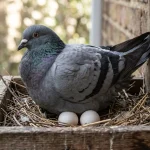
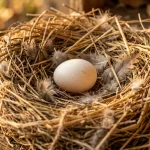
The journey of a Cooper’s Hawk from a tiny chick to a skilled predator is both fascinating and complex. Nesting begins in early spring when adult pairs select a suitable location, often in tall trees or dense foliage that offers protection and a good vantage point for hunting. The female typically lays between 3 to 5 eggs, which she incubates for about 30 to 36 days. During this period, the male is active in providing food for the female and preparing for the nurturing phase ahead.
Once the eggs hatch, the chicks are naked and helpless, relying entirely on their parents for survival. The first few weeks are critical; the parents bring food, primarily small birds, to the nest. As the chicks grow, they undergo dramatic transformations. They develop feathers after about two weeks and begin to explore their surroundings. This exploratory behavior is crucial as it prepares them for life beyond the nest. Nestlings can often be seen flapping their wings, a precursor to the impressive flight they will soon master.
By the time they’re around four to five weeks old, the fledglings venture out of the nest, testing their wings in short flights. This stage is both exciting and perilous; the young hawks must learn to navigate their environment and establish their own hunting techniques. While they initially depend on their parents for food, the fledglings gradually hone their skills in capturing prey, which will become essential for their independence. It’s a remarkable sight to witness a fledgling imitating its parent’s techniques-sudden dives and stealthy movements-learning what it takes to become a proficient hunter.
As autumn approaches, the young Cooper’s Hawks become more independent, often dispersing from their natal territory. This process can involve traveling substantial distances as they explore various environments. During this time, their hunting skills are tested against a backdrop of changing seasons, and they begin to establish their own territories. For backyard bird enthusiasts, spotting these younger birds can offer a unique glimpse into the reality of nature’s cycles. As they adapt and learn, these hawks play crucial roles in local ecosystems, balancing prey populations and showcasing the intricate web of life in our backyards.
Identifying Cooper’s Hawks: Key Characteristics and Distinctions
With sharp talons and a keen eye, the Cooper’s Hawk is an adept avian predator, often spotted darting through the trees with remarkable agility. Identifying these majestic birds can be both exhilarating and rewarding for bird watchers and nature enthusiasts alike. To unleash your inner birding enthusiast, it helps to recognize the distinctive physical characteristics and behaviors of Cooper’s Hawks.
Cooper’s Hawks exhibit a range of features that set them apart from other raptors. Adults generally boast a medium size, measuring between 14 to 20 inches in length, with a wingspan of approximately 28 to 36 inches. The males are notably smaller than females, a trait known as sexual dimorphism. Their plumage is a blend of slate blue-gray on the upper body, paired with a strikingly reddish-brown barring on the chest and a lighter, striped belly. This combination not only provides effective camouflage among the dappled light of woodlands but also makes them visually stunning against the backdrop of the sky.
When observing their unique features, do let your focus drift to their tails, which are long and rounded. This design aids in their exceptional maneuverability while flying, allowing them to adeptly navigate through tight spaces in pursuit of prey. Their eyes are also a key identifying trait; they are sharp and bright yellow, fanned by a distinctive facial structure that gives them a concentrated and fierce appearance. If you wish to distinguish them further from similar species, remember that the Cooper’s Hawk has a more slender profile compared to the bulkier Sharp-shinned Hawk, which can often be mistaken for it.
Understanding their behaviors is equally important in identification. These hawks are known for their stealthy hunting techniques, often employing a strategic approach called “still hunting,” where they perch quietly and watch for unsuspecting birds below. Their agility in flight, agile swoops, and sudden bursts of speed can be observed when they chase after prey. Observing a Cooper’s Hawk in action not only enriches your appreciation for them but also allows you to witness the apex predatory roles they play in their habitats, particularly when hunting small birds like sparrows and doves.
By familiarizing yourself with these characteristics, you won’t just enhance your birdwatching experience; you’ll also forge a deeper connection with the vibrant ecosystem where Cooper’s Hawks thrive. Whether in your backyard or at a local park, understanding these details will allow for more rewarding encounters with these spectacular birds. So go ahead, stay vigilant, and enjoy the thrill of spotting a Cooper’s Hawk soaring overhead!
Common Hunting Techniques of Cooper’s Hawks in the Backyard
With their keen eyesight and remarkable agility, Cooper’s Hawks have developed a variety of hunting techniques that make them one of the most effective backyard predators. Observing these skilled hunters in action can provide a thrilling experience for bird watchers and offer insights into avian predation.
One of the most common methods employed by Cooper’s Hawks is still hunting. This technique involves perching quietly on a branch high above feeding birds. From this vantage point, they can scan the ground for movement, waiting patiently until an unsuspecting target comes within striking distance. The element of surprise is crucial; their ability to remain motionless makes it difficult for prey to detect them. When they identify a target, they’ll launch themselves from the perch with rapid acceleration, utilizing their powerful wings to close in on their unsuspecting meal.
Another strategy that these hawks frequently use is ambush hunting. Rather than waiting motionless, a Cooper’s Hawk might fly through dense foliage or along the edges of wooded areas, taking advantage of cover to approach potential prey silently. This method is particularly effective during twilight hours when smaller birds are more active and less vigilant. The hawk’s natural camouflage helps them blend into their surroundings, increasing the chances of a successful catch.
Cooper’s Hawks are also known for their pursuit techniques, where they rely on speed and agility. Once they spot their target, they may burst out from cover, diving at speeds up to 40 miles per hour. Their long, rounded tails are critical for sharp turns and quick maneuvers, allowing them to navigate tight spaces in pursuit of fast-moving birds. Watching a Cooper’s Hawk in pursuit is an exhilarating spectacle; the way they zigzag through trees to evade branches and snag their prey mid-flight is a testament to their extraordinary adaptation to a predatory lifestyle.
For those interested in avian behavior, setting up feeders in your backyard can draw in a variety of small songbirds-both potential prey and opportunities to witness the stunning hunting skills of a Cooper’s Hawk firsthand. However, it’s vital to maintain a balance, as witnessing predation can also be a natural part of backyard ecology. Engaging with these predatory techniques not only enriches your understanding of Cooper’s Hawks but also enhances your appreciation of the intricate interplay within local ecosystems.
Best Practices for Attracting Cooper’s Hawks to Your Yard
Creating a backyard environment that appeals to Cooper’s Hawks involves more than simple invitation; it requires a thoughtful balance of habitat management, food availability, and safe perches. These birds are highly adaptable and thrive in areas close to their prey, primarily smaller birds, which can be encouraged through strategic landscaping and suitable feeder placements.
Start by incorporating dense shrubs and trees that can serve as both cover for smaller birds and high perches for Cooper’s Hawks. Natives plants that produce berries or seeds attract unwitting songbirds, giving your hawk a worthy target. Good choices include hawthorn, elderberry, and serviceberry. Planting evergreens also provides shelter year-round, ensuring that your yard remains a refuge for smaller birds during harsh weather.
To further attract the hawks, consider using bird feeders wisely. Use feeders that cater to small songbirds like finches, sparrows, and doves, particularly toward the late afternoon when these birds are most active. However, be mindful that open feeders can make these small birds more vulnerable. Position them strategically near cover, making it easier for smaller birds to escape if a Cooper’s Hawk is nearby. Just remember, a hawk’s presence can be a thrilling aspect of your backyard ecology, so embrace the natural interactions that occur.
Lastly, observing respectful distance is crucial. Cooper’s Hawks can be quite shy, and regular disturbances may deter them from settling in your yard. Once they feel comfortable, you might witness their spectacular hunting skills firsthand. It’s part of a natural ecosystem where every creature has a role, and by enriching the habitat, you’re enhancing not only the chances of seeing a Cooper’s Hawk but also creating a vibrant environment for avian diversity. By fostering an inviting yet intricate habitat, you can become part of the captivating drama that unfolds in your backyard under the watchful eye of the Cooper’s Hawk.
Understanding the Role of Cooper’s Hawks in Local Ecosystems
The presence of Cooper’s Hawks in your backyard can signify a thriving ecological balance. As skilled predators, they play a vital role in managing local bird populations, ensuring that no single species dominates the environment. This natural control mechanism helps maintain the diversity and health of local ecosystems, allowing a wide range of avian life to flourish. By preying primarily on smaller birds, they help keep those populations in check, which is essential for preventing overpopulation and the spread of disease common in crowded species.
Cooper’s Hawks are highly adaptable, often nesting in urban and suburban areas, which brings them into closer contact with human habitats. This adaptability underscores their role in the ecosystem-they thrive where food sources are plentiful and habitats vary. Their hunting techniques, characterized by sudden bursts of speed and agility, allow them to navigate through densely packed trees and shrubs. Therefore, having a diverse array of bird species in your yard not only supports the presence of these raptors but also enriches your local biodiversity.
To effectively integrate Cooper’s Hawks into your backyard ecosystem, consider the following strategies:
- Encourage Biodiversity: The more bird species present, the more attractive your area becomes to Cooper’s Hawks. Plant native flora that supports insects and seed-eating birds, which, in turn, gives hawks their food source.
- Implement Shelter and Cover: Provide dense shrubbery and trees, which help smaller birds evade predators and also serve as hunting perches for the hawks.
- Observe and Adapt: Take note of the hawks’ habits in your yard. Understanding their hunting patterns can provide insights into how to coexist harmoniously with them, benefiting both the hawks and the smaller birds.
Incorporating these elements allows you to appreciate the natural dynamics at play in your backyard, from the tiniest sparrow to the majestic Cooper’s Hawk. This interaction between predator and prey is not only fascinating but foundational for a healthy ecosystem, making your yard a microcosm of nature’s intricate balance.
Human Interaction: Managing Backyard Predation Effectively
Cooper’s Hawks are extraordinary backyard predators that can spark concern among bird lovers, particularly when it comes to the safety of smaller avian visitors. Understanding how to manage backyard predation effectively is essential for those who wish to maintain a healthy ecosystem while protecting their feathered friends. These hawks employ swift, agile hunting techniques, often surprising their prey, which can leave homeowners feeling vulnerable. However, with some thoughtful strategies, it’s possible to strike a balance between enjoying these remarkable raptors and safeguarding your backyard birds.
One of the most effective techniques to reduce predation is to introduce safe zones for smaller birds. Creating sheltered areas with dense shrubs, trees, and cover can help provide crucial hiding spots where they can evade predators. These plants can also act as natural barriers that disrupt the hawk’s line of sight, making it more difficult for them to catch their quarry. Additionally, feeding stations should be placed strategically; consider positioning bird feeders closer to protective cover so that birds have a quick escape route. This not only minimizes the risk of predation but enhances the overall sanctuary that your garden offers.
Another essential consideration is the timing of feeding. Field observations suggest that Cooper’s Hawks are most active during dawn and dusk. By adjusting feeder usage to peak hawk activity times-perhaps by leveraging less active periods for feeding-you can further decrease the likelihood of birds falling prey. Also, utilizing feeders designed to accommodate larger birds or ones that offer a bit more concealment can further ensure that the smaller birds feel secure while feeding.
Finally, fostering a balanced ecosystem is beneficial to everyone involved. Instead of viewing Cooper’s Hawks solely as threats, consider their role as indicators of a healthy environment. By nurturing a diverse range of native plant life and providing habitats that support various bird species, you’re not only enhancing the backyard for smaller birds but also enriching the conditions that attract and sustain Cooper’s Hawks. This dual focus can yield an engaging and thriving wildlife community, where predator and prey coexist in nature’s intricate tapestry.
In summary, managing the interaction between Cooper’s Hawks and your backyard birds requires a combination of habitat modification, strategic feeding, and an appreciation of ecological balance. By creating safe havens and understanding the behavioral patterns of these hawks, you can enjoy the beauty of both the raptors and the smaller birds that grace your yard.
Cooper’s Hawk Behavior: Insights into their Hunting Patterns
Cooper’s Hawks are masterful hunters that exhibit a blend of agility and strategy, making them fascinating subjects for bird enthusiasts and casual observers alike. One striking behavior is their method of hunting, which often involves stealth and speed. These raptors are known to perch quietly in trees, scanning the ground and open areas for movement, primarily targeting small to medium-sized birds. Their hunting technique is characterized by a sudden burst of speed as they launch from their perch, often using the element of surprise to catch their prey off guard. The agility of a Cooper’s Hawk allows it to navigate densely wooded areas with ease, darting through branches and leaves while maintaining focus on its target.
In addition to their impressive flying abilities, Cooper’s Hawks employ a variety of tactics to enhance their hunting success. For instance, they may utilize a method called “still-hunting,” where they remain motionless for extended periods, relying on their keen eyesight to spot potential prey. Once they identify a target, they can launch themselves into a rapid descent, often surprising smaller birds at feeders or in backyards. This hunting method highlights their adaptability; Cooper’s Hawks can thrive in both natural and suburban environments, taking advantage of bird feeders that attract smaller birds.
Understanding these hunting patterns can offer insight into how to coexist with these remarkable raptors. For those looking to attract or observe Cooper’s Hawks, consider developing their habitats by planting dense shrubs and trees that provide cover. This not only benefits the smaller birds looking for shelter but also encourages hawks to visit your yard, providing opportunities for observation. However, it’s essential to balance this by employing feeding strategies and creating safe zones for smaller birds to thrive amidst potential predation.
Ultimately, observing a Cooper’s Hawk in action is a testament to nature’s intricacies. With their active foraging behaviors and adaptable hunting strategies, these birds remind us of the delicate balance within our local ecosystems. Whether you are a seasoned birdwatcher or just beginning to explore the world of birds, appreciating the hunting techniques of Cooper’s Hawks can deepen your understanding of these impressive avian predators and enrich your backyard experience.
Safety Tips for Birds and Pets Around Cooper’s Hawks
One of the most intriguing aspects of backyard birdwatching is observing the majestic Cooper’s Hawk in action. However, their presence can raise concerns for the safety of smaller birds and even pets. Understanding how to coexist with these powerful predators is key to maintaining a harmonious backyard environment. While the sight of a Cooper’s Hawk might seem alarming at first, there are effective strategies to protect your feathered friends and small animals without compromising your enjoyment of these raptors.
To start, consider placing bird feeders in locations that offer some form of cover. Dense shrubs or trees can provide essential hiding spots for smaller birds, giving them a chance to escape if they spot a hawk nearby. Additionally, avoid placing feeders in open areas where hawks can easily swoop in. A good rule of thumb is to hang feeders at least 10 feet away from any potential perching spots. This distance helps reduce the chances of a hawk using nearby branches to launch an attack.
For pet owners, particularly those with small dogs or cats, it’s important to supervise outdoor time, especially if your yard is frequented by Cooper’s Hawks. Keep pets on a leash during walks or install a secured outdoor enclosure if possible. Providing shelter areas, such as enclosed patios or specially designed aviaries, can also safeguard pets from potential predatory behavior. Remember, while Cooper’s Hawks mainly target small birds, they can perceive small pets as prey in certain situations.
Lastly, maintaining awareness of hawk activity in your area can help you make informed decisions. Observing hawk behavior can indicate their hunting habits and peak activity times, allowing you to take precautionary measures. For example, avoiding outdoor activities during dawn or dusk, when these birds are typically most active, can reduce the risk for both your pets and the small birds you wish to attract.
By implementing these practices, you can create a safer environment for birds and pets alike while still enjoying the incredible sight of a Cooper’s Hawk gracefully patrolling your backyard ecosystem. Being proactive and aware of the dynamics between these raptors and their environment is essential for fostering a peaceful coexistence.
Comparing Cooper’s Hawks with Other Backyard Raptors
When it comes to backyard raptors, the Cooper’s Hawk is often at the forefront of birdwatchers’ minds due to its striking appearance and hunting prowess. However, it shares its habitat with several other raptors, each bringing unique characteristics and hunting styles to the table. Understanding these differences can enhance your appreciation for these birds and inform your backyard birdwatching strategies.
One of the most noticeable comparisons is between the Cooper’s Hawk and the sharp-shinned hawk. Both are adept hunters of smaller birds, often competing for the same food sources. The sharp-shinned hawk is smaller and has a more compact body, making it a more agile flyer, adept at darting through dense vegetation to surprise its prey. In contrast, the Cooper’s Hawk, with its larger build, exhibits a more powerful hunting technique. It often employs a sit-and-wait strategy, using its height to survey the surroundings from tree branches before launching into a dive to capture unsuspecting birds at feeders.
Transitioning to the red-shouldered hawk, we see yet another hunting style. This beautiful bird is typically found near water sources and utilizes a combination of vocalizations and methodical movements through its territory to locate prey. Red-shouldered hawks often hunt small mammals and amphibians along with birds, employing a slow, deliberate approach that contrasts with the rapid, decisive strikes of the Cooper’s Hawk.
To attract these raptors to your yard while minimizing conflicts between them and backyard birds, consider the following tips:
- Provide Cover: Dense shrubs and trees not only provide hiding spots for prey but also serve as perches for raptors like the Cooper’s Hawk.
- Feeders Placement: Arrange your bird feeders strategically-keep them 10 feet away from potential hawk perches to reduce predation risks.
- Diverse Habitat: Creating a varied habitat that includes water features and different types of plants can attract multiple raptor species, enhancing your backyard ecosystem.
By understanding the nuances of these backyard raptors, you can cultivate an engaging and lively environment where all species can coexist, providing endless opportunities for observation and enjoyment. Whether watching the elegant Cooper’s Hawk in action or noting the distinctive behaviors of other raptors, each encounter enriches our connection to nature.
Photography and Observation Tips for Backyard Birders
Capturing the essence of the Cooper’s Hawk in your backyard can be a rewarding experience for any bird enthusiast. These hawks exhibit both grace and skill, making them fascinating subjects for observation and photography. To enhance your chances of witnessing their hunting prowess, consider a few strategic insights that will help you set the scene for memorable encounters.
Start by positioning yourself near areas where Cooper’s Hawks typically hunt. These raptors prefer edges of wooded areas, where they can perch and scout for potential prey. Keeping a low profile is crucial; wear muted colors to blend into your surroundings. Bring along a good pair of binoculars to spot them perched quietly on tree branches or moving stealthily through the underbrush. If you’re aiming for photographs, a camera with a zoom lens will allow you to capture the hawk’s details without getting too close, which could scare them away.
Lighting plays a significant role in bird photography as well. Early mornings or late afternoons provide softer, more flattering light, minimizing harsh shadows and bringing out the rich colors in the hawk’s plumage. Patience is key; watch for their characteristic behavior, such as the way they employ a “sit-and-wait” strategy to hunt. This could mean waiting quietly for several minutes, but the reward of seeing a hawk swoop down for its catch is well worth it.
Lastly, consider documenting your observations in a notebook or a digital app. Note the times you see them, their hunting methods, and interactions with other birds. This not only sharpens your observational skills but also enriches your knowledge about their behavior and the dynamics of your backyard ecosystem. By immersing yourself in this hobby, you’ll foster a deeper connection with nature and enhance the overall experience of observing these incredible birds.
Conservation Efforts for Cooper’s Hawk Populations
Efforts to protect the Cooper’s Hawk populations are vital in maintaining ecological balance, particularly as these backyard predators play an essential role in controlling small bird and rodent populations. Conservation strategies can be multi-faceted, focusing on habitat preservation, public education, and research initiatives. Establishing protected areas that provide sufficient nesting sites and adequate hunting grounds is crucial, as urbanization continues to encroach on their natural habitats.
One effective way to contribute to their conservation is by promoting community awareness about the benefits of Cooper’s Hawks. People are often wary of these raptors due to their hunting habits, especially concerning their impact on feeder birds. However, educating the public on the ecological importance of these hawks can foster a greater appreciation for them. Hosting community workshops or birdwatching events can encourage local residents to observe these birds respectfully and understand their role in the ecosystem.
Additionally, citizen science initiatives are valuable for tracking Cooper’s Hawk populations and behaviors. Engaging the community in reporting sightings or behaviors can provide data that researchers need to monitor population trends and habitat use. This collective effort not only enhances scientific understanding but also creates a sense of stewardship among participants, strengthening the community’s connection to local wildlife.
By supporting policies and organizations that advocate for wildlife-friendly practices, such as reduced pesticide use and the creation of green spaces, everyone can contribute to the well-being of Cooper’s Hawks. Simple actions, like planting native vegetation that supports a diverse range of prey species, can make a significant impact. This not only helps the hawks but also enhances the overall biodiversity and health of backyard ecosystems. Embracing these efforts allows us to witness and protect the elegance of Cooper’s Hawks as they thrive in our shared environment.
Faq
Q: What are the best bait options for attracting Cooper’s Hawks to my backyard?
A: The best bait options for attracting Cooper’s Hawks include small birds, such as sparrows or starlings. Setting up feeding stations can encourage these smaller birds, which in turn may attract Cooper’s Hawks looking for their next meal. Ensure you follow best practices for bird feeding to maintain a balanced ecosystem.
Q: How do Cooper’s Hawks locate their prey in backyards?
A: Cooper’s Hawks use keen eyesight and stealth to locate prey in backyards. They often perch in high trees or on utility poles, scanning the ground for movement. Providing cover like dense shrubs will help you observe this fascinating hunting behavior while considering their role in the local ecosystem.
Q: What time of day are Cooper’s Hawks most active in hunting?
A: Cooper’s Hawks are primarily crepuscular, meaning they are most active during dawn and dusk. Plan your observations or set up feeding stations during these times for the best chances to witness their hunting techniques and behavior.
Q: What impact do Cooper’s Hawks have on backyard bird populations?
A: Cooper’s Hawks can significantly influence backyard bird populations by controlling species that thrive in residential areas. While they may reduce the number of smaller birds, they also help maintain ecological balance, preventing overpopulation of particular species.
Q: Are Cooper’s Hawks a threat to domestic pets in the backyard?
A: Yes, Cooper’s Hawks can pose a risk to small pets, particularly those under 20 pounds. To protect your pets, supervise them when outdoors, and provide safe, enclosed spaces for them to roam, minimizing potential encounters with these predators.
Q: What are some signs that Cooper’s Hawks are hunting in my area?
A: Indicators that Cooper’s Hawks are hunting nearby include seeing them perched in trees, observing their dive patterns, or finding feathers of prey like small birds on the ground. Recognizing these signs will enhance your backyard birding experience.
Q: How can I discourage Cooper’s Hawks from preying on songbirds in my garden?
A: To discourage Cooper’s Hawks from hunting in your garden, create dense vegetation where songbirds can take refuge. Installing bird feeders in covered areas, such as near shrubs, allows birds to escape if a hawk approaches, thereby reducing predation risk.
Q: How do different weather conditions affect Cooper’s Hawk hunting behavior?
A: Weather conditions significantly influence Cooper’s Hawk hunting behavior. Overcast or rainy days may lead to increased hunting activity, as prey becomes more vulnerable. Understanding these patterns can aid in anticipating when to observe these raptors in your backyard.
For further details on Cooper’s Hawk behavior, consider reading about their common hunting techniques and the role they play in local ecosystems.
The Way Forward
Thank you for diving into “Cooper’s Hawk: Backyard Predator Hunting Techniques.” You’ve learned how to observe and appreciate these incredible hunters in your own backyard. Remember, mastering their behavior can enhance your birdwatching experience while fostering a greater understanding of your local ecosystem.
Don’t miss out on enhancing your skills further! Check out our guides on identifying different raptor species and tips for creating a bird-friendly environment in your yard. By applying these techniques, you can better coexist with these magnificent birds and support local wildlife.
We’d love to hear your thoughts or any experiences you’ve had with cooper’s hawks-drop a comment below! Also, consider signing up for our newsletter for more birdwatching tips and exclusive content. Keep exploring, and let’s continue this journey together to enrich your backyard habitat!
Get our latest guides, news, and insights highlighted in your Google Search & AI Overviews.