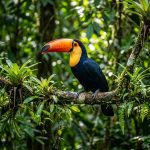
Did you know that the Bumblebee Hummingbird, the smallest bird in the world, measures only about two inches long? Found in the breathtaking mountain habitats of Cuba, this tiny marvel not only captivates bird enthusiasts with its vibrant colors but also plays a crucial role in maintaining the ecosystems of these high-altitude environments. As climate change increasingly affects avian populations, understanding the habits and habitats of the Bumblebee Hummingbird becomes vital for conservation efforts. Whether you’re an avid birder or simply curious about nature’s wonders, exploring the life of this remarkable little creature offers insights into both the beauty of our ecosystem and the importance of preserving it. Join me in uncovering the unique traits, behavioral patterns, and care requirements of the Bumblebee Hummingbird, and discover how you can contribute to its conservation while deepening your appreciation for the diverse world of birds.
Bumblebee Hummingbird Overview: Fascinating Facts
The Bumblebee Hummingbird is a marvel of nature, holding the title of the smallest bird in the world, weighing in at just about 2.0 grams and measuring less than 2.5 inches in length. These diminutive creatures, native to the high-altitude regions of Cuba and the Isla de la Juventud, are not only fascinating due to their size but also because of their remarkable adaptations. For birdwatchers and enthusiasts alike, observing the Bumblebee Hummingbird flit around its mountainous habitat is an unforgettable experience, as they hover in mid-air like tiny iridescent jewels.
What truly sets the Bumblebee Hummingbird apart is its exceptional ability to maneuver in diverse environments. Their wings beat at an astonishing rate of up to 80 beats per second, allowing them to hover in place and dart quickly in any direction. This incredible agility is not just for show; it plays a critical role in their feeding habits, as they extract nectar from small flowers with their specialized long, slender bills. The bees of the avian world excel in their role as pollinators, inadvertently aiding the plants they visit while feeding.
When it comes to social interactions, Bumblebee Hummingbirds exhibit both solitary and competitive behaviors, often establishing territories rich in food resources. Males can often be seen engaging in aerial displays to assert dominance over their feeding grounds. This behavior is vital not only for their survival but also for mating rituals, as females prefer males with established territories, indicating good foraging skills.
Understanding the ecology and behavior of the Bumblebee Hummingbird enriches the birdwatching experience, making each sighting more meaningful. Whether you’re a novice or a seasoned birder, learning about these tiny titans opens the door to appreciating the delicate balance of nature they represent. Their existence is a reminder of the importance of conservation efforts in their mountainous habitats-ensuring future generations can also marvel at such a remarkable species.
Habitat Preferences: Where Bumblebee Hummingbirds Thrive
Nestled in the lush greenery of Cuba and the Isla de la Juventud, the Bumblebee Hummingbird finds its sanctuary amidst high-altitude microhabitats. This remarkable bird is often spotted fluttering near wildflowers, thriving in environments where nectar-rich plants abound. They favor mountainous regions, typically residing between 1,200 and 2,500 meters above sea level, where the cool, moist air supports a diverse flora that is essential for their survival.
Nesting and Roosting Preferences
Bumblebee Hummingbirds usually build their nests hidden in dense foliage or among moss and lichen on cliffs and trees, providing crucial protection from predators. The nests are small, well-camouflaged, and constructed with plant materials, feathers, and spider silk. This strategic choice of location not only offers safety but also ensures close access to food sources, allowing them to forage efficiently throughout the day.
Feeding Habitats
The presence of specific flowering plants plays a pivotal role in their habitat preferences. Bumblebee Hummingbirds are particularly attracted to tubular flowers, which match their long bills perfectly, enabling them to extract nectar with precision. Native plants such as Hibiscus and various Heliconia species are vital to their diet, and these locations often overlap with areas that have abundant sunlight, offering ideal conditions for foraging. These birds also exhibit a territorial nature over high-quality feeding sites, which they defend vigorously against intruders.
In understanding the Bumblebee Hummingbird’s habitat preferences, we can appreciate the intricate balance within their ecosystem. For those interested in birdwatching or conservation efforts, recognizing the importance of preserving mountainous regions and their unique plant life is crucial. By protecting these environments, we ensure not only the survival of the Bumblebee Hummingbird but also the diversity of life that thrives in these stunning landscapes.
Physical Characteristics: The World’s Smallest Bird
Among the myriad of feathered wonders that grace our planet, the Bumblebee Hummingbird holds a unique distinction as the world’s smallest bird. This pint-sized marvel measures a mere 2.0 to 2.4 inches in length and weighs approximately 1.6 to 2.0 grams. To put this into perspective, a Bumblebee Hummingbird is roughly the size of a large marble! Such diminutive proportions do not detract from their vibrant presence; their dazzling plumage displays iridescent greens and blues that shimmer in the sunlight, making them appear like living jewels flitting through the air.
These tiny birds are not only visually captivating, but their energetic lifestyles are equally remarkable. With their incredibly rapid wing beats-ranging from 50 to 80 flaps per second-Bumblebee Hummingbirds possess extraordinary agility in flight. This ability allows them to hover with expert precision while feeding, enabling them to dart between flowers in search of nectar. Their long, slender bills are perfectly adapted for probing deep into tubular flowers, such as those of the Hibiscus and Heliconia plants, effectively attracting them to their high-altitude habitats in Cuba and Isla de la Juventud.
Notably, the Bumblebee Hummingbird’s tiny stature poses challenges for survival, particularly in terms of energy consumption. To sustain their vibrant lifestyles, these birds must fuel their bodies with a diet rich in nectar, supplemented by small insects and spiders for protein. In fact, they consume up to twice their body weight in food each day! As fervent foragers, they frequently visit multiple flowers, exhibiting a unique commitment to maintaining their energy levels while also playing a crucial role in pollination.
Understanding the physical traits of the Bumblebee Hummingbird not only enriches our appreciation of this extraordinary species but also emphasizes the importance of conserving their fragile habitats. By protecting the mountainous regions and diverse flora that support them, we contribute to the survival of this enchanting bird and the broader ecosystem it inhabits.
Diet and Feeding Habits: Nectar and Beyond
To sustain their bustling lives in the high-altitude habitats of Cuba and Isla de la Juventud, Bumblebee Hummingbirds rely heavily on a diet primarily composed of nectar. These remarkable little birds possess specialized adaptations for feeding, most notably their long, slender bills which allow them to access nectar deep within tubular flowers. Common favorites include Hibiscus and Heliconia, where they can hover effortlessly, drawing the sweet liquid essential for their energy upkeep.
Nectar: The Primary Fuel
The high-energy demands of Bumblebee Hummingbirds necessitate a diet that is not only rich in carbohydrates but also frequent. They can consume up to twice their body weight in nectar daily! As they flit from bloom to bloom, they play an essential role in pollination, inadvertently transferring pollen and helping flowering plants reproduce. This relationship is mutually beneficial-plants rely on hummingbirds for reproduction, while the birds receive the energy they need from nectar.
Supplementing Their Diet
While nectar forms the core of their sustenance, these tiny birds also require protein to support their high metabolic rates and muscle function. Bumblebee Hummingbirds supplement their diet with small insects and spiders, which they skillfully capture in mid-air or forage from leaves. This insect protein is crucial, especially during breeding season when energy needs are at their peak.
Behavioral Feeding Patterns
Being diligent foragers, Bumblebee Hummingbirds exhibit interesting feeding behaviors. They often visit the same flowers repeatedly; however, they prefer fresh blooms when possible to optimize their energy intake. In a typical feeding session, you can observe them briefly guarding preferred feeding sites against intruders, asserting their dominance in a colorful display of agility and bravado.
Utilizing a few strategic tips can enhance your experience in attracting these charming birds to your garden. Planting a variety of nectar-rich flowers and ensuring a constant water supply will create an inviting environment for Bumblebee Hummingbirds, allowing you to witness their captivating feeding rituals up close. Creating a thriving habitat not only supports these enchanting birds but also contributes positively to the ecosystem.
Behavioral Traits: Social Interactions and Territoriality
In the vibrant world of the Bumblebee Hummingbird, social interactions and territorial behaviors are fascinating aspects of their daily lives. These tiny marvels, despite their petite stature, display remarkable assertiveness, particularly when it comes to claiming and defending their feeding territories. During the breeding season, males become especially aggressive, vigorously patrolling and protecting a defined area that includes their favorite nectar-rich plants. Observing them dart through their claimed spaces, often utilizing sharp aerial maneuvers, can be both thrilling and educational for birdwatchers.
Territorial Displays
Males engage in a variety of territorial displays to ward off rivals. These displays often include vibrant aerial acrobatics and aggressive chattering calls, which can serve as both a warning and a show of dominance. If another male encroaches, expect to see a flurry of activity, as they whip around in dazzling, high-speed flights, showcasing their iridescent plumage. As a birdwatcher, you might catch these captivating exchanges, where the stakes are high but the spectacle is breathtaking.
Social Interactions
While Bumblebee Hummingbirds are generally solitary, they do have social interactions, especially in overlapping feeding territories during peak nectar availability. You might spot several individuals visiting the same flower patches, and here, social hierarchy comes into play. Dominant birds often take the prime feeding spots while subordinates wait patiently or try to sneak a sip when the opportunity arises. This behavior highlights not only their competitive nature but also their adaptability to share resources when necessary.
Adding to their charismatic appeal, Bumblebee Hummingbirds also partake in brief social interactions outside of feeding. They may engage in chases, which can look like playful games between mates or rivals, promoting both pair bonding and territory establishment. For those looking to attract these energetic birds, providing a variety of flowers can help create a communal space that encourages the vibrant social dynamics witnessed in nature.
By understanding these behavioral traits, birders can appreciate not just the beauty but also the rich social tapestry of Bumblebee Hummingbirds. Documenting these interactions can deepen your connection to these remarkable creatures while enhancing your experience as an observer in their enchanting world.
Breeding and Nesting: Life Cycle of the Bumblebee Hummingbird
The breeding season of the Bumblebee Hummingbird is a remarkable time that showcases the intricate life cycle of these tiny wonders. Known to be one of the smallest birds in the world, they exhibit a fascinating combination of courtship displays and nurturing behavior that captivates both seasoned birdwatchers and novices alike. The male Bumblebee Hummingbird engages in stunning aerial displays, showcasing his vibrant plumage to attract a mate. Once a female chooses her partner, the pair remains together temporarily for the purpose of mating, after which the male departs, often looking for other mates.
Nest building is a meticulous process. The female selects a suitable location in their mountainous habitat-often on the underside of leaves or in dense shrubs-where she can find shelter from the elements and predators. Utilizing a variety of natural materials such as plant fibers, spider silk, and feathers, she crafts a tiny yet durable nest. This structure is often no larger than a thimble, demonstrating the incredible engineering of such a small bird. The nest is lined with soft materials to cushion the eggs, ensuring a comfortable environment for the young chicks once they hatch.
Once the eggs are laid-typically two per clutch-the female takes on the sole responsibility of incubation, which lasts about 14 to 19 days. During this time, her commitment to the eggs is unwavering. After the eggs hatch, the demanding task of feeding the chicks begins. The female feeds her young by regurgitating nectar and small insects, which provide essential proteins and nutrients for growth. As the chicks develop, they quickly grow in size and strength, preparing for their eventual independence.
Nurturing extends beyond mere feeding; the female needs to vigilantly guard the nest from potential threats, including larger birds and other predators. This protective behavior continues until the chicks are ready to fledge, typically around three weeks after hatching. Once they leave the nest, the young Bumblebee Hummingbirds must quickly learn to navigate their mountainous habitat and find food sources, marking the next exciting stage in their lives. Understanding their breeding and nesting behavior provides insight into the resilience and adaptability of these remarkable birds, enriching our appreciation for the Bumblebee Hummingbird’s life cycle.
Conservation Status: Threats and Protective Measures
The Bumblebee Hummingbird, a marvel of evolution and the world’s smallest bird, faces numerous challenges in its mountainous habitat that threaten its survival. As climate change continues to impact ecosystems globally, these tiny birds are feeling the pinch. Increasing temperatures can lead to habitat loss and alter the blooming periods of the flowers they rely on for nectar. Additionally, habitat destruction from human activities such as deforestation and urban expansion reduces the available feeding and nesting sites, making it increasingly difficult for the Bumblebee Hummingbird to thrive.
Conservation efforts are vital to ensuring the future of this exquisite species. Implementing initiatives that protect their mountainous habitats is crucial. This can include the establishment of reserves and protected areas that safeguard critical environments where these hummingbirds breed, feed, and migrate. Restoring natural habitats, combating invasive plant species, and planting native flora can also enhance their foraging opportunities and nesting security.
Bird enthusiasts and conservationists can contribute by creating a supportive environment at home. Planting native flowering plants that bloom synchronously during the hummingbird’s migration and breeding seasons can provide essential food sources. Utilizing organic gardening practices reduces pesticide exposure, ensuring a safer environment for these delicate creatures.
Engagement in citizen science projects allows enthusiasts to gather valuable data on Bumblebee Hummingbird populations and distributions. By reporting sightings and contributing to biodiversity databases, birders can aid in the efforts to monitor and assess the health of this remarkable species. Together, through informed actions and dedicated advocacy, we can help protect the Bumblebee Hummingbird and ensure that future generations can enjoy watching this extraordinary bird flit through the vibrant wilderness.
Bumblebee Hummingbird vs. Other Hummingbirds: Key Comparisons
The Bumblebee Hummingbird is not just remarkable for its diminutive size but also stands out among the diverse family of hummingbirds due to its unique adaptations and behaviors. With a length of only 2.2 inches (5.5 cm), it is the smallest bird in the world, making it a fascinating contrast to its larger relatives such as the Ruby-throated or Anna’s Hummingbird. While these larger species might frequent gardens and backyards across North America, the Bumblebee Hummingbird is predominantly found in the high-altitude regions of Cuba and the Isla de la Juventud, where it elegantly darts between flowers in search of nectar.
Physical Comparisons
When comparing the Bumblebee Hummingbird with other species, size is the most striking difference. The larger Ruby-throated Hummingbird can reach lengths of about 3.5 to 4 inches (9 to 10 cm), showcasing a wider range of colors and an ability to dominate feeding territories. In contrast, the Bumblebee’s need to conserve energy due to its size and environmental conditions leads to shorter bursts of iridescent flight, often hovering momentarily to feed before moving on to the next blossom.
Behavioral Traits
Behaviorally, the Bumblebee Hummingbird often exhibits more solitary tendencies compared to species like the Broad-tailed Hummingbird, which are known for their aggressive territorial displays. This solitary nature allows the Bumblebee to navigate the often sparse mountainous environment it inhabits. Additionally, while it’s common for larger hummingbirds to establish clear nesting territories, the Bumblebee Hummingbird’s smaller size often results in more compact nesting areas hidden within foliage, providing them with better concealment from predators.
Feeding Habits and Adaptations
In terms of diet, the Bumblebee Hummingbird has specialized adaptations that enable it to extract nectar from smaller, tubular flowers, which are less accessible to larger species. They may consume nectar from plants such as the Cuban trumpet flower, a crucial food source in their habitat. In contrast, other hummingbirds, like the Anna’s Hummingbird, utilize a broader diet that can include insects and spiders for protein, reflecting their adaptability to diverse ecosystems.
For birdwatchers and enthusiasts alike, understanding these comparisons not only enhances appreciation for the Bumblebee Hummingbird’s niche but also aids in identifying and conserving its mountainous habitat. Whether observing their unique feeding behaviors or understanding their solitary nature, each observation contributes to a richer understanding of these captivating avian wonders.
How to Attract Bumblebee Hummingbirds: Tips for Birdwatchers
Attracting the elusive Bumblebee Hummingbird requires understanding their specific habitat and feeding preferences. Given their natural inclination towards high-altitude regions, creating an environment that mimics their mountainous homes is essential for enticing them into your space. One of the most effective methods is to plant native flowers that produce tubular blossoms rich in nectar. Varieties such as the Cuban trumpet flower or other local species in your area that resemble this form can be quite attractive to these tiny birds.
Furthermore, it’s beneficial to incorporate feeders filled with a sugar-water solution (one part sugar to four parts water) to supplement their diet, especially during migration seasons. Ensure your feeders are cleaned regularly to prevent mold, which can quickly deter these delicate creatures. Position these feeders in areas that are partially shaded and close to shelter, such as bushes or trees, where hummingbirds feel safe from predators and can easily dart in and out.
For those keen on observing these birds, patience is key. Setting up a quiet observation area where you can sit and watch the feeders or the flowers will increase your chances of spotting a Bumblebee Hummingbird. Pay attention to their behavior; they are quick and agile, often darting between flowers and hovering for brief moments. Having binoculars handy will enhance your viewing experience.
Creating a welcoming environment doesn’t just stop at food sources. Minimizing pesticide use in your garden will help protect the Bumblebee Hummingbirds and other pollinators, ensuring their survival. Each small step contributes to a healthier ecosystem, offering you and other bird lovers a unique opportunity to witness the wonder of these remarkable hummingbirds in your very own backyard.
Documenting Bumblebee Hummingbirds: Best Practices for Observation
The Bumblebee Hummingbird, renowned as the world’s smallest bird, offers a breathtaking spectacle of agility and color that can leave any birdwatcher mesmerized. To effectively document your encounters with these remarkable creatures, begin by positioning yourself in a quiet, unobtrusive spot where the hummingbirds frequent. This often means setting up near nectar-rich flowers or feeders, especially during their peak activity times, which are typically early in the morning or late in the afternoon.
A good pair of binoculars is essential for observation; they allow you to capture the minute details of a Bumblebee Hummingbird’s behavior without intruding on their space. Take notes on their feeding patterns, flight styles, and social interactions among individuals. You may observe that they are highly territorial, aggressively defending their feeding spots from intruders. Keeping a field journal can enhance your experience, allowing you to record not only the physical characteristics of the birds but also their unique behaviors.
To capture high-quality images, consider using a camera with a fast shutter speed to freeze their rapid movements. The best photographs often result from a combination of patience and timing, so be prepared to spend time waiting for that perfect moment when the hummingbird hovers or darts between blossoms. Additionally, learn about their specific calling sounds; familiarizing yourself with these can help you locate them more easily when they may be hidden from view.
Lastly, respect their habitat. Avoid using harsh chemicals nearby and maintain a clean feeding environment to minimize risks to the birds. Observing the Bumblebee Hummingbird not only enriches your knowledge of these enchanting birds but also contributes to the broader understanding of their ecological roles. The joy of observing such delicate and lively creatures is a rewarding experience that fosters a deeper connection to nature.
Cultural Significance: Symbolism and Myths Surrounding This Bird
The Bumblebee Hummingbird, despite its tiny stature, holds a wealth of cultural significance that resonates deeply with many communities, particularly in its native habitat in the mountainous regions of Cuba. Revered for its vibrant plumage and astonishing agility, this diminutive bird has captured the imaginations of local folklore and artistic expression alike. It’s often associated with themes of joy, love, and resilience, mirroring its dynamic aerial displays that bring life to the spaces it inhabits.
In various cultures, the Bumblebee Hummingbird symbolizes hope and transformation. People often liken its rapid movements and ability to hover in mid-air to the unpredictable nature of life. Its presence in gardens and natural settings is celebrated as a sign of good fortune, encouraging those who observe it to embrace change and maintain a positive outlook even in challenging times. The intricate dance of the hummingbird becomes a metaphor for adaptability and the beauty found in life’s fleeting moments.
Interestingly, this tiny bird also plays a role in the environmental narratives of its region. As a vital pollinator, it contributes significantly to the health of local ecosystems, and in many traditions, it is seen as a guardian of flora. Protecting the Bumblebee Hummingbird and its habitats is not just a matter of environmental concern; it is also a cultural imperative, reflecting a community’s respect for nature and its interconnectedness with human life.
Birdwatchers and culturally curious individuals often seek the Bumblebee Hummingbird as an emblem of beauty and vitality. To attract these remarkable creatures, planting native flowers that produce abundant nectar may not only enhance the local biodiversity but also establish a meaningful connection between people and nature. Whether you are a novice birdwatcher or a seasoned naturalist, understanding and appreciating the cultural significance of the Bumblebee Hummingbird can deepen your experience and engagement with the natural world around you.
Frequently asked questions
Q: What is the habitat of the Bumblebee Hummingbird?
A: The Bumblebee Hummingbird thrives in mountainous regions, often found at elevations of around 1,000 to 2,500 meters in Cuba and the Isle of Youth. It prefers environments with abundant flowering plants, which provide the nectar essential for its diet. For more, see “Habitat Preferences: Where Bumblebee Hummingbirds Thrive.”
Q: How small is the Bumblebee Hummingbird compared to other birds?
A: The Bumblebee Hummingbird, measuring about 2.2 to 2.4 inches long, is the world’s smallest bird. Its diminutive size makes it comparable to a bumblebee-hence its name. Explore more in “Physical Characteristics: The World’s Smallest Bird.”
Q: What do Bumblebee Hummingbirds eat besides nectar?
A: In addition to nectar, Bumblebee Hummingbirds consume small insects and spiders, providing essential protein. This diverse diet helps them maintain energy levels, especially during breeding seasons. Check out “Diet and Feeding Habits: Nectar and Beyond” for further details.
Q: Why are Bumblebee Hummingbirds important for their ecosystem?
A: Bumblebee Hummingbirds play a vital role as pollinators in their mountainous habitats. By transferring pollen from flower to flower while feeding, they help plants reproduce, maintaining ecological balance. Learn more about their role in “Cultural Significance: Symbolism and Myths Surrounding This Bird.”
Q: When do Bumblebee Hummingbirds breed?
A: Bumblebee Hummingbirds typically breed between March and June, with females constructing small, cup-shaped nests. They usually lay two eggs per clutch and can raise multiple broods in a season. This lifecycle is discussed in depth in “Breeding and Nesting: Life Cycle of the Bumblebee Hummingbird.”
Q: Where can I find Bumblebee Hummingbirds in the wild?
A: You can find Bumblebee Hummingbirds primarily in Cuba and the Isle of Youth. They frequent gardens and areas with flowering plants at higher elevations. For birdwatching tips, refer to “How to Attract Bumblebee Hummingbirds: Tips for Birdwatchers.”
Q: What threats do Bumblebee Hummingbirds face?
A: Bumblebee Hummingbirds face threats from habitat loss, climate change, and pesticide use impacting their food sources. Conservation efforts are crucial to protect their populations. More details can be found in “Conservation Status: Threats and Protective Measures.”
Q: How can I observe Bumblebee Hummingbirds safely?
A: Observing Bumblebee Hummingbirds can be thrilling! Use binoculars to avoid disturbing them. Offer sugar-water feeders to attract them closer and record your sightings in a diary. Documenting these interactions is discussed in “Documenting Bumblebee Hummingbirds: Best Practices for Observation.”
The Conclusion
As we conclude our exploration of the Bumblebee Hummingbird, we hope you’ve gained valuable insights into this remarkable species and its unique mountain habitat. These tiny birds exemplify resilience and adaptation, showcasing nature’s brilliance in every flutter of their wings. If you’re eager to learn more about attracting these vibrant creatures to your garden or wish to dive deeper into their behaviors and care requirements, check out our detailed guides on creating hummingbird-friendly environments and understanding their feeding habits.
Don’t miss out on future updates! Subscribe to our newsletter for expert tips and exclusive content that will enhance your birdwatching experience. We invite you to share your thoughts and experiences in the comments below or explore our related articles on other fascinating hummingbird species and their habitats. Your journey in the world of birds is just beginning-let’s keep learning together!
Get our latest guides, news, and insights highlighted in your Google Search & AI Overviews.