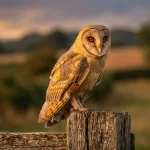
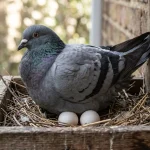
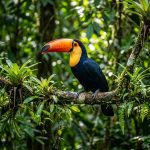
Did you know that there are over 11,000 species of birds across the globe, ranging from the tiny bee hummingbird to the colossal ostrich? Welcome to “Your Complete Avian Information Resource Hub,” your go-to source for everything related to our feathered friends. Whether you are a curious beginner looking to understand basic bird behavior or an experienced birdwatcher seeking to identify rare species, this hub is designed to cater to your needs. Here, you’ll find rich descriptions, care guides, and valuable insights about bird species, behavior, and conservation efforts. Dive into our sections on specific species, practical tips for bird care, and fascinating cultural perspectives surrounding avian life. Join us on this avian adventure and unlock the wonders of the bird world!
Understanding Avian Biology: Your Guide to Bird Anatomy and Physiology

Birds are remarkable creatures, showcasing an incredible adaptation that allows them to thrive in diverse environments. Their anatomy is specially designed to facilitate flight, communication, and survival. Central to understanding avian biology is recognizing how various systems work together harmoniously. For instance, the lightweight skeleton, composed mostly of hollow bones, not only reduces body weight but also maintains strength, allowing for agile flying. Birds also possess a unique respiratory system featuring air sacs that provide a continuous flow of air through their lungs, ensuring high oxygen intake during strenuous activities like flying.
Key Anatomical Systems
The anatomy of birds can be categorized into several key systems that highlight their evolutionary adaptations:
- Skeletal System: Birds have a lightweight, rigid skeleton that supports flight. Their bones are fused in ways that enhance strength while minimizing weight.
- Muscular System: The strong flight muscles, particularly the pectoralis major, enable powerful wing strokes, while other muscles serve vital functions such as perching and locomotion.
- Digestive System: Birds possess unique adaptations like the crop and gizzard that aid in the rapid processing of food, allowing for efficient energy extraction necessary for flight.
- Nervous System: Birds exhibit highly developed brains relative to their body size, particularly in areas responsible for vision and communication, essential for their survival and social interactions.
Understanding these systems not only enriches our appreciation for avian species, but it also plays a crucial role in the care and husbandry of pet birds. For example, knowledge about their respiratory system emphasizes the need for proper ventilation in their living spaces, while an appreciation for their digestive needs can guide appropriate dietary choices.
As you delve into the world of birds, whether as an enthusiast or a pet owner, knowing about their anatomy and physiology can greatly enhance your experience, ensuring that you provide a supportive and enriching environment for these fascinating creatures.
Choosing the Right Pet Bird: Popular Species for Every Lifestyle

When selecting a pet bird, it’s essential to consider not just the species but also how their unique traits will fit into your lifestyle. Birds are intelligent, social creatures, and the right choice can lead to a fulfilling companionship that enriches both your life and theirs. Different species come with varied care requirements, temperaments, and social needs, so understanding these aspects is crucial to making an informed decision.
Small and Sociable: Budgerigars
Budgerigars, commonly known as budgies, are one of the most popular pet birds. Their small size, vibrant colors, and playful personalities make them a favorite among bird enthusiasts. Budgies are highly social and thrive on interaction, requiring daily engagement with their owners or companions. They are relatively easy to care for, needing a balanced diet that includes seeds, pellets, and fresh vegetables, alongside regular cage cleaning and socialization time outside the cage.
Charming Companions: Cockatiels
Cockatiels are another fantastic choice for novice and experienced bird owners alike. Known for their affectionate nature and ability to mimic sounds, these medium-sized birds display a range of charming behaviors, from whistling to head bobbing. Cockatiels require a bit more space than budgies and may need a large cage that allows for plenty of perching and flying opportunities. Their diet includes seeds, pellets, and occasional fruits and vegetables, and they thrive on interactive play and social bonds.
Colorful and Intelligent: Lovebirds
Lovebirds are small, vibrant birds known for their strong pair bonds and curious nature. Often kept in pairs, these birds are lively and spirited, making them entertaining companions. They need ample stimulation and social interaction, as lack of attention can lead to destructive behaviors. Lovebirds require a similar diet to other parrots, consisting of pellets, fresh produce, and occasional seeds. Their social needs mean they might not be the best choice for individuals who spend long hours away from home.
The Larger, the Better: Parrots
If you’re looking for a more interactive and engaging companion, consider larger parrots such as African Greys or Amazons. These birds are renowned for their intelligence and extensive vocal abilities. However, their care requirements are more significant due to their long lifespan-often exceeding 50 years-and their need for large cages and complex diets. They thrive on mental stimulation and social interaction, making them best suited for owners who can dedicate considerable time to their care.
| Species | Size | Life Expectancy | Social Needs |
|---|---|---|---|
| Budgerigar | Small | 5-10 years | High |
| Cockatiel | Medium | 10-15 years | Moderate |
| Lovebird | Small | 10-15 years | High |
| African Grey Parrot | Large | 50+ years | Very High |
Ultimately, the best pet bird for you will align with your lifestyle, space, and the amount of time you can dedicate to interacting with and caring for your feathered friend. Researching each species’ specific needs and characteristics will lead you to a joyous and rewarding avian companionship. Whether you choose a lively budgie or a vocal parrot, each bird has the potential to fill your home with love and laughter, making the journey of bird ownership a truly exceptional experience.
Essential Bird Care: Feed, Housing, and Health Tips
When it comes to ensuring the well-being of your feathered friend, understanding the essentials of bird care is paramount. A well-cared-for bird is not only happier but also healthier and more engaging as a companion. Proper diet, housing, and health care are crucial components in keeping your avian companion thriving, and luckily, they aren’t as complicated as they may seem.
Balanced Nutrition for Optimal Health
Feeding your bird the right diet is fundamental to its overall health. Each species has unique nutritional requirements, but a general guideline includes a base of high-quality pellets supplemented with fresh fruits, vegetables, and occasional seeds. Here’s a closer look at dietary essentials:
- Pellets: These should form the bulk of your bird’s diet. They are specially formulated to provide complete nutrition.
- Fresh Produce: Leafy greens like kale and vegetables such as carrots are great. Fruits like apples, bananas, and berries can be offered in moderation.
- Seeds: While seeds are often a favorite treat, they should only be given as a supplement due to their high fat content.
Make sure to avoid harmful foods such as avocado, chocolate, and caffeine, which can be toxic to birds. Fresh water should always be available in a clean bowl, and it’s important to change it daily to prevent bacterial growth.
Creating a Comfortable Habitat
Birds require space to move, play, and explore. Choosing the right cage is crucial, as it can significantly impact your pet’s health and happiness. A cage should be spacious enough for your bird to spread its wings fully and incorporate perches, toys, and even climbing areas. Here are some tips for setting up their habitat:
- Cage Size: Ensure your bird’s cage is appropriate for their size and species. For example, larger parrots need much larger cages compared to smaller species like budgerigars.
- Perches: Use perches of varying diameters and textures to promote foot health. Natural wood perches are ideal.
- Toys: Engage your bird’s mind and prevent boredom with a variety of toys, such as chew toys, foraging toys, and swings.
Regular cleaning is also essential. Waste can quickly accumulate, leading to health issues; clean the cage bottom and dishes daily, and perform a deep clean weekly.
Health Check: Regular Monitoring and Veterinary Care
Monitoring your bird’s health is crucial, as birds can be quite adept at hiding illness. Pay attention to changes in behavior, appetite, and droppings. Routine health checks should include:
- Regular Vet Visits: Schedule annual check-ups with an avian veterinarian who can provide vaccinations and check for any underlying issues.
- Signs of Illness: Look out for lethargy, changes in vocalizations, feather plucking, or any unusual droppings.
- Grooming Needs: Depending on the species, your bird may need regular nail clipping and beak maintenance.
A well-maintained diet, a safe and stimulating environment, and regular health checks can make a significant difference in your bird’s quality of life. With these tools in your avian care arsenal, you’re equipped to provide a nurturing and fulfilling home for your feathered companion. Enjoy the unique joy that comes with bird ownership, filled with vibrant personalities and joyful interactions!
Bird Behavior Explained: Understanding Avian Communication

Understanding how birds communicate is not only fascinating, but it also deepens our bond with these incredible creatures. Birds possess a rich repertoire of vocalizations and body language that conveys a range of emotions, needs, and social cues. From the cheerful chirping of a budgerigar to the complex songs of a canary, each species has its unique set of sounds, and learning to interpret these signals can significantly enhance your experience as a bird owner or enthusiast.
Bird vocalizations can be broadly categorized into calls and songs. Calls are typically short, functional bursts of sound used to convey immediate messages, such as alerting others to danger or signaling that food is nearby. In contrast, songs are usually longer and more complex, often associated with mating rituals or territory establishment. For example, male songbirds use their elaborate songs to attract females and defend their territory from rivals. Observing these behaviors can provide insights into their social dynamics and individual personalities.
Listening to Your Bird
To foster better communication with your bird, it’s essential to spend time listening to its sounds. Here’s how you can engage with your feathered friend:
- Match Their Calls: When your bird vocalizes, try mimicking its sounds; this can encourage interaction and create a sense of connection.
- Observe Context: Pay attention to the situations in which your bird makes certain sounds. For instance, a sudden loud call may indicate distress, while soft cooing might signal contentment.
- Create a Routine: Establish consistent sounds for certain activities, like mealtime, which can help your bird learn to understand what to expect and when.
Body Language and Behavior
Birds also communicate using body language, which is equally important to understand. Their posture, movement, and feather positioning can reveal a lot about their mood. For instance, if your bird puffs up its feathers, it may be feeling threatened or trying to appear larger to scare off perceived threats. Conversely, a relaxed stance with wings slightly open often indicates comfort and security.
Here are some body language cues to observe:
- Head Bobbing: This often signifies excitement or a desire for attention.
- Tail Fanning: A bird might fan its tail to display dominance or express joy.
- Feather Ruffling: This behavior can indicate that your bird is relaxed and comfortable, or it may be preening itself.
By becoming attuned to your bird’s vocalizations and physical signals, you can respond to its needs more effectively and create a more enriching environment for both you and your pet. Engaging with your bird through communication not only fosters understanding but also strengthens the bond you share, transforming your relationship from mere companionship to one characterized by mutual respect and affection.
Training Your Bird: Effective Techniques for a Happy Pet
Training your bird effectively can transform your relationship, fostering a strong bond based on mutual respect and understanding. Birds are intelligent creatures capable of learning various behaviors through positive reinforcement, making training not only beneficial for their well-being but also an engaging activity for you as a bird owner. A well-trained bird is often happier, more confident, and better adapted to living harmoniously in your home.
A great way to start is by establishing a training routine. Consistency is key. Choose specific times of the day when your bird is most alert and receptive, typically in the morning or after a nap. Begin each session with a calm environment, free from distractions. For all training, use your bird’s favorite treats as rewards-this could be small pieces of fruit or seeds. Birds, especially parrots, are motivated by food, and presenting a reward can affirm that they’ve done well.
Basic Training Techniques
Here are some foundational techniques to get you and your pet started on the right foot:
- Step-Up Training: This is fundamental for teaching your bird to move onto your finger or a perch. Hold out your finger or a stick and provide a gentle pressure on their belly. When they step up, reward them immediately with praise and a treat.
- Target Training: Use a small stick or a finger as the target. Teach your bird to touch it with their beak, rewarding them for each successful touch. This technique can later be used to guide them in more complex behaviors.
- Basic Commands: Simple commands like “come” can be taught using a consistent phrase followed by encouragement and rewards when they respond. Start with short distances and gradually increase the challenge.
Socialization and Interaction
Training should not just be about commands; it’s also an opportunity for socialization. Introduce your bird to new environments, sounds, and people in a controlled manner. Building their confidence in diverse situations prepares them for a range of experiences. Remember to be patient-some birds may take longer to adjust and thrive in new settings.
For every training session, keep the atmosphere positive, and end on a good note, even if it means going back to a behavior they already know. This way, your bird associates training with fun and rewards.
By integrating training into your daily interactions with your bird, you’re not just enhancing their skills but also enriching their lives, ensuring they remain happy, healthy, and engaged as a cherished member of your family. Enjoy the journey of training, where you’ll discover firsthand the unique quirks and capabilities of your feathered companion!
Birdwatching Basics: How to Start Your Own Birding Journey
Engaging with the world of birdwatching opens a window to the vibrant lives of our feathered friends, offering an exhilarating mix of adventure, education, and connection with nature. Imagine standing quietly in a local park, binoculars in hand, and spotting a flash of color as a Scarlet Tanager flits between branches-this moment can ignite a lifelong passion. Whether you’re an urban dweller or a countryside resident, birdwatching is accessible to everyone, and starting your own birding journey is easier than you might think.
To kick off your exploration, invest in a decent pair of binoculars. Look for options with a magnification of 8x to 10x and a lens diameter of at least 40mm-this combination offers a good balance of weight and clarity, allowing you to spot birds from a distance without straining your arms or eyes. Familiarize yourself with local bird species by referring to field guides or apps that provide photos and calls; these tools can be invaluable in helping you identify the birds you encounter. Consider joining local birdwatching groups or online forums to share experiences and tips with fellow enthusiasts, which can enhance your knowledge and keep your motivation high.
Timing, too, plays a crucial role in successful birdwatching. Early mornings or late afternoons are often the best times to observe avian activity; during these hours, birds are more active and vocal as they search for food and establish territories. Pay attention to the seasonal changes as well; many species migrate, and knowing when to expect them in your area can turn a casual outing into an exciting quest. Look for various habitats such as wetlands, forests, and gardens, as different birds prefer different environments.
Lastly, keep a journal or log of your sightings, noting the date, location, and any interesting behaviors observed. This practice not only enhances your observational skills but also creates a personal record of your birdwatching journey-a reminder of your adventures and discoveries. Birdwatching is not just about spotting a rare species; it’s about cultivating patience, appreciation, and a deeper connection to the natural world around you. So grab your binoculars, step outside, and dive into the lively, enchanting world of birds!
Identifying Birds: Tips for Species Recognition and Field Guides
One of the most exhilarating aspects of birdwatching is the challenge of identifying the myriad species that flit about our urban parks, forests, and wetlands. Did you know that there are over 900 species of birds in North America alone? Each has its own unique traits, so honing your identification skills is essential. The first step in bird identification is observation-you’ll want to take notice of the bird’s size, shape, color patterns, and behaviors. For example, comparing a small, energetic American Goldfinch with a larger, more sedate American Robin can quickly eliminate confusion.
Utilizing field guides is invaluable for both beginners and experienced birders. These books or apps provide detailed illustrations, photographs, and descriptions of each species, along with their calls, habitats, and behaviors. When using a field guide, I recommend starting with the *shape* and *size* categories to narrow down your possibilities. For instance, note if the bird has a stout body with a short tail or an elongated body with a long beak. Then, pay attention to distinctive features such as markings on the wings or forehead that might help you pinpoint the species.
Tips for Effective Bird Identification
- Observe Behavior: Watch how the bird interacts with its environment. Does it forage on the ground or flit between branches? Is it singing or calling? Certain behaviors can indicate specific families or species.
- Listen for Calls: Many birds are more easily identified by their songs or calls, which are often unique to each species. Using audio guides or apps can help you learn these sounds over time.
- Note Habitat: Different species prefer different habitats. Look for birds in wetlands, forests, grasslands, and urban areas to narrow down your search. For example, you’re less likely to spot a Bald Eagle in a dense forest than near a large body of water.
- Use Seasonal Changes: Migratory patterns significantly affect which birds are present during certain times of the year. Familiarize yourself with seasonal visitors in your area to optimize your sightings.
By applying these techniques systematically-taking notes, using visual guides, and memorizing calls-you equip yourself with the tools to recognize and appreciate the rich tapestry of avian life around you. Bird identification can be a deeply rewarding pursuit that enhances your connection to nature and enriches your birdwatching experience. Remember, even seasoned birders sometimes need to consult their guides-so don’t be discouraged! Get out there, stay curious, and enjoy every moment spent amongst our feathered friends.
Creating a Bird-Friendly Environment: Tips for Backyard Habitats
Creating a vibrant, bird-friendly environment in your backyard can transform your outdoor space into a haven for feathered visitors. Did you know that even minor modifications can significantly attract various bird species? Enhancing your yard starts with understanding their needs: food, water, shelter, and safety. Each of these elements plays a crucial role in drawing birds in and keeping them around.
One of the simplest yet most effective ways to invite birds into your space is through a diverse feeding strategy. You can cater to a wide array of birds by providing different types of food: sunflower seeds for finches, suet for woodpeckers, and nectar for hummingbirds. Consider investing in various feeders to accommodate these preferences; platform feeders attract ground-feeding species, while tube feeders are preferred by smaller birds. Remember to keep feeders clean and filled year-round, as this builds a reliable food source that birds will return to.
Water is just as important as food. A birdbath can serve as a refreshing oasis, especially during hot summer months and freezing winters. Choose a shallow basin with gently sloping sides to meet the bathing and drinking needs of different bird species. Adding a solar-powered fountain can create a delightful trickling sound and movement, attracting birds who are often drawn to the sight and sound of water. Make sure to change the water regularly to keep it clean, which helps prevent the spread of disease.
Incorporating native plants into your landscaping not only beautifies your yard but also supports local wildlife. Native shrubs, trees, and flowers provide natural food and nesting sites and can significantly increase the biodiversity of birds. For example, planting berry-producing shrubs like elderberry or serviceberry can attract thrushes, robins, and other fruit-loving birds. Additionally, leaving some areas of your garden a bit wild can create safe nesting spots. Dead trees or log piles can also serve as excellent habitats for insects, which in turn provide food for insectivorous birds.
Lastly, ensuring a safe environment is key to encouraging birds to visit. Minimize hazards like outdoor cats and provide some cover through shrubs or trees where birds can perch and hide from predators. By thoughtfully considering food, water, housing, and safety, you can create a backyard that welcomes a variety of birds, enriching your daily experience as you observe their fascinating behaviors and interactions.
Exploring Bird Migration: Patterns, Reasons, and Research
Every year, billions of birds undertake some of the most astonishing journeys on our planet, migrating vast distances to find favorable habitats for breeding, feeding, and shelter. These migrations demonstrate incredible adaptations and are influenced by a mix of environmental cues such as changing weather, daylight hours, and food availability. Understanding the intricacies of bird migration is essential for anyone passionate about birds, whether you’re a seasoned birdwatcher or just beginning your avian journey.
Bird migration patterns can be categorized broadly into two types: seasonal migrations and nomadic behavior. Most migratory species travel between breeding grounds in the north and wintering grounds in the south. For instance, many North American songbirds leave their summer homes to escape harsh winters in search of warmer climates. This behavior is primarily driven by the need for food and optimal living conditions, which become scarce as winter approaches. Other species, like the Red-tailed Hawk, may exhibit a more nomadic lifestyle, adjusting their movements based on local food availability rather than a strict seasonal schedule.
Factors that affect migration aren’t just limited to food. Understanding the reasons behind these migrations includes acknowledging various environmental pressures and genetic predispositions. Birds are remarkably tuned into their surroundings, using the Earth’s magnetic field, the position of the sun, and even landmarks to navigate. Notably, avian behavior during migration can be affected by climate change, altering migration timing and routes. Observing these patterns can be an enlightening experience for birdwatchers, as witnessing a flock of migrating geese or a solitary hawk soaring overhead connects us to the broader ecosystem.
Research into bird migration has become increasingly sophisticated, enhanced by technology like satellite tracking and weather radar. These advancements allow scientists to gain insights into migratory routes, stopover sites, and the timing of migrations. For example, platforms like BirdCast provide real-time data on bird migration events, illustrating when and where birds are moving, which can enhance both birdwatching experiences and conservation efforts.
To see this migration in action, consider preparing for peak migration periods in your region by enhancing your birdwatching skills. Whether you’re setting up in a local park or your backyard, having binoculars, a field guide, and a notebook ready can enrich your observations. You might also join local birdwatching groups or online forums where avid birders share their findings and experiences. Embrace the thrill of bird migration-you might just witness the beauty of nature unfolding right above you.
Conservation Efforts: How to Help Protect Endangered Birds
The plight of endangered birds is a pressing issue that resonates deeply with bird enthusiasts and conservationists alike. Did you know that approximately 1,400 bird species worldwide are currently facing the threat of extinction? This urgent scenario calls for collective action and awareness, giving each of us the power to make a significant difference in protecting these majestic creatures.
One of the most effective ways to contribute to bird conservation is through supporting and participating in local and global conservation organizations. Joining groups like the Audubon Society or local conservation trusts can enhance your understanding of local bird populations and their habitats. These organizations often host events, such as bird counts and habitat restoration projects, where you can volunteer your time and efforts. These engagements not only support conservation initiatives but also connect you with like-minded individuals who share your passion for avian life.
Habitat Preservation is crucial for protecting endangered bird species. By advocating for and supporting the preservation of natural habitats-grasslands, wetlands, forests, and coastal areas-you help ensure that birds have places to live, breed, and find food. Simple actions, like participating in park clean-ups or campaigns to protect natural areas, can create impactful changes in local ecosystems. Additionally, you can create bird-friendly spaces in your own backyard by planting native flora, which provides essential food and nesting sites for various bird species.
Another significant aspect of bird conservation is educating others about the importance of biodiversity and the specific threats facing birds. Engage in conversations about issues such as habitat destruction, climate change, and pollution, which drastically affect avian populations. Sharing your knowledge through social media, blogs, or community events can help spread awareness and encourage others to take action.
Lastly, consider adopting responsible birdwatching practices that minimize disturbance to bird habitats. This includes observing birds from a distance, using binoculars instead of getting too close, and avoiding areas during nesting seasons. Each mindful step contributes to a larger effort of preserving the sanctity of bird populations and their environments.
In essence, protecting endangered birds is not solely the responsibility of scientists and conservationists; it calls for the involvement of everyone. By combining efforts through local actions, habitat preservation, education, and responsible practices, we can effectively safeguard the future of our planet’s precious avian diversity.
Birding Around the World: Unique Species and Their Habitats
Birdwatching can transport you to breathtaking ecosystems, revealing an array of unique bird species that reflect the incredible diversity of our planet’s flora and fauna. From the vibrant plumage of tropical rainforests in Central America to the stark elegance of arctic tundras, understanding where these birds thrive not only enhances our appreciation but also underscores the importance of their habitats. For instance, consider the resplendent quetzal in the cloud forests of Guatemala-a bird so striking that it has earned cultural significance as the national bird, symbolizing freedom and beauty.
Bird species are profoundly influenced by their habitats, each having evolved distinct behaviors and characteristics suited to their environments. In the Amazon rainforest, for example, you can find the harpy eagle, one of the largest and most powerful eagles in the world, preying on monkeys and sloths among the dense canopy. This powerful hunter relies on a healthy ecosystem teeming with biodiversity. On the flip side, tundra-dwelling species like the snowy owl have developed adaptations to survive extreme cold, camouflaging perfectly against the snow to hunt small mammals.
To make the most of your birding adventures, consider the following practical tips:
- Research Local Species: Familiarize yourself with the birds native to the region you plan to visit. Resources such as local birding clubs or field guides can be invaluable in enhancing your identification skills.
- Plan Your Trips Wisely: Timing is key-certain species are migratory, appearing only during specific seasons. Visit during peak migration periods for a chance to see an influx of unique species.
- Respect the Environment: Always prioritize responsible birdwatching. Stay on designated paths, maintain a respectful distance from nests, and avoid disturbing habitats to ensure the continuity of these ecosystems.
Birding is not just about observation; it’s a deeper engagement with global biodiversity. By actively learning about the unique species that inhabit our world and the specific habitats they depend on, we can foster excitement and advocacy for conservation efforts. Each birding trip can become a stepping stone towards advocating for the preservation of unique habitats, ultimately contributing to the protection of our planet’s avian treasures.
Engaging with the Avian Community: Clubs, Events, and Online Resources
Joining a vibrant community of bird enthusiasts can transform your avian experience from solitude into a rich tapestry of shared knowledge and passion. Whether you’re an avid birder, a proud pet bird owner, or simply someone who appreciates the beauty of birds, engaging with others is invaluable. Local clubs and online forums not only provide a wealth of resources but also create a supportive network where both novices and seasoned birdwatchers can exchange insights, tips, and stories.
Clubs and Organizations
Participating in local birdwatching clubs is a fantastic way to explore your interest in birds. Many organizations host regular outings, where members can join guided walks led by experienced birders who can help identify species and teach you about local habitats. For instance, the Audubon Society offers numerous chapters across the United States, presenting opportunities for community engagement through events, workshops, and conservation programs. Likewise, groups like the National Audubon Society facilitate important conservation efforts, allowing you to contribute while learning about local avian needs.
Events and Festivals
Bird festivals are another excellent way to immerse yourself in avian culture. These events often feature expert talks, field trips, and workshops that cater to all skill levels. For example, the Great Texas Birding Classic turns the entire state into a playground for birders, showcasing unique ecosystems and rare species. Participating in such events not only enhances your knowledge but also fosters connections with others who share your enthusiasm.
Online Resources and Communities
The digital age has streamlined the process of connecting with fellow bird lovers, offering myriad online resources. Websites like eBird not only allow you to track your observations but also see real-time data from other users, contributing to citizen science. Social media platforms are bustling with groups and pages dedicated to birdwatching, where you can share your sightings, ask questions, and engage in discussions about bird care, identification tips, and conservation efforts. Community forums, such as those on Avian Avenue, are spaces to seek advice regarding pet birds, share experiences, and connect with a wider audience of enthusiasts around the world.
Your journey into the avian community can be greatly enhanced by these connections, education, and shared experiences. Whether you’re stretching your wings through club membership or diving into the info-rich depths of online platforms, engaging with others can elevate your appreciation for birds and increase the impact of your conservation efforts. So get involved, share your passion, and help nurture a brighter future for our feathered friends!
Faq
Q: What are the main benefits of joining an avian community?
A: Joining an avian community offers numerous benefits, including access to resources, tips on bird care, and opportunities to connect with fellow bird enthusiasts. These communities provide a platform for sharing experiences and advice, which can enhance your knowledge and enjoyment of birds. Check out our section on “Engaging with the Avian Community” for more details.
Q: How can I attract more bird species to my backyard?
A: To attract more bird species to your backyard, provide a variety of food options, clean water sources, and proper shelter like birdhouses and native plants. Create a welcoming habitat by reducing pesticide use and ensuring safety from predators. For specific habitat tips, refer to our section on “Creating a Bird-Friendly Environment.”
Q: What should I do if I find an injured bird?
A: If you find an injured bird, assess the situation carefully. If it is safe, contain the bird in a box and contact a local wildlife rehabilitator. Avoid handling the bird directly, as this can cause stress. Additional guidance can be found in our article on “Essential Bird Care.”
Q: What are common signs of a healthy pet bird?
A: Common signs of a healthy pet bird include bright eyes, smooth feathers, a good appetite, and active behavior. Regularly monitor your bird’s weight and droppings for any changes, which could indicate health issues. More detailed health tips are available in our section on “Essential Bird Care.”
Q: How do birds interpret human body language?
A: Birds are sensitive to human body language and can usually sense emotions through posture and movement. Slow, calm movements can make them feel safe, while abrupt actions may scare them. Understanding bird behavior can help improve your relationship; see our “Bird Behavior Explained” section for insights.
Q: Why do birds migrate, and how does it affect their behavior?
A: Birds migrate primarily to find food and suitable breeding conditions. Migration can deeply affect their behavior, including social patterns and feeding habits. Understanding these migratory patterns can enhance your birdwatching experience; explore our section on “Exploring Bird Migration” for more information.
Q: What is the best way to introduce a new bird to my existing pet?
A: The best way to introduce a new bird is gradually, starting by placing them in separate cages in the same room. Allow them to see and hear each other before direct interactions. Monitor their behavior carefully for signs of stress. For detailed integration strategies, visit our article on “Training Your Bird.”
Q: How can I participate in bird conservation efforts?
A: You can participate in bird conservation efforts by supporting local wildlife organizations, volunteering for habitat restoration projects, or creating a bird-friendly environment in your own yard. Every small action counts! Learn more in our section on “Conservation Efforts.”
Wrapping Up
Thank you for exploring “Your Complete Avian Information Resource Hub.” We hope you’ve discovered invaluable insights into bird behavior, care requirements, and identification strategies that will enhance your avian adventures. If you’re eager to delve deeper, consider exploring our detailed guides on species identification or our expert care tips in our resources section. Don’t forget to check out our latest articles on attracting birds to your backyard and the essentials of birdwatching.
Join our community by signing up for our newsletter, where you’ll receive regular updates and exclusive content. Your journey into the fascinating world of birds doesn’t have to end here-share your thoughts in the comments below, or connect with us on social media for daily inspiration. Whether you’re a novice bird lover or a seasoned enthusiast, we’re here to support your passion. Together, let’s celebrate the wonderful world of avifauna!
Get our latest guides, news, and insights highlighted in your Google Search & AI Overviews.