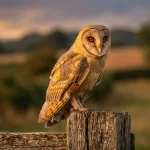
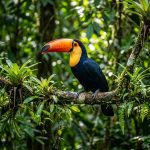
Drawing birds can be a delightful challenge that connects artists to the beauty of nature. Did you know that mastering the representation of our feathered friends can significantly enhance your overall drawing skills? In “How to Draw Bird: Essential Techniques,” you’ll discover how to capture the intricate details of various species, from the elegant swoop of a hummingbird to the robust silhouette of an eagle. Whether you’re a beginner looking to build your confidence or an experienced artist refining your technique, this guide offers valuable insights and practical tips that cater to all skill levels. We’ll explore essential techniques like observing shapes, understanding feather patterns, and conveying movement, ensuring that you not only learn to draw birds but also appreciate their unique beauty. Prepare to unleash your creativity and deepen your connection with the avian world as we dive into this engaging artistic journey!
Essential Tools for Bird Drawing Mastery

Drawing birds is a delightful and rewarding pursuit that can open your eyes to the intricate beauty of avian life. Whether you are a novice sketching your first feathered friend or a seasoned artist honing your technique, having the right tools is essential for elevating your bird illustrations. Your toolkit will greatly influence your ability to capture the details, textures, and movements of these fascinating creatures, allowing you to bring them to life on paper.
A basic artist’s kit should include high-quality pencils (preferably a range from 2H to 6B), which allow for both fine lines and deep shading. Graphite pencils are excellent for capturing intricate details like feather patterns and the delicate structure of a bird’s body. Adding colored pencils or watercolors can help you convey the rich hues of plumage, making your illustrations lively and true to life. Don’t forget a good eraser-both kneaded and regular ones-for corrections and highlights.
For those looking to achieve more fluid movements in their work, consider using a sketchbook with textured paper. This can enhance your ink and pencil techniques, adding depth and character to your drawings. Pairing your sketches with good reference materials, such as photographs or field guides, can support accurate representations. Observing live birds in their natural habitats can also provide invaluable insights into their postures and behaviors, enriching your artistic depictions.
Remember, the objective of your artistic journey is not merely to replicate what you see but to express the essence of the bird. As you gather your tools and set out to draw, let your passion for birds guide your hand, and embrace the exploration of this beautiful art form.
Fundamental Bird Anatomy: Understanding Structure

Understanding the structure of birds is paramount for any artist aiming to capture their essence on paper. At the heart of avian design are key anatomical features that not only define their form but also influence how they move and behave. For instance, the unique arrangement of bones and muscles allows them to achieve remarkable precision in flight, making it essential for artists to study these structures closely. A bird’s body can be broken down into several fundamental components, each contributing to its overall posture and grace.
To start, consider the body shape. Most birds have a streamlined body, which reduces air resistance when flying. This is typically oval or elongated, with a clear distinction between the head, torso, and tail. Understanding this basic shape can help give your drawings a more accurate foundation. Wings are also critical to bird anatomy. The structure of the wing varies significantly between species, affecting how they fly. For example, a hawk’s broad wings are designed for soaring, while a hummingbird’s tiny, fast-flapping wings enable rapid maneuvers.
Next, pay attention to the legs and feet, which are adapted for various functions like perching, swimming, or hunting. The feet can be particularly telling of a bird’s lifestyle-sharp talons indicate a predator, while webbed feet suggest an aquatic habitat. Take time to sketch these areas in detail, as they can add dynamic realism to your illustrations.
Finally, don’t overlook the importance of feather structure. Feathers are not just for looks; they serve critical purposes in insulation, waterproofing, and flight. Observing how feathers overlap and change depending on the bird’s pose can significantly enhance the depth and realism of your work. By immersing yourself in the study of bird anatomy, you’ll not only improve your art but also express the unique beauty of each species you choose to depict. Celebrate the intricacies of avian design, and let their structures inspire your creations.
Capturing Bird Movement: Techniques for Realism
To truly bring your bird drawings to life, understanding and capturing movement is crucial. Birds are dynamic creatures, whether they are soaring gracefully through the sky, darting between branches, or perched silently, waiting for their next meal. Observing these movements in real life is immensely helpful; it allows you to grasp not just the physical actions but also the essence of each species. Notably, a bird’s posture can shift dramatically depending on its mood and environment, which is why consistent practice in sketching live birds or studying videos can be incredibly beneficial.
One technique for capturing movement is to use gesture drawing. This involves quick sketches that focus on the basic form and action, often completed in just a few minutes. This method emphasizes the fluidity and expressiveness of the bird’s pose rather than minute details. For instance, when sketching a falcon in flight, concentrate on the angles of its wings and body. Note how the wings arc during a dive compared to the steady glide when wings are fully extended. You can create a series of studies that illustrate the transition from one position to another, providing a clearer understanding of the bird’s motion.
Another effective approach is to observe how different species adapt their movements to their habitats. For example, wading birds like herons have elongated necks and legs that allow them to move stealthily through water, employing slow, deliberate motions. Conversely, songbirds may exhibit rapid, erratic movements as they flit from branch to branch in search of insects. By studying these behaviors, you can incorporate authentic movement into your illustrations. Pay attention to the wingbeats and tail adjustments, capturing not just the pose but the energy and intention behind each action.
Lastly, consider using reference photos and videos that showcase birds in motion. Analyzing these resources can reveal how joint angles change, how feathers align during takeoff or landing, and the subtle shifts in muscle tone. You can even create a reference library tailored to various bird species, which can serve as a valuable asset for your artwork. Remember, the goal is to evoke a sense of movement that resonates with viewers, making them feel as though they are witnessing the bird in its natural habitat. By honing your skills in capturing realism in bird movement, you’ll elevate your drawings from static representations to lively, engaging artworks that celebrate the grace of avian life.
Shading and Texturing: Adding Depth to Your Drawings
The secret to bringing your bird illustrations to life lies within the art of shading and texturing. Just as the glint of light reflects off a bird’s feathers or the subtle variations in a bill’s surface convey its texture, effective shading adds depth and realism to your artwork. Understanding how light interacts with forms is crucial for creating striking representations that resonate with viewers. With the right techniques, you can transform a simple sketch into a vibrant and dynamic depiction that captures the essence of avian beauty.
To master shading, begin by identifying your light source. This will guide your hand in determining where shadows and highlights fall. Use a variety of pencil grades, from soft to hard, to create intensity in your shading. Soft pencils (like 4B or 6B) are perfect for dark shadows, while harder pencils (H or 2H) allow for finer, lighter touches. Layering your pencil strokes, gradually building depth, will help you achieve a more natural look. For bird feathers, consider employing technique like cross-hatching or stippling; these methods can simulate the texture of plumage, enhancing your drawing’s realism.
Tips for Effective Texturing
- Observe Real Feathers: Spend time studying the various textures of bird feathers. Notice how they overlap, their sheen, and how light changes their appearance.
- Layering: Apply multiple layers of shading, allowing some areas to remain lighter to mimic the effect of light catching on feathers.
- Use Blending Tools: A blending stump or tortillon can help smooth out harsh lines, creating softer transitions, particularly in areas where feathers might lie closely together.
- Experiment with Digital Tools: If you’re working digitally, brush settings can mimic traditional techniques, allowing for more versatility in texture without the mess of physical media.
By focusing on these techniques, you can add an inviting richness and captivating depth to your bird illustrations. Remember, it’s not merely about replicating what you see; it’s about conveying emotion and movement. Play with contrasts and enhance the natural beauty of the birds you study. As you practice, you’ll cultivate your unique style, revealing the intricate layers of both the birds themselves and your artistic vision.
Using Colors Effectively in Bird Illustrations
To truly bring your bird illustrations to life, mastering the use of color is essential. Birds exhibit a stunning array of colors in their plumage, ranging from the vibrant reds of a cardinal to the deep blues of a blue jay. Color not only conveys the physical beauty of the bird but also captures its personality and the environment it inhabits. Understanding how to apply color effectively can deepen the emotional impact of your artwork and enhance its overall realism.
Begin by studying the specific colors present in the birds you wish to illustrate. Pay close attention to the interplay of light and shadow on their feathers, which can alter their appearance dramatically. For example, the iridescence of a hummingbird’s feathers might shift from green to blue depending on the angle of light. Use this knowledge to select your palette; opt for colored pencils or paints that allow you to blend hues seamlessly. Layering different colors can add depth and richness, making your illustrations pop.
Color Mixing Techniques
- Start with a Base Color: Lay down a foundational hue that reflects the primary color of the bird. This serves as your canvas.
- Build Layers: Gradually add darker shades to create shadows and lighter tints for highlights. This layering technique mimics the natural variations in a bird’s coloration.
- Utilize Complementary Colors: To make the colors of your bird stand out, consider using complementary colors in the background. For instance, a vibrant yellow-fronted bird pairs beautifully against a deep purple backdrop.
- Experiment with Transparency: If using watercolors or markers, play with transparency to create subtle color gradations, adding realism to your work.
Lastly, remember that color is not just about replication; it’s about expression. Allow your personal style to shine through. Explore different color moods that reflect the bird’s behavior or the emotion you wish to convey-dynamic colors for movement, softer tones for serene moments, or a monochromatic palette for dramatic effect. By blending observational skills with creative intuition, you can create bird illustrations that resonate with viewers, inviting them into the vibrant world you’ve captured on paper.
Step-by-Step Guide: Drawing Common Bird Species
Drawing birds can be a joyful and engaging practice, especially when you focus on the unique characteristics of common species. Understanding their anatomy, behavior, and habitat will not only enhance your artistic ability but also deepen your appreciation for these avian friends. Here’s a practical approach to creating illustrations of popular bird species.
To start, select a bird species you’re interested in. Species like the American Robin, Blue Jay, or Anna’s Hummingbird are excellent for beginners due to their distinct features and abundance in many locales. Take time to observe your chosen bird in nature or through photographic references to understand its proportions, feather structure, and typical poses.
When you’re ready to draw, follow these steps to create a compelling illustration:
Step-by-Step Drawing Process
- Sketch the Basic Shapes: Begin your drawing by outlining simple shapes to represent the bird’s body, head, and wings. A robin, for example, can be visualized as an oval for the body and a circle for the head. Don’t worry about details just yet; focus on the overall proportions.
- Add the Details: Once the basic shapes are in place, gradually refine your sketch by adding distinguishing features like the beak, eyes, feathers, and feet. Notice how the robin’s belly is round and reddish, contrasted by a grayish back. Capturing these details will help bring your drawing to life.
- Focus on the Features: Pay special attention to the bird’s key characteristics that make it recognizable. For example, the Blue Jay has bold black-and-white patterns, while hummingbirds are known for their iridescent plumage. Use reference images to accurately depict these traits as you enhance your drawing.
- Incorporate Shading and Texture: Use hatching or stippling techniques to add depth and texture. Feather patterns can be created by drawing several overlapping lines in the direction of feather growth, which adds realism. Shading is crucial for conveying the bird’s form and the effects of lighting.
- Final Touches with Color: If you’re applying color, refer back to the principles discussed earlier. Layer your colors for depth and experiment with blending to capture the iridescent qualities of feathers. Remember to let the base colors show through for a more vibrant effect.
Whether you’re drawing birds for a sketchbook project or preparing artwork for a portfolio, each piece you create will teach you something new about avian art and anatomy. Keep practicing, and soon you’ll have a captivating collection of bird illustrations showcasing both your skill and your passion for these remarkable creatures.
Exploring Different Bird Styles: Realistic vs. Abstract
The beauty of bird illustration lies not only in the accurate depiction of feathered friends but also in the artistic styles you can employ. Two dominant approaches are realistic and abstract, each offering its unique benefits and challenges. When you choose to draw realistically, you delve into the minutiae of a bird’s anatomy, capturing details like the intricate feather patterns, colors, and natural poses. This style requires meticulous observation and a good understanding of the structural aspects of avian anatomy, making it particularly rewarding for those who appreciate fidelity to nature.
On the other hand, abstract styles encourage creativity and personal expression. In this approach, the essence of the bird may be conveyed through exaggerated forms, simplified shapes, or bold colors that do not strictly adhere to reality. This can result in striking imagery that evokes emotion or tells a story beyond the physical appearance of the bird. Experimenting with abstraction allows artists to explore their interpretation of birds, emphasizing their movement, spirit, or habitat rather than focusing solely on anatomical accuracy.
Utilizing both styles can enhance your artistic repertoire. Start by practicing realistic drawing to solidify your understanding of bird anatomy and behavior. Once you’re comfortable, try deconstructing your drawings into abstract interpretations. This not only broadens your skills but can also lead you to discover new techniques and styles that resonate with your personal artistic voice. Whether you’re sketching a hawk soaring high in the sky or a whimsical representation of a sparrow, both realistic and abstract styles can coexist, enriching your portfolio and deepening your connection to avian art.
Tips for Sketching Birds in Their Natural Habitat
To truly capture the essence of birds in their natural habitats, one must pay close attention to their environments and behaviors. Birds are dynamic creatures, and understanding their behaviors is key to conveying their vitality in your sketches. For instance, observing how a robin fluffs its feathers on a chilly morning or how a heron stands still at the water’s edge waiting for prey can add a layer of realism to your artwork that static poses simply do not convey.
Utilizing a few strategic approaches can significantly enhance your sketches. Start by finding a comfortable, unobtrusive spot where you can observe birds without disturbing them. Binoculars can be handy for a closer look at their details without spooking them. Keeping a sketchbook handy allows you to quickly jot down shapes and lines that represent the bird’s posture and movement. Make notes on what you observe regarding their behaviors, such as feeding habits or interactions with other birds, which can provide context and life to your illustrations.
When sketching, focus on the relationship between the bird and its surroundings. For example, if you’re drawing a finch perched on a branch, consider how the branch’s texture contributes to your overall drawing. Look for opportunities to incorporate elements like leaves, flowers, or even the ground texture to enhance depth and context. Using varied line weights and shading techniques can also help depict the play of light and shadow cast on the bird and its environment.
Lastly, don’t shy away from experimentation. Whether it involves adjusting your perspective by drawing from below versus above or trying out different materials, experimentation can reveal new insights about your subject. Whether you’re drawing a majestic eagle gliding through the sky or a humble sparrow hopping along the ground, embracing the experience enhances not only your skills but also your appreciation for these remarkable creatures in their natural settings.
Common Mistakes to Avoid When Drawing Birds
Drawing birds can be a rewarding and exhilarating experience, but it’s easy to fall into common traps that can hinder your progress. Understanding these pitfalls and how to avoid them is crucial in developing your skills as an artist. One of the most frequent mistakes is neglecting anatomy. Birds come in various shapes and sizes, and understanding their physical structure is essential. If you don’t grasp how their wings, body types, and feet relate to each other, your drawings may look stiff or unrealistic. Spend time studying bird anatomy through reference images or even live observation.
Another common error is ignoring proportion and scale. Many beginners tend to draw birds without sufficient regard for their relative sizes, often leading to exaggerated features or awkward postures. To maintain accurate proportions, use simple guidelines or shapes when laying out your drawing. It can be particularly helpful to compare the proportions of various species side by side.
One cannot underestimate the impact of shadow and light in bird drawings. A common oversight is applying shading uniformly, which can flatten your work. Instead, study how light interacts with the bird’s body and creates depth and dimension. Watch for highlights on the feathers or shadows underneath the wings, and remember that varied line weights can enhance the realism of feathers and textures.
Improper use of colors is also a frequent source of frustration. Many artists either overcomplicate their color palette or fail to mix colors effectively. Aim for a balanced approach by observing the birds you wish to draw. Gather details from their natural environments; earth tones often work well to harmonize with birds’ inherent colors. Experimentation here is key-combine colors as they appear in real life rather than relying solely on memory or imagination.
Lastly, do not rush through your sketches. Birds are often in motion, and while capturing that movement can enhance the dynamism of your work, it’s essential to take your time. Observe their poses before committing them to paper. By being mindful of these common pitfalls, you not only elevate your bird drawings but also deepen your appreciation for the incredible diversity of avian life.
Advanced Techniques: Creating Dynamic Bird Poses
Capturing the fluid beauty and grace of birds in motion can elevate your artwork from static illustrations to living scenes filled with energy. Whether it’s a hawk soaring effortlessly through the sky or a sparrow performing a quick dive to catch its prey, understanding how to represent dynamic poses is essential for any bird artist. One effective approach is to study the bird’s anatomy and its range of motion. Observing how different species adapt their movements allows you to create more realistic depictions that resonate with viewers.
To begin drawing dynamic bird poses, start with simple gestures that capture the essence of the bird’s movement. Use light, flowing lines to sketch out the general position of the body, wings, and tail. Emphasizing the curve of the wings in flight or the angle of the body during a dive can help convey action. Pay attention to the key points of articulation, such as the joints in the wings and legs, which will guide your understanding of how these appendages work together. A great technique is to watch videos of birds in flight or capturing prey, then pause and sketch the frames that depict the most exciting movement.
Different birds have unique flying techniques and postures that can guide your drawing. For instance, the sleek silhouette of a pelican gliding over the water contrasts sharply with the frantic flapping of a hummingbird hovering to sip nectar. Consider creating a reference sheet that notes species characteristics, including body shapes, wing styles, and flight patterns. This reference will aid you in visualizing and accurately replicating the dynamic poses of various bird species in your work.
Incorporating effects of motion can also enhance the appearance of action in your drawings. Techniques such as motion lines or blurring can simulate speed and fluidity, drawing the viewer’s eye toward the focal points of your illustration. Additionally, contrasting sharp details with softer backgrounds or using varied line weights can help emphasize depth and perspective. Remember, every sketch is an opportunity to improve, so don’t hesitate to experiment with different poses and styles until you find what brings your avian subjects to life!
Inspiration from Famous Bird Artists and Illustrators
The world of bird illustration is rich with talented artists whose work has inspired generations of bird lovers and illustrators alike. One notable figure is John James Audubon, whose meticulous attention to detail in “The Birds of America” set new standards for natural history illustration. His illustrations not only captured the physical characteristics of birds but also showcased their natural habitats and behaviors, providing a holistic view that remains influential today. Audubon’s ability to convey the essence of each species, paired with his adventurous spirit of collecting specimens across the Americas, serves as a reminder for artists to immerse themselves in the environment they depict.
Contemporary artists like Charley Harper have taken a different approach, using bold colors and stylized forms to depict birds in a way that emphasizes their essential shapes and movements rather than lifelike detail. Harper’s work encourages budding artists to explore abstraction and to focus on the character of their avian subjects, inspiring them to distill complex forms into simple, recognizable shapes. For beginners, studying Harper’s playful compositions can unleash creativity, prompting artists to find their unique voice and style while drawing birds.
Additionally, artists like Robert Bateman have fused realism with environmental advocacy, using their art to highlight conservation efforts. Bateman’s keen observations of wildlife and ability to portray birds in their natural settings can inspire illustrators to look beyond mere representation and to consider the ecological narratives they want their artwork to tell. Seeking out these narratives will not only enhance your illustrations but also deepen your understanding of the avian world.
As you delve into the works of these artists, it’s beneficial to keep a sketchbook handy. Observe their techniques – whether it’s Audubon’s detailed composition, Harper’s bold abstraction, or Bateman’s poignant realism – and practice them. Let your sketches reflect your interpretations while allowing your unique perspective to shine through. Engaging with the works of these celebrated illustrators can provide not only inspiration but also a foundation from which your own bird art can thrive.
Building Your Portfolio: Showcasing Bird Art
To truly shine as an artist who draws birds, curating a standout portfolio is essential. Your portfolio is not just a collection of your work; it is a narrative of your artistic journey and showcases your unique vision and style. Start by selecting a diverse range of pieces that highlight your skills in various techniques-whether it’s realistic depictions, abstract interpretations, or explorations of avian behavior within their habitats. Each piece should resonate with your passion for birds, capturing their essence in a way that speaks to the viewer.
Consider organizing your portfolio thematically or by medium. For example, you could dedicate sections to showcasing birds in flight, perched in natural settings, or vividly illustrated in abstract forms. This thematic organization allows viewers to appreciate your versatility and depth as an artist. Be sure to include not only final pieces but also sketches and studies that reflect your process. This insight into your development can be incredibly engaging for audiences who appreciate the journey behind the artwork.
When presenting your bird art online or in physical format, pay attention to the layout. Use high-quality images and consider including captions that provide context, such as the species depicted, the inspiration behind each piece, and any techniques that were particularly challenging or rewarding. A well-organized portfolio not only looks professional but also invites viewers to connect with your work on a deeper level.
As you build and refine your portfolio, seek feedback from fellow artists and mentors. Engage with communities focused on bird art, both online and offline, to gain insights and perspectives that can help you grow. Regularly update your portfolio with new works to reflect your evolving style and skills. Remember, this is a personal project that should make you proud-your portfolio is the window through which the world will see your passion for birds and your dedication to capturing their beauty.
Frequently asked questions
Q: What are the best bird drawing techniques for beginners?
A: Beginners should focus on basic shapes to outline birds and gradually add details. Start with a simple egg shape for the body and circles for the head, then refine your sketches. Practice drawing from references can also enhance your understanding of bird anatomy and movement.
Q: How can I improve my bird drawing skills quickly?
A: To improve quickly, practice daily and study various bird species. Observe live birds or reference photographs to understand proportions and dynamics. Additionally, consider taking short online courses focused on bird art, which can provide structured guidance and tips for improvement.
Q: What are common mistakes to avoid when drawing birds?
A: Common mistakes include neglecting anatomy, leading to unrealistic shapes, and failing to capture textures and colors accurately. Avoid over-detailing the initial sketch; instead, focus on clean outlines first. Regularly review your work against references to identify areas for improvement.
Q: What tools should I use for drawing birds effectively?
A: Essential tools include quality sketching pencils, erasers, and fine liners for details. Colored pencils or watercolor markers can help in adding color and texture. A sketchbook specifically for birds, as well as digital tools like graphic tablets, can enhance your flexibility in drawing.
Q: Why should I study real birds when learning to draw them?
A: Studying real birds helps you grasp their anatomy, movement, and natural behaviors, leading to more accurate representations in your artwork. Observing live birds fosters a deeper understanding of their characteristics, which makes your drawings more realistic and engaging.
Q: When is the best time to draw birds in their natural habitat?
A: Early mornings or late afternoons are ideal for birdwatching and drawing, as birds are usually more active during these times. This period also provides better lighting conditions, which can help capture vivid details and colors in your illustrations.
Q: Where can I find inspiration for drawing different bird species?
A: Inspiration can be found in nature, online platforms like Instagram or Pinterest, and wildlife documentaries. Visiting local parks or birdwatching sites can spark creativity, while books on bird illustrations and nature art can provide both inspiration and technical guidance.
Q: How do I create dynamic poses in bird drawings?
A: To create dynamic poses, study birds in motion through videos or live observation. Capture key frames of their movements, focusing on their wing positions and body angles. Sketch thumbnails of different action poses before refining them into full drawings to enhance fluidity.
To Conclude
Thanks for joining me on this artistic journey to master bird drawing techniques! Remember, practice is key-each sketch you create will bring you closer to capturing the beauty of our feathered friends. Don’t hesitate to revisit our step-by-step guides and explore our detailed sections on bird anatomy for even deeper insights. Interested in expanding your skills further? Check out our articles on Advanced Drawing Techniques and Color Theory to enhance your artistic toolkit.
Now’s the perfect time to put your new skills into action-start drawing today and share your progress in the comments! If you’re eager to keep learning, consider signing up for our newsletter for exclusive tips and resources. Together, let’s continue exploring the vibrant world of birds. Happy drawing! 🐦✏️
Get our latest guides, news, and insights highlighted in your Google Search & AI Overviews.