The world of owls is both fascinating and diverse, with numerous species showcasing unique adaptations and behaviors. Among them, the largest owl species holds a special place in birdwatching communities and among wildlife enthusiasts. While the Great Grey Owl is often crowned for its impressive height, discussions around the largest owl often delve into intriguing comparisons of weight and wingspan, offering insights into these majestic creatures’ habitats and hunting prowess.
Understanding the characteristics of the biggest owls not only enriches our appreciation for nature but also raises awareness of their vital roles in ecosystems. For birders and casual readers alike, this exploration into the largest owls promises to reveal astonishing facts and deepen your connection to wildlife conservation. Join us as we uncover the truth behind these remarkable birds and what makes them a centerpiece in the owl family. You’ll discover everything from their striking appearances to their enigmatic behaviors and the critical importance of preserving their habitats. Let’s dive in!
What Makes an Owl the Largest Species?
The Great Horned Owl is often regarded as one of the most formidable creatures of the night sky, making it a captivating subject for bird enthusiasts and casual observers alike. With a height reaching up to two feet and a wingspan that can extend to 4.5 feet, its imposing physical presence sets it apart from its smaller counterparts. This owl is characterized by prominent ear tufts – which some might mistake for ears – and striking yellow eyes that contribute to its fierce appearance. Unlike many other owl species, the Great Horned Owl exhibits a significant degree of adaptability, allowing it to thrive in varied environments ranging from forests and deserts to urban areas.
In measuring what makes an owl the largest species, it’s essential to consider factors such as size, weight, and wingspan. Weighing in at roughly three pounds, the Great Horned Owl possesses a robust frame that aids in its hunting prowess and ability to dominate its territory. Its ability to hunt a wide range of prey further emphasizes its status; this owl is known to take down animals larger than itself, including medium-sized mammals and birds, showcasing a remarkable blend of strength and skill.
Indeed, the Great Horned Owl is not just a title-holder in terms of size but also a symbol of the resilience and versatility found within the owl family. Its widespread distribution across North America speaks to its adaptability to various habitats, making it an essential species for ecological balance. Observing such a majestic bird in nature can serve as an extraordinary reminder of the wonders of wildlife, encouraging both appreciation and conservation efforts in favor of these magnificent creatures. For enthusiasts eager to witness such an impressive owl, knowing its distinctive features and recognizing its habitats will enhance the experience of spotting them in the wild.
Understanding the Great Horned Owl Characteristics
The Great Horned Owl is a striking and powerful raptor that captivates bird lovers and nature enthusiasts alike. This formidable bird stands out not only for its size-reaching heights of up to two feet-but also for its remarkable physical traits that enhance its predatory skills. With its distinctive tufts of feathers resembling ears, known as “ear tufts,” and large, piercing yellow eyes, the Great Horned Owl commands attention wherever it roams. These adaptations serve more than a decorative purpose; they play vital roles in communication and camouflage, allowing this owl to blend seamlessly into its surroundings.
One of the key characteristics of the Great Horned Owl is its impressive wingspan, which can stretch up to 4.5 feet. This makes it an adept flyer, capable of silent flight due to its specialized feather structure that reduces noise. This trait is particularly advantageous when hunting, as it allows the owl to approach prey stealthily. Its robust frame supports a weight of approximately three pounds, combining strength with agility for effective hunting and maneuvering in various habitats.
The Great Horned Owl’s adaptability is evident in its wide range of habitats-from dense forests and open grasslands to urban areas. It is equally comfortable soaring through treetops as it is perched silently on a city rooftop. This versatility extends to its diet, which is incredibly diverse; it includes small mammals, birds, and even larger prey such as foxes and other owls. This opportunistic feeding behavior further highlights the owl’s role as a top predator in its ecosystem, maintaining a balance among various animal populations.
Understanding the nuances of the Great Horned Owl’s characteristics enhances the experience of observing these magnificent creatures in the wild. Whether you’re an experienced birder or just starting out, knowing what to look for-like their distinctive markings, behavioral patterns, and habitat preferences-can greatly enhance your chances of spotting one. Engaging with this remarkable species not only enriches your appreciation of avian life but also fosters a commitment to preserving their natural environments for future generations.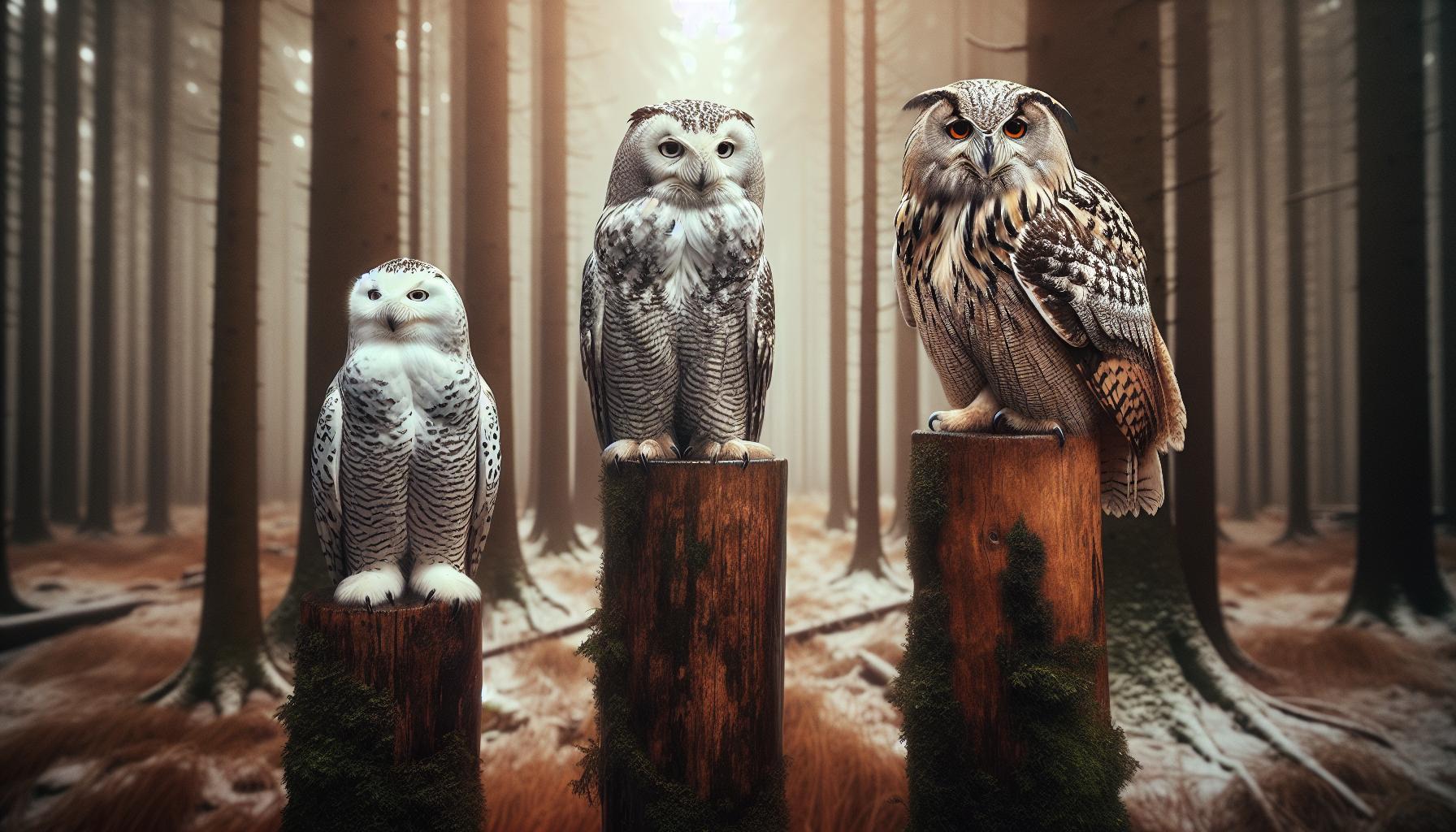
Comparing the Largest Owls: Species at a Glance
The largest owls in the world are truly remarkable creatures, each with distinctive traits that set them apart from their peers. If you’re fascinated by these majestic birds, understanding the key differences among the largest owl species can enhance your appreciation and identification skills. Notably, the Great Horned Owl, Eurasian Eagle Owl, and Blakiston’s Fish Owl represent some of the most impressive members of this group.
The Eurasian Eagle Owl is often regarded as the largest owl species, with a wingspan that can exceed 6 feet and weights ranging between 3 to 10.6 pounds. Its striking orange eyes, tufted “ear” feathers, and powerful build make it a formidable predator across Europe and Asia. This owl excels in various habitats, from mountainous regions to urban areas, showcasing its adaptability.
In contrast, the Blakiston’s Fish Owl holds the title of the heaviest owl species, reaching weights of up to 4.6 kilograms (about 10.1 pounds). Primarily found in river valleys and dense forests in East Asia, this species is characterized by its large body and impressive wingspan-averaging around 5.9 feet. Adapted for fishing, its diet primarily consists of fish, making it unique among its peers.
The Great Horned Owl, while slightly smaller than its Eurasian cousin, remains one of the most iconic owls in North America. Typically weighing between 1.4 to 5.5. pounds and sporting a wingspan of about 4.5 feet, it showcases a remarkable variety of adaptations. With its robust body and exceptional camouflage, the Great Horned Owl is a master of stealth, thriving in diverse environments ranging from city parks to dense forests.
To summarize the characteristics of these magnificent owls, consider the following comparisons:
| Species | Wingspan | Weight | Habitat | Diet |
|---|---|---|---|---|
| Eurasian Eagle Owl | Up to 6 feet | 3 to 10.6 pounds | Mountains, forests, urban areas | Mammals, birds, reptiles |
| Blakiston’s Fish Owl | Up to 5.9 feet | 4.6 kilograms (10.1 pounds) | River valleys, dense forests | Fish, amphibians |
| Great Horned Owl | About 4.5 feet | 1.4 to 5.5 pounds | Diverse habitats, including urban | Mammals, birds, larger prey |
Each of these owls reflects the incredible diversity and adaptability of the species, making them fascinating subjects for observation and study. By familiarizing yourself with their unique traits and habitats, you can enhance your birdwatching experiences and increase your chances of spotting these magnificent owls in the wild.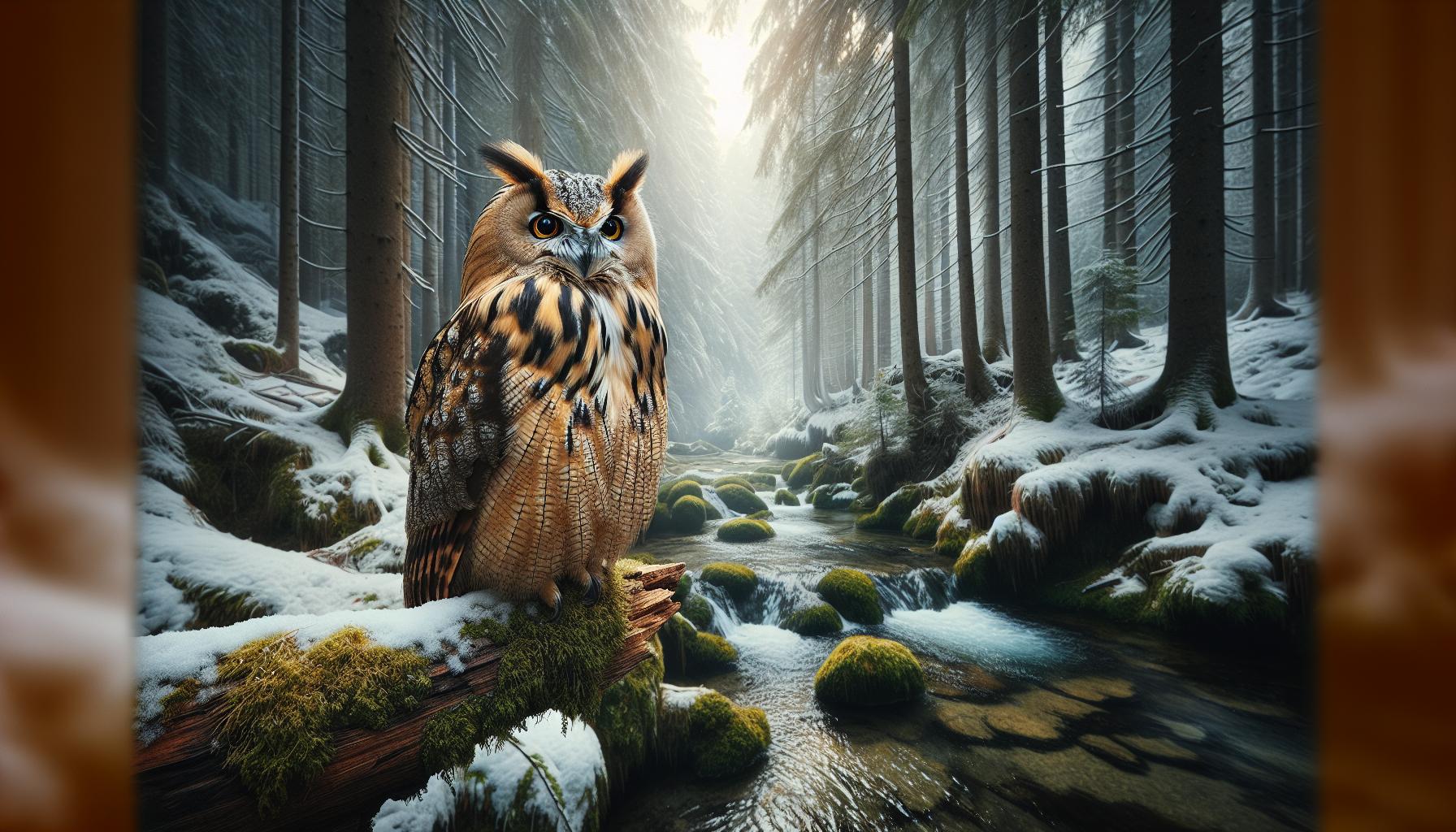
Habitat and Distribution of the Largest Owl
Among the largest owl species, their habitats span a remarkable variety of ecosystems, showcasing their incredible adaptability. For instance, the Eurasian Eagle Owl, renowned for its impressive size and distinctive features, thrives in a range of environments from rugged mountain ranges to urban landscapes. This versatility not only aids in its survival but also allows birdwatchers a chance to encounter these majestic creatures in different settings, whether perched on a cliff or nesting in a city park.
In stark contrast, the Blakiston’s Fish Owl, primarily found in East Asia, has specialized habitat requirements. It prefers the lush river valleys and densely forested areas, where it can hunt for fish and other aquatic prey. These owls are closely tied to water sources, making conservation efforts critical to their survival. The presence of healthy rivers with abundant fish populations is paramount for breeding success and sustenance. Thus, when exploring these areas, expect to find them regionally focused along riverbanks or within wetland habitats.
The Great Horned Owl, another heavyweight in the owl world, showcases remarkable adaptability as well. It can be found in diverse habitats, including open woods, swamps, deserts, and urban environments. They are often seen in suburban areas, where they seamlessly blend into their surroundings, utilizing trees for nesting and perching. Their adaptability allows them to thrive in many human-altered landscapes, which is a testament to their generalist feeding habits and versatility in nesting choices.
Understanding these owls’ preferred habitats not only aids in appreciating their ecological roles but also enhances our birdwatching experiences. Whether you’re venturing into a forest to hear the eerie call of the Great Horned Owl at dusk or hoping to catch sight of the Blakiston’s Fish Owl along a riverbank in Japan, knowing where these remarkable owls reside is key to spotting them in the wild.
Diet and Hunting Techniques of These Majestic Birds
Owls are fascinating apex predators, and their dietary habits reveal much about their adaptability and role in the ecosystem. Among the largest owl species, like the Great Horned Owl and the Eurasian Eagle Owl, you’ll find a diet rich in variety and intensity. These majestic birds primarily prey on small mammals, birds, and sometimes even reptiles or amphibians, showcasing their opportunistic feeding behaviors. For instance, a Great Horned Owl can take down prey as large as a hare or even a young deer, thanks to its powerful talons and stealthy hunting techniques.
Hunting Techniques
An owl’s hunting prowess lies in its superb adaptation for nocturnal hunting. With incredible night vision and exceptional hearing, large owls can detect even the faintest movements in the dark. They are primarily solitary hunters, often employing techniques such as perching silently in a tree to scan their surroundings, then launching a sudden attack.
- Ambush Hunting: Many large owls, including the Eurasian Eagle Owl, favor an ambush strategy, waiting silently in a concealed perch before swooping down on unsuspecting prey.
- Flight and Glide: With their broad wings and silent flight, they can glide through the air with minimal sound, making it easier to sneak up on their target.
- Talons and Beaks: Equipped with powerful talons designed to grip and crush, combined with a sharp beak for tearing flesh, these adaptations allow them to tackle a wide range of prey size.
Hunters like the Blakiston’s Fish Owl exemplify specialized hunting styles, often hunting near rivers where they swoop down to catch fish or amphibians. Their hunting techniques vary by species but are universally marked by precision and effectiveness, making them one of nature’s most formidable hunters.
Understanding their dietary preferences and hunting methods enriches our appreciation for these remarkable creatures. Whether you are an avid birdwatcher or someone intrigued by wildlife, observing owls in their natural habitat can unveil the intricate dynamics of nature’s food chain and the vital role these magnificent birds play within their ecosystems.
Lifespan and Reproduction in Large Owl Species
The lifespan and reproductive habits of large owl species showcase their resilience and adaptability as apex predators. For instance, the Great Horned Owl can live up to 15 years in the wild, with some individuals reaching over 20 years in captivity. Such longevity is closely tied to their role in the ecosystem and the challenges they face. Their reproductive strategies are equally fascinating; these owls typically breed once a year, with the female laying two to five eggs depending on factors like food availability and environmental conditions.
Egg incubation lasts about 30 to 37 days, during which the female is primarily responsible for keeping the eggs warm, while the male hunts for food. This division of labor highlights the cooperative nature of their parenting. Once hatched, the chicks remain dependent on their parents for several weeks, gradually learning to hunt on their own as they grow. The fledging period varies between species, usually occurring around 8 to 10 weeks after hatching, when they take their first flights.
One remarkable aspect of large owls is their ability to adapt their nesting strategies to various environments. They often choose nests in tree cavities, cliffs, or even abandoned structures, demonstrating a resourceful approach to raising their young. For birdwatchers and wildlife enthusiasts, this breeding behavior can offer exciting opportunities to observe these magnificent birds as they engage in courtship displays during the mating season, which often includes elaborate hooting and aerial displays that emphasize their strength and agility.
Understanding the lifespan and reproductive habits of large owls not only enriches our appreciation for these majestic creatures but also emphasizes the importance of conserving their habitats, as disturbances can significantly impact their breeding success and longevity. Whether you’re spotting a Great Horned Owl in a forest or an Eurasian Eagle Owl in the mountains, knowing their life cycle and reproductive behaviors adds a deeper layer of connection to these extraordinary birds.
Cultural Significance of Owls Throughout History
Owls have captivated human imagination for centuries, woven into the myths and folklore of many cultures around the world. Often symbolizing wisdom and mystery, these majestic birds evoke a range of emotions and associations that go far beyond their impressive size and hunting prowess. From ancient civilizations to contemporary societies, the cultural significance of owls reflects our complex relationship with nature and embodies different meanings across various contexts.
In Ancient Greece, for instance, the owl was considered a symbol of Athena, the goddess of wisdom and warfare. This association contributed to the owl’s reputation as a wise creature, leading to its representation on coins and in art, further cementing its status as a guardian of knowledge. Similarly, in Native American cultures, owls are often viewed with reverence, representing both guidance and protection. The Hopi tribe, for instance, sees the Great Horned Owl as a powerful guardian of the night, believed to provide insights and warnings to those who respect its presence.
Conversely, in some cultures, owls are linked to darker omens, such as death or misfortune. In parts of Africa and India, owls may be viewed with suspicion and considered harbingers of bad luck or even witchcraft. This duality highlights the owl’s complex role in mythology and symbolism. Understanding these beliefs allows us to appreciate how deeply interwoven owls are within human culture, reflecting our fears, hopes, and the mysteries of the natural world.
For modern birders and nature enthusiasts, recognizing the cultural significance of owls can deepen the appreciation of these incredible birds. Not just as subjects for study, but as creatures that embody human narratives and emotions. Engaging with the lore surrounding owls can enrich our birdwatching experiences, reminding us that every sighting is part of a broader tapestry of cultural meaning. Whether you’re in the wild observing the flight of a Eurasian Eagle Owl or sharing stories about encounters with these nocturnal predators, remember that owls are more than just the largest birds of prey; they are powerful symbols deeply rooted in our collective history.
Conservation Status: Protecting the Largest Owls
Conservation efforts aimed at protecting the largest owls, such as the Great Horned Owl and the Eurasian Eagle Owl, are critical as these majestic birds face numerous threats in their natural habitats. Habitat destruction due to urban development, agriculture, and logging has significantly reduced their living spaces. Additionally, hunting, pesticide use, and the decline of prey species further complicate their survival. Engaging in conservation initiatives is vital to ensure these species flourish in the wild.
One of the compelling strategies employed in owl conservation is habitat restoration. This involves re-establishing the natural environments these owls depend on, such as forests, grasslands, and wetlands. By working with local communities and organizations, conservationists advocate for sustainable land-use practices that protect owl habitats and their prey. Providing educational programs about the ecological importance of owls fosters a sense of stewardship in communities, encouraging them to participate in conservation efforts actively.
Monitoring populations is another essential aspect of conservation. Organizations often employ field studies to track owl numbers and health, allowing researchers to understand better the challenges these raptors face. A notable effort is the partnership between various wildlife agencies and research institutions, which helps track migratory patterns and nesting success. Such initiatives can lead to strategies that mitigate threats and reinforce breeding success.
Furthermore, public involvement is crucial in conservation. Birdwatchers and nature enthusiasts can contribute by reporting sightings and participating in citizen science projects. These efforts not only bolster data collection but also raise awareness about the needs of large owls, enhancing community appreciation for these incredible birds. As we collectively prioritize the protection of their habitats, we can ensure that future generations will also marvel at the beauty and majesty of the largest owls.
Owls vs. Other Birds of Prey: Size Matters
When it comes to birds of prey, size indeed matters, especially in the world of owls. The largest owl species, such as the Great Horned Owl and the Eurasian Eagle Owl, not only showcase impressive physical attributes but also have distinct advantages over smaller owls and other raptors. For instance, their robust size equips them with the strength needed to tackle larger prey, from rodents to small mammals, which contributes significantly to their role at the top of the food chain.
These majestic creatures benefit from their size in various ways, particularly in hunting and survival. Their broad wingspans and powerful talons allow them to fly silently through their habitats, enabling them to approach unsuspecting prey. Moreover, a larger body often means a higher metabolic rate, meaning they require substantial food resources. This necessity is what makes them formidable hunters, as they can dominate territories and reduce competition with smaller birds of prey, such as kestrels or small hawks.
In comparison to other birds of prey, owls possess unique features that enhance their survival. While falcons may be swift and eagles powerful, owls leverage their size in a different manner. Their barrel-shaped bodies provide excellent insulation for surviving in colder climates, and their prominent ear tufts can aid in echo-location, making them exceptional nocturnal hunters. Thus, their size not only reflects their physical prowess but also their adaptability to diverse environments and nighttime predation.
Understanding these dynamics is essential for bird enthusiasts and conservation efforts alike. The challenges larger owls face-including habitat loss and competition with other species-highlight the ongoing need to protect their habitats effectively. By appreciating the significance of size in owls and their ecological roles, we foster greater awareness and support for their conservation, ensuring that these splendid raptors continue to flourish in the wild.
Tips for Spotting the Largest Owl in the Wild
Nothing compares to the thrill of spotting one of nature’s most intriguing nocturnal predators in the wild. With their impressive size and striking features, the largest owls like the Great Horned Owl and Eurasian Eagle Owl are truly magnificent sights. To increase your chances of spotting these majestic birds, prepare yourself with some strategic tips and keen observation skills.
When venturing out to see these giants, timing is crucial. Owls are primarily active during dawn and dusk, so plan your outings at these times for the best chance of witnessing their natural behaviors. Additionally, scouting locations like dense forests, open fields, or near water sources, where these birds typically hunt or roost, can be advantageous. Look for signs of their presence such as feather piles from meals, whitewash on branches, or distinctive hooting calls echoing through the trees. Utilizing a high-quality pair of binoculars can help you zero in on these often-camouflaged creatures perched on branches or gliding silently overhead.
Another effective method is to familiarize yourself with the calls of the largest owl species. For instance, the characteristic “hoo” of the Great Horned Owl is often heard at twilight. Consider downloading bird call apps to help you learn and recognize these sounds, making it easier to locate owls by responding to their calls. Engage with local birdwatching groups or forums as well; experienced birders can provide valuable insights or share recent sighting locations.
Dress for comfort and camouflage. Wearing earth-toned clothing helps you blend into the environment, minimizing your disturbance to wildlife. Stay quiet and patient, as excessive noise can scare owls away before you spot them. Lastly, always be respectful of their habitat. Maintaining a safe distance is crucial to avoid stressing these magnificent predators, ensuring that you and future generations can continue to enjoy observing them in their natural elegance.
How to Care for a Large Owl: Daily Needs and Enrichment
Caring for a large owl, such as the Great Horned Owl or the Eurasian Eagle Owl, involves understanding their specific daily needs and providing an enriching environment that mimics their natural habitat. Owls are not only fascinating creatures but also require meticulous attention to their care to thrive in captivity. One captivating aspect of these majestic birds is their reliance on physical and mental stimulation, which is essential for their well-being.
To ensure a large owl has a suitable environment, it’s crucial to replicate their natural habitat as closely as possible. This includes providing a spacious enclosure that allows for flight and perch options. High, wide structures made from sturdy materials are ideal, as owls need to feel secure while also having the freedom to move. Incorporating natural elements such as branches, logs, and hiding spots fosters comfort and familiarity, making them feel less stressed in their surroundings.
Diet is another cornerstone of owl care. These birds are carnivorous and typically enjoy a diet consisting of whole prey items, like rodents, rabbits, or even fish, depending on the species. It’s essential to source high-quality meat that meets their nutritional requirements, presenting it in ways that encourage natural hunting behaviors. This can include hiding food to stimulate foraging instincts and using varied feeding techniques to engage their keen minds-hence, a balance between nutrition and enrichment is key.
Mental stimulation is equally important. Large owls can benefit from puzzle feeders that challenge their problem-solving skills and promote physical interaction. Activities such as training sessions using positive reinforcement can help bond with the owl while providing mental exercises. Enrichment can also take the form of auditory stimulation-playing recordings of other wildlife sounds or even owl calls can help keep their senses sharp.
Overall, caring for a large owl demands a blend of practical care strategies and a deep appreciation of these incredible birds. By creating an environment that respects their natural instincts and provides for their physical and mental needs, we contribute to their health and happiness.
Fascinating Facts About the Largest Owl Species
The immense size of the largest owl species is nothing short of awe-inspiring, making these birds captivating subjects for both birders and wildlife enthusiasts alike. For instance, the Great Horned Owl can reach heights of up to 2 feet and boast a wingspan of about 5.5 feet, making it one of the most formidable owls in North America. In contrast, the Eurasian Eagle Owl is the heaviest owl globally, weighing up to 10.5 pounds, with some individuals even showcasing extraordinary adaptations such as colorful plumage and tufted ear-like “horns.” These remarkable features not only make them visually stunning but also play crucial roles in their behavior and ecology, aiding both in communication and camouflage.
When it comes to adaptability, large owl species showcase extraordinary versatility in their habitats. They thrive in a wide range of ecosystems, from dense forests to open plains, demonstrating their ability to adapt to various environments across continents. Additionally, the Blakiston’s Fish Owl, the largest type of owl in terms of wingspan, is primarily found in riparian zones, where it exhibits specialized hunting strategies for catching fish. These owls offer a remarkable glimpse into the ecological niches that different species occupy, contributing to the diverse tapestry of avian life.
Dietary habits of these large owls are equally fascinating. Known for their prowess as apex predators, these owls have unique hunting techniques that cater to their specific environments and prey availability. For example, the Great Horned Owl is infamous for its varied diet, which includes everything from small mammals and birds to reptiles and even skunks. Their silent flight, coupled with acute hearing, allows them to be stealthy hunters, ensuring they remain at the top of their food chain. Providing insights into their hunting methods can also help birdwatchers enhance their observational skills and appreciate these formidable hunters in action.
Moreover, each large owl species is steeped in cultural significance, often embodying wisdom and mystery in folklore and mythology worldwide. From the revered status of owls in ancient Greece to their symbolism in many Indigenous cultures as guardians of the night, these birds stir the human imagination. Engaging deeply with the cultural narratives surrounding these owls can enrich our understanding and appreciation of them, fostering a connection that transcends mere observation.
The sheer variety within the world of large owls harbors endless opportunities for learning and admiration. Whether you’re delving into their fascinating characteristics, understanding their ecological importance, or simply enjoying their species’ diversity, the journey into the realm of these magnificent birds is bound to inspire wonder.
Frequently Asked Questions
Q: What is the largest owl species in the world?
A: The largest owl species is the Blakiston’s fish owl (Bubo blakistoni). Native to Eastern Russia, Japan, and parts of China, it can reach up to 28 inches in length with a wingspan of up to 6 feet. Their habitat typically includes riparian forests and river valleys.
Q: How do you identify the largest owls?
A: Identifying large owls involves observing their size, plumage coloring, and eye features. Look for distinct facial disks and ear tufts. The Great Horned Owl and the Blakiston’s fish owl, for example, have unique markings that help distinguish them. Check out the “Understanding the Great Horned Owl Characteristics” section for more details.
Q: Where do the largest owls live?
A: The largest owls, like the Blakiston’s fish owl, primarily inhabit dense forests near rivers and wetlands. They prefer environments with ample prey availability and nesting sites. Learn more about their habitats in the article’s “Habitat and Distribution of the Largest Owl” section.
Q: What do the largest owls eat?
A: The diet of large owls varies by species. Blakiston’s fish owls primarily feed on fish, while Great Horned Owls have a more varied diet, including mammals and birds. Understanding their hunting techniques can enhance your birdwatching experience; refer to the “Diet and Hunting Techniques of These Majestic Birds” section for more insights.
Q: How long do large owls typically live?
A: Large owls can live quite long, often reaching 10-15 years in the wild, while some species can live even longer in captivity. Factors affecting their lifespan include habitat, diet, and predation. For more on their life cycle, check the “Lifespan and Reproduction in Large Owl Species” section.
Q: What role do large owls play in their ecosystem?
A: Large owls serve as important predators, helping to control populations of small mammals and birds. They also act as indicators of a healthy ecosystem. For a deeper understanding of their ecological impact, explore the “Cultural Significance of Owls Throughout History” section in the article.
Q: Are large owls threatened or endangered?
A: Yes, many large owl species, including the Blakiston’s fish owl, are considered threatened due to habitat loss and environmental changes. Conservation efforts are essential for their survival. Learn more about ongoing protection initiatives in the “Conservation Status: Protecting the Largest Owls” section.
Q: Can you keep a large owl as a pet?
A: Keeping a large owl as a pet is generally discouraged due to their complex needs and wild nature. These birds require specific diets, ample space, and environmental enrichment. It’s best to appreciate them in their natural habitats or through rehabilitation programs. Refer to the “How to Care for a Large Owl: Daily Needs and Enrichment” section for guidance.
In Conclusion
As we conclude our journey into the fascinating world of the largest owls, you now hold a wealth of knowledge about these magnificent creatures and their vital role in our ecosystem. Their impressive size and unique behaviors make them not just captivating subjects of study but also essential indicators of environmental health. Don’t let the conversation end here-explore our articles on owl habitats and conservation efforts to discover how you can contribute to their protection.
Feeling inspired? Join our community of bird enthusiasts by signing up for our newsletter, where you’ll receive tips on birdwatching, exclusive insights, and updates on the latest in ornithology. If you’re eager to learn more, check out our guides on identifying local owl species and the best practices for owl care. Your adventure into the world of owls is just beginning! Share your thoughts in the comments or tag us in your owl-watching photos; we’d love to see how you connect with these incredible birds.