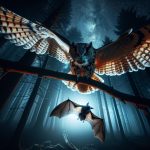
In the enchanting world of Dreamlight Valley, understanding what owls eat is crucial for players looking to unlock the mysteries of these majestic creatures. Did you know that owls play a vital role in maintaining the ecosystem, acting as natural pest controllers? As you navigate through the game, knowing their dietary preferences not only enhances your experience but also aids in completing specific quests and ensuring the well-being of your feathered friends. Whether you’re a novice player or a seasoned pro, uncovering the nuances of owl feeding habits will deepen your appreciation for this mystical realm. Join us as we delve into their unique diets, explore their behaviors, and discover tips to attract and care for these fascinating birds in your Dreamlight Valley adventure!
What Do Owls Eat? A Comprehensive Overview
Owls are fascinating nocturnal hunters, and their diet can be quite diverse depending on the species and local ecosystem. In Dreamlight Valley, the owls you encounter exhibit a variety of feeding habits that mimic those of their real-world counterparts. Typically, these magnificent birds prey on small mammals like mice and voles, as well as birds, insects, and even fish at times. What makes owls particularly interesting is their exceptional hunting skills; they can silently glide through the night, capturing prey that often goes unnoticed.
In the game, players can simulate this thrilling aspect of owls by providing a range of food types to attract them. To successfully engage with these characters, you might consider offering items that reflect their natural diet. Small creatures such as rodents or insects, represented in various forms within the game, resonate with their dietary preferences. This creates a more immersive experience as you nurture your avian companions, allowing you to observe their unique feeding behaviors and preferences.
Understanding seasonal variations is also fundamental. For example, during winter months, simulated food scarcity may prompt owls to hunt more aggressively or adapt their diet. Players should take this into account when stocking up on resources or planning activities related to owl feeding in Dreamlight Valley. You may find certain treats lead to different interactions or efficiencies in feeding, revealing how these impressive creatures adapt to their environments.
Utilizing interactive feeding mechanics can enhance your relationship with the owls in the game. Consider setting up feeding stations or choosing the right time of day to offer food, aligning with their nocturnal habits. By tailoring your strategies to suit their natural behaviors, you not only fulfill their hunger but also foster a captivating bond with these enchanting birds, enriching your gameplay while deepening your appreciation for their ecological roles.
The Dietary Habits of Dreamlight Valley Owls
In the enchanting world of Dreamlight Valley, the dietary habits of owls closely mirror those of their real-life counterparts, showcasing their role as apex nocturnal hunters. These majestic birds exhibit a varied diet that is influenced by the resources available in the game, with a penchant for small mammals, birds, and insects. As you embark on your journey to attract and nurture these magnificent creatures, understanding what they eat will significantly enhance your gameplay experience.
Owls primarily feast on creatures such as mice, voles, and small birds. In the game, you can simulate this feeding behavior by offering items that represent their natural preferences. For instance, while serving small morsels like grains or designated treats that mimic real prey, you create an engaging environment that encourages interaction. Successful feeding not only keeps your owls happy but also allows you to witness their delightful hunting behaviors, reminiscent of their natural instincts.
Delivering Favorite Treats
Offering the right food at the right time is crucial for forging a closer connection with the owls. Their preference for different food types can vary by season and time of day. During colder months, for example, owls may seek out more energy-dense foods, whereas spring might see them foraging for a broader range of prey types. To optimize interactions, experiment with the types of food you provide:
- Mice and Small Rodents: The primary staple in their diet, perfect for main feeding.
- Insects: An excellent choice for quick snacks that match their natural agility.
- Small Birds: Occasionally, offering these can spark unique hunting responses.
Understanding these dietary nuances not only allows players to effectively engage with their owls but also fosters a deeper appreciation for the nurturing aspect of the game. As you experiment with various food offerings, observe how these magnificent birds react, and tailor your approach to enhance both their wellbeing and your connection with them.
Identifying Food Sources: A Guide for Players
In the whimsical realm of Dreamlight Valley, identifying the right food sources for your owls is essential for fostering a thriving environment. Understanding the fundamental dietary needs of these enchanting birds can elevate your experience in the game and ensure your feathered friends stay happy and healthy. Owls are predominantly carnivorous and require a diet that mimics their natural feeding habits. They naturally hunt small mammals, birds, and insects, which can also be creatively represented through various items in the game.
To attract and keep your owls content, it’s essential to offer them food that resonates with their instinctual cravings. Each species of owl in Dreamlight Valley may exhibit unique preferences, influenced by their respective nature and environment within the game. Here are some of the main food sources you can provide:
- Mice and Small Rodents: These are staple foods for most owls. In the game, you can find or create rodent-like treats that owls will love.
- Insects: Quick, protein-rich snacks are perfect for times when owls need energy boosts.
- Small Birds: Occasionally enticing your owls with these can evoke captivating hunting behaviors, showcasing their natural instincts.
As you delve deeper into the game, consider observing how your owls react to different food types at various times. Seasonal changes can significantly impact their preferences; for instance, in colder months, they might lean towards more calorie-dense options, while in warmer weather, they may forage for a diverse selection of food. Keeping a keen eye on these behaviors will not only enhance your gaming experience but also deepen your appreciation for the nuanced relationships you develop with these magnificent creatures. By understanding and providing for their dietary needs, you’ll cultivate a magical bond with the owls of Dreamlight Valley.
Seasonal Variations in Owl Diet: What to Expect
In the enchanting world of Dreamlight Valley, the dietary preferences of owls are not static; instead, they change with the seasons, mirroring the natural cycles of their real-world counterparts. Each season brings new opportunities to cater to these magnificent creatures, allowing players to engage more deeply with their owl companions while also enriching their overall gaming experience. Understanding these seasonal variations can help ensure that your owls remain happy and healthy throughout the year.
During the spring and summer months, owls often seek lighter, more diverse diets, reflecting the abundance of wildlife available. During this time, it’s beneficial to offer a variety of food sources, including insects, small birds, and even fruits that can be creatively represented through the game. These options encourage natural foraging behaviors, allowing players to observe their owls in a more engaged manner. In these vibrant seasons, you may notice your owls exhibiting playful hunting behaviors, as they are more energetic and eager to interact with their surroundings.
As the temperatures begin to cool in fall, you might find that your owls gravitate towards more nourishing options. High-calorie food sources become crucial as they prepare for the winter months. This is the ideal time to introduce treats that mimic small mammals or other protein-rich snacks that help build their energy reserves. Observing your owls during this transitional period can be fascinating; you may see them becoming more deliberate in their choices, reflecting their innate instincts to prepare for the cold.
Winter brings its own set of challenges, and the dietary shift can be significant. During this season, owls typically rely on fat-rich foods that sustain them through harsh conditions. As a player, your role in providing these essential treats is vital; consider focusing on more hearty options within the game that replicate the caloric needs of real-life owls in winter. This seasonal adjustment not only supports their health but also deepens your understanding of owls’ natural behaviors and survival strategies, solidifying the bond between player and pet.
By tuning into these seasonal variations and adjusting your feeding strategies accordingly, you can enhance your interactions with the owls of Dreamlight Valley. Keeping a keen watch on how your owls respond to different offerings throughout the year will not only improve their wellbeing but also enrich your gameplay experience with layers of discovery and connection unique to this magical world.
Feeding Mechanics: How to Attract Owls in Game
In the magical realm of Dreamlight Valley, attracting owls to your area is as much about understanding their preferences as it is about creating the right environment. These intelligent birds, known for their keen senses and dietary specificity, can be drawn to your territory when certain feeding mechanics are applied effectively. To set the stage for interaction with these majestic creatures, you need to consider a few key elements related to their feeding habits, seasonal preferences, and habitats.
One of the most effective ways to attract owls is to mimic their natural diet through the offerings you provide. During the warmer months, owls are drawn to a variety of lighter foods such as insects and small birds. As the seasons shift, so does their appetite. In the fall, they start to look for more substantial, high-calorie snacks reminiscent of small mammals. This not only supports their energy needs but also creates an inviting atmosphere for players. Pay close attention to any patterns in your owl companions’ behavior; offering treats that align with these natural preferences can yield fantastic results.
To create an owl-friendly environment, consider establishing a dedicated feeding area in your valley. This space should be equipped with vibrant foliage and perches that reflect their natural habitat. You might use a combination of fruits, bugs, and small animal representations to attract them. As these enchanting creatures engage with their food source, you’ll notice how your interactions transform, leading to a deeper bond that enhances gameplay. By observing how and when the owls feed, players can gain insight into what works best during different times of the year, allowing for a more tailor-fit approach to nutrition.
It’s also important to create a sense of security in your feeding setup. Ensuring that the area is relatively undisturbed increases the likelihood of owls visiting frequently. Players should be mindful of avoiding overly loud activities near feeding zones during dusk and dawn, which are key times for owl activity. In summary, by aligning your feeding strategies with their natural habits, establishing an inviting environment, and minimizing disturbances, you’ll be well on your way to fostering a delightful relationship with the owls of Dreamlight Valley.
Types of Food: Favorite Treats for Different Owl Species
In Dreamlight Valley, the dietary preferences of owls vary greatly depending on their species, and understanding these preferences can significantly enhance your gameplay experience. By catering to the specific tastes of different owls, players not only attract these enchanting creatures but also deepen their bond with them. Certain owls are more inclined towards specific types of food, making it essential for players to familiarize themselves with these culinary inclinations.
Common Owl Species and Their Favorite Foods
Here are some popular owl species you might encounter in Dreamlight Valley along with their ideal snacks:
- Great Horned Owl: Preferring meat, these owls thrive on a diet of small mammals, such as rodents and rabbits. They may also enjoy larger insects during warmer months.
- Barn Owl: Renowned for their skills in hunting, Barn Owls favor small mammals, especially voles and shrews. They can also be attracted to small birds and insects, making a varied diet appealing.
- Eastern Screech Owl: These owls are particularly fond of insects and small animals. Crickets, moths, and even small frogs are among their favorites, easily appealing to their nocturnal hunting habits.
- Western Owl: With a preference for richer dietary options, they often seek out larger insects and small mammals. This species appreciates any offering that resembles its natural habitat and hunting style.
How to Select the Right Food
To effectively attract these species, consider setting up feeding stations equipped with food that mimics their natural preferences:
- For meat-eating species, create a mix of small mammals and insects.
- Insects like crickets or mealworms can be a versatile offering for various species.
- Rotate food options seasonally to reflect their natural changes in diet, adjusting for preferred meals in different weather conditions.
By knowing what each owl species loves to eat, players can create a delightful atmosphere that encourages imaginative interactions with these fascinating birds. Watching how the owls respond to different offerings not only enhances the experience but also fosters a deeper understanding of their dietary needs, leading to a more successful and engaging gameplay in Dreamlight Valley.
Feeding Techniques: Best Practices for Players
To successfully attract and engage with the owls in Dreamlight Valley, players can employ targeted feeding techniques that cater to the unique preferences of each owl species. By understanding the fundamental habits of these majestic birds, you can enhance your gameplay experience while nurturing a connection with these fascinating creatures.
First, it’s essential to set up feeding stations in strategic locations where owls are likely to appear. Choose spots that mimic their natural habitats-preferably near trees or areas with dense foliage. When preparing food, focus on variety; offering a mix of meats and insects caters to the dietary habits of different species. For instance, placing small mammals, like rodents, and an assortment of insects, such as crickets or mealworms, can entice owls like the Great Horned Owl and the Eastern Screech Owl.
Timing is another crucial factor in your feeding strategy. Owls are predominantly nocturnal, so setting up your feeding stations in the evening increases the chances of attracting them. During this time, you can observe their behaviors closely and tweak your offerings based on their responses. Additionally, consider rotating your food options seasonally, as this reflects the natural availability of prey in the wild. This way, your feeding stations remain appealing all year round and mimic the changes owls would experience in their actual diets during different seasons.
Lastly, enhancing your relationship with the owls involves patience and understanding of their behaviors. Spend time observing them from a distance; note their feeding preferences and habits. This knowledge will not only help you cater to their needs more effectively but will also provide you with deeper insights into their roles within the game. By creating a welcoming environment with the right food and patience, you’ll foster a rewarding experience in Dreamlight Valley, enriching both your gameplay and your appreciation for these incredible birds.
Understanding Owl Behavior Through Diet
Owls are not just silent hunters of the night; they are also fascinating creatures whose feeding behaviors reveal a lot about their adaptability and survival strategies. Understanding how their diet influences their behavior can significantly enhance your gameplay experience in Dreamlight Valley, making your interactions with these enigmatic birds even more rewarding.
Every owl species has its own unique set of dietary preferences, which informs their foraging habits and hunting techniques. For instance, the Great Horned Owl, known for its formidable size and strength, has a diverse diet that includes small mammals, birds, and even reptiles. In contrast, the smaller Eastern Screech Owl primarily feeds on insects and small rodents. By recognizing the specific food sources that appeal to different owls, you can better tailor your feeding strategies. To attract a wider variety of owls, set up feeding stations stocked with a mix of their favorite foods-think about offering a combination of small mammals, insects, and even rodents to mimic their natural diet.
Timing also plays a critical role in owl behavior. Being predominantly nocturnal, they are most active at night. Therefore, it’s beneficial to position your feeding stations during early evening hours when they are beginning their nightly hunts. Observing their feeding patterns during this time can provide you with keen insights into their preferences and behaviors. Are they more inclined to hunt for insects or are they waiting for larger prey? This observation not only enriches your game experience but also enhances your appreciation for their hunting strategies in the wild.
Additionally, the relationship between diet and owl health cannot be overstated. A varied and balanced diet is essential for the overall well-being of these birds. Just as in the wild, offering a diverse menu in the game encourages healthier interactions and keeps the owls engaged. By shifting your feeding strategies with the seasons-such as incorporating seasonal insects or rodents-you imitate the natural scenario that these birds would face in real life. This attentiveness will help you nurture a more profound connection with the owls in Dreamlight Valley, resulting in a fulfilling and immersive gaming experience.
By paying attention to the eating habits of owls, you can unlock a deeper understanding of their behavior and preferences, allowing for a more enriched connection with these majestic creatures both in the game and beyond.
Impact of Diet on Owl Health and Performance
The intricate connection between an owl’s diet and its health is a fascinating aspect of their biology, both in the wild and in the vibrant world of Dreamlight Valley. Just like in reality, the dietary habits of owls in the game significantly impact their overall performance and behavior. For example, a varied diet rich in essential nutrients helps bolster an owl’s immune system, enhances its feathers’ health, and ensures it has the energy needed for nocturnal hunting.
To create thriving relationships with owls in Dreamlight Valley, it’s essential to understand their specific dietary needs. Offering a balanced menu that includes different types of prey-small mammals, such as mice and voles, alongside insects-mirrors their natural hunting patterns. By replicating these conditions, players can keep their owls engaged and active. An unhealthy or restricted diet can lead to various issues, including lethargy, poor feather quality, and decreased hunting success. Furthermore, regular interaction and feeding strategies aligned with their natural preferences can lead to more active and responsive owls in gameplay.
Consider the seasonal variations in available food. During different game seasons, adjust the offerings to include seasonal prey such as bugs in the warmer months or larger mammals during the colder months. This not only enriches the owls’ interactions but mirrors real-world feeding cycles and promotes their health in-game. For example, increasing the supply of insects when they are most abundant allows owls to maintain peak energy levels and optimal performance during their active hours.
Nurturing your relationship with these majestic creatures through their diet can significantly enhance your gaming experience. Regularly observe how they react to various food types and adjust accordingly; this attentiveness can lead to unique bonding moments and allow players to witness firsthand how diet influences their behaviors. By paying close attention to the dietary impacts on owl health and performance, you cultivate a richer and more rewarding experience both in gameplay and in your understanding of these remarkable birds.
Exploring Cultural References to Owls and Food
Owls have long captivated human imagination, symbolizing wisdom, mystery, and strength across various cultures and traditions. Food, particularly the mealtime habits of owls, finds its way into folklore and art, enhancing our understanding of these majestic creatures in the context of world cultures. From ancient Greece, where the owl symbolized Athena, the goddess of wisdom, to modern interpretations in literature and games, the connection between owls and what they consume reflects deeper themes of survival, intelligence, and harmony within nature.
In many cultures, owls are seen as guardians of knowledge, and their dietary preferences often mirror these associations. For instance, in the context of Dreamlight Valley, the gameplay revolves around providing a balanced diet to these nocturnal hunters. By recognizing their natural feeding habits-such as a preference for small mammals and insects-players can engage more meaningfully with the game, reflecting broader cultural narratives that underscore respect for nature. Such gameplay, where providing the right food leads to thriving relationships with owls, resonates with ancient beliefs about the interdependence of life forms and the respect due to all creatures.
Interestingly, these cultural references extend to cooking and food offerings within different games and stories. For instance, in Dreamlight Valley, players not only learn the significance of feeding owls specific types of prey but also share a deeper connection with the environment. This encourages a sense of belonging and mindfulness, echoing how many cultures celebrate the bond between humans and nature, often through shared meals or sacred rituals surrounding the act of eating. Engaging with owls in this manner transforms the act of feeding them into a ritual that honors both the creature’s needs and the player’s role in their wellbeing.
Further enriching this narrative is the understanding that owl diets serve as a metaphor for the knowledge they are said to embody. Just as owls thrive on a wide variety of foods in the wild, our understanding of them expands through cultural stories and games like Dreamlight Valley, emphasizing the complexity of their existence. This interplay of food, culture, and nature fosters a richer appreciation for owls, encouraging players to not only meet their dietary needs in the game but also to reflect on the ecological realities outside of it, nurturing a holistic understanding of life through play.
Common Misconceptions About Owl Diets
Misconceptions about owl diets abound, often leading to a misunderstanding of these fascinating creatures and their role in the ecosystem. One common myth is that all owls exclusively eat rodents. While small mammals like mice and voles are indeed staple foods for many species, owls are opportunistic feeders with diverse diets. For instance, larger species such as the Great Horned Owl have been known to hunt rabbits, birds, and even snakes. In the vibrant world of Dreamlight Valley, this diversity is crucial for players to grasp, as understanding an owl’s dietary preferences enhances their gameplay experience and allows for a deeper connection with these fascinating characters.
Another common belief is that owls are entirely nocturnal hunters, which can be somewhat misleading. While many owls are primarily active at night, others, like the Eastern Screech Owl, may be crepuscular, hunting during dawn and dusk. This behavior enriches the gameplay in Dreamlight Valley, as players can strategize their owl interactions based on the time of day, mirroring the natural world where owls adapt to their environments and available prey. Incorporating these variations not only heightens the game’s realism but also educates players about the complex realities of owl life.
It’s also important to clarify the perception that owls are indiscriminate hunters. In reality, many owl species exhibit specific feeding habits that reflect their size, environment, and available food sources. For example, the Barn Owl’s preference for small mammals is noted as it excels in hunting due to its acute hearing and silent flight. In Dreamlight Valley, recognizing these nuanced dietary preferences can direct players towards particular food sources, thus enriching interactions and fostering a more meaningful bond with the owls they care for in the game.
Lastly, some may think that feeding owls is a straightforward task, but it involves understanding their preferences and behaviors. In Dreamlight Valley, players learn to offer a variety of foods that cater to the specific tastes of different owl species. This dynamic feeding mechanic not only makes the game more engaging but also mirrors real-world practices where wildlife enthusiasts must carefully curate the diets of the animals they observe. By dispelling these misconceptions, players can appreciate the complexity and intrigue of owl diets, enhancing both their gameplay experience and their understanding of these enigmatic birds.
Nurturing Your Relationship with Owls in Dreamlight Valley
When it comes to building a rapport with the owls in Dreamlight Valley, understanding their unique dietary needs is essential. Owls are not just enchanting creatures; they have specific preferences that reflect their biological instincts. Knowing what these birds enjoy will not only enhance your gameplay but also foster a meaningful connection between you and your feathered friends.
To effectively nurture your relationship with the owls in the game, consider these vital aspects:
- Know Their Favorites: Different owl species have varied dietary preferences. For example, Barn Owls thrive on small mammals, while Great Horned Owls might be more inclined to snack on rabbits. By offering a diverse array of food types, players can attract and delight their specific owl companions.
- Observe Their Behavior: Take the time to watch how your owls respond to different food items. Some owls might exhibit excitement when a particular treat is presented, signaling that you’ve found their favorite. This behavior underscores the importance of getting to know each owl’s personality and preferences.
- Seasonal Adjustments: As the seasons change in Dreamlight Valley, so too can the availability of certain food sources. Keeping an eye on what’s available will allow you to adjust your feeding strategy to align with the owls’ current hunting and eating patterns, ensuring they remain healthy and content.
- Interactive Feeding Mechanics: Engaging in the feeding mechanics of the game, like crafting specific dishes or foraging for ingredients, can be an enjoyable way to actively participate in the life of your owls. This not only strengthens your bond but enriches your overall experience, making each interaction feel rewarding.
By deeply understanding the owls’ dietary habits and preferences, you can create an enriching environment that promotes their well-being and permits the development of a lasting friendship. Whether you’re a newcomer or a seasoned player, taking these steps can greatly enhance your interactions with these fascinating birds in Dreamlight Valley. Your efforts will not go unnoticed; the owls will respond in kind, allowing for a truly immersive gaming experience.
Faq
Q: What types of food can I feed owls in Dreamlight Valley?
A: Owls in Dreamlight Valley can be fed a variety of foods, including small insects, fruits, and berries. Each owl species may have favorite treats, so pay attention to their preferences to ensure they thrive. Check the “Types of Food” section for specific favorites.
Q: How often should I feed the owls in Dreamlight Valley?
A: It’s best to feed the owls in Dreamlight Valley daily to maintain their health and happiness. Regular feeding fosters a good relationship and increases their interaction with players. For feeding schedules, see the “Feeding Techniques” section.
Q: What happens if I don’t feed the owls regularly in the game?
A: If you neglect to feed the owls regularly, their health may decline, affecting their performance and behavior. Regular feeding is crucial for keeping them happy and ensuring they continue to interact positively with players. Refer to the “Impact of Diet on Owl Health and Performance” for detailed insights.
Q: Can I attract more owls by offering certain types of food?
A: Yes, attracting owls can be enhanced by offering their preferred food types, particularly their favorite treats. Specific seasonal foods may also work better at different times, so try a variety to see which attracts more owls. Explore “Feeding Mechanics” for more strategies.
Q: Do different owl species require different food types in Dreamlight Valley?
A: Yes, various owl species in Dreamlight Valley have different dietary needs. Familiarizing yourself with their preferences will help you provide the best care. Refer to the “Types of Food: Favorite Treats for Different Owl Species” section for specifics on each species.
Q: How can I tell if an owl is happy after being fed?
A: You can tell an owl is happy by its behavior after feeding; it will be more active and interact more with players. Watch for positive animations, such as flying around or showing interest in nearby activities. For more details, see “Understanding Owl Behavior Through Diet.”
Q: Are there any seasonal considerations for owl feeding in Dreamlight Valley?
A: Yes, the feeding habits of owls can change with the seasons. Certain foods may be more plentiful or preferred based on the time of year. Check the “Seasonal Variations in Owl Diet” section for effective feeding strategies through different seasons.
Q: What are common misconceptions about what owls eat in Dreamlight Valley?
A: A common misconception is that all owls eat the same food. In reality, each species may have unique dietary preferences. Understanding these nuances can improve your gameplay. The “Common Misconceptions About Owl Diets” section addresses these myths.
Insights and Conclusions
Now that you know what owls feast on in Dreamlight Valley, it’s time to put this knowledge into action! Remember, understanding the feeding habits of these majestic creatures can enhance your gameplay, making your experience even more enjoyable. If you’re eager to learn more about interacting with Dreamlight Valley’s wildlife, check out our guides on “The Best Feeders in Dreamlight Valley” and “How to Attract Different Animal Species.”
Don’t miss out on future updates and tips! Join our newsletter for insider insights and exclusive content. Feel free to leave your thoughts or questions in the comments below – your engagement helps us grow this vibrant community of fellow gaming enthusiasts. Dive deeper and uncover more secrets of the valley; adventure awaits! Your journey into the world of Dreamlight Valley continues here, so get involved and explore consistently. Happy foraging!