
Owls have long captured the human imagination, often symbolizing wisdom and mystery, but they also embody much more depending on cultural contexts. Across various societies, the beliefs surrounding these nocturnal creatures fluctuate-some view owls as tokens of good fortune, while others perceive them as omens of misfortune. Understanding these diverse cultural beliefs can enrich our appreciation of owls and challenge our perceptions. As we explore the fascinating narratives woven around these birds throughout the world, you may find deeper insights into your own beliefs or perhaps even the chance to forge new connections with nature. Join us on this journey to unveil the layers of meaning attributed to owls and discover what lies behind the question: Are owls truly good luck?
Cultural Beliefs About Owls Across Continents
Throughout history and across different cultures, owls have been simultaneously revered and feared, viewed as symbols of wisdom in some traditions while seen as omens of death in others. This duality reflects a rich tapestry of beliefs that embodies the essence of human fascination with these enigmatic birds. In ancient Greece, for instance, the owl was associated with Athena, the goddess of wisdom, and thus represented knowledge and protector of the city. Conversely, many Indigenous cultures in the Americas associate owls with ill fate, often linking their hoots to death or misfortune, culminating in an ambivalent perception that persists today.
In various parts of the world, owls evoke positive associations. In Japan, the word “fukurou” means both owl and “no hardship,” symbolizing good luck and fortune. Many Japanese families keep owl figurines in their homes, believing they bring blessings and safe journeys. Similarly, in some African cultures, the owl is viewed as a guide for spirits, believed to help communicate with the dead, hence holding a sacred position in spiritual practices. This positive spin on owl symbolism demonstrates how their presence can elicit feelings of protection and guidance.
However, not all regions celebrate the owl. Myths and misconceptions, deeply embedded in folklore, often paint owls as harbingers of bad news. In medieval Europe, for example, a sighting of an owl was often associated with witchcraft and bad omens. Such narratives can lead to stigma and fear, influencing everything from linguistic expressions to social behavior concerning these birds. Nevertheless, with a growing trend toward understanding wildlife in a more balanced light, many modern interpretations are shifting back toward acknowledging owls’ significant ecological roles and their inherent beauty.
As we explore how to incorporate these rich cultural symbols into daily life, consider displaying owl motifs in your home decor or incorporating them into artwork. By embracing the multifaceted nature of owls, we can cultivate a deeper appreciation for their presence in our world, recognizing both the wisdom and the mystery they embody. Whether viewed as guardians of knowledge or as tokens of fortune, owls continue to captivate our imagination and enrich cultural narratives.
Symbolism of Owls in Different Cultures
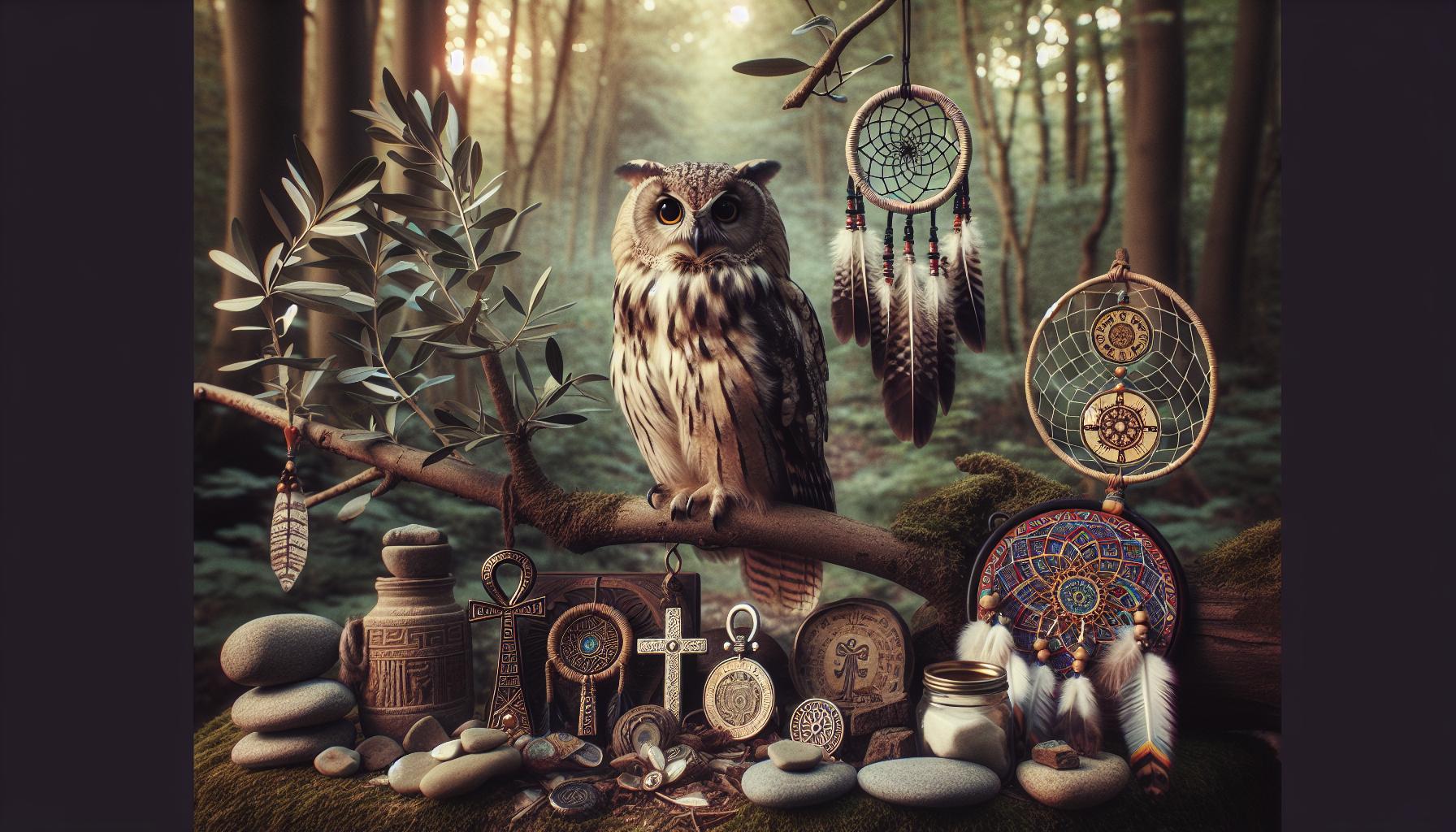
The owl, often shrouded in mystery, captivates the human imagination and varies greatly in symbolic meaning across different cultures. From ancient Greece, where the owl represented wisdom and was associated with the goddess Athena, to the traditions in North America, where it may symbolize death or misfortune, the symbolism of these remarkable birds is incredibly diverse. In many ways, owls serve as cultural mirrors, reflecting the values, beliefs, and fears of the societies that revere or regard them.
In several Asian cultures, owls are seen as omens of good fortune. For instance, in Japan, the word “fukurou” translates to “owl” as well as “no hardship”, which embodies a dual notion of luck and protection. Japanese households often display owl figurines, believing they attract blessings and safe journeys. On the other hand, in parts of Africa, owls are often viewed as sacred beings that guide spirits, assisting in communication with the deceased. This perspective elevates the owl to a position of reverence, highlighting its role in spiritual practices and belief systems.
Meanwhile, the owl’s reputation is not universally positive. In medieval Europe, myths arose that linked owls to witchcraft, often heralding bad omens when seen or heard. Such narratives created a stigma around the owl, which still lingers in popular beliefs today. These varied interpretations showcase the owl’s ability to embody contrasting virtues and fears, further enhancing its enigmatic status in folklore and cultural narratives.
Owls also appear prominently in modern pop culture, oftentimes symbolizing wisdom and mystique, which reflects a shift towards appreciating these creatures beyond mere superstition. By embracing the rich symbolism of owls across cultures, individuals can create a deeper connection to these fascinating birds and the lessons they represent in our lives, such as intuition, insight, and the importance of observing the world around us.
Positive Associations: Owls as Good Luck
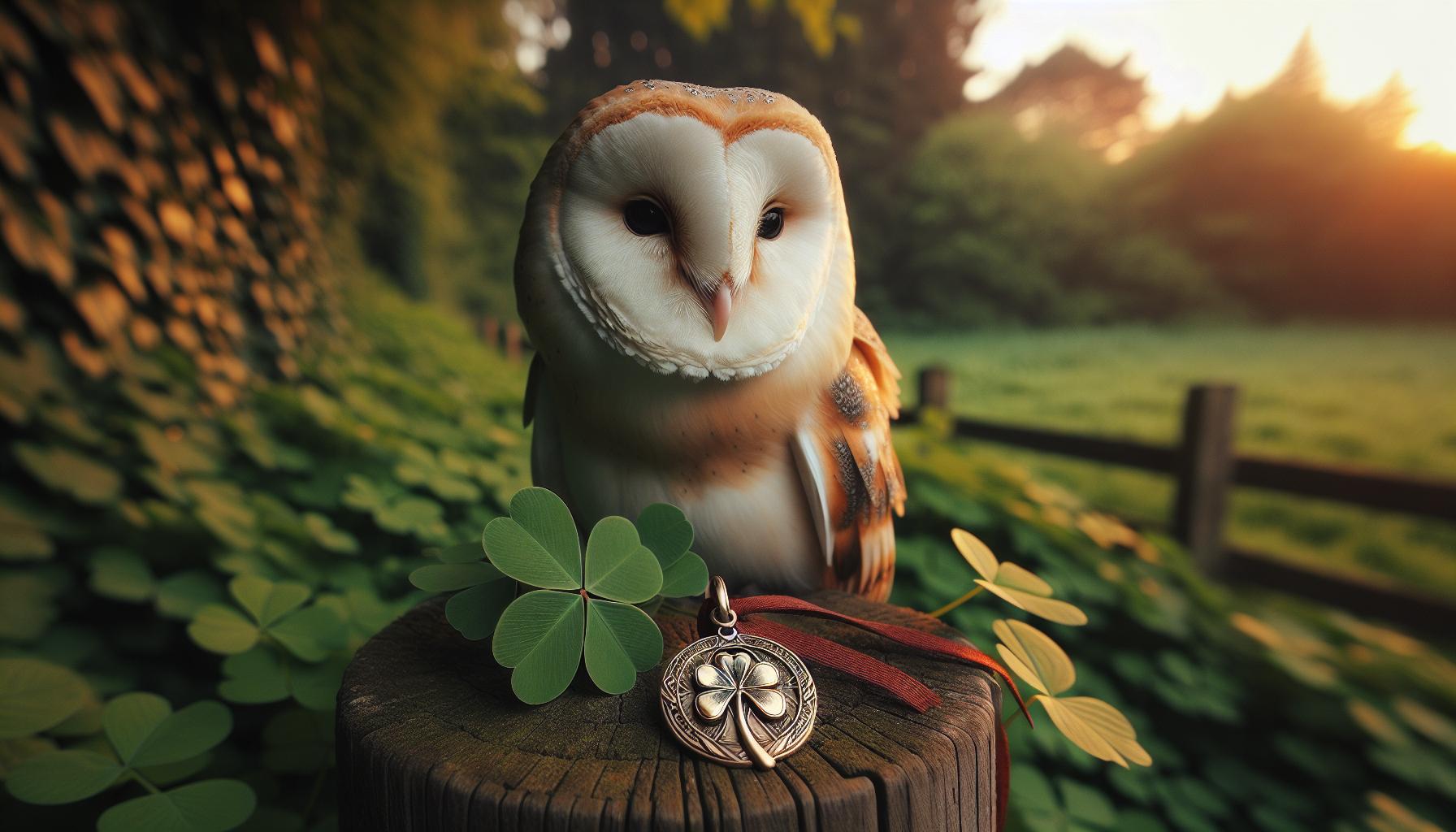
Owls have long captured the human imagination, often embodying the mysterious and the unknown. Across various cultures, these magnificent birds are frequently associated with positive omens and good fortune, serving as symbols of protection, insight, and prosperity. For instance, in Japanese culture, the owl (known as “fukurou”) signifies both an owl and the phrase “no hardship,” which beautifully intertwines the notions of luck and safety. This dual meaning has led to a tradition where many Japanese households prominently display owl figurines, believing they attract good luck and safeguard their family members during travels.
In addition to Japan, owls are revered in several other cultures as harbingers of good news. In some Native American traditions, owls are noted for their role as protectors, guiding lost souls and providing clarity during dark or difficult times. This profound connection highlights the owl’s dual significance as a source of wisdom and a beacon of hope-a potent reminder that fortune often arises in the face of adversity. It’s also common in some African cultures to consider owls as sacred creatures that facilitate communication with the spirit world, showcasing their role in fostering spiritual well-being and encouraging positive connections with the divine.
To bring the positive energies of owls into your own life, you might consider incorporating owl motifs into your surroundings. Surrounding yourself with owl-inspired art or jewelry can serve as a tangible reminder of the qualities you wish to cultivate-such as wisdom, intuition, and luck. Additionally, through practices like meditation, imagine the presence of an owl as you seek guidance or clarity in your life decisions, inviting the protective and lucky energies these birds symbolize.
Engaging with the rich tapestry of owl symbolism across cultures allows us to not only appreciate their beauty but also recognize them as powerful symbols of good fortune. Whether through cultural rituals or personal practices, embracing the mystical essence of owls can inspire a sense of harmony and positivity in our lives.
Negative Associations: Myths and Misconceptions
Sometimes, the very creatures revered for their wisdom and beauty can also be shrouded in fear and misunderstanding. Owls, while celebrated symbols of knowledge and good fortune in many cultures, also carry a weight of negative associations and myths that can distort their true nature. Many people mistakenly believe that owls are omens of death or bad luck, often based on lore and urban legends that paint a grim picture of these nocturnal birds.
In several Native American cultures, for instance, owls are often viewed as harbingers of misfortune or death. This belief stems from the idea that seeing an owl can signal an impending loss or tragedy. The Great Horned Owl and Screech Owl are specifically considered dangerous by various tribes, leading to a generalized fear of the birds. Among the Cheyenne, they even held the belief that only the Short-eared Owl is a true bird; all others were seen as spirits, emphasizing their otherworldly and ominous reputations [3].
Additionally, in some African traditions, while owls can symbolize spiritual connection, they are also seen as potential messengers of doom. This duality often leads to a more cautious approach to encountering these birds, where they may invoke a sense of fear or concern rather than admiration. People might believe that the appearance of an owl is a warning that should not be taken lightly, reflecting historical narratives that link owls to the afterlife or foreboding events [1].
It is essential to approach the study of owl symbolism with a nuanced understanding. While cultural narratives can heavily influence perceptions of these birds, fostering a balanced view can help mitigate unwarranted fears. Engaging with the myriad of stories and beliefs surrounding owls allows us to appreciate their complexity-not merely as symbols of foreboding but also as entities rich with meanings that differ dramatically across regional and cultural contexts.
Owls in Folklore: Stories and Legends
Across cultures, owls have long been woven into the fabric of folklore and stories, often embodying profound meanings that reflect the societies that created them. From ancient civilizations to contemporary tales, these nocturnal birds have played pivotal roles, giving them a special place in the hearts and minds of people around the globe.
In Greek mythology, the owl is closely associated with Athena, the goddess of wisdom. This relationship imbued the owl with a symbolic significance of knowledge and foresight. One tale tells of how Athena sent an owl to aid heroes in their quests, capable of illuminating the darkest paths with its insight. Such stories often emphasize that the appearance of an owl can herald moments of clarity and understanding, suggesting where to seek truth amid chaos.
Similarly, in Japanese folklore, the owl is revered as a protector and a symbol of good fortune. The word for owl, “fukurou,” can be interpreted to mean “no hardship.” As a result, these birds are often considered lucky charms, guiding individuals through difficult times. Traditional Japanese art frequently features owls as benevolent figures, imparting wisdom and guarding against misfortune.
Regional Variations in Owl Folktales
Different cultures offer distinct interpretations of owls in their folklore. For instance, in various Native American narratives, the owl is sometimes seen as a messenger of death or a spirit guide. Tribes such as the Apache view the owl as a harbinger of change, while the Lakota associate it with protection and wisdom. In contrast, European legends frequently portray owls as creatures of enchantment, present in tales of witches and magic.
Understanding these rich folkloric traditions can enhance one’s appreciation of owls as more than just birds, revealing their intricate roles within human culture. Each story highlights the complex relationship humans have with these animals, showcasing how they symbolize wisdom, protection, and sometimes warning, embodying the tension between light and darkness in the human experience.
A deep dive into the folklore surrounding owls invites us to reconsider our perceptions and interactions with them. Whether seen as benevolent guardians or ominous figures, owls remain central characters in the stories that shape cultural beliefs and provide insight into our shared humanity.
Regional Variations: Owls in Indigenous Cultures
Owls have captivated human imagination for centuries, and many Indigenous cultures attribute profound meanings to these enigmatic birds. Across the Americas, owls are prominent in folklore and traditions, often taking on roles that reflect the complex relationship humans have with nature and the spiritual world. In some tribes, seeing an owl is a sign of change or transition, while in others, they are viewed as messengers or omens, reflecting the duality of their nature.
In many Native American cultures, owls are often associated with death or the afterlife. For example, the >Caddo tribe believes that the hoot of a Great Horned Owl is a warning that someone may soon pass away. This perception can lead to a sense of foreboding and fear surrounding their presence. Conversely, other tribes view owls as protectors or guides in the spirit realm, particularly for medicine men who can interpret their calls and appearances [2]. The Apache consider owls to be harbingers of significant life changes, which can lead to a deeper understanding of the cycles of life.
Interestingly, opinions on owls can greatly differ even within neighboring tribes. The Cheyenne people, for instance, have a unique belief that only the Short-eared Owl is a ‘real’ bird, while they consider other owls to be spirits. This illustrates the wide array of cultural interpretations found in Indigenous societies. The common thread, however, lies in recognizing owls as powerful symbols intertwined with myths and life lessons.
Engaging with these cultural narratives not only enriches our understanding of owls but also invites a greater appreciation for the ecological and spiritual roles they play. For anyone looking to incorporate owl symbolism into their own lives, whether through art, storytelling, or personal reflection, considering these varied cultural insights can provide meaningful context and inspiration. By embracing the lessons and beliefs held by different cultures, we can foster a deeper connection with these majestic birds and the wisdom they represent.
The Role of Owls in Astrology and Fortune-Telling
Owls have long been associated with mystery and the unknown, which has made them prominent figures in astrology and fortune-telling across various cultures. In astrological traditions, owls are often viewed as symbols of intuition, wisdom, and insight. Their nocturnal nature and ability to see in the dark resonate with the themes of inner vision and deeper understanding. People who align themselves with owl energy may seek guidance in deciphering the hidden meanings of their experiences or in embracing their intuitive abilities.
In many cultures, the appearance of an owl is interpreted as a supernatural sign, prompting reflection on personal circumstances and future pathways. For instance, some consider owls as harbingers of fortune or significant transformation, suggesting that their emergence heralds a time of change or the unveiling of truths. Astrology enthusiasts might find themselves drawn to the owl for its archetypical representation of the sorceress or the wise teacher within their birth chart, often correlating this connection with heightened sensitivity to the emotional and spiritual realms around them.
To incorporate owl symbolism into one’s fortune-telling practices, one can create rituals that honor the wisdom of these birds. Here are some practical suggestions:
- Dream Journaling: Keep a journal beside your bed to note down dreams involving owls or nighttime encounters, as these may hold deeper messages about your life path.
- Fortune Readings: Use oracle cards featuring owls to gain clarity on situations or decisions, allowing the imagery to guide your intuition.
- Meditation: Meditate upon an owl to strengthen your connection to your inner self, focusing on questions about your journey and seeking insight through visualization.
The enchanting presence of owls in astrology and fortune-telling encourages individuals to embrace their instinctive wisdom while navigating the complexities of life. From the ancient Greeks, where owls were linked to Athena, the goddess of wisdom, to modern interpretations, owls continue to occupy a vital role in understanding our destinies and the whispers of the universe. By engaging with these practices, one can cultivate a meaningful relationship with the owl’s symbolism, integrating its guidance into everyday life.
Modern Interpretations: Owls in Pop Culture
Owls have soared to iconic status in modern pop culture, transforming from symbols of wisdom and mystery into features in various media that captivate audiences of all ages. Their nocturnal allure is beautifully portrayed in movies, literature, and merchandise, fostering a rich tapestry of associations and interpretations that echo ancient beliefs while allowing for new narratives to emerge. From the wise mentor to quirky companions, owls continue to capture the imagination and incorporate the themes of luck and change that have surrounded them for centuries.
One notable phenomenon is the presence of owls in children’s literature and films, where they often play pivotal roles as guides or guardians. Think of the beloved character Hedwig, Harry Potter’s loyal owl. She not only serves practical purposes-delivering letters and messages-but also symbolizes loyalty and the transition from childhood to growing up. Such portrayals further engrain the perception of owls as creatures that bridge the gap between the known and the unknown, fortifying their reputation as good luck charms in the magical realms we wish to explore.
In addition to stories, the rise of social media has ushered in a wave of owl-themed merchandise, from home decor to fashion accessories. This trend reflects a broader cultural fascination with the charming presence of owls, often seen as emblems of comfort and wisdom. Owl motifs grace everything from mugs to wall art, encouraging people to invite the symbolism of these creatures into everyday life. Many believe that surrounding themselves with owl imagery can bring positive energy and luck, aligning with ancient beliefs that recognize the owl’s significant role in guiding and protecting.
Furthermore, modern interpretations extend into vibrant online communities and forums where fans share their excitement about owls through art, photography, and personal anecdotes. This engagement has not only enhanced awareness and appreciation for these majestic birds but has also fostered a sense of connection among owl enthusiasts, reinforcing their belief in owls as symbols of good fortune. As you navigate your own journey, consider embracing this contemporary celebration of owls, whether through adopting owl-themed items that resonate with you or participating in local or online forums dedicated to birdwatching and conservation. By doing so, you can weave the enchanting symbolism of owls into your life, harnessing their age-old association with wisdom and luck.
Owls as Omens: Historical Perspectives
Throughout history, owls have been enveloped in a veil of mystique and superstition, often perceived as harbingers of fate. In many cultures, their nocturnal habits and haunting calls have led to a complex web of associations, which frequently tie these birds to omens of misfortune or death. However, the interpretations of these occurrences can vary dramatically across different societies, presenting a fascinating reflection of cultural beliefs and fears surrounding the unknown.
One of the most prominent historical perspectives comes from ancient Greece, where the owl was associated with Athena, the goddess of wisdom. The Greeks revered the owl as a symbol of knowledge and foresight, considering its appearance a positive omen of protection and enlightenment. In stark contrast, in some Native American traditions, certain tribes viewed the spotting of an owl as a sign of impending danger or even death. This duality in symbolism creates intrigue around what owls truly signify, leading to rich folklore and stories that shape our understanding of these enigmatic creatures.
Furthermore, the association of owls with death is prevalent in various cultures. In Europe, during the Middle Ages, owls were often linked to witchcraft and considered ill omens, a belief that conjured fear and superstition. Conversely, in parts of Asia, owls are seen as guardians of the night, believed to ward off evil spirits. This tension between viewing owls as protectors versus harbingers of doom speaks to a broader human tendency to decipher meaning in the natural world, often through the lens of fear or reverence.
To integrate the wisdom of historical perspectives into modern life, individuals can adopt practices that celebrate the owl’s duality. Engaging in storytelling that honors the owl’s rich folklore, or incorporating owl symbolism in art and decor, can create a deeper connection to these birds. Observing owls in their natural habitat, and reflecting on cultural narratives surrounding them, can enhance one’s understanding and appreciation of the remarkable role they play in our world’s ecosystems and mythologies. By fostering this connection, we not only pay homage to the ancient beliefs but also cultivate a more profound respect for the wonders of nature that surround us.
Comparative Analysis: Owls vs. Other Birds of Fortune
The enigmatic owl often stands out in cultural conversations about luck and fortune, but it’s fascinating to compare its associations with those of other birds traditionally viewed as harbingers of good luck across various cultures. While owls are revered in some societies for wisdom and transformation, other birds like the robin, bluebird, and even the mythical phoenix, carry their unique significance, creating a rich tapestry of symbolism that can differ significantly from one culture to another.
Owls vs. Other Birds of Luck
Owls, particularly in some Indigenous cultures in North America, are seen with a mixture of reverence and fear, often linked to death or the supernatural, illustrating a more cautionary tale in their interpretation [[1](https://centerofthewest.org/2018/08/06/owls-native-american-culture/)]. In contrast, birds like the bluebird symbolize happiness and good fortune. The bluebird’s vibrant color and melodious song have made it a universal emblem of joy and potential; seeing one is often associated with wishes being granted or joyous news. Similarly, robins, heralds of spring, are linked to renewal and prosperity across many cultures, often seen as a sign that good fortune is on the way.
The mythical phoenix, while not a typical bird found in nature, captures the imagination across various cultures. It symbolizes rebirth and immortality, emerging anew from its ashes. This transformative aspect speaks to the power of luck associated with change and growth, offering a stark contrast to the more grounded presence of owls.
Distinct Cultural Narratives
The cultural narratives surrounding these birds also offer intriguing insights. For instance, in Japanese culture, owls are often seen as symbols of good luck and protection, in direct opposition to the more somber interpretations found in Native American lore [[2](https://www.birdfy.com/blogs/blogs/the-spiritual-meaning-of-owl-wisdom-transformation-and-guidance?srsltid=AfmBOoowlsh4iNQpybC7pOVq_KSvHJ58EMgNTYc12uc8_izWtZzF1AL_)]. This varied perspective highlights how location and societal values shape the symbolism attached to owls versus other birds of fortune.
In summary, while owls provide depth and complexity as symbols intertwined with themes of wisdom and transition, other birds like bluebirds and robins often embody joy and assurance of good fortune. The diverse narratives across cultures regarding these birds illustrate humanity’s ongoing quest to understand and derive meaning from the natural world around us. For bird enthusiasts and cultural aficionados alike, exploring these differences can enhance our appreciation for the various omens life offers through our feathered friends.
Invoking Owl Symbols in Art and Literature
The presence of owls in art and literature evokes a deep resonance, symbolizing wisdom, mystery, and even a touch of the supernatural. These fascinating birds have long captivated artists and authors, inspiring a diverse array of interpretations and representations across cultures. By incorporating owl symbols into creative expressions, one can channel the unique aura associated with these nocturnal creatures. Owls prompt us to reflect on life’s mysteries, the duality of knowledge, and the thin veil between the known and the unknown.
In art, owls often represent themes of insight and foresight. The iconic owl, with its piercing gaze and distinct silhouette, can be found in various styles from ancient pottery to contemporary sculpture. Artists take advantage of the owl’s enigmatic nature; for example, the ancient Greeks associated the owl with Athena, the goddess of wisdom, portraying it in coinage and temple art. When creating or selecting owl-themed artwork, consider using pieces that resonate with personal experiences or reflect aspirations for clear vision and guidance in life’s pursuits.
In literature, owls frequently symbolize knowledge and transformation. Classic narratives, such as those found in European folklore, depict owls as wise guides capable of revealing hidden truths. J.K. Rowling’s use of the owl in the Harry Potter series, particularly Hedwig, showcases not only companionship but also the importance of guidance and loyalty. To invoke the symbolism of owls in your own writing, explore themes of learning through experience, intuition guiding decisions, or even the acceptance of life’s inevitable mysteries. Crafting stories around these motifs allows the owl to serve as both a character and a powerful symbol to illuminate deeper meanings.
To thoughtfully incorporate owl symbols into your life, consider practical applications like journaling or meditation centered around an owl motif. You might create a dedicated space adorned with owl imagery-whether through photographs, drawings, or decorative items-that invites contemplation and focus. Such practices can help harness the owl’s symbolic qualities, reminding you of the wisdom you seek and the clarity you wish to attain in your journey. In merging the beauty of owls with creative expression, you not only honor their place in diverse cultural narratives but also enrich your personal experience through the wisdom they represent.
How to Incorporate Owl Symbols in Daily Life
By weaving owl symbols into our daily lives, we can tap into the deep reservoir of wisdom and intuition these creatures represent. Owls have long been associated with good luck in various cultures worldwide. Here are some thoughtful ways to incorporate these powerful symbols into your everyday routine.
One engaging method is to curate a personal “owl corner” in your home. This could be a dedicated space adorned with owl-themed décor such as figurines, artwork, or even books that feature owls prominently. By surrounding yourself with these symbols, you create a visual reminder of the owl’s association with insight and clarity. You might choose art that resonates with your aspirations or reflects your journey, inviting contemplation and encouraging mindfulness in your daily routine.
Another effective approach is to bring journaling or meditation into your life with a focus on owl symbolism. Consider setting aside time each week to reflect on your thoughts and experiences while visualizing the owl’s qualities. As you write or meditate, think about themes of wisdom, guidance, and intuition. This mindful practice can help you clarify your thoughts, making decisions easier, and also promote an understanding of your inner self, much like an owl’s keen observational skills.
Additionally, consider infusing owl motifs into your style choices. Wearing owl-themed jewelry, clothing, or accessories not only serves as a fashion statement but also reinforces the positive energy associated with these birds. Every time you see or wear these symbols, let them remind you of the attributes they embody-wisdom, intuition, and good fortune.
Lastly, explore the enchanting world of owls through literature and storytelling. Whether it’s reading books that feature owl characters or writing your own stories that incorporate owl symbols, engaging with their narratives can offer profound insights. As you share these stories with others-friends, family, or even in community gatherings-you disseminate the cultural significance of owls, celebrating their role as harbingers of wisdom and good luck across cultures.
Incorporating these owl symbols into your daily life not only enriches your environment but also connects you to the broader cultural beliefs surrounding these magnificent birds. Each small action reinforces the association with good fortune and wisdom they carry, inviting positive energy into your life.
Frequently Asked Questions
Q: What do owls symbolize in different cultures?
A: Owls symbolize wisdom and knowledge in many cultures, such as Ancient Greece. However, they are also seen as harbingers of death or misfortune in some Native American tribes. Understanding these diverse perspectives can enrich your insight into owl symbolism, as discussed in the “Symbolism of Owls in Different Cultures” section of our article.
Q: Are owls considered good luck in all cultures?
A: No, owls are not universally considered symbols of good luck. While some cultures, like Japanese and Hindu, view them as protectors and bringers of good fortune, others see them as ominous creatures. To explore more, check our section on “Positive Associations: Owls as Good Luck.”
Q: What is the significance of owls in indigenous cultures?
A: In many indigenous cultures, owls are viewed as guardians of sacred knowledge or as spirit guides. They often symbolize transition and change, reflecting a deep spiritual connection. Learn more in the “Regional Variations: Owls in Indigenous Cultures” section of our article.
Q: How do owls relate to astrology?
A: In astrology, owls are linked to intuition and insight, often associated with the moon and its cycles. They are believed to enhance one’s intuitive abilities. For in-depth discussion, refer to “The Role of Owls in Astrology and Fortune-Telling” in our article.
Q: What can you do to incorporate owl symbolism into your life?
A: You can incorporate owl symbolism through art, home decor, or wearing owl-themed jewelry to bring wisdom and protection into your life. Our article’s section on “How to Incorporate Owl Symbols in Daily Life” provides additional tips for implementation.
Q: Are there any famous myths or legends involving owls?
A: Yes, owls feature prominently in various myths and legends, such as the Greek myth of Athena, who was often accompanied by an owl, symbolizing wisdom. For more fascinating stories, explore the “Owls in Folklore: Stories and Legends” section of our article.
Q: How do views on owls differ globally?
A: Views on owls vary widely; in some cultures, they are seen as wise and protective, while in others, they are associated with death and bad luck. This diversity is explored in detail in the “Cultural Beliefs About Owls Across Continents” section of our article.
Q: Why are owls associated with wisdom?
A: Owls are often perceived as wise due to their solitary behavior, nocturnal habits, and exceptional hunting skills. This association has been reinforced in literature and folklore. For a comprehensive analysis, refer to “Symbolism of Owls in Different Cultures.”
To Wrap It Up
As we wrap up our exploration of “Are Owls Good Luck: Cultural Beliefs Around the World,” it’s clear that these fascinating birds carry a wealth of meanings across various cultures. Their symbolism extends beyond mere superstition, reflecting deeper connections to wisdom and intuition. If you’re eager to dive deeper into the enchanting world of birds, check out our articles on “The Myths and Truths About Owls” and “How to Attract Owls to Your Backyard.”
Don’t let this be the end of your journey! Subscribe to our newsletter for insights and tips on birdwatching, and share your own experiences or questions in the comments below-your thoughts are valuable! Remember, whether you view owls as bringers of good luck or wise guardians, we invite you to continue exploring the myriad ways these incredible creatures enrich our lives. Your adventure in learning more about birds is just beginning!