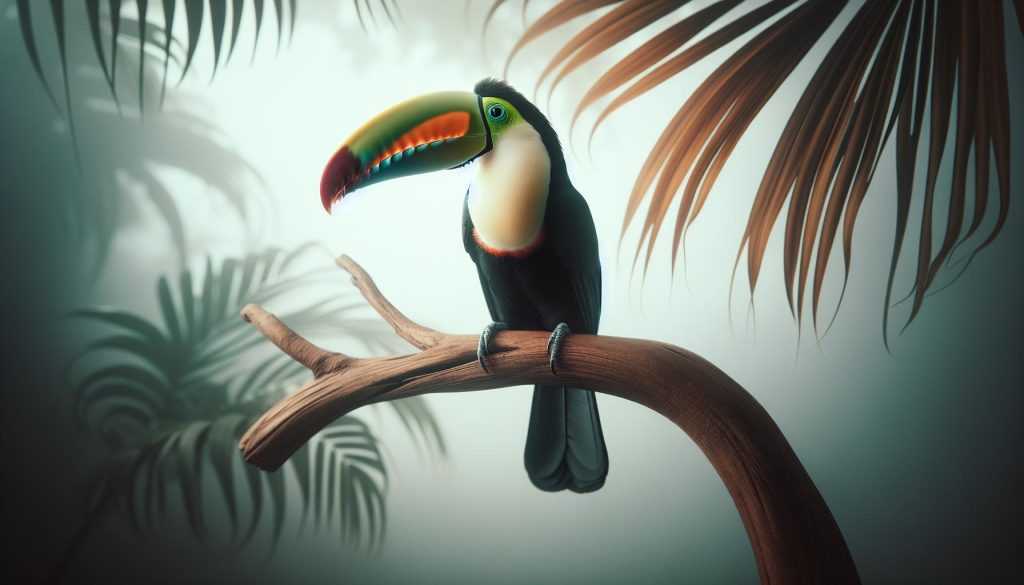
Toucans are not only one of the most visually striking birds in the world but also serve as vital players in their ecosystems. With their vibrant feathers and iconic oversized bills, these creatures captivate nature enthusiasts and casual observers alike. Understanding how a toucan looks isn’t just about appreciating its beauty; it’s also about fostering a deeper appreciation for biodiversity and conservation. As we dive into the detailed description of toucans, you’ll discover remarkable facts about their anatomy, behavior, and habitat. Whether you’re a birdwatching novice or a seasoned ornithologist, learning about these unique birds enriches your knowledge and connection with nature. Join us as we unravel the fascinating features of toucans and their role in tropical forests, igniting your curiosity and encouraging you to observe these amazing birds in the wild or at your local aviary.
How Toucans Are Recognized by Their Appearance
Toucans are among the most visually striking birds, easily recognized by their unique appearance. Their largest and most distinctive feature is undoubtedly their colorful beak, which comes in a range of vibrant hues including bright yellow, orange, red, and even blue, depending on the species. This oversized beak is not just for show; it plays a role in their feeding habits, enabling them to reach fruit and insects in hard-to-reach places while also helping to regulate their body temperature.
In addition to their remarkable beaks, toucans display vivid plumage that typically features a combination of black, white, and bright contrasting colors. Many species sport a predominantly black body, with stunning white throat feathers and a splash of color on their tail or beak. For instance, the Keel-billed Toucan is famous for its multicolored bill and a body that contrasts beautifully with its bright yellow underparts.
Toucans vary in size but generally have compact bodies with stout legs, making them look sturdy yet agile in their forest homes. They are adapted to live in tropical and subtropical environments, mainly in Central and South America, where their bright appearance stands out against lush green foliage. Their visual characteristics not only aid in individual recognition among species but also play a role in mating displays, where vivid colors can attract potential partners and signal health and vitality.
Understanding the appearance of toucans enriches our appreciation for these extraordinary birds. Their colors and structure are not just for aesthetic pleasure; they reflect their ecological adaptation and behavioral traits, highlighting the intricate interplay between form, function, and survival in the wild.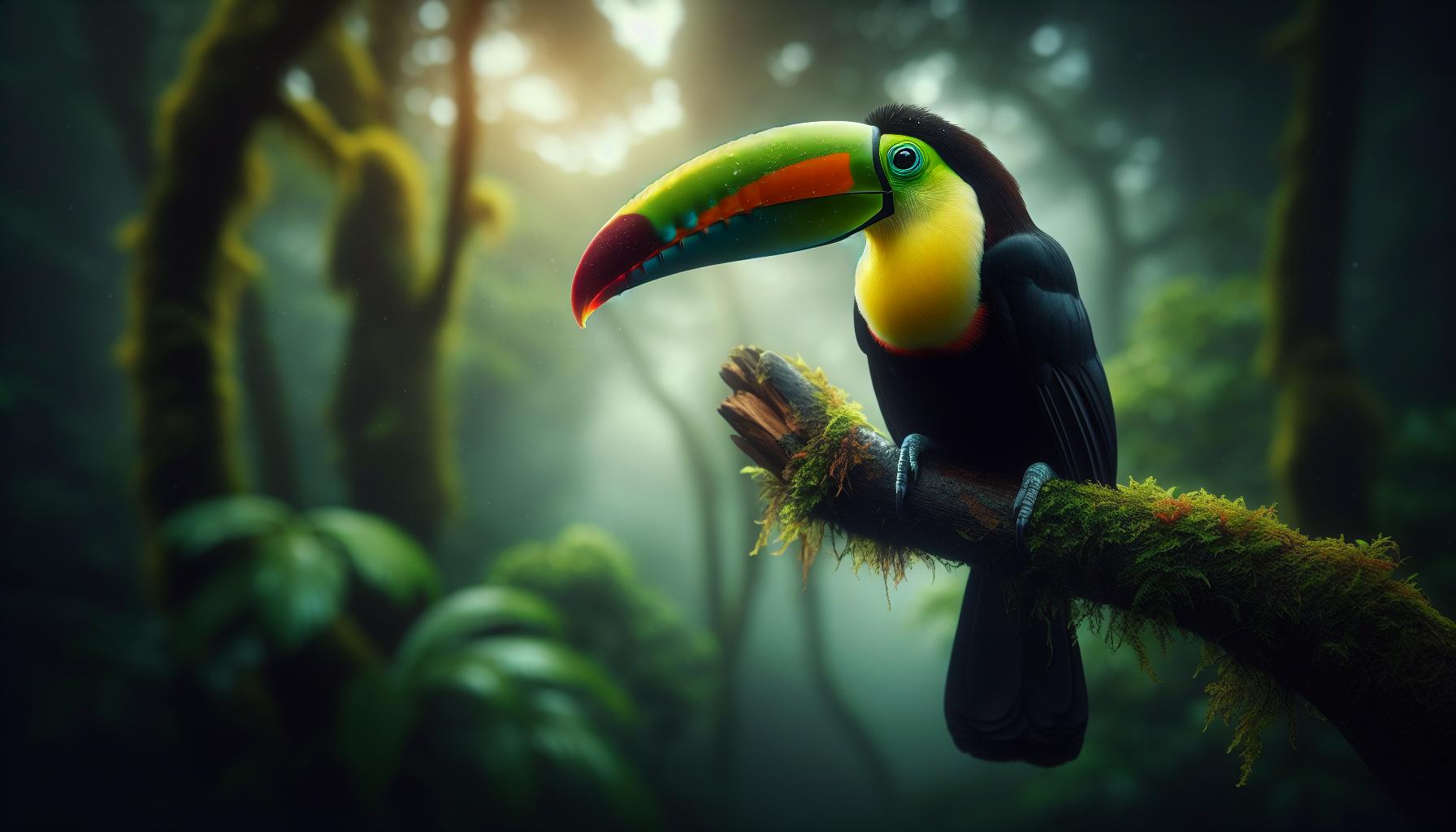
Distinctive Features of a Toucan’s Beak
Toucans possess one of the most captivating features in the avian world: their beaks, which can often exceed half the length of their bodies. This remarkable adaptation serves multiple purposes beyond mere aesthetics. First and foremost, a toucan’s beak is an extraordinary tool for foraging. Its large size allows these birds to reach and extract fruit from branches that are inaccessible to many other species. Some toucans are known to prefer particular fruits, showcasing their role as key players in dispersing seeds through their feeding habits. This not only benefits their survival by ensuring a constant food supply but also aids in the health of their forest ecosystems.
The beak’s vibrant colors-ranging from bright yellows and oranges to striking blues and greens-are not just for visual spectacle; they can play a critical role in social behaviors. Toucans use their beak coloration in mating rituals and to establish dominance among peers. A bright, colorful beak can signal a healthy, fit individual, making it more attractive to potential mates. This interconnection between their appearance and behavior adds an intriguing layer to their existence, linking physical traits with reproductive strategies.
Beak Structure and Functionality
The beak itself is composed of a lightweight, yet strong keratin, which enables these birds to handle their food delicately without damaging it. Despite its impressive size, the beak is surprisingly well-designed for handling various textures. For example, toucans can manipulate their beaks skillfully to crack into hard fruits or even snag insects from tight spots. This versatility underscores the importance of their beak in their daily survival and feeding routines.
In terms of upkeep, if you are considering owning a toucan as a pet, proper nutrition is vital. A diet rich in fruits, nuts, and specialized pellets-designed specifically for toucans-will ensure that their beaks remain healthy and functional. Regular vet check-ups are also essential to monitor the health of the beak and the bird, helping prevent any potential issues that could arise from inadequate care or nutrition.
Ultimately, the toucan’s beak is a perfect illustration of how form follows function in the animal kingdom. Its unique design not only defines the toucan’s iconic silhouette but also plays a critical role in its biology, behavior, and ecological impact, making these birds truly remarkable creatures worthy of admiration.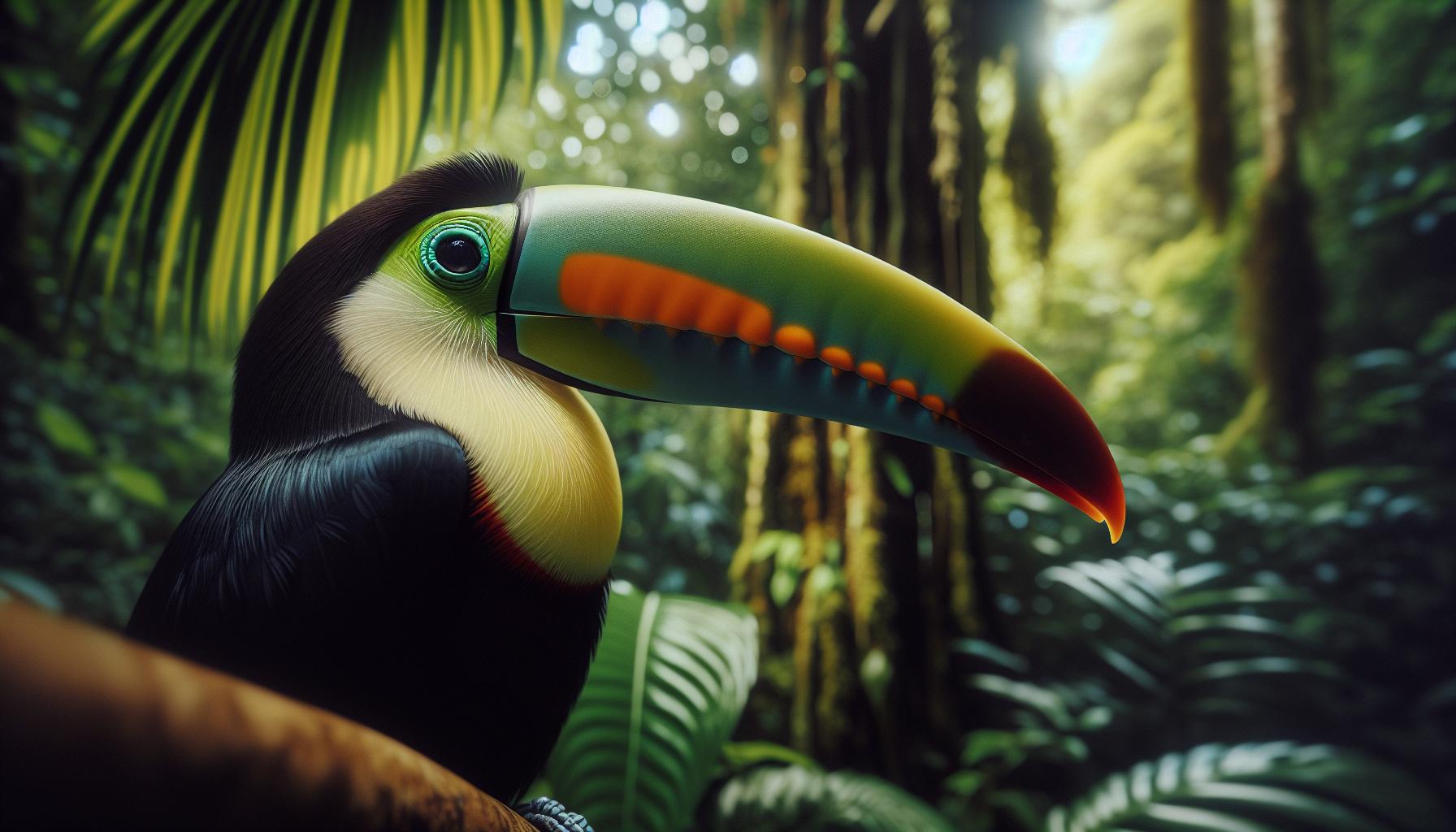
Vibrant Plumage Patterns of Toucans
Toucans are not just defined by their striking beaks; their vibrant plumage is equally stunning and plays a crucial role in their identity. Each species boasts unique colors and patterns that can range from bold yellows and stunning oranges to deep blacks and vibrant greens. For instance, the well-known Keel-billed Toucan displays a spectacular blend of colors: its body is mostly black, accented by a bright yellow chest and a distinct green and red bill that makes it impossible to overlook. Such vivid coloration is not merely for show; it serves essential purposes in their natural habitat, from camouflage among the foliage to attracting potential mates.
Aside from their individual brilliance, the patterns of a toucan’s plumage can signal health and vitality. Bright colors often indicate a healthy, well-nourished bird-attributes that are crucial during mating displays. During courtship, vibrant plumage can attract a mate and assert dominance within a group, pivotal behaviors that enhance their reproductive success. For owners and enthusiasts, understanding these characteristics can help identify different species and appreciate the diversity within the toucan family.
Toucans also exhibit sexual dimorphism, where males and females can have subtle differences in plumage, although often these are not starkly different. Observing these nuances in feather patterns and colors can be a rewarding challenge for bird watchers. For those starting their journey into bird watching or pet ownership, paying attention to a toucan’s plumage can make the experience more enriching and educational.
To care for a pet toucan or simply to appreciate them in the wild, observing how their colors interact with their environment is vital. Regular exposure to natural light is important to maintain the vibrancy of their feathers, while a rich, varied diet supports their overall health. By focusing on these aspects, enthusiasts can ensure that these magnificent birds shine in all their colorful glory, whether in the wild or at home.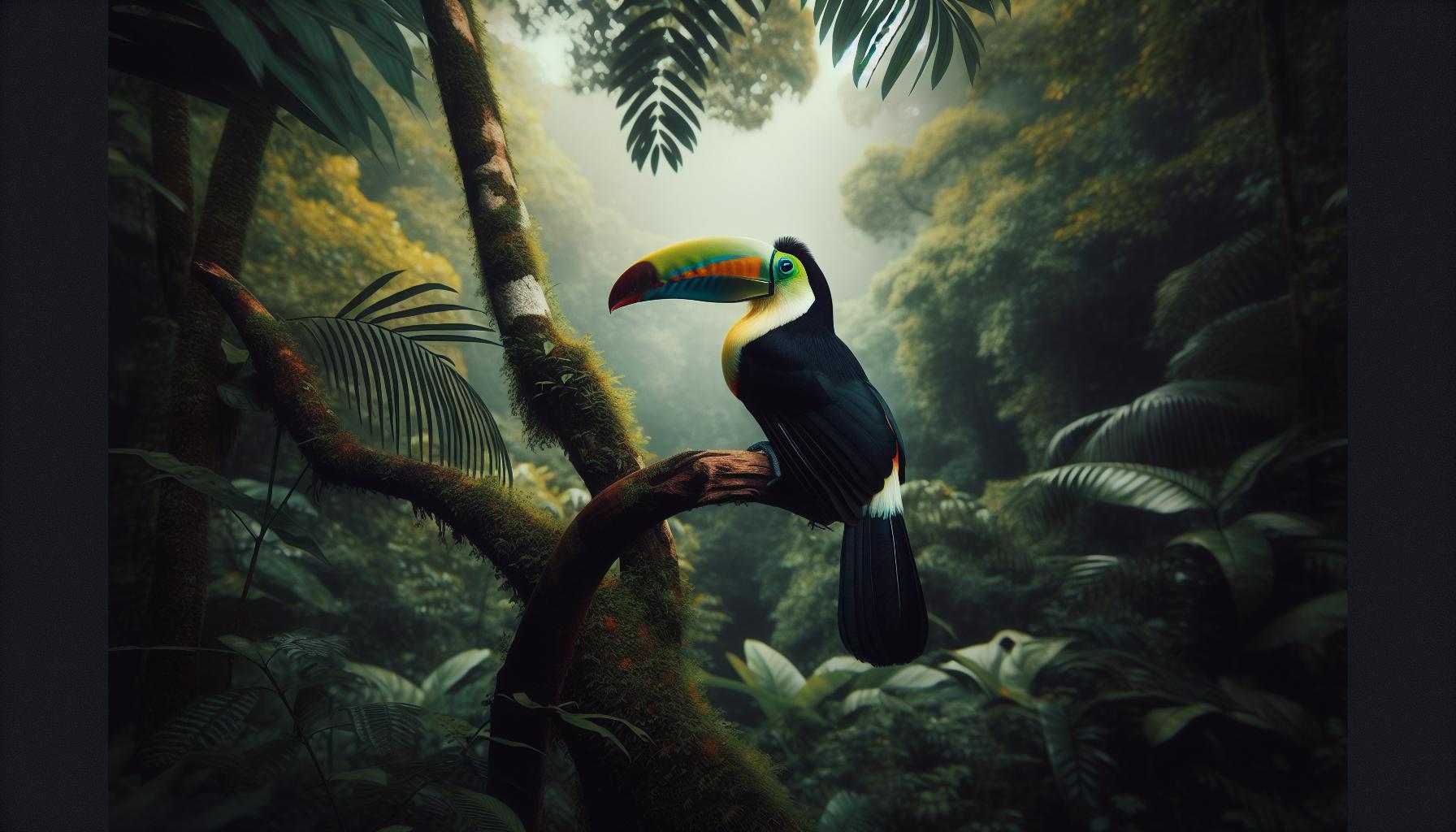
Body Size and Shape: What To Expect
The toucan, often mistaken for a cartoonish character due to its whimsical appearance, is a marvel of nature that captivates bird enthusiasts worldwide. Generally medium to large in size, toucans have robust bodies that can measure anywhere from 18 to 25 inches in length, depending on the species. Their hefty physique is not just for show; it supports their iconic large bills, which can make up to one-third of their overall length. The shape and size of their bodies are perfectly adapted for life in the treetops, where agility is crucial for navigating through dense foliage.
When observing a toucan, one cannot overlook their unique silhouette. Their bodies are typically stout and rounded, providing stability as they perch and leap amongst branches. This structural design is harmonized with their strong legs, which help them grip onto tree limbs securely. The beak, while large and seemingly unwieldy, is surprisingly lightweight; made primarily of keratin, it is designed for foraging rather than for heavy lifting. This specialized bill is perfect for accessing fruits and insects, which form major components of their diet.
For those considering keeping a toucan as a pet, it is essential to understand that their size requires ample space. An ideal living environment would include a spacious aviary or a large, enriched cage to accommodate their need for movement and exploration. It’s recommended that enclosures provide vertical space, mimicking their natural habitat, where these birds spend most of their time aloft among the trees. In terms of social behavior, toucans are social creatures that often live in small groups, which can influence how you set up their living space.
In summary, when evaluating the body size and shape of toucans, it’s crucial to appreciate their adaptations and needs. Whether in the wild or in captivity, their unique physical traits contribute to their ability to thrive in their environments. Observing these remarkable birds, one cannot help but admire how their bodies, from their stout forms to their oversized bills, are beautifully crafted for life among the treetops.
Natural Habitat and Distribution of Toucans
The vibrant toucan, with its distinctive beak and colorful plumage, thrives in the lush, biodiverse rainforests of Central and South America, where it plays a crucial role in maintaining the ecosystem. These birds inhabit a variety of forest types, including tropical and subtropical rainforests, where they typically prefer the upper canopy and subcanopy levels. Toucans are expertly adapted to these environments, often seen perched high in the trees or flitting among the branches as they forage for fruits, nuts, and insects.
Most toucan species inhabit areas that provide abundant food sources and nesting sites. For example, the Keel-billed Toucan (Ramphastos sulfuratus) is commonly found in the lowland rainforests of Central America, making it a familiar sight in places like Costa Rica and Belize. Meanwhile, the Toucanet species, which are smaller relatives of the toucan, occupy similar habitats but can also thrive in slightly drier environments such as montane forests. Their habitats are often characterized by dense foliage, which not only offers food but also protection from predators.
When considering their distribution, toucans are not only synonymous with rainforests. Some species, like the Channel-billed Toucan (Ramphastos vitellinus), can adapt to edge habitats and even secondary forests, showcasing their versatility. This adaptability extends to their social structures; toucans are generally seen in small groups, which aids in both foraging and social interaction. It’s fascinating to observe how they navigate their habitat, utilizing their impressive beaks to reach fruit on branches beyond their immediate grasp.
Understanding the natural habitats of toucans is essential for conservation efforts, especially as deforestation and habitat loss pose significant threats to these birds. By preserving their rainforest homes, we ensure that these unique species continue to grace our ecosystems with their vibrant presence and remarkable adaptations. If you’re considering an aviary for toucans or similar birds, replicating their natural environment-complete with trees, perches, and places to hide-will greatly enhance their well-being. Such insights not only foster better care but also deepen our appreciation for these extraordinary creatures.
Behavioral Traits of Toucans in the Wild
These colorful birds are not just a feast for the eyes; their behavior in the wild is equally captivating. Toucans are primarily social creatures, often seen in small flocks that can range from 2 to 15 individuals. This social structure facilitates foraging, as they work together to scout for fruit. Their distinctive large beaks serve not just for eating but also for displaying dominance and engaging in social interactions. One fascinating aspect of toucan behavior is their playful nature; they enjoy engaging in what seems like a game, tossing fruit to one another, which strengthens social bonds within the group.
Toucans are known for their unique vocalizations. Their calls are varied and resonant, ranging from low croaks to high-pitched whistles. These sounds serve multiple purposes: they communicate location to flock members, assert territory against rivals, and even attract mates during the breeding season. Observing toucans in the wild, you might experience the lively ambiance they create with their sounds, echoing through the forest.
For those interested in keeping toucans or enhancing their understanding of these birds, it is essential to replicate elements of their natural behavior in captivity. Providing ample space for movement, having varied perches, and including toys that encourage play and social interaction can significantly improve a captive toucan’s quality of life. Moreover, understanding their feeding habits is crucial; in the wild, toucans are frugivorous, primarily eating fruit, but they will also consume insects and occasional small animals. Therefore, a well-rounded diet is vital for their health in captivity.
Through these lively behaviors, toucans not only showcase their adaptability and intelligence but also embody the vibrant ecosystems they inhabit. By monitoring their social interactions and dietary needs, we can appreciate and protect these remarkable birds in their natural settings as well as in avian care practices.
Common Species of Toucans and Their Looks
Toucans are not only renowned for their vibrant bills that become a trademark of their appearance, but each species showcases unique features that make them stand out in the avian world. The most iconic of these, the Toco Toucan (Ramphastos toco), boasts a massive, bright orange bill that can measure up to 8 inches long. This bill serves multiple purposes: it helps them reach fruit high in trees and also aids in thermoregulation. Their plumage is predominantly black, complemented by a colorful throat and chest that can range from yellow to cream. If you spot a Toco Toucan, it’s hard to mistake it for any other bird due to its overwhelmingly vibrant and large bill that contrasts with its dark body.
Another captivating species is the Keel-billed Toucan (Ramphastos sulfuratus), distinguished by its striking multicolored bill, which is bright green with yellow, red, and orange accents. A common sight in Central America, this toucan features a predominantly black body and a yellow chest, making it one of the most colorful members of the toucan family. When spotting this species, one can’t help but marvel at how its bill seems almost too large for its head, creating a truly whimsical appearance.
The Hyperlapse Toucan (Selenidera spectabilis), also known as the Collared Aracari, provides another beautiful variation, exhibiting less drastic color but remarkable plumage. Their lovely coloration includes a black head and back, complemented by a vibrant yellow collar and belly. Unlike the larger toucans, this species has a much smaller bill but is equally charming. This adaptability is crucial for their survival in the biodiversity-rich habitats they occupy.
For avid birders or casual enthusiasts, identifying these species in the wild can be greatly enhanced by learning their distinct color patterns, vocalizations, and behaviors. Observing these traits, from the way they forage in trees to their unique calls, can enrich your experience in their natural habitats. If you aim to care for them in captivity, understanding these unique characteristics will be crucial for providing an environment that reflects their needs and behaviors, contributing to their health and happiness in a home setting.
Caring for Toucans: Tips for Enthusiasts
Caring for toucans is an enriching experience that allows you to connect with these vibrant birds up close. Their unique traits necessitate specific care, making it essential to understand their needs to ensure a happy and healthy life in captivity. One of the most critical aspects of toucan care is their diet; a balanced mix of fruits, vegetables, and commercial toucan pellets is vital. Their large beaks are adapted for grasping and manipulating food, so offering various textures and shapes can stimulate their natural foraging behavior. Fresh foods should be offered daily, and it’s beneficial to introduce seasonal fruits to keep their diet varied and interesting.
Creating an appropriate habitat is equally important. Toucans thrive in spacious environments, as they are naturally arboreal and enjoy climbing and exploring. A large cage with vertical space is ideal, equipped with branches of varying diameters to mimic their natural surroundings. This allows them to exercise and engage in natural behaviors, like perching and climbing. Additionally, providing enrichment items such as toys made from wood or safe materials encourages their inquisitive nature, helping to prevent boredom and stress.
Social interaction plays a crucial role in the well-being of toucans. These birds are highly social creatures, often found in small flocks in the wild. Therefore, they benefit from daily interaction, whether with their human caretakers or, ideally, companionship from another toucan. However, introducing another toucan must be done cautiously to avoid territorial disputes. Regular handling can help them become tame and strengthen the bond between the bird and its owner. Understanding the signs of stress or discomfort, such as excessive vocalization or feather plucking, is essential for timely intervention.
Finally, monitoring their health is paramount. Regular veterinary check-ups with an avian specialist are advisable to ensure that your toucan is healthy, especially since they can be prone to certain diseases. Keeping an eye on their weight, diet, and behavior will help in identifying any potential health issues early on. Through attentive care and a thorough understanding of a toucan’s unique needs and traits, enthusiasts can provide a nurturing environment that supports these remarkable birds, allowing them to thrive and show off their stunning looks.
Understanding Toucan Communication and Sounds
The communication skills of toucans are as vibrant and distinctive as their striking appearance. These social birds rely heavily on vocalizations to interact with one another, expressing a range of emotions from alarm to excitement. Their calls can vary widely among species but generally consist of deep croaks, high-pitched whistles, and a variety of clicks and grunts. The laceing of sounds is not just about noise; it plays a crucial role in establishing territory, attracting mates, and maintaining flock cohesion.
When observing toucans in the wild, you’ll notice how their calls resonate through the canopy, often echoing from tree to tree. This acoustic behavior is especially crucial in dense rainforest environments where visual cues may be limited. For example, the Keel-billed Toucan is known for a series of loud, mocking calls that can carry over long distances. These calls serve to alert others about potential threats or simply broadcast their presence in a playful manner.
Body Language and Communication
In addition to vocalizations, toucans use body language to convey meaning. The posture of a toucan can signal its mood; for instance, a puffed-up chest may indicate excitement or aggression. This non-verbal communication is particularly important during mating rituals, where males may display themselves more prominently to attract mates. Understanding these nuances can deepen your appreciation for these dynamic birds and enrich your experience if you’re ever lucky enough to observe them up close.
Encouraging interaction in captive toucans can foster a richer relationship. Playtime using toys or engaging in mimicry can elicit sounds that display their natural vocal capabilities, making it an enjoyable experience for both the bird and the caretaker. Much like social interactions among wild toucans, the sounds they create in captivity can provide insight into their emotional state and overall well-being.
By nurturing an understanding of toucan communication-both vocal and physical-you can enhance the care you provide while also unraveling the mystery of their vibrant social lives. Whether through the playful cacophony of their calls or the subtle hints of their posture, these beautiful birds invite us to engage with them in a uniquely expressive manner.
Way Toucans Adapt to Their Environment
Toucans are remarkable birds, perfectly adapted to thrive in their lush, tropical environments. Their vibrant beaks are not just for show; they play a crucial role in foraging and feeding. The unique shape of their beaks allows them to reach fruit in hard-to-access spots, enabling them to consume a varied diet that consists primarily of fruits, but also includes insects and small vertebrates. This adaptability to a frugivorous diet ensures that they can find food even when other resources are scarce.
Another fascinating adaptation is their social behavior, which aids in navigating their densely forested habitats. Toucans often live in small flocks, which enhances their ability to find food and evade predators. This social structure can help them communicate regarding food sources and warn each other of danger through their distinct vocalizations. As they move through the canopy, their strong feet – designed for gripping branches – allow them to jump from branch to branch with agility, proving essential for their survival in the complex layering of rainforest vegetation.
Additionally, toucans are equipped with excellent eyesight that helps them spot both predators and ripened fruits from a distance. Their vibrant plumage is not only aesthetically pleasing but also serves a critical purpose. The bold colors can play a role in their social interactions and mating rituals, where vibrant hues signify health and vitality. In the dense foliage, these colors help them blend in during non-breeding seasons, providing a degree of camouflage from both predators and potential competitors.
Ultimately, these adaptations highlight the incredible evolutionary strategies that toucans have developed to thrive in their specific ecosystems. By maintaining a balanced diet, engaging in social behaviors, and employing their colorful features both for communication and camouflage, toucans exemplify how specialization in natural environments contributes to the survival of a species. Whether you’re a seasoned birder or a newcomer to avian observation, appreciating these unique traits can enrich your understanding of the natural world.
Comparative Analysis: Toucans vs. Similar Birds
When you delve into the world of exotic birds, toucans stand out not just for their vibrant appearance but also for their unique adaptations. However, they are often compared to other striking avian species, particularly those within the same habitats, like hornbills and various fruit doves. Understanding how toucans compare to these birds can enhance your appreciation of their distinctive traits and ecological roles.
One of the most notable differences between toucans and hornbills is their beak structure. Toucans, belonging to the family Ramphastidae, are famous for their large, colorful bills, which can reach nearly half the length of their body. This oversized beak is crucial for their fruit-based diet, allowing them to access food in hard-to-reach places. In contrast, hornbills possess a more robust and curved bill, which is adapted for a broader diet that might include insects and even small animals. Additionally, hornbills exhibit fascinating nesting behaviors, often sealing themselves in tree cavities to protect their young, a behavior that toucans do not share.
When comparing toucans to fruit doves, you’ll find that both families thrive on a diet rich in fruits, but their physical traits diverge significantly. While toucans showcase vibrant plumage adorned with striking colors and patterns, fruit doves are generally more muted and often exhibit soft pastels. Toucans are more sociable, often found in small flocks, whereas fruit doves tend to be solitary or found in pairs. Observing these differences in social behavior can enhance your birdwatching experience, allowing you to appreciate the myriad adaptations that enable each species to thrive in their niches.
Another aspect worth exploring is their vocal communications. Toucans are known for their variety of vocalizations, including barks, croaks, and clattering sounds, which serve as important tools for communication within their flocks. Hornbills also have complex vocalizations but use them more strategically in breeding and territory defense. Understanding these vocal differences can help bird enthusiasts identify species in the wild by their sounds, adding another layer of engagement to your observations.
In conclusion, while toucans are often the life of the party in the avian world with their colorful beaks and lively social interactions, exploring their similarities and differences with related species provides a fuller picture of their ecological significance. Whether you’re a casual observer or a dedicated birdwatcher, recognizing these nuances will enhance your experiences in the field and deepen your connection with the avian wonders around you.
Cultural Significance and Symbolism of Toucans
The toucan’s striking appearance has not only captivated bird enthusiasts but also embedded itself deeply into various cultures, symbolizing a fusion of beauty and richness. Across many Indigenous cultures in Central and South America, toucans hold significant spiritual meaning. They are often associated with the jungle’s vibrancy and abundance, representing the connection between the earth and the sky due to their colorful plumage and adaptability to diverse tropical environments. This unique relationship makes toucans a symbol of freedom and abundance, reflecting the lush ecosystems they inhabit.
In art and literature, toucans frequently appear as representations of tropical paradise, thanks to their eye-catching looks. They serve as motifs that celebrate biodiversity; their bold colors often evoke feelings of joy and vitality. For example, toucans have become popular in children’s literature, often embodying playful traits that inspire curiosity and adventure about nature. The vibrant imagery of toucans is also prevalent in handicrafts and textiles, where they symbolize the natural beauty and cultural heritage of regions where they are found.
Moreover, as ecotourism has grown, toucans have come to symbolize sustainable practices and the importance of wildlife conservation. Organizations often use the toucan as a poster child for tropical ecosystems, illustrating the need to protect their habitats from deforestation and that their fate is closely intertwined with the health of the environment. By elevating the toucan as an emblem of conservation, communities can rally support for initiatives that safeguard the natural world.
In summary, the cultural significance of toucans extends beyond their remarkable appearance; they embody themes of beauty, freedom, and ecological importance. Engaging with the symbolism of toucans enriches our understanding of these birds and highlights the profound connections between wildlife and human cultural narratives. Whether you’re an avid birder or someone who enjoys the aesthetic beauty of nature, recognizing the toucan’s place in cultural contexts adds another layer of appreciation for these extraordinary birds.
Frequently asked questions
Q: What are the main characteristics of a toucan’s appearance?
A: Toucans are notable for their large, colorful bills, which can be as long as their bodies. Their plumage is often vibrant, featuring bright shades of yellow, orange, and black. They have a stocky build and relatively short legs, giving them a distinctive look.
Q: How does a toucan’s beak function?
A: A toucan’s beak is not only striking in color but is also lightweight due to its hollow structure. This unique adaptation allows them to reach fruit high in trees easily. Despite its size, the beak is also used for thermoregulation by dispersing heat.
Q: How big can toucans get?
A: Toucans vary in size depending on the species, but they generally measure between 18 to 25 inches long. Their weight can range from 0.5 to 1.5 pounds, with their impressive beaks contributing significantly to their overall length.
Q: What colors are toucans commonly found in?
A: Toucans exhibit a variety of colors, predominately bright yellows, reds, and oranges complemented by rich blacks and whites. These vibrant colors can vary by species, with some having striking patterns that blend beautifully with their rainforest environments.
Q: Where do toucans typically live?
A: Toucans are native to the tropical forests of Central and South America, particularly in countries like Brazil, Colombia, and Mexico. They thrive in humid, dense undergrowth and are often found in both lowland and montane forests.
Q: What sounds do toucans make?
A: Toucans are known for their distinct calls, which are often described as croaks or bell-like sounds. These vocalizations serve various purposes, including attracting mates and communicating with flock members.
Q: How do toucans adapt their appearance in the wild?
A: Toucans have evolved to blend into their lush environments with their colorful plumage, which can help them remain unseen by predators. Their beaks allow them to access food sources that other birds cannot reach, enhancing their survival.
Q: Which species of toucans are the most common?
A: The most commonly recognized species include the Keel-billed Toucan, known for its vibrant bill, and the Toucanet, which is smaller and often features even more varied colors in its plumage. Each species presents unique characteristics that are fascinating to bird enthusiasts.
In Conclusion
As we wrap up our exploration of the stunning toucan and its vibrant characteristics, remember that these extraordinary birds are not just visual marvels; they play vital roles in their ecosystems. If you’re eager to learn more about birdwatching tips or how to care for exotic birds, don’t miss our guides on bird identification and habitat conservation linked below.
Ready to take your passion for wildlife further? Subscribe to our newsletter for exclusive updates and insights! And if you enjoyed this journey into the world of toucans, share your thoughts or questions in the comments-your engagement fuels our community. Dive deeper into related topics like toucan species diversity or the key environmental challenges they face. Keep exploring; every click broadens your understanding of these enchanting creatures!