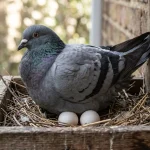
Did you know that toucans are not just vibrant birds with striking beaks, but also fascinating when it comes to reproduction? Understanding whether toucans lay eggs is essential for bird enthusiasts and aspiring bird owners alike, as it reveals insights into their breeding habits and care requirements. This knowledge not only deepens your appreciation for these captivating creatures but also informs any responsible pet ownership decisions. In this article, we’ll explore toucan reproduction, including egg-laying specifics, nesting behaviors, and what it takes to nurture young toucans. Whether you’re a seasoned birder or a curious newcomer, join us as we unveil the intriguing world of toucan reproduction and expand your insight into these remarkable birds!
Understanding Toucan Reproductive Anatomy and Behavior
Toucans, with their vibrant bills and sociable nature, exhibit fascinating reproductive anatomy and behavior that are as intriguing as their striking appearance. One notable aspect is their unique reproductive organ, the cloaca, which is a multifaceted structure used for both reproduction and waste elimination. Male toucans have a relatively larger cloaca that allows for the transfer of sperm during mating, while females have a cloaca with specialized features to facilitate egg-laying. This physiological adaptation plays a crucial role in their reproductive success, ensuring that fertilization occurs seamlessly.
In terms of behavior, toucans tend to establish monogamous pair bonds for the breeding season, often engaging in playful interactions that strengthen their relationship. Mating rituals include mutual preening and bill clashing, which not only helps in forming a bond but also allows prospective mates to assess each other’s health and vitality. Once pairs engage in breeding, they demonstrate robust nesting instincts. Toucans typically lay their eggs in tree cavities, often those previously excavated by woodpeckers. The choice of a suitable nesting site is essential, as it provides safety from predators and a stable microenvironment for the developing young.
For bird enthusiasts, understanding toucan reproductive behavior provides insights into their needs and well-being in captivity. Ensuring a suitable nesting environment mimicking their natural habitat is crucial, and pairing toucans in a way that encourages bonding can lead to successful breeding. Recognizing the subtleties of their reproductive habits allows caretakers to create supportive environments for these captivating birds, promoting healthy breeding practices that can contribute to conservation efforts both in the wild and in captivity.
In summary, the reproductive anatomy and behavior of toucans is a realm filled with colorful interactions and natural ingenuity, essential for the thriving of this remarkable species in diverse ecosystems.
The Unique Nesting Habits of Toucans
Nestled within the vibrant canopies of tropical forests, toucans exhibit nesting habits that are as fascinating as their striking appearances. These charismatic birds, with their iconic curved bills, prefer to establish their nests in the hollows of trees, often using cavities that have been excavated by other birds, such as woodpeckers. This choice is crucial; it provides both protection from predators and a suitable environment for their eggs and chicks. The need for a safe and stable nesting site is paramount, as it ensures the survival of the next generation, allowing these incredible birds to thrive in their natural habitats.
Toucans typically engage in a communal style of nesting, often laying eggs in significant hollows that can accommodate several pairs within the same area. This behavior not only enhances safety in numbers but also facilitates social interactions among neighboring pairs, which can be crucial for their survival and general well-being. When preparing to lay eggs, the female toucan will usually lay between 2 to 4 eggs, which she then incubates with the assistance of her mate. The role of the male becomes particularly vital during this phase, as he helps provide food for the female while she is nesting, ensuring both she and the developing chicks have the necessary nutrition.
Interestingly, the nesting process reflects a remarkable adaptability; toucans have developed unique strategies to enhance reproductive success. For instance, they may incorporate various materials found in their environment-leaves, moss, and even feathers-to line the nest, creating a comfortable and insulated space for the young. This demonstrates their capability to utilize available resources effectively. In captivity, replicating this natural nesting environment can significantly benefit their reproductive success. Providing spacious enclosures that mimic their native habitats and ensuring access to appropriate nesting materials encourages natural behaviors that are essential for healthy breeding.
Understanding the nuances of nesting habits allows bird enthusiasts and caretakers to better support these captivating creatures. Whether you’re preparing to observe toucans in the wild or care for them in a sanctuary, recognizing their preferences for nesting sites and materials will help foster a nurturing environment. Observing and integrating these behaviors into care practices can lead to successful breeding and conservation outcomes-both in captivity and within natural ecosystems.
How Many Eggs Do Toucans Lay?
Toucans are truly captivating creatures, known for their colorful bills and vibrant plumage, but their reproductive habits are equally intriguing. When it comes to how many eggs they lay, it typically ranges from two to four eggs per clutch. This number can vary slightly depending on the specific species of toucan, but most tend to stick within this range. The female toucan lays her eggs in a secluded tree hollow, which not only offers protection from potential predators but also helps maintain a consistent temperature for the developing eggs.
Once the eggs are laid, incubation is a shared responsibility between both parents. The female primarily incubates the eggs, while the male plays a crucial role by sourcing food and bringing it to her during this period, ensuring she remains nourished. This cooperative breeding strategy is a hallmark of many toucan species, highlighting their commitment to protecting and nurturing their young.
It’s important to note that while the average clutch size is modest, toucans have adapted well to their environments, and their reproductive strategies reflect their need to thrive in diverse habitats. This adaptability includes not just the number of eggs laid but also the care provided to the chicks post-hatching, where both parents continue to work together to feed and protect their growing offspring.
For those interested in caring for toucans in captivity, understanding the appropriate nesting materials and conditions can significantly impact egg-laying and chick survival. Providing a suitable nesting box and appropriate food can encourage healthy breeding behaviors and contribute to successful reproductive outcomes within a sanctuary or aviary setting.
Incubation Period: What to Expect
The incubation period of toucan eggs is a delicate dance of dedication and warmth, where both parents play integral roles in ensuring the success of their future offspring. Generally, the incubation lasts about 16 to 18 days, a timeframe that reflects the commitment and care observed in these fascinating birds. During this crucial period, the female toucan assumes the primary responsibility of sitting on the eggs to maintain their temperature and protection. Meanwhile, the male’s role is equally vital; he tirelessly gathers food for the female, allowing her to focus on the incubation without the distraction of foraging.
Toucans’ nesting environments add an interesting layer to their incubation patterns. They typically lay their eggs in tree cavities, a choice that not only provides safety from predators but also aids in temperature regulation. The humid, sheltered conditions within these hollows create a microhabitat that is ideal for the developing eggs. It’s crucial that both parents stay close during the incubation period, as their bond strengthens not just for the immediate task at hand, but for the nurturing that lies ahead after the chicks hatch.
As you think about the incubation process, it’s beneficial to consider how you might support toucans in a captive environment. If you’re working with a sanctuary or aviary, ensuring that the nesting cavity mimics their natural settings can greatly enhance the success of the incubation process. Providing materials such as soft foliage and understanding the appropriate humidity levels can make a significant difference. Create a habitat where the female can feel secure and the male can efficiently provide for her needs. This cooperation between both parents is a hallmark of toucan care, leading to a higher survival rate for the chicks once they emerge.
For anyone lucky enough to witness this period, observing the interactions between the pair is fascinating. The male’s visits during incubation involve not just food delivery but also courtship displays that strengthen their bond. Such interactions highlight the social dynamics of toucans, making the incubation period not just a time of waiting, but a phase rich with shared responsibilities, preparations, and the promise of new life approaching in those tiny, precious eggs.
Parental Care: Nurturing Toucan Chicks
When toucan chicks finally emerge from the eggs, they are greeted by a world filled with light and sounds, but they rely heavily on their parents for survival during those critical early days. In the first couple of weeks post-hatch, the chicks are altricial, meaning they are born helpless and dependent on their parents for warmth, food, and protection. The nurturing habits of toucans reveal an intricate balance of devotion and teamwork, not only ensuring the physical needs of their young are met but also fostering the social bonds that are vital for the chicks’ development.
Both the male and female toucan participate actively in feeding the chicks. Initially, the parents will regurgitate food-such as fruits, insects, and occasionally small reptiles-directly into the mouths of their hungry offspring. This communal feeding emphasizes the importance of collaboration in a toucan family. It’s fascinating to note that the parents will often exhibit specific calling behaviors to communicate with their chicks, ensuring a smooth feeding process. As the chicks grow, they begin to explore the nest and develop their skills, gradually transitioning to solid food as they mature.
Behavior and Development
As the chicks grow, they undergo several phases of development that are critical for their future independence. Initially, they remain in the nest for about 6 to 8 weeks, during which they undergo crucial growth spurts. It’s during this time that parents help their chicks learn essential survival skills. The parents play a pivotal role in socializing the chicks through activities such as gentle tugging games and encouraging them to explore outside the nest when they are ready.
Additionally, the vibrant colors of the chick’s feathers, once dull and protective, gradually become more vivid as they approach fledging. This beautiful transformation is not only a sign of maturation but also serves as an important social signal within toucan communities. The parents’ attentive behavior during this time reinforces bonds and prepares the young toucans for their inevitable transition into the broader world.
Encouragement for Bird Enthusiasts
For those interested in nurturing baby toucans in a controlled environment, such as a sanctuary or rehabilitation center, understanding these care dynamics is essential. Providing a safe, enriched environment where young toucans can practice their climbing and exploring skills is crucial. Utilize branches at varying heights, offer food items that mimic those found in the wild, and ensure that the exposure to different sounds and sights is gradual to build confidence.
It’s also essential to monitor the health and social interactions of the chicks closely. Creating opportunities for them to engage with each other and adult toucans can greatly enhance their development. With the right care and environment, you can contribute to the successful rearing of these magnificent birds, fostering future generations of toucans that may one day soar through their native habitats.
Comparative Reproduction: Toucans vs. Other Birds
The reproductive strategies of toucans are as colorful and fascinating as their plumage. These birds, renowned for their striking bills and social nature, exhibit reproductive behaviors that differ significantly from many other avian species. For instance, unlike the solitary nesters such as eagles or hawks, toucans engage in cooperative breeding. In toucan species, both parents share the responsibility of incubating eggs and feeding the young, which fosters stronger family bonds and increases chick survival rates.
One notable aspect of toucan reproduction is their nesting choice. Toucans prefer to nest in tree cavities, often abandoned from woodpeckers or other birds. This communal nesting habit contrasts with many songbirds that build nests of twigs and grass. Toucans typically lay 2 to 4 eggs, which tend to be larger in proportion to their body size compared to some other bird families. This can be linked to their requirement for more substantial food sources to support their rapidly growing chicks.
When examining the incubation period, toucans incubate their eggs for about 16 to 20 days. This is relatively short compared to larger birds, like swans, which can incubate for over a month. The altricial nature of toucan chicks, born helpless and requiring extensive parental care, further underscores the collaborative effort of both parents. This reliance is not unusual for birds, yet the visual and auditory communications between toucan parents and their chicks during feeding times are particularly engaging.
Toucans also face unique environmental challenges during reproduction. Habitat loss due to deforestation poses a significant risk, as it reduces nesting sites and food availability. Additionally, whereas some species, such as seabirds, have adapted their reproduction to thrive in remote colonies and share parenting roles among large groups, toucans must depend on their immediate family structure in a more constrained environment.
By understanding these aspects of toucan reproduction, enthusiasts can appreciate the intricate social dynamics and environmental adaptations that define the lives of these magnificent birds. Whether you are a budding ornithologist or a seasoned bird lover, recognizing the unique reproductive traits of toucans can deepen your admiration for their resilience and beauty in the wild.
Influence of Environment on Toucan Breeding
The breeding success of toucans is intricately tied to their environment, highlighting the delicate balance between these vibrant birds and the ecosystems they inhabit. For instance, toucans primarily nest in tree cavities, often choosing those that have been abandoned by woodpeckers or excavated by other birds. This nesting strategy not only protects their eggs from predators but also facilitates temperature regulation, essential during the incubation period. However, the availability of suitable nesting sites can be dramatically affected by deforestation and habitat destruction, which have become critical issues in many tropical regions. Without ample cavities to choose from, toucans may struggle to reproduce effectively.
Moreover, the type of vegetation surrounding their nesting sites plays a significant role in their reproductive success. Toucans rely heavily on specific fruit-bearing trees for both nutrition during the breeding season and as a food source for their chicks. The decline of these trees due to logging or agricultural expansion can threaten not only adult survival but also food security for growing chicks, ultimately affecting chick development and survival rates. In contrast, habitats rich in diverse flora provide not just the necessary resources but also a more stable environment, allowing toucans to thrive.
In tropical rainforests, where toucans are often found, seasonal variations may also impact breeding. During periods of abundant fruit, toucans may engage in more aggressive mating behaviors, increasing the likelihood of successful egg-laying and rearing. However, in leaner seasons, these behaviors might diminish, leading to fewer breeding attempts. Therefore, understanding the local environment’s influence on toucan breeding-whether it’s habitat quality, food availability, or seasonal changes-can significantly enhance the ability of bird enthusiasts and conservationists to support these magnificent creatures through awareness and, ultimately, action.
In summary, fostering healthy ecosystems through conservation efforts is crucial not only for sustaining toucans but also for maintaining the biodiversity that enriches our planet. Preserving their natural habitats ensures that these birds have the best chance at successful breeding, ultimately contributing to the balance of their respective ecosystems.
Challenges Faced by Toucans During Reproduction
The reproductive success of toucans hinges on several significant challenges that can threaten their ability to raise offspring. One of the most pressing issues is habitat destruction, particularly due to deforestation in tropical regions where toucans reside. As trees are cut down for agriculture or urban development, the natural nesting sites that toucans depend on-such as tree cavities-become increasingly scarce. Without adequate nesting locations, toucans may struggle to find secure environments to lay their eggs, thereby reducing their chances of successful reproduction.
Another critical aspect affecting toucan reproduction is the availability of food. Toucans primarily feed on fruits, and the decline of fruit-bearing trees due to logging or land-use changes directly impacts their nutrition during the crucial breeding season. Insufficient food sources can lead to lower energy levels for adult birds, which in turn affects their mating behaviors and their ability to care for their chicks. Furthermore, a diminished food supply can jeopardize the development of growing chicks, sometimes leading to higher mortality rates among fledglings.
Competition also plays a role in the . In areas where habitat has been compromised, toucans may encounter increased competition from other bird species for limited nesting sites and food resources. This competition can lead to stress among toucan populations, impacting their overall health and breeding success. Additionally, predation risks are heightened in altered habitats, as both adult birds and their eggs become vulnerable to a variety of predators opportunistically searching for food.
To mitigate these challenges, conservation efforts focusing on habitat restoration are vital. By preserving and rehabilitating natural landscapes, we can ensure that toucans have access to suitable nesting sites and abundant food sources. Engaging local communities in conservation initiatives can also foster awareness about the ecological importance of toucans and the need to protect their habitats. Ultimately, understanding and addressing these reproductive challenges is crucial for the sustainability of toucan populations and the biodiversity of the ecosystems they inhabit.
Caring for Baby Toucans: A Guide for Bird Enthusiasts
Caring for baby toucans is an enriching experience that requires knowledge and commitment. Once the eggs have hatched, these vibrant little chicks depend on their caregivers for everything from nutrition to socialization. The first few weeks of a toucan’s life are critical as they develop rapidly and begin to explore their environment. Understanding their specific needs can make a substantial difference in their early growth and overall well-being.
To begin with, it’s essential to provide a suitable diet for baby toucans. While adult toucans primarily consume a diet of fruits and occasionally insects, newborn chicks require a different nutritional approach. Initially, hand-feeding is often necessary. A mixture of softened fruits and specialized bird formulas can help meet their dietary needs. It’s crucial to offer a variety of fruits-such as bananas, papayas, and melons-cut into small, manageable pieces. Over time, as they grow stronger and more independent, you can start introducing whole fruits into their diet.
Providing an appropriate living environment is equally important. Baby toucans need a warm and safe space that mimics their natural habitat. A well-ventilated, spacious cage or an aviary where they can move around freely is ideal. Make sure to include natural branches for climbing, as this not only stimulates their physical development but also encourages natural behaviors. Additionally, keeping their habitat clean is vital to prevent disease; regular cleaning of food and water dishes is essential.
Socialization cannot be overlooked. Toucans are social birds that thrive in the company of others. If you are raising a single chick, consider spending time with it daily to encourage bonding. Talking softly and providing gentle interaction can help develop its confidence and social skills. For those with multiple toucans, ensure they have the opportunity to interact with one another to promote healthy social dynamics.
Finally, be aware of the signs of distress or illness in baby toucans. Watch for lethargy, lack of appetite, or unusual behavior, and consult a veterinarian experienced with avian species if you notice anything concerning. With the right care, attention, and love, baby toucans can flourish and become a delightful addition to your life, showcasing their personality and vibrant colors as they mature.
Toucan Species and Their Reproductive Traits
The world of toucans is as vibrant and colorful as their plumage, reflecting their uniqueness not just in appearance but also in their reproductive traits. Toucans belong to the family Ramphastos and include several species, each exhibiting fascinating adaptations that enhance their reproductive success. For instance, the Keel-billed Toucan is known for its iconic multi-colored bill, which plays a crucial role in attracting mates during the breeding season. A striking bill indicates overall health and fitness, thereby influencing partner selection.
Most toucans are cavity nesters, which is quite significant. They often take over abandoned tree holes or cavities created by woodpeckers rather than constructing their own nests. This behavior not only provides safety from predators but also allows them to raise their young in a secure environment. In a typical breeding season, a female toucan will lay between 2 to 4 eggs, depending on the species and environmental conditions. These eggs are usually white and incubated by both parents, sharing responsibilities that foster strong bonds and cooperation.
Tocans’ reproductive behaviors also emphasize the importance of environmental factors. Nesting sites can be a limiting resource, and toucans are known to be highly selective. They often choose locations based on factors such as tree height, proximity to food sources, and protection from weather and predators. This attention to habitat intricacies highlights the critical connection between their breeding success and overall ecological health.
In caring for their chicks, both parents contribute significantly to nurturing. Once hatched, toucan chicks are altricial, meaning they are born helpless and depend entirely on their parents for food and warmth. Adult toucans will regurgitate food, primarily fruits and insects, to feed their young, showcasing a cooperative feeding strategy that ensures all chicks receive adequate nutrition in the early, vulnerable weeks of life.
As a group, toucans demonstrate a fascinating blend of adaptability and social cooperation during reproduction, offering insights into how species interact within their habitats and the intricate balance of their ecosystems. Understanding these traits not only enriches our knowledge of toucan biology but also highlights the significance of conserving their natural environments.
Common Myths About Toucan Reproduction
The fascinating world of toucan reproduction is often clouded by misconceptions that can lead to misunderstandings about these unique birds. One common myth is that all toucans build their nests. In reality, most toucans are cavity nesters, which means they prefer to use existing holes in trees, often left by woodpeckers or other birds, rather than constructing their own nests. This behavior not only provides safety from predators but also allows them to benefit from ready-made structures that offer a secure environment for their eggs and chicks.
Another myth involves the number of eggs toucans lay. Many believe that toucans lay only one egg per breeding season; however, most species typically lay between two to four eggs. These eggs are incubated for about 15 to 20 days, and both parents share this responsibility, showcasing their cooperative nature. This involvement extends beyond incubation, as both parents feed the chicks upon hatching, further debunking the myth that one parent solely raises the young.
Environmental conditions significantly influence toucan breeding, yet some people think that breeding rituals are solely instinctual and not affected by external factors. In truth, toucans are highly selective when it comes to their nesting sites, often influenced by tree height and proximity to food sources. A suitable environment increases reproductive success, demonstrating the interconnectedness of toucans with their ecosystem.
Finally, there’s a pervasive belief that toucan chicks are born fully developed and can fend for themselves shortly after hatching. In fact, toucan chicks are born altricial-helpless and dependent on their parents for warmth and food. They rely heavily on their parents, who regurgitate a diet primarily consisting of fruits and insects, ensuring that each chick receives adequate nutrition during those crucial first weeks.
By addressing these myths, we can foster a deeper appreciation for the remarkable reproductive strategies of toucans and the ecological importance of their behaviors. Understanding the realities of their reproduction not only enriches our knowledge but also highlights the need for conservation efforts to protect their habitats and ensure their survival.
Significance of Toucans in Ecosystems and Culture
The vibrant, striking appearance of toucans has not only enchanted bird watchers but has also positioned them as significant players within their ecosystems. These birds are essential in seed dispersal, which plays a vital role in the health of tropical forests. By consuming a variety of fruits and later excreting the seeds in different areas, toucans facilitate plant growth and contribute to biodiversity. This symbiotic relationship highlights their importance beyond mere aesthetics; they are active participants in maintaining the ecological balance of their environments.
In many cultures, toucans symbolize beauty, freedom, and exoticism. Their colorful beaks have made them icons of tropical imagery, often featured in art, folklore, and tourism. For instance, in some Amazonian tribes, toucans are associated with creation myths and are revered as messengers between the natural and spiritual worlds. This cultural significance extends to conservation efforts, where toucans serve as flagships for projects aimed at protecting tropical rainforests, drawing attention to the threats these habitats face and fostering a commitment to preservation.
Additionally, their social behaviors and complex vocalizations provide a wealth of opportunities for observation and study, making them favorites among birdwatchers and researchers alike. The way toucans interact, from their playful banter to cooperative breeding strategies, offers insights into avian social structures that echo broader ecological themes. Understanding these dynamics not only enriches our appreciation for toucans but also emphasizes the interconnectedness of species within their ecosystems, showcasing the importance of preserving their habitats for the health of both wildlife and human communities.
For the aspiring bird enthusiast or seasoned avian expert, learning about the ecological and cultural roles of toucans offers a deeper connection to these fascinating creatures. By advocating for their conservation, we can ensure that future generations will experience the joy and wonder that comes from observing toucans in their natural habitats, while also acknowledging their indispensable role within the ecosystems they inhabit.
Faq
Q: Do toucans have a specific breeding season?
A: Yes, toucans typically have a defined breeding season that varies by species and location, often coinciding with the rainy season. During this time, they prepare nests and engage in courtship behaviors to attract mates, essential for successful reproduction.
Q: How long does a toucan’s egg incubation last?
A: The incubation period for toucan eggs usually lasts around 16 to 18 days. Both parents often share this responsibility, ensuring the eggs are kept warm and safe throughout the process. For more details on care, refer to the “Incubation Period” section of the article.
Q: What factors influence toucan mating behavior?
A: Factors influencing toucan mating behavior include availability of food, environmental conditions, and the presence of potential mates. These elements affect their courtship displays and nesting strategies, which are crucial for reproductive success.
Q: How do toucans select their nesting sites?
A: Toucans prefer to nest in tree cavities, which provide safety and proximity to food sources. They often choose mature trees with existing holes made by woodpeckers or similar birds, ensuring a secure environment for incubation and raising chicks.
Q: What threats do toucans face during reproduction?
A: Toucans encounter multiple threats during reproduction, including habitat loss, predation, and climate change. Protecting their nesting sites and surrounding habitats is crucial for their survival and reproductive success.
Q: How often do toucans have offspring?
A: Toucans usually produce one clutch of eggs per breeding season. Clutch sizes typically range from 2 to 4 eggs, with the timing and frequency of breeding influenced by environmental conditions and food availability.
Q: Can toucan chicks survive without both parents?
A: While toucan chicks can survive for a short time if one parent is absent, both parents contribute significantly to feeding and protecting them. Successful chick development is closely tied to the presence of both adults during the early weeks.
Q: Do different toucan species reproduce differently?
A: Yes, different toucan species exhibit variations in reproductive behaviors, nesting habits, and parental care. For instance, the nesting sites and egg-laying patterns can differ based on their natural habitats and ecological requirements. Explore more in the “Toucan Species and Their Reproductive Traits” section.
In Summary
In conclusion, we’ve unveiled the fascinating world of toucan reproduction, confirming that yes, toucans do lay eggs! These colorful birds not only provide a unique glimpse into their nesting habits but also play essential roles in their ecosystems. If you’re eager to learn more about the various species of toucans and their specific behaviors, check out our detailed guide on Toucan Species and their Unique Traits.
Don’t miss out on exploring our other articles on Bird Care Basics and the Importance of Habitat Conservation. Your journey into the avian world doesn’t need to stop here! Join our newsletter for exclusive insights and resources to enhance your bird-watching experience.
Feel free to share your thoughts or ask questions in the comments below! Your engagement drives us to bring you more valuable content. Remember, every click helps keep the love for these magnificent creatures alive!
Get our latest guides, news, and insights highlighted in your Google Search & AI Overviews.