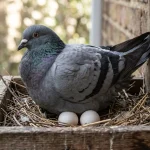
Pigeons often flutter through our urban landscapes, yet their symbolism runs deep across various cultures, holding rich meanings that resonate with many. From ancient times, pigeons have been viewed as messengers of peace, love, and fidelity, captivating our imaginations with their gentle presence and loyal nature. Understanding what pigeons symbolize can enhance our appreciation for these remarkable birds, offering insights into their role in mythology, art, and everyday life. As you delve into the significance of pigeons, consider how these interpretations might reflect your own experiences and beliefs. With each coo, a pigeon carries stories of connection and hope, inviting us to explore the deeper meanings behind their flight. Join us in uncovering the layers of symbolism that pigeons embody across cultures, and discover how they can inspire a sense of peace and community in our lives.
The Cultural Significance of Pigeons Worldwide
Pigeons are often seen fluttering around urban landscapes, but their significance extends far beyond their presence in the city. In cultures around the world, these birds have been imbued with rich meanings and symbolism, resonating deeply with human experiences and beliefs. For instance, the ancient Egyptians revered pigeons as sacred, associating them with fertility and motherhood due to their nurturing behaviors and the care they provide to their young. Similarly, in the Andes, the Quechua people view pigeons as protectors, often considering them lucky charms.
Across various religions, pigeons have a profound spiritual symbolism. In Christianity, the dove-a domesticated pigeon variety-represents the Holy Spirit and divine peace. This imagery is further echoed in the Jewish tradition, where the dove is a symbol of purity and deliverance, often depicted during events like Passover. Meanwhile, in Buddhism, pigeons signify freedom and the unattached spirit, embodying ideals of non-attachment and liberation from worldly desires.
The role of pigeons in folklore and mythology also highlights their global cultural significance. In many tales, they serve as messengers or symbols of connection between humans and the divine. For example, in Roman mythology, the goddess Venus is often illustrated with doves at her side, symbolizing love and beauty. These narratives weave into the fabric of cultural identities, demonstrating how pigeons transcend mere existence as birds to become powerful emblems of collective human sentiments.
In contemporary culture, pigeons continue to appear in art and literature, often associated with themes of peace, freedom, and love. From Picasso’s doves of peace to the revival of the symbolism in modern protests for harmony, their image resonates with a universal call for understanding and unity. As urban spaces evolve, pigeons adapt, becoming integral to city life, thus reinforcing their role as symbols of resilience and interconnectedness in a rapidly changing world. This multifaceted significance illustrates why pigeons hold a cherished place in cultures globally, embodying a rich tapestry of meanings that speaks to our shared human experience.
Pigeon Symbolism in Religion and Spirituality
The presence of pigeons in various religious and spiritual contexts underscores their deep-rooted symbolism and significance across cultures. In Christianity, the dove-an urban relative of the pigeon-holds a multifaceted role as a representation of the Holy Spirit. This portrayal is vividly illustrated during the baptism of Christ, where a dove descends from the heavens, symbolizing divine approval and peace. Furthermore, doves are often seen in the context of sacrifice and redemption, as in the biblical story of Noah. Upon returning to the ark, a dove signifies hope by bringing back an olive branch, reinforcing the powerful connection between pigeons and the themes of renewal and harmony.
In Judaism, the symbolism is just as robust, with doves representing purity and sacrifice. During Passover, for instance, doves are associated with the offerings made in the Temple, embodying themes of deliverance and freedom. Additionally, in Kabbalistic traditions, pigeons symbolize the soul’s ascent, illustrating the belief in spiritual elevation and divine connection. This concept resonates well with the imagery of peace and tranquility that doves evoke within monotheistic faiths.
Buddhism offers yet another layer of significance, viewing pigeons as symbols of freedom and non-attachment. They represent the ideal of liberation from worldly desires, resonating with the broader spiritual pursuit of enlightenment. The gentle cooing of pigeons is often associated with calmness and serenity, qualities that are nurtured through meditation and mindfulness practices. This aspect encourages individuals to consider their place in the world and to seek a harmonious existence both with nature and with themselves.
Moreover, the transcendent role of pigeons in spirituality can inspire individuals on a personal level, inviting reflection on their beliefs and practices. Many people incorporate pigeon symbolism into rituals and meditative practices, drawing on the birds‘ inherent qualities of peace, resilience, and connection. As urban dwellers, pigeons symbolize the adaptability of spirit, reminding us that tranquility can be found even amidst life’s chaos. This enduring emblem of faith, freedom, and transformation demonstrates how pigeons are interwoven into the tapestry of human spirituality, serving as a conduit for deeper understanding and connection across diverse cultures.
Pigeons as Symbols of Peace and Love
Pigeons have an undeniable allure, often flying through urban landscapes while embodying profound meanings that resonate deeply across cultures. Frequently perceived as symbols of peace and love, these birds carry messages of harmony and connection. Their gentle coos and graceful flights remind us of the beauty in simplicity and the power of companionship, serving as a reminder that love can thrive in even the most chaotic environments.
Historically, pigeons have been associated with important cultural narratives that celebrate unity and affection. In many societies, the sight of a pair of pigeons is synonymous with enduring love and fidelity. For instance, the symbolism of the pigeon couple is a powerful representation of commitment-often seen as a metaphor for the bond between partners. This imagery can be traced back to various folk tales and love stories, where pigeons symbolize loyalty and intertwining fates.
Practical Implications of Pigeon Symbolism
Understanding the significance of pigeons can enrich your personal connections and provide deeper meaning to interpersonal relationships. Here are some ways to incorporate this symbolism into daily life:
- Create a serene environment: Integrating images or sculptures of pigeons in your home or workspace can cultivate an atmosphere of peace. This serves as a daily reminder to embrace love and harmony in your interactions.
- Engage with nature: Consider visiting parks or nature reserves where pigeons gather, observing their interactions. This not only fosters a sense of tranquility but also allows for reflection on themes of compassion and connection.
- Include pigeon motifs in rituals: Whether it’s a meditative practice or personal affirmations, invoking pigeon symbolism can enhance your spiritual or personal growth rituals, inviting peace and love into your life.
By consciously inviting the symbolism of these beautiful birds into our lives, we can foster a deeper appreciation for the love and peace that surround us, emulating their resilience and grace in our relationships.
The Role of Pigeons in Mythology and Folklore
Pigeons have soared through the skies of mythology and folklore, appearing as significant symbols that often signify love, peace, and connection across various cultures. In ancient symbols, they frequently represent divine messages, acting as messengers between the heavens and earth. For instance, in Greek mythology, the dove, a type of pigeon, is closely associated with Aphrodite, the goddess of love, emphasizing the bird’s connection to romance and devotion. This association carries through many cultures, where the gentle cooing of pigeons is reminiscent of sweet nothings shared between lovers, making them enduring symbols of partnership and fidelity.
Moreover, pigeons played vital roles in religious texts and stories. In Christianity, for example, the Holy Spirit is often depicted as a dove, underscoring ideals of purity and divine presence. This religious imagery solidified the pigeon’s role as a bearer of peace, a theme that resonates deeply within Christian teachings. The same can be seen in various indigenous cultures, where pigeons are revered for their unwavering loyalty and connection to the community, often symbolizing the spirits of ancestors watching over their descendants.
Folklore rich with tales of pigeons showcases their importance in societal narratives. Many cultures regard them as omens or harbingers of good fortune. For instance, in Japanese folklore, the sighting of a pigeon might indicate a moment of change-a good sign for new beginnings in relationships or ventures. These narratives amplify the bird’s significance, making it a central figure in countless folktales that teach values of love and harmony.
As you explore these mythological and folkloric connections, consider how the narratives surrounding pigeons can enrich your understanding of relationships and community bonds today. By reflecting on these timeless symbols, you can uncover the deeper meanings these birds hold in your personal journey, embodying resilience, loyalty, and love that transcends cultural boundaries.
Pigeons in Art and Literature: A Historical Perspective
Pigeons have not only flitted through the skies but have also made indelible imprints on the canvas of art and literature throughout history. Their symbolism as messengers of love, peace, and connection has inspired countless artists and writers, resulting in representations that echo across cultures and epochs. From ancient frescoes to contemporary poetry, pigeons serve as potent symbols of human emotions and relationships.
One of the most notable appearances of pigeons in art can be found in the works of renowned painters. For instance, Pablo Picasso famously used birds in his artistic narratives, often integrating doves to represent hope and peace-a theme stemming from the dove’s long association with these ideals in various cultural contexts. Similarly, the Pre-Raphaelite painters showcased pigeons as emblems of fidelity and romantic love, often depicted in intimate settings that reflect human connections. These artistic choices illuminate the bird’s role not just as a creature of nature but as a bridge between our emotional worlds.
In literature, pigeons frequently feature as symbolic devices that convey deeper meanings. Classic works, such as those by William Blake, employ pigeons to explore themes of divine connection and the purity of the soul. Modern literature also utilizes pigeon motifs in urban narratives, encapsulating the complexities of city life and societal relationships. For instance, in Mahfouz’s “Cairo Trilogy,” pigeons serve as symbols of resilience and adaptability amidst change, paralleling the lives of the characters navigating the tumultuous landscape of Cairo.
As you engage with art and literature depicting pigeons, consider how these representations can enhance your understanding of their symbolic meanings. Observing the nuances in how artists and writers invoke pigeon imagery can provide fresh perspectives on concepts of love, fidelity, community, and resilience. Whether through the stunning visuals of a painting or the evocative lines of a poem, the essence of pigeons continues to inspire and resonate, reminding us of the connectedness we share with one another and the world around us.
Understanding Pigeon Behavior and Its Symbolic Meaning
Understanding the intricate behaviors of pigeons offers profound insights into their symbolic meanings across various cultures. These remarkable birds exhibit rich social dynamics, which reflect both their adaptability and their roles in human societies. For instance, pigeons are known for their strong pair bonds, often mate for life, and display elaborate courtship rituals that include cooing, bowing, and mutual preening. This behavior has long been associated with themes of love and fidelity, making pigeons potent symbols in cultures that emphasize these virtues.
Pigeons are also exceptional navigators, able to find their way home from hundreds of miles away. This homing ability inspires symbolism related to loyalty and the idea of “home.” Across civilizations, pigeons have been recognized as messengers, often linking the physical world to the spiritual realm. In many indigenous cultures, their presence signifies a connection to ancestors or the spirit world, where they are seen as guides or protectors. Additionally, in religions such as Christianity and Islam, pigeons are often portrayed as symbols of peace and purity, further enhancing their symbolic status.
Moreover, pigeons demonstrate complex social structures within flocks, showcasing cooperation and communication. Observing a flock can reveal remarkable coordination, with pigeons using vocalizations and body language to work together, which reflects ideas of community and collective effort. For urban dwellers, these behaviors resonate deeply, highlighting how pigeons adapt to city life while maintaining their social bonds. The sight of pigeons gathering in parks or squares serves as a reminder of resilience and connection, both among the birds themselves and in our own social landscapes.
By understanding these behaviors, we can appreciate the diverse symbolic roles pigeons play in our lives. Whether they evoke notions of love, home, community, or spirituality, pigeons serve as a mirror reflecting our values and connections to the world. Engaging with pigeons, whether through observation or care, can deepen our understanding of these symbols and inspire personal reflections on relationships, resilience, and the importance of community in our own lives.
Pigeons in Modern Culture: Media and Pop Culture References
In contemporary culture, pigeons have transitioned from being merely overlooked city dwellers to symbols embedded in media and pop culture, representing ideas from resilience to community and love. One striking example is their portrayal in animation and films, where they often embody innocence or serve as comedic foils. In popular films like Aladdin, the streetwise pigeons add charm and warmth, illustrating the coexistence of humanity and urban wildlife. These portrayals highlight the gentle spirit of pigeons, inspiring viewers to acknowledge their roles in urban ecosystems.
Television also showcases pigeons as a central theme, illuminating societal issues and promoting environmental awareness. Series like Pigeon: Impossible creatively animate the life of a covert agent encountering various challenges with a pigeon sidekick, blending humor with lessons on adaptability and friendship. Additionally, various documentaries focus on the incredible intelligence and social structures of these birds, revealing layers of complexity that resonate with viewers. These narratives often invite a deeper appreciation for urban wildlife, pushing audiences to reconsider their often negative perceptions of pigeons.
In art and literature, pigeons frequently serve as metaphors for love, peace, and the human experience. They grace the pages of poetry and novels as they symbolize fidelity-their lifelong mating habits reflecting ideals of commitment. For instance, they often appear as motifs of loyalty in love stories, bridging the gap between man and nature.
Moreover, social media has cultivated a space for pigeon appreciation, with countless accounts dedicated to sharing their antics and quirks. Pictures and videos of these birds garner thousands of likes, underscoring a growing fascination with their behaviors and societal roles. Such platforms provide a unique opportunity for enthusiasts-both novice and experienced-to connect and share insights into pigeon behavior and care, fostering a community dedicated to understanding these remarkable birds.
Overall, the changing representation of pigeons in modern culture speaks volumes about society’s evolving relationship with wildlife. As they continue to inspire artistic expression and social commentary, pigeons remind us of the importance of coexistence and the beauty found in the everyday rhythm of life.
Regional Differences in Pigeon Symbolism
Pigeons, ubiquitous in urban landscapes, carry distinct meanings that vary greatly between cultures. Their presence in everyday life often leads to a rich tapestry of symbolism influenced by regional beliefs, historical contexts, and local traditions. In many places, pigeons are linked to ideas of peace and love, while in others, they may take on different, sometimes negative, connotations. Understanding these regional differences can deepen our appreciation for these remarkable birds and their roles in human societies.
In the Middle East, pigeons symbolize not only peace but also divinity. In Islamic tradition, the dove, a close relative of the pigeon, frequently represents the Holy Spirit or revelation. The story of the Prophet Muhammad’s migration to Medina is often told in conjunction with a dove that protected him, highlighting the bird’s revered status. Similarly, in Palestine, pigeons are cherished as symbols of hope and peace, particularly in conflict-ridden areas, echoing desires for unity and harmony.
Contrastingly, in some Western cultures, particularly in urban settings, pigeons are often viewed with disdain and considered pests. This perception stems from their adaptability and large populations in cities, where they thrive on discarded food. Yet, even within these contexts, people can find beauty and resilience in pigeons. In cities like Paris, they embody the spirit of urban life, often celebrated in art and literature as representations of serendipitous moments-a perspective that highlights the inherent duality of their existence, oscillating between reverence and irritation.
In Asia, pigeons are frequently seen as messengers, particularly within the context of traditional beliefs. In Chinese culture, for example, the pigeon is a symbol of fidelity, often depicted in art as reminders of love and loyalty, mirroring their mating habits that demonstrate lifelong partnerships. In other parts of Asia, such as India, pigeons are released during festivals, symbolizing the freeing of spirits and the offering of prayers, reinforcing their role as connectors between the earthly and spiritual realms.
By examining how different societies interpret pigeon symbolism, we gain insights not only into the various roles these birds play but also into the cultures that shape these meanings. Observing pigeons within their unique cultural contexts encourages us to reflect on our own perceptions and attitudes towards these feathered companions, revealing the layers of significance that a seemingly commonplace bird can hold.
Pigeons in Urban Environments: Adaptation and Symbolism
Pigeons have an uncanny ability to thrive in bustling urban environments, a testament to their remarkable adaptability. Often labeled as urban pests, these birds actually play intricate roles in city life and hold deeper meanings that are worth exploring. Living alongside humans for thousands of years, pigeons have transformed the way we perceive them-from mere nuisances to symbols of resilience and community spirit. Their presence offers a unique perspective on urban biodiversity and the complex relationship between humans and wildlife.
One of the most striking features of pigeons in cities is their incredible adaptability. With their keen ability to find food sources and nesting spots, they thrive in diverse environments, from city parks to the nooks of historical buildings. This adaptability is not just about survival; it represents a fundamental aspect of city life. Pigeons often serve as a reminder of nature’s resilience amid urban sprawl. When you observe a flock of pigeons taking flight, consider this duality: they symbolize both the convergence of nature and humanity’s ever-changing landscapes.
In many cultures, pigeons symbolize peace and love, often rooted in their long-standing connections with human communities. For instance, in areas where urban gardens are prevalent, they frequently become part of local efforts to promote biodiversity, reinforcing their status as beloved city inhabitants. Engaging with them provides insights into their behaviors-such as their complex social structures and mating rituals, which can be seen as reflections of loyalty and partnership. For instance, observing a pair of pigeons preening each other can serve as a reminder of their deep emotional bonds, paralleling human relationships.
Furthermore, pigeons have emerged as poignant symbols in contemporary culture, especially in art and literature. Iconic images, such as the dove released during peace rallies, stem from our desire to project peace onto these gentle creatures. They frequently appear in poetry and urban photography, encapsulating the beauty of fleeting moments in city life. This cultural representation helps shift public perception, encouraging appreciation for the intricate web of life in our urban spaces. Understanding their behaviors, such as their tendency to form strong pair bonds, can inspire us to reflect on our social connections and the ways we nurture relationships in an often isolating urban environment.
Recognizing pigeons as integral parts of urban ecosystems not only amplifies their significance but also invites a broader conversation about wildlife conservation within our cities. By fostering environments that support these remarkable birds, we contribute to a richer, more diverse urban landscape while promoting coexistence with nature. This perspective can transform how we view these birds-from mere bystanders in our daily lives to vibrant participants in the intricate dance of urban ecology.
Comparative Symbolism: Pigeons vs. Other Birds
Pigeons often symbolize peace and love, but how do they compare to other birds that carry different meanings? Birds are deeply woven into cultural narratives across the globe, with each species evoking unique associations and emotions. For instance, while doves are universally recognized as symbols of peace, pigeons-often the overlooked relatives of doves-bring a more complex cultural narrative that encompasses resilience and adaptability alongside love.
Pigeons vs. Doves
Doves and pigeons are often confused for one another due to their physical similarities, yet their symbolic meanings diverge significantly. Doves are traditionally viewed as pure symbols of peace and divinity in multiple religions, particularly within Christianity, where the dove represents the Holy Spirit. In contrast, pigeons evoke themes of loyalty and lasting partnerships, often seen bonding with their mates in nurturing displays of affection, which draws parallels to human relationships. This deeper engagement with community and resilience in harsh urban environments gives pigeons a unique place in cultural symbolism.
Comparative Symbolism Across Cultures
In many cultures, the symbolism of other birds often contrasts starkly with that of pigeons. For example, eagles are emblems of strength, courage, and the spirit of freedom-traits that elevate them above the more grounded symbolism surrounding pigeons. Specifically, in various indigenous cultures, the eagle is seen as a spiritual messenger, soaring high above and embodying power and vision. On the other hand, pigeons symbolize ground-level efforts in community connection and adaptability, with their social behaviors mirroring the importance of community ties.
Other Bird Symbolisms
Here’s a quick look at how pigeons compare with some other common birds in terms of symbolism:
| Bird | Symbolism | Cultural Significance |
|---|---|---|
| Pigeon | Peace, Love, Loyalty, Resilience | Urban adaptability; strong pair bonds |
| Dove | Peace, Purity, Holy Spirit | Christianity and various peace movements |
| Eagle | Freedom, Strength, Vision | Spirituality and power in various cultures |
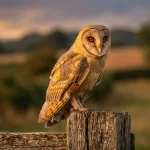
| Owl | Wisdom, Mystery, Transition | Guardians of knowledge in mythology |
Pigeons, while often viewed as mundane or utilitarian, hold a special place as symbols of endurance and adaptability in human societies, contrasting with the heroic or mystical portrayals of other bird species. By observing the rich tapestry of cultural meanings surrounding these birds, one can gain a deeper appreciation for their role not just in nature, but in the collective human experience.
How to Care for Pigeons: Symbolism in Their Care
Caring for pigeons can be a deeply rewarding experience that connects us not only to these remarkable birds but also to their rich cultural symbolism as steadfast companions and symbols of resilience. These adaptable avians have found a niche in urban environments, often serving as reminders of community bonds and loyalty. To ensure that your pigeons thrive while embodying these ideals, it’s essential to understand their specific needs and how they relate to their symbolic meanings.
Feeding and Diet
Pigeons are primarily granivorous, meaning they thrive on a diet of seeds and grains. Providing a mixture that includes millet, corn, and sunflower seeds replicates their natural feeding habits. However, you can deepen the symbolism of care by incorporating fresh fruits and vegetables into their diet, representing the nurturing aspects of love and community. An optimal diet will not only promote their health but mirrors the vitality that comes from a well-maintained bond with their caretakers.
Housing and Environment
Pigeons are social creatures that flourish in pairs or groups, so housing them in an environment that reflects their communal nature is crucial. A spacious aviary allows them to interact freely and express their social behaviors, reinforcing the symbolism of loyalty and love. Ensure the space is clean, dry, and secure from predators, embodying the protection they deserve. A well-designed living arrangement not only supports a healthy lifestyle but also resonates with the idea of resilience amidst urban challenges, as pigeons adapt remarkably well to their surroundings.
Behavioral Understanding
Engaging with your pigeons is vital. Spend time observing their behaviors; they communicate through coos, body language, and interactions with one another. Recognizing signs of contentment or distress can foster a deeper bond. For instance, when they display mating rituals or engage in group preening, you witness their intrinsic loyalty and social connections, echoing the cultural narrative of companionship. This understanding enhances your role as a caretaker and symbolizes your commitment to their well-being.
Integrating these care practices with an understanding of their symbolic meanings can transform the way you connect with your pigeons. Just as these birds often symbolize peace and love in various cultures, the act of caring for them becomes a living tribute to those values. Through proper care, you not only ensure their survival but also honor the rich tapestry of meanings that pigeons embody, creating a harmonious relationship that enriches both your life and theirs.
Incorporating Pigeon Symbolism in Personal Practices
Incorporating the rich symbolism of pigeons into your personal practices invites a deeper understanding and appreciation of these remarkable birds. Many cultures view pigeons as representations of peace, loyalty, and love; they can inspire mindfulness and community bonding when integrated thoughtfully into everyday life. For instance, utilizing pigeon motifs in home decor, such as artwork or soft furnishings, serves as a constant reminder of the values they embody. You might also consider creating a small dedicated space, perhaps a garden corner or a balcony, that provides a sanctuary for pigeons. This simple act transforms your environment and nurtures a connection to nature, embodying the symbolism of shelter and refuge.
Engaging with pigeons in your community can further enhance their symbolic significance. Join or form a local birdwatching group, where you can gather like-minded individuals to observe and celebrate these birds. Share stories about the pigeons you’ve encountered and recognize their behaviors and characteristics, such as their social interactions and nurturing habits. By participating in these activities, you honor the communal aspects that pigeons symbolize, reinforcing bonds with your friends and neighbors.
Beyond physical practices, consider the spiritual significance of pigeons and how they can enrich your personal rituals. For example, incorporating pigeon imagery in meditation or journaling can cultivate feelings of tranquility and connection to the earth. When reflecting on peace, envision a flock of pigeons soaring together, symbolizing harmony and unity. You might also explore the cultural stories surrounding pigeons that resonate with your own experiences or beliefs, weaving these narratives into your personal philosophy or daily affirmations.
Lastly, you can elevate the care you provide to pigeons, whether domestically or in your community. Educating yourself about their needs-dietary requirements, social behaviors, and habitat preferences-can transform the act of maintenance into a meaningful practice. Each interaction becomes a gesture of respect that reflects the love and compassion pigeons symbolize. In this way, caring for these birds not only nurtures them but also creates a cycle of positivity and significance in your life, enriching your personal connection to the timeless ideals they represent.
Faq
Q: What do pigeons symbolize in different cultures?
A: Pigeons symbolize various meanings across cultures, including peace and love in Western traditions, while in some Eastern cultures, they are seen as symbols of prosperity and fertility. Their adaptability often makes them symbols of resilience and resourcefulness as well.
Q: Why are pigeons considered symbols of peace?
A: Pigeons, especially doves, are universally recognized as symbols of peace due to their gentle nature and historical significance in various myths and religions as harbingers of tranquility and hope, notably in Christianity and ancient cultures [1].
Q: How do pigeons represent spirituality?
A: Pigeons are often viewed as spiritual messengers, believed to carry messages between the physical and spiritual worlds. Their serene presence can signify harmony and inner peace, symbolizing the connection between human experiences and the divine [1].
Q: What roles do pigeons play in mythology?
A: In mythology, pigeons appear as symbols of love, fidelity, and protection. For instance, in Greek mythology, they are linked to Aphrodite, the goddess of love, making them potent symbols in narratives focused on romance and commitment [3].
Q: Are pigeons viewed differently in urban versus rural settings?
A: Yes, in urban settings, pigeons may symbolize adaptability and survival, thriving in human environments. Conversely, in rural areas, they can be seen as symbols of agricultural prosperity and traditional practices, reflecting their historical importance in farming communities.
Q: How do pigeons appear in literature and art?
A: Pigeons feature prominently in literature and art, often symbolizing peace, love, and the human experience. From Pablo Picasso’s dove to romantic poetry, these birds carry deep metaphorical weight, representing ideals cherished across cultures and time [3].
Q: What is the significance of pigeons in religious contexts?
A: In many religious beliefs, pigeons are seen as divine messengers. For example, in Christianity, the Holy Spirit is often represented as a dove. This connection highlights themes of purity, guidance, and spiritual awakening, reinforcing their cultural significance as symbols of faith [2].
Q: How can I incorporate pigeon symbolism in personal practices?
A: You can incorporate pigeon symbolism by using images or statues of pigeons in your living space, which can serve as reminders of peace and adaptability. Journaling about what pigeons symbolize for you or meditating on their qualities can deepen your personal connection to their meanings.
In Retrospect
As we conclude our exploration of what pigeons symbolize across different cultures, it’s clear that these remarkable birds embody themes of loyalty, peace, and transformation. Their significance as messengers and symbols of hope remain timeless, reflecting their roles in our lives and beliefs. If you’re intrigued by these meanings, consider diving deeper into the symbolism of other birds, or explore our guide on how to care for these fascinating creatures in your backyard.
Ready to enhance your understanding of the natural world? Don’t miss our other articles that delve into the spiritual and cultural meanings of birds, or sign up for our newsletter to stay connected. Your journey into the avian world is just beginning-join our community of bird enthusiasts and share your thoughts below! Together, we can discover more about the beauty of nature and its meanings.
Get our latest guides, news, and insights highlighted in your Google Search & AI Overviews.