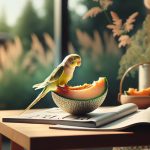
Did you know that pigeons can eat a variety of foods, but not all of them are safe for their health? Understanding what to feed these fascinating birds is crucial for their well-being, whether you’re a seasoned pigeon fancier or just curious about these urban aviators. Pigeons require a balanced diet, rich in carbohydrates and easy to digest, to maintain their energy levels and overall health. In this guide, we’ll explore safe foods, feeding tips, and how you can ensure that your feathered friends thrive in your care. Whether you’re looking to attract wild pigeons to your backyard or care for a pet, the right nutrition plays a vital role in their happiness and longevity. Dive into our comprehensive feeding guide to discover everything you need to know about keeping pigeons well-fed and healthy.
Understanding Pigeon Diet: Key Nutritional Needs
Pigeons are remarkable creatures with a unique digestive system that requires a balanced diet to thrive. Understanding their nutritional needs is crucial for both their health and their longevity. In the wild, these birds primarily feed on seeds, grains, and occasionally insects, which provide them with the essential nutrients needed for energy, growth, and reproduction. A well-informed diet not only enhances their physical well-being but also supports their vibrant behaviors and overall vitality.
To properly care for your pigeon, it’s important to ensure they receive a mix of carbohydrates, proteins, fats, vitamins, and minerals. Carbohydrates from grains such as millet, corn, and wheat serve as a primary energy source. Proteins, which can be sourced from legumes and specially formulated pigeon pellets, are essential for muscle development and repair. Additionally, fats found in seeds like sunflower seeds provide energy reserves and support feather health. Vitamins and minerals play a critical role in metabolic processes, helping in functions like bone formation and immune response. For instance, calcium is vital for bone strength and egg production in breeding birds.
When choosing a diet for pigeons, consider incorporating a variety of foods to mimic their natural intake. Including fresh greens and some fruits can also enhance their vitamin content and promote hydration. Regularly observe your pigeon’s behavior; a healthy pigeon will display active foraging behavior, maintain a healthy plumage, and exhibit normal social interactions. By focusing on a well-rounded diet, you can enjoy the company of a healthy and vibrant pigeon that not only thrives in captivity but also exhibits the delightful characteristics of its wild ancestors.
Essential Safe Foods for Pigeons to Enjoy
Pigeons are not just city dwellers; they are gourmets when it comes to food! Understanding what constitutes safe and enjoyable food for these intelligent birds can greatly enhance their health and happiness. A well-rounded diet will keep them lively and vibrant, and incorporating a variety of safe foods can make feeding time an exciting and engaging experience.
One of the foundational components of a pigeon’s diet should be high-quality pellets formulated specifically for pigeons. These pellets provide comprehensive nutrition, ensuring your pigeon receives the essential vitamins and minerals required for optimal health. In addition to pellets, consider offering fresh greens such as romaine lettuce, kale, or spinach. Not only do these vegetables contribute vital nutrients, but they also mimic the natural foraging behavior of pigeons in the wild. It’s important to chop these greens into manageable pieces to encourage consumption.
Fruits can also be a delightful addition to a pigeon’s diet, providing a natural source of sugars along with hydration. Safe options include small amounts of apples (remove seeds), blueberries, strawberries, and grapes. These can be served whole or sliced into smaller pieces, enticing your pigeon to explore new textures and flavors. Whole grains such as brown rice, oats, and wheat can be offered as a hearty source of carbohydrates and energy. Additionally, small quantities of seeds should be included, but moderation is key to prevent dietary imbalances; sunflower seeds and millets are popular choices among pigeons.
Ultimately, variety is essential in maintaining your pigeon’s interest in food while ensuring their nutritional needs are met. Regularly introducing new foods not only provides essential nutrients but also keeps feeding time dynamic and enjoyable, encouraging natural behaviors and promoting a happy, healthy pigeon. Remember to always wash fresh fruits and vegetables thoroughly to remove any pesticides and ensure they are safe for your feathered friend. By being mindful of their dietary options, you’ll foster both their health and a deeper bond with these fascinating birds.
Toxic Foods Pigeons Must Avoid
Understanding what foods can harm your pigeon is crucial for its health and well-being. While pigeons are often fed scraps or human food, many common items are not suitable for their delicate digestive systems. Familiarizing yourself with these toxic foods can prevent serious health issues and help you provide a safe diet for your feathered friend.
Firstly, bread is a frequent offender; while it might seem harmless, it lacks nutritional value and can cause digestive issues. Overconsumption of bread can lead to a condition known as “angel wing,” which affects a bird’s ability to fly and can result in serious health complications. Similarly, human food, particularly meats, should be strictly avoided. Pigeons are granivores and require a diet rich in plant-based materials, making meat dangerous for their metabolism.
Certain fruits and vegetables, despite being healthy for humans, can be harmful to pigeons. For example, avocado is highly toxic to birds, containing a substance called persin, which can lead to respiratory distress and heart problems. Additionally, the seeds and pits of some fruits, like apples and cherries, contain cyanogenic compounds that are toxic in large quantities. Always ensuring that the feeding practices are safe means avoiding these hazardous foods entirely.
Furthermore, processed foods-including anything containing sugar, salt, or artificial additives-should never be given to pigeons. These ingredients can lead to obesity, diabetes, and heart disease. Lastly, items such as chocolate, caffeine, and alcohol are particularly dangerous and can have fatal consequences.
To keep your pigeons happy and healthy, focus on providing a balanced diet composed of seeds, grains, fresh greens, and safe fruits. Always double-check new foods against reputable resources to ensure they align with your pigeon’s dietary needs. Your vigilance and knowledge about what to avoid can significantly impact your pet’s life, leading to a longer and healthier existence.
Feeding Pigeons: Best Practices and Tips
Feeding pigeons can be an enriching experience, both for the birds and for you. Understanding their dietary habits and preferences is essential to provide a diet that supports their health and wellbeing. Pigeons thrive on a balanced diet rich in seeds, grains, and fresh produce, making it crucial to choose the right foods and feeding practices.
To ensure your pigeons are receiving the best nutrition, consider providing a variety of seeds, including sunflower seeds, oats, and corn. These grains provide essential carbohydrates and fats. However, it’s important to avoid over-reliance on seeds like millet, which offers limited nutritional value and may lead to selective feeding behaviors. Instead, complement their diet with high-quality pelleted foods, which are formulated to meet their nutritional requirements. For instance, diets like Mazuri NutriBlend Gold Pigeon Diet offer higher fat and lower protein content, catering to specific energy needs [1].
Incorporating fresh greens and vegetables is equally important. Pigeons enjoy leafy greens such as kale and spinach, as well as vegetables like carrots and peas. Not only do these fresh ingredients add vital nutrients, but they also promote natural foraging behavior that keeps your birds engaged. Offer small amounts of fruit, like apples or berries, as a treat; just be cautious of seeds and pits that could be harmful [2].
When it comes to feeding practices, ensure that food is fresh and clean. Pigeons are sensitive to their environment, so remove uneaten food daily to prevent spoilage and pest attraction. Adapting feeding times and portions to their activity levels can also help. During colder months, provide additional calories, while center their diet around maintenance during warmer seasons.
Always provide access to fresh water, as hydration is key to their health. It’s vital to regularly clean water containers to prevent bacterial growth. By paying attention to these tips and observing their feeding habits, you can create an optimal feeding routine that keeps your pigeons happy and healthy.
Homemade Pigeon Treats: Recipes and Ideas
Creating homemade treats for pigeons can be both a rewarding and fun way to enhance their diet while bonding with these intelligent birds. Pigeons enjoy a variety of foods, and by making your own treats, you can ensure they are healthy and tailored to their preferences. In fact, providing occasional treats not only diversifies their diet but also enriches their lives with different textures and flavors.
One simple and effective homemade treat you can prepare is a grain bake. Using ingredients like oat groats, flax seeds, and brown rice, combine these with a small portion of fruits or vegetables such as grated carrots or cooked peas. The basic recipe can look like this:
- 1 cup oat groats
- 1/2 cup brown rice (cooked)
- 1/4 cup flax seeds
- 1/2 cup mixed vegetables (like peas and carrots)
- 1/4 cup of any safe fruit (such as mashed bananas or diced apples)
Mix these ingredients thoroughly and spread them across a baking dish. Bake at 350°F (175°C) for about 20-30 minutes, or until set. After cooling, break it into small, pigeon-sized pieces for easy feeding. Not only will pigeons love the taste, but the nutritious ingredients also contribute to their overall health.
Another excellent option is to use seeds and nuts to create seed balls. Combine high-quality seeds suitable for pigeons, such as sunflower hearts and small oily seeds, with a bit of natural peanut butter or honey to bind them together. Roll this mixture into small balls and refrigerate them until firm. These treats can then be offered to pigeons as a delightful snack that provides energy and essential fatty acids, supporting their active lifestyle.
When introducing treats, it’s essential to do so in moderation. Just as with humans, too many treats can lead to an unbalanced diet. Treats should not exceed 10% of their total diet, ensuring that the bulk of their nutrition comes from a balanced mix of seeds, grains, and fresh produce. Keeping an eye on their weight and general health while treating them will help maintain their well-being.
By crafting these homemade treats, you can observe their preferences and adjust recipes to suit their tastes, providing both nutrition and enjoyment in your pigeons’ daily lives.
Commercial Pigeon Feed: What to Look For
When selecting commercial pigeon feed, it’s crucial to understand that not all pigeon pellets and blends are created equal. A quality feed can make a significant difference in your pigeon’s health, energy levels, and overall wellbeing. Begin your search by looking for a feed that includes a well-balanced mixture of seeds, grains, and added vitamins and minerals. High-quality commercial feeds often contain ingredients such as corn, wheat, millet, barley, and peas, which collectively offer essential nutrients necessary for optimal health.
A standout in the realm of pigeon nutrition is the protein content found in many commercial feeds. Pigeons require a diet that is sufficient in protein-especially during breeding or racing seasons-so look for formulations that boast a protein percentage of at least 14-18%. This can be particularly important for young, growing pigeons and those that engage in regular exercise.
Key Ingredients to Consider
Here are some of the most beneficial ingredients commonly found in quality pigeon feed:
- Grains: Whole grains provide energy and essential nutrients.
- Protein Sources: Look for feeds that contain legumes like peas or additional protein meal options like soybean meal.
- Vitamins and Minerals: Essential for immunity and overall health.
- Probiotics: These aid in digestion and can improve gut health.
While the ingredient list is vital, equally important is the absence of harmful additives. Avoid feeds with artificial preservatives, colors, or fillers which can lead to health complications. Reading reviews and choosing reputable brands that specialize in avian diets will also enhance your chance of purchasing a nutritious product.
Lastly, pay attention to the packaging date and shelf life of the feed. Freshness is key in order to ensure that the nutrients are intact and ready to provide maximum benefits to your feathered friends. By carefully selecting your commercial pigeon feed based on these criteria, you’re setting your pigeons up for vibrant health and longevity.
Water: The Essential Component of Pigeon Care
Pigeons, like all birds, require a steady supply of fresh, clean water to thrive. Water is not just a drink; it is crucial for digestion, nutrient absorption, and maintaining overall health. A common misconception is that pigeons can fulfill their hydration needs through moisture-rich foods alone, but this is not true. Regular access to water is essential, especially during warmer months when they may become dehydrated more quickly.
It’s important to ensure that the water provided to your pigeons is free from contaminants. Always opt for fresh, preferably filtered water to prevent exposure to harmful bacteria or chemicals. I recommend changing their water daily. If you have multiple pigeons, use a larger dish or a water dispenser to accommodate them comfortably, which also reduces the frequency of water spills.
To encourage proper hydration, observe your pigeons’ behavior and consider their environment. If they seem lethargic or are not drinking as much, it might be a sign of stress, disease, or an inadequate water supply. During hot weather or after extensive flights, pigeons may drink more than usual, so being attentive to their needs is key to their well-being.
In addition to just hydration, think about incorporating small, nutritious additives to their water on occasion. Some caretakers use electrolyte solutions or vitamins designed for birds to give their pigeons a health boost. However, ensure that any additives are safe and appropriate for pigeons, and consult with an avian veterinarian if you have concerns. By prioritizing proper hydration, you set the stage for a vibrant and healthy life for your feathered friends.
How Often Should You Feed Pigeons?
Providing the right feeding schedule for your pigeons is essential to keeping them healthy and thriving. These birds are known for their ability to adapt, but establishing a routine ensures they receive the appropriate nutrition they need for energy and overall well-being. In general, pigeons benefit from being fed twice daily, which aligns well with their natural behaviors; they have a high metabolism and require consistent access to food.
Morning and evening feedings are ideal as these times mimic the natural foraging habits of pigeons in the wild. During the day, they can eat small amounts, especially if they are active, such as flying or playing. When feeding, it’s crucial to provide them with a balanced diet composed of seeds, grains, and other nutritious options suited to their needs. Here are some practical tips to help make the feeding process smooth and ensuring your pigeons get the best out of their meals:
- Observe Their Behavior: Pay attention to how quickly they consume their food. If they’re finishing their meals too quickly, they may need slightly more food.
- Consistency is Key: Feed them at the same times each day to establish a routine. Pigeons thrive when they know when to expect their meals.
- Adjust Portions Seasonally: Depending on the time of year, their caloric needs may vary. For instance, pigeons may require more food during colder months to maintain body heat.
Moreover, you should always ensure that fresh water is available alongside their food. Monitoring food intake can also help you catch early signs of health issues, as changes in feeding habits may indicate underlying problems. By understanding their needs and adapting your feeding schedule, you can foster a healthy and vibrant environment for your feathered companions.
Seasonal Feeding Adjustments for Pigeons
As the seasons shift, so do the dietary needs of pigeons. Understanding these changes is essential for pigeon owners who want to ensure their birds remain healthy and energetic throughout the year. During the warmer months, pigeons tend to have higher activity levels, which can necessitate an increase in caloric intake. They require more energy for flying around, exploring their environment, and socializing. This is the ideal time to provide a varied diet rich in seeds, grains, and fresh vegetables to align with their natural foraging behaviors.
When winter arrives, the dietary consideration shifts significantly. Pigeons will require more calories to maintain their body temperature, so it’s essential to increase their food portions. You might notice your pigeons consuming more food compared to the warmer months; this is their way of adapting to the colder climate. Incorporating higher-energy foods, such as sunflower seeds or nut-based treats, alongside their regular diet can help them build the necessary fat reserves. Additionally, providing warm, cooked grains can be quite appealing during the chillier weather.
Rainy or particularly wet seasons also bring unique challenges to feeding. Food can spoil more quickly when moisture is high, so careful monitoring of feed and providing less per meal can prevent waste and ensure you are providing fresh options. It’s also wise to include some form of grit or calcium supplement during these months to support their digestion, especially if their diet includes more seeds and grains, which require grit for grinding in their gizzards.
Keeping an eye on your pigeons’ behavior can also give clues about their dietary needs throughout the year. If they seem lethargic or are not finishing their meals, adjustments may be necessary. Simple changes like rotating the types of seeds offered or increasing the frequency of feeding can make significant differences in their health and happiness. Tailoring your feeding approach to seasonal changes not only supports their well-being but enhances the joy of caring for these remarkable birds.
Feeding Baby Pigeons: Special Considerations
To ensure the healthy growth and development of baby pigeons, or squabs, you’ll need to pay careful attention to their specific nutritional needs. Unlike adult pigeons, squabs cannot eat solid foods right away. Instead, they rely on “pigeon milk,” a nutrient-rich substance produced by their parents, which is essential for their early development. This unique feeding method means if you’re caring for baby pigeons that have been orphaned or rejected by their parents, you’ll need to replicate this diet.
One of the best ways to feed squabs is to provide them with a specially formulated hand-rearing formula, which is available at pet stores or online. Mix the formula according to the instructions, and make sure it is at a warm, comfortable temperature before feeding. A syringe or a small feeding tube works well for this purpose. Generally, a feeding schedule of every 3-4 hours is recommended for young squabs; however, as they grow and develop, you can start spacing out the feedings.
Once squabs are a bit older, typically around two weeks, you can begin introducing soft, moistened seeds and grains into their diet. The seeds can be softened with water, making them easier to digest.
Recommended Foods for Baby Pigeons
When starting this transition, consider the following:
- High-quality pigeon pellets
- Softened seeds such as millet or canary seeds
- Cooked rice or oats
- Fresh vegetables like peas or corn (mashed up)
As you help squabs transition from formula to solid foods, keep an eye on their behavior. Healthy squabs will be active, vocal, and will eagerly eat the foods provided. If they refuse to eat or exhibit lethargy, it is crucial to assess their diet and feeding technique, ensuring they’re getting the necessary nutrients for thriving.
Remember, while diet is important, keeping a clean feeding environment is equally vital. Regularly clean feeding utensils and any food remnants in their cage to prevent illness. Feeding baby pigeons requires dedication and sensitivity, but seeing them flourish under your care makes it all worthwhile!
Common Myths About Pigeon Feeding
Many people may not realize that feeding pigeons is often surrounded by misconceptions that can hinder their health and well-being. One prevalent myth is that pigeons can thrive solely on bread and seeds. While they may enjoy these foods, a diet limited to bread can lead to serious nutritional deficiencies since it lacks essential vitamins and minerals. Providing a varied diet rich in grains, legumes, and fresh fruits and vegetables is crucial for their overall health.
Another common fallacy revolves around the notion that pigeons should be fed just once a day. In reality, pigeons benefit from multiple small meals throughout the day. Their digestive systems are designed for frequent feeding, and offering food in this manner mimics their natural foraging behavior. This helps prevent overeating and maintains a healthy weight, which is especially important for racing and homing pigeons that need to be in peak condition.
Many assume that all human food is safe for pigeons, but this is not the case. Foods that are toxic to pigeons-such as avocado, chocolate, and certain nuts-can cause serious harm or even be fatal. It’s essential for pigeon caretakers to familiarize themselves with safe and unsafe foods to ensure they do not inadvertently harm their feathered friends.
Finally, a myth worth debunking is that pigeons do not require fresh water. Just like any living creature, access to clean, fresh water is vital for their hydration and overall health. Pigeons rely on water not just for drinking but also for digesting their food properly. Ensuring they have a constant supply of fresh water should always be a priority in their care routine.
By addressing these misconceptions, we can create a more informed and compassionate approach to caring for pigeons, ensuring they lead healthy, fulfilling lives.
Observing Pigeon Behavior: Signs of a Healthy Diet
Pigeons are fascinating creatures with unique behaviors that can tell us a lot about their dietary health. One of the most striking signs of a healthy diet in pigeons is their bright, alert appearance coupled with energetic movement. When well-nourished, you’ll notice your pigeons are active, engaging in behaviors like preening, exploring their environment, and socializing with other birds. Conversely, lethargy and dull feathers may signal dietary deficiencies or imbalances that need addressing.
To understand more about their health through behavior, pay attention to their feeding habits. Pigeons that are thriving will eagerly partake in a diverse range of foods, showing enthusiasm when offered fresh fruits, vegetables, or high-quality pellets. It’s a positive sign when they exhibit natural foraging behaviors, instinctively pecking and scratching as they sift through their diet, revealing a preference for varied textures and flavors. When they reject food, especially if it’s nutritious, it might indicate they require a dietary adjustment or trouble with their digestion.
Another important aspect of a healthy pigeon’s behavior is their droppings. Healthy droppings should be firm, moist, and well-formed, displaying a mix of brown and white. Abnormal droppings-whether too watery or excessively hard-can be warning signs that the diet may need reevaluation, or that there are underlying health issues. Regularly checking droppings can be an easy, effective way to ensure your pigeons are in good shape.
Lastly, be observant of changes during different seasons or life stages. For example, breeding pigeons may require higher nutrient intake to support the demands of parenthood. Knowing these signs allows you to adjust their feed accordingly, ensuring optimal health and vitality. By closely watching your pigeons, you can effectively gauge their dietary wellbeing and respond proactively to their needs.
Faq
Q: What fruits can pigeons safely eat?
A: Pigeons can enjoy a variety of fruits, including apples, bananas, grapes, and berries. Always wash fruits and remove seeds or pits, as they can be toxic. Offering fruits as occasional treats supports their hydration and provides essential vitamins. Check out the “Essential Safe Foods for Pigeons to Enjoy” section for more!
Q: Can pigeons eat bread, and is it safe?
A: While pigeons can consume bread, it should be given in moderation. Bread lacks essential nutrients and can lead to health issues if fed excessively. Opt for whole-grain bread and complement it with healthier foods like seeds. For more insights, refer to the “Toxic Foods Pigeons Must Avoid” section.
Q: How do pigeons use their beaks to eat?
A: Pigeons utilize their beaks to pick, peck, and grind food. Their beaks are specially adapted for cracking seeds and picking up small food pieces, which allows them to efficiently consume their diet. Understanding their feeding behavior is covered in “Observing Pigeon Behavior: Signs of a Healthy Diet.”
Q: What should I do if my pigeon refuses to eat?
A: If your pigeon is refusing food, check for signs of illness, stress, or environmental changes. Offer fresh foods and ensure clean water is available. If refusal continues, consult a vet. For feeding tips, you can read “Feeding Pigeons: Best Practices and Tips.”
Q: Are seeds the main component of a pigeon’s diet?
A: Seeds form a crucial part of a pigeon’s diet but should not be the only component. A balanced diet includes grains, pellets, and fresh foods. For the best nutritional approach, see the “Understanding Pigeon Diet: Key Nutritional Needs” section.
Q: Can pigeons eat vegetables, and which ones are best?
A: Yes, pigeons can eat various vegetables such as leafy greens, carrots, and peas. Vegetables provide necessary nutrients and fiber. Always wash and chop them into manageable pieces. Refer to “Essential Safe Foods for Pigeons to Enjoy” for more safe options.
Q: Is it okay for pigeons to eat nuts?
A: Pigeons can eat nuts occasionally, but only unsalted and unseasoned varieties, like almonds or walnuts. Overfeeding can lead to obesity, so limit their intake. Learn more about feeding ratios in the “Feeding Pigeons: Best Practices and Tips” section.
Q: How can I tell if my pigeon is getting enough food?
A: A well-fed pigeon will have a healthy weight, active behavior, and normal droppings. Monitor their eating habits and adjust food portions if necessary. For behavioral signs of a healthy diet, check out “Observing Pigeon Behavior: Signs of a Healthy Diet.”
Key Takeaways
Now that you’re equipped with the essential knowledge on what pigeons eat, it’s time to put it into action for a healthier, happier bird! Remember, providing a balanced diet not only supports their physical well-being but also enhances their joyful behavior. Don’t miss the chance to explore our in-depth articles on feeding baby pigeons and understanding their nutritional needs to ensure you’re giving them the best care possible.
Have questions or experiences to share about feeding your feathered friends? Join our community in the comments below, and connect with other pigeon enthusiasts! If you’re interested in more detailed care tips, check out our guides on common pigeon health issues and best practices for keeping your birds happy and free from stress. Your engagement not only helps us grow but ensures we provide the most valuable resources to our community.
Take the next step today-sign up for our newsletter for regular updates and tips on bird care or visit our product page to find top-quality pigeon food that meets their dietary requirements. Together, we can create a safe and nurturing environment for these amazing creatures. Let’s keep soaring with our passion for pigeons!