Did you know that pigeons, often seen as mundane urban birds, have fascinating traits that make them unique? While many pigeon owners cherish their feathered friends, distinguishing between male and female pigeons can be essential for breeding or companionship. Understanding the subtle differences in behavior, plumage, and physical characteristics not only enhances your care experience but also strengthens your bond with these incredible creatures. Whether you’re a seasoned bird enthusiast or a curious beginner, being able to identify the sex of your pigeon will help you provide tailored care, ensuring their happiness and health. Join me as we explore simple yet effective tips for telling if your pigeon is male or female, and enhance your understanding of these charming birds!
How Sexing Pigeons Works: An Overview

Understanding the sex of pigeons is a fascinating endeavor, especially for bird enthusiasts who want to ensure proper care and socialization for their feathered friends. While it may seem challenging at first glance, there are several reliable indicators that can assist in distinguishing male pigeons from females. This overview will guide you through the methods and observations you can use to determine your pigeon’s gender efficiently.
One of the most effective ways to differentiate between male and female pigeons lies in their physical traits, particularly during the breeding season. Males usually exhibit larger body sizes and more vibrant coloration compared to females, which often have softer tones. Additionally, experienced birders note that male pigeons tend to have a more pronounced and prominent head and a broader chest.
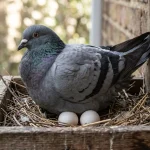
Behavioral cues are another telltale sign-males commonly engage in courtship displays, puffing up their chests, bowing, and cooing to attract females. If you observe your pigeons engaging in such activities, it’s a strong indication that you have a male. Conversely, females may show nesting behaviors and be more involved in incubating eggs, providing a glimpse into their role within the pair.
Ultimately, identifying pigeon gender combines careful observation of physical traits and behaviors. Whether you are a novice or an experienced bird lover, understanding these signs will enhance your interaction and care strategies for your pigeons, enriching the experience of being a pigeon keeper.
Physical Differences Between Male and Female Pigeons

Determining the gender of pigeons based on their physical characteristics can be both fascinating and rewarding. While the differences between male and female pigeons can be subtle, experienced bird enthusiasts often notice distinct traits that help in distinguishing the two. One of the most apparent differences is size; males typically have a larger, more robust body compared to females, who tend to be smaller and more streamlined. This size disparity is especially noticeable when the pigeons are side by side.
In addition to size, body shape also plays a critical role in sex identification. Males generally exhibit a more pronounced and rounded head, giving them a dominant appearance. They also possess a broader chest, which becomes especially prominent during mating displays when they puff up to attract a mate. In contrast, females have a more slender, elongated body shape with a somewhat less pronounced head and a narrower chest. These characteristics often lead to a difference in posture, with males frequently standing tall and broad, ready to showcase their physicality.
Coloration can further assist in gender identification, although this may vary significantly with different breeds and individual birds. Males often show brighter and more vivid plumage, reflecting their need to impress potential mates during the breeding season. This vibrancy may manifest as deeper hues or more intricate feather patterns. On the other hand, females usually possess softer, more muted tones that help them blend into their surroundings, especially when nesting.
Another notable feature is the shape and position of the vent-an anatomical structure located near the tail. Males possess a more pronounced and rounded vent, while females tend to have a flatter vent. This can provide additional clues, especially for those who may feel comfortable examining their pigeons closely. Ultimately, combining these physical observations, such as size, body shape, coloration, and anatomical features, can significantly enhance your ability to accurately determine the gender of your pigeons, paving the way for tailored care and management.
Behavioral Signs: How Pigeons Show Their Gender

Some of the most telling signs of a pigeon’s gender can be observed through their behavior, especially during courtship and social interactions. Males exhibit distinct behaviors aimed at attracting females, prominently displaying their physical attributes and vocal prowess. One of the most obvious behaviors is puffing up; males will often fluff their feathers, broaden their chests, and strut around to showcase their size and strength. This display is meant to catch the attention of potential mates and assert dominance over other males.
In contrast, female pigeons tend to be more reserved and less aggressive during interactions. While they may display some courtship behavior, it is generally subtler than that of their male counterparts. For example, females will often respond to male displays by bobbing their heads slightly or preening, indicating interest while maintaining a more modest demeanor. This interplay of behaviors is not only essential for attracting a mate but also plays a crucial role in social hierarchies within flocks.
Another fascinating aspect of pigeon behavior is their vocalization patterns, which can also aid in gender identification. Males are known for their loud coos, often accompanied by additional bragging sounds during the breeding season. These deep, resonant calls serve multiple purposes: establishing territory, attracting a mate, and communicating their presence to other pigeons. Females, while they can coo too, tend to have softer, more varied sounds that convey their responsiveness or irritation, particularly when a male is overly persistent.
To gain deeper insight into pigeon behavior and to improve your identification skills, observe their interactions closely. Spend time watching how they engage with each other, focusing on the nuances of their courtship rituals and social dynamics. By understanding the behavioral cues, you’ll not only become more adept at identifying the sex of your pigeons but also enhance your overall experience in caring for and interacting with these fascinating birds.
The Role of Coloration in Pigeon Sex Identification

The coloration of pigeons can be a fascinating indicator of their gender, often adding another layer of intrigue to the already complex task of identifying male and female birds. While many might assume that color is a definitive cue for sexing pigeons, it is often more nuanced, with exceptions that can leave even seasoned birders guessing. However, by understanding some key principles of pigeon coloration, you can enhance your ability to distinguish between genders.
In general, male pigeons tend to display more vibrant and intense coloration compared to females. This trait is particularly pronounced in specific breeds like the Homing and Racing pigeons, where males might exhibit a brighter plumage that signals their overall health and vitality. In contrast, females often have a more subdued palette, which serves a dual purpose: camouflaging them against predators and emphasizing their role in nesting and brooding scenarios. For instance, during the breeding season, a male may showcase a rich, iridescent neck that shimmers in the light, while a female’s neck might be less pronounced, opting for softer browns and grays that help her blend into her surroundings.
Some pigeon varieties display distinct differences in coloration patterns that can assist in identification. For example, in breeds like the Fantail or the King pigeon, males might flaunt unique markings or more elaborate feather patterns that enhance their appeal, whereas females generally exhibit simpler designs. Observing these external characteristics can provide valuable clues when trying to determine a pigeon’s gender.
It’s important to remember that while coloration can be helpful, it should not be the sole factor in identifying a pigeon’s sex. Environmental variables, diet, and age can influence a bird’s coloration, potentially leading to misidentification. Therefore, considering a combination of factors-including coloration, behavior, and vocalizations-will provide a more accurate identification process. Ultimately, by closely monitoring these visual cues alongside behavioral traits, you’ll not only enhance your skills in pigeon sexing but also deepen your appreciation for these birds and their diverse beauty.
Understanding Pigeon Anatomy: Distinguishing Features
When pondering the best ways to identify whether a pigeon is male or female, understanding anatomical distinctions can be incredibly illuminating. These birds possess certain physical traits that, while subtle, offer significant clues to their gender. For anyone working with or observing pigeons, being aware of these distinguishing features is essential not only for identifying their sex but also for enhancing their overall care.
Male pigeons often exhibit a more robust and muscular build compared to their female counterparts. This muscularity is particularly evident in the chest area, which is typically broader in males, providing a striking silhouette. Furthermore, the size of the pigeon’s head can also be a telltale sign; males usually have larger, more pronounced heads with a thicker neck. In contrast, females generally present a more delicate appearance, featuring a narrower chest and smaller head, reflecting their role in nurturing and egg-laying.
Another fascinating aspect of pigeon anatomy involves the shape of their bodies. Males might have a more streamlined shape suited for active behaviors like courtship displays, while females have a rounder, fuller body that aids in nesting and maintaining eggs. Behaviorally, this anatomical difference is highlighted during mating rituals, where a male will puff out his chest and display more prominently than a female.
The cloaca, located at the base of the tail and used for excreting waste and laying eggs, can also help in identifying the gender. Typically, males have a slightly more pronounced and elongated cloaca, especially during breeding season, while females tend to have a softer, more rounded appearance. As you interact with your pigeons, observing these anatomical traits-combined with behavioral cues-will enhance your ability to distinguish their genders effectively.
To summarize, by keeping an eye on anatomical distinctions such as body shape, head size, and the characteristics of the cloaca, you will become more adept at identifying whether a pigeon is male or female. Knowledge of these differences not only aids in proper identification but also informs better care practices, as understanding the needs of each gender can significantly enhance the health and well-being of your feathered friends.
Vocalizations: How Calls Differ Between Genders
Understanding the vocalizations of pigeons can be a fantastic way to distinguish between male and female birds, as their calls often reflect their behaviors and roles within the species. Typically, male pigeons tend to be more vocal than females, using their calls primarily during mating rituals and territorial displays. When you hear a deep, cooing sound, it’s likely a male attempting to attract a mate. This characteristic cooing has a distinct rhythm and can be prolonged, often accompanied by displays of puffing up their chests-a visual cue that enhances their call’s effectiveness.
Female pigeons, on the other hand, usually produce softer, less frequent sounds. Their calls are often more subdued and can include short coos or whistles. These softer vocalizations serve different purposes, primarily for communication with their young or to signal their presence to the male. The contrast in vocalization can serve as an effective indicator; if the calls are loud, rhythmic, and present during courtship displays, you’re likely listening to a male, while softer sounds will point to a female.
In many cases, you can also observe the context in which the calls are made to further clarify gender identification. For instance, males will often call loudly and continuously when they’re seeking to impress a female or defend their territory, sometimes even bobbing their heads to accentuate their boasts. In contrast, females may call when they’re ready to nest or tend to their young, indicating a more nurturing role.
Overall, paying attention to these vocal differences not only aids in identifying pigeon genders but also enriches your relationship with them. Engaging with your pigeons during their vocal displays can provide insight into their needs and emotions, enhancing your experience as an observer and caregiver.
Age Factors: Identifying Gender in Young Pigeons
Identifying the gender of young pigeons can be a complex yet rewarding endeavor, especially for newcomers to aviculture. At a young age, pigeons often exhibit few outward physical differences, which can make telling boys from girls a challenge. However, keen observers can often glean insights from their behavior and developmental cues that reveal their gender over time.
In young pigeons, males may exhibit guarding behaviors earlier than females. This means that even as squabs (young pigeons) just reach maturity, you might notice the males puffing themselves up and engaging in head-bobbing or courtship displays, potentially even attempting to coo, although their vocalizations may not yet be fully developed. It’s also common for young males to get involved in play-fighting or roughhousing, as these behaviors can signal their more assertive roles as they mature. Observing these tendencies can provide clues about their future roles as adults.
Physical traits also start becoming more apparent as the pigeons grow older. One notable aspect is the development of the cere, the fleshy area above the beak where nostrils are located. In many breeds, young male pigeons will show a more pronounced cere, which begins to take on a more distinctive shape and color as they near maturity. As they approach adolescence, this characteristic can become a key identifying feature, making it easier to differentiate males from females.
In addition, using visual cues like feather patterns can be another valuable strategy. While young pigeons may not display the sexual dimorphism typical of adults, some breeds show subtle differences in feather coloration or patterns that can hint at their sex. Keeping a record of their growth, behavior, and any evolving physical characteristics can not only aid in sex identification but also enhance your overall understanding of pigeon behavior and development.
Ultimately, patience is essential. As they mature, the behaviors and traits that distinguish male from female pigeons will become clearer, making it easier for you to identify and appreciate the unique characteristics of your birds. Engaging with them regularly will foster a deeper connection, enriching your relationship with your pigeons and enhancing your enjoyment of bird-keeping.
Using DNA Testing for Accurate Gender Identification
Determining the gender of pigeons can sometimes feel perplexing, especially when relying solely on physical traits and behaviors. Luckily, a more definitive method exists: DNA testing. This cutting-edge technique allows owners to accurately sex their birds without ambiguity. By analyzing genetic material, you can discern whether your feathered friend is male or female with confidence, offering peace of mind particularly in breeding situations.
DNA testing for sex identification in pigeons involves collecting a small tissue sample, which can typically be a feather, blood, or oral swab. Many avian veterinarians and genetic laboratories offer this service, making it accessible for both novice and experienced bird enthusiasts. Once the sample is submitted, the laboratory tests for specific sex-linked genes. Most pigeon species exhibit a consistent genetic pattern, allowing for reliable identification. Within a few weeks, you will receive results that clearly indicate the sex of your pigeon, leaving behind the guesswork of behavioral observation or physical comparisons.
In addition to being a reliable method for gender identification, DNA testing can also aid in conservation efforts and breeding programs. By knowing the sex of your pigeons, you can strategize breeding pairs for desired traits or establish genetic diversity within your flock. Moreover, for pigeon hobbyists looking to show or compete, having accurate records of sex can be crucial for compliance with regulations or organization rules.
As you embark on this path to better understanding your pigeons, remember that while DNA testing is a powerful tool, it should complement, not replace, your direct interactions and observations. Engaging with your pigeons’ habits, behaviors, and nuances remains invaluable, enriching your experience as a keeper. This approach fosters not only informed care practices but also a deeper appreciation for their unique characteristics.
Common Myths About Pigeon Gender
Determining the gender of pigeons can be riddled with misconceptions, leading many bird owners down the wrong path. One prevalent myth is that male pigeons are inevitably larger than females. While it’s true that, in some breeds, males may exhibit slightly larger physical sizes, this isn’t a universal rule. Many factors influence the size of pigeons, including genetics and diet, so size alone is not a definitive indicator of gender. For anyone trying to distinguish their feathered friends, it’s essential to look beyond mere size.
Another common belief is that males are the only pigeons that coo. While male pigeons are renowned for their deep, resonant calls used to attract mates, female pigeons also produce vocalizations. Females often exhibit softer, less pronounced calls, and their vocalization happens more during mating rituals rather than throughout the day. This can lead to confusion, especially for novice bird keepers who may assume silence equates to femininity.
Coloration is sometimes cited as a clear-cut method for sex identification, but this is another misconception. In certain species, males may display brighter and more vibrant colors than females, especially during breeding season. However, this varies extensively among different pigeon breeds. For instance, both genders in domesticated breeds like homing pigeons may appear similar, rendering color an unreliable factor for sexing.
Finally, many believe that behavioral traits can clearly define pigeon gender. It’s a common refrain that males are more aggressive or territorial than females. While males might exhibit more assertive behavior during mating seasons, this is not a steadfast rule and can differ based on individual temperament, the bird’s environment, and its upbringing. Understanding that individual behavior can vary is crucial for accurate gender identification.
In conclusion, when engaging with your pigeons, it’s vital to question these myths and focus on comprehensive methods for sex identification. Utilizing a combination of observed behavior, vocalizations, and the more definitive approach of DNA testing will provide you with the most reliable outcomes.
What to Do After Identifying Your Pigeon’s Gender
Identifying the gender of your pigeon opens a new page in your relationship with these fascinating creatures. Knowing whether your feathered friend is male or female enables you to tailor their care, habitat, and even their social interactions to better suit their needs. For example, if you’ve identified a male, you might want to provide more space and multiple perches, as they can be quite territorial. Conversely, female pigeons may benefit from a quieter environment, especially during nesting periods.
After determining the gender, consider adjusting their diet accordingly. Male pigeons often require a higher protein intake, especially if they are actively breeding. Quality seeds, pellets, and the occasional treat like peas or corn can boost their nutrition. Female pigeons, while still needing ample protein, may require a more balanced ration that supports egg production and overall health. It’s essential to monitor their weight and overall condition, making adjustments as needed.
Another critical aspect to consider is social dynamics. If you have multiple pigeons, understanding their gender ratios can help prevent aggressive behaviors, especially among males vying for dominance or mates. For instance, it might be wise to keep a higher number of females than males if you aim to maintain peace in your aviary. If you’re planning on breeding, knowing the gender will be crucial for ensuring a balanced pair.
Finally, ensure that you’re attentive to the specific behavioral traits of each gender. Males might engage in more vocalizations and display courtship behaviors, such as puffing up their feathers and cooing, which can be quite entertaining. Engaging with them through play or training can strengthen your bond. Females, while less vocal, often show nurturing behaviors, especially if they have nesting materials. Tailoring your interaction based on their gender characteristics can enhance your relationship and contribute to their well-being.
In essence, understanding your pigeon’s gender equips you with the knowledge to provide an enriching environment tailored to their unique needs, fostering a strong bond that benefits both you and your birds.
Pigeon Care Tips for Males vs. Females
Understanding the distinct needs of male and female pigeons can significantly enhance your experience as a pigeon owner and improve the well-being of your feathered companions. From social behavior to dietary requirements, tailoring your care to each gender’s preferences fosters a supportive environment.
Male pigeons are typically more territorial and exhibit behaviors like puffing up, cooing, and even dancing to attract mates. To accommodate their needs, create a more spacious setup with multiple perches and an area where they can establish their territory. Feeding male pigeons a protein-rich diet is crucial, especially if they are breeding. Options like high-quality seeds, specially formulated pellets, and high-protein treats such as peas or corn will keep them healthy. Regularly monitor their condition, as excess weight can affect their ability to fly and engage socially.
In contrast, female pigeons tend to be quieter but are equally important in your care routine. Providing a calm and nurturing environment is essential, especially during nesting periods when they may need seclusion. Their diet should also include ample protein but balanced with nutrients that support egg production. High-fiber seeds, leafy greens, and calcium sources, such as cuttlebone, can be beneficial for maintaining their health. Observing their behavior will help you adjust their care; a nurturing female may require nesting materials and a secure, quiet area to foster her natural instincts.
Being attentive to the social dynamics in your aviary can also help. If you have multiple pigeons, consider keeping a higher ratio of females to males to minimize potential conflicts spurred by male competition. Additionally, understand that engaging with each gender involves different techniques. Males might thrive on interaction through play and vocal encouragement, while females may appreciate gentle, calm handling and opportunities to forage or nest.
Tailoring your care based on the unique qualities of your pigeons not only strengthens your bond but also ensures their happiness and health, leading to a delightful and enriching experience for both you and your birds.
Engaging with Your Pigeons: Techniques for Different Genders
Engaging with your pigeons is not just about basic care-it’s about building a relationship that respects their unique characteristics based on gender. Understanding how to cater to the distinctive behaviors and needs of male and female pigeons can truly enhance your bond with these remarkable creatures. For example, male pigeons are often more outgoing and territorial, displaying behaviors that can be both entertaining and demanding. They thrive on social interaction, so incorporating playtime into their routine is a great way to engage them. Try using soft toys or mirrors, as male pigeons love to show off their dance moves and vocalizations, making it an interactive experience for both you and your feathered friend.
In contrast, female pigeons may not be as boisterous but require just as much attention. They tend to be more nurturing and can be sensitive, especially during nesting seasons. Creating a calm environment with nesting materials will encourage their natural behaviors. Offering them time to explore and forage can also help stimulate their minds and keep them happy. Gently handling your female pigeons can foster trust and security-proper bonding techniques include speaking softly while offering treats or letting them perch on your hand.
Recognizing their communication styles is also key to better engagement. Male pigeons often possess more robust vocalizations, using coos and calls to declare their presence and attract mates. Observing these vocal patterns can inform you about their moods and comfort levels. Ensure the surroundings are free of stressors, as this helps them feel secure and encourages vocalization. On the other hand, female pigeons might communicate with softer sounds, often sharing subtle coos that indicate contentment or the need for calm. Many pigeon owners enjoy promoting these interactions by setting aside specific times for focused attention, whether through gentle talking, feeding delicacies, or allowing them to trustfully explore their environment.
By recognizing and fulfilling the distinct needs of male and female pigeons, you can create a nurturing atmosphere where both genders express themselves freely while also receiving adequate stimulation and care. This comprehensive approach not only strengthens your connection with each pigeon but also contributes to their overall health and happiness-a true testament to the rewarding experience of pigeon ownership.
Frequently Asked Questions
Q: How can I identify the gender of a pigeon without DNA testing?
A: You can identify a pigeon’s gender by observing physical and behavioral traits. Males generally have a larger, more rounded body and a prominent cere. They often display courting behaviors, such as puffing up and cooing. For more tips, check the section on physical differences in your article.
Q: What are the common vocal differences between male and female pigeons?
A: Male pigeons typically have louder and more varied cooing sounds, often used to attract mates. Females usually coo softly and for shorter durations. Pay attention to these vocalizations to aid in gender identification, as outlined in your vocalizations section.
Q: Does the coloration of pigeons vary by gender?
A: Yes, coloration can sometimes help indicate gender, as males may have bolder, brighter plumage while females may appear duller for camouflage during nesting. Explore the section on coloration in your article for more insights into this aspect.
Q: What behaviors indicate a pigeon is male during mating season?
A: Male pigeons exhibit distinct behaviors during mating season, including puffing up their chests, bowing, and performing elaborate courtship dances. These displays are key identifiers and can be further examined in the behavioral signs section of your article.
Q: Can the size of a pigeon help determine its gender?
A: Yes, size can be an indicator, with males generally being larger and heavier than females. Observe your pigeons together to notice these size differences, as explained in your article’s physical differences section.
Q: How do age factors influence sexing young pigeons?
A: Identifying gender in young pigeons can be challenging, as they don’t exhibit distinct physical traits until maturity. Experience plays a role; observing behavior and slight size differences can help. More details can be found in your age factors section.
Q: Are there any myths about identifying pigeon gender?
A: Yes, several myths exist, such as assuming all colorful pigeons are males. It’s important to rely on observable traits and behaviors instead of stereotypes. Clarify these misconceptions in the common myths section of your article.
Q: What should I do if I suspect my pigeon’s gender based on my observations?
A: If you suspect your pigeon’s gender after observing its traits, confirm your findings through consistent behaviors and physical characteristics. Consider consulting your article’s section on what to do after identifying your pigeon’s gender for tailored advice on care and management.
In Conclusion
Now that you have the essential tips on how to distinguish between male and female pigeons, you’re well on your way to becoming more confident in your bird identification skills. Remember, paying attention to behavioral traits and physical characteristics can make all the difference. If you’re eager to delve deeper into avian care, don’t miss our guides on pigeon behaviors and health maintenance. Each insight will not only enhance your understanding but also enrich your experience as a bird enthusiast.
Ready to take the next step? Explore our articles on creating the perfect pigeon habitat or join our newsletter for updates on the latest tips and resources tailored just for bird lovers like you. Your journey in the fascinating world of pigeons is just beginning-let’s keep it going! Don’t hesitate to drop your questions or share your experiences in the comments below; we love hearing from fellow bird enthusiasts!
Get our latest guides, news, and insights highlighted in your Google Search & AI Overviews.