When it comes to caring for your parakeet, one essential aspect is their diet. Did you know that a well-balanced diet can significantly enhance your bird’s health and lifespan? Parakeets, like us, thrive on a varied diet that mirrors their natural feeding habits. Understanding what to feed your parakeet is crucial not just for their enjoyment, but for their overall well-being. A mix of seeds, fresh fruits, and vegetables not only keeps them happy but also ensures they receive the vital nutrients they need. By learning about these dietary essentials, you can help your feathery friend live a vibrant, fulfilling life. Dive into this guide to discover the best feeding practices that cater to your parakeet’s needs and see the joy it brings to both you and your companion!
What to Include in Your Parakeet’s Diet
A diverse and balanced diet is crucial for the well-being of parakeets, ensuring they thrive both physically and mentally. In the wild, these vibrant birds forage for a variety of foods, helping them to obtain the necessary nutrients to stay healthy. It’s essential to replicate this diversity in their diet when they are kept in captivity, enhancing their quality of life and overall health.
To provide a well-rounded diet, offer your parakeet a mixture of seeds, pellets, fruits, vegetables, and occasional treats. It’s recommended to include a daily serving of fresh foods; options like chopped leafy greens, carrots, or bell peppers provide essential vitamins. Additionally, fruits such as apples, berries, and bananas can be introduced to satisfy their sweet tooth while delivering fiber and hydration. In the realm of seeds, ensure you select high-quality seed mixes tailored for parakeets, avoiding those that are primarily made of empty-calorie fillers.
Including protein sources can further boost their diet. Cooked legumes, grains like quinoa, and nuts (given sparingly due to high fat content) contribute to their nutrient intake. However, it’s crucial to monitor portions to prevent obesity, as parakeets can easily overeat the energy-dense foods. Offer a variety of food types in small portions each day, observing their preferences while ensuring they receive balanced nutrition.
Moreover, providing fresh water is just as important as food. Regularly change their water to keep it clean and appealing, which encourages hydration and overall health. Parakeets may also benefit from occasional treats like millet sprays or small amounts of fortified bird treats, aiding in bonding and training.
Overall, by mixing and matching these dietary components, you can create an engaging and nutritious menu that will keep your parakeet happy and healthy. Regularly evaluate their diet to adjust for any changing needs, age, or health conditions, ensuring they remain vibrant companions for years to come.
Essential Nutritional Needs for Parakeets
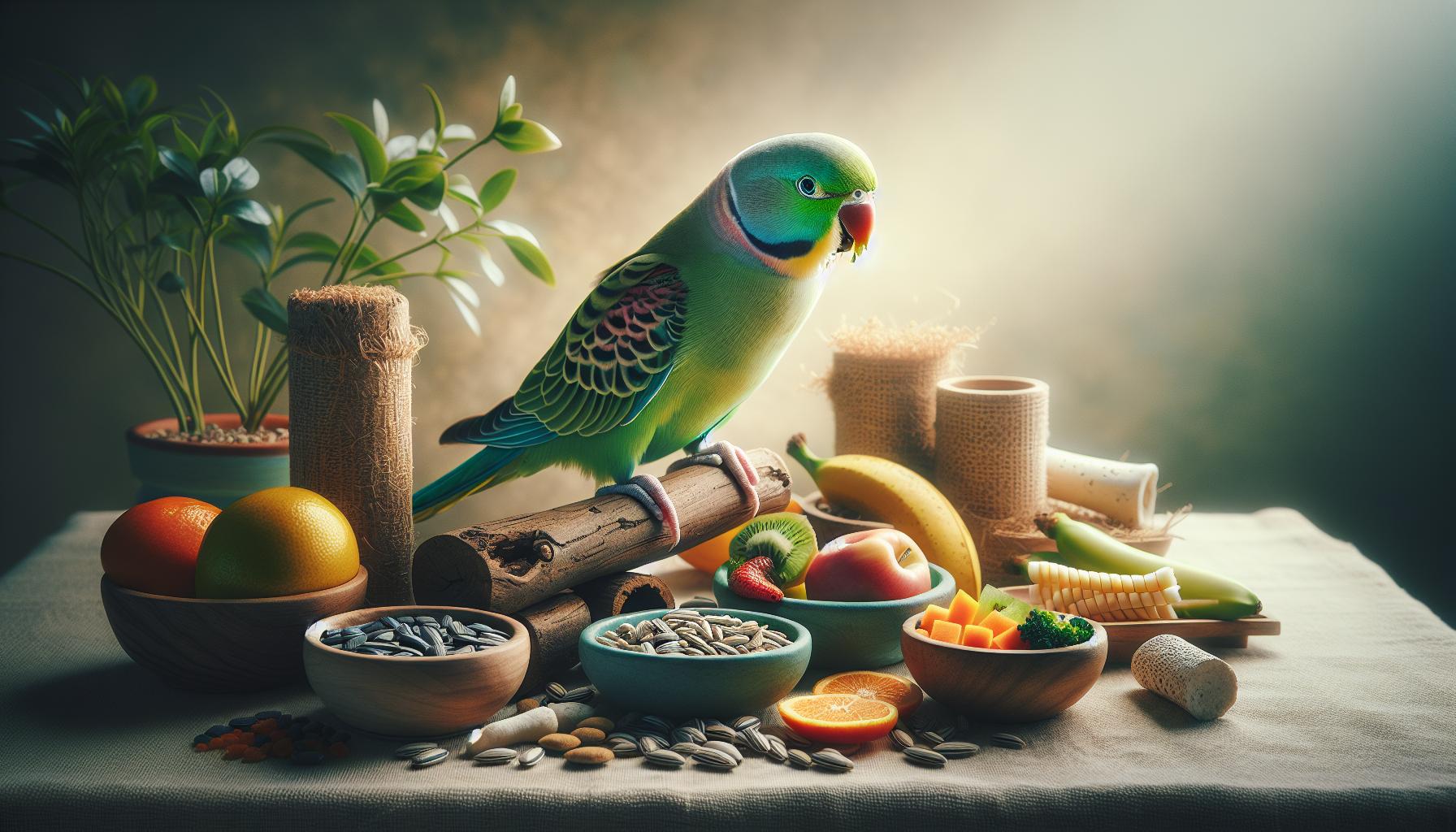
Providing the right nutritional balance for your parakeet is vital for their overall health and well-being. Parakeets are naturally foraging creatures whose diets in the wild consist mainly of seeds, fruits, and vegetables. To closely mimic their natural eating habits and ensure they receive the essential nutrients required for optimal health, it’s important to focus on incorporating a variety of foods into their diet.
A well-rounded diet for parakeets should ideally consist of 60-70% seeds and pellets, which are the staples for providing the necessary fats, proteins, and carbohydrates. Selecting quality seed mixes specifically formulated for parakeets ensures that they receive essential vitamins and minerals. Brands like Dr. Harvey’s offer balanced mixtures that incorporate a variety of seeds, nuts, and dried fruits, making them an excellent choice for your feathered friend[[2](https://www.amazon.com/Dr-HarveyS-Parakeet-Natural-Parakeets/dp/B001B13ZRM)].
In addition to these staples, it’s crucial to include fresh fruits and vegetables in your parakeet’s diet. Leafy greens, carrots, broccoli, and bell peppers offer excellent vitamins and minerals that support their immune system and feather health. A daily serving of these fresh foods can make a significant difference in their nutritional intake. Fruits such as apples (always remove seeds), berries, and bananas are excellent sources of vitamins and hydration. However, introduce new fruits and vegetables gradually to allow your parakeet to adjust to different tastes and textures[[1](https://clydesanimalclinic.com/2025/08/08/parakeet-care-guide-housing-diet-enrichment/)].
To optimize health and prevent boredom, you should incorporate a variety of supplements and occasional treats. Cooked legumes and whole grains like quinoa provide additional protein and fiber. Nuts can be a good addition too, but be sure to offer these in moderation due to their high-fat content. It’s also important to keep your parakeet hydrated with fresh water, changing it daily to encourage optimal drinking habits. This focus on diversity not only caters to their health needs but also provides mental stimulation as they explore different flavors and food types.
Ultimately, a thoughtful approach to your parakeet’s diet-one that includes the right balance of seeds, fresh fruits and vegetables, and occasional treats-will help in keeping your parakeet vibrant and healthy. Regularly reevaluate their diet, as individual needs may change with age and overall health, ensuring they remain energetic companions for years to come.
Top Foods for a Healthy Parakeet

To ensure your parakeet thrives, offering a diverse and nutritious diet is essential. These vibrant birds, naturally inquisitive and foraging-oriented, benefit greatly from a variety of foods that mimic their wild diet. Let’s explore some of the top food choices that will keep your feathered friend healthy and happy.
Seeds and Pellets form the cornerstone of a parakeet’s diet. A quality seed mix, specifically tailored for parakeets, provides vital fats, proteins, and carbohydrates. Look for brands that include a wholesome combination of seeds, nuts, and dried fruits, like Dr. Harvey’s, which features a well-rounded blend of more than 10 types of seeds and nuts. Additionally, incorporating high-quality pellets designed for parakeets can enhance their diet further, ensuring they receive essential minerals and vitamins that seeds alone might not offer[[2](https://birdsupplies.com/blogs/news/unlocking-the-secrets-to-a-healthy-parakeet-diet-your-budgies-wellness-guide?srsltid=AfmBOorsHF8s22xvhjEq1rYS2cBblxAQ0PDZHoKXC6qe2ZjI47eIfKaq)].
When it comes to fresh fruits and vegetables, variety is key. Favorites among parakeets include leafy greens like spinach and kale, crunchy bell peppers, and colorful carrots, all known for their high nutrient content that promotes good health. Fruits such as apples (with seeds removed), berries, and bananas not only add important vitamins but also serve as delightful treats that your parakeet will love. Offering these fresh items daily can significantly boost their energy and immune function, contributing to vibrant plumage and overall vitality. To avoid overwhelming them, introduce new foods gradually[[1](https://clydesanimalclinic.com/2025/08/08/parakeet-care-guide-housing-diet-enrichment/)].
Supplementing your parakeet’s diet with cooked legumes and grains such as quinoa is an excellent way to further enhance their nutritional intake. These options provide additional protein and fiber, vital for digestion and muscle health. However, be cautious with high-fat items like nuts; moderation is crucial as an excess can lead to obesity and related health issues. Don’t forget the importance of hydration-always provide fresh water, changing it daily to encourage regular drinking habits.
Incorporating a mix of these food types not only meets the dietary needs of your parakeet but also keeps mealtime interesting and enjoyable. As you observe your bird exploring these diverse options, you’ll find that a conscientious approach to feeding not only supports their physical health but also enriches their lives and engages their natural curiosity.
Common Mistakes in Feeding Parakeets
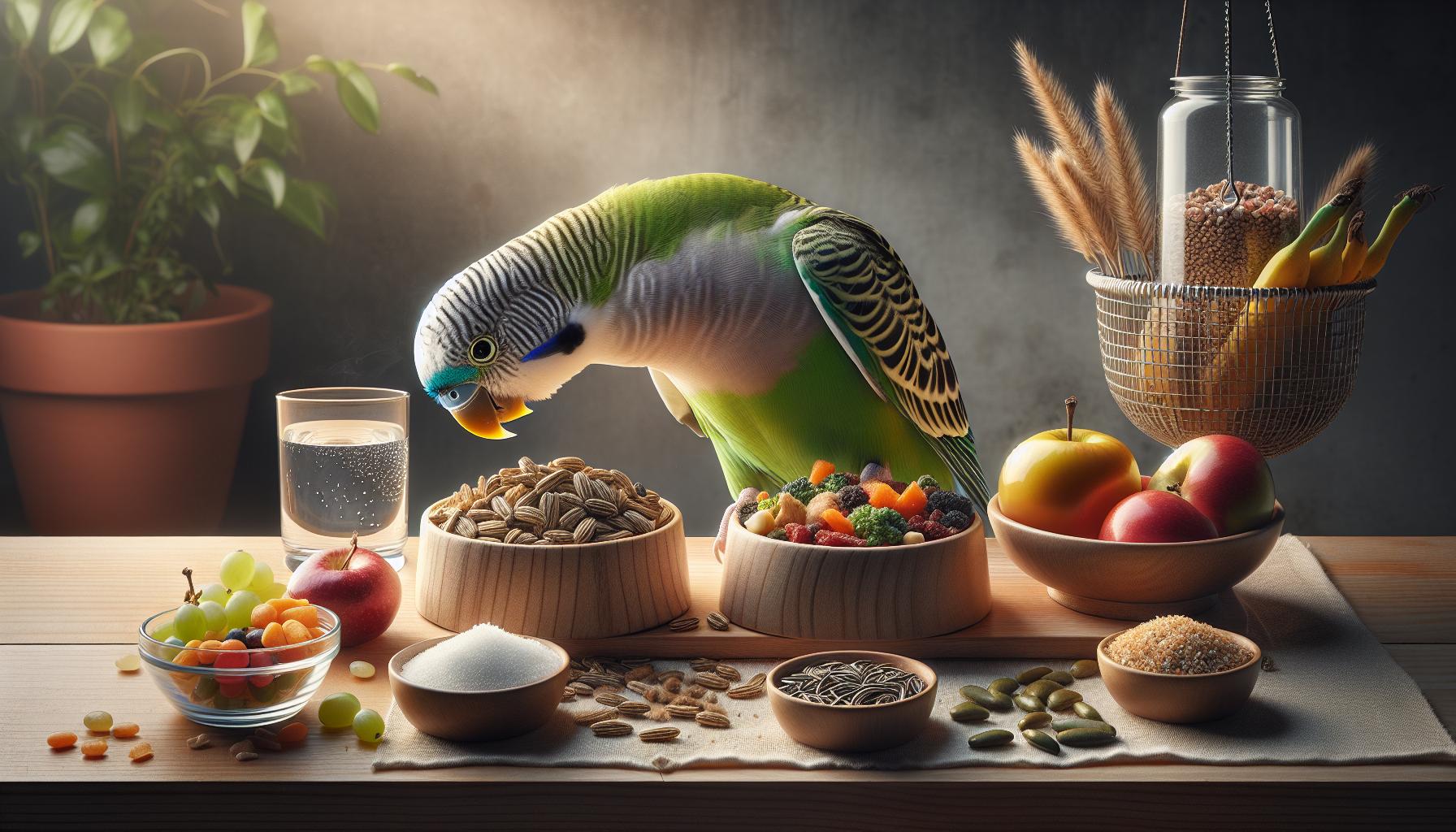
Feeding parakeets can be a deeply rewarding experience, but it’s easy to fall into common traps that could jeopardize their health. One frequent mistake many new owners make is relying solely on seed mixes. While seeds are a vital part of a parakeet’s diet, they often lack the complete nutritional profile needed to keep your bird healthy. A diet predominantly made up of seeds can lead to obesity and vitamin imbalances. Instead, incorporating high-quality pellets that are specifically formulated for parakeets ensures your feathered friend receives a balanced diet rich in necessary vitamins and minerals, which seeds alone may not provide.
Another pitfall is overlooking the importance of variety in a parakeet’s diet. Just like humans, birds thrive on diversity, and sticking to a monotonous menu can lead to nutritional deficiencies and boredom. Fresh fruits and vegetables should be included daily, but many parakeet owners mistakenly provide them in limited quantities or not at all. Common favorites such as leafy greens, bell peppers, and small servings of fruits like apples (with seeds removed) can significantly boost your pet’s immune system and overall health. Remember to introduce new foods gradually, allowing your parakeet to explore and adapt to different tastes without overwhelming them.
A critical error that can be detrimental to your parakeet’s health is offering salty, sugary, or fatty human foods. Foods like chips, bread, and avocados can be toxic or harmful. It’s crucial to stick to safe supplies and avoid any additives or preservatives. Additionally, some bird owners may ignore the need for fresh water, assuming that their bird drinks enough. Hydration is essential for your bird’s well-being, so ensure that fresh water is available at all times and change it daily to encourage drinking.
Understanding your parakeet as an individual is key to their well-being. Each bird has its preferences, and what works for one might not be suitable for another. Observing their behavior and eating habits can guide you in crafting the perfect diet. Be patient, experiment with different foods, and remember to seek advice from a veterinarian experienced in avian care if you are ever in doubt. By being mindful of these common feeding mistakes, you can create a healthy and enjoyable dining routine for your parakeet, ensuring they thrive in your care.
Understanding Seed vs. Pellet Diets
Many new parakeet owners often wonder about the best diet for their feathered friends, and understanding the differences between seed and pellet diets is crucial for their health and well-being. Parakeets are naturally inclined to forage for food in the wild, where they consume a variety of seeds, nuts, fruits, and vegetables. However, when it comes to domesticated parakeets, relying solely on seed mixes can lead to nutritional deficiencies. Seeds, while enjoyable and often a favorite treat, lack many of the essential vitamins and minerals that a parakeet needs for optimal health.
Pellets were developed precisely to address the shortcomings of seed-based diets. These small, round, or shaped nuggets are formulated to provide a balanced diet that meets all the nutritional needs of a parakeet. They typically contain a mix of grains, seeds, and other nutrients, including vitamins and minerals, that are vital for your bird’s overall health. When choosing a pellet, look for brands specifically formulated for parakeets, as they will be tailored to the unique dietary needs of these birds. Transitioning to pellets can be beneficial, as they promote better health, reduce waste, and minimize the possibility of selective eating, where birds pick their favorite seeds from a mix, leaving behind essential nutrients.
Benefits of Pellets Over Seeds
Incorporating pellets into your parakeet’s diet has several advantages:
- Complete Nutrition: Pellets are designed to provide balanced nutrition, ensuring your parakeet receives all necessary nutrients.
- Reduced Waste: Parakeets tend to waste seed shells, creating a mess. Pellets reduce this waste significantly.
- Better Weight Management: Pellets help prevent obesity, as their formulated nature reduces the risk of overfeeding on fat-laden seeds.
- Improved Digestive Health: A pellet diet can optimize digestion due to their formulated ingredients.
Nonetheless, changing a parakeet’s diet from seeds to pellets should be done gradually. Start by mixing a small amount of pellets with their favorite seeds and slowly increase the portion of pellets over time. Encourage your parakeet to explore and accept the new food by offering different shapes or brands of pellets to find one they enjoy. Always observe your bird’s reaction, as each parakeet has unique preferences.
Making informed decisions about your parakeet’s diet can lead to a happier, healthier bird. While seeds can be included as part of the diet in moderation, pellets should form the foundation of your parakeet’s meals, ultimately leading to improved health and longevity.
Incorporating Fresh Fruits and Vegetables
In the wild, parakeets thrive on a diverse diet that includes an array of seeds, nuts, fresh fruits, and vegetables. This natural foraging behavior directly influences their health and well-being, making it crucial for pet owners to mimic this diversity in a home setting. Introducing fresh fruits and vegetables into your parakeet’s diet not only provides essential vitamins and minerals but also stimulates their natural instincts, keeping them engaged and happy.
When incorporating fresh produce, it’s important to introduce a variety of options to see what your parakeet enjoys most. Common fruits like apples, bananas, and berries, along with vegetables such as carrots, spinach, and bell peppers, are excellent choices. Ensure that any fruits and veggies are washed thoroughly to remove pesticides and cut into manageable pieces. You can use a small plate or a bird-safe dish to present these treats, and observe which ones your feathered friend gravitates toward the most. Keep in mind the necessity of moderation; fresh fruits should be given as treats, while vegetables can be more regularly included in their diet.
Another benefit of including fresh produce is the added moisture content, which can help keep your parakeet hydrated. Fresh fruits and vegetables can replace daily water intake to an extent, but always ensure clean water is available at all times. It’s important to monitor how quickly your parakeet consumes these foods and remove any uneaten portions after a few hours to prevent spoilage and potential health risks.
Experimentation is key when integrating fruits and vegetables into your parakeet’s meals. Some owners have reported success with creating a “chop,” a mixture of finely chopped fruits and vegetables that can be offered daily. This not only provides a balanced array of nutrients but also adds visual and textural variety that could entice even the pickiest eaters. Over time, you’ll learn which combinations your parakeet prefers, making feeding a joyful shared experience!
Importance of Fresh Water in Diet
Providing fresh, clean water is one of the most crucial aspects of maintaining your parakeet’s health. While it’s easy to overlook, hydration is vital for digestion, temperature regulation, and overall physiological functions in birds. In fact, parakeets can become dehydrated quickly, especially in warm environments, making access to fresh water essential for their well-being. Interestingly, proper hydration supports feather maintenance, energy levels, and can even impact their mood!
Ensure that your feathered friend has a constant supply of fresh water in a clean, accessible drinker. Water containers should be checked and refilled daily to prevent contamination from droppings or leftover food. A water bowl can be a traditional choice, but I recommend using a water bottle with a sipper tube-a fantastic way to keep their water clean and encourage natural behaviors, as parakeets often enjoy pecking to access water.
Monitoring Water Intake
Understanding your parakeet’s water consumption is essential for their health. You might notice they drink more on warmer days or after eating dry foods, like seeds or pellets. If you observe any significant changes in their drinking habits-either an increase or decrease-it could signal a health issue, and it’s best to consult an avian veterinarian. Encourage hydration by also offering wet fresh foods, as they can provide hydration alongside nutrition.
Hydration Tips
To further promote hydration, here are a few tips you might find useful:
- Replace water daily: Always change the water each day to keep it fresh and appealing.
- Use appropriate containers: Choose water dishes or bottles that are easily cleaned and refillable.
- Check for spills: Make sure that the area around the water source is dry, as wet surfaces can lead to slippery conditions and bacteria growth.
- Observe behavior: A parakeet’s drinking habits can offer insights into their health, so watch them closely.
Overall, prioritizing fresh water as part of your parakeet’s diet will go a long way in ensuring their happiness and health. With proper hydration, your vibrant companion will not only thrive physically but also maintain their playful and interactive demeanor, essential for their social integrity.
Treats for Training and Bonding with Your Parakeet
One of the most enjoyable aspects of caring for a parakeet is the opportunity to bond through training and treats. Using food as a motivator not only encourages good behavior but also strengthens your friendship with your feathered companion. The key is to select treats that are not only enticing but also contribute to a well-rounded diet. Parakeets often respond enthusiastically to small pieces of healthy fruits such as apples, grapes, or berries, which can warm them up to training sessions while providing essential nutrients.
Alongside fresh fruits, other enticing options can include nuts in moderation. A tiny piece of unsalted walnut or almond can serve as a fantastic reward during training, stimulating your parakeet’s interest and engagement. When introducing new treats, it can be beneficial to observe their preferences; some parakeets might favor seeds, while others might lean toward fresh veggies like carrots or broccoli. Experiment with a variety of foods to gauge what stimulates their enthusiasm best.
Creating a Training Routine
Consistency is crucial when training your parakeet. Make sure to establish a routine where you offer treats after they exhibit desired behaviors, such as stepping onto your finger or returning to their perch. This approach not only reinforces positive actions but also builds trust. Keep training sessions short-around 5 to 10 minutes-to ensure your bird remains focused and engaged without feeling overwhelmed.
Types of Treats
Here’s a quick overview of the types of treats you can consider:
- Fresh fruits: Sliced apples, berries, and mango are usually favorites.
- Vegetables: Tiny pieces of carrots, peas, or leafy greens can make great healthy snacks.
- Nuts: A small amount of unsalted nuts can serve as a high-value reward.
- Commercial bird treats: Specially formulated parakeet treats can be a fun addition but use sparingly.
In conclusion, treating your parakeet to small, healthy snacks during training can be an effective way to foster a loving relationship while ensuring their dietary needs are met. By incorporating various treats into your routine, you will not only enrich their diet but also make training sessions a delightful experience for both you and your feathered friend.
How to Transition Your Parakeet’s Diet
Transitioning a parakeet’s diet is not just a dietary change; it’s an opportunity to enrich their life and improve their overall health. A gradual transition helps your feathered friend adapt to new foods without distress. Instead of making sudden changes that could lead to confusion or dietary rejection, create a plan that incorporates their natural curiosity and tendency to explore different textures and flavors.
Start by mixing a small portion of the new diet-whether pellets, a variety of seeds, or fresh fruits and vegetables-with the food they’ve been eating. This familiarizes them with the new tastes while maintaining the comforting aspects of their current diet. For instance, if you’re introducing pellets, add a few to their usual seed mix, gradually increasing the proportion over a week or two. During this time, monitor your parakeet’s eating habits. If they are picking out the new items, that’s a good sign they are beginning to accept them.
Consistency and Patience
It’s crucial to be patient during this process. Just as we might be hesitant to try new foods, parakeets can be particular about their meals. If they seem resistant to the new food, give it time. Offering it at different times of the day or preparing it in various ways-like finely chopping fruits or steaming veggies-can sometimes entice them. Birds are often more willing to try something new if they see you enjoying it while mimicking piquant sounds of approval!
Additionally, maintaining a consistent feeding schedule is beneficial. Parakeets thrive on routine, so providing meals at the same time each day can help them feel secure and more willing to explore new offerings during those times. Once they start to accept the new foods, you can incrementally reduce the old diet.
Monitoring Health and Behavior
Keep an eye on your parakeet’s overall health throughout the transition, checking for any changes in behavior, stool consistency, or activity levels. This insight is crucial; if your parakeet shows signs of distress or refuses to eat the new diet after consistent attempts, consult with an avian vet. It’s vital to ensure that the dietary changes are beneficial and appropriate for their specific needs.
In short, a thoughtful transition not only diversifies the diet of your parakeet but also nurtures their health, keeping them happy and vibrant. By fostering curiosity and patience, you can cultivate a positive dietary experience that enriches their life and yours.
Identifying Food Allergies in Parakeets
can sometimes feel like an advanced puzzle, but the key lies in keen observation and a methodical approach. As with any pet, parakeets can develop sensitivities to certain foods, leading to symptoms that may affect their health and well-being. Be alert for changes in behavior or physical condition, as these can be the first indicators of a potential allergy.
Common signs of food allergies in parakeets include feather plucking, excessive scratching, vomiting, or diarrhea. You might also notice changes in their droppings, which can become unusually watery or discolored. Keeping a journal of your bird’s diet and any observed symptoms will be invaluable in detecting patterns that help pinpoint the offending food. For instance, if you introduce a new fruit and observe digestive upset soon after, that fruit could be the culprit.
To effectively identify an allergy, consider implementing an elimination diet. Start by removing all potential allergens-common allergens include corn, seeds, and certain fruits-and introduce one food at a time, allowing several days in between each introduction. This method can help isolate foods that your parakeet may react to, as you’ll be able to observe whether symptoms return with specific items.
When transitioning back to a varied diet, always opt for fresh, organic options whenever possible. It’s essential to consult with an avian veterinarian if you suspect your parakeet has a food allergy or if the symptoms persist despite dietary changes. They can provide guidance tailored to your parakeet’s specific needs, ensuring you’re on the right path to maintaining their health and happiness. Remember, every parakeet is unique, and what works for one might not work for another; patience and careful observation are your best tools in this journey.
Supplementing Your Parakeet’s Diet Safely
To ensure your parakeet thrives, supplementing their diet safely is vital. A well-balanced diet typically consists of a primary mix of formulated pellets, fresh fruits, and vegetables; however, you might find yourself wondering how to enhance their nutrition without causing harm. The key to effective supplementation lies in making informed choices and keeping variety in mind. By understanding what works for your feathered friend, you can vastly improve their dietary experience.
One of the best ways to supplement is through the introduction of natural, bird-safe foods. Fresh fruits such as apples, berries, and melons can serve as delicious treats while providing essential vitamins. Vegetables like spinach, carrots, and bell peppers are equally important, contributing to the overall nutritional balance. Aim for a mix of colors and textures to pique your parakeet’s interest and ensure they receive various nutrients. However, always wash fresh produce thoroughly and introduce new foods gradually to avoid digestive upset.
When considering supplements, it’s advisable to rely on high-quality, vet-recommended avian products. Bird-safe calcium and vitamin supplements can be beneficial, especially for breeding or older birds. Avoid human supplements unless expressly formulated for birds, as these can lead to imbalances and health issues. It’s also crucial to consult an avian veterinarian before making significant changes or additions to your parakeet’s diet, particularly if you notice any behavioral changes or health concerns that may indicate nutrient deficiencies.
Lastly, keep in mind that moderation is key. While nuts and seeds can be attractive treats, they should only make up a small portion of your parakeet’s overall diet due to their high-fat content. Monitoring their weight and adjusting their diet accordingly will help maintain their health and vitality. By being attentive and informed, you can create a vibrant and enjoyable dietary regimen that meets your parakeet’s needs, promoting a long and healthy life.
Tips for Feeding Multiple Parakeets
Feeding multiple parakeets can be both a delightful and challenging experience. Each bird has its own preferences and dietary needs, which can vary based on age, health, and personality. When you bring together a flock, it’s important to ensure they all receive balanced nutrition while minimizing competition for food. Creating a harmonious mealtime atmosphere not only promotes their health but also enhances their social interactions.
To start, rotate offerings to cater to varied tastes within your flock. This means providing a mix of formulated pellets, high-quality seeds, and ample fresh fruits and vegetables. Some birds may gravitate toward seeds or pellets, while others might prefer fresh produce. Ideally, try offering:
- Pellets: Aim for high-quality brands designed specifically for parakeets.
- Seeds: Use them sparingly as treats or rewards to encourage foraging without leading to obesity.
- Fresh Fruits & Vegetables: Popular choices include apples, leafy greens, and carrots. Offer these in small portions to entice even the pickiest eaters.
It’s essential to monitor interactions during feeding. In a multi-bird setup, some may dominate the food dish, leading to stress or inadequate nutrition for others. To prevent this, consider using multiple feeding stations. Place these around the cage to ensure everyone has access without feeling crowded. This promotes healthy eating habits and can reduce aggressive behavior related to food competition.
Lastly, observe your birds’ eating habits closely. Take note if a particular bird is consistently not eating or displaying signs of dietary distress, such as weight loss or lethargy. Being proactive in identifying these issues allows you to adjust their diet and address any potential health problems promptly. Providing a well-rounded diet and a supportive feeding environment will foster lively, happy parakeets in your care.
Q&A
Q: What are the best foods to provide for my parakeet’s diet?
A: The best foods for a parakeet include a balanced mix of high-quality pellets, fresh fruits like apples and berries, and vegetables such as carrots and leafy greens. Seed mixes can also be included, but they should not dominate the diet. Explore the section on “Top Foods for a Healthy Parakeet” for detailed recommendations.
Q: How often should I feed my parakeet fruits and vegetables?
A: Fresh fruits and vegetables should be offered daily to your parakeet, with about 10-20% of its diet consisting of these fresh foods. Make sure to vary the offerings to provide a range of nutrients and keep them interested. For more guidance, refer to “Incorporating Fresh Fruits and Vegetables” in your care article.
Q: Can I give my parakeet treats? If so, what types are safe?
A: Yes, safe treats for parakeets include small amounts of nuts, seeds, or commercially available bird treats. These treats can be used for training and bonding. Just be sure to limit treats to prevent obesity, as discussed in the section on “Treats for Training and Bonding with Your Parakeet.”
Q: Are there any foods I should avoid giving to my parakeet?
A: Avoid feeding your parakeet avocado, chocolate, caffeine, and alcohol, as these can be toxic. Additionally, refrain from giving processed or high-fat foods, which can lead to health issues. Refer to your “Common Mistakes in Feeding Parakeets” section for more information.
Q: How can I tell if my parakeet has a food allergy?
A: Signs of food allergies in parakeets may include itching, swollen feet, feather plucking, or gastrointestinal issues. If you suspect an allergy, monitor your bird’s reactions to specific foods and consult a veterinarian. More tips can be found in the “Identifying Food Allergies in Parakeets” section.
Q: How do I transition my parakeet to a new diet?
A: To transition your parakeet to a new diet, do it gradually over 7-10 days. Start by mixing small amounts of new food with their current food, gradually increasing the new food ratio. For detailed steps, refer to “How to Transition Your Parakeet’s Diet.”
Q: What are some signs that my parakeet is not eating enough?
A: Signs your parakeet may not be eating enough include weight loss, lethargy, changes in droppings, and decreased activity. Regularly weigh your bird and monitor food intake to catch any changes early. For more insights, check your article’s section on “Essential Nutritional Needs for Parakeets.”
Q: How should I store food for my parakeet to keep it fresh?
A: Store your parakeet’s food in a cool, dry place in airtight containers to maintain freshness. Pellets and seeds should be kept away from direct sunlight and humidity. Detailed storage tips can be found in your dietary guidance section to ensure the best quality for your pet.
Concluding Remarks
As you embark on your journey to nourish your parakeet with the best diet possible, remember that a balanced approach, incorporating quality pellets along with fresh fruits and vegetables, is essential for their health and happiness. Don’t settle for just seeds; your feathered friend deserves a vibrant and varied menu. Take action today-explore our guides on creating a balanced parakeet diet and learn about the safe fruits and veggies they’ll love!
If you have any questions or want to share your own feeding experiences, we’d love to hear from you in the comments below. For more insights, check out our articles on parakeet behavior and care essentials to further enrich your understanding of these delightful companions. Feeding your parakeet right starts with informed choices; let’s ensure your bird thrives in a joyful and healthy environment!