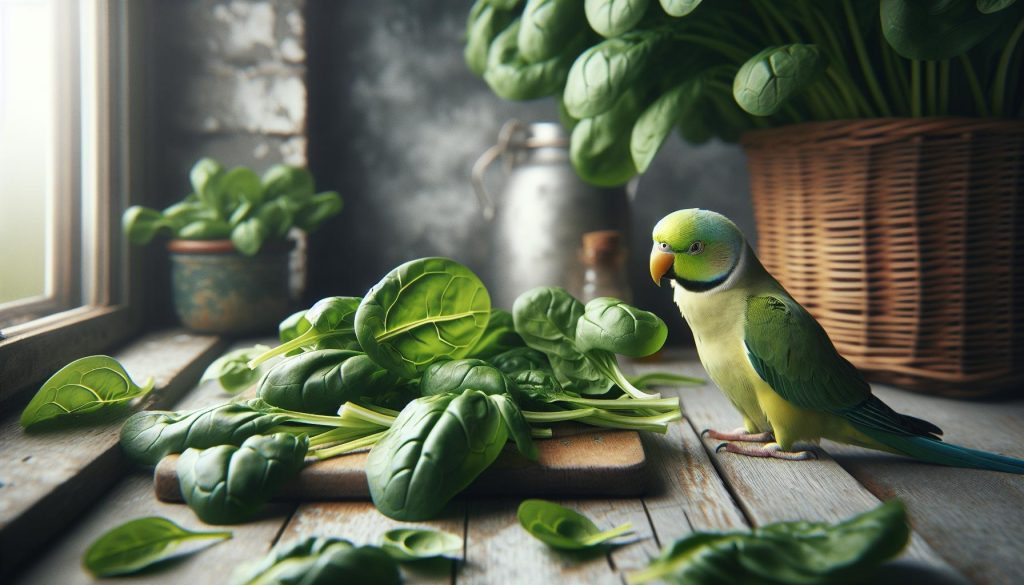
Did you know that leafy greens can significantly boost your parakeet’s well-being? Spinach, in particular, is packed with vitamins and minerals, making it a tempting choice for your feathery friend. But before you toss a handful into their cage, it’s crucial to understand the nutritional benefits and potential risks of feeding spinach to parakeets. As a pet owner, you likely want to provide the best diet for your avian companion, ensuring they stay happy and healthy. In this guide, we’ll explore the ins and outs of including spinach in your parakeet’s diet, addressing common concerns and offering practical tips. Join us as we uncover the leafy green secrets that will enhance your bird’s nutrition while keeping their dietary preferences in mind. Your little buddy’s health may just depend on it!
Can Parakeets Have Spinach? Understanding Risks and Benefits
Can parakeets enjoy the vibrant taste of spinach? Many bird owners ponder this question, especially given spinach’s reputation as a superfood for humans. While spinach can be a nutritious addition to a parakeet’s diet, it comes with both benefits and risks that owners should carefully consider.
Spinach is rich in essential vitamins and minerals such as vitamin A, vitamin C, iron, and calcium. These nutrients can support your parakeet’s overall health, from promoting feather health to bolstering the immune system. However, it’s important to note the presence of oxalates in spinach, which can inhibit calcium absorption and potentially lead to health issues if consumed excessively over time. To make the most of spinach for your feathered friend, moderation is key.
When introducing spinach into your parakeet’s diet, it’s vital to do so gradually to monitor their response. Some parakeets may take to spinach with enthusiasm, while others might reject it outright. Watching for signs of acceptance or aversion can help you determine how frequently to offer this leafy green. Ultimately, a balanced diet that includes a variety of vegetables will ensure your parakeet thrives, making spinach just one of many options in their culinary repertoire.
Nutritional Breakdown: Why Spinach Matters for Parakeets
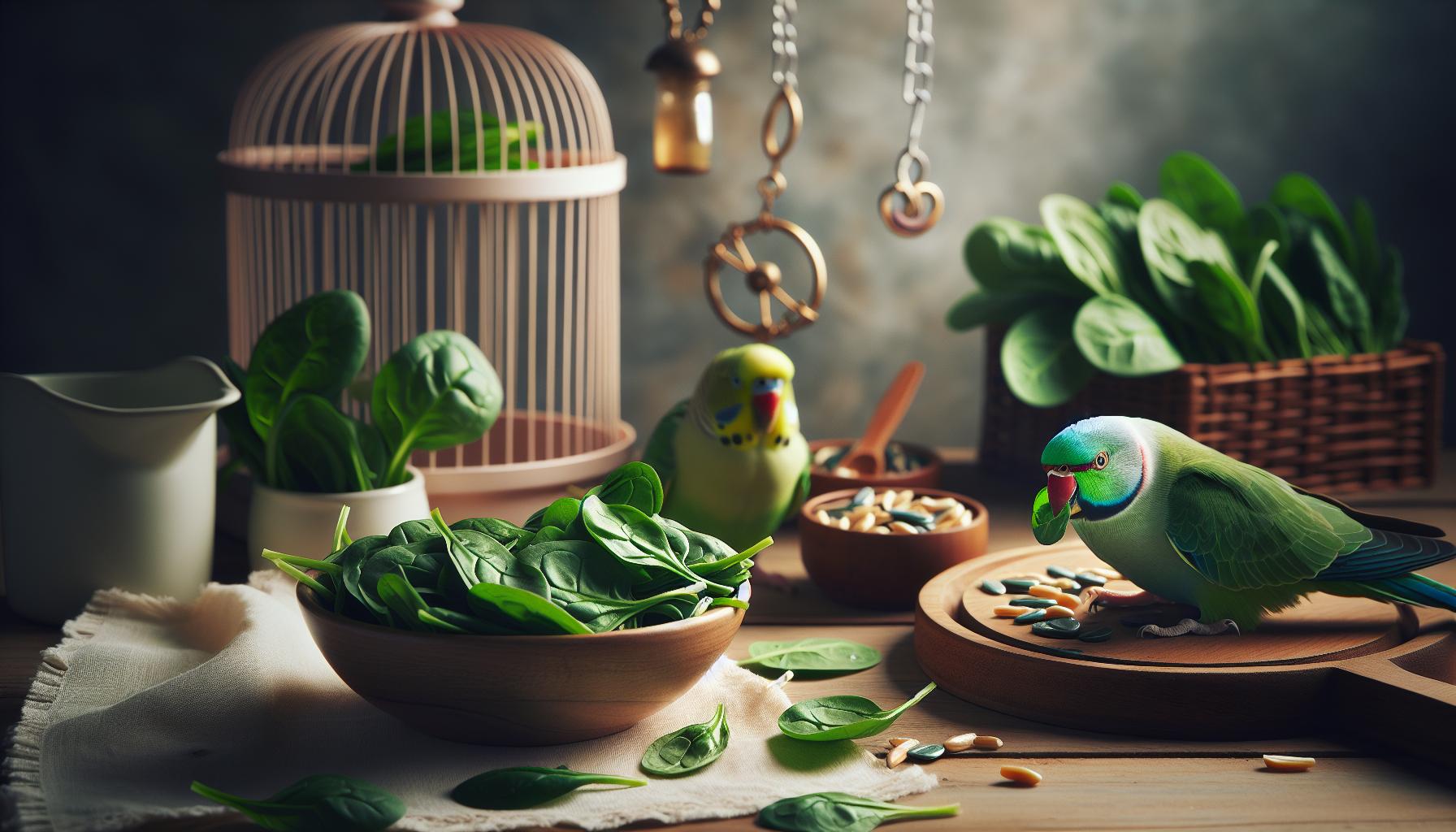
Spinach stands out as a powerhouse leafy green, not just for humans but also for our feathered friends, including parakeets. Packed with a wealth of vitamins and minerals, spinach offers significant nutritional benefits that can contribute to the overall health and vitality of your parakeet. For instance, it is an excellent source of vitamin A, which supports healthy feathers and skin, while vitamin C plays a crucial role in boosting the immune system and warding off illnesses. Beyond vitamins, spinach also provides essential minerals like iron, which is vital for forming healthy red blood cells, and calcium, necessary for strong bones and eggshell formation in breeding females.
However, serving spinach comes with considerations, particularly due to its oxalate content. Oxalates are compounds that can inhibit calcium absorption, which means that while spinach does contain calcium, its effectiveness in contributing to your bird’s dietary needs can be compromised if consumed in large amounts. This makes moderation essential when adding spinach to your parakeet’s diet.
To ensure that your parakeet reaps the benefits of spinach while minimizing risks, consider incorporating it as part of a diverse vegetable rotation. This means mixing spinach with other leafy greens to provide a broader spectrum of nutrients and avoid any potential negative impacts from overconsumption of oxalates. Some great alternatives include kale, collard greens, and romaine lettuce, all of which complement the nutritional profile of spinach and can be introduced alongside it. This approach not only ensures a varied diet but also stimulates your parakeet’s interest in different flavors and textures, which can be engaging and enjoyable for them.
In conclusion, spinach can be a valuable addition to your parakeet’s diet when offered mindfully and in combination with other nutritious greens.
How to Safely Introduce Spinach to Your Parakeet’s Diet
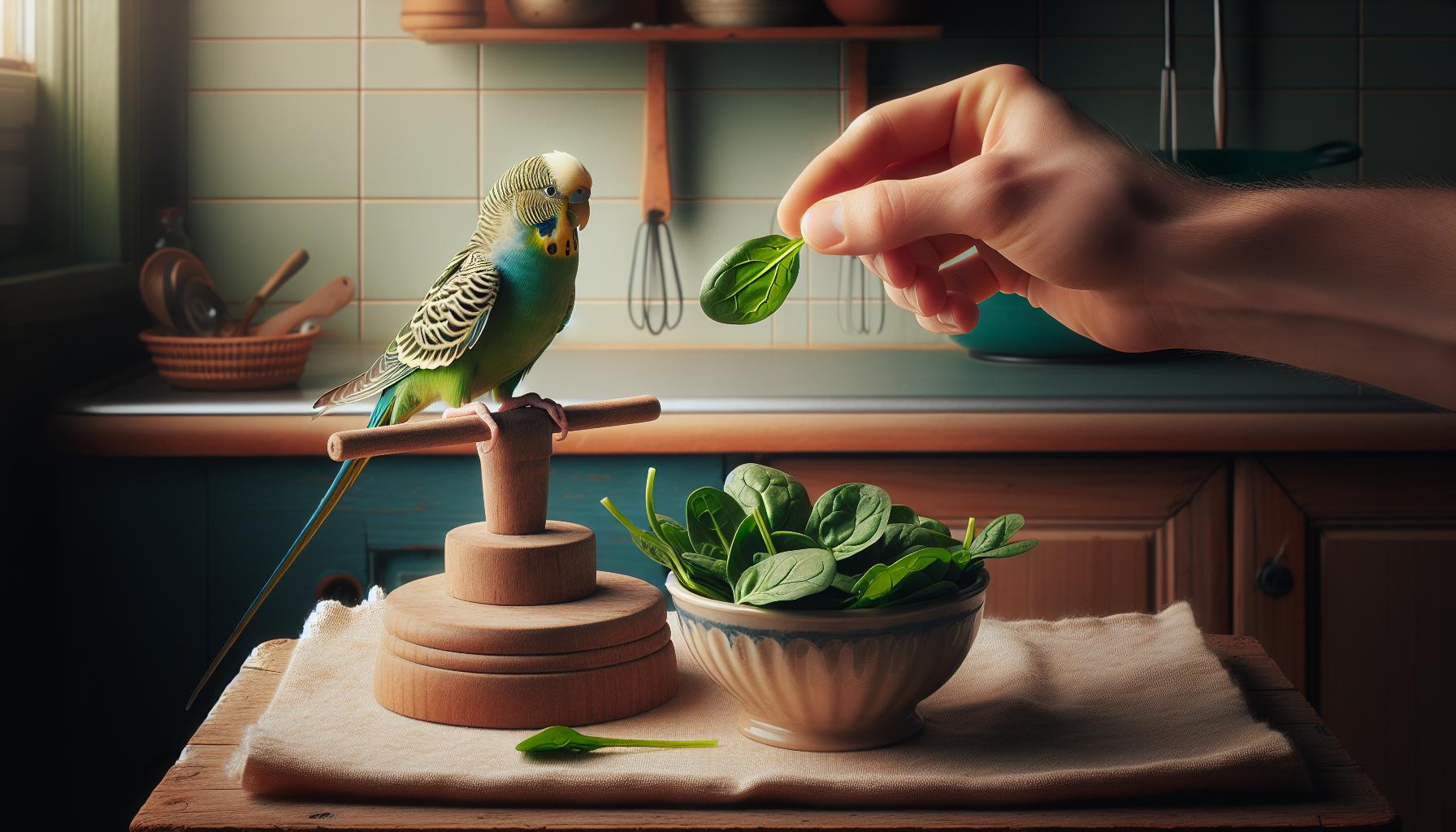
Introducing spinach to your parakeet’s diet can be a rewarding experience, not just for their health but also for their taste bud adventure! To do this safely, start by incorporating spinach in moderation and observing your parakeet’s reactions. Chop fresh spinach into small, bite-sized pieces that are easy for their beaks to manage. This helps your parakeet familiarize itself with the new flavor and texture without overwhelming them.
When first offering spinach, it’s wise to mix it with their usual seeds or pellets to create a blend they recognize. Gradually increase the amount of spinach over several days to see how your bird reacts. Some parakeets may be adventurous eaters and take to spinach right away, while others might need more time to warm up to the idea. Maintaining a keen eye on their eating habits is crucial; check if they are nibbling on the spinach alongside their regular food.
To prevent any digestive upset, limit spinach to a small portion of their overall diet, ideally no more than a few times a week. Alongside spinach, consider diversifying with other leafy greens like kale or dandelion greens, which can enhance their nutrition and keep mealtime exciting. Keeping a variety provides a balanced source of vitamins while also mitigating the risks tied to oxalate levels found in spinach.
Monitoring their response is key. Notice if they show signs of aversion or if they savor the new greens. If you see any unusual behavior, adjust accordingly. Overall, the introduction of spinach should be a fun and healthy journey for your parakeet, enriching their diet while allowing for exploration of new flavors.
Best Leafy Greens for Parakeets: A Comprehensive Guide
Parakeets thrive on a varied diet, and leafy greens play a crucial role in their nutritional intake. Not only do these greens add vibrant colors to their meals, which can be visually stimulating, but they also provide essential vitamins and minerals that are vital for their well-being. If you’re considering how to expand your feathered friend’s diet beyond spinach, there are a plethora of leafy greens to explore that are just as nutritious and safe.
Popular Leafy Greens for Parakeets
When it comes to the best leafy greens for parakeets, several options stand out for their nutritional benefits:
- Kale: Rich in vitamins A, C, and K, kale is a powerhouse that supports overall health and immune function. Its tough texture can also help with beak maintenance.
- Swiss Chard: This leafy green offers a colorful addition to your parakeet’s diet, packed with vitamins and minerals, though it should be fed in moderation due to its oxalate content.
- Dandelion Greens: Often found in gardens, these greens are not only safe but are also beneficial, providing high levels of vitamins and fiber that promote digestion.
- Romaine Lettuce: While not as nutrient-dense as other greens, romaine can be a refreshing treat for your parakeet and is easy to digest.
- Collard Greens: These are another excellent source of vitamins and are well-loved by many birds for their taste and texture.
Integrating Greens into Their Diet
When introducing these greens, offer them washed and chopped into smaller pieces to make them manageable for your parakeet. A mixed green salad can provide variety and keep mealtime exciting. Most importantly, observe how your bird reacts to the new additions. Some parakeets might relish the new tastes immediately, while others may take their time to adjust. Watching their preferences can help you tailor their diet effectively.
Experiment and Enjoy!
The exploration of leafy greens shouldn’t feel overwhelming. Incorporating these nutritious options not only enriches your parakeet’s diet but also opens up an engaging way for you to bond with them as you offer treats and observe their preferences. Remember, variety is essential-rotate the greens regularly to keep their meals interesting and nutritionally balanced. Happy feeding!
Signs of Spinach Repulsion or Enjoyment in Parakeets
When introducing spinach into your parakeet’s diet, it’s essential to closely observe their reactions. Just like people, different birds can have vastly different tastes and preferences. You might be surprised to find that while some parakeets eagerly nibble on spinach, others might treat it with disdain, pushing it aside in favor of more familiar options. Understanding your parakeet’s body language and behaviors can help you determine whether they enjoy spinach or would prefer a different leafy green.
One of the clearest signs of enjoyment is a curious parakeet that approaches the spinach with excitement. They may hop around their food dish, chirp happily, and begin to peck at the leaves enthusiastically. If your bird is showing signs of excitement, such as flapping their wings or vocalizing, these can indicate that they are intrigued and enjoying their new green treat. In contrast, if your parakeet turns its head away, vocalizes in a displeased manner, or leaves the spinach untouched, it’s likely a sign of repulsion. Behavioral cues to watch for include:
- Active Exploration: Moving closer, inspecting, and cautiously pecking at the spinach.
- Vocalizations: Happy chirps when they try it, or louder squawks if they dislike it.
- Physical Movements: Flapping wings or hopping excitedly indicates interest versus remaining stationary in indifference.
To better understand their preferences, try offering spinach alongside their favorite treats. Observing how they interact with spinach in comparison to more familiar greens can provide insight into whether it’s an acquired taste for them. Additionally, consider the presentation-chopping spinach into smaller pieces or mixing it with their preferred foods can make it more appealing and accessible.
Ultimately, patience is key when introducing new foods like spinach to your parakeet. Documenting your bird’s responses can help create a tailored menu that includes greens they love while still providing the nutritional diversity they need. If spinach doesn’t make the cut, don’t worry; there are plenty of other leafy greens to explore that can offer equally great nutritional benefits and keep your feathered friend happy and healthy.
Preparing Spinach: Tips for Serving Your Parakeet
When it comes to serving spinach to your parakeet, presentation and preparation are key to engaging their interest and ensuring they’re getting the most from this nutritious treat. Spinach is packed with vitamins and minerals, but if not prepared correctly, it might not be appealing to those feathered friends. Start by selecting fresh, organic spinach leaves free from pesticides and other chemicals to ensure you’re giving your parakeet the best possible nutrition.
Before serving, it’s crucial to wash the spinach thoroughly under running water to remove any dirt or chemical residues. After cleaning, consider chopping the leaves into smaller, bite-sized pieces. This makes it easier for your parakeet to handle and eat. For an added twist, you can mix the chopped spinach with other favored greens or vegetables. Mixing different textures and colors can pique your parakeet’s interest and encourage them to try something new.
Another great approach is to serve spinach in various ways. You can offer it raw, steamed, or even slightly wilted. Steaming spinach can reduce the oxalate content, making it a safer option for parakeets in moderation. However, the key is to ensure that it’s not overly cooked. Parakeets enjoy fresh, crunchy textures, so avoid mushiness. You might also consider attaching spinach to the side of their cage with a leafy clip, encouraging foraging behavior, which not only keeps their diet interesting but also provides mental stimulation.
Remember, introducing spinach should be done gradually. Monitor your parakeet’s reaction once you’ve prepared their spinach treat. If they show reluctance or disinterest, try different preparation methods or pair it with their preferred foods. Ultimately, the goal is to provide a fun, nutritious experience that contributes to their overall well-being while keeping mealtime exciting!
Alternatives to Spinach: Other Healthy Greens to Consider
Exploring a variety of greens beyond spinach can significantly enhance your parakeet’s diet and overall health. Here are some fantastic leafy greens that can serve as excellent alternatives while providing vital nutrients. Each option offers unique benefits and can contribute to a balanced feeding regimen that keeps your feathered friend happy and healthy.
Greens to Consider
- Kale: Rich in vitamins A, C, and K, kale is a powerhouse of nutrition. Its robust leafy texture also encourages your parakeet’s natural instinct to forage.
- Romaine Lettuce: This crisp green is low in calories but high in moisture content, making it a great hydrating snack. Its mild flavor makes it especially appealing to picky eaters.
- Broccoli: Packed with vitamins C and K, broccoli is a nutrient-dense option that many parakeets enjoy. You can serve it raw or lightly steamed to enhance its palatability.
- Swiss Chard: Another nutrient-rich leafy green, Swiss chard is full of vitamins and minerals but should be fed in moderation due to its higher oxalate content.
- Mustard Greens: These greens boast a peppery taste that some parakeets find delightful, alongside a wealth of vitamins, making them a worthy addition to their diet.
- Collard Greens: Known for their rich nutrient profile, collard greens can be served shredded or chopped, offering a slightly different texture that may pique your parakeet’s interest.
It’s essential to remember that while these greens have numerous benefits, variety is the key. Each green has its own set of nutrients and potential allergens, so incorporating a mix not only keeps mealtime exciting but also ensures your parakeet is receiving a well-rounded diet. For example, offering kale one day and broccoli the next provides diverse vitamins and minerals without overloading on any specific type.
To introduce these alternatives, begin by offering small amounts and observing your bird’s reactions. Pairing new greens with familiar favorites can help ease the transition and increase the likelihood of acceptance. As always, consult with your avian vet for tailored dietary advice specific to your parakeet’s needs.
By expanding the range of leafy greens your parakeet enjoys, you’re supporting not only their nutritional health but also their natural behaviors. Encouraging foraging and exploration through varied food sources enhances their overall well-being and happiness!
Addressing Common Concerns: Oxalates in Spinach Explained
It’s not uncommon to hear concerns regarding the oxalate content in spinach, especially when considering whether to add it to your parakeet’s diet. Oxalates are naturally occurring compounds found in various plants, including spinach, and they can have significant effects on calcium absorption. In birds, a high intake of oxalates can lead to calcium deficiency, potentially resulting in health issues like bone weakening. Therefore, while spinach can offer valuable nutrients, moderation is essential when incorporating it into your parakeet’s culinary repertoire.
For parakeets, the key lies in balance. While spinach does contain oxalates, it is also rich in vitamins A and C, as well as iron. To ensure your feathered friend benefits from spinach without overloading on oxalates, consider limiting spinach to occasional treats rather than a daily staple. Experts suggest pairing spinach with other leafy greens that have lower oxalate levels, like kale or romaine lettuce, to create a more balanced diet. This approach not only helps mitigate the risks associated with oxalates but also broadens the nutritional spectrum available to your bird.
When introducing spinach, it’s wise to observe how your parakeet reacts. Some birds may show a preference for fresh, leafy greens, while others might be more hesitant. Start with small amounts and combine spinach with their favorite foods to encourage acceptance. Remember, cultivating a variety of greens in your parakeet’s diet will help keep mealtime exciting and capitalize on their natural foraging instincts.
In conclusion, while spinach is not inherently harmful, understanding the implications of oxalate content is crucial for maintaining your parakeet’s health. By practicing moderation, mixing with other greens, and paying attention to your bird’s individual preferences, you can ensure a well-rounded, nutritious diet that keeps your parakeet happy and thriving.
How Much Spinach is Safe for Parakeets?
The nutritional choices you make for your parakeet can significantly impact its overall health, and spinach can be a delightful treat when introduced properly. However, how much spinach is safe for your feathered companion? To keep your parakeet thriving and happy, it’s essential to introduce spinach into their diet with care, given the oxalate content of this leafy green.
Experts recommend that spinach should be viewed as an occasional treat rather than a daily staple. A general guideline is to offer spinach once or twice a week in small amounts-roughly a quarter of a leaf or a small handful at a time. This frequency helps to enhance your parakeet’s diet with additional nutrients, such as vitamins A and C, without compromising calcium absorption due to oxalate consumption. Always observe your parakeet for any adverse reactions after introducing new foods, including spinach, and adjust serving sizes accordingly.
Balancing spinach with a variety of other leafy greens is also key. Pairing it with greens lower in oxalates, such as kale, arugula, or romaine lettuce, can provide an even broader spectrum of nutrients and keep mealtime engaging. Remember, introducing new foods incrementally and monitoring your parakeet’s enthusiasm for these greens can help foster a healthy and varied diet.
Lastly, ensure that fresh spinach is always thoroughly washed to remove any pesticide residues or contaminants. Freshness not only keeps your parakeet enthusiastic about eating but also helps prevent digestive issues. By following these guidelines, you can include spinach in your parakeet’s diet safely while promoting overall health and well-being.
Expert Opinions: Vets Weigh In on Parakeet Nutrition
Veterinary professionals emphasize the importance of a balanced and varied diet for parakeets, advocating for a thoughtful approach towards including leafy greens like spinach. Many veterinarians recommend introducing spinach as an occasional treat due to its unique nutritional profile and potential risks associated with its oxalate levels. Oxalates can bind with calcium, posing a risk of calcium deficiency if spinach is a regular part of a parakeet’s diet. Therefore, refraining from daily consumption helps mitigate these concerns while still allowing for the enjoyment and nutritional benefits spinach provides, such as vitamins A and C.
In their consultations, vets often highlight the significance of monitoring individual parakeet preferences and reactions when introducing new foods. It’s not uncommon for parakeets to exhibit varying degrees of acceptance towards different greens. Engaging with your parakeet during feeding time can offer insights into their preferences, allowing owners to refine and diversify the diet effectively. For instance, if a parakeet eagerly eats spinach but seems less interested in other leafy vegetables, it may indicate a specific taste preference; trying to balance this with lower-oxalate greens can support overall health.
Veterinary recommendations also stress the importance of washing spinach thoroughly to remove any pesticides or chemical residues. Cleanliness not only ensures safety but also encourages a healthy appetite among parakeets. Many vets suggest incorporating a combination of leafy greens such as kale, Swiss chard, and romaine lettuce along with spinach, as this not only provides a broader spectrum of nutrients but also keeps mealtime enticing.
Overall, the insights provided by avian veterinarians underline the need for a cautious yet creative approach to parakeet nutrition. Understanding individual dietary needs, addressing any aversions, and maintaining variety will contribute significantly to the long-term health and happiness of your parakeet.
Parakeet Diet Myths: Debunking Misconceptions About Greens
Misunderstandings about what constitutes a healthy diet for parakeets can lead to gaps in their nutrition. One prevalent myth is that all leafy greens are equally beneficial. While many leafy vegetables are ideal for parakeets, not all can be offered freely. For example, spinach is often recommended for its nutritional benefits, but its high oxalate content means it should be given in moderation. This myth suggests that any green is good when, in fact, some can pose risks if fed too frequently.
Another common misconception is that parakeets will instinctively know which greens are good for them. It’s crucial to remember that many pet birds are not familiar with a variety of vegetables since in the wild, they primarily consume seeds and fruits. Consequently, introducing greens takes observation and patience. Parakeets may need time to adapt to new foods, and it’s vital to monitor their reactions. If they seem uninterested or refuse certain greens, it doesn’t mean they dislike them; it might simply require you to try different methods of preparation or presentation.
Moreover, many owners believe that offering a mix of greens is unnecessary if their bird enjoys one specific type. However, a balanced diet is key to providing essential nutrients. Just like humans, diets should be diverse to prevent deficiencies. Offering a variety of leafy greens-including kale, romaine, and arugula-ensures that your parakeet receives a broader spectrum of vitamins and minerals.
Lastly, there’s a notion that greens should be the primary component of a parakeet’s diet. While leafy greens are beneficial, they should complement a diet based predominantly on high-quality pellets and limited seeds, which are crucial for maintaining overall health. Understanding these myths is essential for fostering a nutritionally sound diet and promoting the long-term well-being of your feathered friend.
By breaking down these misconceptions, bird owners can create a more informed and healthier diet plan for their parakeets, contributing to their happiness and vitality.
Building a Balanced Diet: The Role of Leafy Greens
Leafy greens are the cornerstone of a healthy diet for parakeets, providing essential nutrients that contribute to their vitality and happiness. In the wild, parakeets forage for a variety of greens, which means incorporating these into their diets domestically not only stimulates their natural behaviors but also ensures they receive a flood of vitamins and minerals necessary for optimal health. Greens like spinach, kale, romaine, and dandelion greens are excellent options that can enrich their diet and support their well-being.
When considering the role of leafy greens, it’s essential to recognize that variety is key. Each type of green contains a unique blend of nutrients. For instance, spinach is rich in vitamins A and K but also contains oxalates, which can bind calcium and might lead to kidney issues if offered excessively. Complementing spinach with other greens can help strike the right balance in their nutrition. A mix of kale, which is high in calcium and beneficial for bone health, and romaine, known for hydration due to its high water content, can create a more rounded diet.
To encourage your parakeet to explore and enjoy leafy greens, consider presenting them in different ways. Some birds prefer their greens whole, while others may enjoy finely chopped pieces sprinkled over their usual pellets. Additionally, adding greens to their favorite treats or using them to create colorful salads can make greens more enticing. Observation is crucial; pay attention to which types your parakeet gravitates towards, as this will guide you in tailoring their diet more closely to their preferences.
Ultimately, maintaining a balanced diet that includes leafy greens, alongside high-quality pellets and the occasional seed treat, helps ensure your parakeet thrives. A thoughtful approach to diet not only supports their physical health but also promotes mental stimulation through foraging and new taste experiences. By embracing the variety and nutritional significance of leafy greens, you can enhance your parakeet’s life, keeping them lively and healthy for years to come.
Frequently Asked Questions
Q: Can I feed my parakeet cooked spinach?
A: No, it’s best to offer spinach raw to your parakeet. The cooking process can alter the nutritional value and may reduce beneficial compounds. For details on preparation methods, see our section on “Preparing Spinach: Tips for Serving Your Parakeet.”
Q: How often should I include spinach in my parakeet’s diet?
A: Offer spinach sparingly, no more than 2-3 times a week, to balance its oxalic acid content with other healthy greens. This frequency ensures a variety of nutrients while managing potential risks. Explore more in our “How Much Spinach is Safe for Parakeets?” section.
Q: Are there any health risks associated with feeding spinach to parakeets?
A: Yes, spinach contains oxalic acid, which can bind with calcium, potentially leading to calcium deficiency if overconsumed. It’s vital to maintain a balanced diet rich in different leafy greens. For a comprehensive list, refer to “Best Leafy Greens for Parakeets.”
Q: What are the symptoms of spinach intolerance in parakeets?
A: Symptoms may include decreased appetite, diarrhea, or changes in behavior. If you notice these signs, remove spinach from the diet and consult a vet. See “Signs of Spinach Repulsion or Enjoyment in Parakeets” for more insights on dietary preferences.
Q: Can spinach be part of a homemade parakeet diet?
A: Yes, spinach can be included in a homemade diet, but ensure it’s balanced with various other fruits and vegetables. Limit spinach intake, focusing on diverse options for optimal nutrition. Our “Building a Balanced Diet: The Role of Leafy Greens” section provides helpful guidance.
Q: What are the best alternatives to spinach for parakeets?
A: Some excellent alternatives include kale, romaine lettuce, and parsley. These options are lower in oxalates while still providing essential nutrients. Refer to “Alternatives to Spinach: Other Healthy Greens to Consider” for more suggestions.
Q: Is baby spinach safe for parakeets?
A: Yes, baby spinach is safe for parakeets and often has a milder flavor. However, treat it just like regular spinach by limiting frequency and ensuring it’s fresh. For more on greener options, see our “Nutritional Breakdown: Why Spinach Matters for Parakeets” section.
Q: How do I know if my parakeet enjoys spinach?
A: Watch for signs of enjoyment, such as nibbling or eagerly eating offered spinach. If your parakeet ignores it or refuses to eat it after a few tries, they may not like it. Check our “Signs of Spinach Repulsion or Enjoyment in Parakeets” for further guidance on preferences.
Insights and Conclusions
Now that you know parakeets can safely enjoy spinach in moderation, it’s time to put this knowledge into practice! Spinach can be a nutritious addition to your feathered friend’s diet, offering essential vitamins and minerals that contribute to their overall health. If you’re eager to explore more about parakeet care, check out our in-depth guides on “Common Parakeet Treats” and “The Best Vegetables for Parakeets” to ensure your pet thrives.
Have questions or experiences to share? We’d love to hear from you in the comments below! Don’t forget to subscribe to our newsletter for more expert tips and insights on avian care, so you can keep your parakeet happy and healthy. Remember, your commitment to understanding their dietary needs today sets the foundation for a joyful companionship tomorrow-so take action now and discover the best ways to spoil your parakeet!