
When it comes to the dietary needs of your feathered friends, understanding what your parakeet can eat is essential for their health and happiness. You might wonder, “Can parakeets eat cockatiel food?” Although both species are small, their nutritional requirements can differ. Parakeets require a diet that’s high in seeds and pellets with plenty of fresh fruits and vegetables for optimal nutrition. Mixing in cockatiel food might seem convenient, but could it meet their specific needs? This question is crucial for every bird owner’s peace of mind, as feeding your parakeet the wrong diet can lead to health issues. Join us as we explore the compatibility of parakeet and cockatiel diets, ensuring your avian companion thrives on the best possible nutrition!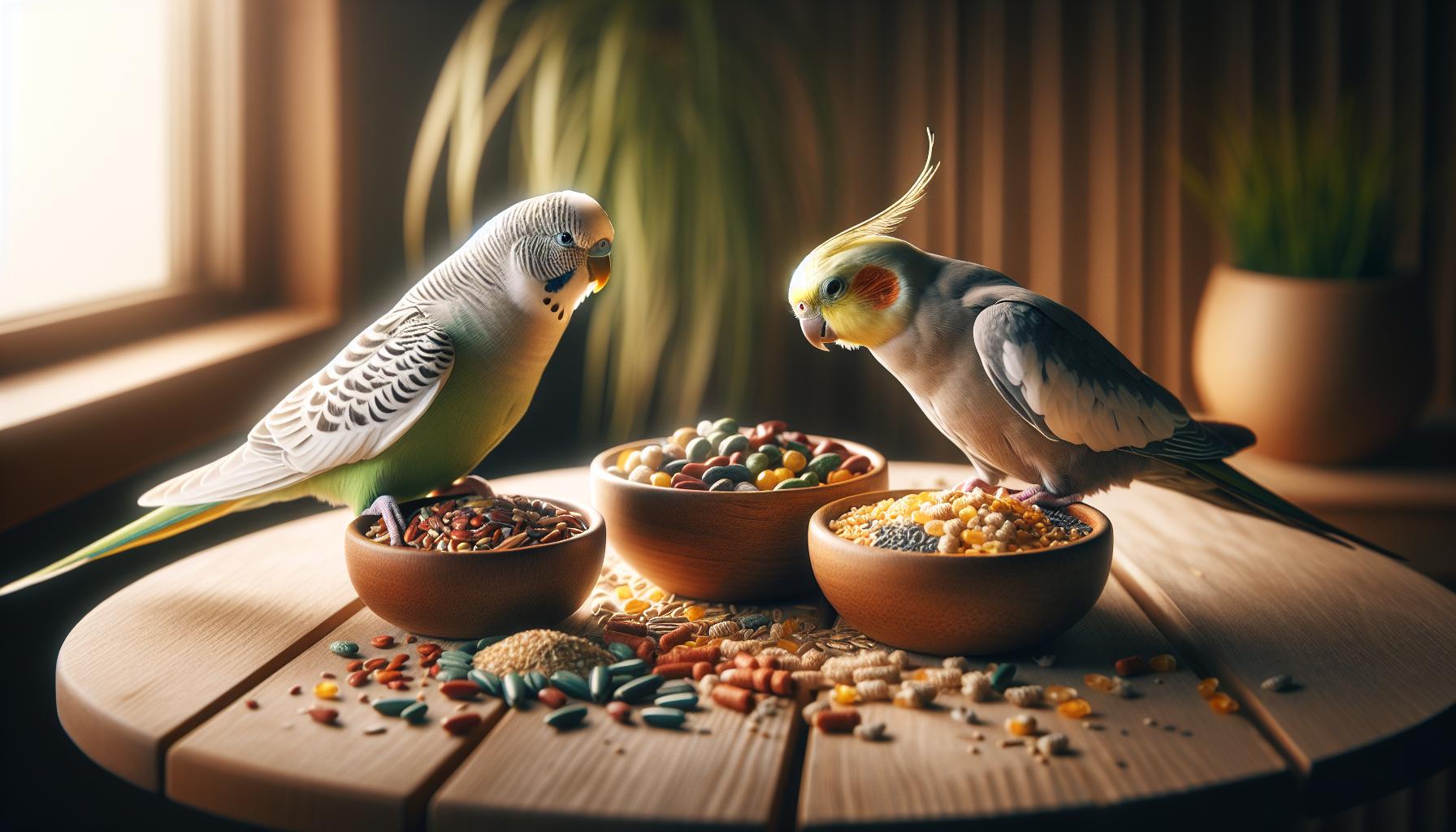
Can Parakeets Eat Cockatiel Food? Understanding Dietary Needs
Parakeets and cockatiels, while both popular pet birds, have distinct dietary needs that can impact their health and well-being. Understanding these differences is crucial for bird owners who might wonder whether they can safely feed their parakeets cockatiel food. Cockatiel food, often formulated with larger seeds and pellets, is generally higher in fat and contains specific ingredients to meet the nutritional requirements of cockatiels, which are larger and have different digestive needs than parakeets. Consequently, while occasional consumption of cockatiel food is not likely to harm parakeets, it shouldn’t become a staple in their diet.
To ensure your parakeet’s diet is balanced, it’s essential to focus on their unique needs. Parakeets thrive on a diet rich in seeds, fresh vegetables, and specialized pellets geared towards their size and metabolism. Foods like pellets that are specifically designed for parakeets help to maintain their health and avoid obesity or nutritional deficiencies. If you find yourself in a situation where only cockatiel food is available, you can supplement it with safe fruits, vegetables, and a lower-fat seed mix to create a more suitable diet.
A diverse diet is key for parakeets, as they require various nutrients to stay active and healthy. Pay attention to the ingredients in cockatiel food and always prioritize parakeet-specific options. This ensures that their dietary intake is properlynutritionally balanced while also supporting their overall behavior and activity levels. In sum, while parakeets can eat cockatiel food occasionally, a well-tailored diet specific to their needs is the best way to promote lifelong health and vitality.
Nutritional Differences Between Parakeets and Cockatiels
While parakeets and cockatiels share similarities as popular pet bird species, their dietary requirements diverge significantly due to differences in their size and metabolism. It’s important to understand these nutritional differences to ensure the health and well-being of your feathered friends. Cockatiels generally require a higher fat content in their diets, reflecting their larger body size and different energy needs. Their food often includes a broader range of seeds and pellets that cater to these requirements, which can lead to a rich but potentially overly fatty diet.
In contrast, parakeets, being smaller and more active, thrive on a diet that is lower in fat and higher in fiber. Their nutritional intake should be composed primarily of specific pellets, seeds, and fresh vegetables that are designed for their smaller size and faster metabolism. For instance, a balanced diet for a parakeet typically consists of around 70-80% pellets and seeds that are lower in fat, while the remaining percentage includes fresh fruits and vegetables to provide necessary vitamins and minerals.
When considering the nutritional composition, cockatiel food often incorporates larger seeds and may have ingredients like sunflower seeds, which are higher in fat. If a parakeet were to make cockatiel food a regular part of its diet, there is a risk of obesity and other health issues due to the higher fat content. Therefore, while an occasional nibble of cockatiel food may not harm a parakeet, it’s crucial to prioritize their specific dietary needs to support their vitality and overall health.
A tailored diet is essential. To promote a healthy lifestyle for your parakeet, always opt for parakeet-specific foods that ensure they receive the right balance of nutrients to stay active and vibrant. Providing them with the appropriate nutrition fosters not only a healthier bird but also a more engaging and lively companion.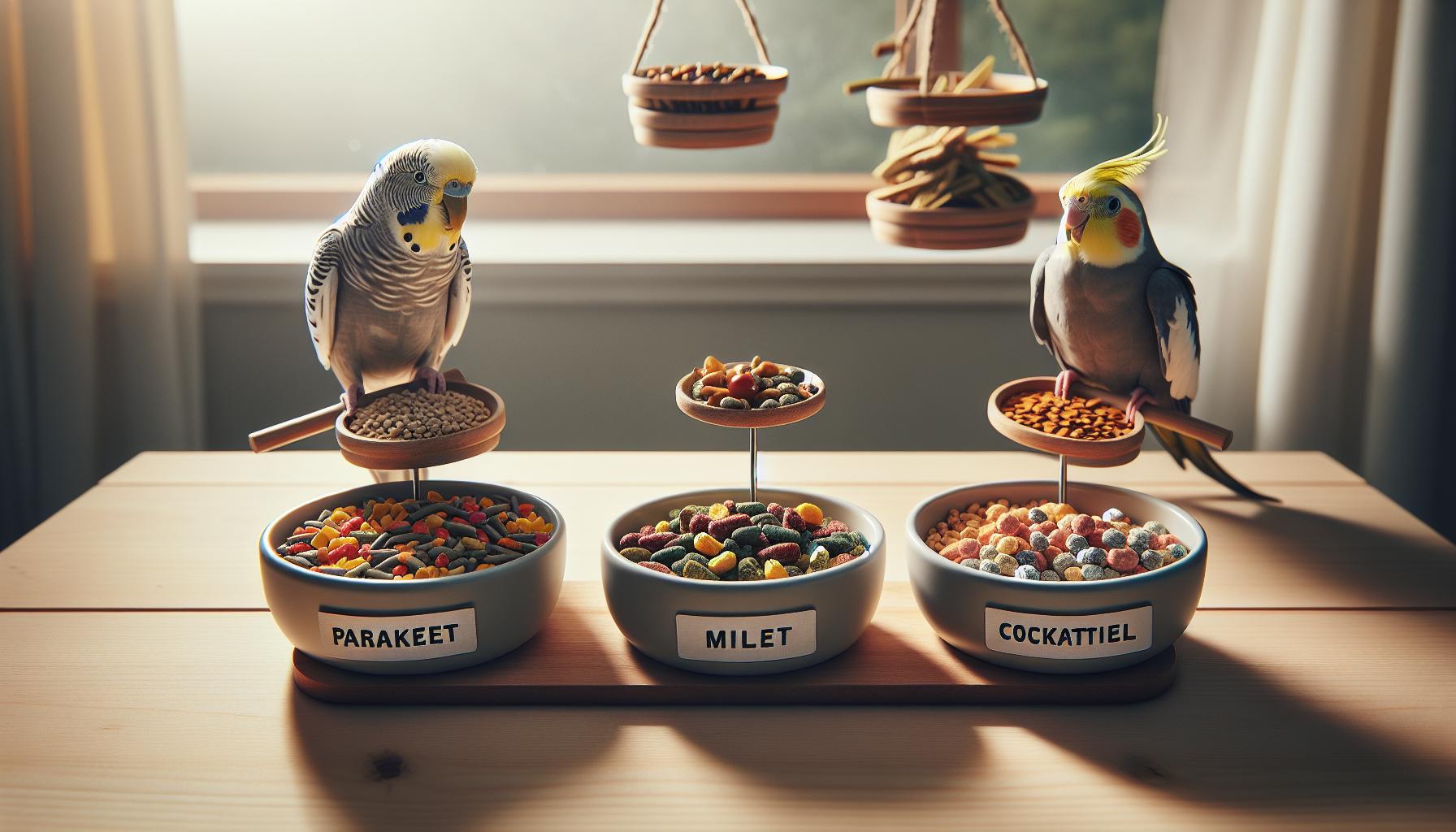
Safe Ingredients in Cockatiel Food for Parakeets
When it comes to feeding our feathered friends, understanding the compatibility of different bird diets is crucial. If you’re considering whether your parakeet can safely nibble on cockatiel food, it’s essential to recognize which components of that diet can benefit them without compromising their health. While parakeets have specific dietary needs that differ from cockatiels, certain safe ingredients commonly found in cockatiel food can be a nutritious treat.
Many commercial cockatiel foods feature ingredients that can also benefit parakeets, such as a variety of seeds and grains. Some safe options include:
- Oat Groats: These are high in fiber and provide essential nutrients without excessive fat. They can help keep your parakeet’s digestion on track.
- Millet: Often a favorite for all types of parrots, millet is a great source of carbohydrates and a healthy energy boost for active parakeets.
- Barley: This grain is low in fat and offers dietary fiber, helping to maintain a healthy digestive system.
- Fresh Vegetables: Ingredients like carrots, peas, and bell peppers can sometimes be found in cockatiel blends and are beneficial for parakeets, providing vitamins and hydration.
However, it’s crucial to monitor portion sizes and frequency. Since cockatiel food is formulated with their larger size and higher fat needs in mind, parakeets should consume these ingredients sparingly. For instance, if you notice your parakeet enjoying the millet or veggies in the cockatiel mix, consider offering them in limited quantities, supplemented by their primary diet of lower-fat pellets and specialized seeds.
While these safe components might tempt your parakeet, always keep a watchful eye on their overall health. Factors like weight gain or lethargy can indicate that they may be overindulging in ingredients that don’t align with their dietary needs. The key is balance; allowing your parakeet some variation and engagement with their diet will not only appease their curiosity but also provide essential nutrients to support their activity and well-being. Your parakeet’s diet should ultimately focus on tailored options that meet their specific requirements to ensure a long and healthy life.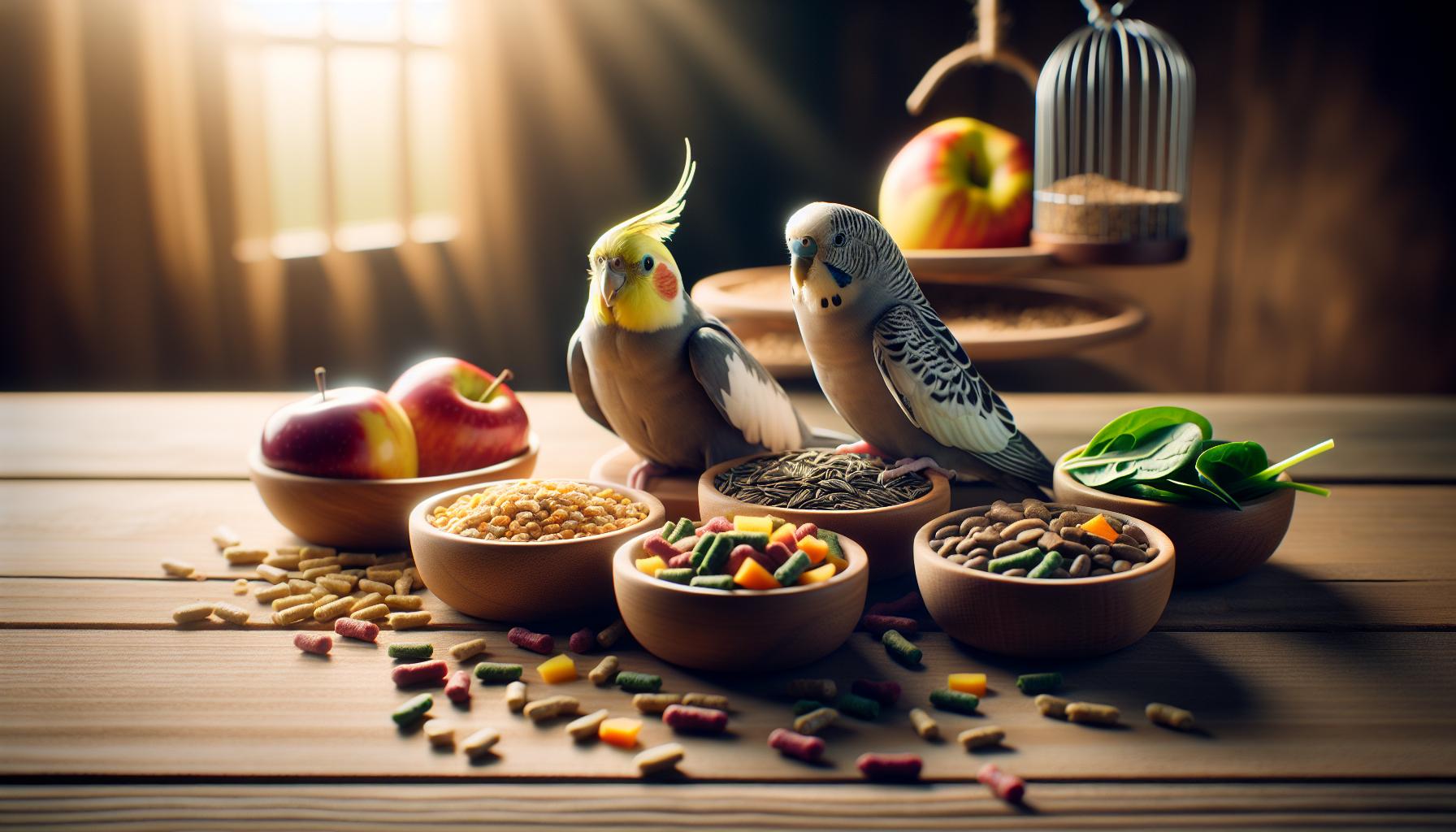
Potential Risks of Parakeet Dietary Mismanagement
While experimenting with different bird foods can seem harmless, mismanaging a parakeet’s diet can lead to significant health issues. For example, if an owner frequently feeds their parakeet cockatiel food-or any food not specifically formulated for their species-it may inadvertently introduce excessive fats, high protein levels, or inappropriate nutrients that can disrupt the delicate balance in a parakeet’s nutrition. Parakeets have unique dietary requirements, and even small lapses in their nutrition can result in long-term effects.
One of the most common risks associated with dietary mismanagement is obesity. Parakeets are naturally active birds, but when they consume high-fat foods intended for cockatiels, they may gain weight rapidly. This excessive weight can lead to a slew of health issues, including liver disease, heart problems, and reduced lifespan. It’s crucial to monitor your bird’s weight closely and observe any signs of laziness or disinterest in play. Introducing a diet primarily of lower-fat pellets along with fresh fruits and vegetables can help maintain their ideal weight.
Another concern is the potential for nutritional deficiencies or excesses. Parakeets require specific vitamins and minerals, and a diet not aligned with their needs can lead to deficiencies, which manifest as feather plucking, lethargy, or digestive issues. For instance, calcium is vital for both bone health and reproductive success in parakeets, and a cockatiel diet might not provide adequate amounts. Similarly, excess protein can lead to kidney strain, especially if the food is not designed for smaller birds. It’s essential to balance not only the variety of foods but also to ensure that the primary diet suits their nutritional profile.
Lastly, a poor diet can significantly impact a parakeet’s behavior. Birds that do not receive proper nutrition can exhibit signs of stress or aggression, or become withdrawn. A balanced diet helps maintain their physical health and, in turn, their mental well-being. If you notice your parakeet becoming more aggressive or showing signs of depression, it may be a signal that their diet isn’t fulfilling all their needs.
In summary, ensuring a well-rounded diet tailored to the needs of parakeets is paramount in avoiding the risks associated with dietary mismanagement. Being vigilant about what and how much you feed your parakeet can prevent serious health issues and ultimately contribute to a happier, longer life for your feathered friend.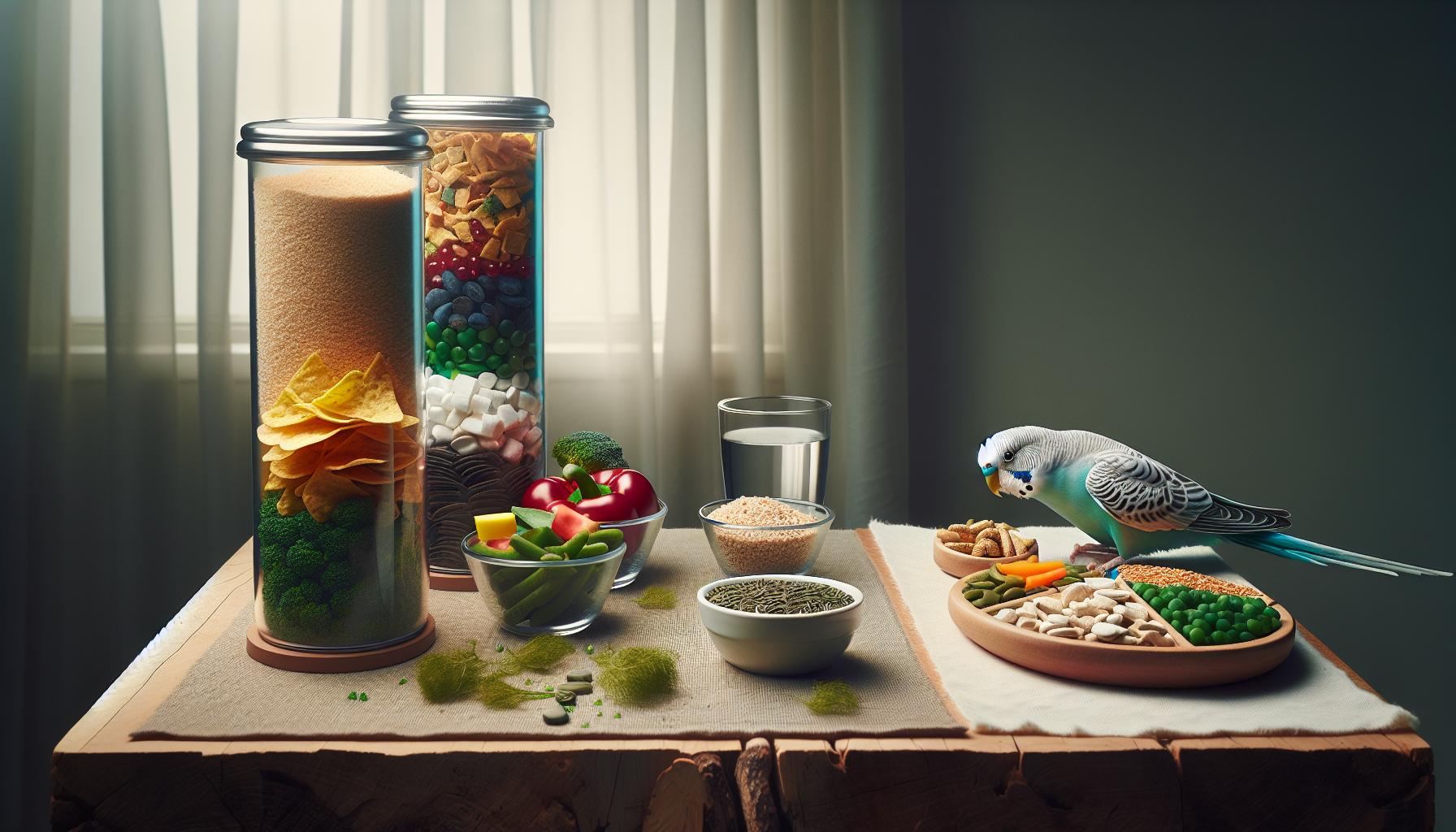
Tailoring Cockatiel Food for Parakeet Consumption
To ensure that your parakeet thrives while possibly sharing space with a cockatiel, you can adapt cockatiel food to meet the unique needs of your smaller feathered friend. While cockatiel food can sometimes be suitable for parakeets, it’s essential to tailor it appropriately, as their nutritional requirements differ significantly. Cockatiel food generally contains larger seeds and higher fat content, which can lead to obesity and other health issues in parakeets if consumed in excess.
One way to modify cockatiel food for parakeet consumption is by mixing it with high-quality parakeet pellets or seeds that are lower in fats and better balanced for their specific dietary needs. By supplementing cockatiel seeds with additional smaller seeds, such as millet or canary seed, you can create a varied and enjoyable diet for your parakeet. This approach allows for the enjoyment of the diverse flavors and textures of cockatiel food while also ensuring that your bird receives adequate nutrition.
Healthy Additions
To further enhance the suitability of cockatiel food for parakeets, consider incorporating the following nutritious ingredients:
- Fresh Fruits and Vegetables: Offer small pieces of apple, carrot, or leafy greens to provide essential vitamins and moisture.
- Pellet Supplements: Choose smaller pellets designed specifically for parakeets to ensure proper balance.
- Avoid High-Fat Seeds: Steer clear of high-fat options like sunflower seeds and peanuts in your mix; they are not ideal for parakeets.
It’s also vital to monitor your parakeet’s reaction to any changes in their diet. Look for signs of health, such as vibrant feathers and high energy levels, which indicate a well-rounded diet. Also, keep an eye on their weight, as a healthy parakeet should be active and inquisitive.
By understanding your cockatiel food’s composition and mixing it judiciously with parakeet-friendly options, you can offer a tailored diet that promotes the well-being of your parakeet while still accommodating the pantry of a multi-bird household. Your attention to their dietary differences will not only support their health but also encourage their playful personalities to shine.
Alternatives to Cockatiel Food for Parakeets
When it comes to providing delicious and balanced meals for your parakeet, understanding their unique dietary needs is crucial. While cockatiel food can occasionally work, it’s wise to explore other feed options that cater specifically to parakeets to ensure a healthy and happy life for your feathered friend. Parakeets thrive on a diverse diet that emphasizes lower fat content and smaller seed sizes, making alternatives to cockatiel food not just preferable but necessary for optimal health.
One excellent choice is parakeet pellets specifically formulated for their dietary requirements. These pellets are designed to be nutrient-rich, fortifying your bird with essential vitamins and minerals without the excess fat found in cockatiel mixes. Look for pellets that include a blend of grains, seeds, vegetables, and calcium sources, which can support your parakeet’s overall health while ensuring they receive all the necessary nutrients.
In addition to pellets, consider incorporating a variety of seeds tailored for parakeets. Smaller seeds such as millet, canary seed, and oat groats are great additions that allow parakeets to forage and mimic their natural behaviors. Enhancing this seed mix with fresh fruits and vegetables will further enrich their diet. Safe options include diced apples, leafy greens like kale and spinach, and even the occasional carrot or sweet potato. These additions provide not only essential vitamins but also hydration, greatly benefiting your bird’s well-being.
Another fantastic alternative is sprouted seeds. Sprouting enhances the nutritional profile of the seeds, making them easier to digest while significantly increasing vitamin content. Offering a mix of sprouted seeds a few times a week can bring significant benefits, including improved energy levels and better feather quality. Experimenting with different types of seeds and fresh produce can make mealtime exciting, ensuring your parakeet remains engaged and healthy.
Emphasizing these alternatives not only promotes nutritional balance but can also lead to a more vibrant and active bird. By avoiding high-fat options typically found in cockatiel mixes, you protect your parakeet from potential weight issues and associated health risks, ensuring they enjoy a long and healthy life filled with playful antics.
Signs of Nutritional Deficiencies in Parakeets
Nutritional deficiencies in parakeets can manifest in several ways, often revealing themselves through physical changes or alterations in behavior. Being observant can make all the difference in recognizing when your feathered friend needs dietary adjustments. Unlike cockatiel food, which may contain higher fat content or unsuitable ingredient sizes, a parakeet’s diet should primarily consist of smaller seeds and higher nutritional value. Understanding the signs of nutrient shortages can help you quickly correct their diet and improve their overall health.
One of the most noticeable signs of nutritional deficiencies is the condition of your parakeet’s feathers. If they appear ragged, dull, or falling out excessively, this may indicate a lack of essential fatty acids, proteins, or vitamins such as A and E. Birds typically require balanced nutrition to sustain their plumage; thus, a malnourished parakeet may also exhibit dull weight, lack of energy, and increased irritability or lethargy.
Behavioral changes are another critical indicator. A parakeet lacking vital nutrients will often show less interest in play or social interaction, appearing more withdrawn than usual. You might also notice a decrease in vocalization-an important trait for these social birds. In severe cases, deficiencies can lead to more serious health concerns, including decreased immune function, which makes them susceptible to infections.
To equip yourself for observing these signs effectively, consider maintaining a feeding log to track meals and any observed behavioral changes. If your parakeet shows signs of nutritional deficiency, consult an avian veterinarian who can recommend a well-balanced diet incorporating fruits, vegetables, and lower-fat seed mixes designed specifically for parakeets. This proactive approach not only ensures a happy bird but also fosters a vibrant bond between you and your parakeet. Regularly incorporating fresh produce alongside their main diet will also provide hydration and additional nutrients they may be missing. Remember, a well-fed parakeet is not just healthier but also more likely to thrive, engage, and amuse you with their charming antics.
Supplementing a Parakeet’s Diet with Cockatiel Food
Adding cockatiel food to a parakeet’s diet can be a useful way to provide variety and nutritional benefit, but it’s essential to do it thoughtfully. Cockatiel food, often denser and more calorie-rich, can complement a parakeet’s diet if managed correctly. One of the advantages of incorporating cockatiel food is that it can introduce more diverse textures and flavors that stimulate the bird’s interest in eating. For instance, many cockatiel mixes contain larger seed varieties, nuts, and fruit pieces that can attract a parakeet’s curiosity and encourage exploration.
When supplementing your parakeet’s diet with cockatiel food, focus on moderation. A general guideline is to ensure that no more than 25% of your parakeet’s diet is derived from cockatiel food. This provides enough variety without overwhelming the bird’s system with excessive fats or unsuitable portions. It’s important to carefully choose the specific cockatiel food to include; look for blends with higher protein content as well as fruits like plums, which provide essential vitamins and dietary fiber that can aid digestion and overall health. The goal is to enrich your parakeet’s diet while ensuring it remains species-appropriate.
However, keep a close eye on your parakeet’s reaction to this dietary adjustment. Watch for any signs of digestive upset, weight gain, or behavioral changes that might suggest that the additional fat from cockatiel food is too rich. If you notice any adverse effects, consider scaling back on the amounts. A parakeet’s smaller size means they need smaller seed that is easier to consume, so finding a balance is key. Always pair these foods with a steady offering of fresh fruits and vegetables to provide hydration and essential nutrients needed for a well-rounded diet.
In essence, while supplementing cockatiel food can enhance a parakeet’s dietary experience, it should always be approached with care. With thoughtful management and keen observation, you can ensure that your parakeet enjoys a diverse diet that supports their health and happiness.
Impact of Diet on Parakeet Behavior and Health
The connection between diet and behavior in parakeets is nothing short of fascinating. A well-balanced diet not only fuels their vibrant activity levels but also influences their overall mood and social interactions. When parakeets receive a diet rich in nutrients, they tend to exhibit more playful and engaging behaviors, while an imbalanced diet can lead to lethargy and increased irritability. This makes it crucial for bird owners to understand the impact of dietary choices on their feathered companions.
Parakeets, being social creatures, thrive on stimulation and exploration. Incorporating a variety of foods, including the careful addition of cockatiel food, can elevate their interest in eating and encouraging foraging behavior. For example, offering a mix of seeds, pellets, and fresh fruits not only meets their dietary needs but also mirrors their natural feeding behaviors in the wild. By providing diverse textures and colors, parakeets can experience a more enriched environment that promotes healthy exercise and mental engagement.
However, there are pitfalls to watch out for when adjusting a parakeet’s diet. If the cockatiel food chosen contains too many high-fat ingredients, it may lead to unwanted weight gain and related health issues, such as fatty liver disease or cardiovascular problems. Parakeets may also become fussy eaters if they become accustomed to less healthy, calorie-dense options. Monitoring their weight and behavior closely after incorporating new foods helps ensure they remain active and healthy.
Lastly, it’s important to recognize signs that diet impacts health, such as changes in feather quality, energy levels, and social interactions. If a parakeet becomes less social or exhibits increased aggression, it may indicate a nutritional deficiency or imbalance. Regular vet check-ups can help determine if a diet is supporting their health effectively. By understanding and providing an appropriate diet, parakeet owners can foster not just physical health but also a joyful, lively spirit in their cherished birds.
Expert Tips for Feeding Mixed-Bird Diets
When it comes to feeding multiple bird species, understanding their unique dietary needs while ensuring balanced nutrition for all can be quite the challenge. This is especially true when considering a mixed diet that includes both parakeets and cockatiels. Here are some expert tips to navigate this approach effectively:
One key strategy is to carefully select high-quality foods that cater to the nutritional requirements of both species. While cockatiels may require a diet higher in fat due to their larger size, parakeets thrive on a relatively low-fat diet with ample fruits and vegetables. When combining the two, opt for pellets and seed mixes that offer a balanced nutrient profile suitable for both types of birds. Avoid foods high in sunflower seeds or other fatty ingredients, as these can lead to obesity in parakeets.
It’s also beneficial to offer a variety of textures and flavors to keep both species engaged and healthy. Consider incorporating fresh produce, such as leafy greens, carrots, and fruits, which not only enhance their diet but also encourage natural foraging behaviors. Placing food in different locations or using foraging toys can stimulate their curiosity and promote physical activity.
Monitoring your birds’ weight and overall health is critical when adjusting their diets. Each bird is unique, and what works for one may not necessarily suit another. Watch for signs of dietary imbalance-such as changes in feather quality, energy levels, or social behavior-and consult with an avian veterinarian if you notice any concerns. Regular check-ups will help ensure that your bird’s nutritional needs are being met comprehensively.
Creating a fun and healthy feeding environment encourages positive behaviors. By fostering an atmosphere rich in dietary diversity and engagement, both parakeets and cockatiels can enjoy their meals while enhancing their overall wellbeing.
Common Myths About Parakeets and Cockatiel Food
Many bird owners are perplexed by the idea of mixing diets for their parakeets and cockatiels, which contributes to several common myths about what food is suitable for each species. One prevalent misconception is that all bird food is created equal. In reality, parakeets and cockatiels have different dietary needs that stem from their size, metabolic rates, and natural behaviors. Understanding these differences is essential for ensuring that both species thrive and remain healthy.
Another myth suggests that it is entirely safe for parakeets to eat cockatiel seed mixes and pellets without any adjustments. While cockatiels can handle a higher fat content due to their larger body size, this can lead to obesity and health issues in parakeets. Parakeets require a more balanced, low-fat diet with plenty of fruits and vegetables to maintain their health. Therefore, feeding your parakeet cockatiel food regularly could inadvertently cause nutritional imbalances, ultimately affecting their well-being.
There’s also a belief that any fresh produce or seeds can supplement a bird’s diet without consequence. While diversity in diet is indeed beneficial, not all foods are safe for every species. Some fruits and vegetables can be toxic to birds, and many seeds contain high levels of fat that are unsuitable for parakeets. It’s crucial to be informed about safe ingredients and portion sizes tailored specifically for each bird’s needs, ensuring that both species enjoy a varied diet without compromising their health.
Proper education about dietary compatibility can prevent mishaps and promote better care for our avian companions. By dispelling these myths, we can create a more informed community of bird owners who prioritize the nutritional needs of their feathered friends, leading to happier and healthier birds.
Creating a Balanced Diet Plan for Parakeets
Creating a well-rounded diet for your parakeet is essential for its overall health, happiness, and longevity. Parakeets thrive on a diverse diet that mimics their natural foraging behavior in the wild. Their nutritional needs are distinct, emphasizing the importance of focusing on high-quality ingredients that cater specifically to their size and metabolism. A properly balanced diet not only supports their physical health but also enhances their vibrant personalities.
To construct a balanced meal plan for your parakeet, consider incorporating a variety of food types. Here’s a simple framework to guide you:
- Pellets: Choose high-quality pellets formulated specifically for parakeets. They serve as a staple and contain essential vitamins and minerals necessary for daily health.
- Seeds: Offer a small portion of a seed mix that includes low-fat seeds like canary and millet. Avoid high-fat seeds like sunflower as they can lead to obesity.
- Fresh Fruits and Vegetables: Incorporate chopped vegetables such as carrots, spinach, and broccoli, along with fruits like apples, berries, and grapes. Fresh produce provides essential hydration and nutrients. Avoid avocado and processed foods as they can be toxic.
- Whole Grains: Occasionally add small amounts of cooked quinoa, oats, or brown rice to introduce complex carbohydrates and additional texture to their diet.
- Calcium Supplements: Ensure your parakeet gets adequate calcium, which can be provided through cuttlebone or mineral blocks.
It’s vital to observe your parakeet’s preferences and dietary responses. Each bird is unique, and you may need to adjust portion sizes or food types based on their individual needs. Regularly monitor their weight and behavior; signs of a healthy bird include active play and a bright demeanor. Moreover, changing their diet gradually can prevent digestive distress; introduce new items one at a time and watch their reactions.
Always remember, what thrives in a parakeet’s diet may not suit a cockatiel, and vice versa. By emphasizing variety while adhering to the specific needs of your feathered friend, you’re paved the way towards a joyful, thriving companion. Happy feeding!
Faq
Q: Can parakeets eat cockatiel food regularly?
A: While parakeets can consume cockatiel food occasionally, it shouldn’t be their primary diet. Cockatiel food is formulated for different nutritional needs. For optimal health, ensure parakeets receive a balanced diet specifically designed for them, which includes seeds, pellets, fruits, and vegetables.
Q: What nutritional differences exist between parakeet and cockatiel food?
A: Parakeet food typically has more seeds and less calcium compared to cockatiel food, which is higher in protein and calcium. This difference reflects their varying dietary needs, making it crucial to select food tailored to each species to prevent nutritional deficiencies.
Q: How can I tell if my parakeet is having dietary issues?
A: Signs of dietary problems in parakeets include lethargy, feather loss, and decreased vocalization. If your bird shows these symptoms, an evaluation of their diet, including possible ingestion of cockatiel food, may be necessary. Consult a vet if concerns arise.
Q: What are some safe ingredients in cockatiel food for parakeets?
A: Ingredients such as sunflower seeds, oats, and millet may be safe for parakeets if offered in small amounts. However, be cautious with high-fat seeds, and avoid foods like nuts and pellets designed for cockatiels, as they may not meet parakeet dietary needs.
Q: Are there specific risks to feeding cockatiel food to parakeets?
A: Yes, feeding cockatiel food to parakeets can lead to nutritional imbalances. For example, too much protein or calcium can be harmful. It’s essential to monitor your parakeet’s health and adjust their diet accordingly to ensure balanced nutrition.
Q: How often can parakeets eat cockatiel food without risk?
A: Parakeets can have cockatiel food as an occasional treat rather than a staple. Limit these treats to once a week and monitor your bird’s overall health to prevent any potential dietary issues from arising.
Q: Should I mix parakeet and cockatiel food in one bowl?
A: It’s not advisable to mix both foods in one bowl. Combining them can lead to an unbalanced diet as parakeets may favor certain ingredients and neglect others. Offer food separately to ensure proper nutrition for each bird.
Q: What alternatives exist to cockatiel food for my parakeet?
A: Alternatives include specific parakeet pellets, seed mixes designed for parakeets, and fresh fruits and vegetables. Ensure your parakeet’s diet is diverse and includes proper nutrition to maintain good health and vitality.
For more information on feeding and caring for your parakeet, refer to the sections on “Understanding Dietary Needs” and “Creating a Balanced Diet Plan for Parakeets” in the full article.
The Way Forward
To wrap up our exploration of parakeets and their compatibility with cockatiel food, it’s essential to recall that while some elements can be shared, each bird thrives on its specific dietary needs. If you’re looking to provide optimal nutrition for your feathered friend, consider diving into a well-rounded diet rich in fresh fruits, vegetables, and specially formulated seeds. For more personalized tips, check out our articles on “Best Diets for Parakeets” and “Top Fresh Foods for Your Bird” to expand your knowledge and keep your pet healthy.
Don’t wait-ensure your parakeet gets the best care possible today! Feel free to drop your questions in the comments below or share this guide with fellow bird enthusiasts. Also, consider subscribing to our newsletter for regular updates on bird care and nutrition. Let’s keep those beaks happy and healthy together!