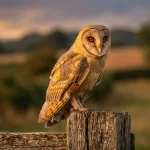
Did you know that some owls can be surprisingly aggressive, especially when they feel threatened? As a pet owner, understanding the potential risks of owl interactions with your dogs is crucial for their safety. This article explores the question, “Do owls attack dogs?” and highlights warning signs to watch for. With insights into owl behavior and practical tips for protection, you’ll be empowered to keep your furry friends safe while enjoying the beauty of these fascinating birds. Stay with us as we unravel the mysteries of these nocturnal creatures and ensure that your pets can coexist peacefully with the wildlife around them.
Do Owls Attack: Understanding the Threat to Dogs
While many people are enchanted by the beauty and mystery of owls, it’s essential to understand that these remarkable birds are predators, and in certain circumstances, they can pose a threat to small pets like dogs. With their acute vision and silent flight, owls are skilled hunters, primarily targeting animals they can overpower. This doesn’t mean owls are constant threats, but awareness is key to ensuring the safety of your furry friends.
Certain factors can heighten the risk of an owl attacking a dog. Small breeds, particularly those weighing under 20 pounds, may be mistaken for prey. Owls are most active in the early morning and late evening, coinciding with common outdoor times for many pet owners. When walking your dog during these times, be vigilant and attentive to your surroundings. Signs of concern might include unusual owl calls or sudden changes in your dog’s behavior; for example, a dog that suddenly appears fearful or anxious may sense the presence of an owl nearby.
It’s a common misconception that owls will regularly hunt pets; however, attacks are rare and often occur under specific conditions, such as a heavily wooded area where an owl may feel more at home. Being mindful of these environmental factors can help reduce risks. If you notice an owl frequently visiting your yard, it might be a good idea to supervise your dog more closely during times when owls are active. Overall, understanding owl behavior and maintaining vigilance can significantly enhance your pet’s safety.
Signs That Your Dog is in Danger
While the allure of owls captivates many, it’s vital for pet owners to recognize the signs that their furry companions could be in danger, especially when owls are nearby. Understanding the subtle cues from your dog can make all the difference in preventing a potential confrontation with these majestic but predatory birds.
Dogs have an exceptional ability to sense threats in their environment, often reacting before humans notice anything amiss. Look out for sudden shifts in your dog’s behavior that may indicate they feel threatened. If your dog starts to whine, cower, or tries to hide, these could be early signs of anxiety or fear triggered by the presence of an owl. Additionally, if your dog becomes unusually alert or fixates on a particular point in the distance, it might be detecting the presence of an owl nearby.
It’s not uncommon for dogs to bark or exhibit defensive behavior when they see an owl. If you observe your dog barking excessively or posturing as if they are ready to chase, it could signify that they’ve spotted something unusual. Monitor their body language closely; raised hackles, a lowered gaze, or a stiffened posture often indicate heightened alertness or fear.
Moreover, environmental sounds can also serve as indicators. If you hear an owl’s distinctive hoot or notice other wildlife suddenly quieting down, it might suggest that an owl is on the prowl in your vicinity. Being proactive-such as leashing your dog during high-risk times like dawn or dusk-can help mitigate any potential encounters. Always trust your instincts; if you sense that something is off, it’s best to exercise caution and keep your pet close.
Types of Owls: Predatory Behavior and Size
Many people are captivated by the sight of owls gliding silently through the night sky, but when it comes to our pets, understanding the varieties of these birds and their predatory behaviors is essential for ensuring safety. Owls are skilled hunters, and their abilities vary between species, influencing the level of threat they may pose to small dogs and other pets. Understanding these details can help pet owners mitigate risks and keep their furry companions safe.
Owls are classified into two main groups: typical owls (Strigidae), which include species like the great horned owl and barred owl, and barn owls (Tytonidae). The typical owls tend to be larger and have broader diets, often preying on mammals like rabbits and rodents, while barn owls are known for their exceptional hunting skills focused on small rodents. When we consider size, many owls, despite their predatory instincts, are not necessarily a threat to all dogs. Generally, dogs weighing over 20 pounds are less likely to be targeted; however, smaller breeds are at a higher risk, especially during twilight hours when owls are most active.
Predatory Behavior
Owls possess unique adaptations that make them formidable hunters. Their large, forward-facing eyes provide excellent depth perception, while their silent flight allows them to swoop down on unsuspecting prey without warning. Great horned owls, for example, can weigh between 2 and 5.5 kg (4.4 to 12.1 lbs) and have been known to take down animals much larger than themselves, including small pets. In contrast, the smaller eastern screech owl, weighing only around 150 grams (5.3 oz), is less likely to pose a significant threat to pets but should not be underestimated as part of the larger ecosystem that governs predation.
Pet owners may also notice that certain environmental factors influence owl behavior. Urban areas have seen an increase in owl populations due to enhanced food availability, leading to more frequent interactions with pets. As owls adapt to urban living, they may hunt closer to houses, making it crucial for pet owners to remain vigilant and implement protective measures, especially when letting smaller dogs out during twilight or nighttime.
Understanding the predatory behavior and size of owls is key to safeguarding pets. By familiarizing yourself with local owl species and their habits, you can create a proactive approach to pet safety, ensuring that your furry friends can enjoy the outdoors without the looming threat of an owl encounter.
Common Misconceptions About Owls and Pets
Owls are often shrouded in mystery and myth, leading to various misconceptions about their interactions with pets like dogs. One prevalent belief is that all owls pose a significant threat to any small pet left outdoors. While it’s true that certain species, particularly larger ones like the great horned owl, can pose a danger to small dogs and cats, it is not accurate to generalize this threat to all owl species. Many owls are specialized hunters that primarily predate on smaller mammals or birds. For example, barn owls focus more on rodents than pets, which can create a misleading perception of their predatory habits.
Another common myth is that an owl will attack a pet regardless of circumstance. In reality, owls tend to avoid larger animals and are selective in their hunting. Most owls are not interested in making a significant effort to capture prey larger than themselves, which means that small dogs, particularly those over 20 pounds, are generally safe from these birds. This distinction is crucial for pet owners to understand, as it can help them discern which species present a genuine risk and encourage them to observe their pets’ behavior in relation to wildlife habits.
Additionally, some believe that owls are primarily nocturnal predators that only hunt at night. While it’s true that many owl species are most active during twilight and nighttime hours, they are also known to adapt their hunting patterns based on local conditions. Urbanization has enabled certain owls to hunt more frequently during the day when they might find easier prey. This adaptability can lead to increased encounters between owls and pets, emphasizing the importance of heightened awareness rather than unwarranted fear.
In dealing with these misconceptions, education is key. Pet owners should familiarize themselves with the specific owl species in their area, their hunting behaviors, and the times they are most active. Awareness of wildlife dynamics and owl behavior can help mitigate risks and reassure pet owners about how to keep their animal companions safe while still allowing them to enjoy the outdoors.
Protecting Your Dog: Precautionary Measures
The thrill of watching owls can be magical, but for dog owners, understanding how to protect their pets is crucial, especially in areas where interactions between these birds and dogs can occur. Knowing the potential risks and implementing smart strategies can help keep your furry friend safe. Here are some practical precautionary measures to consider.
One effective way to mitigate the risk of owl attacks is to limit your dog’s time outdoors during dawn and dusk, when owls are most active. This is particularly important if you have a small dog, as they might be perceived as prey by larger owls like the great horned owl. Furthermore, when outdoor access is necessary, consider using a secure leash and supervising your dog closely to deter any unwanted wildlife encounters. This not only protects your dog but also encourages positive behavior in unfamiliar surroundings.
Creating a safe outdoor space is another essential step. If possible, enclose your yard with high fencing or install overhead netting or mesh in areas where small pets roam freely. This will provide a barrier between your pets and aerial predators while allowing your pets to enjoy the outdoors safely. Additionally, keeping your yard well-lit can deter owls, as they prefer darker, secluded spaces for hunting.
Additionally, establishing a routine for your dog that includes indoor playtime and mental stimulation can reduce their desire to roam outside unsupervised. Engaging in activities like fetch or agility training not only strengthens your bond but also keeps your dog physically and mentally stimulated, making them less likely to wander off alone.
Finally, being attentive to local owl nesting and feeding habits can significantly inform your protective strategies. If you notice owls in your area, particularly during nesting season, it’s wise to keep your dog indoors or under close watch. Observing and understanding these patterns will empower you as a pet owner, allowing you to create a safer environment for your dog while still enjoying the wonders of nature.
What to Do If an Owl Approaches Your Dog
If you find yourself in the unfortunate situation where an owl is approaching your dog, it’s crucial to handle the situation calmly and effectively. Owls, particularly larger species like the Great Horned Owl, can view small dogs as potential prey, so understanding how to respond can help protect your pet. Your first instinct should be to remain calm; sudden movements or loud noises might startle the owl and provoke a defensive response.
Start by calling your dog to you in a firm but calm voice. If your dog is on a leash, gently but quickly pull them away, ensuring they are close to you. This not only keeps them safe but can also discourage the owl’s interest. Moving your dog to a more secure area, such as indoors or a fenced space, will help mitigate risks. If possible, create a distraction by making loud noises, such as clapping your hands or shaking a container with coins, which may deter the owl without startling your dog.
In some instances, the owl may be curious rather than aggressive. However, it’s important to err on the side of caution. Keeping your dog inside during times of high owl activity, such as dusk or dawn, and monitoring their outdoor experiences can significantly reduce the chances of an encounter. If you notice that owls become more frequent in your area, consider adjusting your dog’s routine to minimize outdoor time or building a safe enclosed area for them to play in.
Being aware of owl behavior can also empower you as a pet owner. If an owl is seen frequently, consider notifying local wildlife authorities if the bird appears aggressive or if you feel there could be a threat to pets in the area. Remember, while owls are fascinating creatures deserving of respect, your responsibility as a pet owner is to prioritize the safety and well-being of your dog.
Owls in Urban Areas: Increased Risks for Pets
In the heart of urban environments, the interaction between owls and pets raises significant concerns for pet owners. As green spaces shrink and wildlife habitats become more fragmented, owls are increasingly venturing into residential areas, often in search of food. This shift in behavior can pose unexpected risks for small dogs and other pets, making awareness essential for their safety.
Urban owls, such as the Great Horned Owl and Barred Owl, have adapted to thrive amidst human dwellings. These skilled hunters can misinterpret small pets as prey, especially during evening hours when they are most active. The risk is particularly pronounced for small dogs, particularly those weighing less than 20 pounds, as they may resemble the typical size of the owl’s usual hunt. Factors such as nearby nests can heighten aggressive behaviors as parent owls protect their young by viewing pets as threats to their offspring.
To mitigate these risks, pet owners can take practical precautions. Maintaining your dog’s routine to align with times of lower owl activity, such as avoiding walks at dusk and dawn, is one effective strategy. Additionally, utilizing a secure outdoor environment-like a tall, fenced area where your dog can play safely-can greatly reduce encounters. Regularly scanning your surroundings for any signs of owl activity before allowing your pet outside can also be crucial; look for nesting sites or frequent sightings of owls in nearby trees.
If you live in an area with a known owl presence, fostering awareness about local wildlife can help. Engaging with community forums or wildlife agencies can provide insights on owl behavior and potential risks. This collective knowledge not only enhances the safety of individual pets but also encourages a respectful coexistence with these fascinating birds.
By understanding the dynamics of urban wildlife and taking precautionary steps, you can navigate the unique challenges posed by owls and ensure your pet remains safe while enjoying the outdoors.
Owls and Dogs: Behavior Comparisons and Dynamics
In the intriguing dynamics between owls and dogs, understanding each species’ behavior can provide pet owners critical insights into how to protect their furry friends. Owls, especially the larger species like the Great Horned Owl, are formidable hunters equipped with exceptional night vision and silent flight, allowing them to swoop down on unsuspecting prey with precision. On the other hand, dogs, particularly smaller breeds, often exhibit playful and curious behaviors that can lead to close encounters with these powerful birds. This contrast in behaviors creates a unique challenge for pet safety, particularly in suburban and urban areas where wildlife and domestic animals coexist.
One of the key aspects to grasp is the hunting instinct of owls. Unlike many predators, owls tend to target animals that are smaller in size or vulnerable, which is why small dogs weighing under 20 pounds can appear as potential prey to these nocturnal hunters. When a small dog is outside, especially during dusk or dawn-times when owls are particularly active-it can trigger the owl’s hunting instincts. In contrast, dogs are often blissfully unaware of such threats as they play and explore their surroundings, potentially enticing the owl closer.
To safeguard your pet, it’s crucial to recognize the behavioral cues displayed by both species. Owls can demonstrate aggressive behavior when nesting or feeling threatened, which might include swooping down or making loud calls to scare off perceived threats. Dogs, on their part, may bark or charge towards the owl, signaling both curiosity and potential fear. Encouraging calm behavior in your dog during such encounters-by distracting them or calling them back immediately-can help minimize these reactions.
Creating safe spaces for dogs is essential in areas where owls are known to roam. Utilizing enclosed backyards or dog runs can keep pets away from the reach of these birds, while ensuring any outdoor activity is supervised, especially during peak owl activity hours. By understanding the behavioral comparisons and dynamics between owls and dogs, pet owners can foster safer environments and enjoy the beauty of wildlife without risk to their pets. Keeping an eye on the surroundings and recognizing signs of owl presence-like seeing the bird perched nearby-can greatly enhance outdoor safety for your dog.
Recognizing Owl Nesting and Hunting Habits
Nestled in tall trees or hidden within thick brush, owl nests often go unnoticed-until the telltale signs of their presence emerge. These enigmatic birds of prey are known for their silent flight, keen senses, and instinctual hunting behaviors. Being able to recognize owl nesting and hunting habits not only enhances our appreciation for these creatures but is also vital for ensuring the safety of our pets, particularly the smaller breeds that owls may target.
Owls typically utilize abandoned nests made by other large birds or create their own hollows in tree trunks. They often prefer locations that offer a clear view of their surroundings to spot potential threats and prey. Signs of an owl nesting include the distinctive large white droppings that accumulate beneath the nesting site and the presence of feathers or the occasional small animal remains. If you notice these indicators in your yard, it might be a good idea to keep a closer watch on your dogs, especially during dusk and dawn, when owls actively hunt.
The hunting patterns of owls reveal much about their behavior and can inform pet owners of potential dangers. Owls primarily hunt at night, using their exceptional hearing to detect the slightest rustles made by their prey in the underbrush. They use a strategy of surprise, rarely calling attention to themselves as they approach silently from above. If owls are active in your area, observe when they tend to hunt for food. If small dogs are outside during these peak hunting hours, they may attract unwanted attention from these predators. Moreover, owls may swoop lower in urban areas, capitalizing on the cover that gardens and bushes provide.
To safeguard your pets, understanding these habits is crucial. When you see signs of nesting or frequent hunting activity, it is wise to limit outdoor playtimes for small dogs during nighttime hours. Also, be mindful of letting them roam unattended, as an alert dog that runs or plays near an owl’s territory could potentially provoke an unwanted encounter. By remaining vigilant and informed about owls’ nesting and hunting behaviors, you can create a safer, more enjoyable environment for your furry friends while coexisting with these remarkable nocturnal hunters.
How to Create a Safe Outdoor Space for Dogs
Creating a secure outdoor area for your dog involves understanding the behaviors of local wildlife, particularly predatory species such as owls. To effectively safeguard your furry friend, designing an environment that minimizes risks while allowing for enjoyable outdoor experiences is crucial. Here are several strategies to enhance safety in your yard or garden.
Designing a Secure Space
A well-fenced yard is your first line of defense against potential threats. Ensure the fence is tall enough and buried deep to prevent digging. Opt for materials that discourage climbing and consider adding a fence cap if owls or other birds of prey are prevalent in your area. Using dense shrubs or ornamental plants can further obscure your dog’s visibility to these birds, helping to reduce the chances of an unexpected attack.
Additionally, creating shaded areas within the yard with large trees and tall bushes can provide a refuge for small dogs. However, do keep in mind that while these spaces offer shelter, they can also conceal small animals that might attract owls. Therefore, it’s wise to strike a balance between shade and openness, allowing your dog to be aware of their surroundings.
Establishing a Routine
Timing can be crucial when it comes to outdoor play. Small dogs are particularly vulnerable during dusk and dawn, when owls are most active. Scheduling outdoor activities during daylight hours not only helps keep your pet safe but allows you to enjoy the beauty of the outdoors together. Always supervise your dog outside, especially during these peak hunting times, and consider using a leash or long line in areas where you’re aware of owl activity.
Providing Safe Outdoor Enrichment
Engage your dog with toys or activities that keep them entertained and active, encouraging them to stay close to you. Interactive toys, agility courses, or even simple fetch games can distract them from wandering off into areas that could pose a danger. Create a designated play zone equipped with these activities to further deter them from straying into potentially unsafe wildlife regions.
Monitoring and Ownership
Regularly check your outdoor space for signs of owl activity, such as droppings or feather remains. Understanding the local fauna and observing their behavior will help you identify any threats to your pets more quickly. Knowledge about your environment is vital; consider joining local forums or wildlife groups to share experiences and gain insights from other pet owners.
By thoughtfully designing your outdoor space, establishing routines, and engaging your dog in safe activities, you can create a healthier and more enjoyable outdoor experience that minimizes the risk of encounters with owls and other predators.
When to Seek Professional Help: Vet Guidance
When it comes to ensuring your dog’s safety in areas where owls are known to roam, being aware of when to involve a veterinarian can make all the difference. It’s important to recognize that while the risk of an owl attack may seem low, it can occur, particularly for smaller dog breeds. If you notice any suspicious behavior or signs of distress in your pet, don’t hesitate to reach out to your vet for guidance.
Look out for physical signs that something might be amiss. If your dog exhibits unusual symptoms such as lethargy, fear of outdoor spaces, or seems to be avoiding certain areas of your yard, it could indicate that they had a distressing encounter. In cases where your pet has been visibly attacked, such as through injuries or puncture wounds, immediate veterinary attention is essential. Quick treatment is important not just for healing, but also to prevent the risk of infection from any talon marks.
In addition to physical injuries, keep an eye on your dog’s behavior. Changes in appetite, increased anxiety, or unexpected aggression could signal lingering effects from a frightening experience with wildlife. If your dog’s behavior changes significantly, consult your vet to explore any underlying stress or trauma, and to discuss behavioral strategies that can help your pet feel secure again.
A proactive approach to your dog’s health and safety, especially in regard to wildlife interactions, includes regular check-ups and preventive care. By maintaining routine veterinary visits, you’re equipping your vet with knowledge about your dog’s health history, which can be invaluable if any owl-related incidents occur. They can offer personalized advice based on your dog’s breed, size, and temperament, ensuring the best measures are taken to safeguard them against potential threats.
Remember, early detection and prompt action can turn a worrying situation into a manageable one for your furry friend. Your veterinarian is not only a partner in your dog’s health but also a resource for navigating the challenges of outdoor safety precautions around wildlife.
Owls and Dog Interactions: Real-Life Accounts
There are countless stories of pets encountering owls, with some narratives highlighting both the awe of observing these majestic birds and the potential risks they pose to our furry companions. One memorable account involves a small terrier who was reportedly stalked by a great horned owl during late evening walks. The owner recounted how the dog exhibited fearful behavior, refusing to venture outside after the owl’s reconnaissance. This incident serves as a stark reminder that even smaller-sized dogs can attract the attention of larger birds of prey, especially in areas where their nesting or hunting grounds overlap.
Many dog owners have also noted how the interaction between larger dog breeds and owls can play out differently. A shepherd mix, for instance, was seen playfully barking at an owl perched on a fence. While the dog appeared to be more curious than fearful, the encounter was brief. This exchange raises important questions about how certain breeds respond to wildlife, and the need for vigilance regardless of a dog’s size. Observers were quick to caution that such playfulness could unintentionally provoke an attack, especially if the dog appears aggressive or too curious.
In more severe cases, there have been reports of injuries sustained by dogs when owls perceive them as threats to their young or nesting sites. A small beagle, for example, suffered minor puncture wounds after a protective owl swooped down to drive it away from a nearby nest. This real-life scenario emphasizes the need for dog owners to be cautious in areas known for owl activity, as these birds are fiercely protective of their territory.
Ultimately, the interactions between owls and dogs remind us of the delicate balance between wildlife and pets. Being aware of the behaviors and habits of owls can significantly enhance safety for our dogs. As we enjoy the beauty of these raptors, let’s ensure we are proactive in mitigating any potential encounters that could lead to distress or injury for our beloved pets. Always take note of signs that wildlife is nearby, monitor your dog’s behavior, and consult with a veterinarian if you suspect an incident has taken place.
Frequently asked questions
Q: How do I know if an owl is a threat to my dog?
A: To assess if an owl poses a threat to your dog, observe its behavior. Signs include low flying, aggressive calls, or swooping attempts. If your dog seems anxious or scared, it may indicate a nearby owl. Keep an eye on their interactions and consult local wildlife experts if needed.
Q: What time of day are owls most likely to attack dogs?
A: Owls typically hunt during twilight or nighttime, making these times the most likely for attacks on small pets. Ensure your dog is kept indoors during these hours, especially in areas known for owl activity. For more on safety tips, refer to our “Protecting Your Dog” section.
Q: Can large owls really harm bigger dogs?
A: While larger dog breeds are less likely to be attacked, some large owls can still pose a danger. Great Horned Owls, for instance, may attempt to fend off perceived threats, regardless of size. Always supervise your dog outdoors, particularly near nesting sites.
Q: What should I do if I see an owl near my dog?
A: If you encounter an owl near your dog, calmly lead your dog away from the area. Avoid sudden movements that may provoke the bird. Supervise any outdoor playtime and ensure your dog is in a secure environment to minimize risks.
Q: Do owls target dogs as prey?
A: While owls primarily hunt small mammals, they can target small dogs as potential prey, especially those under 20 pounds. Understanding their hunting patterns can help you keep your dog safe. Explore more about owl behavior in our sections on “Types of Owls” and “Recognizing Owl Nesting Habits.”
Q: How can I deter owls from my yard?
A: To deter owls, try using noise deterrents, reflective surfaces, or lights that disturb their hunting. Keeping your yard well-lit and clear of small animals can also help. For more guidance, check out our section on creating a safe outdoor space for dogs.
Q: Are there specific breeds of dogs that are more at risk from owls?
A: Yes, small or lightweight breeds, such as Chihuahuas and Toy Poodles, are more susceptible to owl attacks due to their size. Consider keeping these dogs indoors during peak owl activity times and ensuring a secure outdoor space for play.
Q: What are the long-term effects on a dog that has been attacked by an owl?
A: Dogs attacked by owls may experience physical injuries and emotional trauma, leading to anxiety around the outdoors. Consulting a veterinarian and a pet behaviorist can aid recovery. Read more about when to seek professional help in our relevant section for guidance.
Closing Remarks
As we’ve uncovered in “Do Owls Attack Dogs: Pet Safety and Warning Signs,” understanding the dynamics between your canine companions and these fascinating birds is crucial for ensuring safety. Remember, while owls are typically non-aggressive, awareness of their behavior and habitat can help prevent any unwanted encounters. If you’re concerned about your dog’s safety around owls, consider implementing preventative measures, like keeping a close watch during twilight hours when owl activity peaks.
For those eager to deepen their knowledge, explore our articles on “Signs Your Dog is in Distress Around Wildlife” and “Building a Safe Outdoor Environment for Pets.” Don’t miss out on our newsletter-sign up today for the latest updates on pet safety, bird behavior, and expert tips that can help you safeguard your furry friends. Share your experiences or questions in the comments below; we love hearing from you and fostering a community of engaged pet enthusiasts! Your pet’s safety starts with informed choices-let’s embark on this journey together!
Get our latest guides, news, and insights highlighted in your Google Search & AI Overviews.