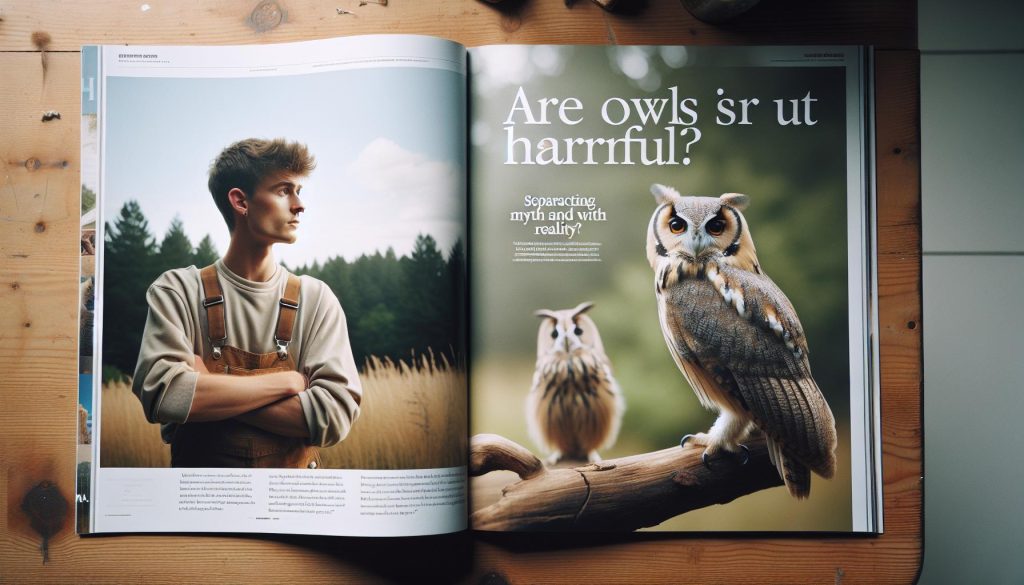
Owls, often seen as mysterious symbols of wisdom, are surrounded by myths and misconceptions that lead many to wonder: are they harmful? In reality, understanding the true nature of these birds is crucial for bird watchers, nature enthusiasts, and anyone curious about wildlife. As we delve into the enchanting world of owls, we’ll uncover the facts behind their behavior, habitat, and role in the ecosystem. Whether you’re concerned about potential dangers posed by owls or simply intrigued by their nocturnal lifestyle, this exploration aims to separate the myth from reality. Join us as we shed light on these fascinating creatures, revealing their true nature and addressing common concerns, ensuring you have a well-rounded understanding of their role in our environment. Your journey into the world of owls begins here, unlocking the truth behind their intriguing lives and clarifying their impact on our ecosystem.
Understanding Owls: Myths vs. Facts
Owls have long captured our collective imagination, often shrouded in mystery and myth. One of the most persistent misconceptions is that these magnificent creatures are dangerous or even malevolent. In reality, most owls are not harmful to humans at all. They are predominantly nocturnal hunters, specializing in small mammals and insects, making them vital for controlling those populations in their ecosystems. This predatory behavior is often misunderstood, leading to the erroneous belief that they pose a threat to larger animals or humans, when in fact, they prefer to avoid confrontation.
Another myth is the idea that owls are solely solitary creatures. While many species do thrive alone, several owls, like the Eastern Screech Owl, can be quite social and may even nest in communal roosts under certain conditions. This behavior showcases a fascinating adaptability within the species, enriching our understanding of their social structure and ecological niches. Understanding these dynamics can help dispel fears and encourage a greater appreciation for the vital roles owls play in our environment.
It’s also commonly believed that owls are blind as a result of their nocturnal lifestyle. This is far from the truth; in fact, owls have excellent night vision thanks to their large eyes and unique adaptations. Their ability to see in low light conditions is a remarkable evolutionary trait that allows them to hunt effectively at night. This myth persists perhaps because of their famously large eyes, but we should aim to shift perceptions to reflect their true predatory prowess and ecological importance.
As we explore the world of owls, it’s crucial to separate fact from fiction. By doing so, we can foster a deeper respect for these incredible birds, understanding that misconceptions can lead to unwarranted fears. Embracing the realities of owl behavior not only enriches our knowledge but also strengthens our commitment to their conservation and the protection of their habitats.
Common Misconceptions About Owls
Owls, often cloaked in mystery, are frequently subject to a variety of misconceptions that can cloud our understanding of these magnificent creatures. One of the most common myths is the belief that owls are malevolent beings associated with omens and bad luck. Historically, cultures around the world have demonized owls, painting them as harbingers of doom. In reality, these birds are neither good nor evil; they are simply remarkable predators playing crucial roles in maintaining ecological balance. For instance, an owl’s diet primarily consists of small mammals like voles and mice, and their hunting helps control these populations, preventing potential overpopulation and illness within ecosystems.
Another widespread misconception is that owls are entirely solitary. While many species, such as the Great Horned Owl, prefer solitude, others exhibit social behaviors, especially during the breeding season or in areas with abundant food. The Eastern Screech Owl, for example, may roost in groups during the winter months, defying the stereotype of being solitary. This social adaptability highlights their flexibility in response to changing environmental conditions and showcases the rich diversity among owl species.
Many people also wrongly assume that owls have poor vision, fueled by the myth that they’re blind due to their nocturnal habits. Quite the opposite is true; owls possess exceptional night vision, attributed to their large, forward-facing eyes that capture more light than those of diurnal birds. This remarkable adaptation allows them to hunt efficiently in low-light conditions. Understanding these traits not only clarifies their ecological role but also encourages a greater appreciation for their adaptation to different environments.
As we dismantle these myths surrounding owls, it becomes evident that our fascination should not be rooted in fear but rather in wonder. With a clearer perspective on their behaviors and roles in nature, we can foster a deeper respect for these extraordinary birds and a commitment to their conservation.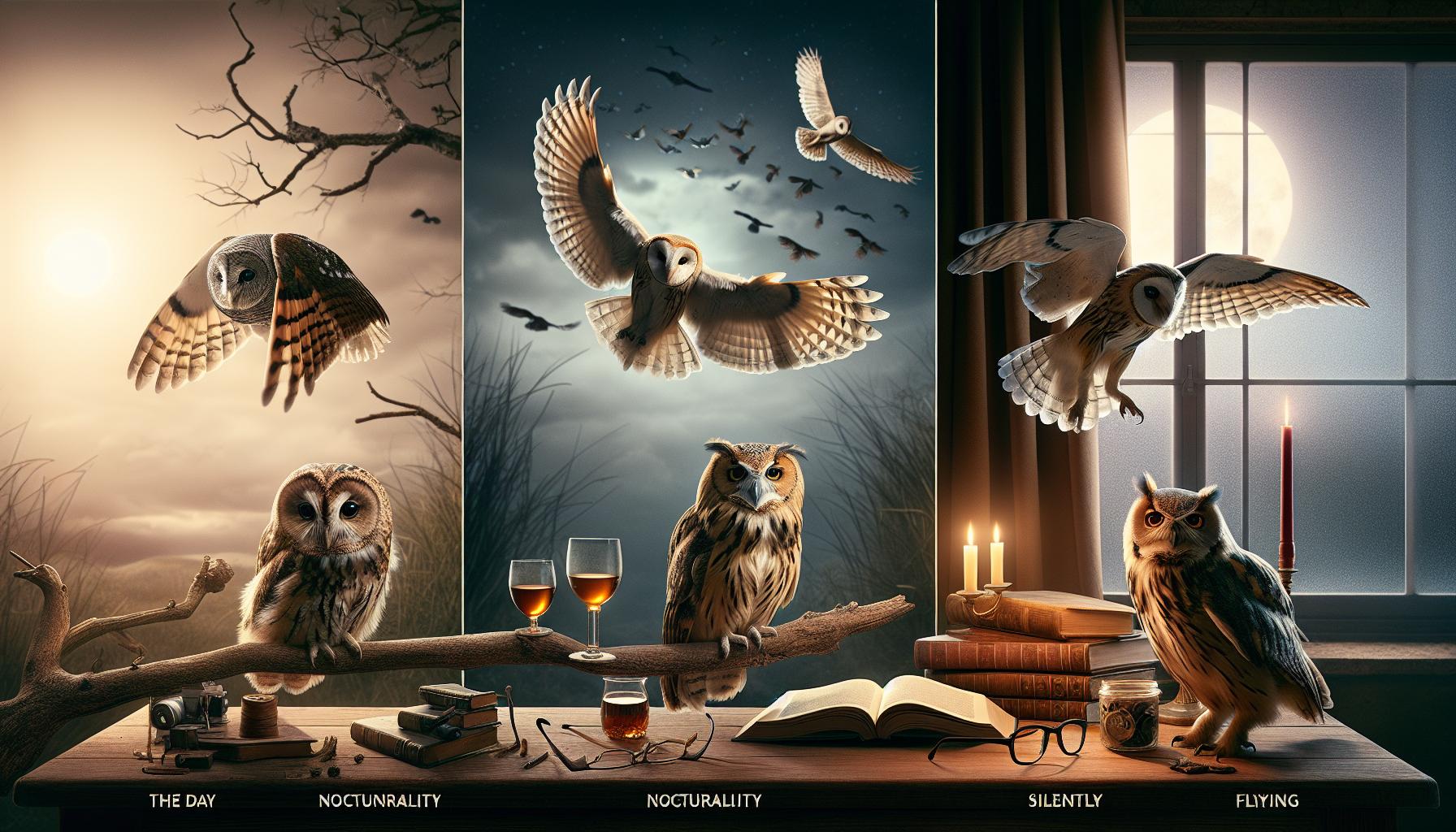
The Ecological Role of Owls
Owls wield considerable influence in their ecosystems, primarily as top nocturnal predators, and their ecological roles are vital for maintaining balance within their habitats. By preying on small mammals like voles, mice, and birds, they help regulate animal populations and contribute to the health of their environments. This predatory behavior ensures that certain species do not overpopulate, which can lead to resource depletion and a decline in plant life, consequently affecting other species within the food chain.
One fascinating aspect of owls is their hunting technique, which varies by species. For instance, the Barn Owl employs a unique approach by using its exceptional hearing to locate prey hidden in grass or underbrush. This specific auditory ability allows them to hunt effectively in complete darkness, significantly influencing small mammal populations and promoting biodiversity. In contrast, larger owls like the Great Horned Owl are known to have a more varied diet, including larger mammals such as rabbits and even other birds of prey.
The impact of owls extends beyond just their role as predators. They also contribute to the ecosystem as scavengers. After a successful hunt, remains of their prey may attract other wildlife, including insects and scavenger birds. This in turn helps in nutrient cycling, enriching the soil and supporting plant growth, ultimately playing a pivotal role in their local ecosystem’s health.
In understanding , it’s essential to recognize that these birds are not harmful to humans; rather, they are integral to sustaining the environments we share. Their presence is often an indicator of ecological health, and protecting them ensures a continued balance between predator and prey dynamics in nature. By fostering conservation efforts and educating ourselves and others about these remarkable birds, we ally with nature’s own checks and balances, promoting a thriving biodiversity that benefits all life forms.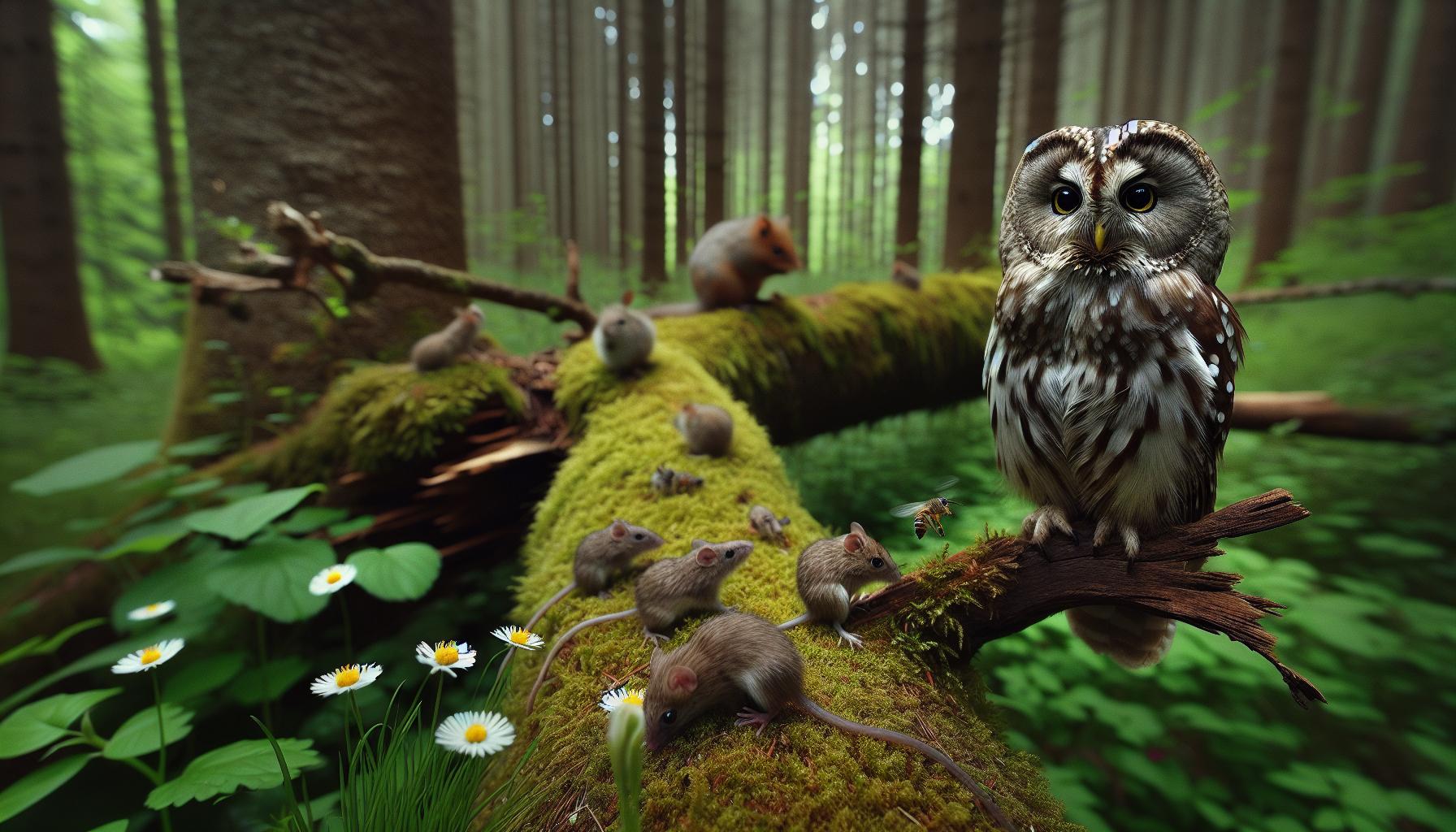
Are Owls Dangerous to Humans?
Owls are often cloaked in mystery and intrigue, igniting a mix of awe and fear among those who encounter them. However, one common misconception persists: that these magnificent birds can pose a danger to humans. In reality, owls are not dangerous creatures; they are more likely to avoid contact with humans than to engage in harmful behavior. Their predatory nature is finely tuned for hunting small mammals and birds, rather than targeting larger beings like ourselves.
It’s crucial to view owls in the context of their natural behavior and habitat. While they possess sharp talons and keen hunting instincts, these attributes are employed to access their preferred prey, not to inflict harm on larger animals. Fatal incidents involving owls are exceedingly rare and usually result from direct provocation, such as if an owl feels threatened while nesting or if a person inadvertently encroaches on their territory. It’s worth noting that owls, like many wildlife species, will defend themselves if cornered. However, this is typical animal behavior and not indicative of an inherent danger.
To appreciate owls fully, consider how they contribute positively to our ecosystems. Their role as predators helps maintain the balance of rodent populations, which in turn protects crops and preserves biodiversity. Embracing a respectful coexistence with owls-allowing them their space while enjoying the thrill of witnessing their natural behaviors-enriches our understanding of nature and the harmony necessary for all species’ survival.
In conclusion, rather than viewing owls as threats, we should celebrate them as pivotal components of the ecosystems they inhabit. The more we learn about these extraordinary creatures, the more we can appreciate how they enrich our environment without posing any real danger to human beings. So next time you hear the hoot of an owl in the night, remember: it’s just nature’s way of reminding us of the wild beauty around us, not a call to fear.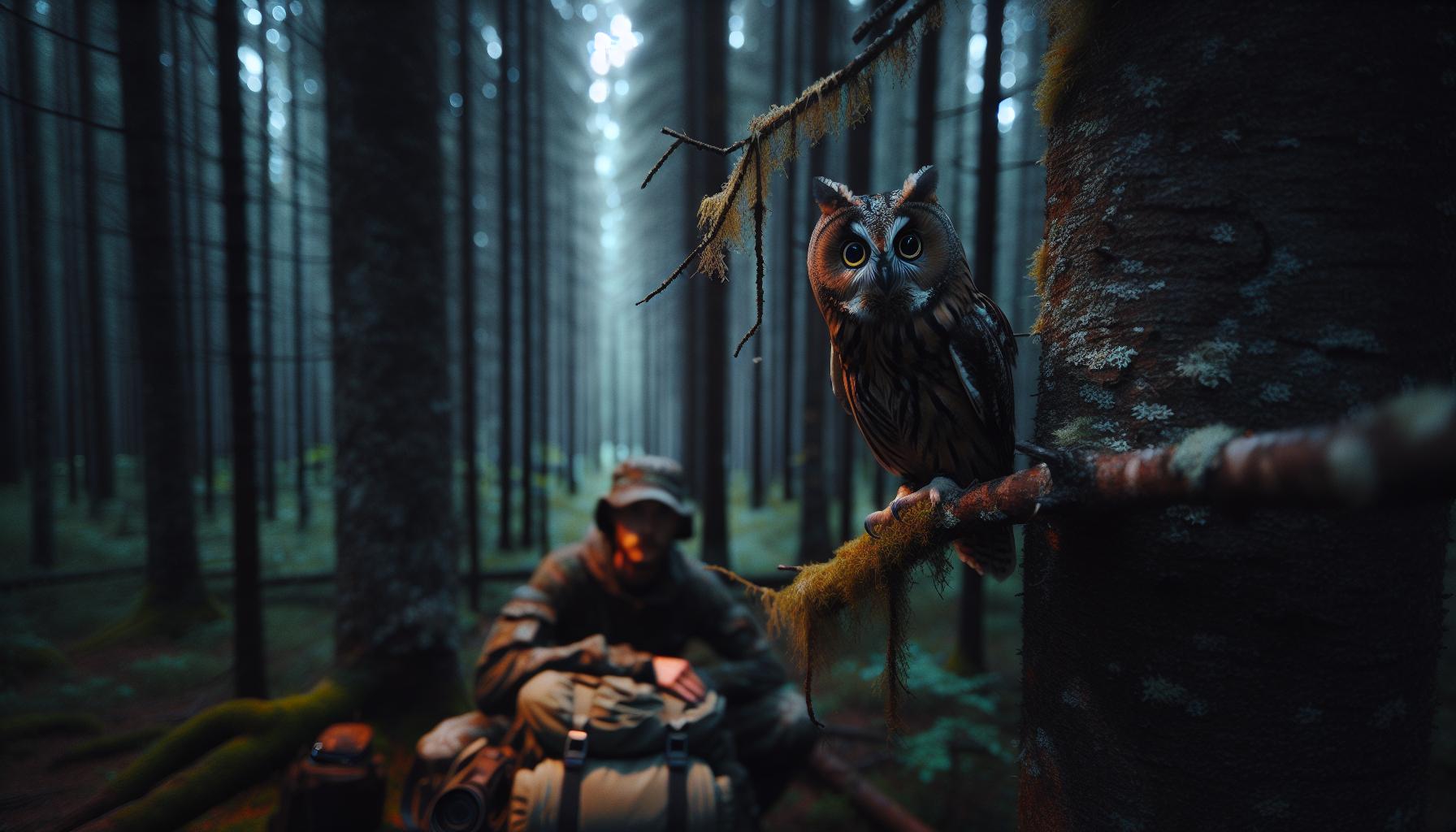
Owl Behavior: Friendly or Harmful?
There’s something undeniably captivating about owls-the way they swoop silently through the night and their large, piercing eyes that seem to hold the wisdom of the ages. Yet, many people harbor misconceptions about their behavior, often labeling them as aggressive or harmful creatures. The truth, however, is quite different. Owls are more misunderstood than they are dangerous. Their behavioral patterns reflect a creature that values discretion over confrontation, earning them a reputation not as predators of humans, but as integral parts of our ecosystem.
To understand owl behavior, it helps to recognize that these birds are primarily nocturnal, adapted to hunting small mammals and birds under the cover of darkness. When they encounter humans, owls typically choose to retreat rather than engage. Their acute senses and unique flight adaptations allow them to avoid detection while hunting, showcasing their instinctive wariness of anything larger than themselves. In fact, most interactions between humans and owls occur because people inadvertently come too close, particularly if the owl feels threatened-especially during nesting season. They may screech or puff up to defend their territory, a behavior that is often misinterpreted as aggression.
It’s also important to note how owls communicate. Their various vocalizations often serve specific purposes-whether to establish territory, attract a mate, or warn of danger. While their calls can seem eerie, they’re a natural part of their social structure. Observing these interactions provides a window into the nuances of their behavior. Owls share their space with many species, and they play a crucial role in controlling populations of smaller animals, effectively helping to maintain the balance within their habitats.
Thus, rather than viewing these majestic creatures through a lens of fear, we should embrace a perspective of curiosity and respect. By understanding their behaviors-gentle, evasive, and vital to our ecological networks-we can foster a healthier coexistence with them. Whether it’s enjoying the sight of a Great Horned Owl perched silently on a branch or listening to the haunting call of a Barn Owl on a still evening, recognizing their role enriches our appreciation of the natural world. Engaging with owls should be about admiration, not fear, as they remind us of the diverse tapestry of life that thrives in our backyards and beyond.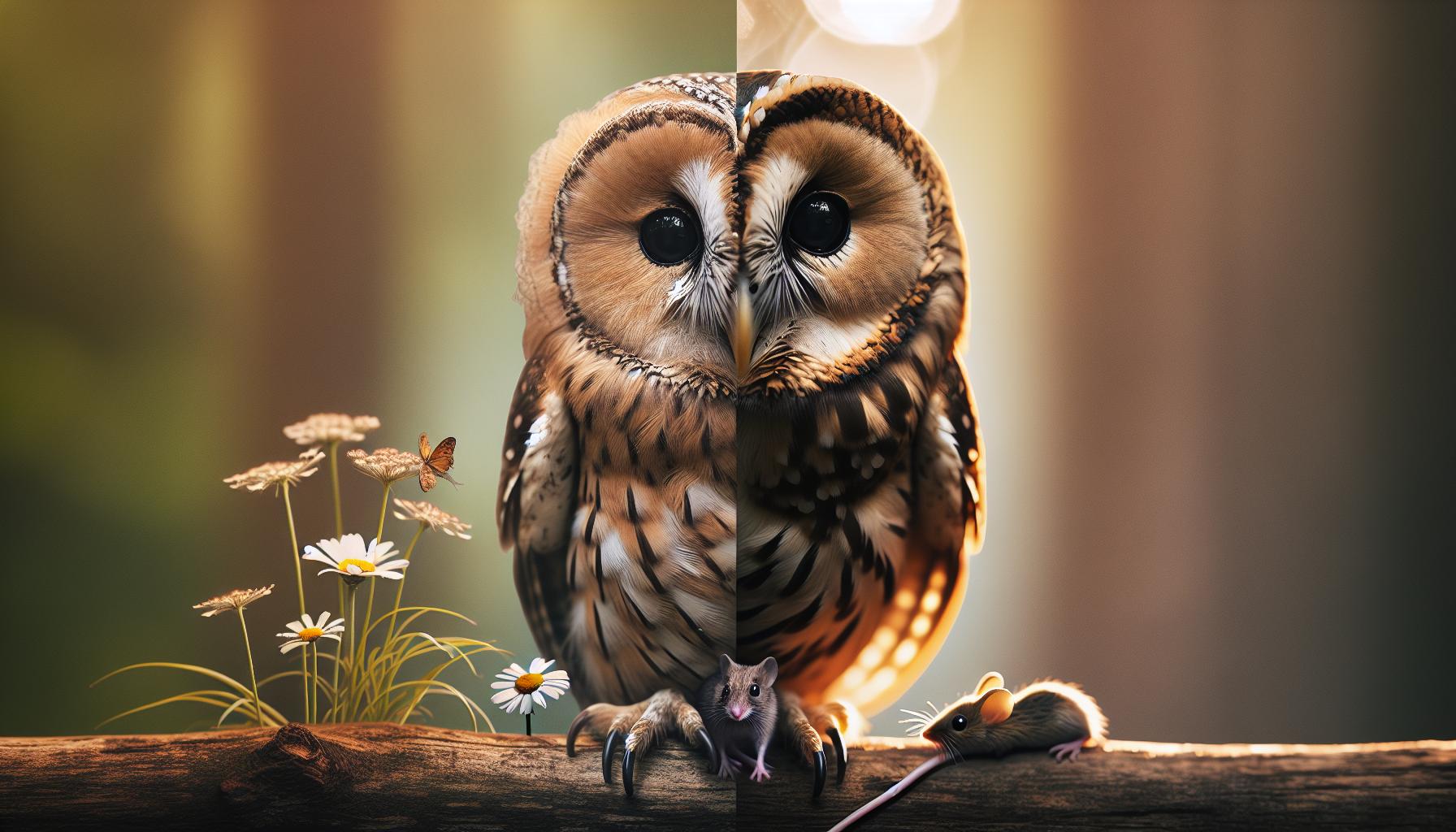
Owls as Predators: What You Need to Know
Owls are remarkable predators, honed by evolution to be efficient hunters of the night. With their excellent night vision and acute hearing, they can detect the slightest movements of their prey, which often consists of small mammals, birds, and even insects. For instance, the Great Horned Owl can hear mice rustling in the grass from hundreds of feet away, showcasing its incredible auditory capabilities. Their specialized feathers allow for almost silent flight, enabling them to swoop down on unsuspecting prey without being detected.
When discussing owls as predators, it’s essential to understand their hunting techniques. Owls primarily hunt at night, utilizing their exceptional vision and the distinctive positioning of their eyes to gauge distance and depth accurately. Once spotted, they may employ a sit-and-wait strategy or actively patrol their territory in search of food. Some species, like the Barn Owl, have a unique face shape that serves to funnel sound, making it easier for them to pinpoint the origin of noises made by potential meals. This precision hunting is not just remarkable; it plays a vital role in regulating populations of various species, contributing to the health of the ecosystem as a whole.
In terms of direct interaction with humans, it’s important to understand that owls do not pose a threat. Their predatory nature is focused on small animals rather than humans. The occasional encounters that might seem aggressive are usually defensive behaviors, such as screeching or puffing up, that owls exhibit if they feel threatened, particularly during nesting seasons. This misunderstanding fuels the myth of owls being harmful; however, they are truly a symbol of balance in nature, ensuring populations of rodents and other small mammals remain in check.
As you learn more about these fascinating creatures, consider setting up a habitat-friendly environment in your backyard. Providing nesting sites, such as owl boxes, or maintaining a natural landscape that supports small mammals can attract these incredible predators to your property. Observing them in their natural hunting behavior not only enriches your appreciation of wildlife but also aids in understanding their critical role in maintaining ecosystem health. By fostering a safe living space for owls, we can celebrate their predatory nature while cultivating a shared respect for the delicate balance of life around us.
The Impact of Owls on Local Ecosystems
Owls play a pivotal role in maintaining the balance of local ecosystems, serving as both predators and indicators of environmental health. By preying on a variety of small mammals, birds, and insects, these nocturnal hunters help regulate populations of their prey. For instance, a single Barn Owl can consume up to 1,000 rodents in a year. This substantial predation is crucial for controlling populations that can otherwise explode, leading to overgrazing and the depletion of native flora. Thus, owls inadvertently support plant diversity and, by extension, the health of entire ecosystems.
Additionally, owls are considered bioindicators, meaning their presence and population health reflect the conditions of their environment. Healthy owl populations often signify a balanced ecosystem rich in biodiversity, as they require abundant prey and suitable habitats to thrive. Conversely, declines in owl populations may indicate ecological imbalances, such as habitat loss or pollution. This dual role enhances our understanding of environmental changes and underscores the importance of conserving owl habitats to protect broader ecosystems.
To support owl populations and the ecosystems they influence, individuals can take specific actions. Creating backyard habitats that include native plants and ensuring minimal pesticide use can increase the abundance of small mammals, thus providing ample food sources for owls. Installing owl boxes can also offer nesting sites, aiding in their reproduction. Not only do these practices foster a conducive environment for owls, but they also enhance overall biodiversity and promote ecological health in the community.
Recognizing the ecological impact of owls allows us to appreciate their vital role and encourages proactive measures for their conservation. By participating in wildlife-friendly initiatives, we can contribute to maintaining the delicate balance of nature, ensuring that these remarkable predators continue to thrive in our local ecosystems.
Caring for Owls: Myths vs. Reality
Owls, with their mysterious presence and distinctive calls, often trigger a mix of fascination and fear. While many people envision these birds of prey as formidable hunters, some myths suggest they pose a danger to humans or other pets. In reality, most owls are not harmful and are, in fact, beneficial to their ecosystems. Understanding the truth behind common misconceptions about these incredible creatures can foster a greater appreciation for their role in nature.
One prevalent myth is that owls are aggressive and prone to attack. In truth, owls are generally shy and reclusive, preferring to avoid humans whenever possible. Even species known for their size, like the Great Horned Owl, typically only show aggression when defending their nests or young. They are far more likely to fly away or remain hidden than to confront a human. This non-aggressive nature makes them fascinating to observe in their natural habitats without the need for fear.
Additionally, there’s a misconception that caring for owls in captivity is as simple as providing food. In reality, these birds have complex needs that require knowledgeable care. Owls are wild animals that thrive best in their natural environments, where they can engage in instinctual behaviors such as hunting and nesting. Rehabilitation efforts should always prioritize the release of healthy owls back into the wild when possible. Creating safe habitats and promoting awareness about their ecological role can be powerful ways to support owl populations without the need for direct interaction.
For those passionate about owls, employing practices that protect their natural habitats and establishing a local flora that supports their food sources can create conducive environments for them to thrive. Engaging with local wildlife organizations can provide exciting opportunities to learn more about owl conservation and help dispel myths surrounding these majestic birds. By fostering a sense of community stewardship and appreciation for owls, we can collectively contribute to their preservation and further enrich our understanding of these remarkable creatures.
Identifying Owl Species: Key Characteristics
Determining which owl is which can be an exhilarating challenge for bird enthusiasts and casual observers alike. With over 200 species worldwide, each displaying unique characteristics, identifying these fascinating creatures is both an art and a science. The key to spotting an owl lies in understanding their distinctive features, behaviors, and habitats.
Physical Characteristics
Most owls are easily recognized by their rounded heads, large eyes, and facial discs that help funnel sound to their ears. Here’s a quick guide to distinguishing some common species:
- Great Horned Owl: This species is notable for its tufted “horns” or ear tufts and a mottled brown and white plumage, which helps with camouflage in wooded environments.
- Barn Owl: With its heart-shaped face, the Barn Owl is a ghostly figure in the night. Its white and tan feathers provide effective camouflage in open fields.
- Eastern Screech Owl: This small owl can be gray or reddish-brown and has a unique ability to blend into tree bark, making it a challenge to spot.
Among the physical cues, size variations are also important. For example, the Burrowing Owl is much smaller than the imposing Eurasian Eagle Owl. Noting the size in relation to surrounding wildlife can aid in identification.
Behavioral Signs
Behavioral traits are also instrumental in recognizing different species. The Great Horned Owl, for instance, is known for its deep hoots, while the Barred Owl has a distinctive “Who cooks for you?” call. Familiarizing yourself with the vocalizations of owls can enhance your birdwatching experience.
Owls are primarily nocturnal, hunting at night, but some, like the Burrowing Owl, can also be seen during the day. Observing their hunting patterns can provide clues: watch for their characteristic silent flight, thanks to specialized wing feathers designed to muffle sound as they swoop down on prey.
Habitat Preferences
Understanding where owls prefer to nest and hunt is equally critical. For example, the Barn Owl thrives in open fields and agricultural lands, while the Northern Spotted Owl favors old-growth forests. If you notice a particular species’ habitat preferences, you can increase your chances of spotting it during your outings.
Using field guides or apps designed for birdwatching can also enhance your owl identification skills. Guides often include comparison charts that highlight identifying features, ideal habitats, and calls, making it easier to spot and identify these nocturnal wonders.
In summary, by combining knowledge of physical attributes, behavioral traits, and habitat preferences, enthusiasts can enjoy a rewarding experience searching for and identifying different owl species in their local ecosystems.
Habitat and Conservation: Protecting Owls
Owls, with their distinct calls and mysterious nocturnal behaviors, play an essential role in maintaining the balance of our ecosystems. However, these magnificent birds also face numerous threats that necessitate our attention and proactive conservation efforts. Habitat loss due to urban development, agricultural expansion, and deforestation remains the most significant challenge to owl populations worldwide. As their natural habitats shrink, many species struggle to find suitable nesting sites and hunting grounds, leading to population declines.
To protect these incredible birds, creating suitable environments is paramount. Landowners can contribute by maintaining natural habitats and avoiding the use of pesticides that can harm not only owls but also their prey. Planting native vegetation helps restore ecosystems that support a diversity of life, including owls. Incorporating owl boxes in areas where tree cavities are rare can also provide essential nesting sites for species like Barn Owls, which prefer open fields for hunting.
It is equally crucial to educate communities about the myths surrounding owls. Often perceived as dangerous or ominous, owls are invaluable predators that contribute to controlling rodent populations. By improving public understanding and appreciation of these birds, we can foster an environment where coexistence is possible. Engaging local schools or community groups in conservation activities, such as owl watching nights or habitat restoration projects, can also build awareness and support for these remarkable creatures.
In summary, protecting owls requires a multifaceted approach: safeguarding their habitats, fostering community awareness, and dispelling harmful myths. Through collective efforts, we can ensure that future generations will continue to enjoy the sights and sounds of these extraordinary birds filling our skies at night.
Owls in Culture: Symbols and Superstitions
Many cultures throughout history have regarded owls with a mix of reverence and superstition, often viewing them as symbols of wisdom, mystery, or even death. This cultural duality stems from owls’ unique nocturnal behavior and their striking appearance, which can evoke both fascination and fear. For instance, in ancient Greece, the owl was linked to Athena, the goddess of wisdom, symbolizing knowledge and protection. Conversely, in various Native American cultures, owls were seen as omens, either messengers of the spirit world or harbingers of death, reflecting a more ominous view of these birds.
The pervasive myths surrounding owls have led to numerous misconceptions about their behavior and value in our ecosystems. Many people associate owls with danger or evil, largely due to folklore and media portrayals that emphasize their eerie calls during the night. However, these nocturnal hunters are crucial for maintaining balance in nature by controlling rodent populations. By dispelling these cultural myths, we can foster a greater understanding of owls as valuable allies in our environment rather than creatures to be feared.
Engaging with owl symbolism can also provide educational opportunities. For example, creating programs around local owl species can encourage people to learn more about these birds while shifting the narrative from superstition to appreciation. Highlighting owls in art, literature, and community activities not only celebrates their importance in different cultures but also reinforces their ecological significance.
Ultimately, understanding the place of owls in various cultural contexts can promote coexistence and respect. By sharing knowledge about their behavior and contributions to our ecosystems, we can reshape the narrative around these fascinating birds and encourage a more positive outlook that invites curiosity rather than apprehension. Whether through folklore or real-life observation, the cultural significance of owls provides a rich tapestry that reflects both our fears and our admiration for these enigmatic creatures.
How to Safely Coexist with Owls
Owls, with their mysterious allure and captivating calls, often invite both fascination and wariness. While they are skilled hunters that play a vital role in our ecosystem, many people are unsure how to coexist with these nocturnal birds without fear. Understanding their behavior and creating a harmonious environment is essential to appreciating their presence without compromising safety.
To coexist with owls, first, respect their space. Avoid approaching their nests or young owlets, as adult owls can be protective and may perceive threats. If you notice owls in your area, observe them from a distance with binoculars or through a window. This gives you the opportunity to appreciate their beauty without intruding on their territory. Additionally, installing perches or roosting platforms in your yard can create a safe haven for owls while providing them with a place to rest and hunt.
Another important aspect of owl coexistence is habitat management. Owls thrive in environments with ample prey, such as mice and insects. Keep your yard tidy by reducing clutter where rodents might hide, but also maintain some natural areas with native plants to ensure suitable hunting grounds. It’s beneficial to understand the specific owl species in your region; for instance, the Eastern Screech Owl prefers wooded areas, while the Barn Owl is often found in open fields. Tailoring your environment to support these habitats enhances local biodiversity.
Education and awareness are key elements in fostering positive interactions. Share information with your community about the ecological benefits of owls. By engaging in local birdwatching groups or volunteering for conservation efforts, you can help educate others on the myths versus realities concerning these birds. For example, many people mistakenly believe that owls target pets, when in fact, they primarily consume small mammals and insects. Highlighting these truths can diminish fear and foster appreciation, ultimately encouraging a spirit of coexistence.
Together, by respecting these magnificent creatures and their habitats, we can create a balanced community where both humans and owls thrive.
Frequently asked questions
Q: Do owls carry diseases that can harm humans?
A: Owls can carry diseases, such as avian influenza and West Nile virus, but the risk of transmission to humans is low. Practicing safety measures, like avoiding contact with wild birds and their droppings, helps minimize any health risks associated with owl populations.
Q: Are there any risks of having owls in my backyard?
A: Having owls visit your backyard is usually not harmful; they can help control rodent populations. However, it’s wise to ensure pets are safeguarded, as owls can occasionally see small pets as prey. Providing a secure environment for pets will help mitigate this risk.
Q: What should I do if I find an injured owl?
A: If you find an injured owl, the best course of action is to contact a local wildlife rehabilitation center or an animal rescue organization. Handle the situation carefully by keeping your distance, as stress can further harm the bird.
Q: Can owls be dangerous to pets?
A: Yes, owls can pose a danger to small pets such as cats and small dogs, especially if they perceive them as prey. It’s best to supervise pets when they’re outside and provide a safe, enclosed space for them to play.
Q: How can I safely coexist with owls in my area?
A: To coexist with owls, provide a safe habitat by avoiding disturbance around their nesting areas and minimizing outdoor light pollution. Educating yourself about their behavior can also help you appreciate their role in the ecosystem without fear.
Q: Are there superstitions about owls that suggest they are harmful?
A: Many cultures have superstitions about owls, often portraying them as omens or symbols of death. These beliefs are myths; owls primarily play a beneficial role in their ecosystems, controlling pests and contributing to biodiversity.
Q: How do owls affect local ecosystems?
A: Owls are vital to local ecosystems as top predators that help regulate populations of rodents and insects. Their presence often indicates a healthy environment, and they contribute to the balance of species in their habitat.
Q: Can human activity negatively impact owls?
A: Yes, human activities like urban expansion, deforestation, and pollution can harm owl populations by destroying habitat and reducing prey availability. Supporting conservation efforts is crucial for protecting these important birds and their environment.
Wrapping Up
As we conclude our exploration of whether owls are harmful, it’s clear that much of the fear surrounding these magnificent birds stems from myths rather than reality. Owls play a crucial role in maintaining the balance of our ecosystems, and understanding their behavior is key to appreciating them. If you’re curious to learn more about birdwatching tips or how to create a safe environment for our feathered friends, check out our related articles on bird care and local bird species.
Don’t leave yet-sign up for our newsletter to stay updated on the latest insights and resources about wildlife conservation and ornithology. Have questions, or want to share your owl experiences? Leave a comment below! Your engagement helps strengthen our community and ensures we continue to spread positive awareness about these remarkable creatures. Remember, every effort counts in protecting our natural world!